Half-Day Private Fishing Charter – Clearwater Flats
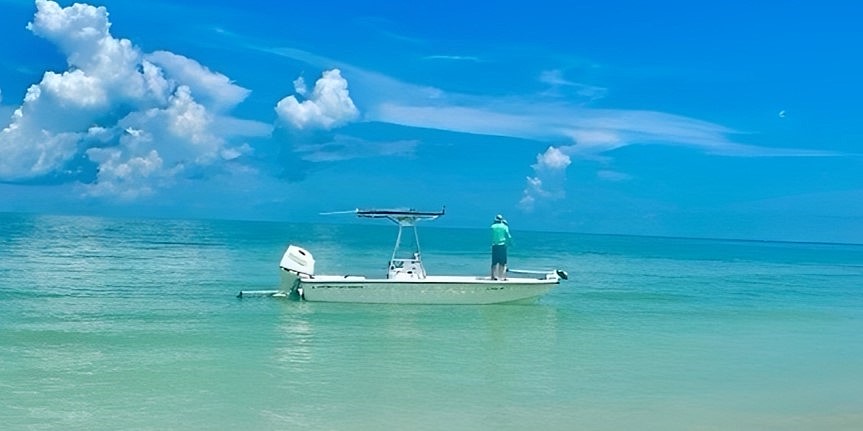
Capt. Robert Scholl knows these Clearwater waters like the back of his hand, and he's ready to put you on fish. This top-rated 4-hour private charter takes up to 4 guests through some of Florida's most productive fishing grounds – from shallow flats where redfish cruise to nearshore reefs loaded with grouper. At $600 for your whole crew, you get fuel, tackle, and Rob's years of experience working for you. His 22-foot Kenner is built for these waters, equipped with GPS, fish finder, and a live well to keep your catch fresh. You're not just booking a fishing trip; you're getting access to backcountry spots that most anglers never see.
What to Expect on the Water
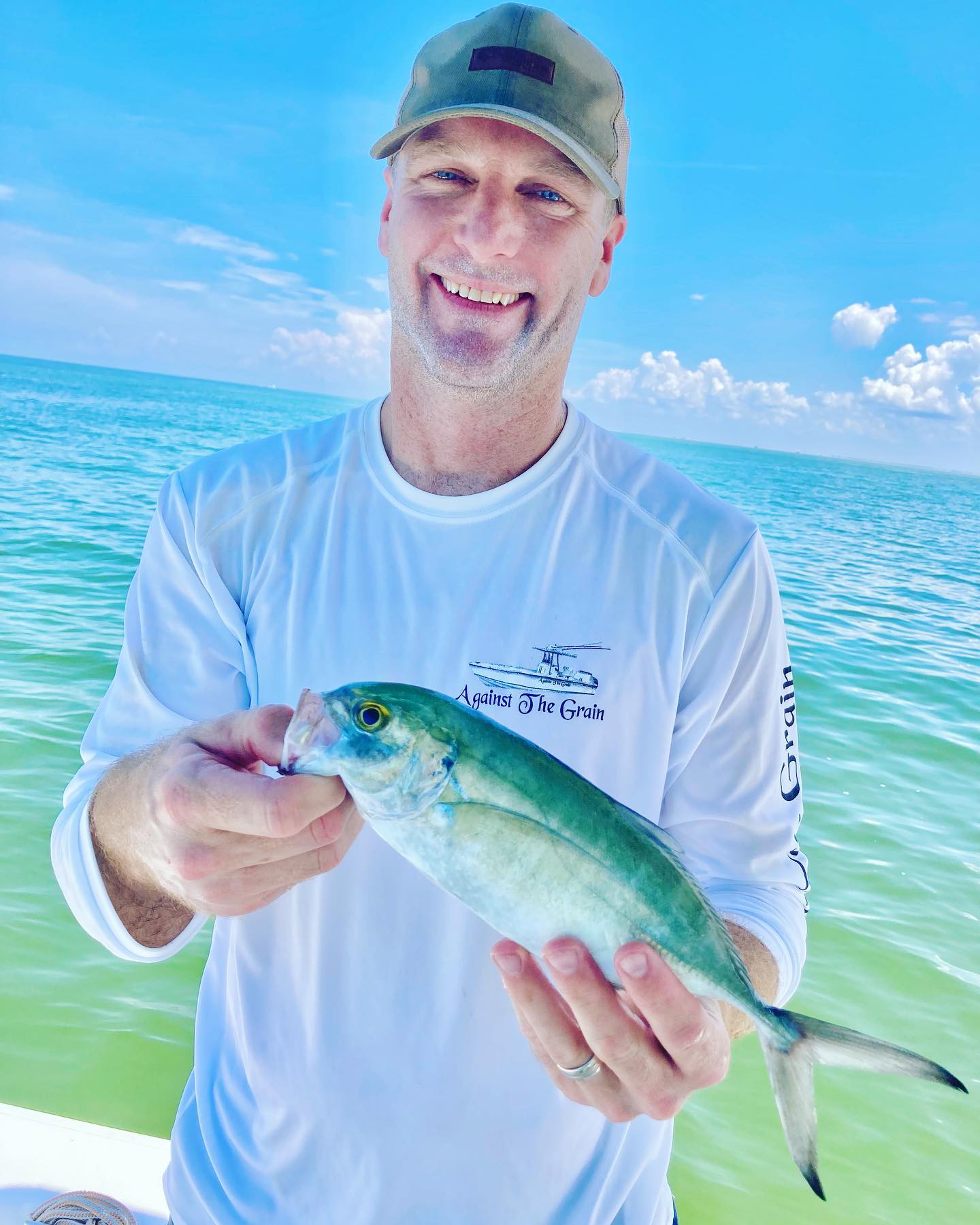
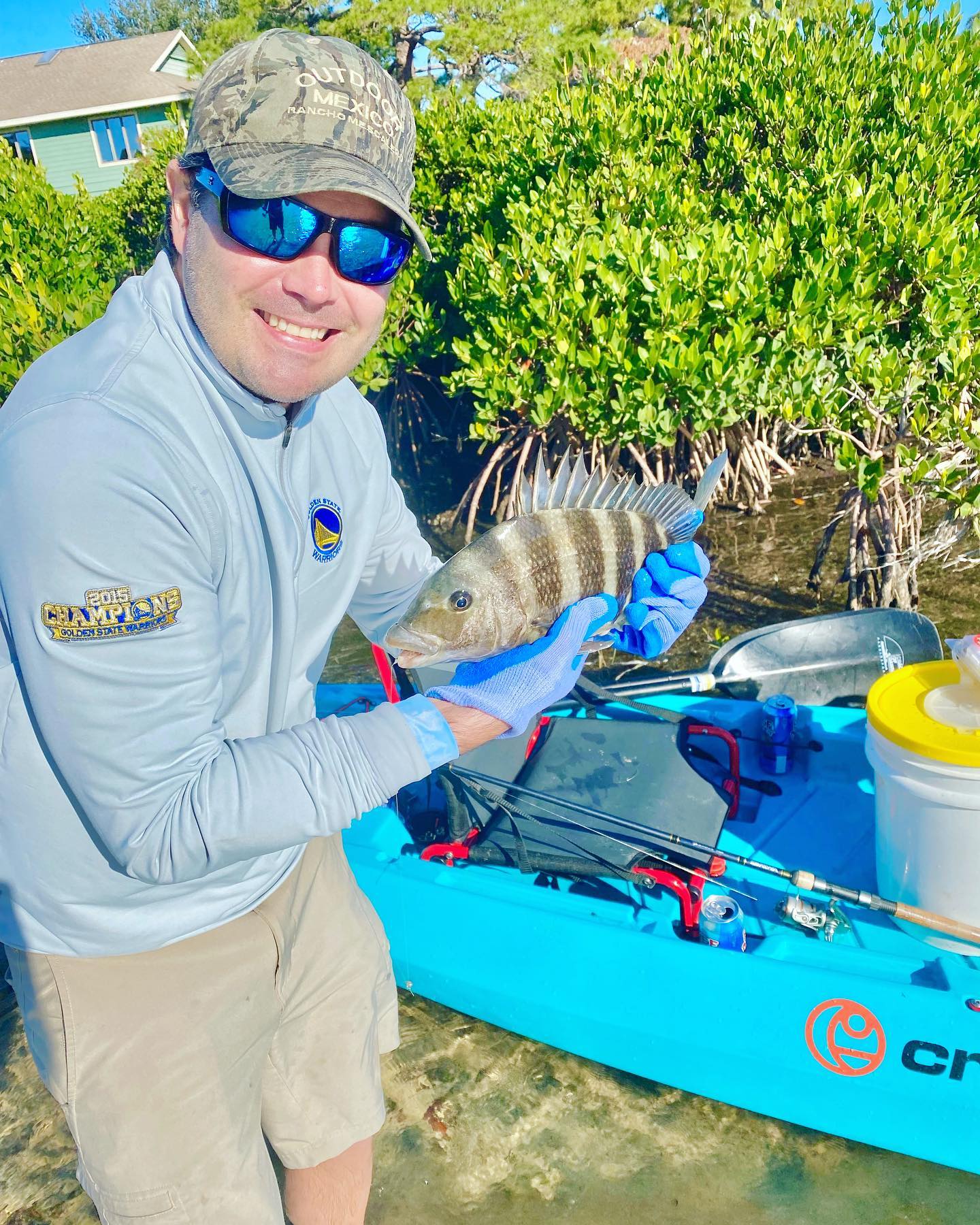
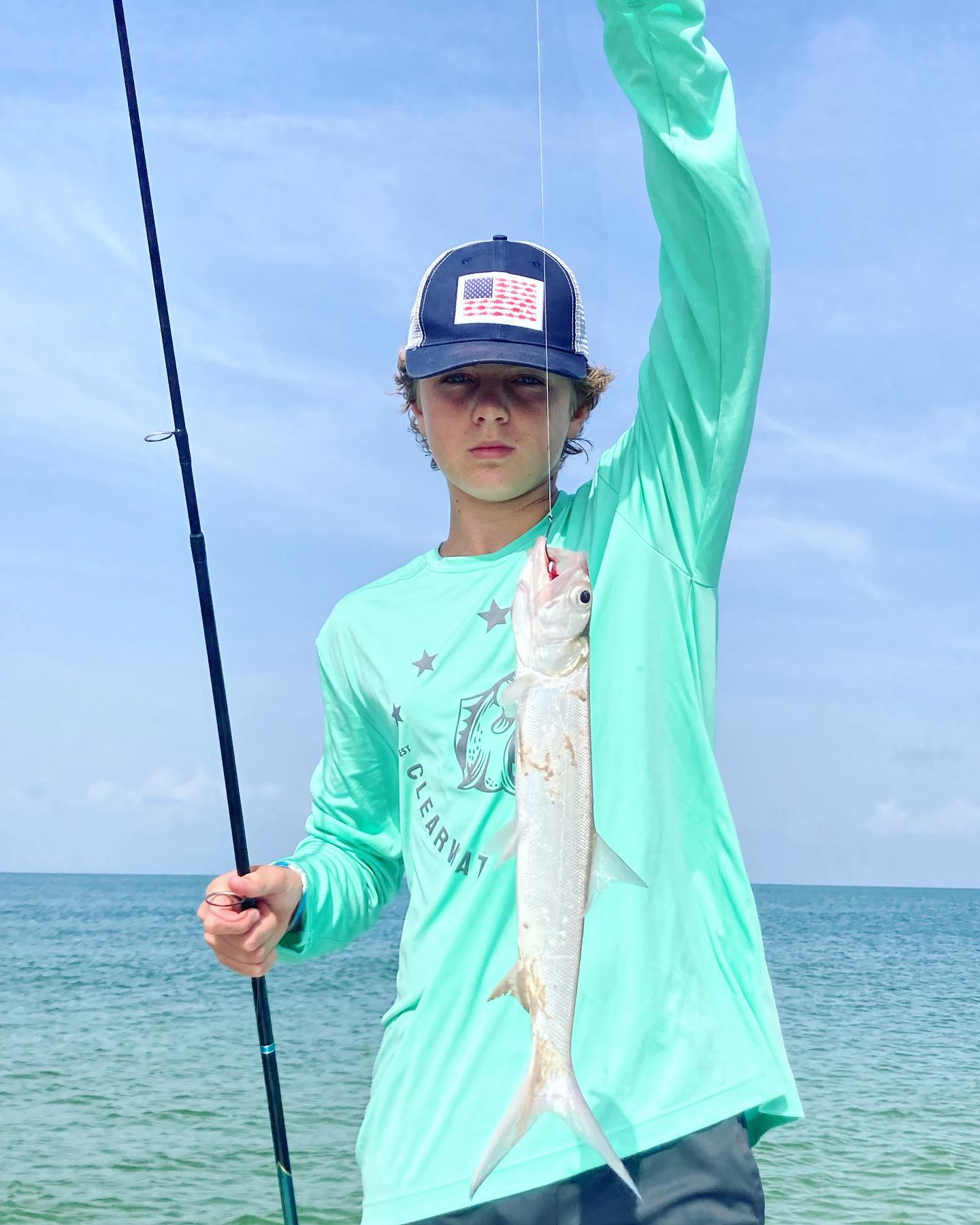
Rob runs his charters like a well-oiled machine, but keeps things relaxed and fun. You'll launch from Clearwater and head out based on what's biting – could be shallow water flats fishing for snook and reds, or running to structure for some bottom fishing action. The beauty of a private charter is flexibility; if the tarpon are rolling, that's where you're going. If the snapper bite is hot on the reef, you'll be dropping lines there instead. Along the way, don't be surprised when dolphins show up to check out the action, or when a manatee surfaces nearby. Sea turtles are common sights, and the bird life around these waters is something else – from pelicans dive-bombing bait schools to ospreys working the shallows. Rob's been guiding these waters long enough to know where the fish live, and he's not shy about sharing what he knows to help you hook up.
Techniques & Tackle Setup
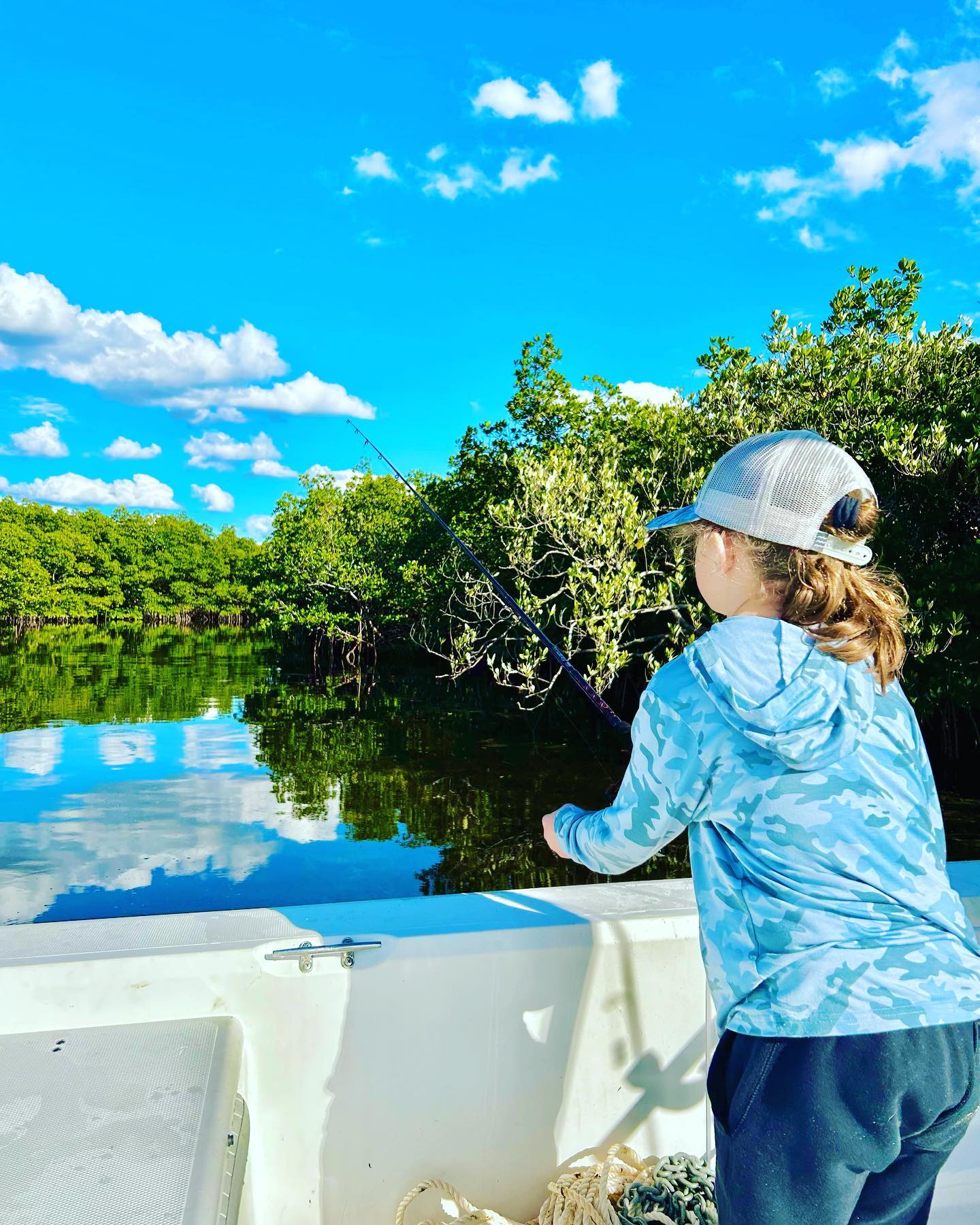
This charter covers all the bases when it comes to fishing techniques. Light tackle fishing is the name of the game when you're working the flats – think spinning reels loaded with 15-20 pound test, throwing live shrimp or pinfish at cruising redfish and snook. Rob's got the tackle dialed in, from circle hooks for catch-and-release to the right weights for different depths. When you move to deeper water or structure fishing, it's bottom fishing time – heavier tackle, cut bait, and letting the fish finder do its work to locate schools of snapper and grouper. The live well keeps bait fresh all day, whether you're using pilchards for tarpon or small crabs for redfish. Rob adjusts techniques based on conditions – wind, tide, and what the fish are telling him. He's patient with beginners but knows how to challenge experienced anglers too. The 22-foot Kenner handles these waters beautifully, stable enough for kids to fish safely but nimble enough to chase birds working bait schools.
Species You'll Want to Hook
Snook are the inshore kings around Clearwater, and for good reason. These ambush predators love structure – docks, mangroves, bridge pilings – anywhere they can hide and attack passing baitfish. They're notorious for their gill-rattling jumps when hooked, and that distinctive black lateral line makes them easy to identify. Spring through fall offers the best action, especially during moving water around dawn and dusk. What makes snook special is their fight; they'll use every bit of cover available to try breaking you off, making each hookup a chess match between angler and fish.
Tarpon fishing around Clearwater is legendary, and these silver kings live up to their reputation. We're talking fish that can exceed 100 pounds, with the power to clear the water by several feet when they don't want that hook in their mouth. Peak season runs May through August when they're migrating along the coast, but resident fish stick around year-round. The adrenaline rush of a tarpon taking your bait is something every angler needs to experience – that initial run can strip 50 yards of line in seconds. They're primarily catch-and-release, which means the bragging rights last longer than dinner.
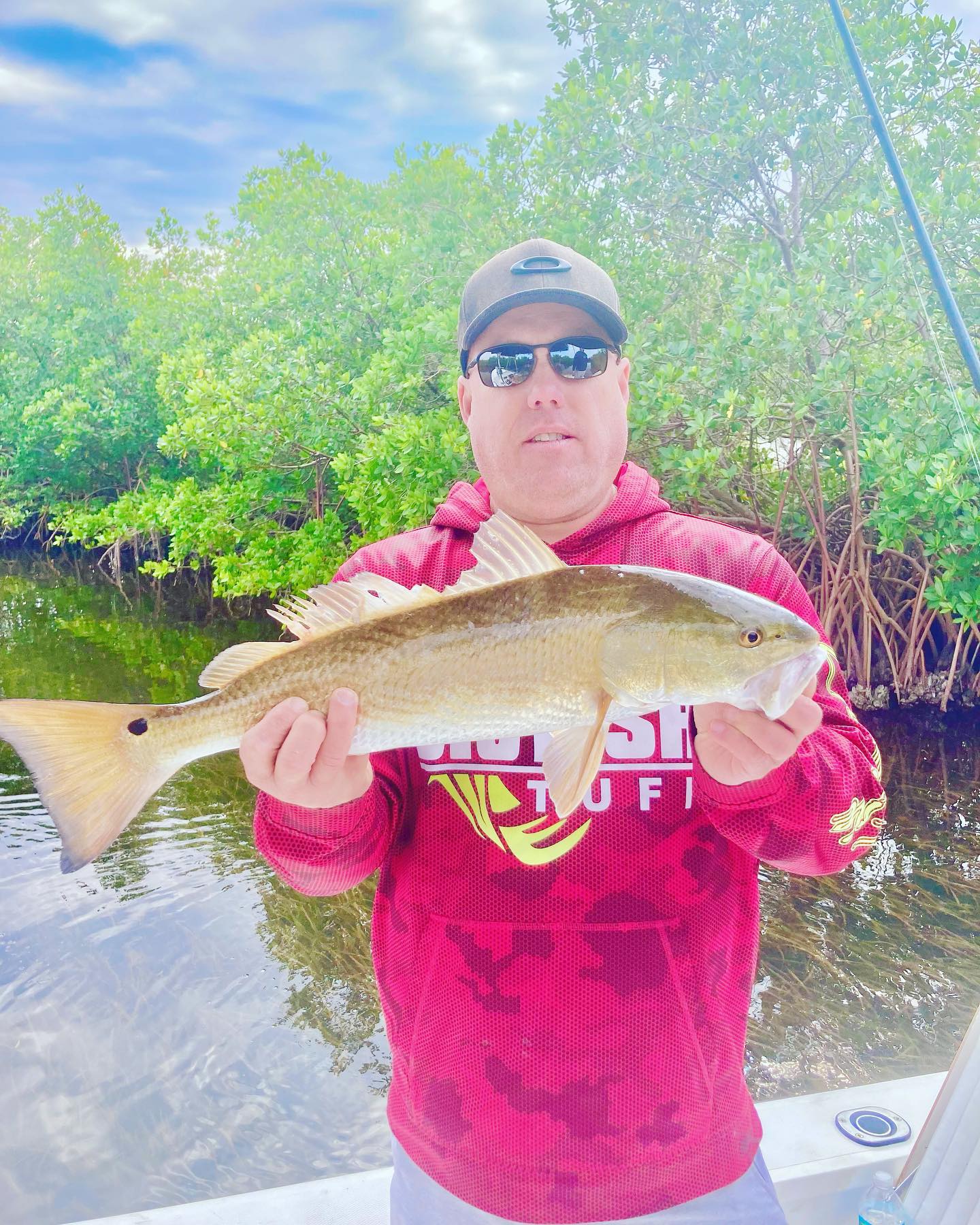
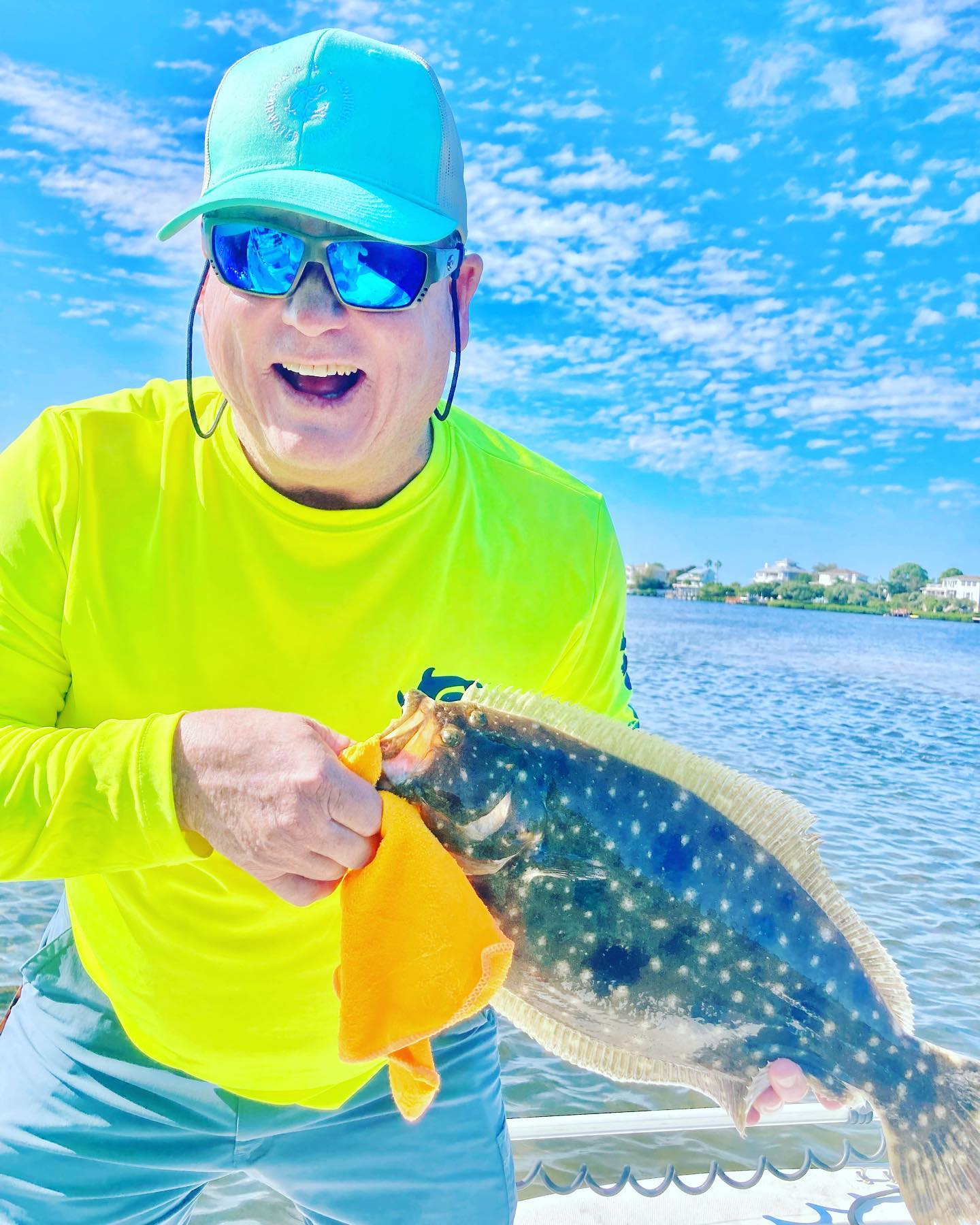
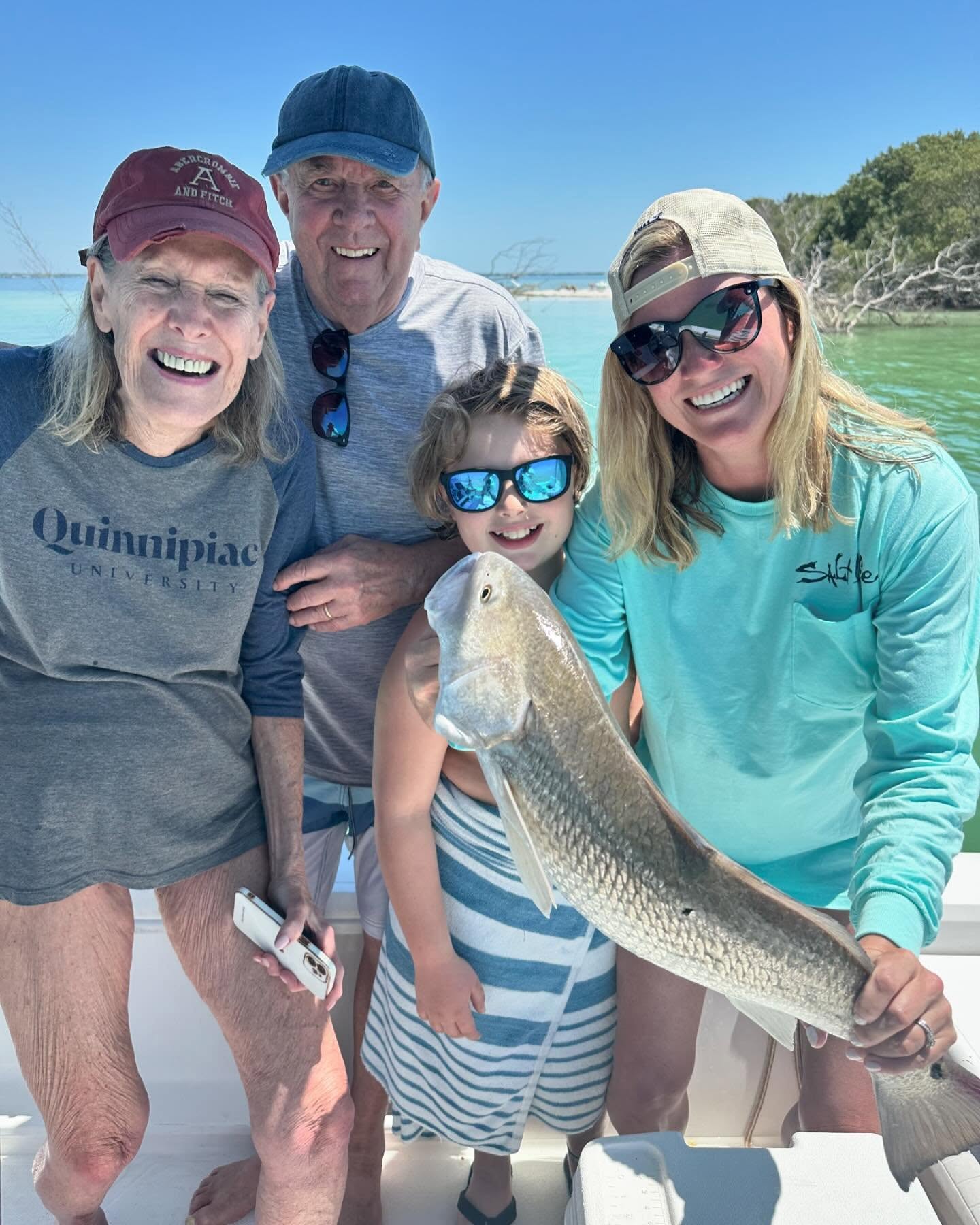
Redfish are the workhorses of the flats, and Clearwater's grass beds are perfect redfish habitat. These copper-colored bruisers average 20-30 inches and fight like they're twice that size. You'll spot them tailing in shallow water, their distinctive spotted tails breaking the surface as they root around for crabs and shrimp. Year-round residents, reds are most active during moving tides when prey gets stirred up. What anglers love about redfish is their predictability – find the right depth and structure, and you'll usually find fish.
Cobia are the wildcards that can make your whole trip. These brown sharks (they're not actually sharks) cruise around looking like trouble, often following rays and sharks to pick up stirred-up prey. They're curious fish that will come right up to the boat to investigate, giving you shot opportunities you won't believe. Spring migration brings the biggest fish through Clearwater waters, with 30-40 pounders not uncommon. Cobia fight hard and taste even better, making them a customer favorite when they show up.
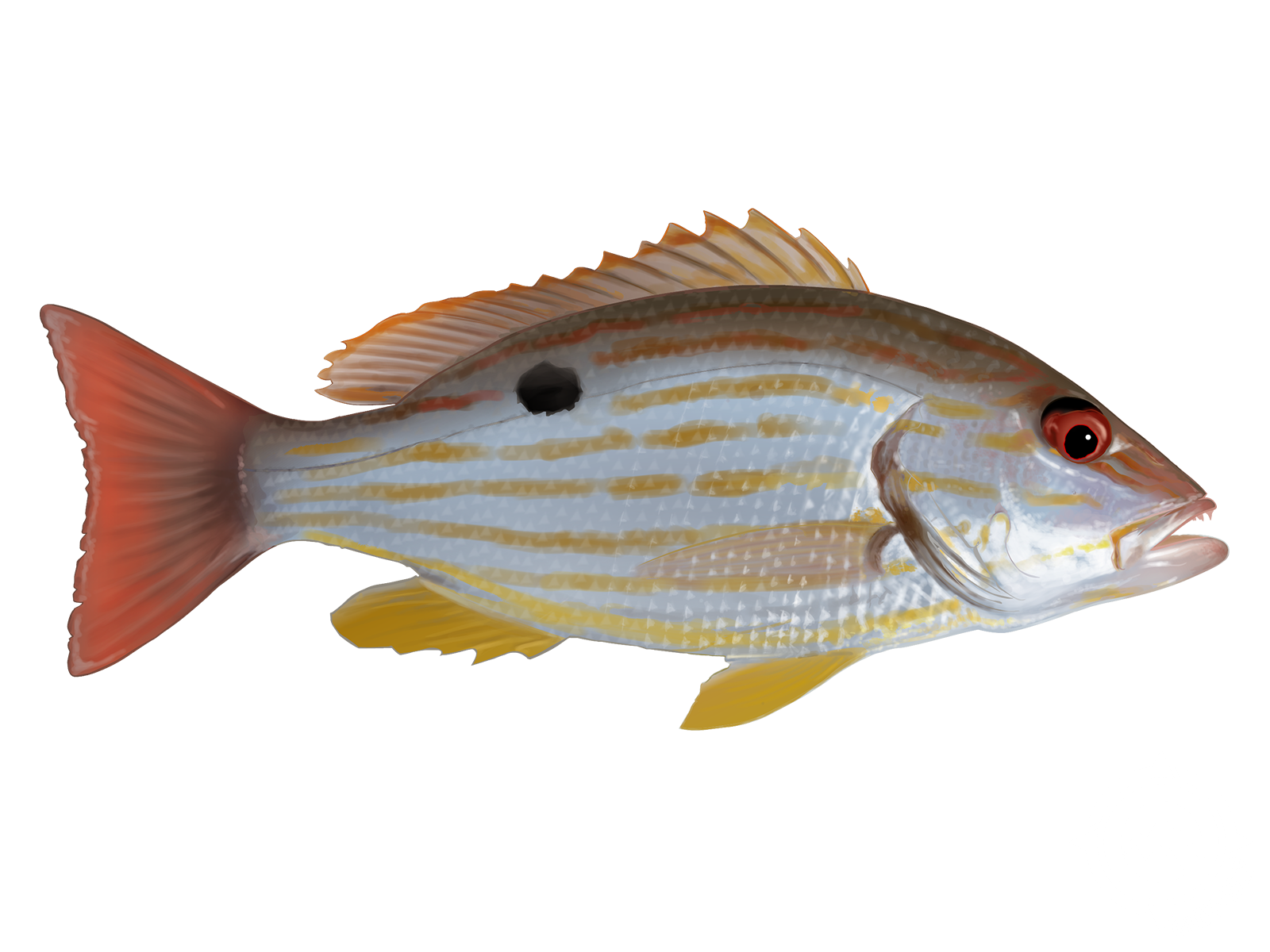
Lane snapper might be smaller than their yellowtail cousins, but they're scrappy fighters and excellent table fare. These pink and yellow beauties school up around structure, and when you find them, you can usually fill the cooler quickly. They're year-round residents that respond well to bottom fishing techniques, especially around reefs and hard bottom areas. Lane snapper are perfect for kids and beginning anglers – they bite readily and don't require heavy tackle to land.
Time to Book Your Spot
Capt. Rob's Half-Day Private Charter delivers exactly what Clearwater fishing is all about – variety, action, and the kind of local knowledge that puts fish in the boat. At $600 for up to 4 guests with everything included, you're getting world-class fishing without the crowd. The free cancellation policy (just give a day's
 Private Trip
 Inshore Fishing
 Clearwater


 Four-hour private charter targets snook, redfish, and tarpon