Early Evening Fishing in Mosquito Lagoon
When the sun starts its descent and the afternoon heat begins to fade, that's when Mosquito Lagoon really comes alive for anglers. This world-class shallow water fishery transforms into an angler's paradise as Captain Ryan fires up the engines at 5:00 PM sharp. You and two other fishing buddies will have three solid hours to work these productive waters, targeting some of Florida's most sought-after inshore species. The evening bite is legendary here, and there's something magical about watching the light change while you're hooked up to a screaming redfish or battling a stubborn black drum in the shallows.
What to Expect on the Water
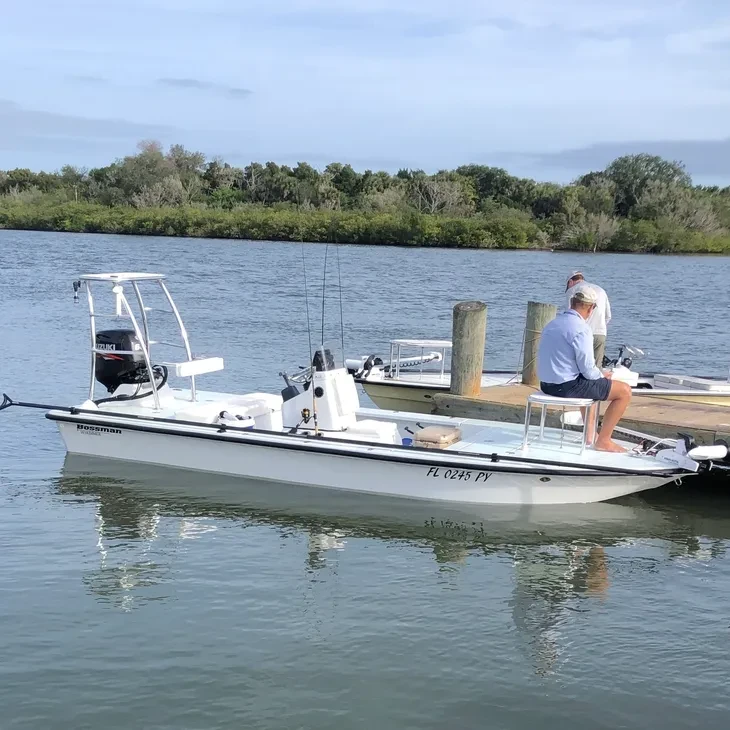
Captain Ryan knows these waters like the back of his hand, and that experience shows from the moment you step aboard. Mosquito Lagoon isn't your typical inshore fishery – it's a massive shallow water system that stretches for miles, with grass flats, oyster bars, and mangrove shorelines that hold fish year-round. The evening trip timing is perfect because you're hitting the water right when the baitfish start moving and the predators follow. The shallow nature of this lagoon means you'll be sight fishing a lot of the time, watching for wakes, tails, and nervous water that signals feeding fish. It's visual fishing at its finest, and Captain Ryan will position the boat to give everyone the best shot at the action. The intimate group size of just three anglers means you're not fighting for rod space or waiting your turn – everyone stays busy.
Techniques & Tackle Setup
The beauty of fishing Mosquito Lagoon lies in its versatility. Captain Ryan adapts the approach based on conditions, tides, and what the fish are telling him. You'll likely be throwing everything from topwater plugs to soft plastics, depending on the situation. The shallow water here demands finesse – light tackle spinning gear is the name of the game, typically 2500-3000 series reels spooled with 10-15 pound braid and fluorocarbon leaders. Artificial lures dominate this fishery. Suspending twitch baits work magic on speckled trout, while gold spoons are absolute money for redfish cruising the flats. When the bite gets tough, switching to scented soft plastics on jig heads often saves the day. Captain Ryan provides all the gear you need, but if you're bringing your own setup, think light and sensitive. The strikes here can be subtle, especially from sheepshead picking around structure, so you need to feel every bump and tick on the bottom.
Species You'll Want to Hook
Bluefish are the perfect warm-up fish for this trip – these aggressive predators hit hard and fight dirty. They school up in Mosquito Lagoon's deeper channels and around bait schools, often announcing their presence with spectacular surface feeding frenzies. Blues typically run 2-8 pounds here, and when you find a school, the action can be nonstop. They're not picky eaters, smashing everything from spoons to topwater plugs. The best part about hooking into blues is their raw power and determination – they'll make screaming runs and fight all the way to the boat.
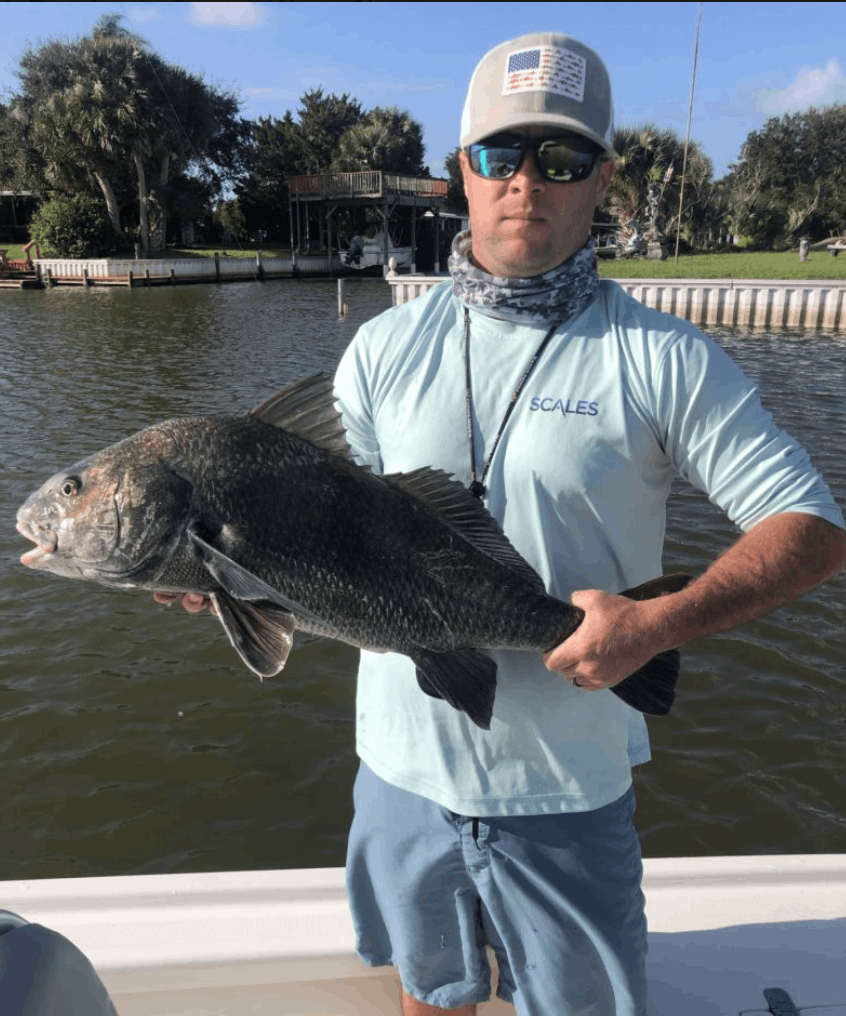
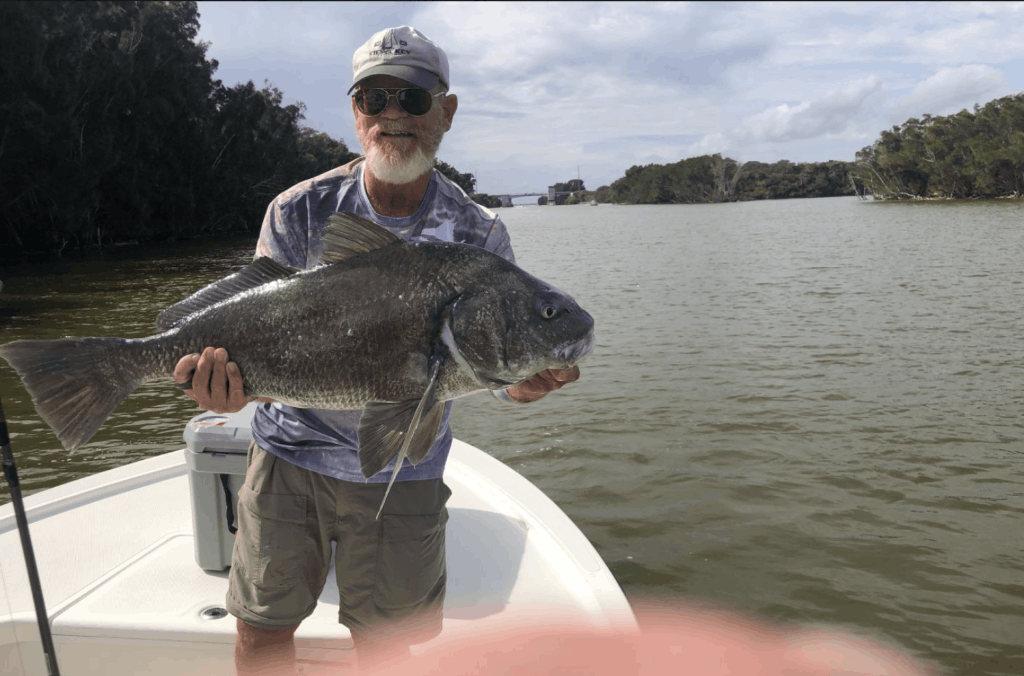
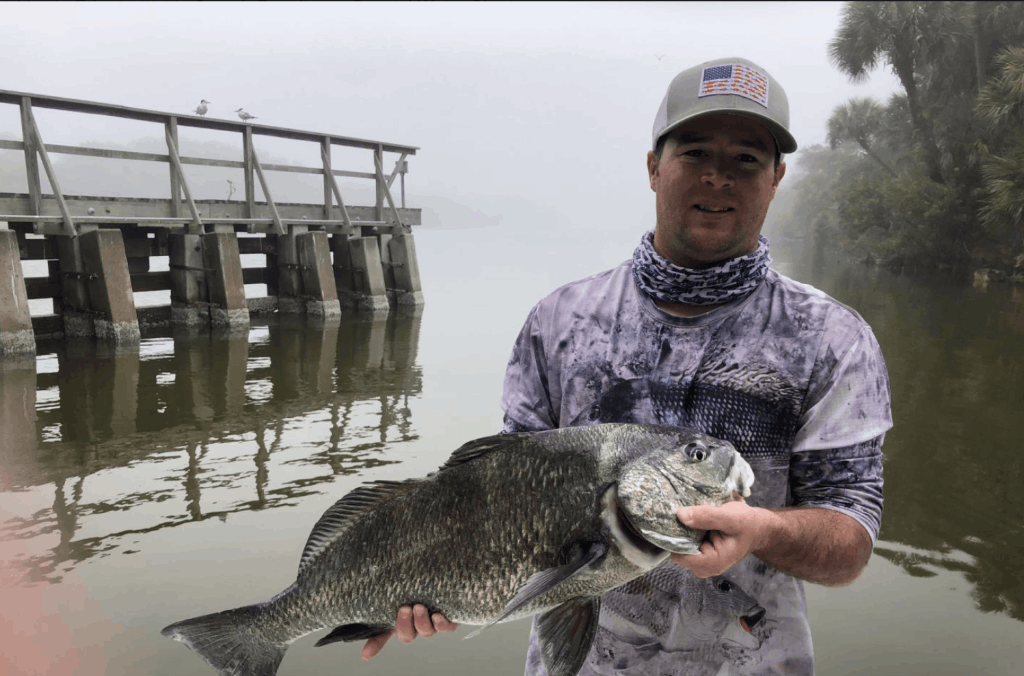
Black drum are the heavyweights of this system, and Mosquito Lagoon holds some true giants. These bottom-dwelling bruisers can exceed 40 pounds, though most catches range from 5-20 pounds. They're structure-oriented fish, hanging around oyster bars, bridge pilings, and deeper holes. Black drum have incredible pulling power once hooked, using their broad sides to leverage against the current. They're notorious for their subtle bites – often feeling like you're hung up on bottom before the fish starts moving. Captain Ryan knows exactly where these fish congregate, and landing a big black drum is always a trip highlight.
Sheepshead earn their reputation as the "convict fish" with their distinctive black stripes, but they're equally famous for being tackle thieves. These bait-stealing experts hang around any structure in Mosquito Lagoon – docks, pilings, rocks, and oyster bars. They have human-like teeth designed for crushing shellfish, which makes them incredibly effective at stealing baits. Sheepshead require patience and quick reflexes, but once you figure out their bite pattern, they're addictive to target. Most run 1-3 pounds, but the lagoon produces some true slabs pushing 5-6 pounds.
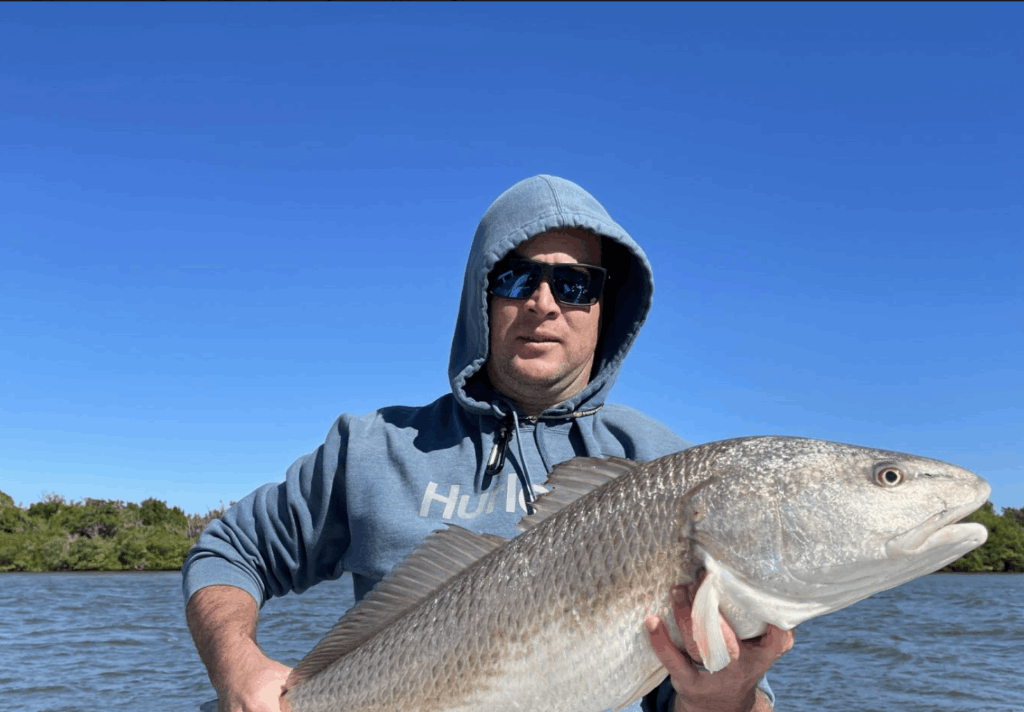
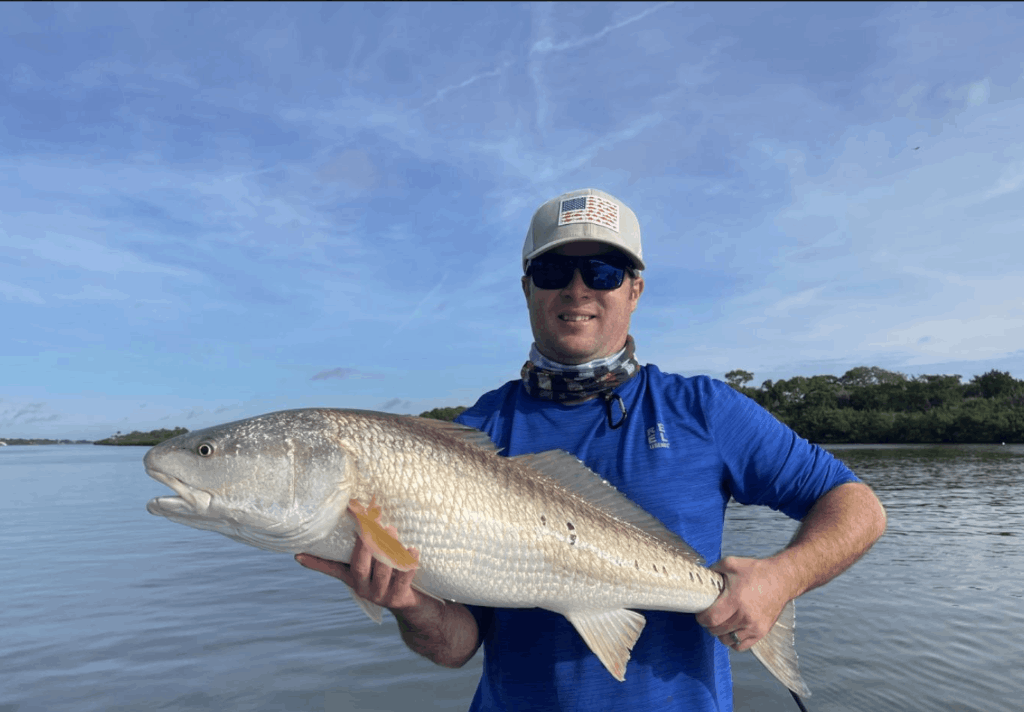
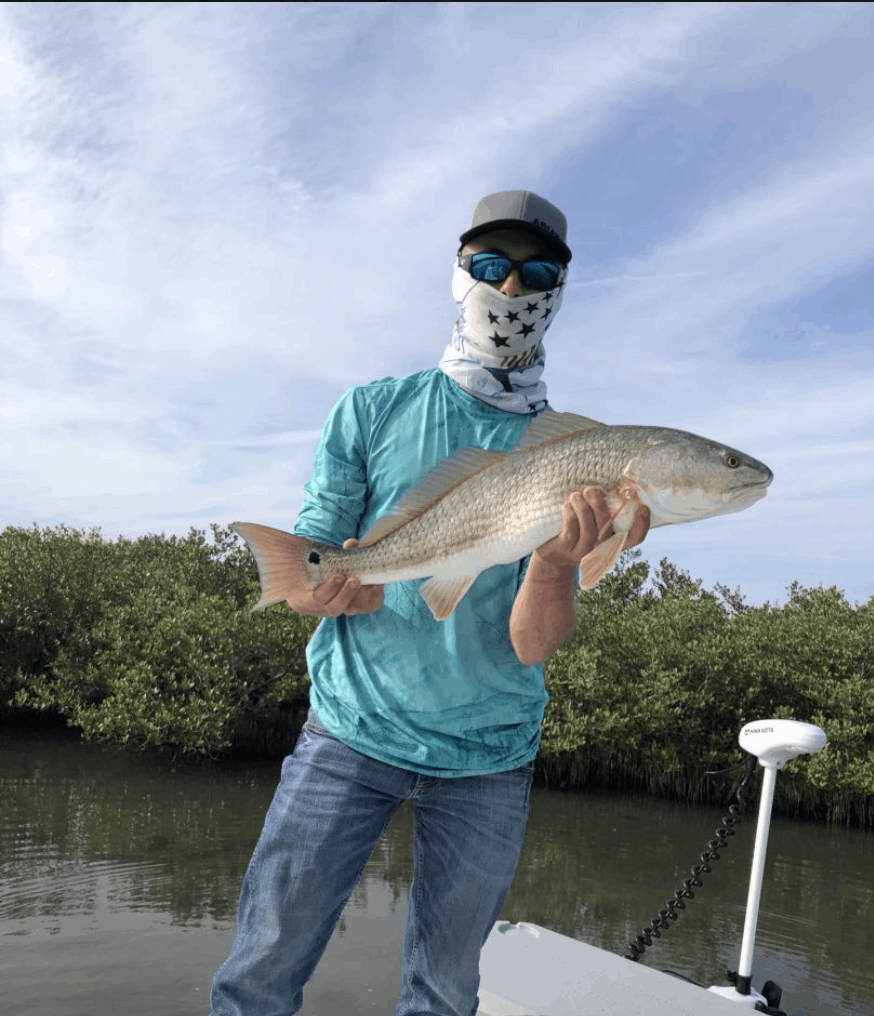
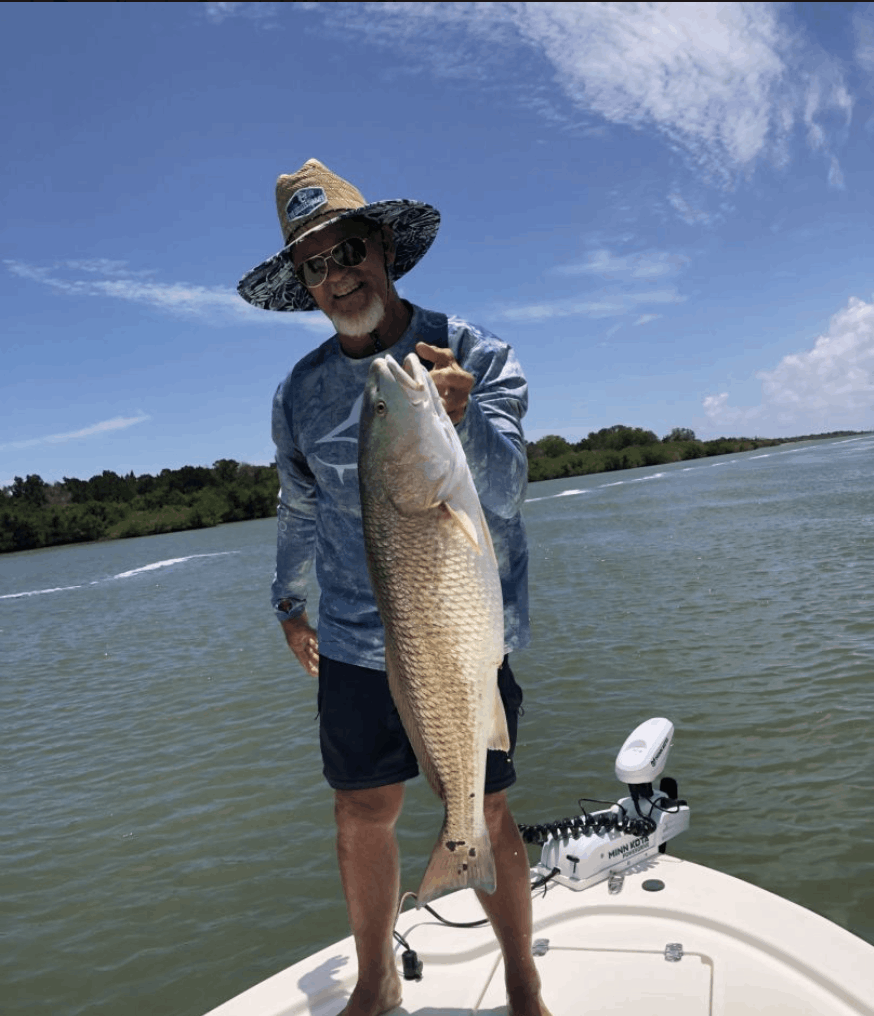
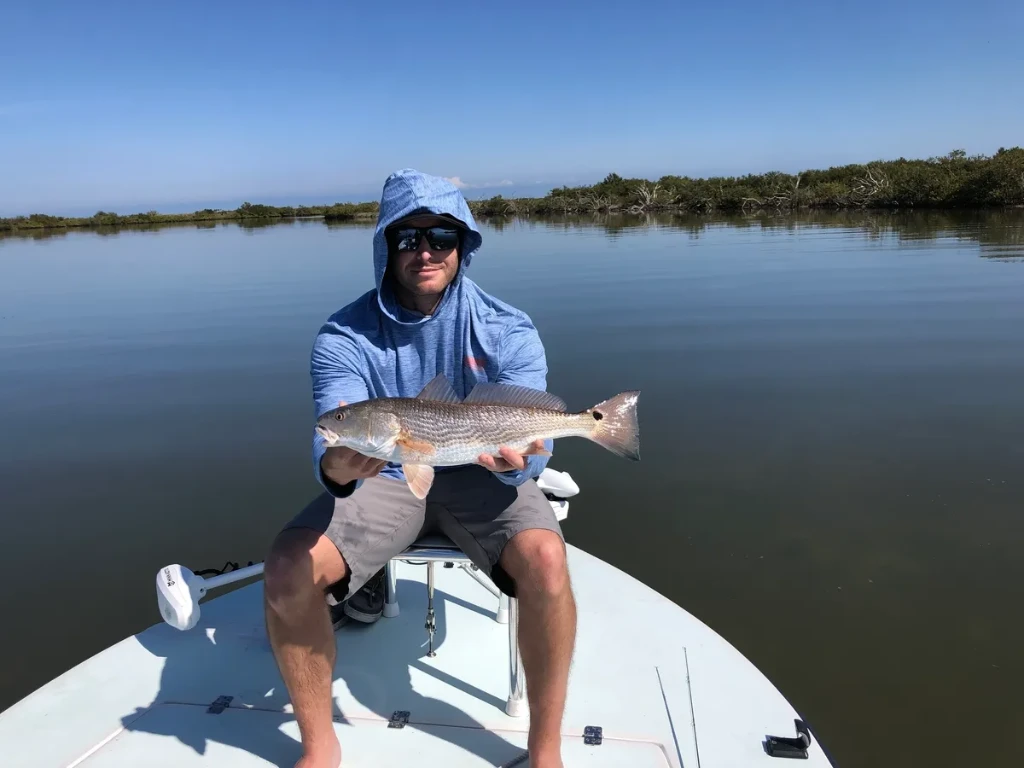
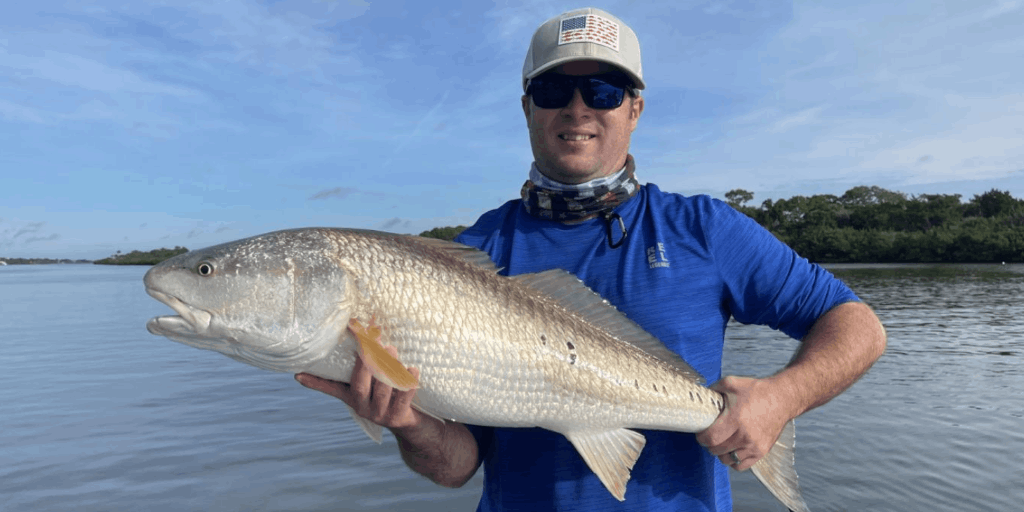
Redfish are the crown jewel of Mosquito Lagoon fishing, and this shallow water paradise is considered one of Florida's top redfish destinations. These copper-colored fighters patrol the grass flats in schools, often with their backs out of the water as they root for crabs and shrimp. Reds here typically range from 18-27 inches, perfect eating size, with the occasional oversized bull mixed in. They're visual feeders that respond well to both live bait and artificials. When a red inhales your lure in two feet of water, the explosion and subsequent fight will get your heart racing. They're bulldogs that use the shallow water to their advantage, making long runs across the flats.
Crevalle Jack, or "jacks" as most anglers call them, are the muscle cars of the lagoon. These silver bullets are pure energy wrapped in scales, capable of making blistering runs that will test your drag system and your arms. Jacks school up around bait concentrations and often feed aggressively near the surface. They're not the prettiest fish in the lagoon, but pound-for-pound, few fish fight harder. A 10-pound jack will give you a workout that feels like battling a fish twice its size. They're opportunistic feeders that will crush almost any lure presented properly, making them a favorite target when you want guaranteed action.
Time to Book Your Spot
This top-rated evening fishing adventure fills up fast, especially during peak seasons
 Private Trip
 Inshore Fishing
 Titusville


 Three-hour evening inshore fishing trip in Mosquito Lagoon waters