3 Hour Morning Fishing Trip in Mosquito Lagoon
If you're looking to shake up your usual fishing routine, Coastal Water Charters has exactly what you need. This pristine lagoon system on Florida's east coast offers some of the most consistent inshore fishing you'll find anywhere. Our 3-hour morning trips start early when the fish are most active and the water is calm, giving you the perfect setup for landing multiple species before most people even have their coffee. With space for up to 3 anglers, this trip keeps things intimate so everyone gets plenty of action and personalized attention from our experienced captain.
What to Expect on the Water
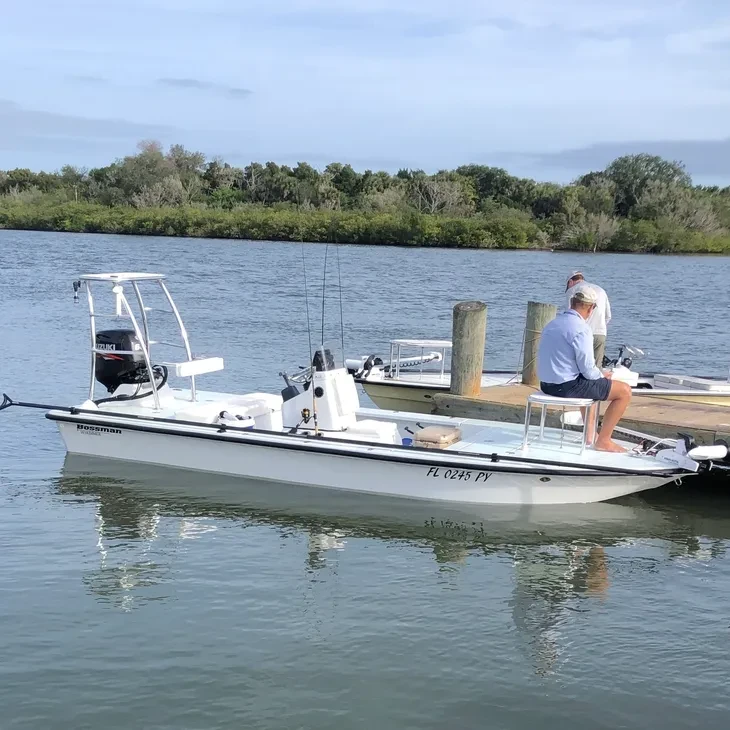
Mosquito Lagoon is a shallow water paradise that stretches for miles without a single motor restriction. The entire system averages just 2-4 feet deep, creating the perfect nursery habitat that attracts baitfish and the predators that follow them. You'll be fishing crystal clear water where you can often see your target species before you cast to them. The lagoon's grass flats, oyster bars, and mangrove shorelines create diverse structure that holds different species throughout the tide changes. Early morning starts give you the advantage of cooler temperatures and less boat traffic, plus you'll often catch the tail end of the dawn bite when fish are still actively feeding from the night before. The shallow draft boat we use lets us access spots that bigger vessels simply can't reach, putting you on fish that rarely see pressure from other anglers.
Techniques & Tackle Setup
We fish primarily with light spinning tackle that's perfectly matched to the species and conditions you'll encounter. Most of our fishing involves sight casting to cruising fish using live shrimp, finger mullet, and artificial lures like DOA shrimp and soft plastics. The clear water means stealth is crucial - long, accurate casts and quiet presentations often make the difference between a great day and an average one. We'll work the grass flats using popping corks and free-lined baits, drift the deeper channels with bottom rigs, and target structure like oyster bars and dock pilings where ambush predators like to hang out. The beauty of this fishery is its versatility - you might catch a redfish on a topwater plug, then switch to live bait for a black drum, then sight cast to tailing fish in skinny water all within the same hour. Our captain will adjust techniques based on tide, weather, and what the fish are doing that particular morning.
Species You'll Want to Hook
Bluefish are aggressive predators that show up in schools throughout Mosquito Lagoon, especially during cooler months from October through March. These hard-fighting fish typically run 2-8 pounds and are absolute blast on light tackle. They'll crush topwater lures, cut bait, and live shrimp with equal enthusiasm. What makes them so exciting is their explosive strikes and determined runs - a good bluefish will test your drag and give you a real workout. They're also excellent table fare when handled properly, making them a favorite target for anglers who like to bring dinner home.
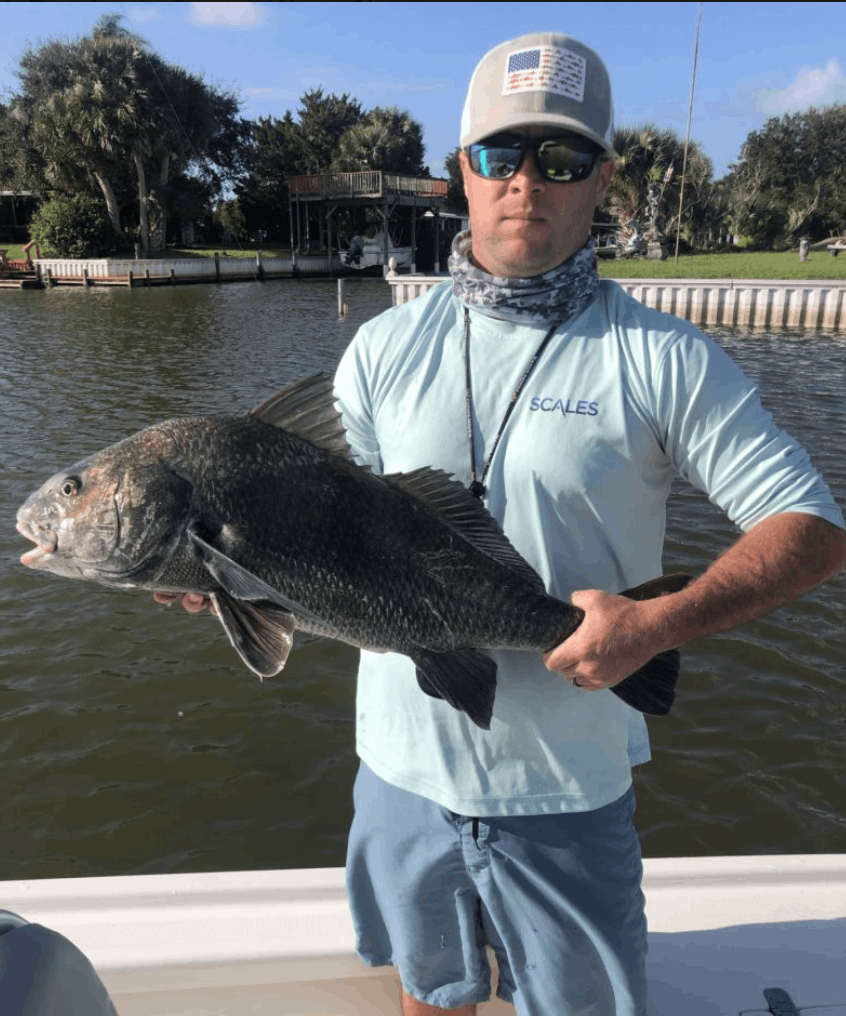
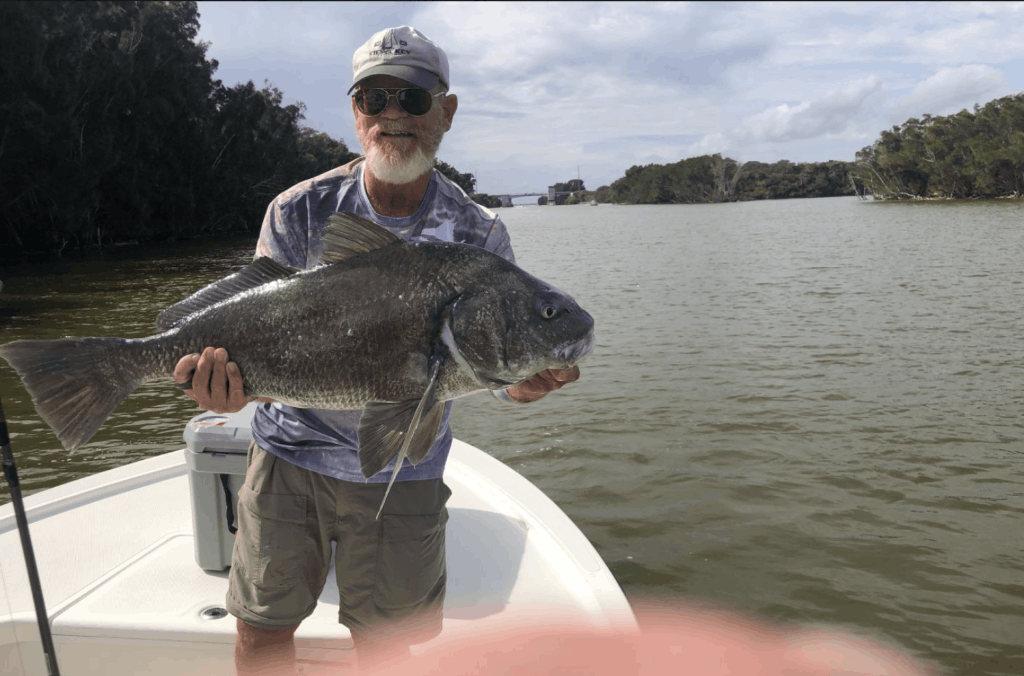
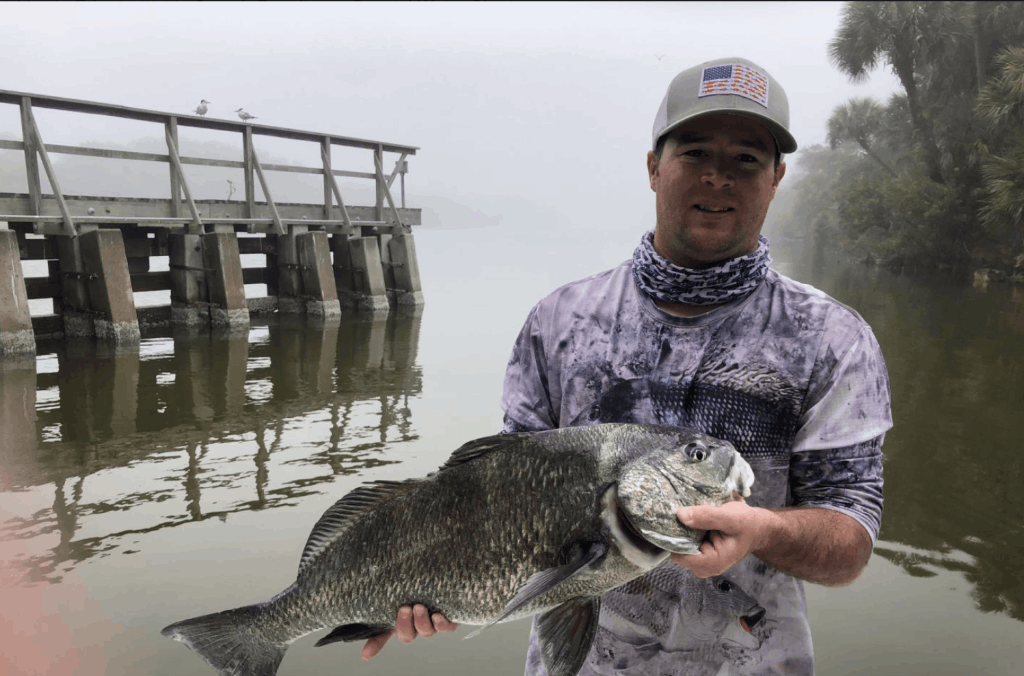
Black drum are the heavyweights of the lagoon system, with fish ranging from schoolie-sized 5-pounders up to bull drum exceeding 40 pounds. These bottom dwellers love oyster bars and deeper holes where they use their powerful pharyngeal teeth to crush shellfish and crabs. Peak season runs from late fall through early spring when the big breeders move into shallow water. Black drum are incredibly strong fighters that use their broad sides to leverage against your rod, creating long, powerful runs that will have your arms burning. The bigger fish are true trophy catches that many anglers specifically target for their size and fighting ability.
Sheepshead earn their reputation as the "convict fish" thanks to their distinctive black and white stripes, but they're better known among anglers for being one of the wariest biters in the lagoon. These structure-oriented fish hang around docks, pilings, and oyster bars where they pick off barnacles, oysters, and small crabs. Their small mouths and light bites require finesse fishing with small hooks and fresh bait. Landing a good sheepshead takes skill and patience, but their firm white meat makes them one of the most sought-after table fish in the area. Winter months produce the best action when they school up in deeper areas.
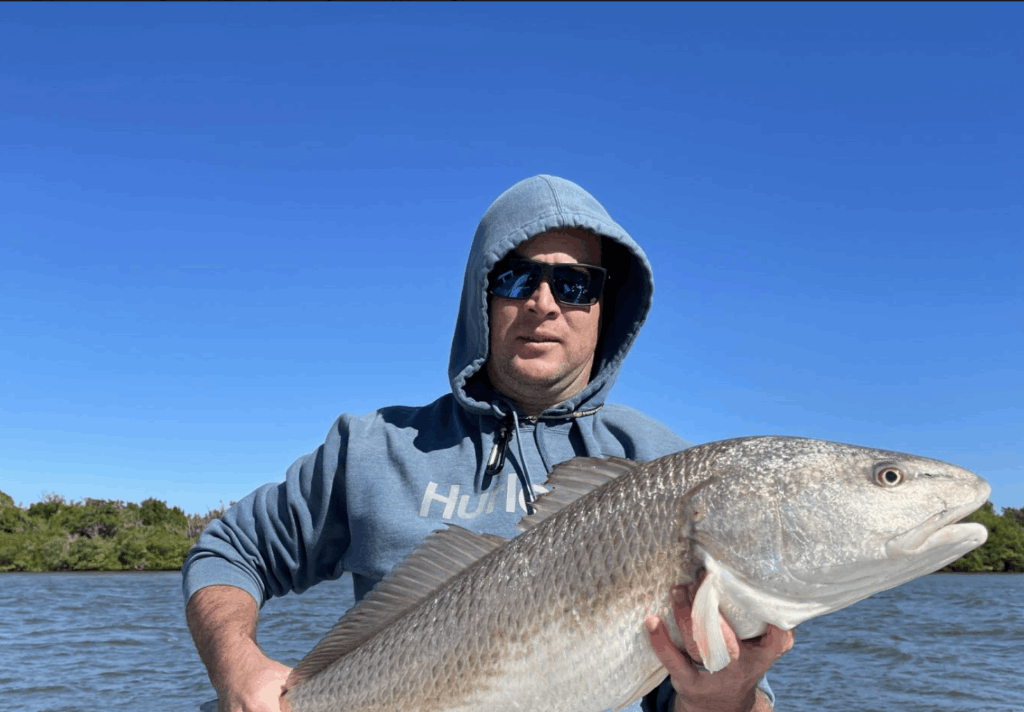
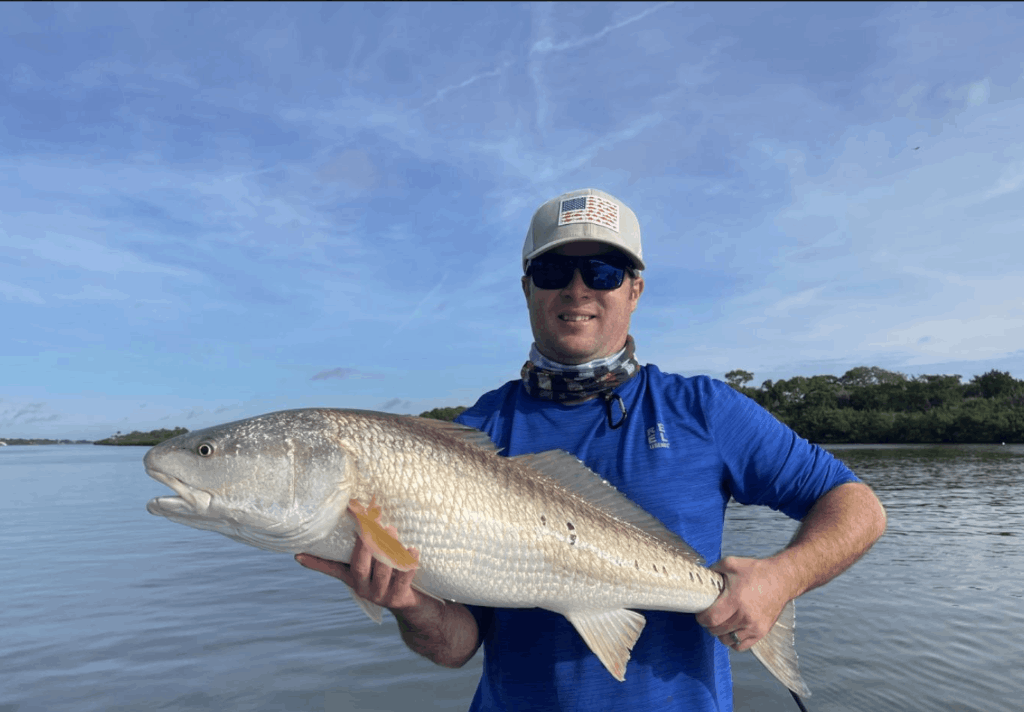
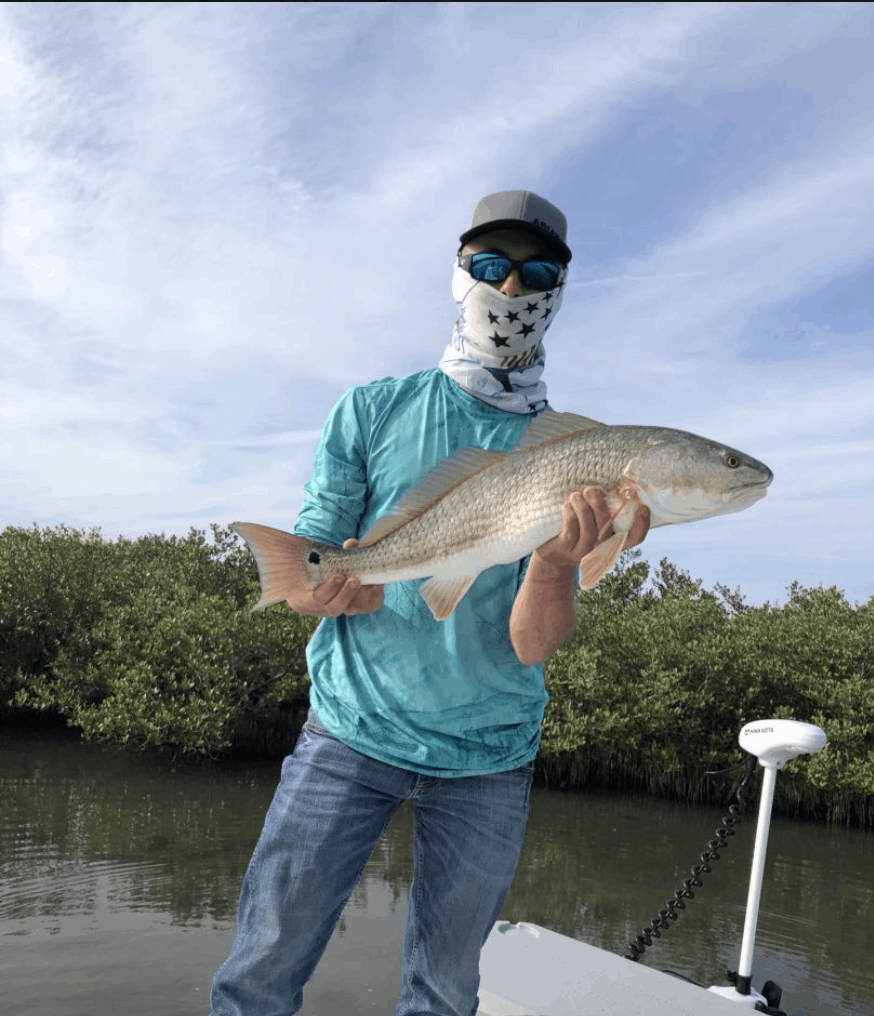
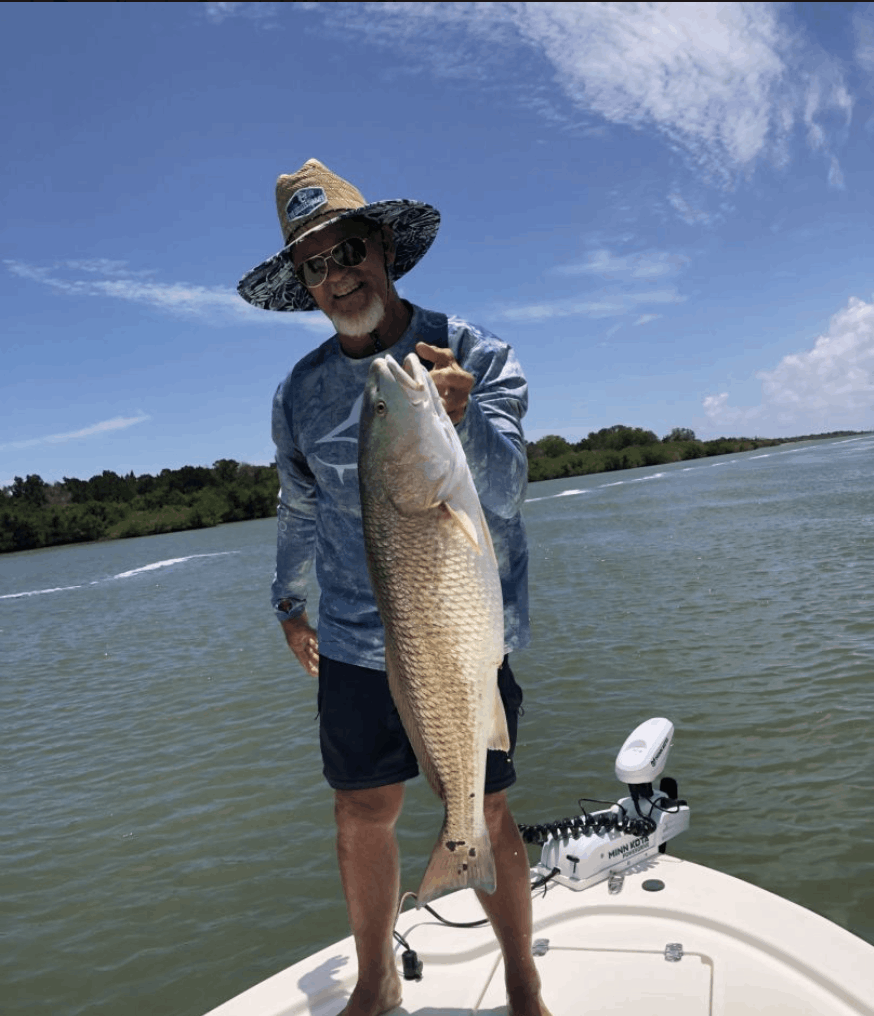
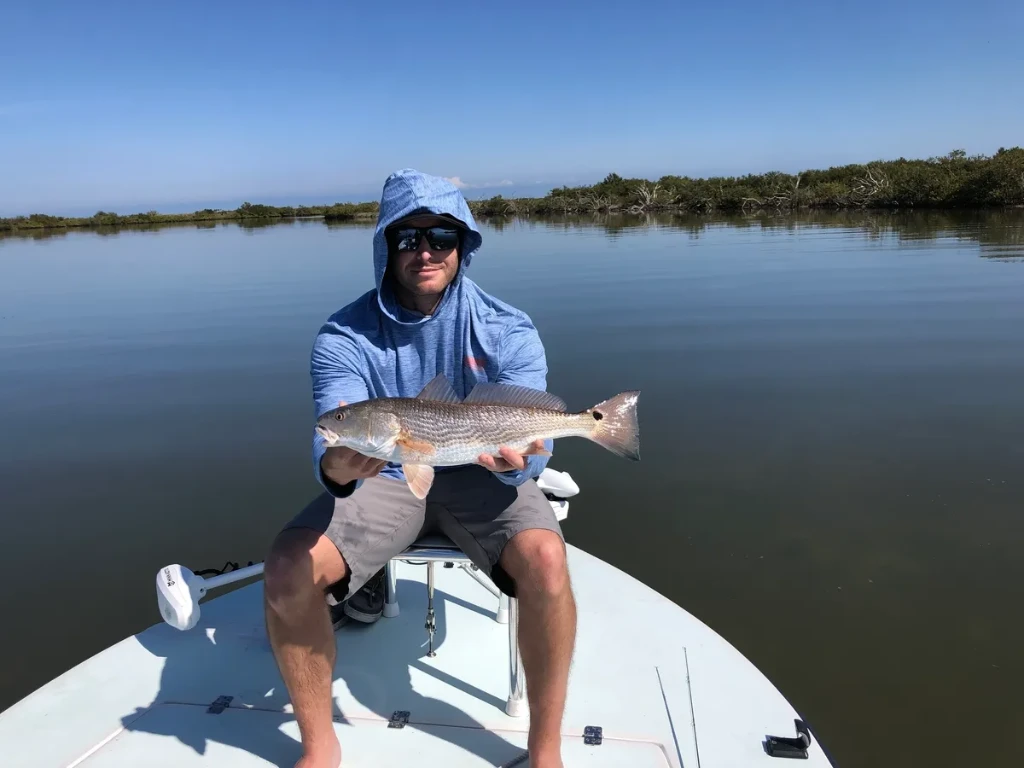
Redfish are the crown jewel of Mosquito Lagoon and the species that put this fishery on the map. These copper-colored bruisers thrive in the shallow grass flats and can be targeted year-round, though fall and spring offer peak action. Slot-sized fish typically run 18-27 inches and provide spectacular fights with powerful runs and head-shaking jumps. What makes redfish special here is the sight fishing opportunities - you'll often see them tailing in inches of water or cruising the flats in small schools. They eat everything from live shrimp to topwater plugs, and a good red will strip line off your reel like few other inshore species can match.
Crevalle jack, locally called just "jacks," are the muscle cars of the lagoon system. These silver torpedoes travel in schools and when you find them, the action can be absolutely wild. They're incredibly aggressive and will attack almost any lure or bait with reckless abandon. Jacks are pure fighting fish - they'll make blistering runs, dive deep, and fight until they're completely exhausted. Most fish range from 5-15 pounds, though larger specimens over 20 pounds show up regularly. They're primarily a summer species that peaks during the warmer months when baitfish are abundant throughout the system.
Time to Book Your Spot
Mosquito Lagoon delivers consistent fishing action year-round, but those early morning bites are something special. The combination of diverse species, clear water sight fishing, and our captain's intimate knowledge of the system creates the perfect recipe for a memorable day on the water. Whether you're an experienced angler looking to target
 Private Trip
 Inshore Fishing
 Titusville


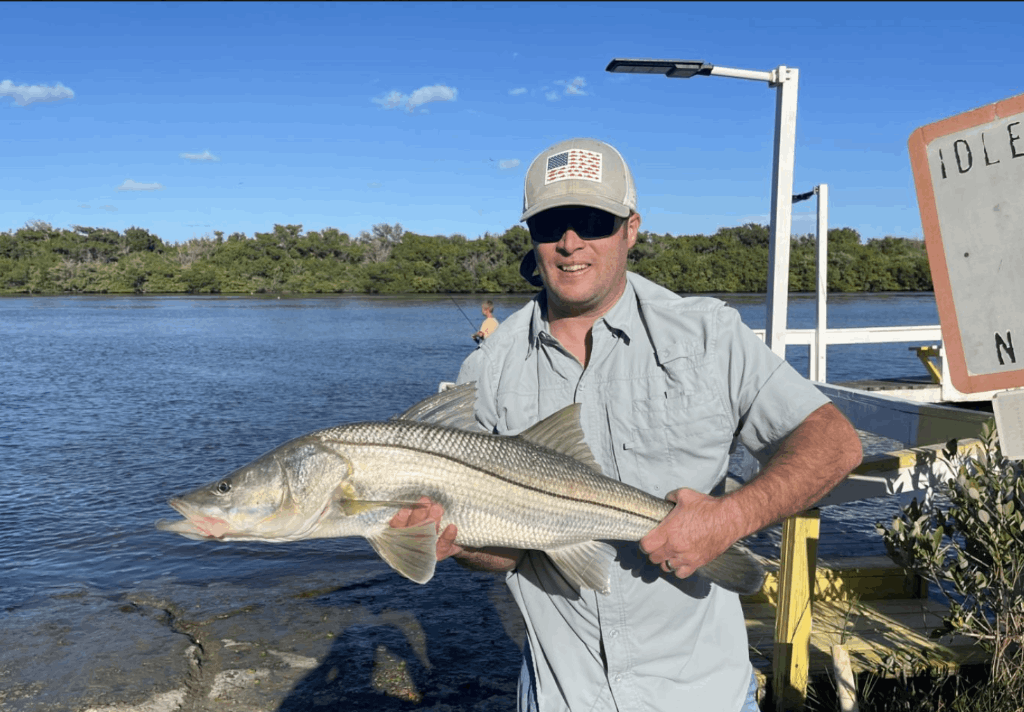
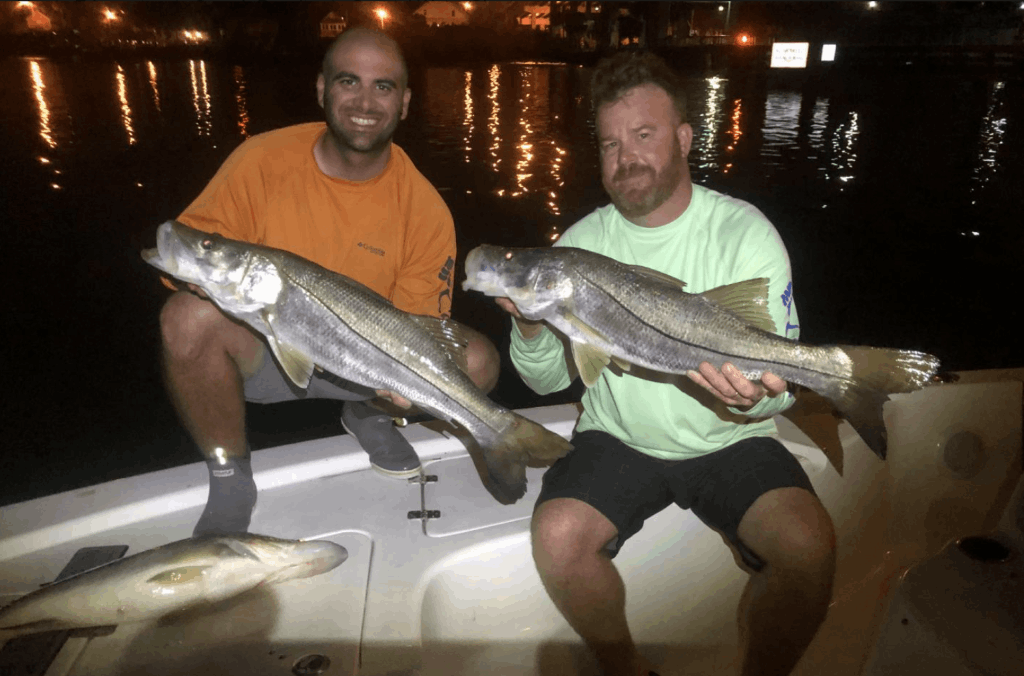
 Expert guide targets redfish, snook, and tarpon in prime spots