Full Day Cumberland River Trout Fishing
Looking for some serious trout action on one of Tennessee's premier blue ribbon streams? Captain Gregg knows every bend, pool, and riffle on the Cumberland River like the back of his hand. This 8-hour fly fishing adventure puts you right where the big browns and rainbows are feeding, with all the gear and guidance you need to make it count. Whether you're working on your cast or ready to land your personal best, this trip delivers the kind of fishing that keeps anglers talking long after they've hung up their waders. Plus, we'll keep you fueled with lunch and drinks so you can focus on what really matters – getting tight to some beautiful Cumberland River trout.
What to Expect on the Water
The Cumberland River below Wolf Creek Dam is a completely different animal than your typical warm-water fishery. This tailwater stays cold year-round thanks to the dam releases, creating perfect habitat for trout that most folks only dream about catching in Tennessee. Captain Gregg will pick you up at a meeting location – just give him a call at (248) 762-3210 to coordinate – and from there, you're in for 8 solid hours of some of the best trout fishing the Southeast has to offer. The river changes personality throughout the day as water levels fluctuate with dam releases, and Gregg knows exactly how to read these changes and put you on active fish. You'll be wading crystal-clear water that runs 50-55 degrees even in summer, working pools that can hold everything from feisty 12-inch rainbows to brown trout that'll make your drag scream. This is a small-group experience with just 2 anglers max, so you'll get plenty of one-on-one instruction and prime water time.
Fly Fishing Techniques & Gear
Don't worry about bringing anything except your fishing license and enthusiasm – Captain Gregg has you completely covered on gear. You'll be fishing with quality fly rods matched to the conditions, and he'll have the right flies tied on before you even step in the water. The Cumberland fishes best with nymphs and streamers most of the year, though dry fly action can be fantastic during hatches. Gregg will walk you through reading the water, proper mending techniques, and how to work your flies through different types of structure. If you're new to fly fishing, he'll start with the basics of casting and line control. More experienced anglers will pick up advanced techniques for fishing deep pools and working streamers for big browns. The wading here requires some attention – the bottom can be slick, and you'll want to move carefully, but Gregg knows all the safe crossing points and will keep you positioned where the fish are without putting you in sketchy water. He's also got a great eye for untangling wind knots and getting flies out of trees, so don't sweat the learning curve.
Customer Stories
"While we didn't fish the area I expected, Gregg put us on plenty fish. We had a great day. He's a friendly and funny person. Never got upset no matter how many times we got hung up on something." - Barbara Ann "My son and I had an amazing time. Gregg was knowledgeable, patient and prepared! We caught a lot of fish and had a great time. Very grateful for the new memories!" - Adriene "We had a great trip and caught tons of fish and some big browns. Everybody lands some casts in the trees, but Gregg handled my sons mistakes with grace. Gave us some new ideas to fish this blue ribbon stream. Extremely friendly and easy-going we would definitely recommend and go again." - Steve
Species You'll Want to Hook
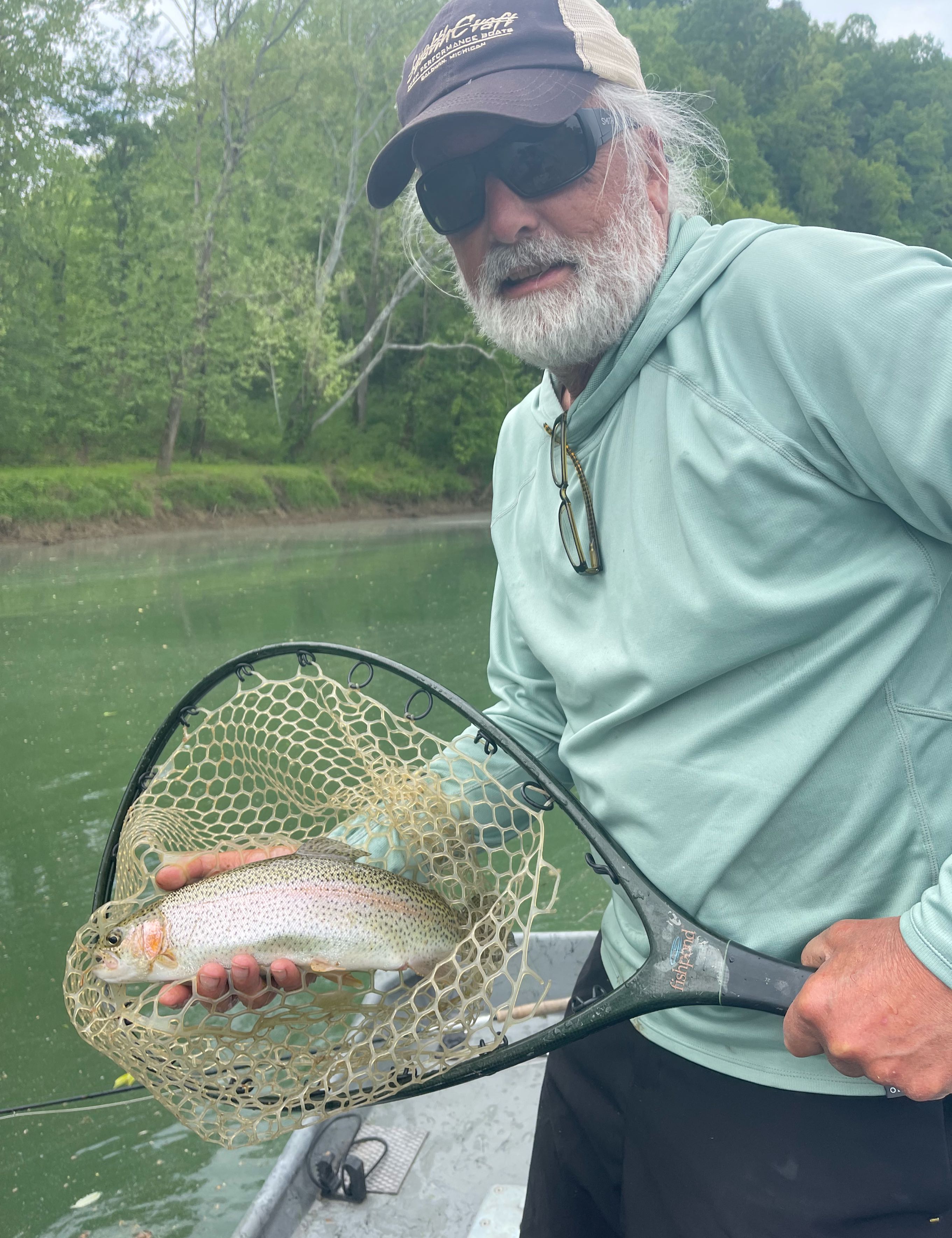
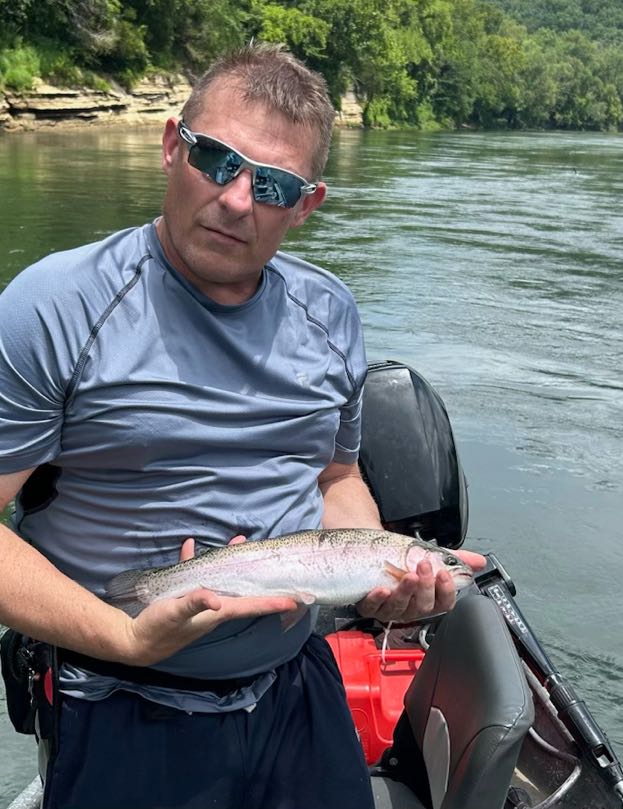
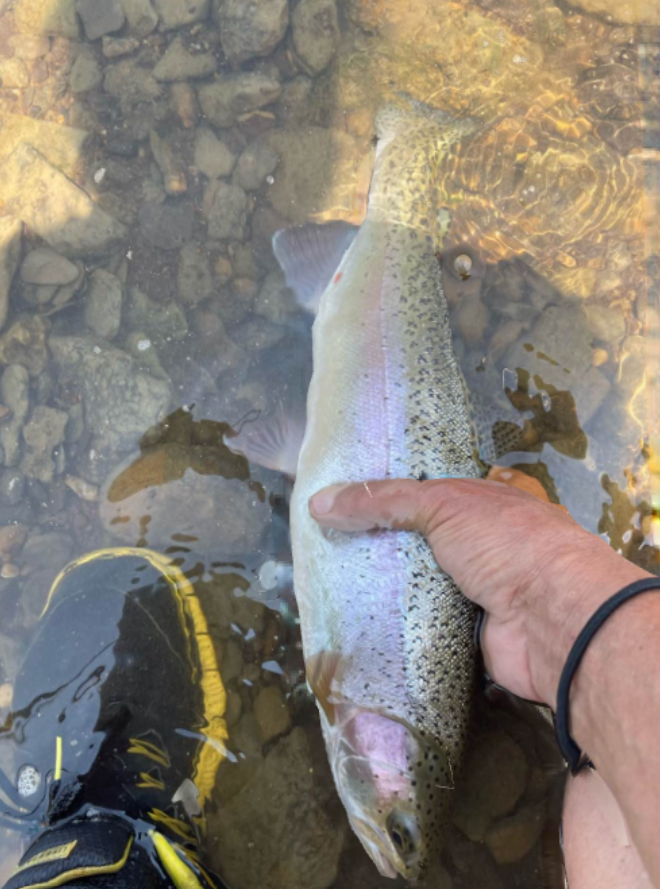
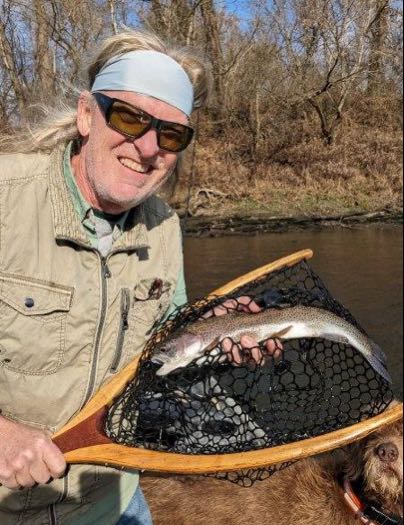
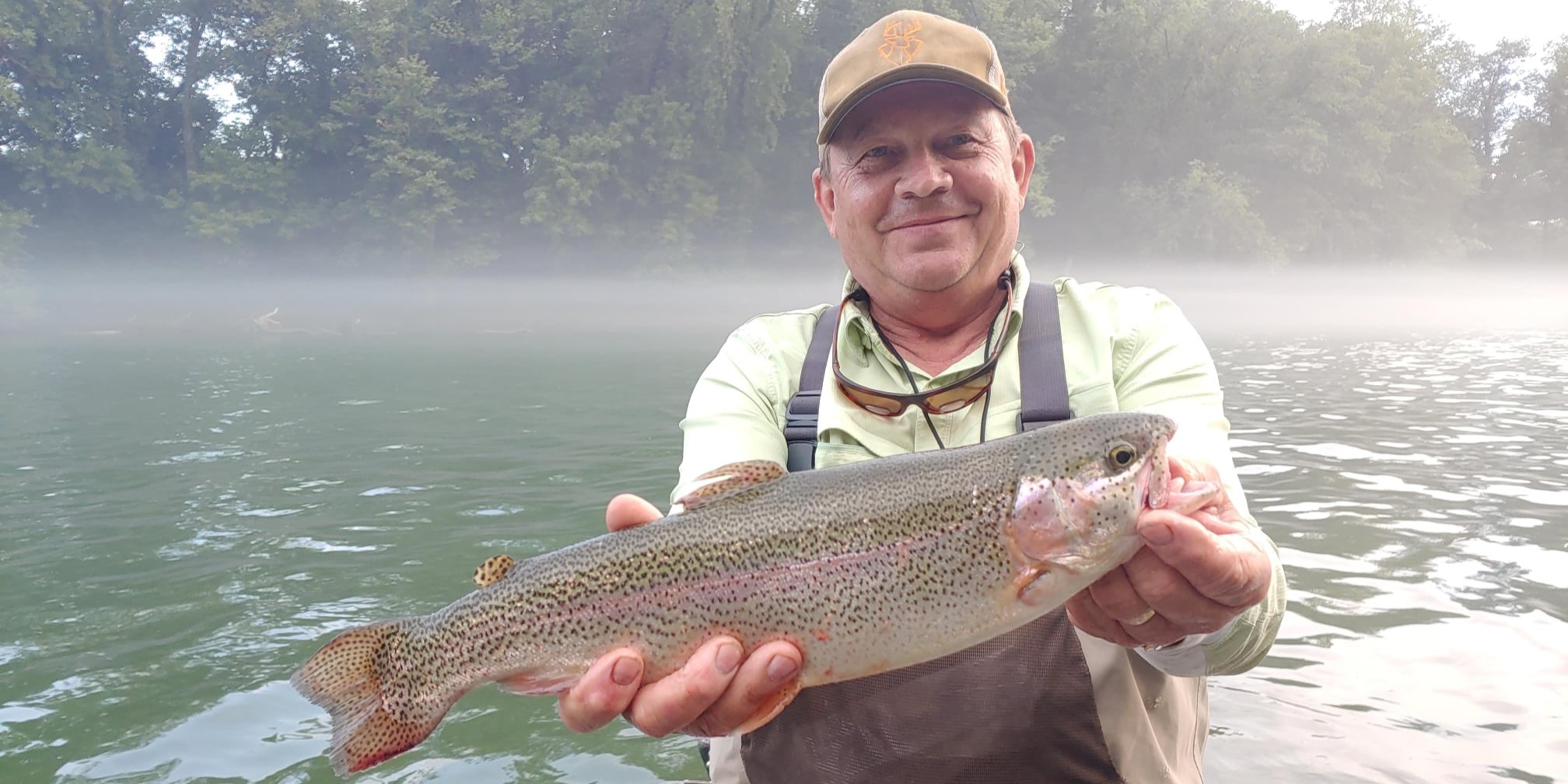
Rainbow Trout are the bread and butter of Cumberland River fishing, and these aren't your typical stocked fish. These rainbows have been living wild in cold, nutrient-rich water for years, making them incredibly strong fighters with brilliant colors. Most range from 12-16 inches, but 18+ inch fish are caught regularly. They're most active during cooler parts of the day and love to hold in current seams and behind boulders. What makes them special here is their acrobatic fights – Cumberland rainbows will jump, run, and test every bit of your tackle.
Brown Trout are the real prize fish on the Cumberland, and for good reason. These browns can live for years in this cold-water environment, growing fat on the abundant forage and reaching trophy sizes. Fish over 20 inches are caught every season, with some true giants pushing 25+ inches. Browns are ambush predators that love structure – undercut banks, log jams, and deep pools. They're more active during low-light periods and can be incredibly selective about flies. When you hook a big Cumberland brown, you'll know it immediately – they fight dirty with powerful runs toward cover and head-shaking jumps that'll test your nerves.
Brook Trout add a wild card element to Cumberland River fishing. These native beauties are less common but absolutely gorgeous when you find them. They typically run smaller than the rainbows and browns, usually 8-14 inches, but their stunning colors and delicate spots make every one a trophy. Brooks prefer the coldest water and are often found in tributaries or spring-fed areas. Fall is prime time for brookies as they prepare to spawn, showing off their most vibrant colors.
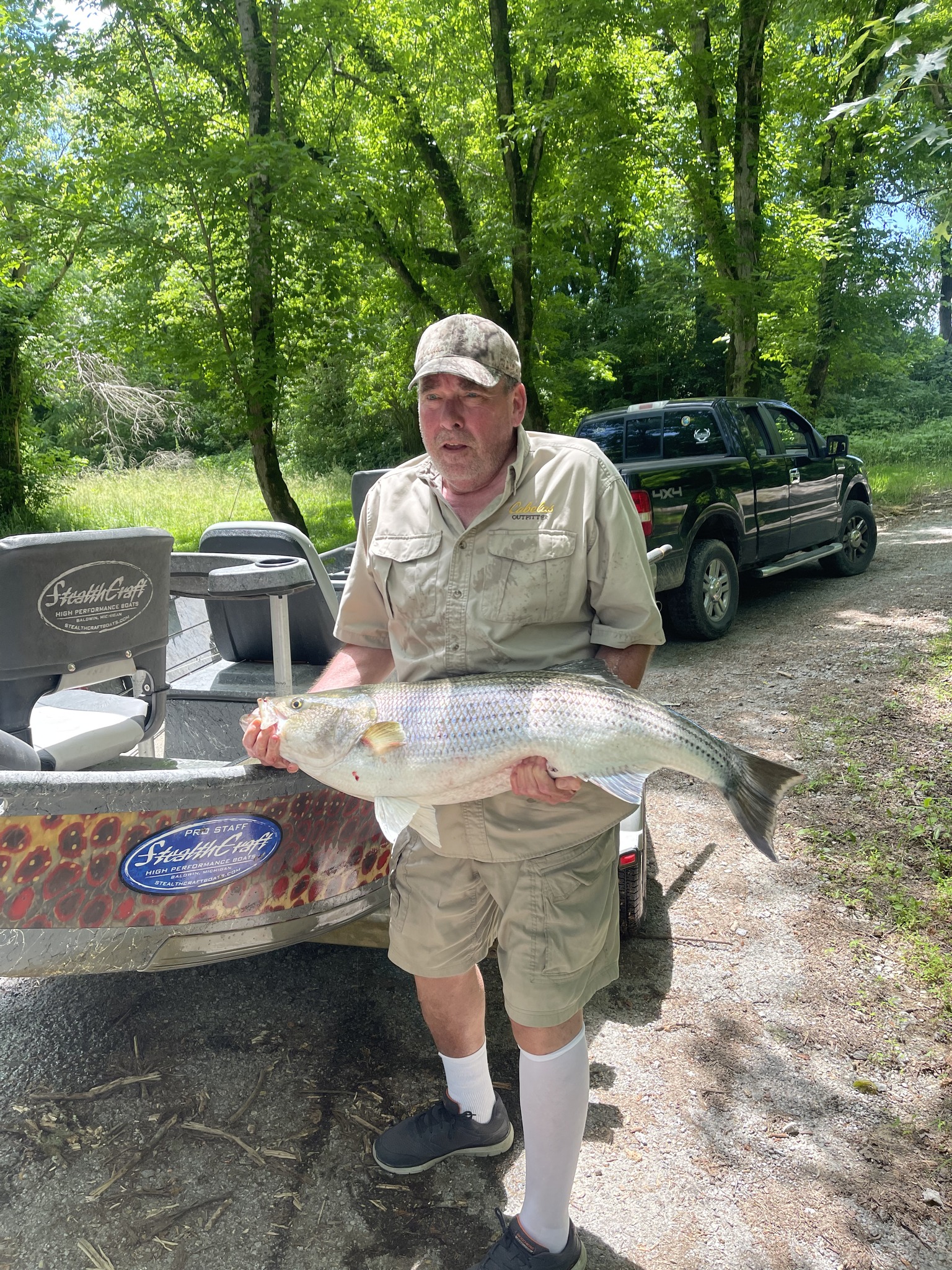
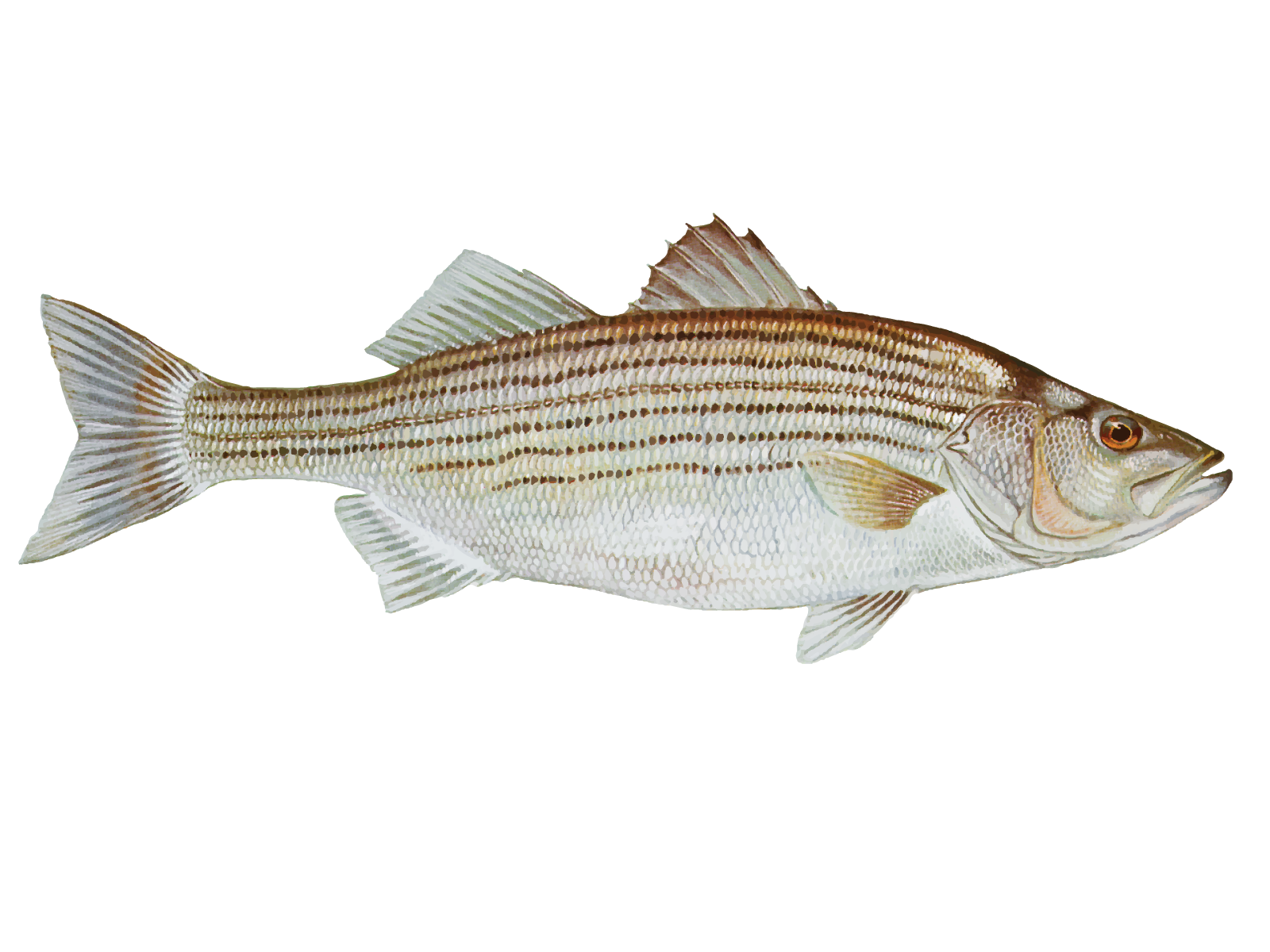
Striped Bass bring a completely different kind of excitement to the Cumberland. These freshwater stripers can reach impressive sizes – fish over 30 inches are possible. They're aggressive feeders that will absolutely destroy streamers and large nymphs. Stripers often school up and feed in deep pools or below shoals where baitfish congregate. When you hook one, be ready for long, powerful runs that'll have you wondering if you've got enough backing on your reel.
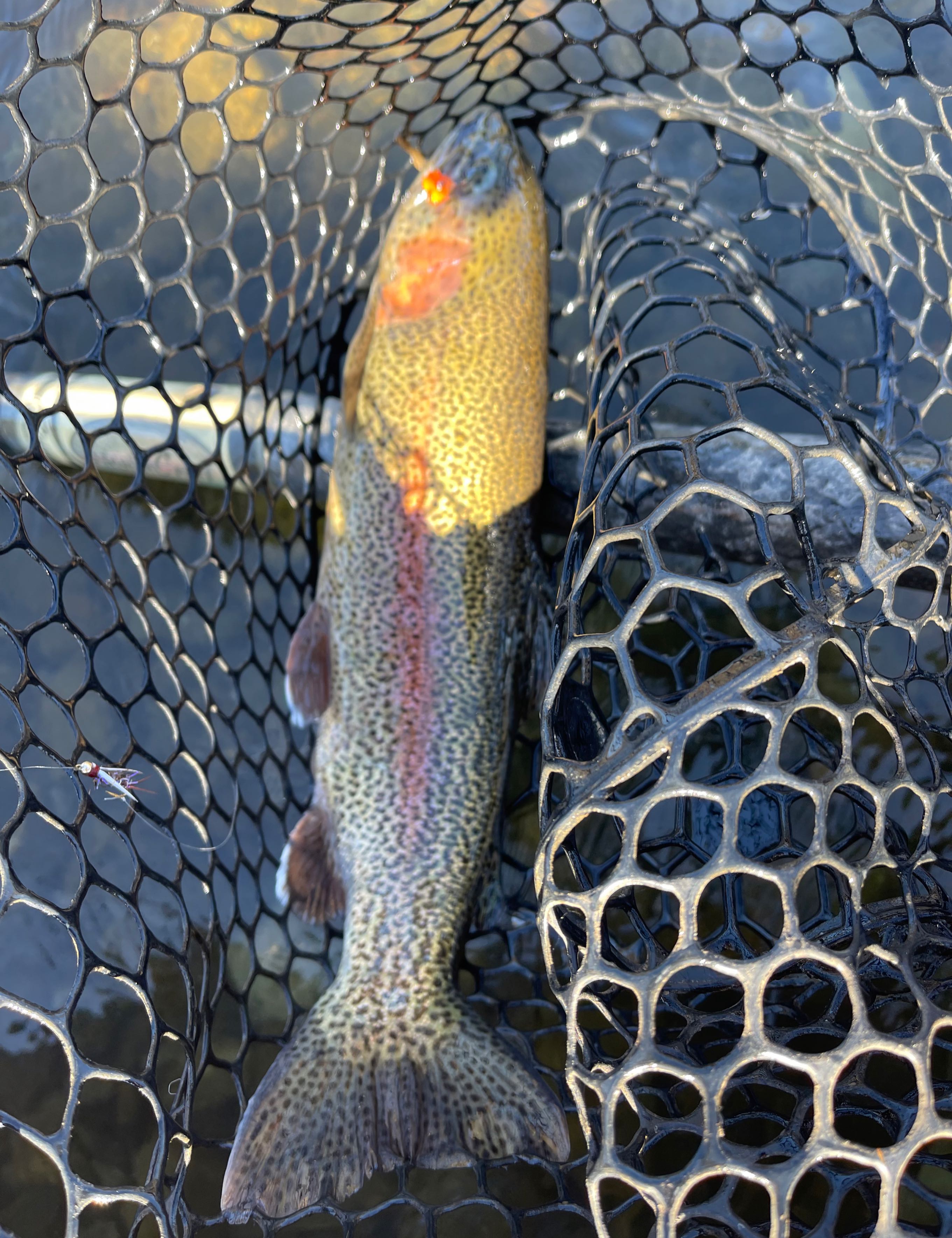
Cutthroat Trout are the wildcard species that can show up when you least expect it. These fish have stunning red slashes under their jaws
 4.8(4 Reviews)
 Private Trip
 River Fishing
 Cumberland River


 8-hour fly fishing adventure on Cumberland River with expert guide