Everglades Backcountry Fishing for Skilled Anglers
When you're ready to put your casting skills to the test, this 6-hour guided charter through Everglades National Park's remote backwaters delivers the challenge you're looking for. Built for experienced anglers who know their way around light tackle, this trip takes you deep into the Wilderness Trail where precision beats power every time. You'll work narrow creeks and shallow mangrove channels that most charter boats can't even reach, targeting some of Florida's most prized gamefish in their natural element. With space for just two anglers, you get the focused attention and prime positioning that makes the difference between a good day and a legendary one on the water.
What to Expect on the Water
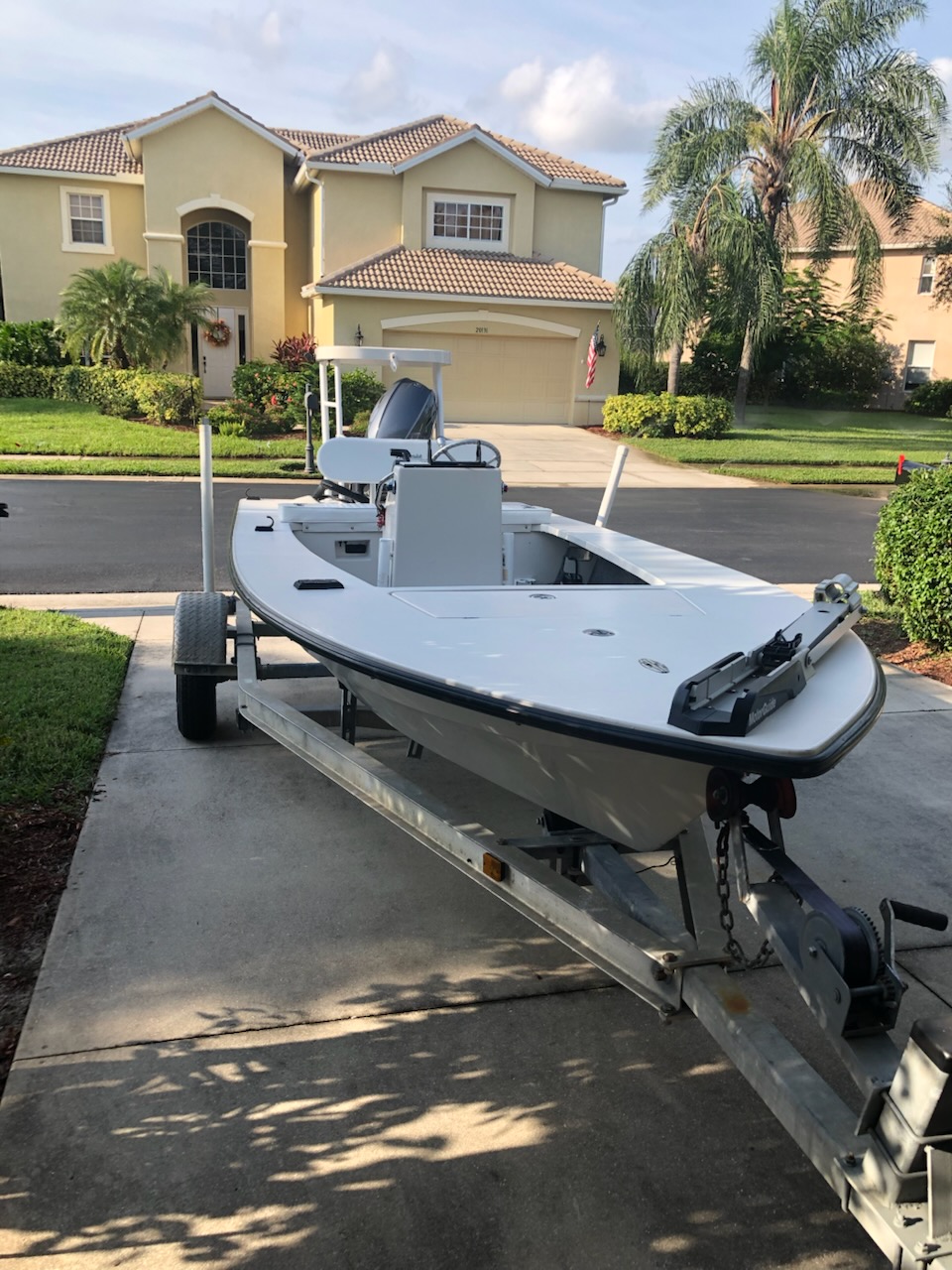
This isn't your typical inshore charter where you motor out to open flats and chuck bait around. We're talking about threading the needle through backcountry waterways that require local knowledge and a shallow-draft skiff to navigate safely. Your guide knows every twist, turn, and honey hole along the Wilderness Trail, reading water conditions and tides to put you on active fish throughout the day. The mangrove shorelines create a maze of structure where Snook ambush prey, while deeper pockets hold cruising Tarpon and aggressive Redfish. You'll be sight-casting to moving targets, working topwater plugs in skinny water, and presenting baits with the kind of accuracy that separates weekend warriors from serious stick wielders. The remote nature of these waters means you'll often fish for hours without seeing another boat, giving you that authentic backcountry experience that's getting harder to find in South Florida.
Light Tackle Techniques
Success in the Everglades backcountry comes down to finesse and presentation rather than brute force. Your guide provides top-shelf spinning gear perfectly matched to the conditions – think 7-foot medium-action rods spooled with 15-20 pound braid that gives you the sensitivity to feel subtle strikes while maintaining enough backbone to turn fish away from structure. The shallow, clear water demands stealthy approaches and precise casts, often requiring you to drop baits within inches of mangrove roots or along grass edges where gamefish stage. Live shrimp, pilchards, and finger mullet are go-to baits, but don't be surprised when artificial lures like paddle tails, spoons, and topwater plugs outproduce live bait on any given day. The key is adapting your technique to match what the fish are telling you – whether that's working a suspending plug through the water column for Snook or bouncing a jig along oyster bars where Redfish cruise. Your guide reads the subtle signs that indicate feeding activity and adjusts tactics accordingly, teaching you to recognize the same patterns for future solo missions.
Target Species Breakdown
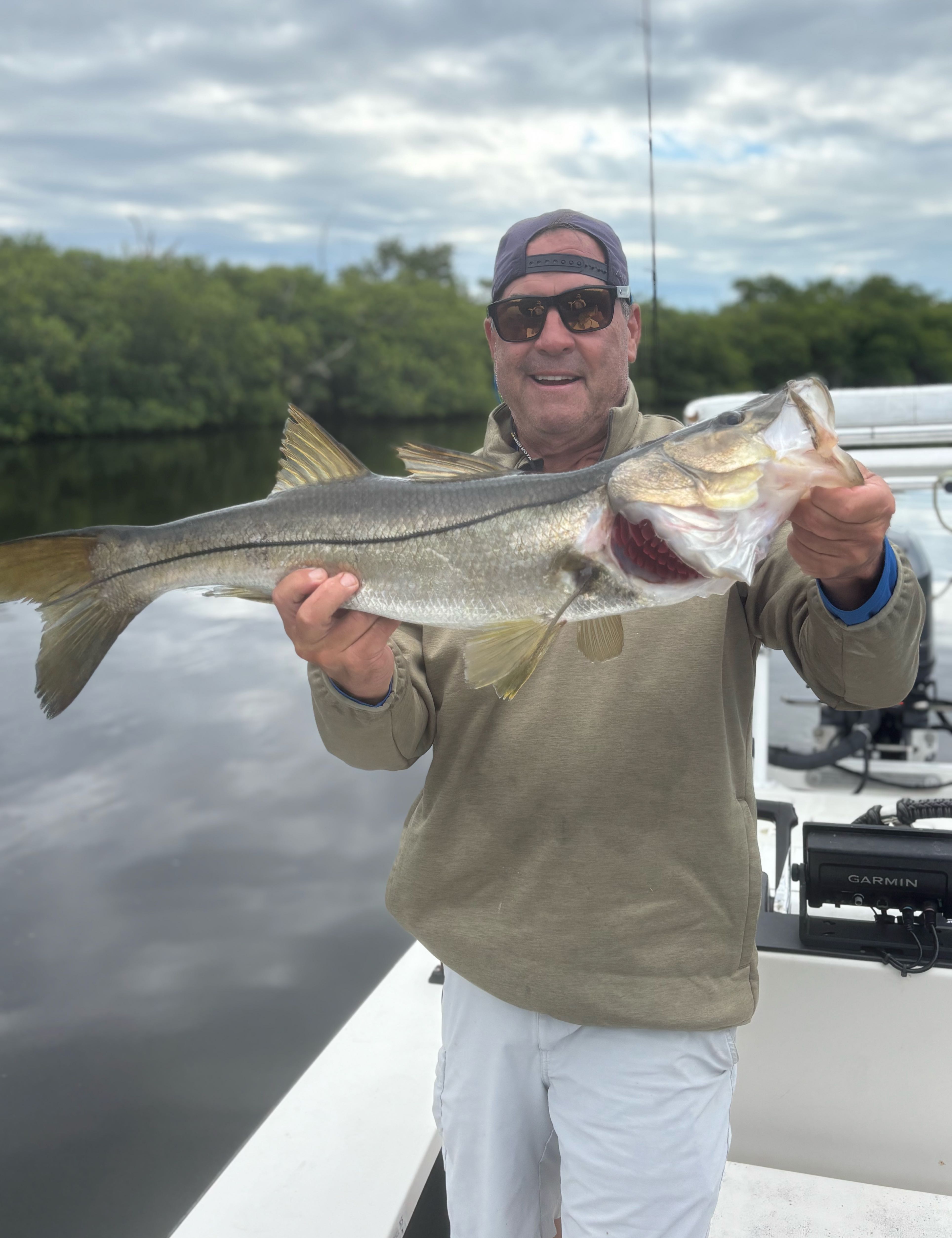
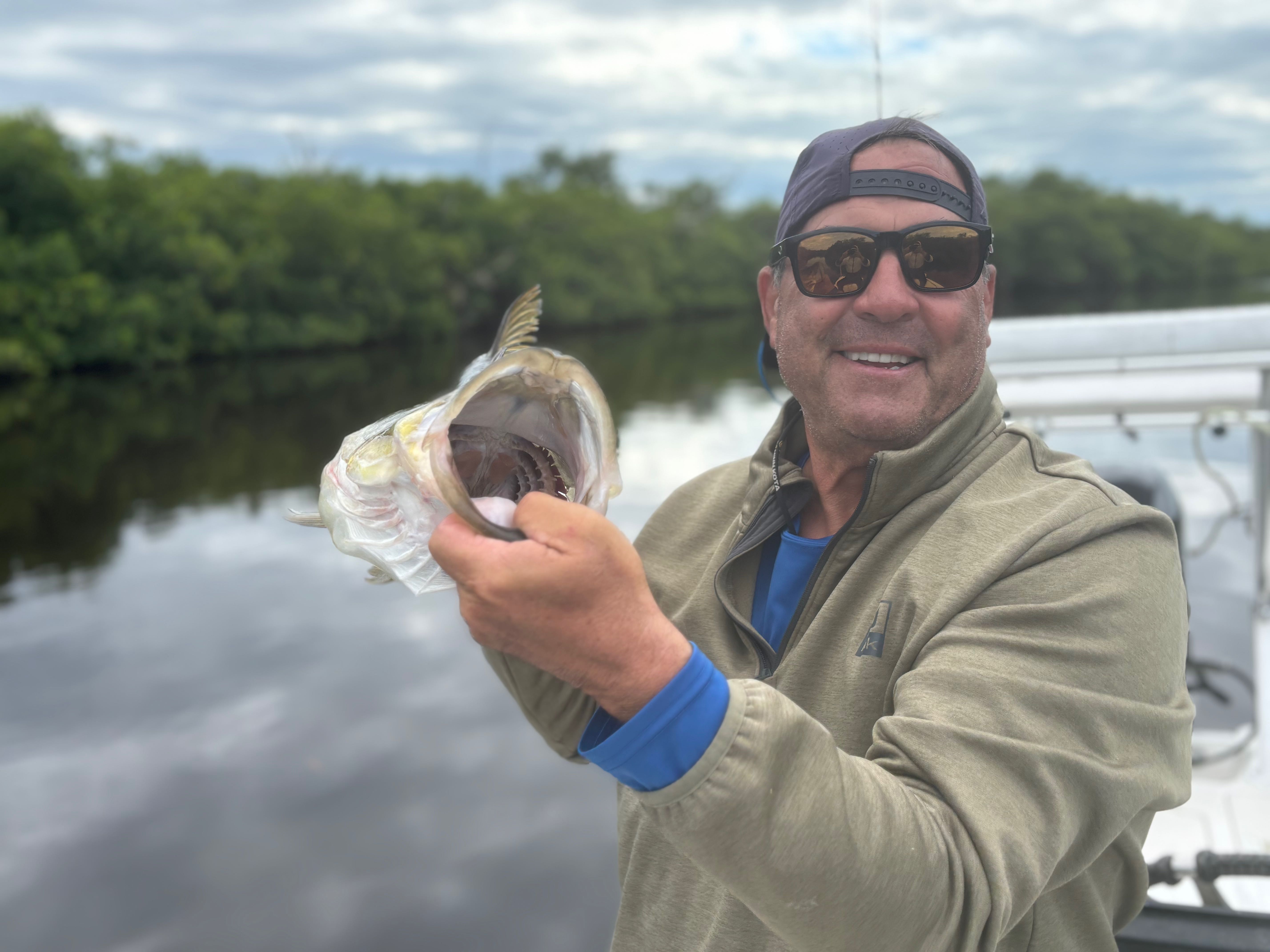
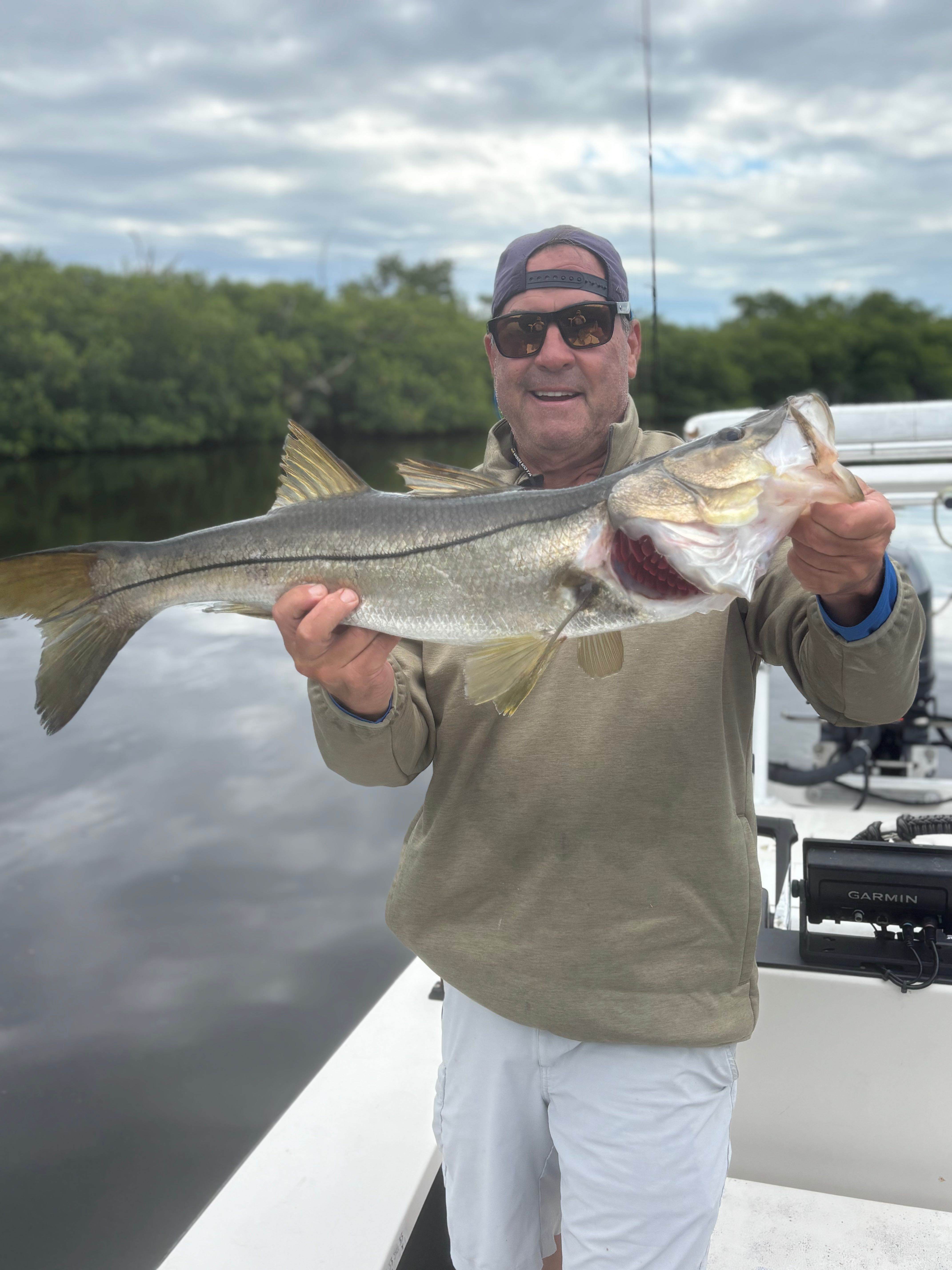
Snook are the bread and butter of Everglades backcountry fishing, with fish ranging from schoolie-sized juveniles to trophy specimens pushing 35+ inches. These ambush predators love structure and moving water, positioning themselves along mangrove edges, creek mouths, and oyster bars where they can dart out to nail passing baitfish. Fall through spring offers the most consistent action as water temperatures stabilize and baitfish concentrate in the backcountry. What makes Snook special is their explosive strike and acrobatic fight – they'll jump, gill-rattle, and make blistering runs toward the nearest snag. The slot limit keeps you honest, but when you hook into a keeper, you'll understand why serious inshore anglers consider them the ultimate gamefish.
Goliath Grouper represent the true giants of the Everglades system, with fish commonly exceeding 100 pounds lurking around structure and deep holes. While catch-and-release only, these prehistoric bruisers provide an arm-burning fight that tests both angler and equipment. Summer months bring the best opportunities as Goliaths move into shallower water for their spawning season. The key is using heavy enough tackle to turn them before they reach their rocky hideouts – think circle hooks, heavy leaders, and locked-down drags. When a Goliath inhales your bait and heads for the bottom, you'll experience one of Florida's most powerful fishing encounters.
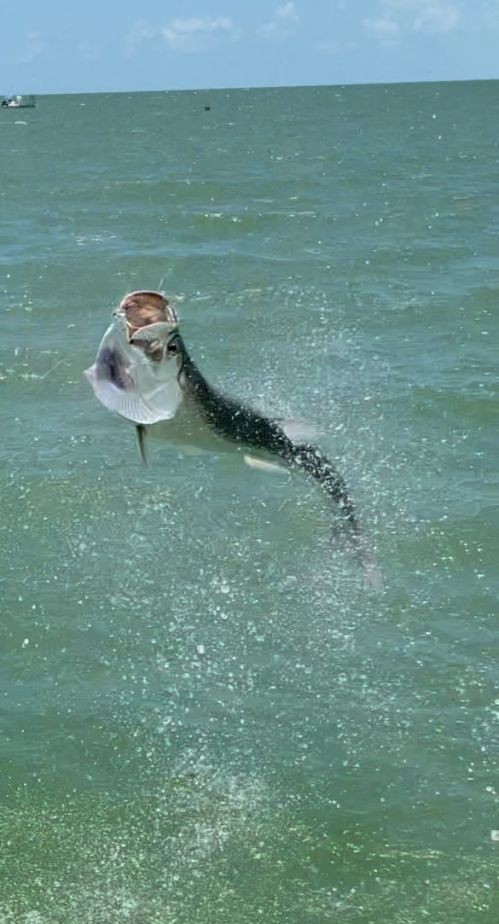
Tarpon are the silver kings that make the Everglades famous, with fish ranging from juvenile "poons" to 100+ pound adults that roll through the backcountry year-round. Peak season runs from April through July when massive schools migrate through the area, but resident fish provide action throughout the year. These aerial acrobats test every aspect of your angling skills – from the initial hookset to managing their spectacular jumps and powerful runs. Live bait works well, but many guides prefer artificials like DOA Terror Eyz or large paddle tails that allow for more aggressive presentations. The Everglades' labyrinth of channels gives Tarpon multiple escape routes, making every hookup a chess match between angler and fish.
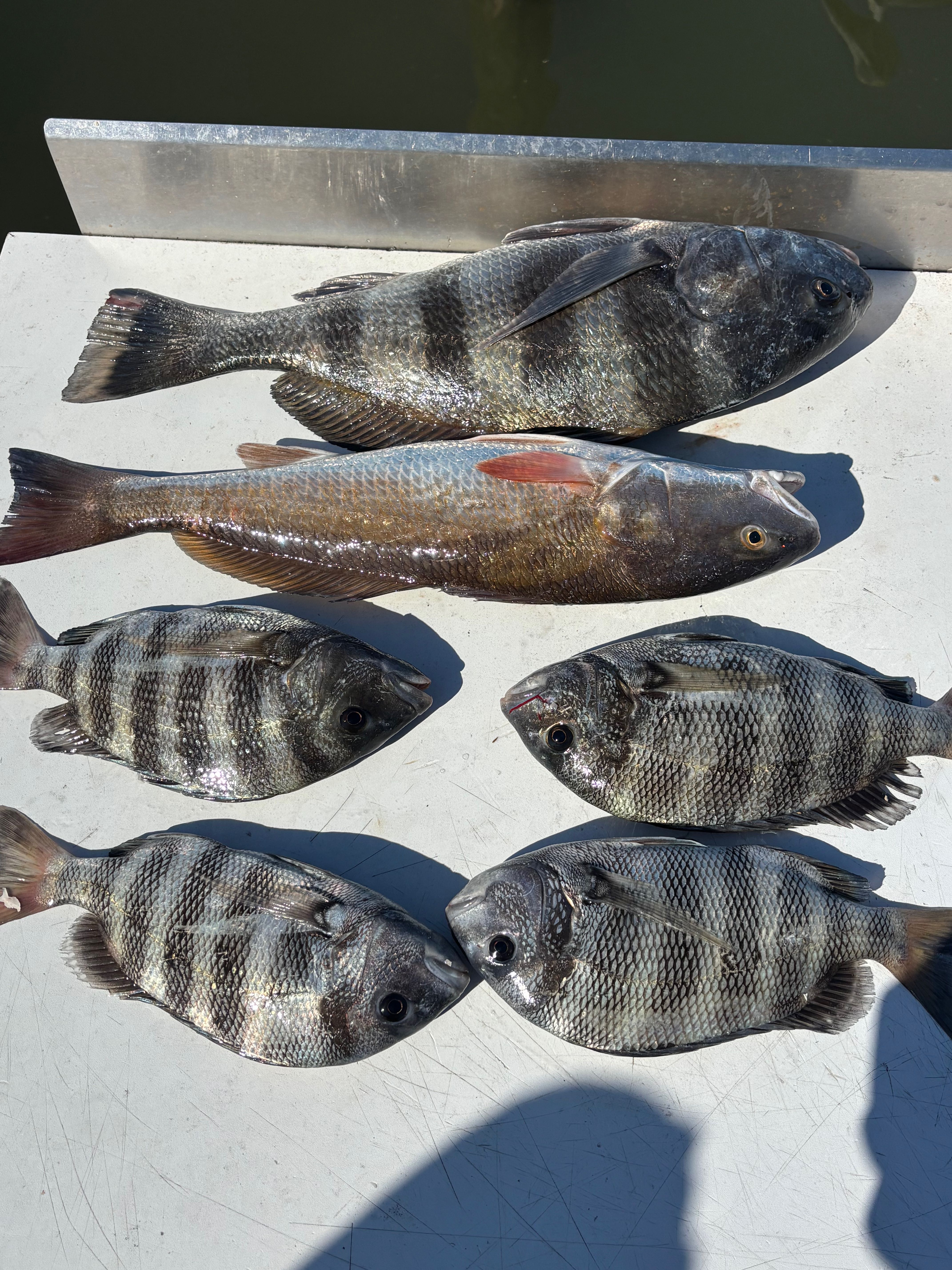
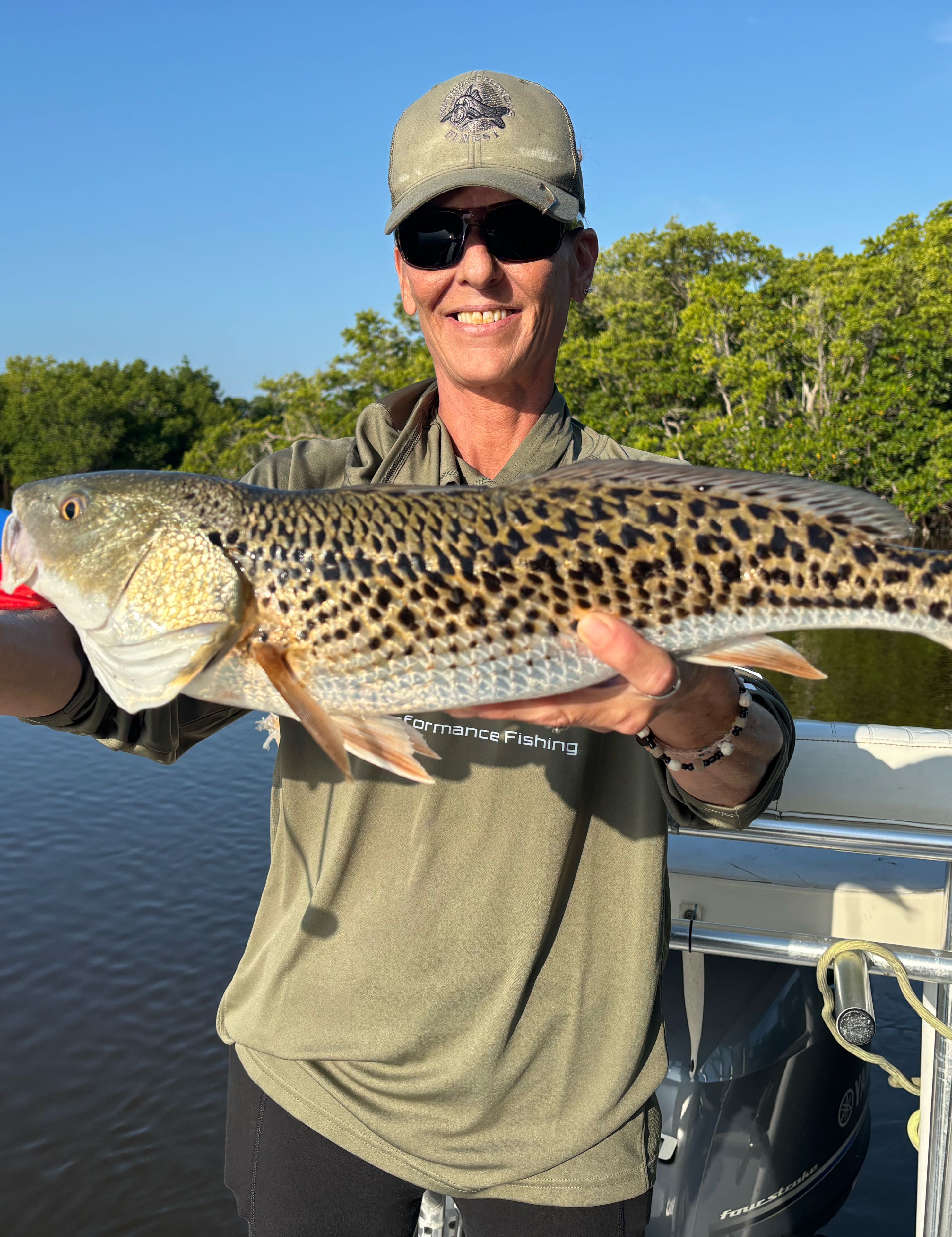
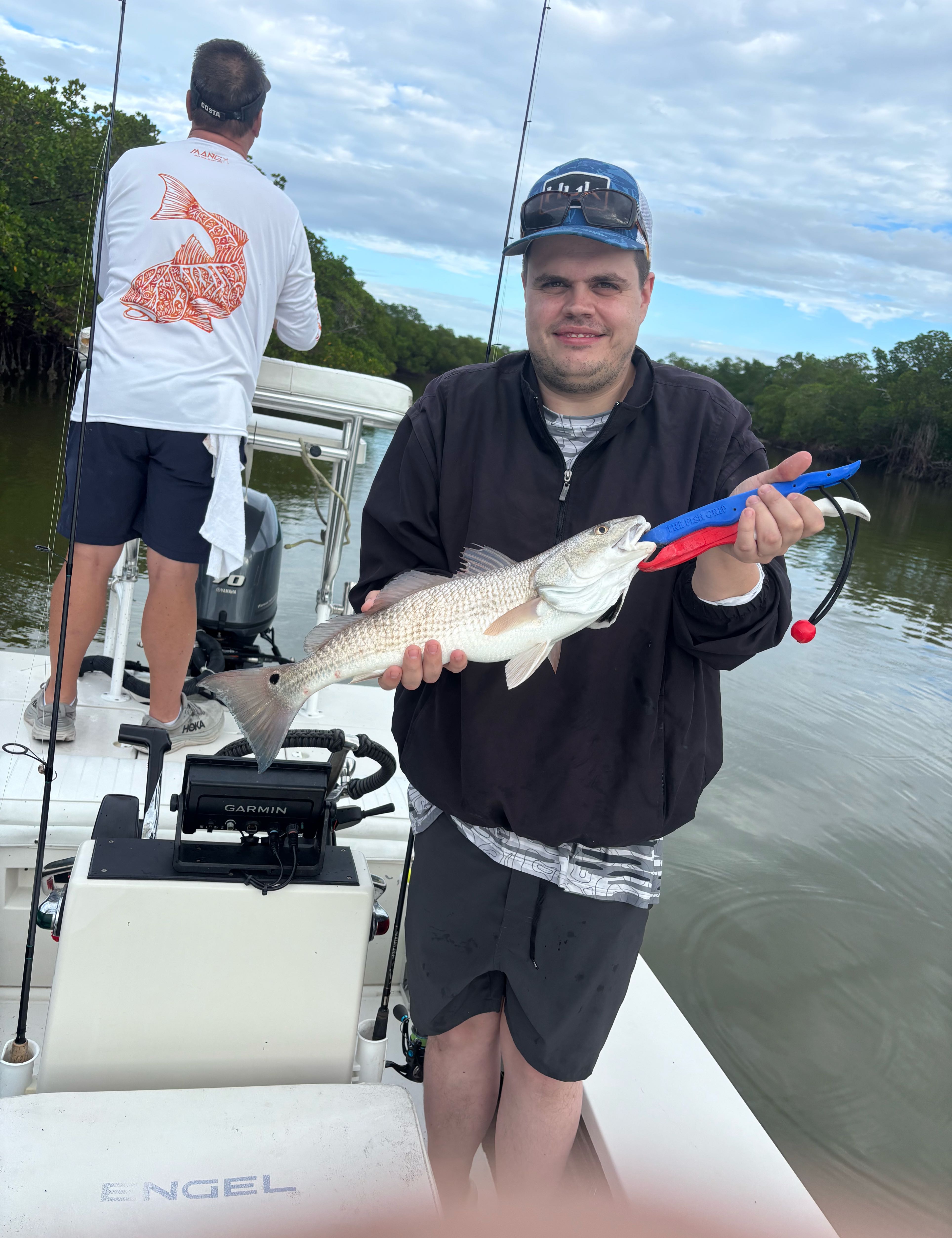
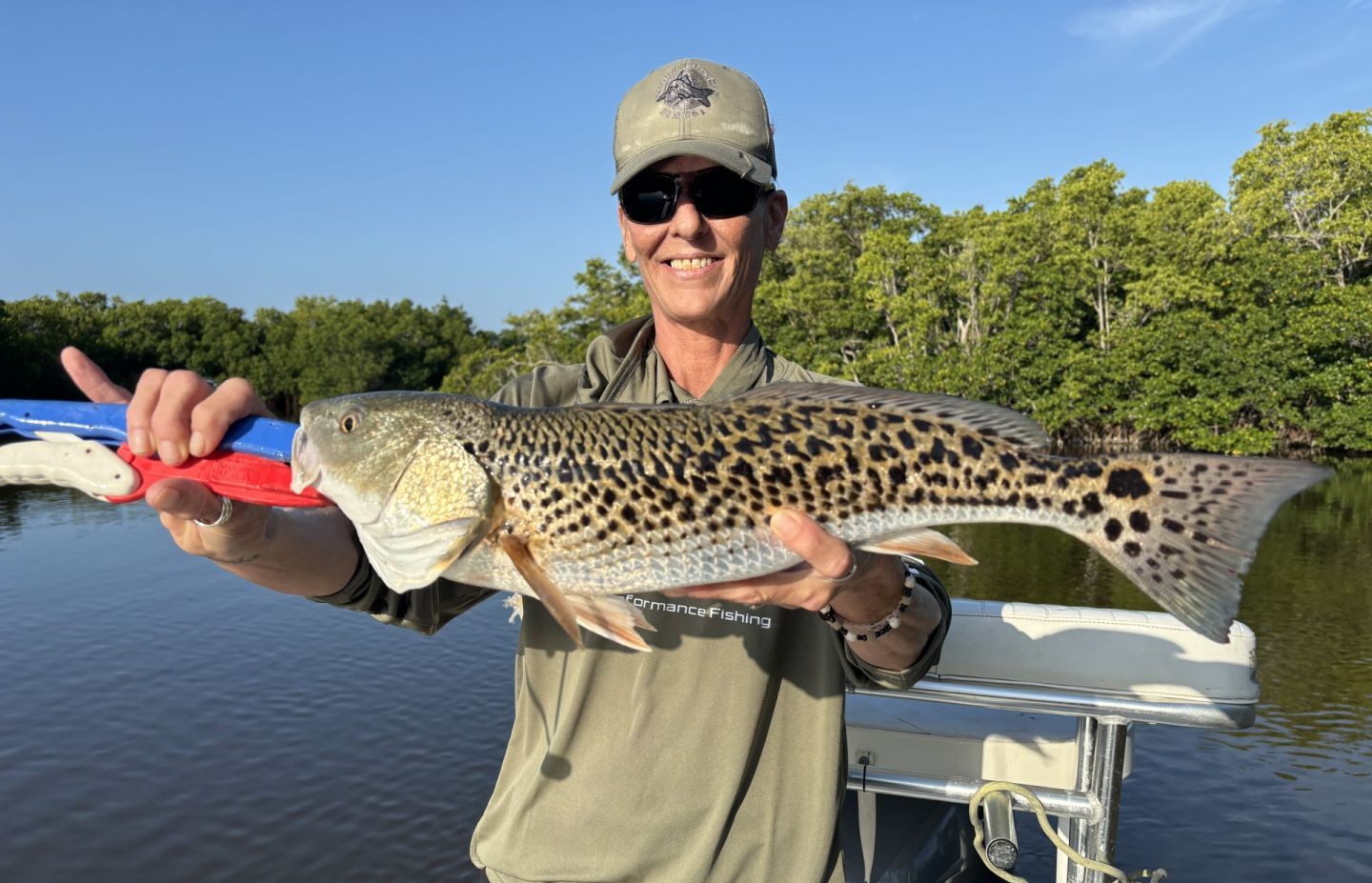
Redfish patrol the shallow flats and mangrove shorelines in both small schools and as solitary cruisers, with fish typically running 20-30 inches in the backcountry. These copper-colored bulldogs are notorious for their bulldogging runs and tendency to head straight for the nearest structure when hooked. Sight-casting to tailing or cruising Reds in skinny water represents some of the most technical angling the Everglades offers. They're generally less spooky than Snook but require precise presentations to feeding fish. The year-round fishery peaks during fall when Reds school up for their offshore spawning runs, creating opportunities for multiple hookups.
Crevalle Jack bring the muscle to every encounter, with these yellow-tailed bruisers fighting well above their weight class. While often considered a "trash fish" by inexperienced anglers, Jacks provide some of the strongest fights pound-for-pound in the Everglades system. They school up around bait concentrations and strike aggressively
 Private Trip
 Backcountry Fishing
 Everglades


 Six-hour backcountry charter targets experienced anglers seeking advanced techniques