Everglades Wilderness Trail Backcountry Fishing
There's something special about getting your line wet in the backcountry waters of Everglades National Park, and this 4-hour guided trip along the Wilderness Trail delivers exactly that kind of raw fishing experience. You'll be working shallow channels and threading through mangrove tunnels where trophy fish have been feeding undisturbed for decades. This isn't your typical charter boat scene – we're talking serious backcountry action where every cast could connect you with a bull redfish, aggressive snook, or even a silver king tarpon that'll test your drag system to the limit.
What to Expect on the Water
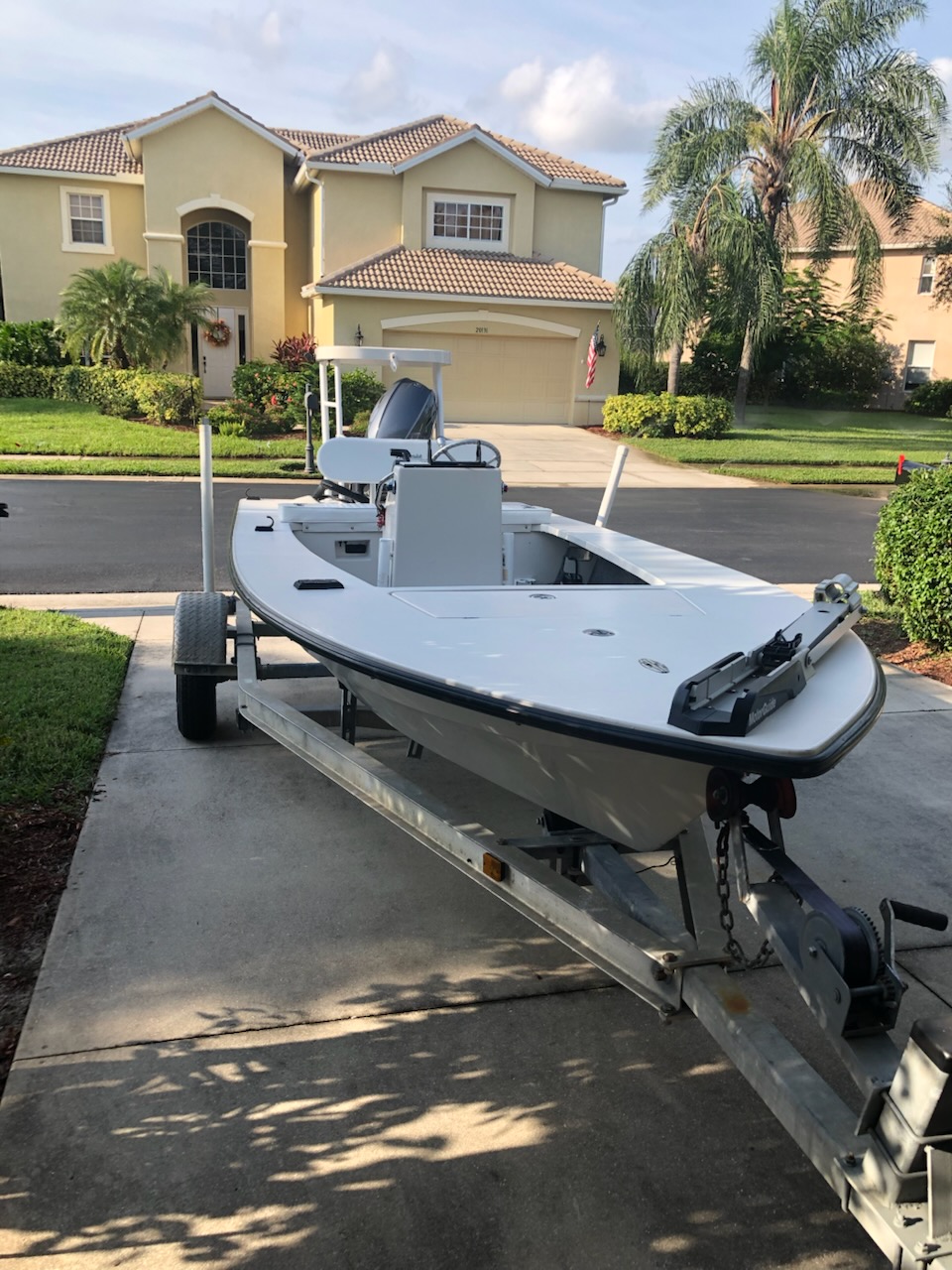
Your day starts early when we push off into the maze of waterways that make the Everglades famous among serious anglers. This top-rated backcountry experience keeps groups small at just two guests, so you're getting personalized attention and prime fishing spots without the crowd pressure. We'll be running a shallow-draft skiff that can slip into those skinny water pockets where the big fish cruise looking for an easy meal. The Wilderness Trail isn't just a single route – it's a network of channels, cuts, and flats that change with every tide cycle. Your guide knows these waters like the back of their hand and will position you based on current conditions, wind direction, and where the fish have been most active. Some days we're sight-fishing crystal clear flats, other times we're working structure along mangrove shorelines where snook love to ambush baitfish.
Gear Setup & Fishing Methods
Everything you need comes with the trip – quality rods, reels spooled with appropriate line, and a tackle box full of lures that have proven themselves in these waters. We typically run medium-heavy spinning setups that can handle everything from schoolie reds to mature tarpon. Live bait is the name of the game out here, with shrimp, pilchards, and pinfish being top producers depending on what's available. Your guide will also have an arsenal of artificial lures including topwater plugs for early morning snook action, soft plastics for working grass flats, and spoons that redfish can't seem to resist. The fishing techniques vary throughout the day as we adapt to tidal movements and fish behavior. You might start with live bait under popping corks near mangrove edges, then switch to sight-casting with artificials as the sun gets higher and fish move to deeper pockets.
Species You'll Want to Hook
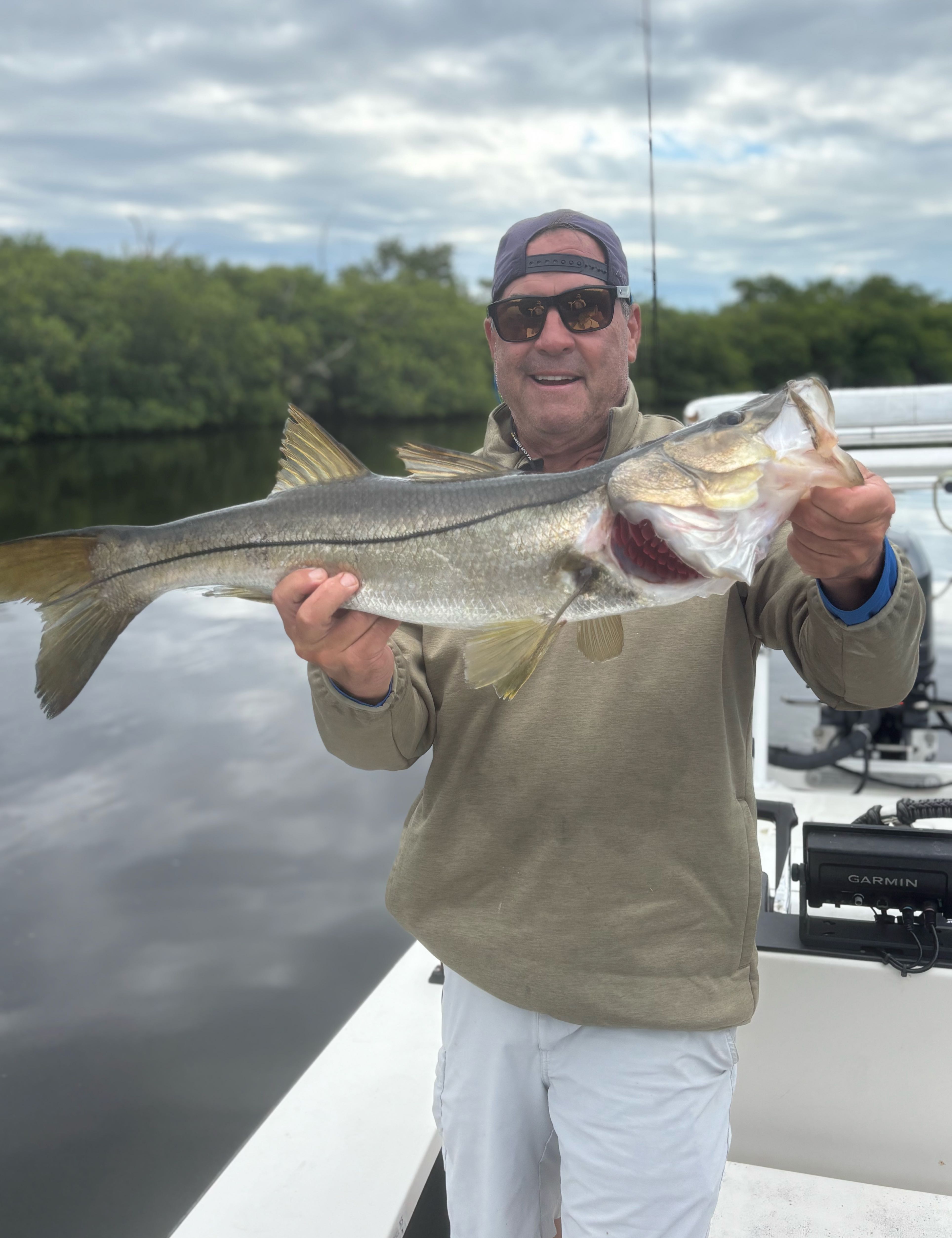
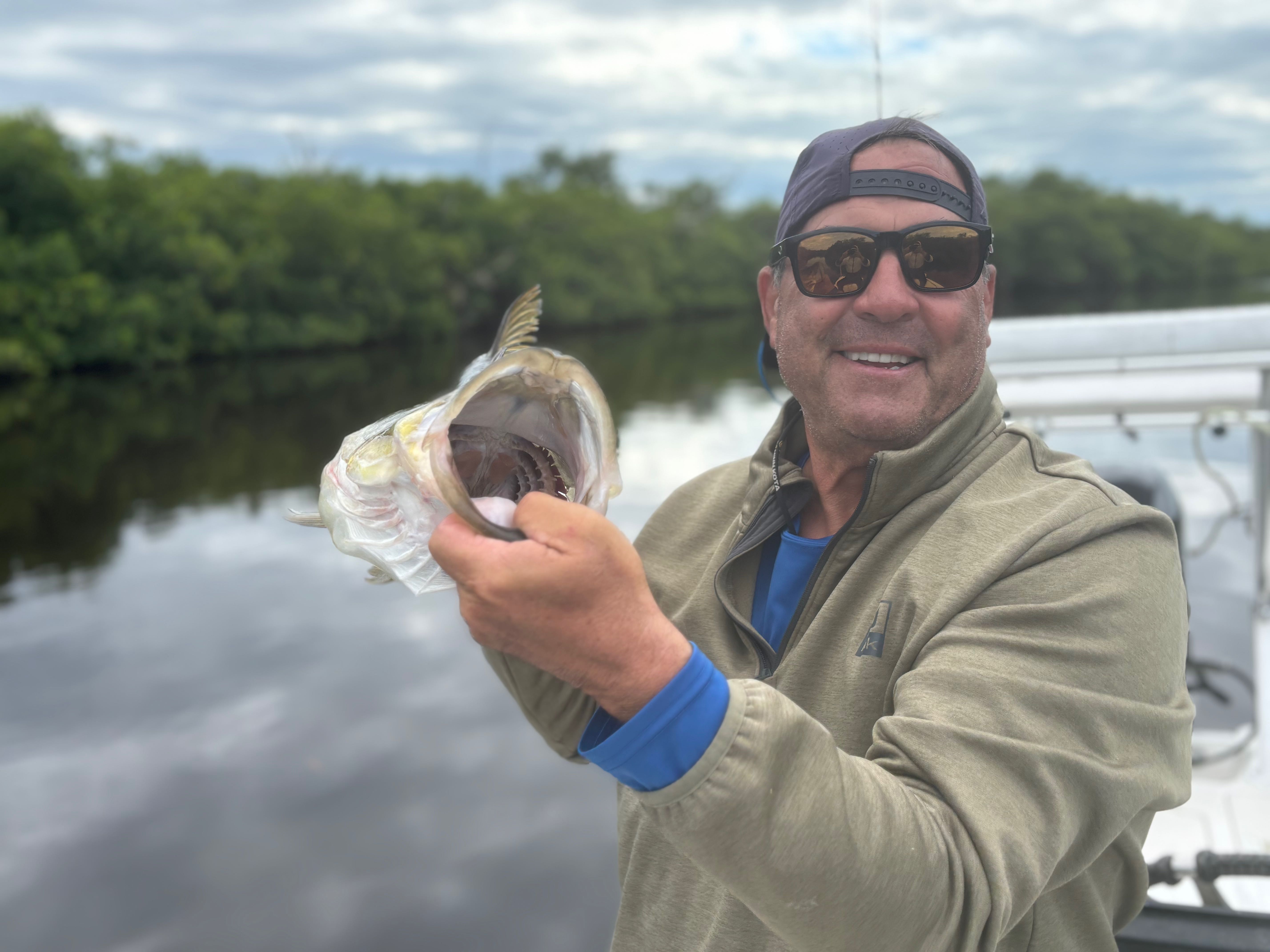
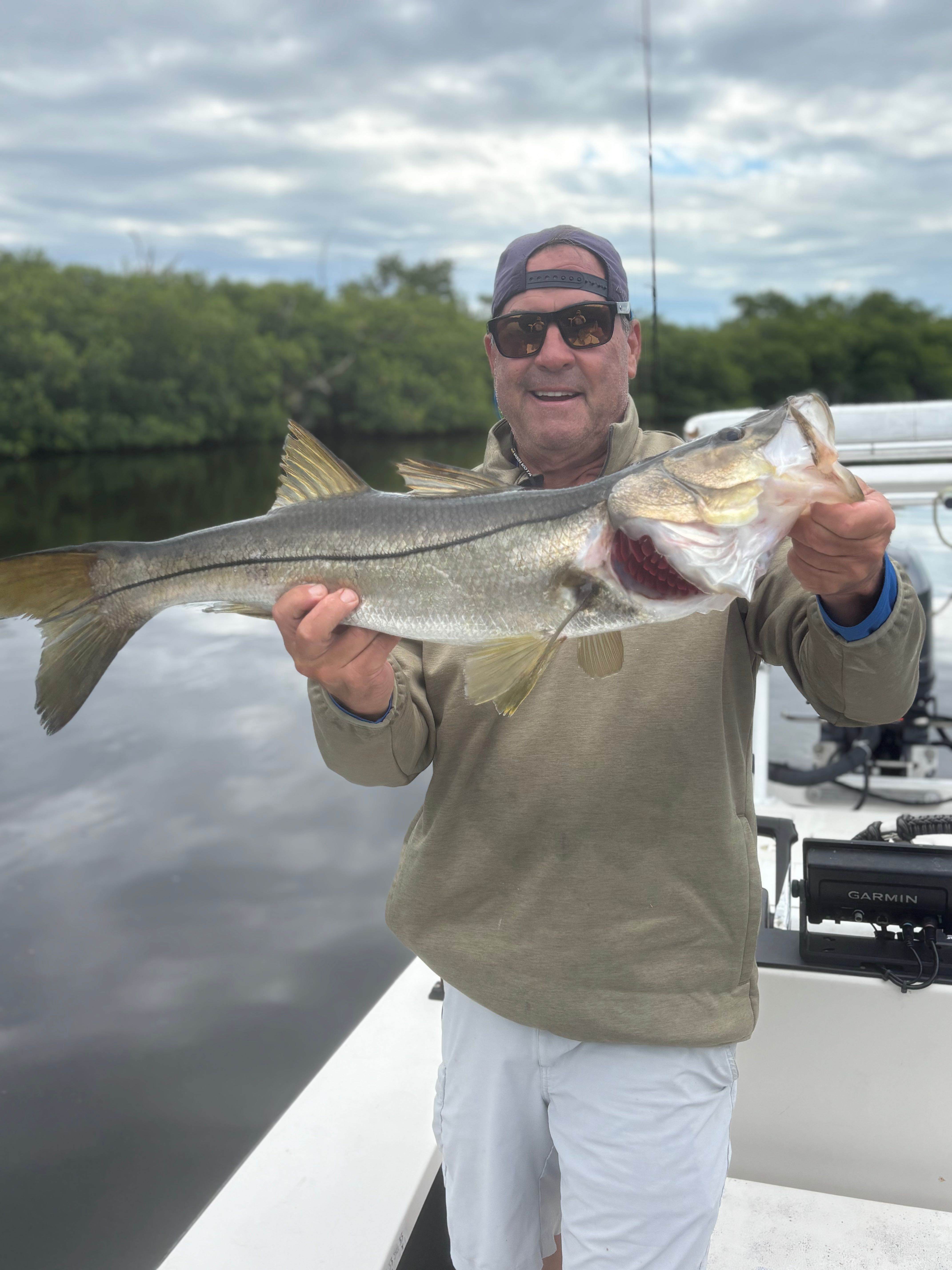
Snook are the crown jewel of Everglades fishing, and these backcountry waters hold some real bruisers. These ambush predators love hanging around mangrove roots, dock pilings, and undercut banks where they can surprise passing baitfish. Peak snook action happens during warmer months from April through October, though you can find them year-round if you know where to look. What makes snook so exciting is their explosive strike and gill-rattling jumps – they'll test your reflexes and drag setting in the first few seconds of the fight. A slot-sized snook between 28-33 inches makes for excellent table fare, while the bigger breeders put up legendary battles before you release them to keep the population strong.
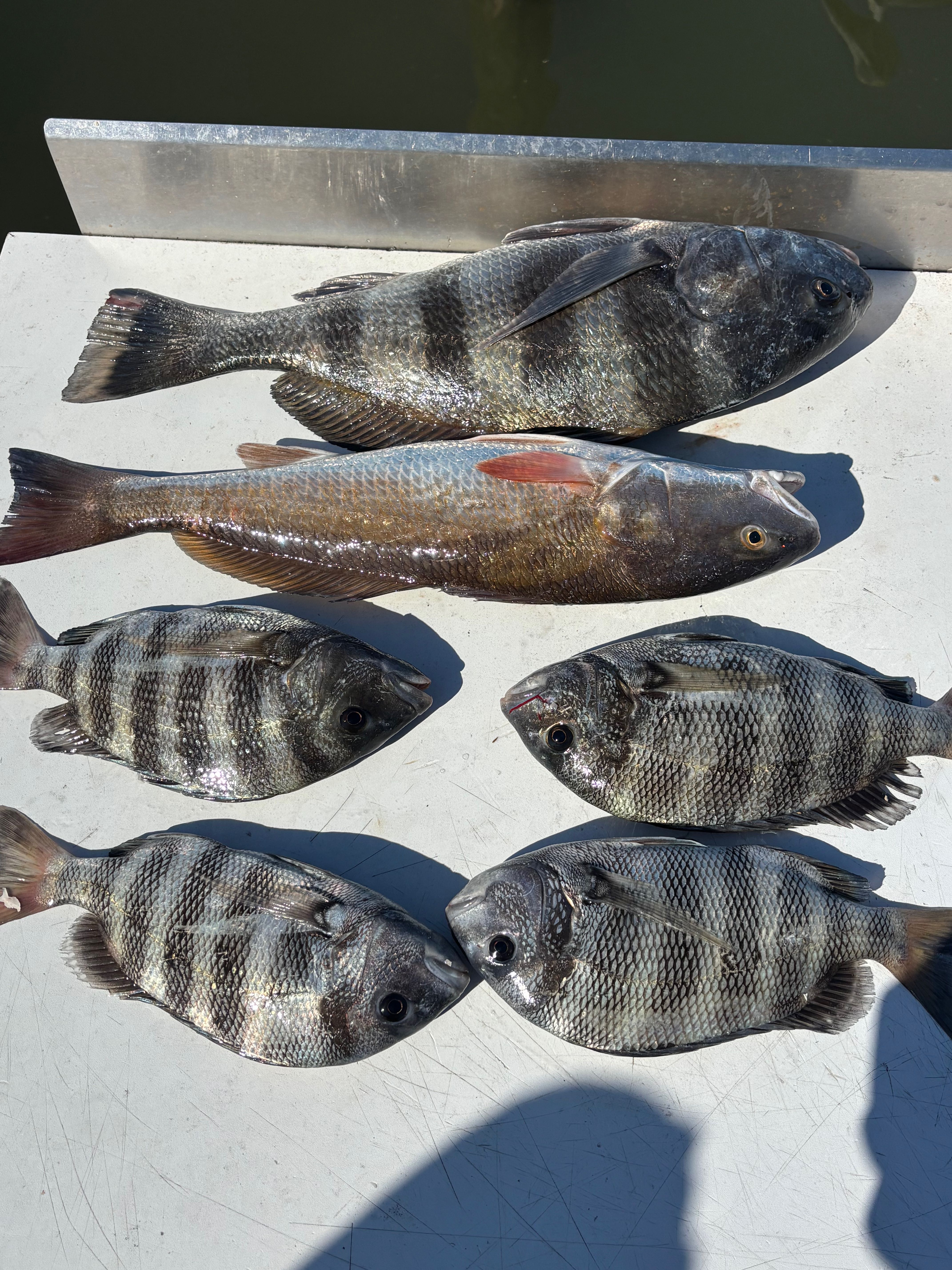
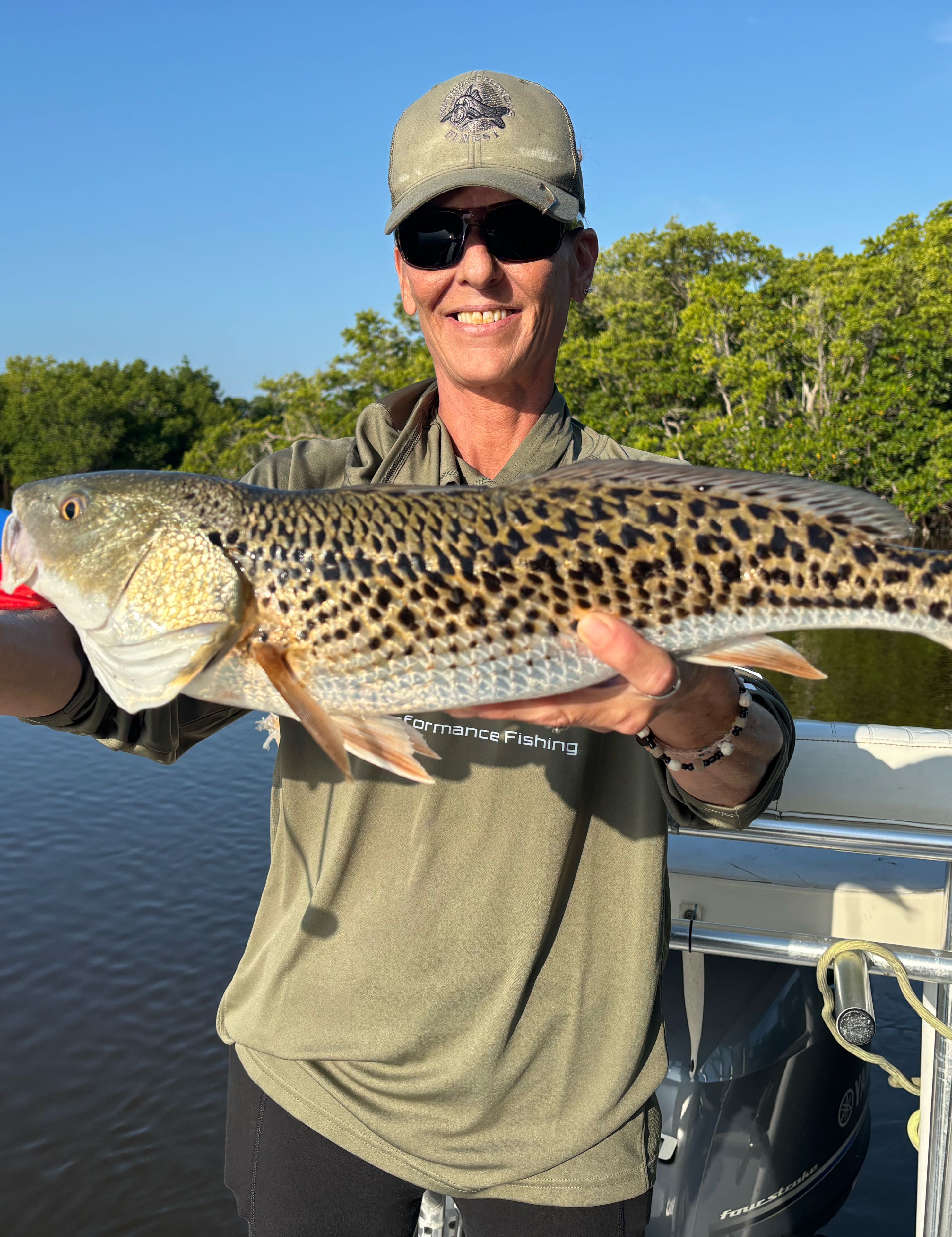
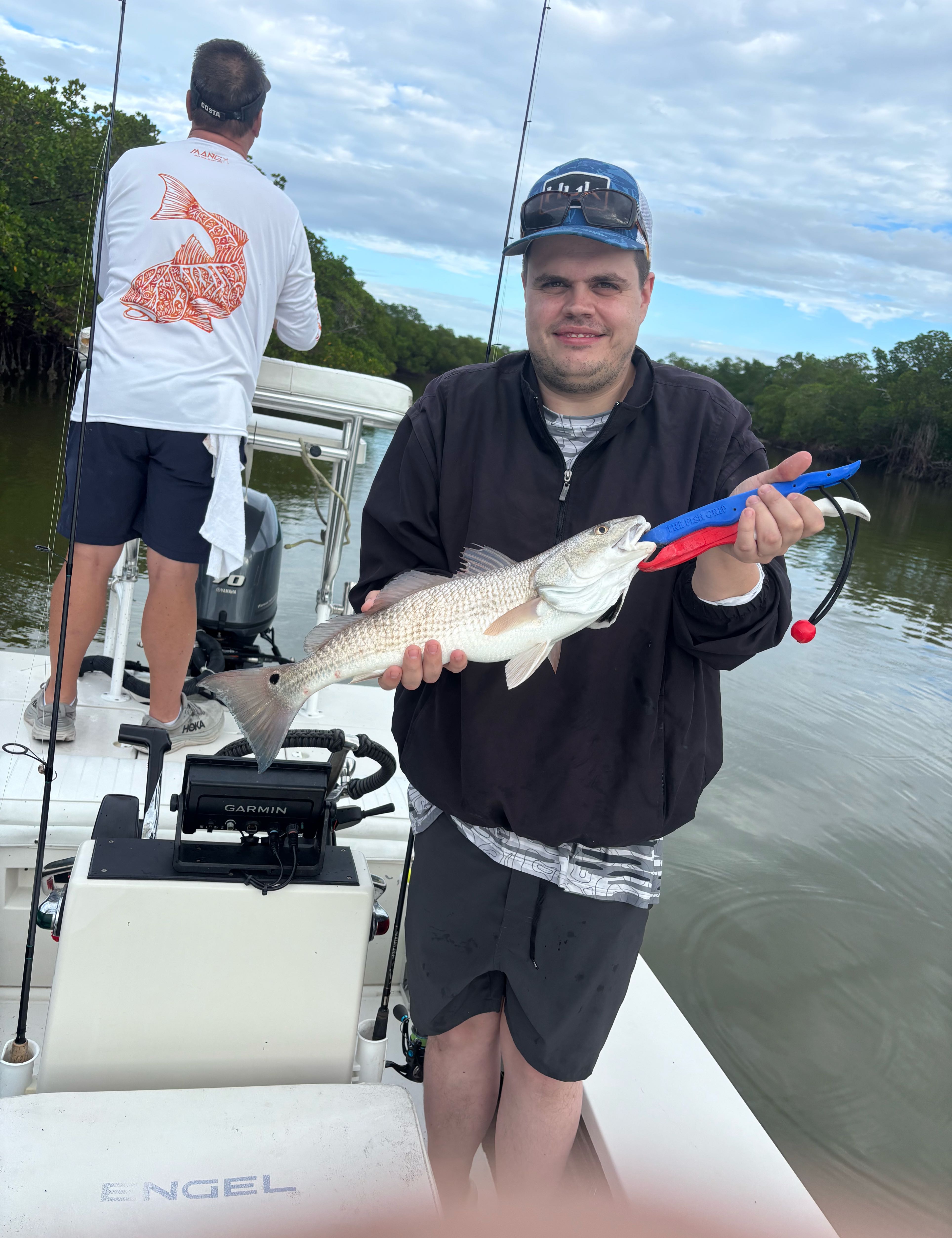
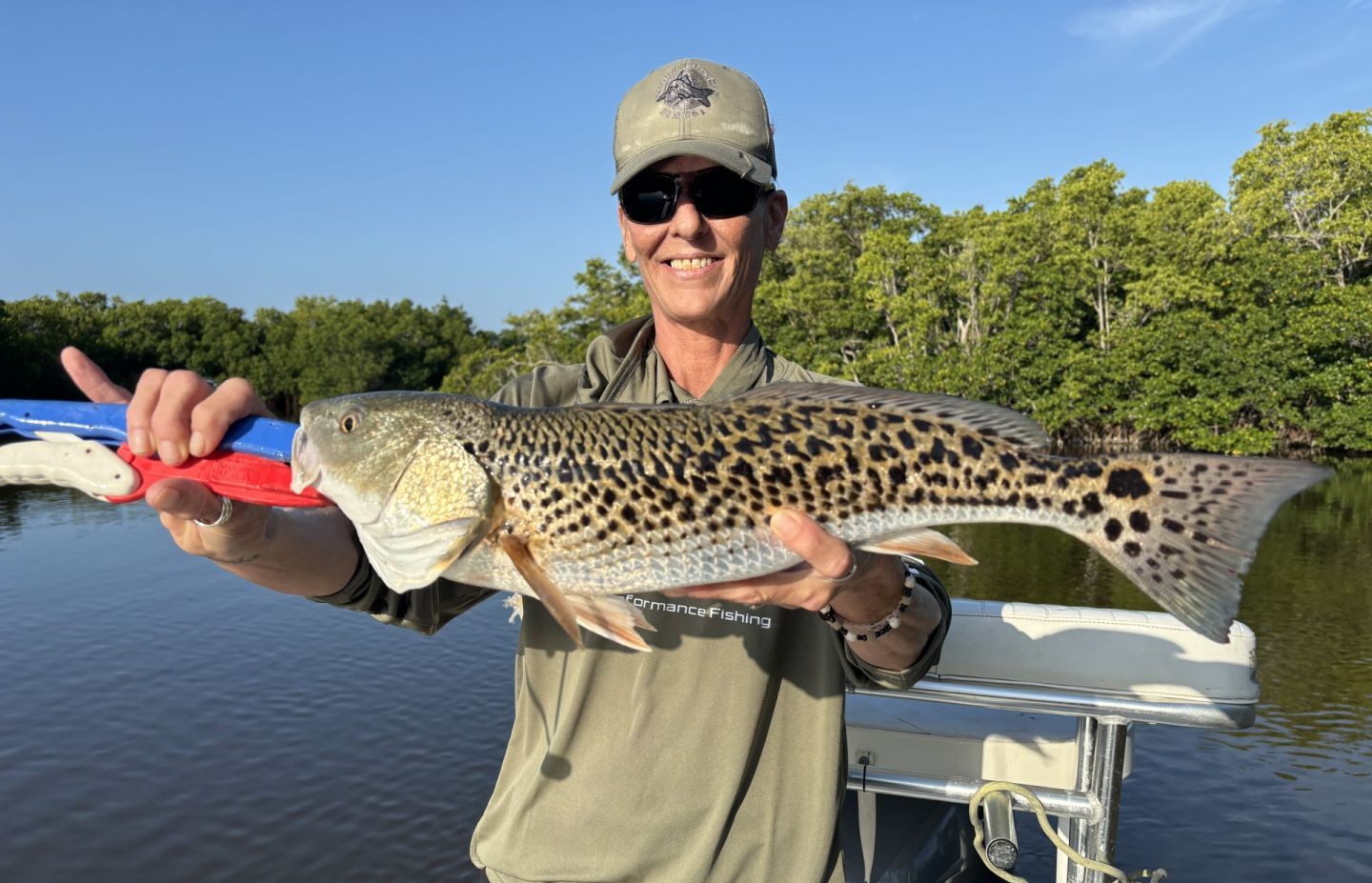
Redfish are another customer favorite that patrol these backcountry flats in impressive numbers. These copper-colored fighters typically range from 20-35 inches in our waters, with the occasional oversized bull red that'll make your reel sing. What's great about reds is their year-round availability and willingness to eat both live bait and artificials. They're often found cruising shallow grass flats during high tide, then moving to deeper channels and mangrove edges as water levels drop. Redfish have this unique way of making powerful runs along the bottom, using their broad tail to generate serious pulling power. They're also one of the best eating fish in these waters when harvested within the slot limit.
Tarpon fishing in the Everglades is world-class, especially during their seasonal migrations from April through July. These silver kings range from juvenile fish around 20-40 pounds up to mature adults exceeding 100 pounds. What makes tarpon special isn't just their size – it's their acrobatic ability to launch completely out of the water multiple times during a fight. They're exclusively catch-and-release due to their protected status, but hooking into a tarpon creates memories that last a lifetime. The backcountry holds good numbers of juvenile tarpon year-round, while the bigger fish show up during warmer months when they're moving through the area to spawn.
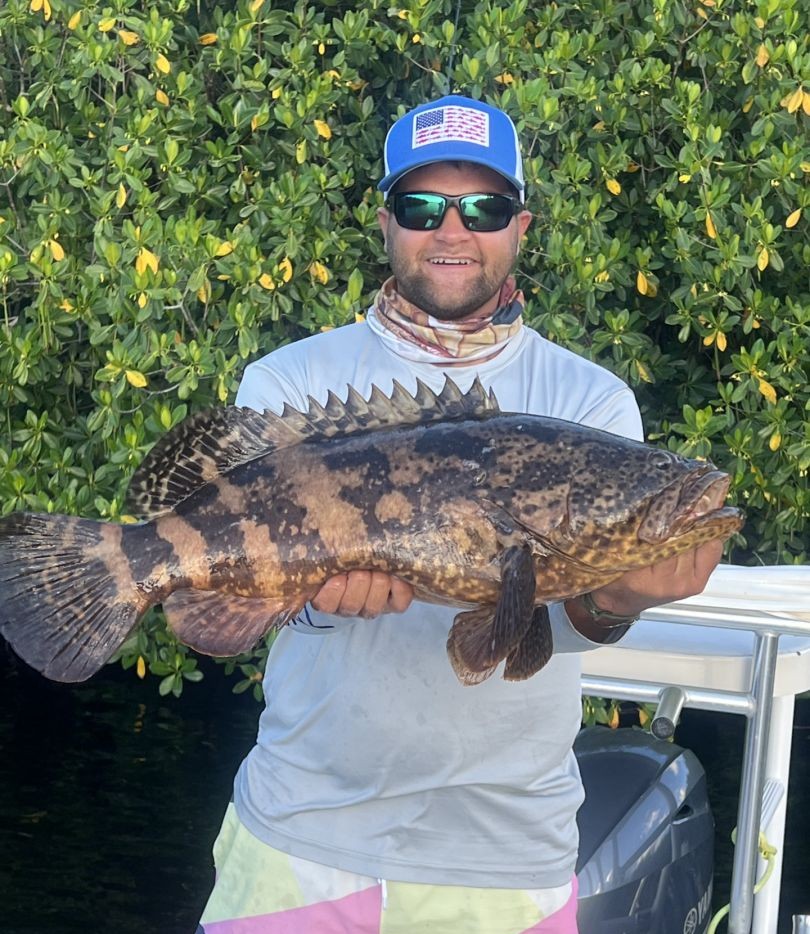
Goliath Grouper encounters add an element of surprise to every trip, though these gentle giants are strictly catch-and-release due to their protected status. These massive fish can exceed 400 pounds and are commonly found around structure like bridges, wrecks, and deep mangrove cuts. When you hook a goliath, the fight is more about endurance than speed – they use their incredible bulk and knowledge of local structure to try wearing you down. The excitement comes from never knowing when one might inhale your bait intended for a smaller species.
Crevalle Jack round out the target species list and provide non-stop action when schools are located. These fish are pure muscle and aggression, often found in large groups attacking baitfish near the surface. Jack fishing can be fast and furious, with multiple hookups possible as the school feeds aggressively. They're available year-round but seem most active during spring and fall months when baitfish populations are at their peak. While not considered premium table fare, crevalle jacks are renowned among anglers for their incredible fighting ability pound-for-pound.
Time to Book Your Spot
This backcountry fishing experience represents everything that makes Everglades angling special – diverse species, pristine waters, and fishing pressure that's practically non-existent compared to more accessible areas. With all gear provided and expert local knowledge included, you're set up for success from the moment
 Private Trip
 Backcountry Fishing
 Everglades


 Four-hour backcountry fishing adventure in Everglades National Park