Half Day Guided Fishing Trip In Whitney, Texas
Looking for a solid fishing trip that delivers without the all-day commitment? Our half-day guided fishing adventure on Whitney's waters is exactly what you need. Captain Clay Baker has been putting anglers on fish in these parts for years, and he knows every drop-off, structure, and seasonal pattern that makes Whitney Lake and the surrounding river systems so productive. This 6-hour morning trip starts at 7 AM when the fish are most active, giving you prime time on the water before the day heats up. Whether you're bringing a buddy for some quality fishing time or want to introduce someone new to the sport, this trip accommodates up to 2 anglers and caters to every skill level.
What to Expect on the Water
Your morning kicks off with a quick gear check and game plan discussion. Captain Clay runs a well-maintained boat that's set up for comfort and fishing success - you'll have everything you need without feeling cramped. The beauty of fishing Whitney is the variety of water you'll cover. One minute you might be working a creek channel for crappie, the next you're drifting live bait for catfish in deeper holes. The lake connects to river systems that create diverse fishing opportunities, and Clay knows how to read the conditions to put you where the fish are biting. Weather, water temperature, and seasonal patterns all factor into the day's strategy, but that's what having a local guide is all about. You're not just getting a boat ride - you're getting years of experience and local knowledge that turns a good day into a great one.
Techniques You'll Master
This isn't a one-trick fishing trip. Depending on what's working and what species you're targeting, you'll experience multiple techniques that keep things interesting all morning. Bottom fishing with live bait is a go-to for catfish, especially when they're holding in deeper structure. Light tackle keeps the fight sporting and gives you a real feel for what's on the end of your line. Trolling covers water efficiently when searching for active striped bass, while spinning tackle lets you work lures around cover where crappie like to hide. Drift fishing is perfect when you find a productive area and want to thoroughly work it over. Captain Clay will show you the nuances of each technique - when to use it, how to feel the bite, and how to work the fish properly. Even experienced anglers pick up new tricks, and beginners get hands-on instruction that builds confidence fast.
What Anglers Are Saying
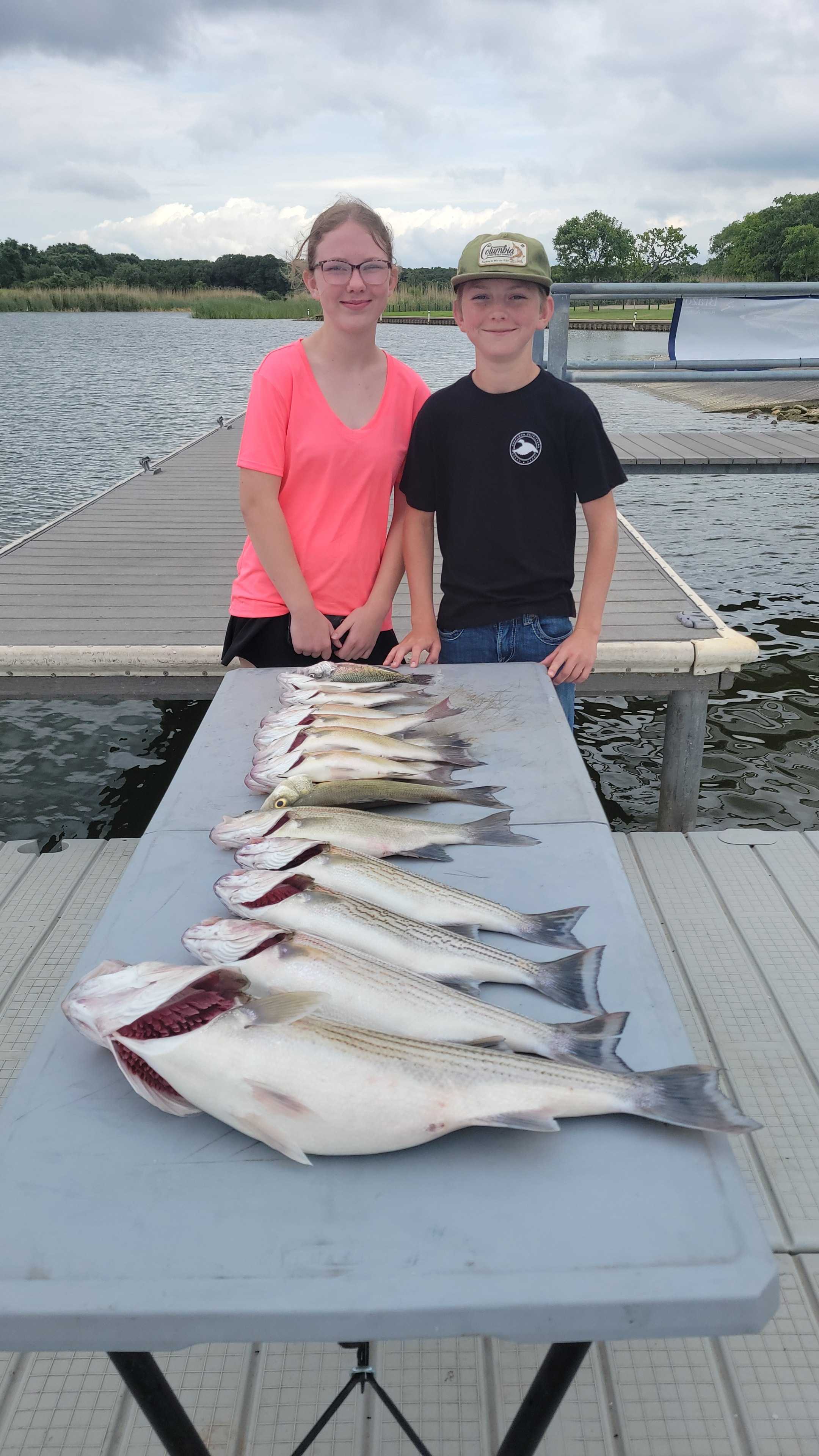
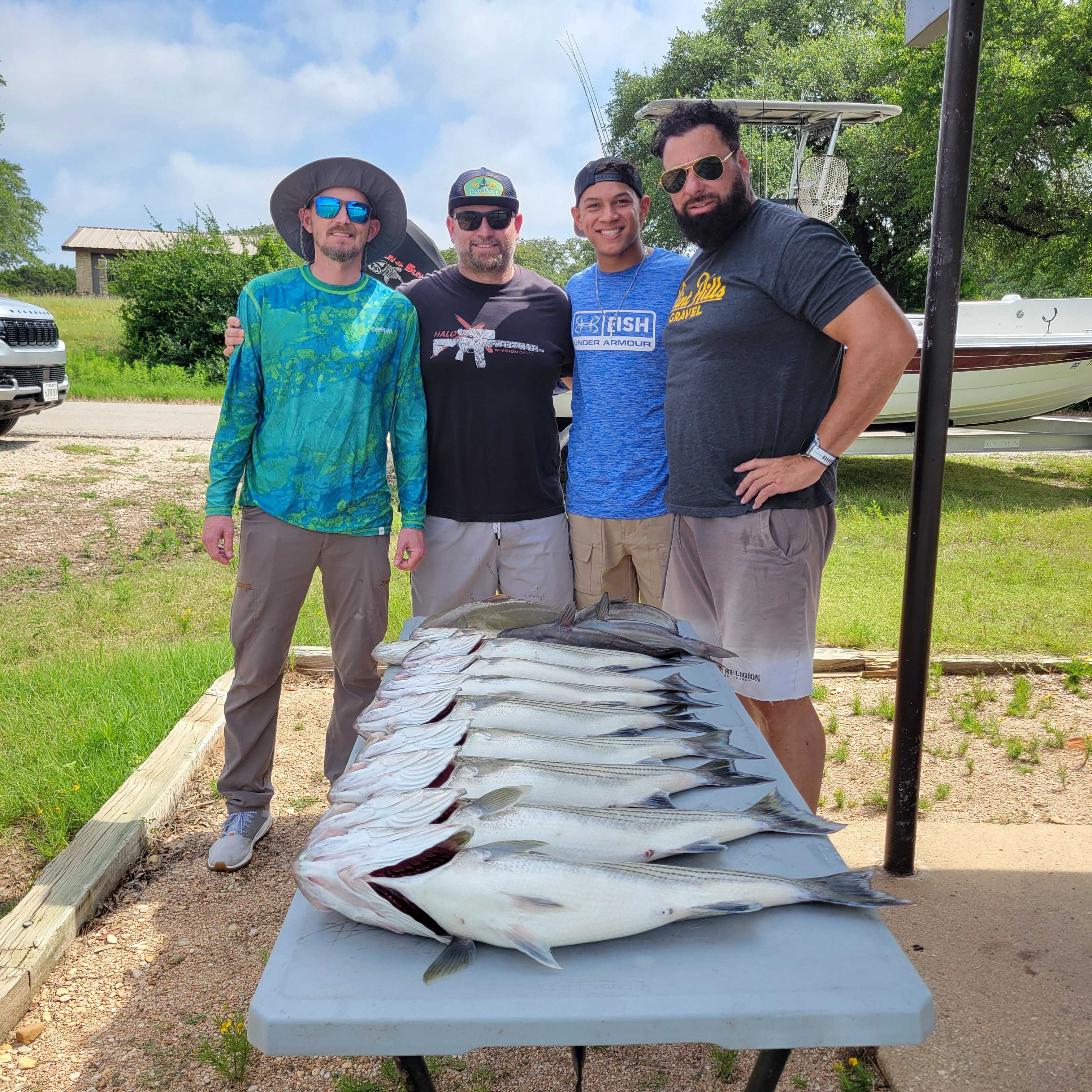
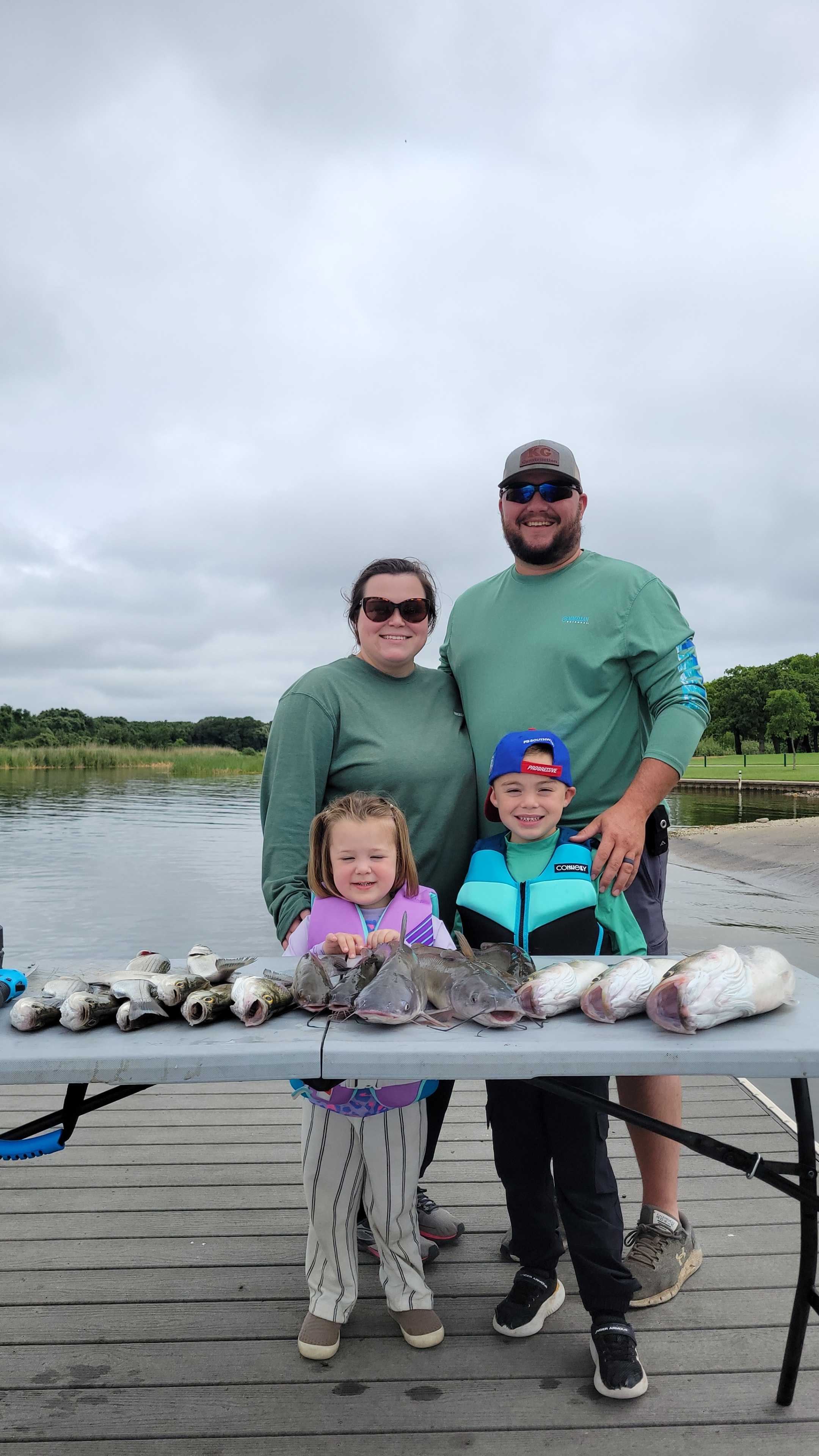
"A fantastic fishing trip with KRB Outfitting and Captain Clay Baker! His professionalism and dedication to customer satisfaction made for a memorable experience. We caught plenty of fish and had a blast. Will definitely be returning!" - Megan. "Our family had a wonderful experience with KRB Outfitting and Captain Clay Baker. He was patient, knowledgeable, and made the trip exciting for everyone, including the kids. We caught some great fish and made lasting memories." - James. "KRB Outfitting and Captain Clay Baker provided an outstanding fishing experience! We had a great time on the water and caught plenty of fish. The boat was comfortable and well-maintained. Can't wait for our next trip!" - Chris.
Species You'll Want to Hook
Blue catfish are the backbone of Whitney's fishing scene, and for good reason. These fish grow big in these waters - 5 to 15 pounds is common, with some real monsters lurking in the deeper holes. They're most active in the early morning hours when we're on the water, making them perfect targets for this trip. Blues are strong fighters that make long runs and test your drag system. They're also excellent eating, so you're looking at dinner and a great fight all in one package. The best part about blue catfish is their willingness to bite - they're not as finicky as some species, which means consistent action throughout the trip.
Crappie fishing at Whitney is something special, especially during their spring and fall feeding periods. These slab-sided fighters average 10 to 14 inches, with plenty of bigger fish mixed in. Crappie are structure-oriented, holding around submerged timber, brush piles, and creek channels. They're sight feeders with excellent eyesight, which makes early morning the prime time to target them. What makes crappie so popular is their light bite and excellent table fare. They're also schooling fish, so when you find one, you'll often find several. Captain Clay knows the seasonal patterns and productive spots that consistently hold quality crappie.
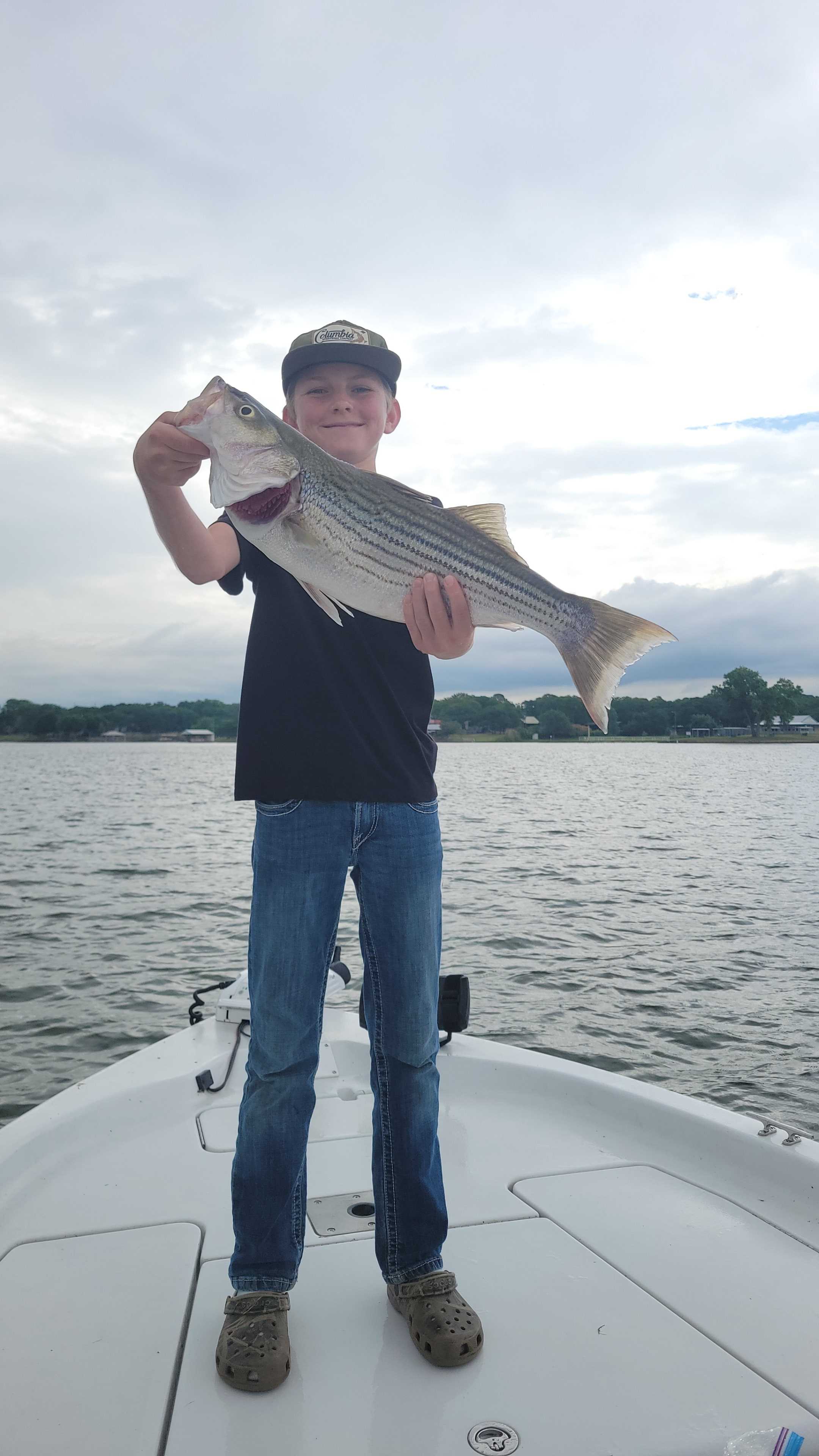
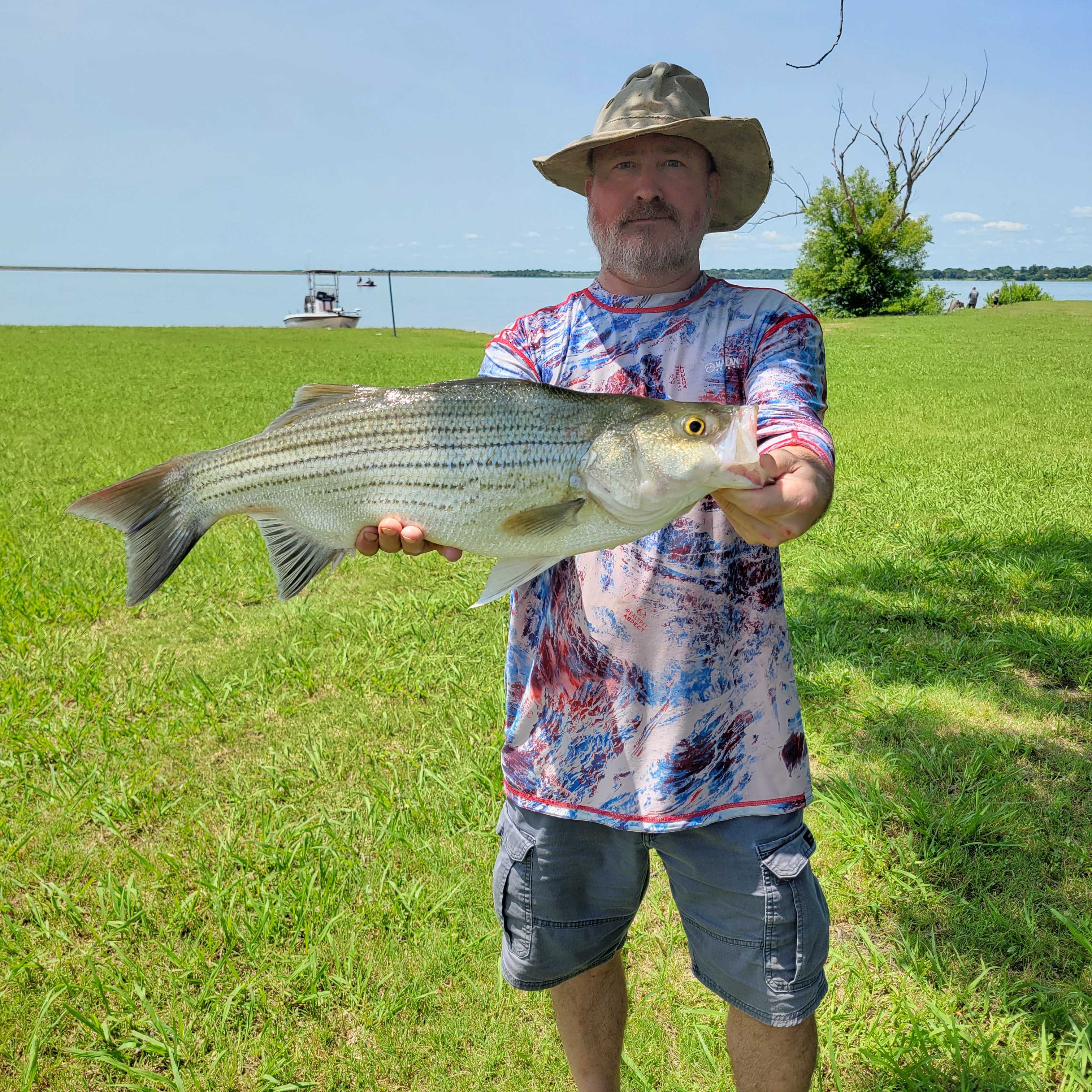
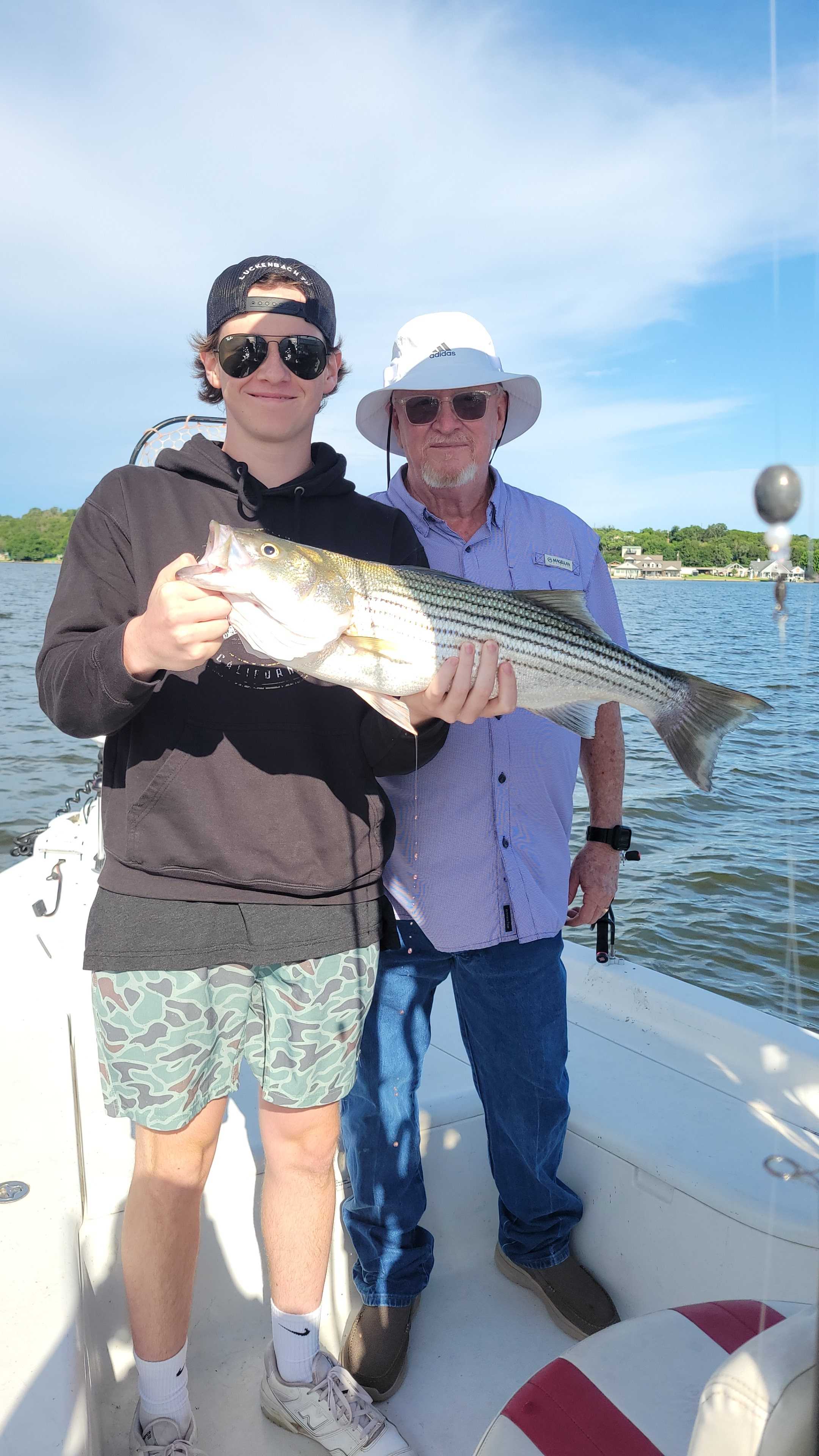
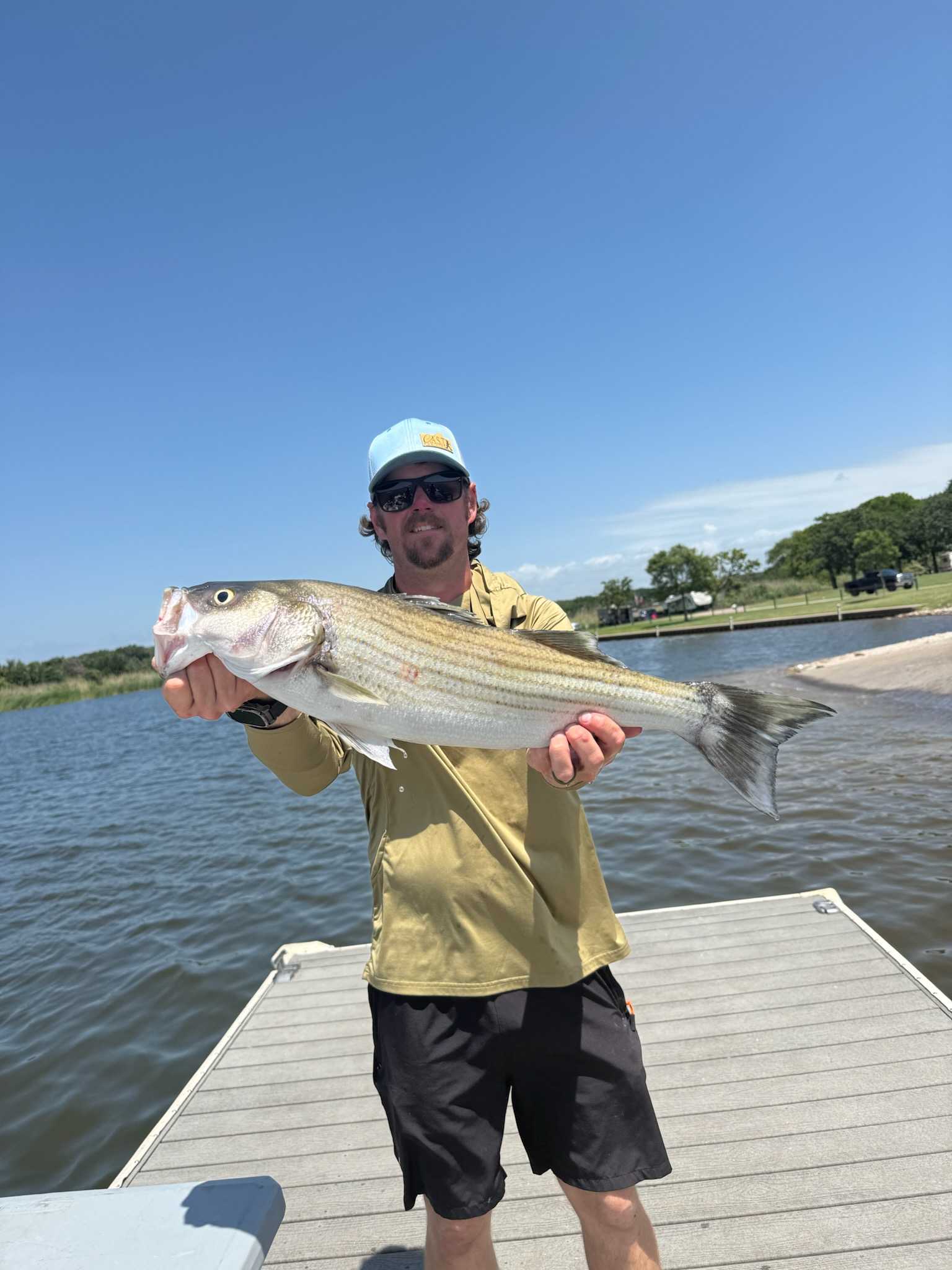
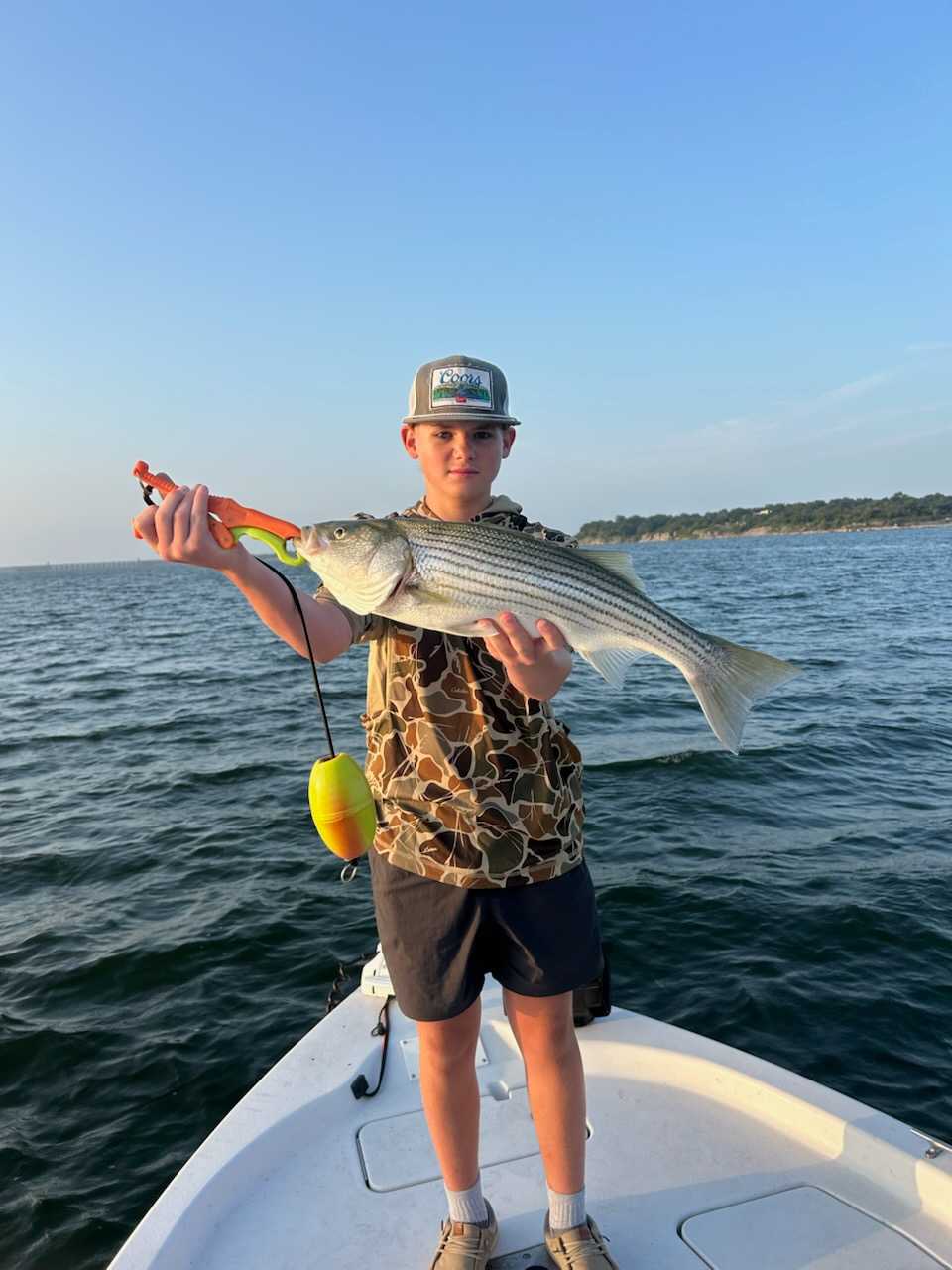
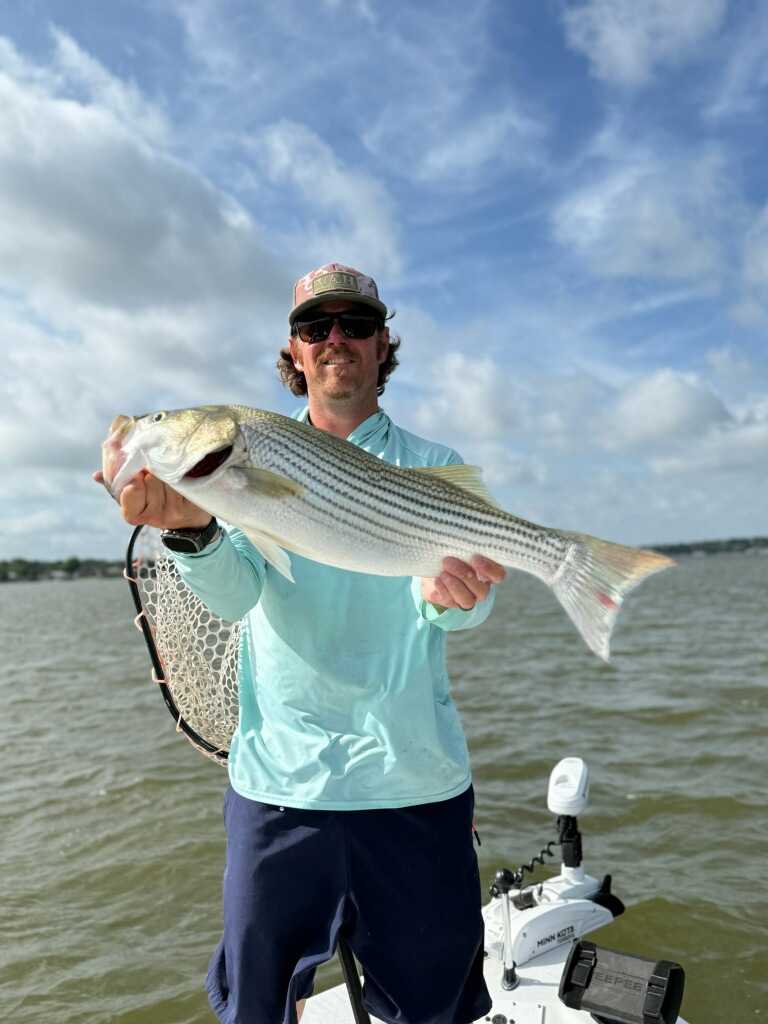
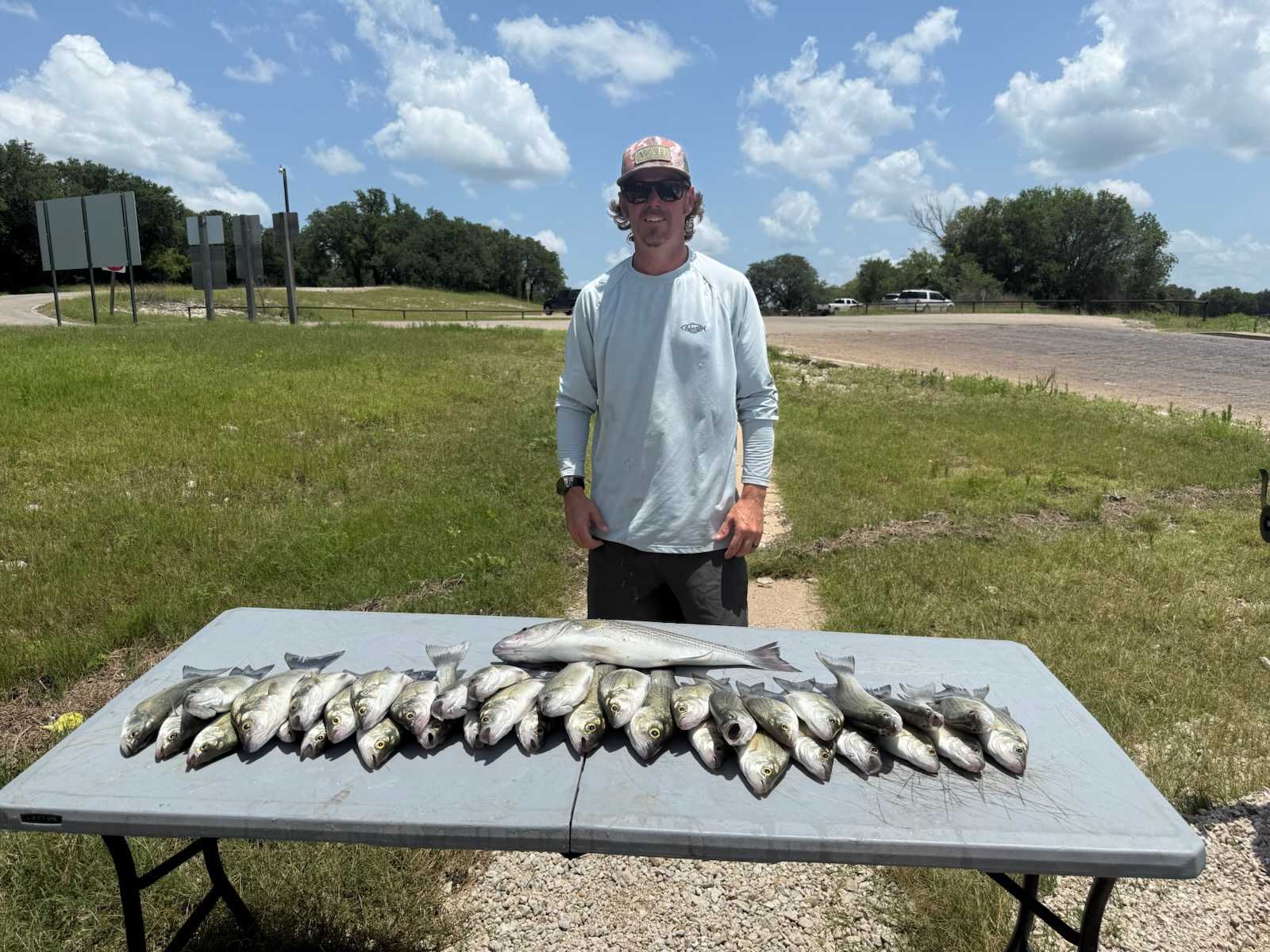
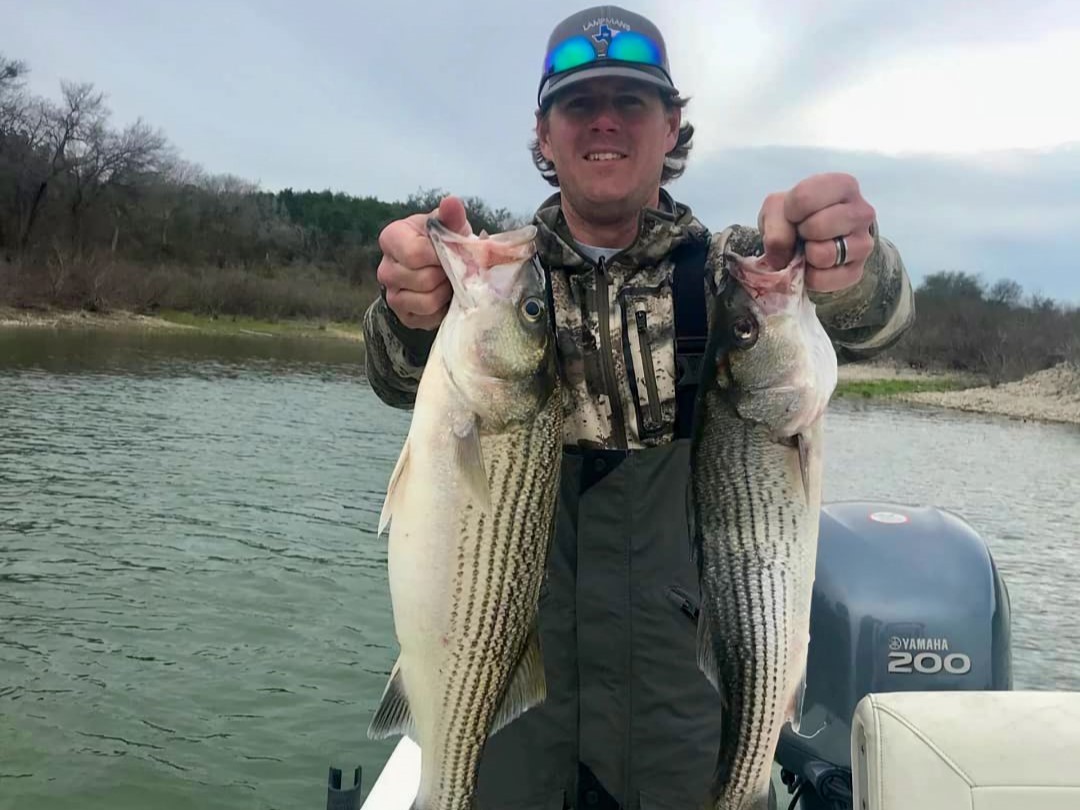
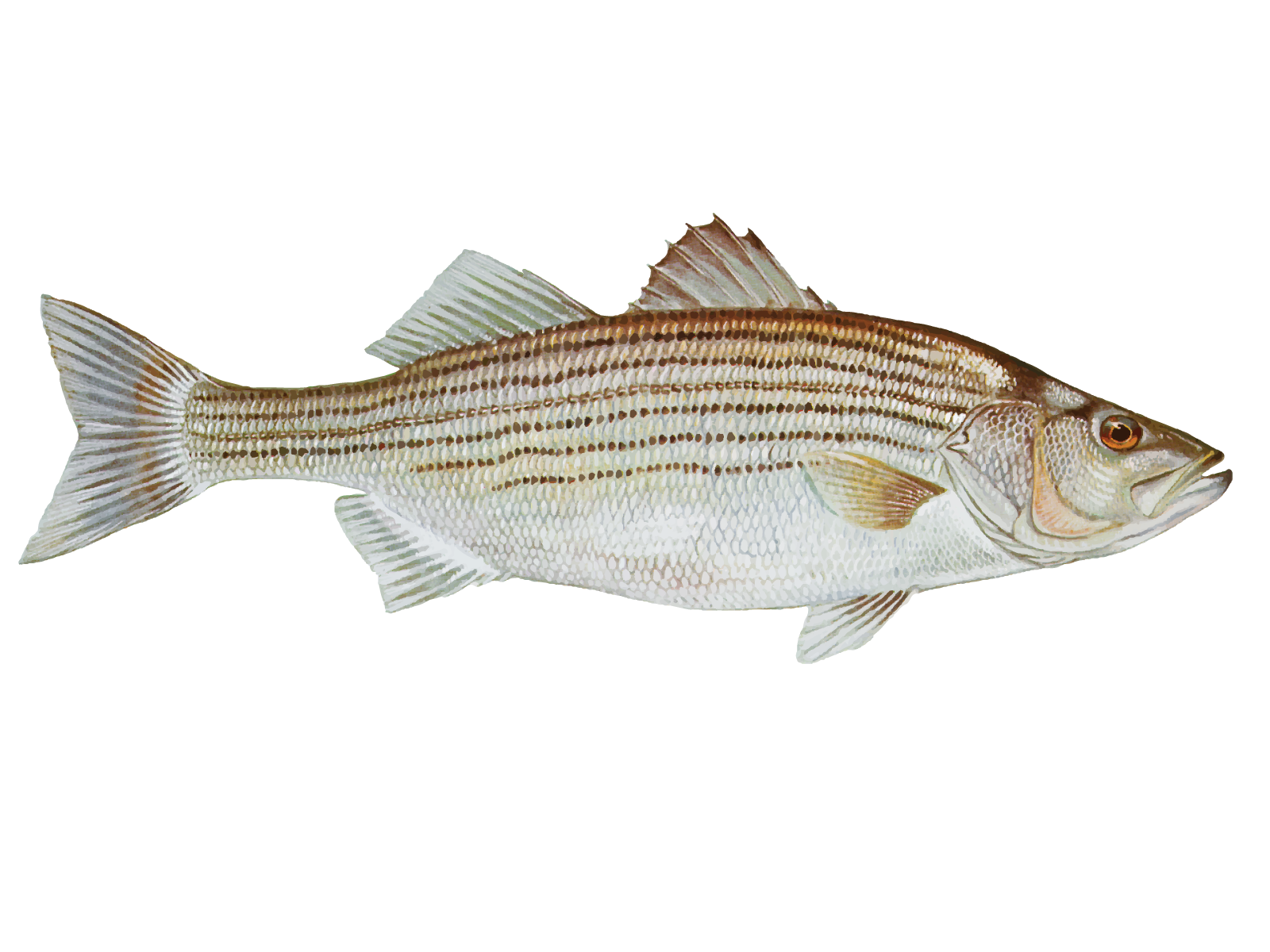
Striped bass bring the excitement factor to Whitney Lake. These silver rockets can reach 20 pounds or more and fight like freight trains. Stripers are open-water predators that chase schools of shad, creating some of the most exciting fishing you'll find in Texas. When they're feeding on the surface, you'll see birds diving and baitfish jumping - it's pure fishing gold. During cooler months, they move deeper but remain aggressive feeders. The beauty of targeting striped bass is their unpredictability - you might catch a 3-pounder followed by a 15-pounder. They're also one of the best fighting freshwater fish you'll encounter, making screaming runs that test both your equipment and your skills.
Time to Book Your Spot
Whitney Lake's fishing stays productive year-round, but prime times book up fast with local anglers and visiting fishermen who know what this fishery offers. Captain Clay's morning trips give you the best conditions and most active fish, plus you'll still have your afternoon free for other activities. The 6-hour format is perfect - long enough to really get into the fishing and try different techniques, but not so long that it wears you out. With only 2 anglers per trip, you get personalized attention and plenty of fishing time. Remember that deposits are non-refundable, so plan accordingly, but also know that you're booking with a captain who has the experience and local knowledge to make your investment worthwhile. Morning trips fill up quickly, especially
 5.0(10 Reviews)
 Private Trip
 River Fishing
 Top Rated
 Texas
Texas

 Half
Half