Sebastian Fishing Charter | 4-Hour Inshore Trip
Sebastian Inlet is hands down one of Florida's most productive inshore fishing spots, and this 4-hour morning charter gets you right into the action. Starting at 7 am when the fish are most active, you'll spend quality time working the flats, inlet channels, and nearby reefs where Sebastian's legendary fish populations hang out. The 29-foot center console gives you plenty of room to move around and fight fish properly, while staying close enough to shore that even first-time anglers feel comfortable. With space for up to three guests, this trip strikes the perfect balance between intimate fishing and having room to work multiple lines when the bite gets hot.
What to Expect on the Water
Your morning starts early when the water's calm and the fish are hungry. Sebastian Inlet's unique geography creates the perfect storm for inshore action – you've got deep channels mixing with shallow grass flats, rocky structure, and tidal flow that keeps baitfish moving and predators following. The live bait approach here isn't just effective, it's essential. You'll be working with fresh shrimp, pilchards, and pinfish that get the attention of everything from slot redfish to monster tarpon. The inlet's famous for its year-round action, but each season brings different opportunities. Summer months fire up the tarpon fishing, while fall and winter concentrate snook and redfish in predictable patterns. Your captain knows these waters like the back of their hand, reading the tides and structure to put you on fish consistently. The 29-foot center console handles the inlet's occasional chop with ease, and the spacious layout means everyone gets prime fishing real estate without stepping on each other's lines.
Live Bait Tactics & Structure
Sebastian Inlet fishing revolves around understanding structure and current flow, and live bait is your ticket to connecting with the area's top gamefish. You'll be fishing around the inlet's rock jetties, working the edges where current creates ambush points for predators. The technique involves presenting live bait naturally in the current, letting it drift into strike zones while maintaining just enough tension to feel the bite. Depending on conditions, you might be free-lining baits in the current or using just enough weight to get down to where the fish are holding. The grass flats on either side of the inlet offer different opportunities – here you'll sight-fish to cruising redfish and work the potholes where snook like to ambush prey. Circle hooks are standard for catch and release, and the captain will have you rigged properly for each situation. When targeting larger species like goliath grouper or big tarpon, the tackle steps up accordingly, but the live bait presentation remains key. The boat's electronics help locate structure and bait concentrations, but reading the water and understanding fish behavior is what consistently puts fish in the boat.
Species You'll Want to Hook
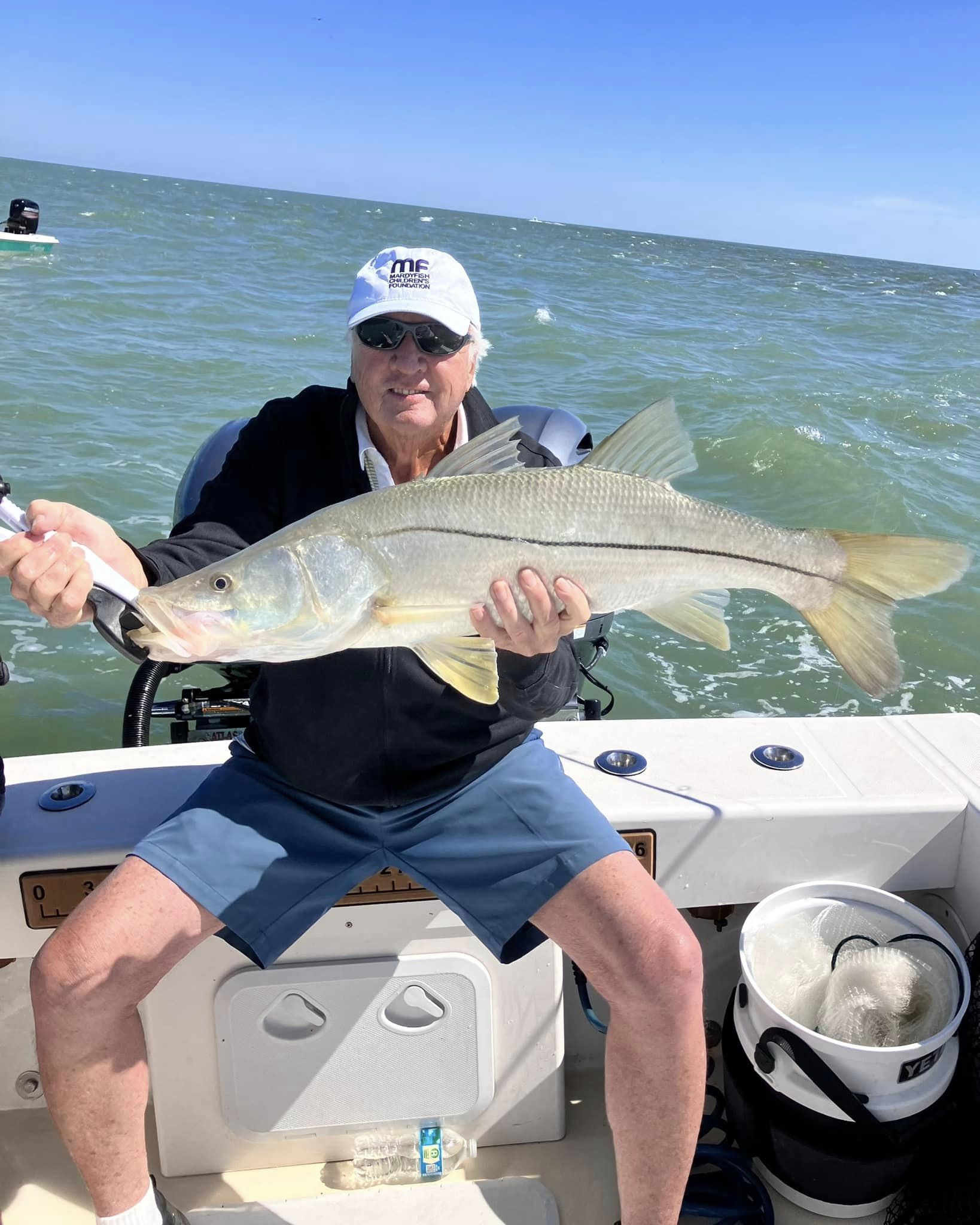
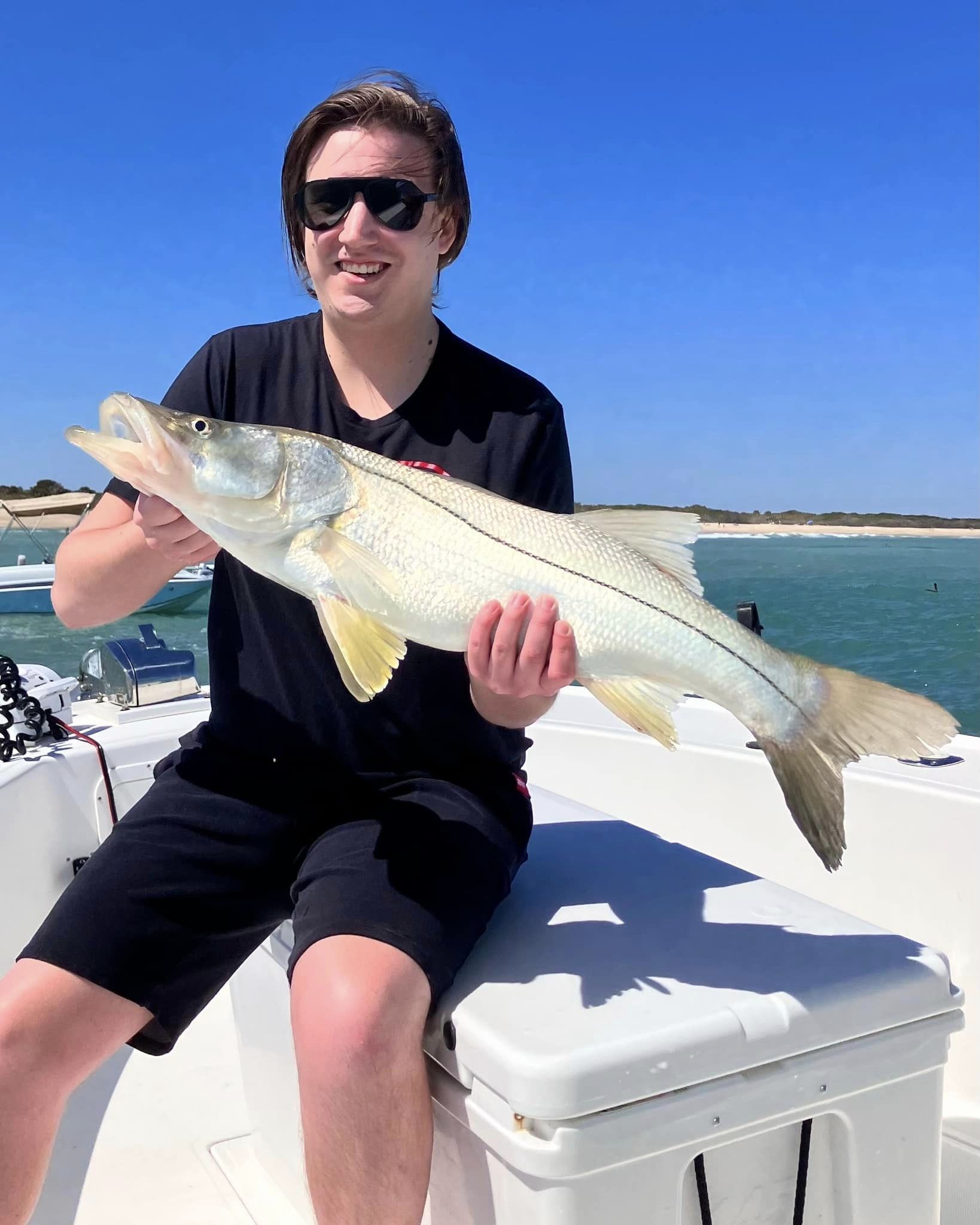
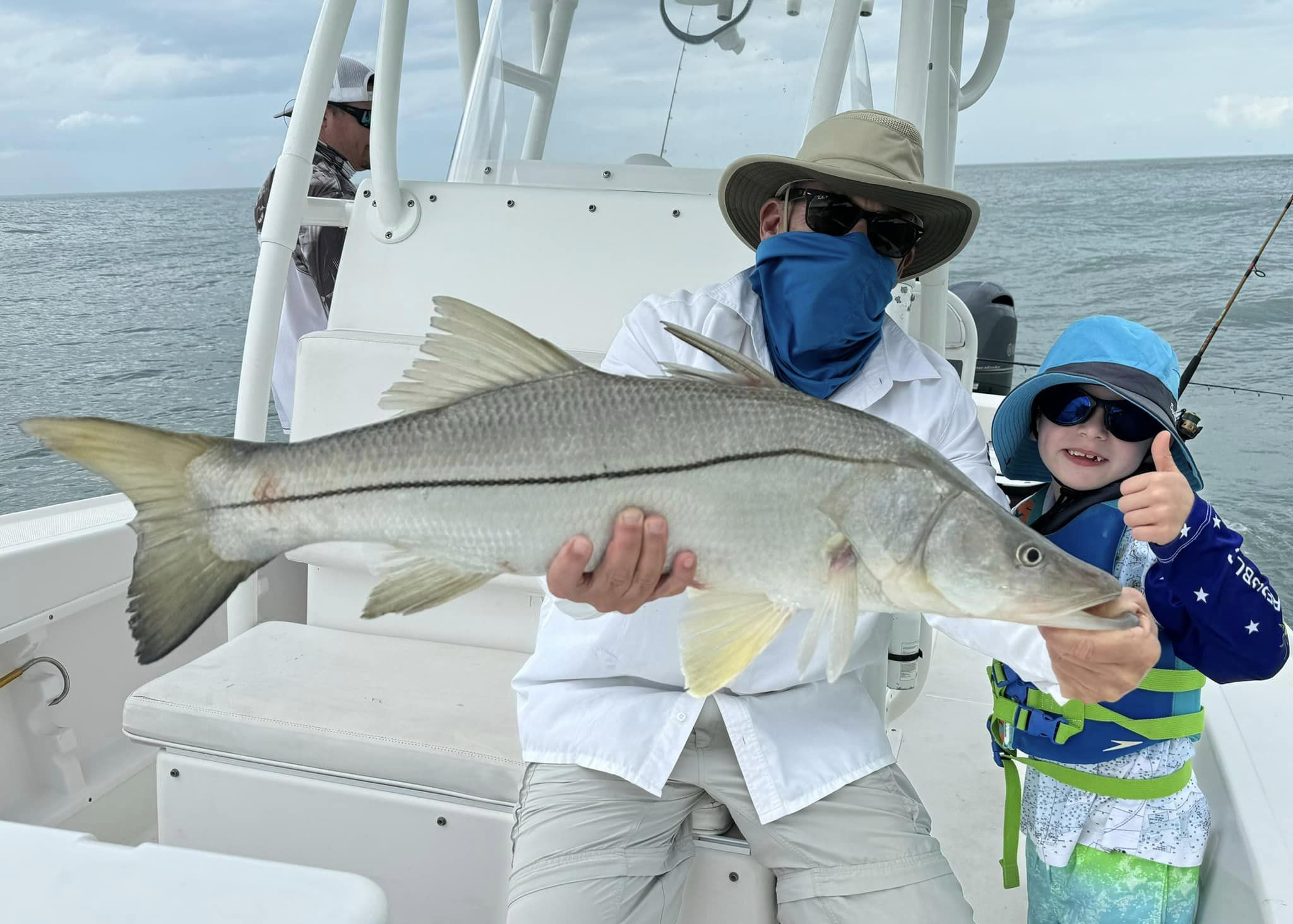
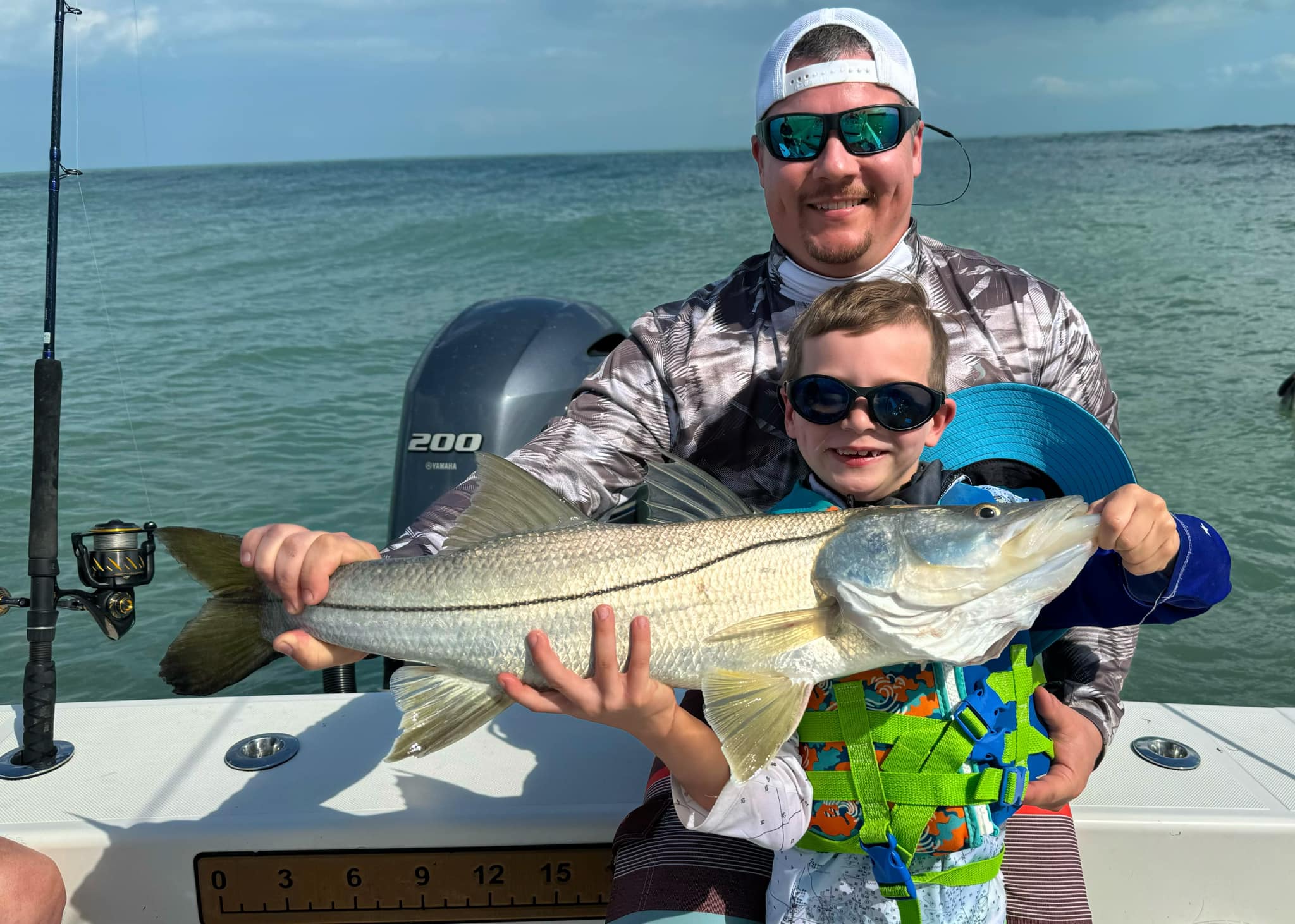
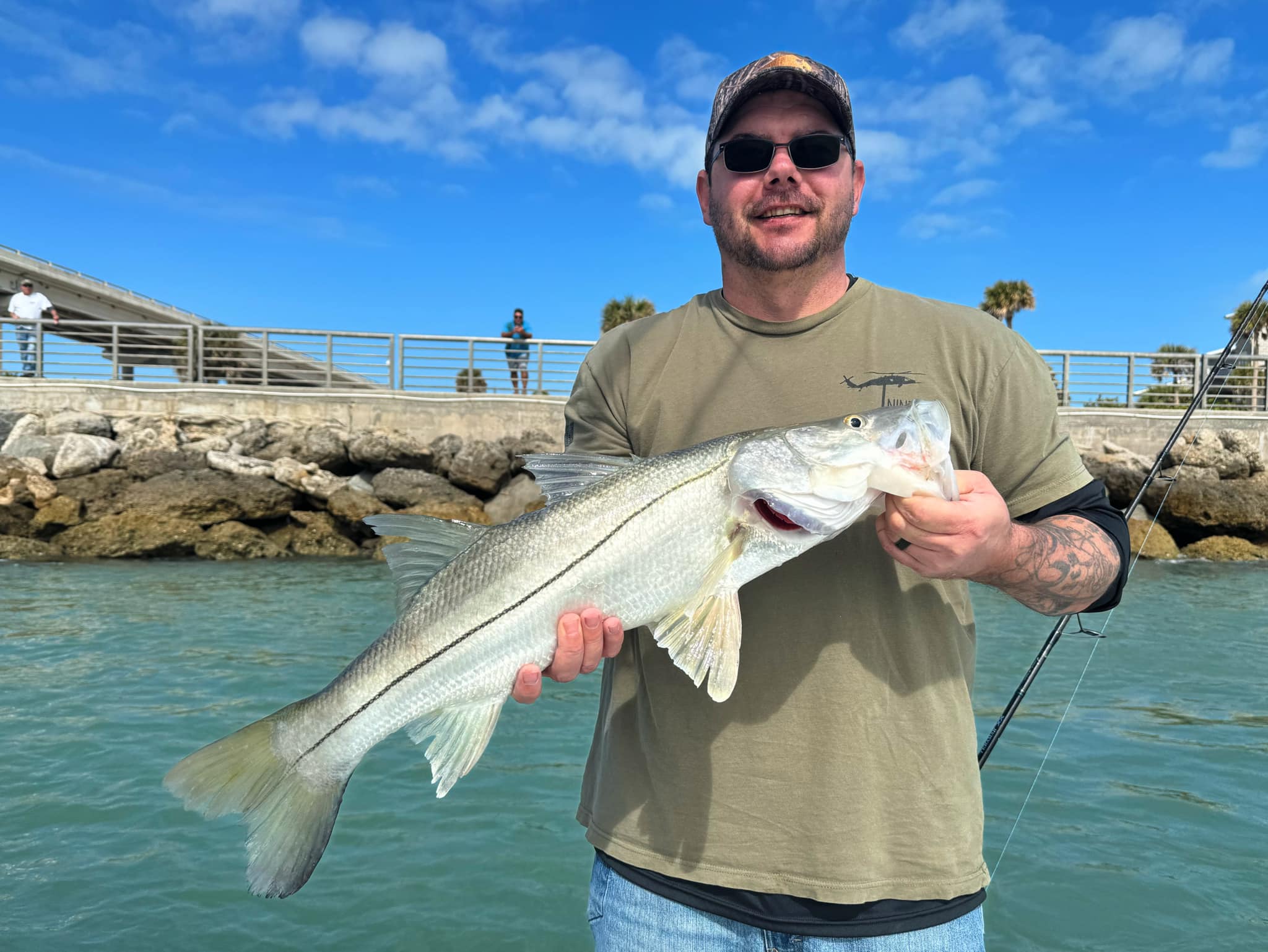
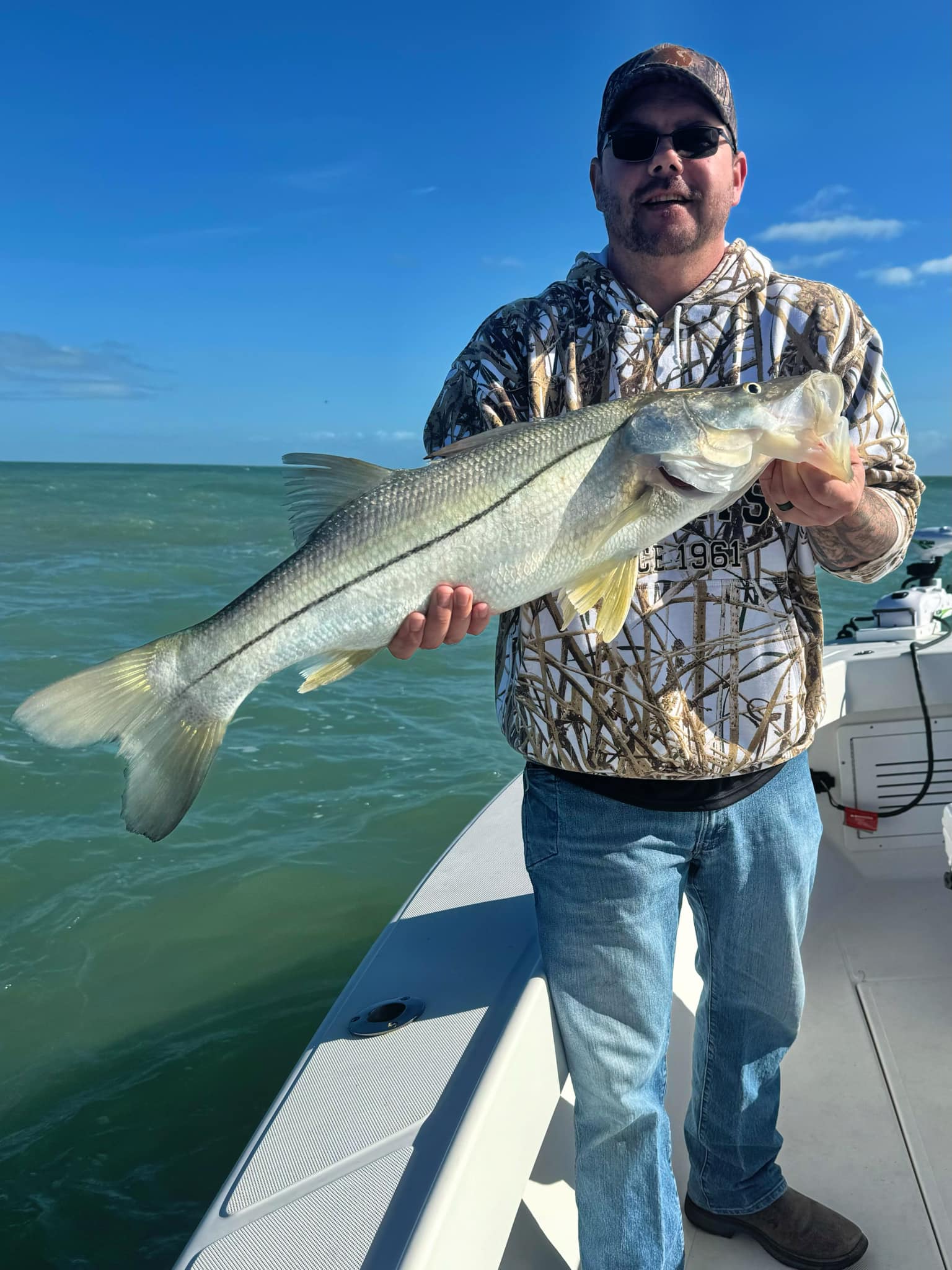
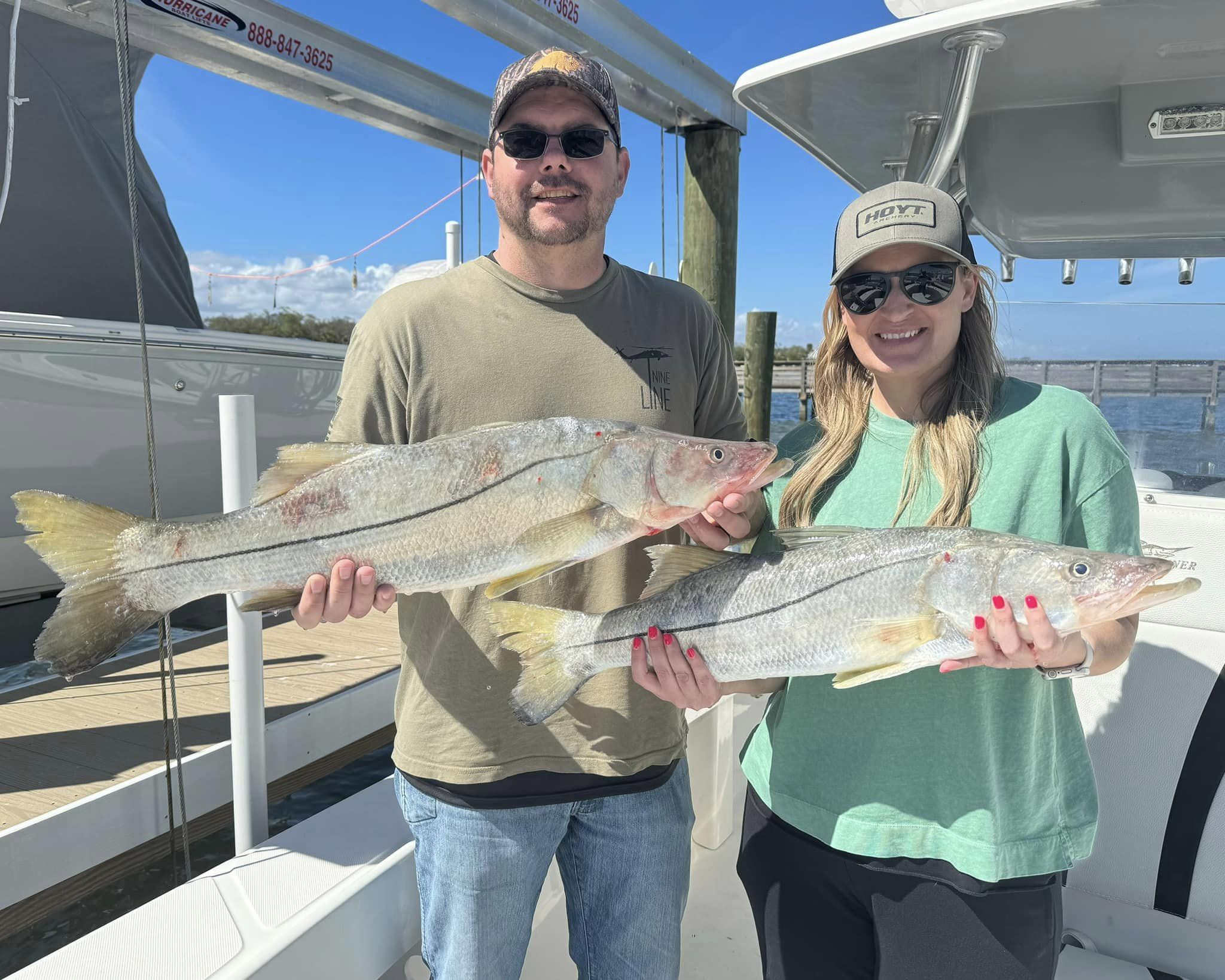
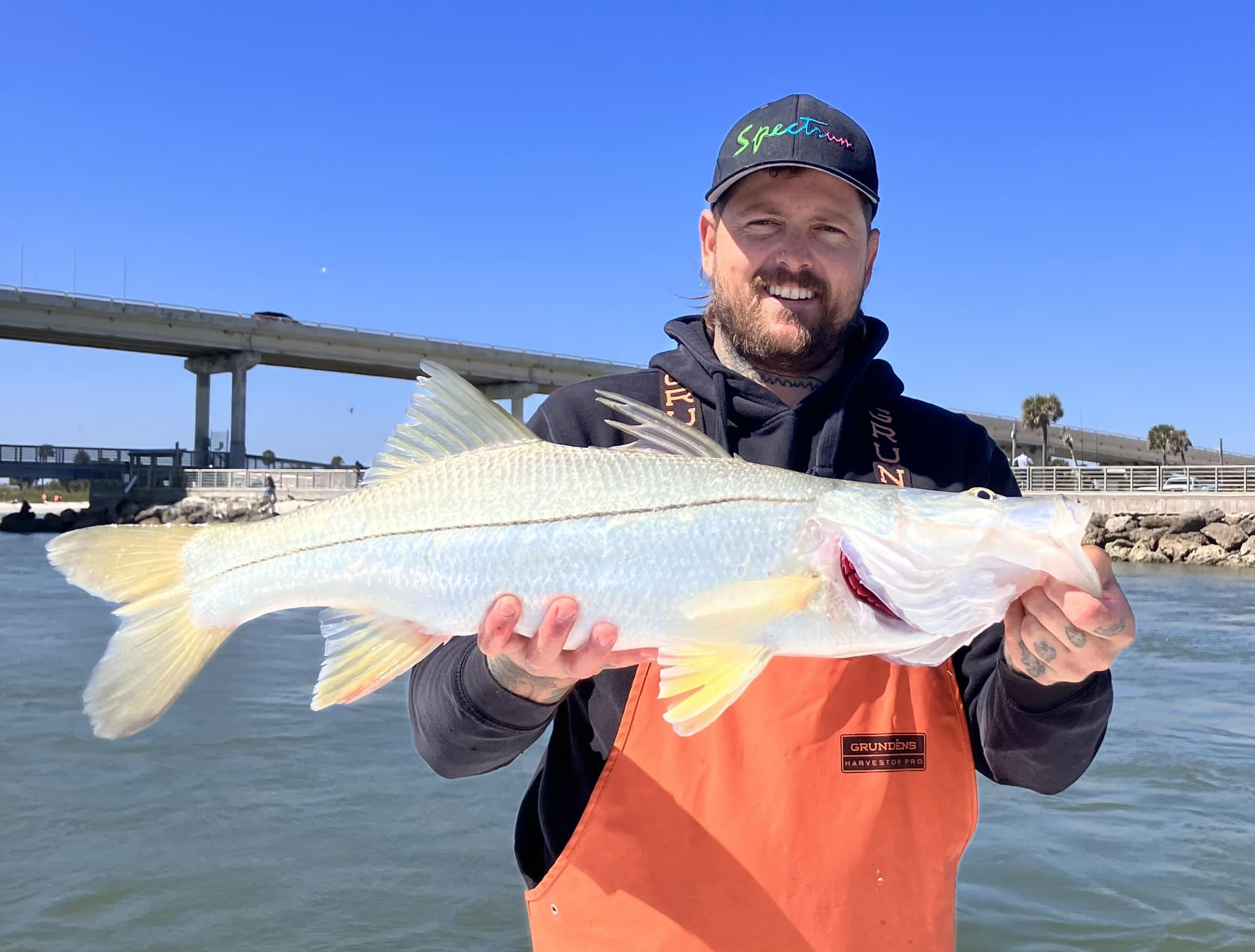
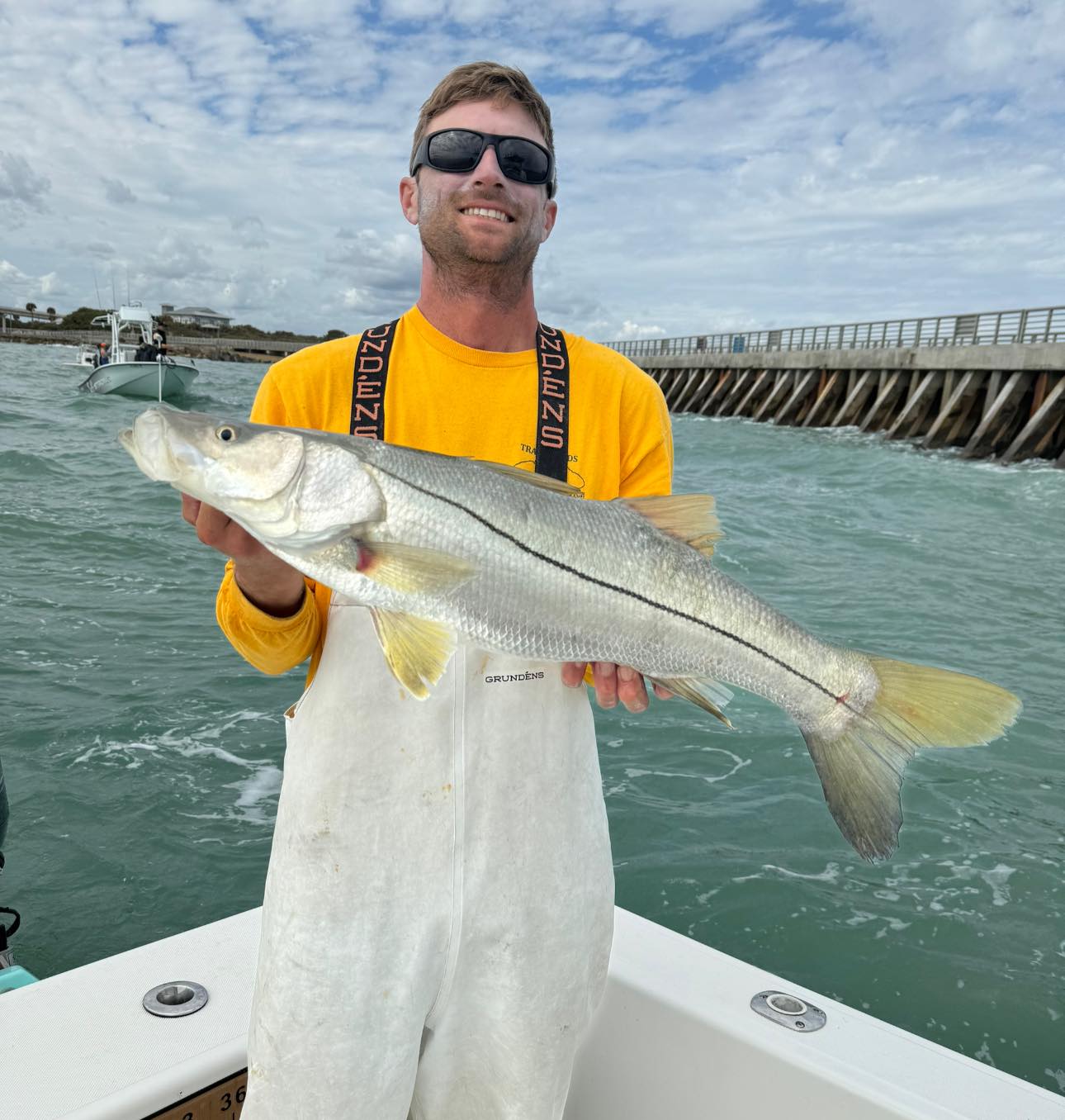
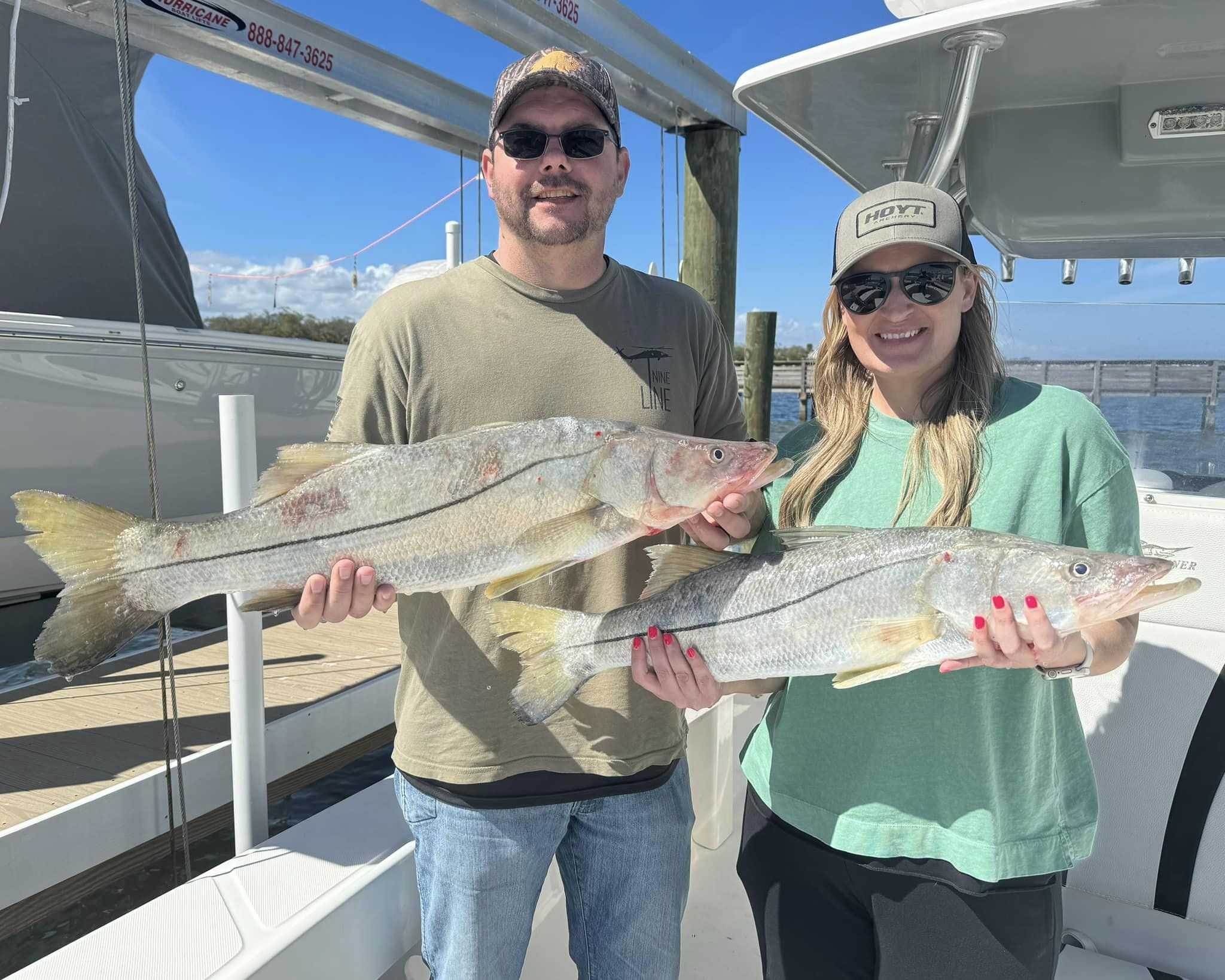
Snook are Sebastian Inlet's signature species and for good reason – these ambush predators use the inlet's structure perfectly, hiding along dock lines, bridge pilings, and mangrove edges waiting to crush unsuspecting baitfish. They're most active during moving water, especially the last two hours of incoming tide and first hour of outgoing. Snook fight with explosive runs and gill-rattling jumps, and their seasonal patterns make them accessible year-round in different parts of the system. Look for them shallow in warmer months and deeper during winter cold snaps.
Goliath Grouper represent the heavyweight division of Sebastian's fishing scene, with fish over 200 pounds not uncommon around the inlet's deeper structure. These massive fish require stout tackle and strong arms – once hooked, they'll try to pull you straight down to the bottom and wrap you in whatever structure they can find. Summer brings the best goliath action when they move shallow to spawn, creating opportunities for truly memorable battles. The catch-and-release regulations mean every fish goes back, but the photos and stories last forever.
Tarpon turn Sebastian Inlet into a world-class fishery from late spring through early fall, with fish ranging from juvenile "baby" tarpon around 20 pounds to mature adults pushing 150 pounds. These silver kings are famous for their aerial displays – multiple jumps are standard when you hook up. Tarpon fishing requires patience and skill, as their bony mouths make hook sets challenging, but connecting with one of these prehistoric gamefish in the inlet's clear water creates fishing memories that last a lifetime.
Redfish patrol Sebastian's grass flats and deeper channels year-round, offering consistent action for anglers who appreciate their bulldogging fights and copper-colored beauty. Slot-sized reds between 18-27 inches are perfect table fare, while oversized bulls provide pure sporting excitement. These fish are incredibly sight-fishing friendly in shallow water, where you can watch them cruise and target individuals. Their willingness to eat live bait and relatively forgiving nature makes them perfect for newer anglers building confidence.
Cubera Snapper represent the inlet's trophy potential, with these bruising bottom dwellers capable of reaching 50+ pounds around Sebastian's deeper structure. They're notorious for their initial runs straight toward the rocks, testing both tackle and angler skill. Cuberas are most active during summer months around the full moon phases, when they move shallow to feed. Their aggressive strikes and raw power make them a favorite among experienced anglers looking for something special, and their excellent eating quality adds bonus value to a successful catch.
Time to Book Your Spot
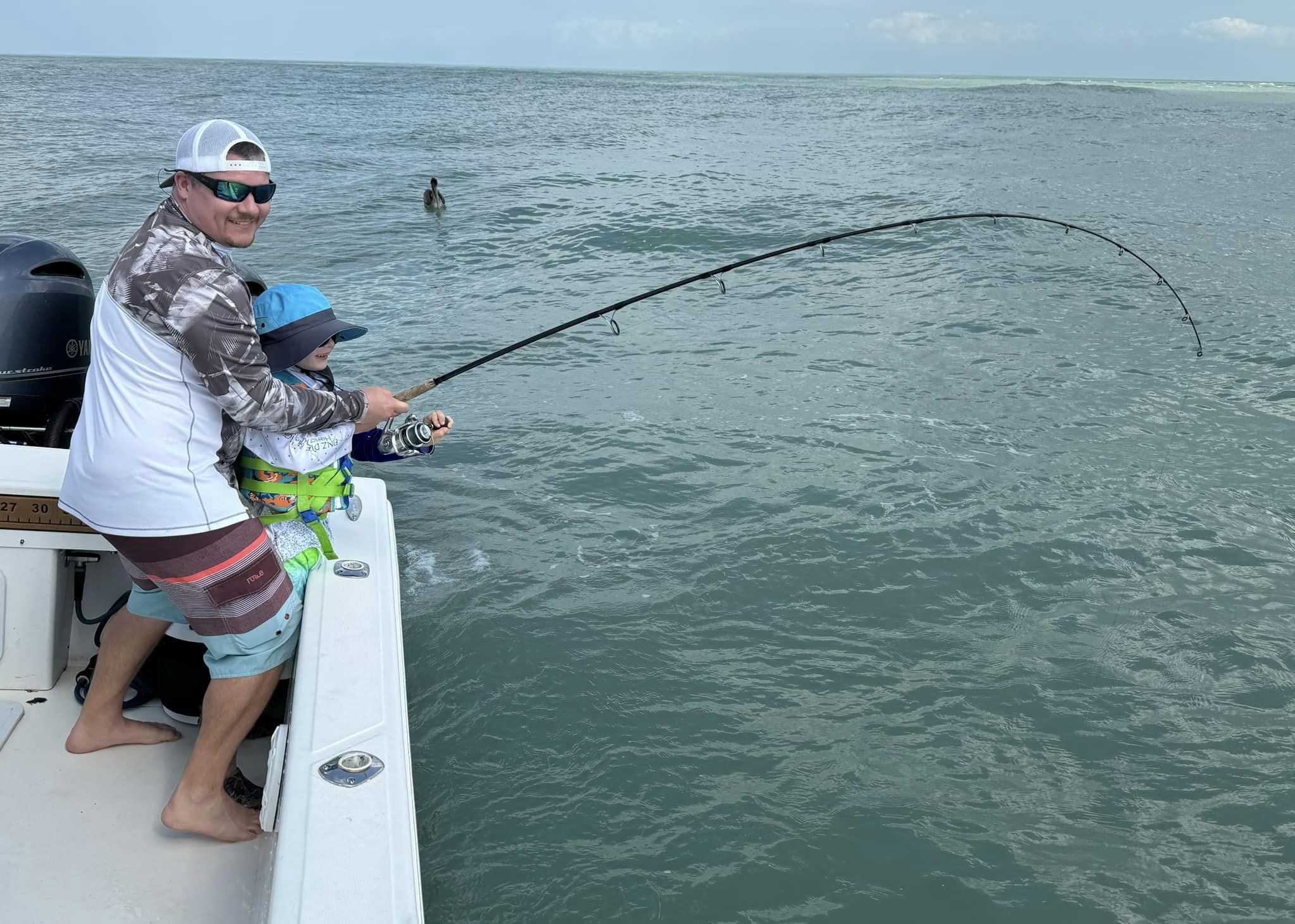
Sebastian Inlet's reputation as a top-rated inshore destination isn't accident – it's built on consistent action, diverse species, and fishing opportunities that work for everyone from kids on their first trip to serious anglers chasing personal bests. This 4-hour morning window captures the prime feeding period when fish are most active, and the live bait approach gives you the best shot at connecting with Sebastian's legendary gamefish. The spacious 29-foot center console ensures comfort while you're working lines, and the three-guest limit means personalized attention and plenty of room to fish effectively
 Private Trip
 Inshore Fishing
 undefined, undefined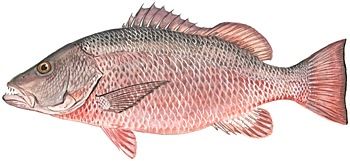


 Four-hour inshore fishing charter at Sebastian Inlet starting 7am