Half Day Wade Fishing on Bitterroot River
The Bitterroot River is hands down one of Montana's best-kept secrets for wade fishing, and this 4-hour morning trip puts you right in the sweet spots where the big fish hang out. Starting at 8:00 AM, you'll spend quality time working through riffles, pocket water, and those sneaky side channels that drift boats simply can't access. This isn't your typical float trip – we're talking about getting your boots wet and really connecting with the water. Perfect for up to 2 anglers, this guided experience gives you the personal attention and technical instruction that makes all the difference between just casting and actually catching fish.
What to Expect on the Water
This wade trip runs at a completely different pace than float fishing, and that's exactly why so many anglers love it. You'll have time to really work a good run, perfect your presentation, and learn the kind of water reading skills that make you a better angler everywhere you fish. The Bitterroot's got this amazing mix of fast water, deep pools, and brushy side channels that hold different types of trout, so you'll get to try various approaches throughout the morning. Your guide will match the instruction to your skill level – whether you're just getting comfortable with your casting or you want to dial in some advanced nymphing techniques. The slower pace means more one-on-one coaching, more time to practice that tricky mend, and honestly, more fish in the net. Plus, you'll work up an appetite for the included lunch after a morning of productive wade fishing.
Techniques & Terrain
Wade fishing the Bitterroot is all about reading water and adjusting your approach as conditions change throughout the morning. You'll start with dry fly fishing if there's any surface activity, working your way through classic Montana patterns like Elk Hair Caddis and Parachute Adams. As the sun gets higher and fish move deeper, we'll switch to nymphing rigs – typically running a heavy attractor nymph with a smaller dropper to match whatever's moving in the drift. The river's got great structure with undercut banks, fallen timber, and boulder gardens that create perfect holding water for trout. Your guide will teach you how to approach these spots without spooking fish, how to get a good drift in tricky currents, and when to switch up your fly selection based on what the fish are telling you. Felt-soled wading boots are essential here since the rocks can get slick, and you'll appreciate having a good wading staff for the deeper crossings.
Top Catches This Season
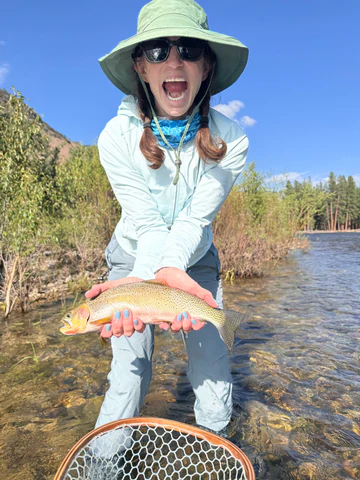
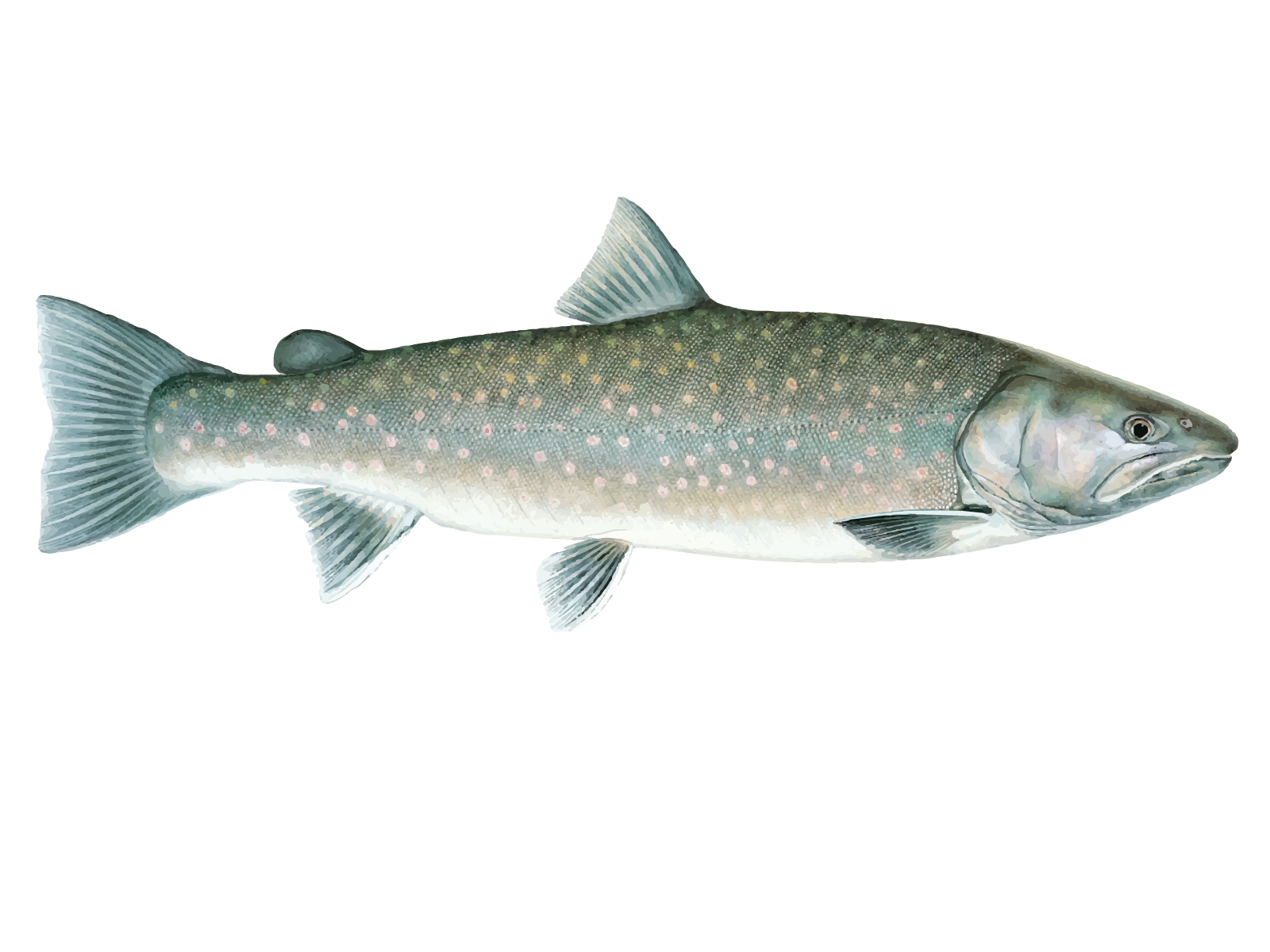
The Bitterroot's five-species mix makes every cast interesting, and each type of trout fights completely differently once you hook up. Rainbow Trout are the acrobats of the bunch – they'll jump, run, and generally put on a show that gets your heart pumping. Most rainbows here run 12-16 inches, with some real bruisers pushing 20 inches if you're fishing the right water. They're active throughout the season but really turn on during the spring and fall when water temperatures are prime. Brown Trout are the smart ones – they like structure, low light, and they'll test your knots with powerful runs toward the nearest log jam. These fish get picky about fly selection, but when you figure out what they want, you're in for some serious arm-burning fights. Bull Trout are the river's apex predator and catching one is always special since they're a native species that's made a real comeback in recent years. They love deep pools and undercut banks, and they'll absolutely crush a well-presented streamer. Cutthroat Trout are Montana natives with that distinctive red slash under their jaw – they're often the most willing to eat a dry fly and they fight with surprising strength for their size. Brook Trout round out the mix in the cooler tributaries and spring creeks, and while they're typically smaller, they're absolutely gorgeous with those vermiculated backs and bright orange fins.
Time to Book Your Spot
This wade trip fills up fast, especially during prime season when the fishing is at its peak. The 8:00 AM start time puts you on the water when trout are most active, and the 4-hour duration gives you enough time to really dial in your technique without feeling rushed. The two-angler limit means you'll get plenty of individual coaching, and the included lunch is the perfect way to wrap up a successful morning on one of Montana's top-rated trout streams. Whether you're looking to improve your casting, learn new techniques, or just spend some quality time in beautiful water, this Bitterroot wade trip delivers exactly what serious anglers are looking for. Don't wait – the best dates book weeks in advance, and you don't want to miss out on what could be your best day of fishing this season.
 Private Trip
 River Fishing
 undefined, undefined



 Four-hour guided wade fishing trip targeting five trout species
