Ice Fishing Trip - Northern Colorado
There's something special about dropping a line through the ice in Northern Colorado's frozen lakes. When winter locks up the water, most folks head inside, but that's when the real action begins for anglers who know where to look. This 4-hour ice fishing adventure puts you right in the heart of some of the region's best cold-water fishing, where trout species stack up in the deeper holes and bass hold tight to structure. You'll be fishing waters that produce solid catches year after year, and with all the gear provided, you can focus on what matters most - getting fish through the ice.
What to Expect on the Water
We're talking about a true Northern Colorado winter fishing experience here. The lakes up here freeze solid by January, creating perfect conditions for walking out to spots that are impossible to reach from shore during open water season. Your guide knows exactly where the fish are holding - those deeper pockets where trout cruise looking for baitfish, and the rocky drop-offs where bass wait out the cold months. The scenery alone is worth the trip, with snow-capped peaks reflecting off the ice and that crisp mountain air that makes every breath feel clean. You'll be set up over productive water within the first hour, and with a 2-person capacity, you get personalized attention that larger groups just can't offer. Don't forget your fishing license - Colorado requires it, and you'll want to bring some snacks and drinks to keep your energy up during those 4 hours on the ice.
Ice Gear & Setup
Ice fishing is a whole different game from casting from shore or trolling in a boat. We're using specialized ice augers to punch holes through 12 to 18 inches of solid ice, then setting up with short, sensitive rods designed for vertical jigging. The reels are smooth-operating models that won't freeze up in sub-zero temps, and we've got tip-ups ready to go for those times when you want multiple lines working. Your tackle box includes everything from tiny jigs tipped with wax worms to larger spoons that flash and vibrate to call fish from a distance. The key to Northern Colorado ice fishing is staying mobile - we'll punch several holes and keep moving until we find where the fish are concentrated. Portable shelters come in handy when the wind picks up, and we always carry ice picks and safety gear because respect for the ice is what keeps everyone coming back season after season.
Top Catches This Season
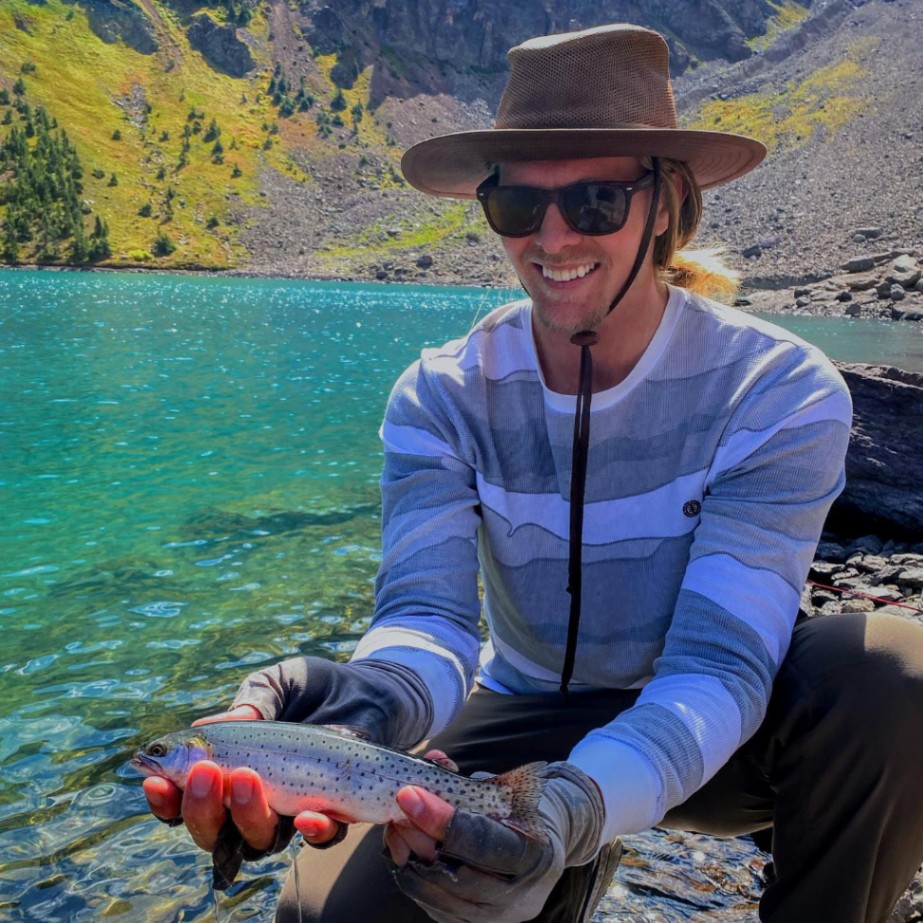
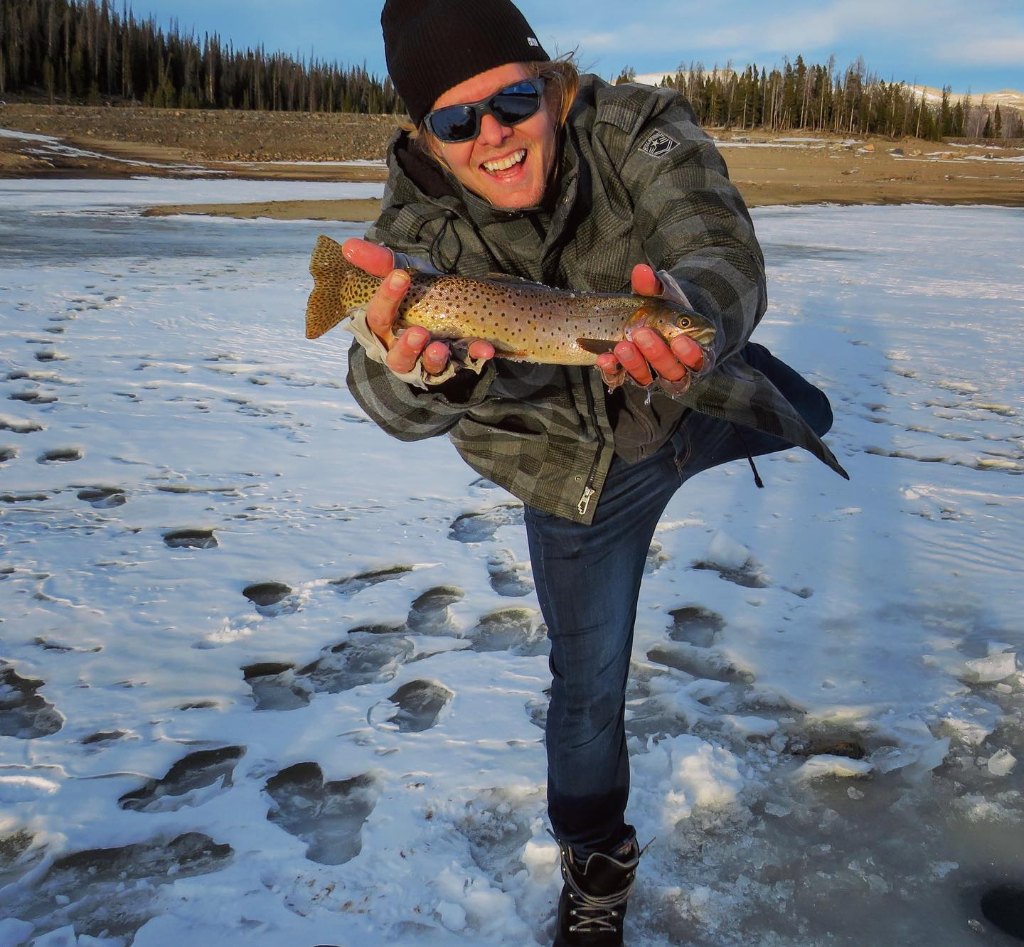
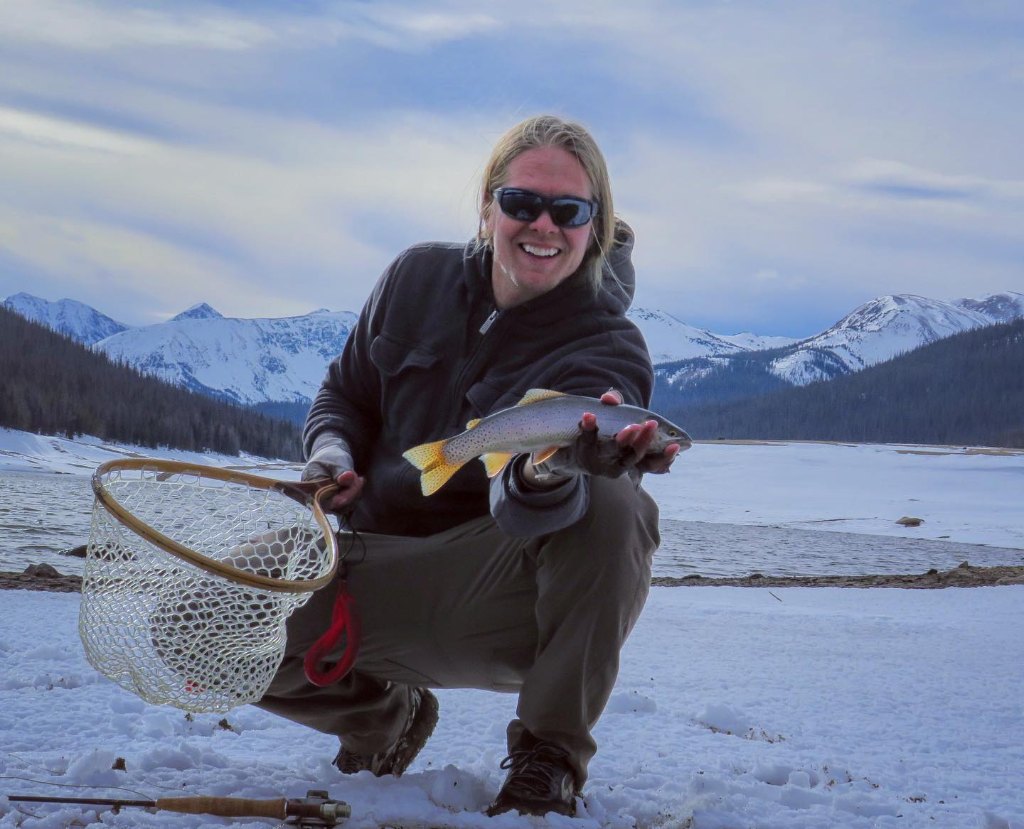
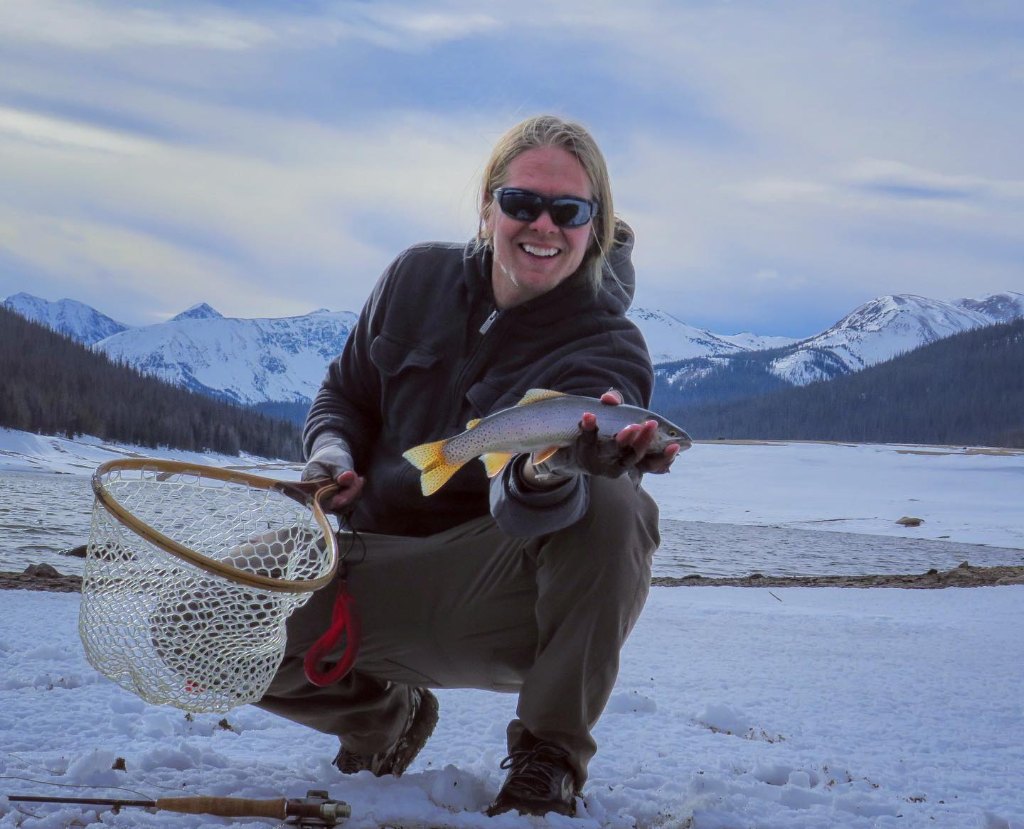
Cutthroat Trout are the crown jewel of Northern Colorado's ice fishing scene. These native beauties average 14 to 18 inches through the ice, with their distinctive red slash marks under the jaw making them easy to identify. They're most active during the first two hours after sunrise and again in late afternoon, often holding 15 to 25 feet down in the water column. What makes cutthroats so special is their aggressive strike - they'll hit a jig hard and fight like fish twice their size in the cold water.
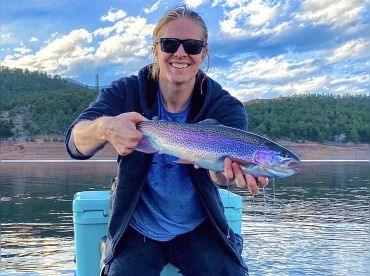
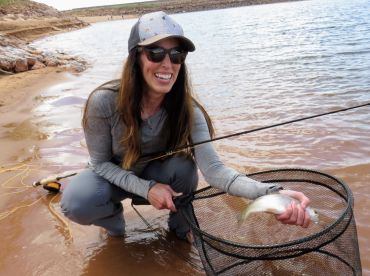
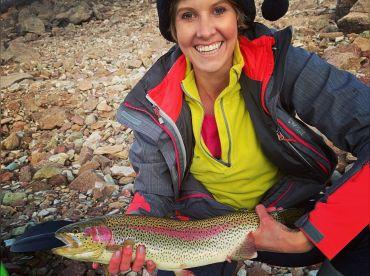
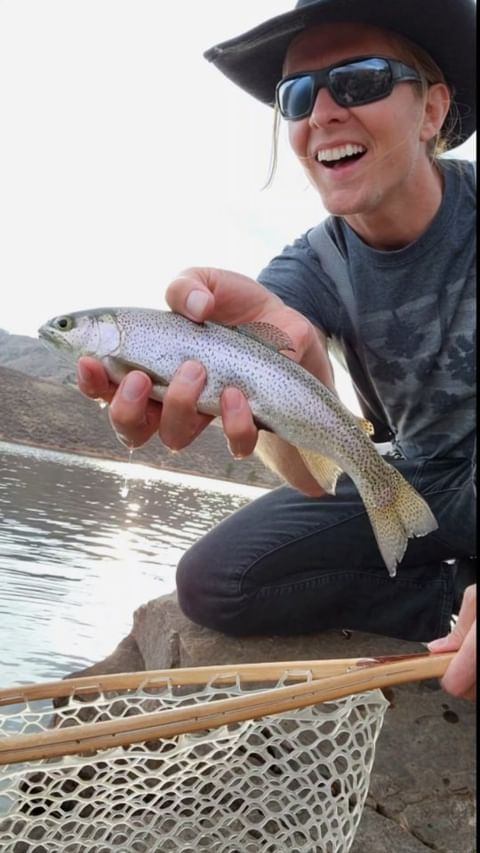
Rainbow Trout are another customer favorite, known for their acrobatic fights even under the ice. These fish range from 12 to 20 inches in our local lakes, with the occasional trophy pushing over 5 pounds. Rainbows tend to suspend mid-water, following schools of minnows, so we'll use fish finders to locate the baitfish first. They're suckers for small spoons worked with a subtle jigging motion, and once you hook one, be ready for multiple runs that'll test your drag system.
Brown Trout are the crafty veterans that make seasoned anglers work for every fish. These guys can live 10+ years and grow to impressive sizes, with 3 to 6 pounders common in Northern Colorado's deeper lakes. Browns are notorious for light bites - sometimes just a slight tick on your line - but they're worth the patience. They prefer larger baits and often feed closer to the bottom, making them perfect targets for tip-up fishing while you work other holes with a jigging rod.
Lake Trout are the giants of the ice fishing world here. These deep-water predators can exceed 20 pounds, though most catches range from 5 to 15 pounds. Lakers love cold water, making winter their prime feeding time. They're typically found in the deepest parts of the lake, 30 feet down or more, where they cruise slowly looking for easy meals. Landing a lake trout through an 8-inch hole in the ice is something every angler remembers forever.
Smallmouth Bass might surprise you as an ice fishing target, but Northern Colorado's lakes hold some quality bronzebacks that stay active all winter. These fish average 2 to 4 pounds and fight harder per pound than almost any other species. Smallies group up in deeper water near rocky structure during winter, and once you find a school, you can often catch several before they move on. They're particularly fond of tube jigs bounced slowly along the bottom.
Time to Book Your Spot
Ice fishing in Northern Colorado offers something you won't find anywhere else - the chance to catch five different species in crystal-clear mountain waters surrounded by some of the most beautiful winter scenery in the country. This isn't just about filling a cooler; it's about experiencing fishing in its purest form, where every bite comes as a surprise and every fish feels like a victory. With all gear provided and expert guidance to put you on the fish, all you need to bring is your sense of adventure and your fishing license. The intimate 2-person setup means you get the kind of personalized instruction that turns a good day into a great one. These winter fishing opportunities don't last forever - the ice season is short and the best fishing happens when conditions are just right. Don't let another winter pass without experiencing what Northern Colorado ice fishing is all about.
 Private Trip
 Lakes/Reservoirs/Ponds Fishing
 Denver


 Four-hour ice fishing experience on frozen Northern Colorado lakes