MOSQUITO LAGOON - 6 HR (AM)
When you're looking for world-class shallow water fishing in Florida, Mosquito Lagoon sits at the top of every serious angler's list. This morning charter puts you right in the heart of one of the state's most productive backcountry systems, where crystal-clear flats meet endless grass beds and the fish are hungry. You'll spend six hours working these legendary waters with a guide who knows every drop-off, every grass line, and every spot where the big ones like to hang out. With just two anglers max, you get the personal attention that makes all the difference between a good day and one you'll be talking about for years.
What to Expect on the Water
Your morning starts early when the water's still cool and the fish are most active. Mosquito Lagoon isn't your typical open-water fishery – we're talking about a pristine backcountry environment where you'll be sight-fishing in water so clear you can watch your target cruise up to the bait. The flats here stretch for miles, broken up by deep channels and oyster bars that hold fish year-round. You'll be working everything from knee-deep grass beds to deeper potholes, always keeping your eyes peeled for that telltale wake or copper flash that signals game time. The scenery alone is worth the trip – manatees, dolphins, and countless bird species call this place home, but you're here for the fish, and they don't disappoint.
Techniques & Tackle Setup
We fish Mosquito Lagoon primarily with artificial lures and live bait, depending on conditions and what the fish are telling us. Your captain provides top-shelf spinning gear perfectly matched to these waters – think medium-light action rods that let you feel every bump and tick, spooled with braided line for sensitivity and hook-setting power. Technique-wise, you'll be throwing everything from topwater plugs at dawn to soft plastics worked slow along the bottom. Live shrimp under popping corks is absolutely deadly here, especially around structure. The key is staying quiet and making long, accurate casts – these fish see a lot of pressure, so presentation matters. Polarized sunglasses aren't optional; they're essential for spotting fish in this gin-clear water.
Species You'll Want to Hook
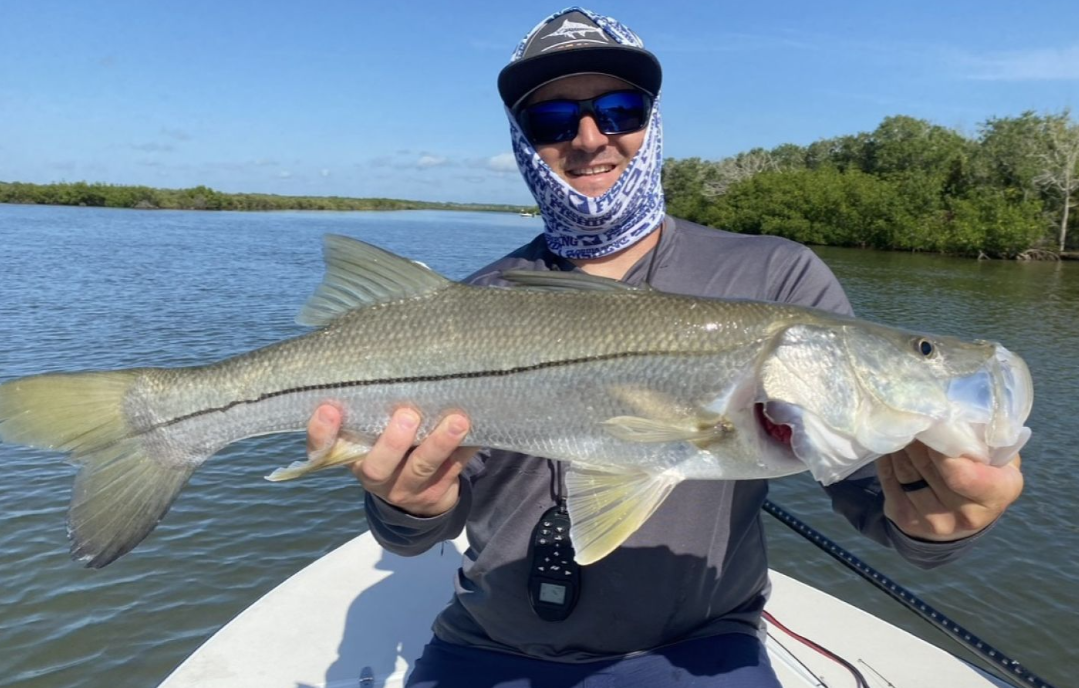
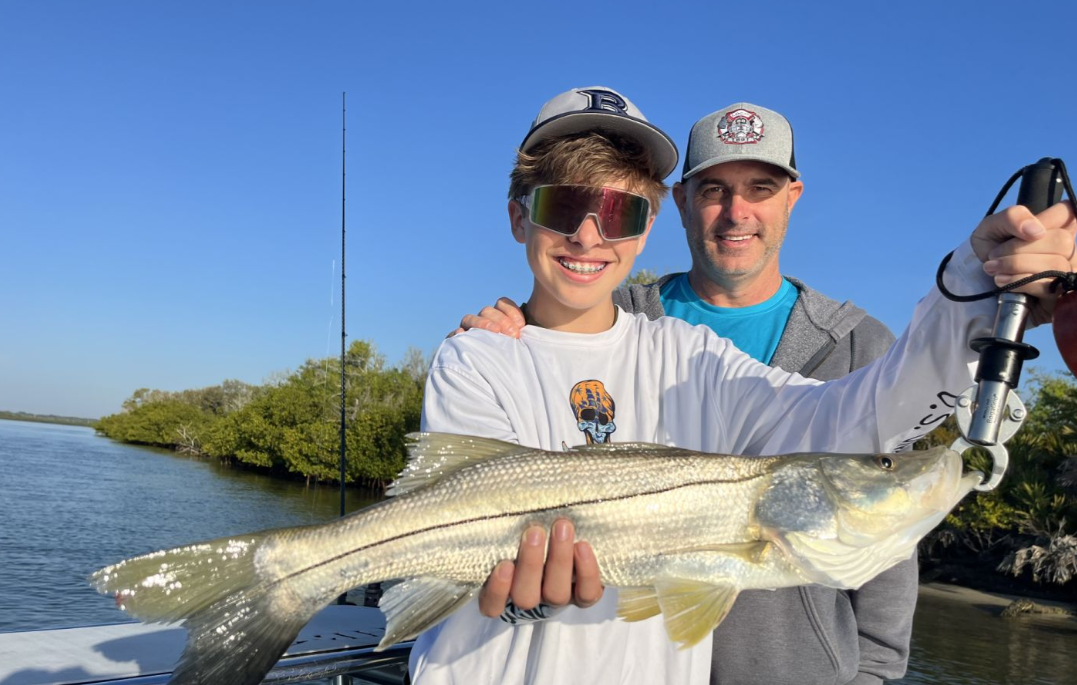
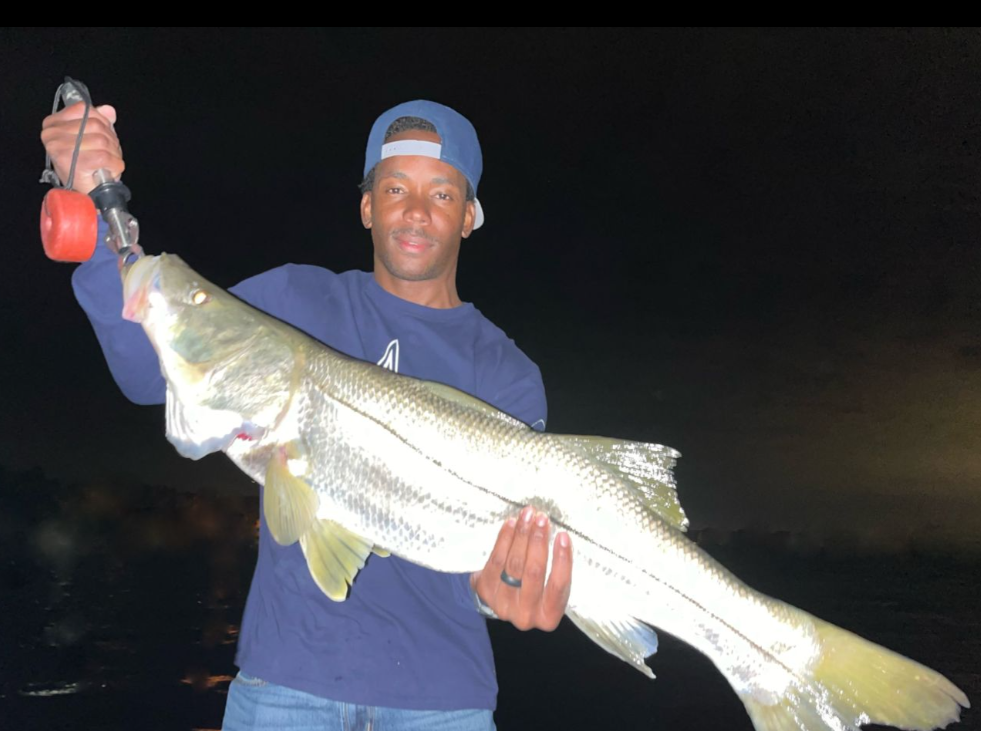
Snook are the crown jewel of Mosquito Lagoon, and for good reason. These ambush predators love the oyster bars and mangrove edges, where they sit waiting to crush anything that swims by. Spring through fall gives you the best shot at trophy snook, with fish pushing 30-plus inches not uncommon. They fight like freight trains and jump like tarpon – pure adrenaline on light tackle. The resident population here is healthy and aggressive, making them a customer favorite.
Tarpon fishing in the lagoon is something special, especially during their summer migration. We're talking about silver kings from 20 pounds up to fish that'll spool you if you're not careful. These prehistoric fighters test everything – your drag, your arms, and your patience. When a tarpon explodes on your lure in three feet of water, there's nothing else like it. July through September is prime time, though resident fish are around most of the year.
Sheepshead might not win any beauty contests, but they're pound-for-pound some of the smartest fish in the lagoon. These convict-striped bait thieves hang around every piece of structure, using their crushing jaws to pick crabs and barnacles off the rocks. They're notorious for their light bites, but once hooked, they bulldoze toward cover like their lives depend on it. Winter months are best for big sheepshead, when they school up for their spawning run.
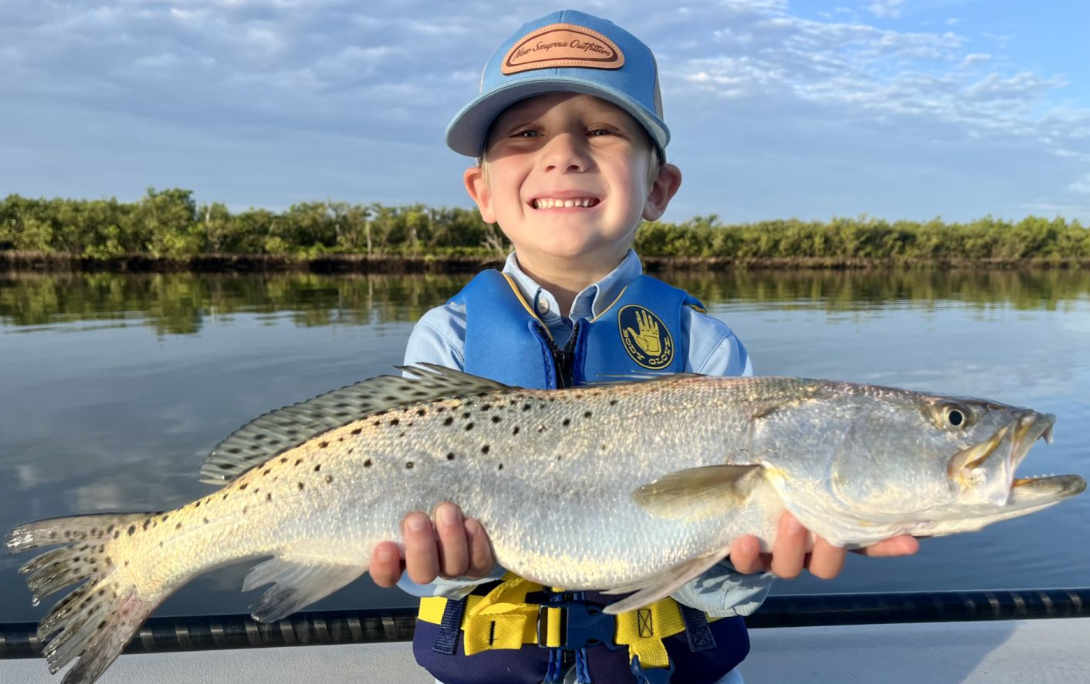
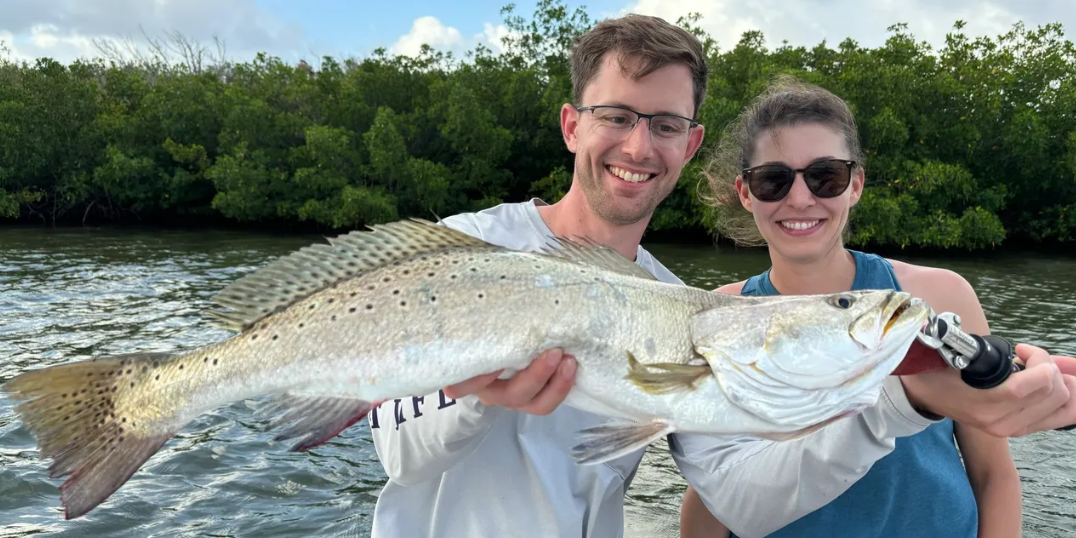
Sea trout, or speckled trout as the locals call them, are your bread-and-butter fish here. They school up over grass beds and in deeper pockets, feeding aggressively on shrimp and small baitfish. A good trout bite means steady action and full coolers. These spotted fighters are perfect for light tackle, and the lagoon produces some real gator trout – fish over 20 inches that'll make your drag sing. Cooler months bring the biggest concentrations.
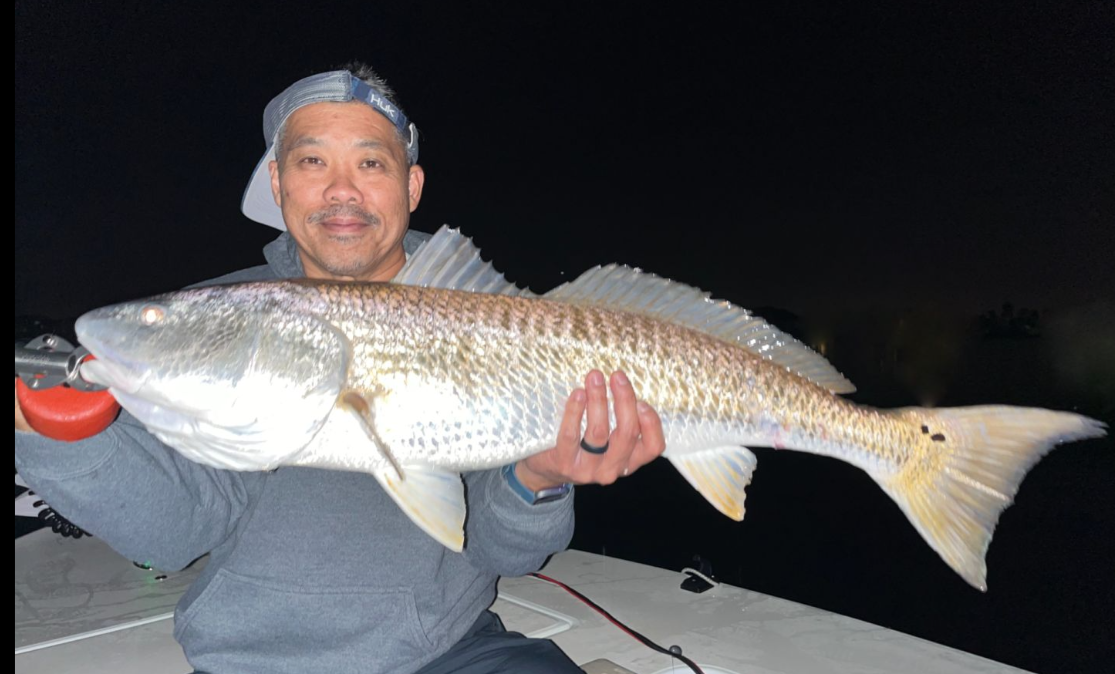
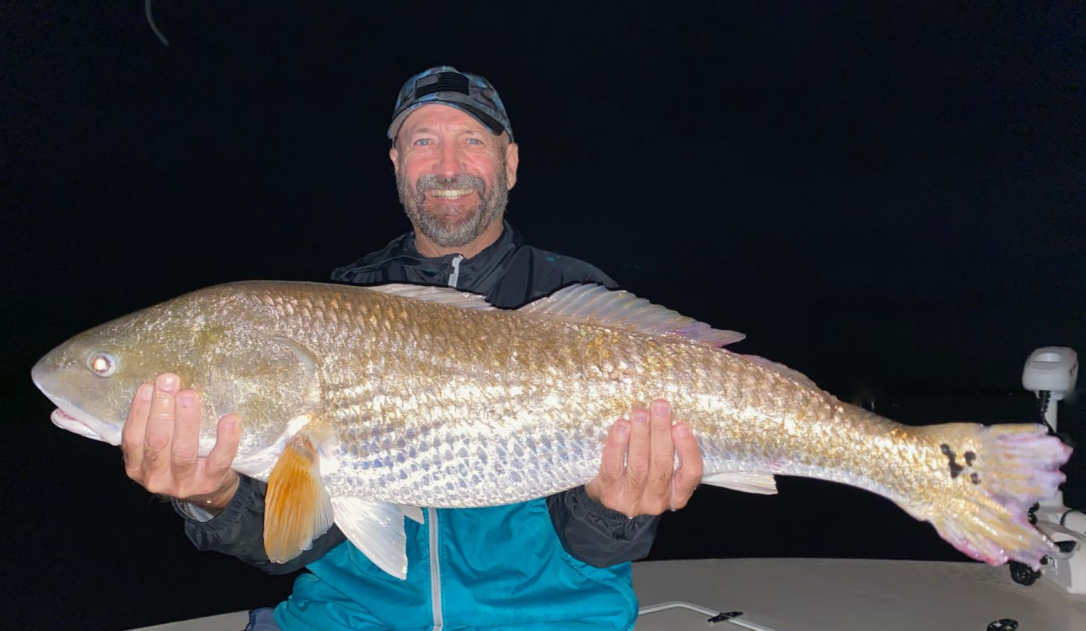
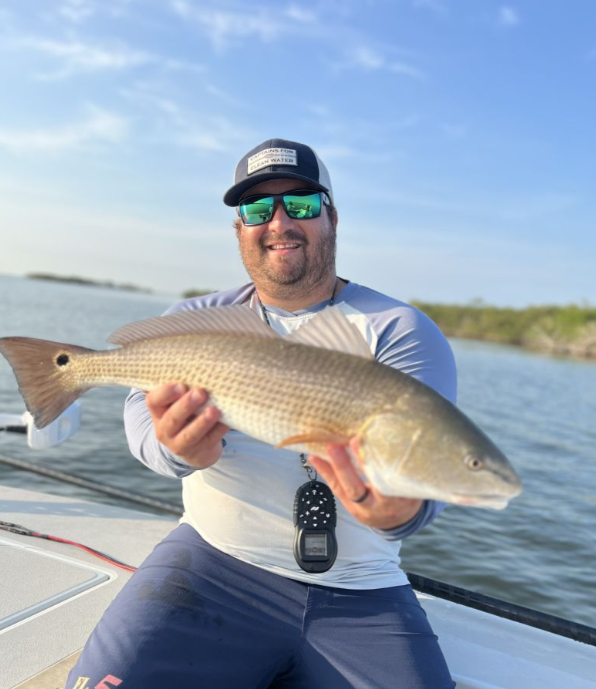
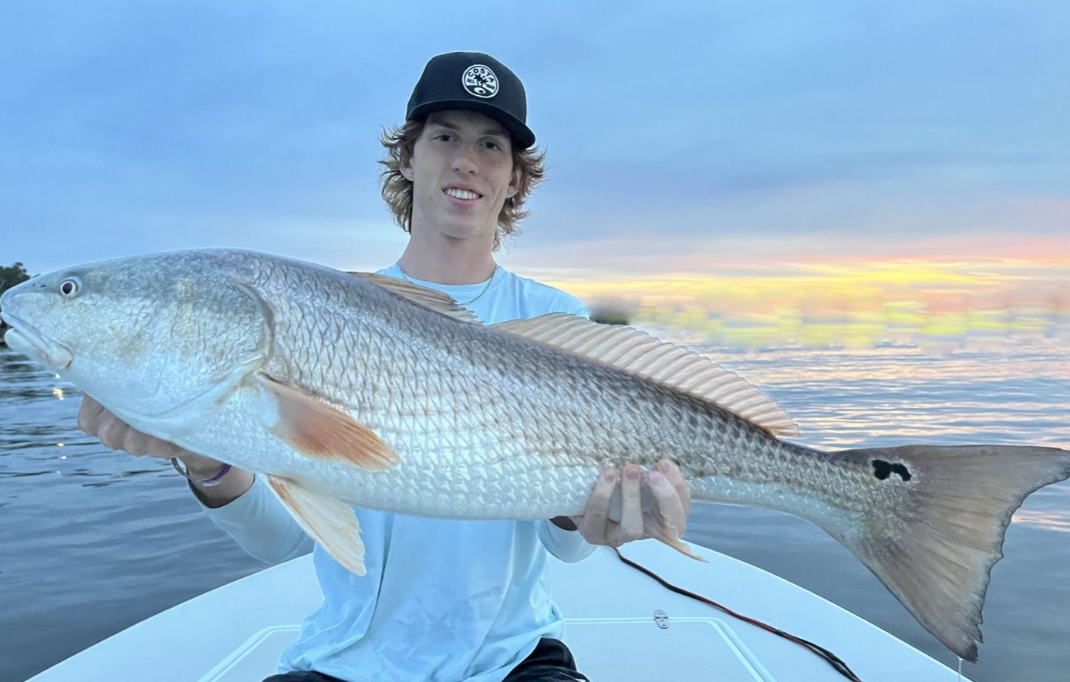
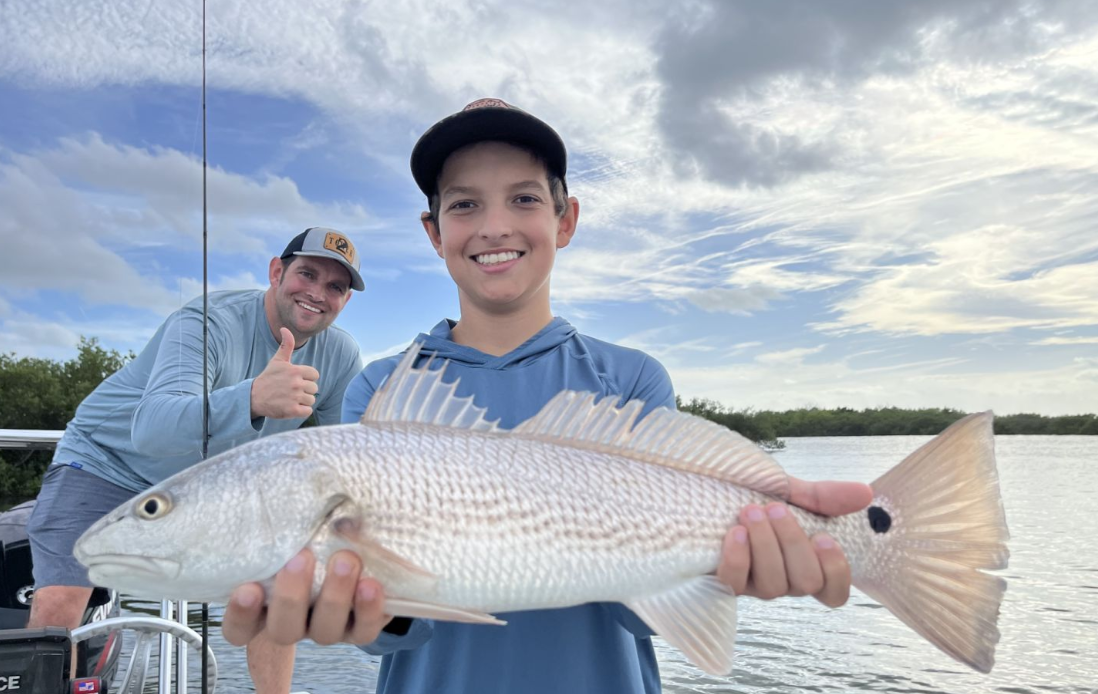
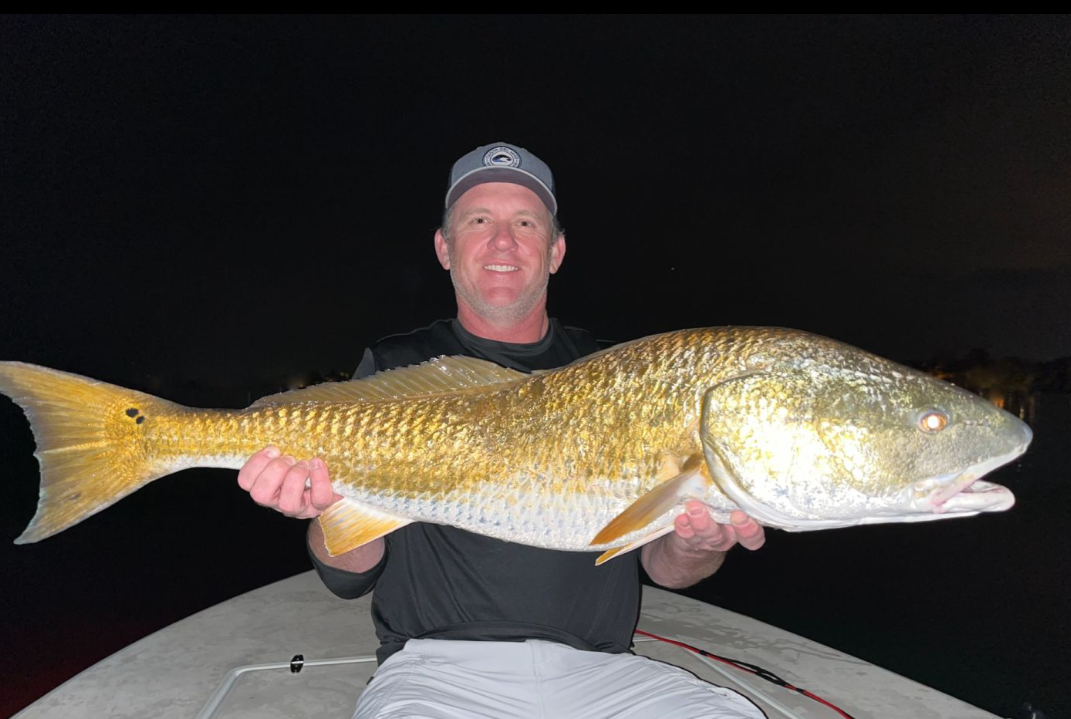
Redfish are the backbone of any backcountry trip, and Mosquito Lagoon reds are legendary. These copper-colored bulldozers cruise the flats in schools, tailing in skinny water and providing some of the most visual fishing you'll ever experience. Sight-casting to a school of slot reds in two feet of water is what backcountry dreams are made of. They're here year-round, with fall producing the biggest schools as they stage for their spawning runs.
Time to Book Your Spot
Mosquito Lagoon fishing with Lucky Spot Charters isn't just another day on the water – it's your chance to fish one of Florida's most renowned backcountry systems with a guide who lives and breathes these waters. Morning trips give you the best bite, cooler temperatures, and calmer conditions before the afternoon winds kick up. With only two spots available, you get personalized instruction and prime fishing time without the crowd. Whether you're chasing your first snook or hunting for that trophy tarpon, this top-rated charter puts you in position to succeed. Don't wait – the best dates fill up fast, especially during peak season.
 Private Trip
 Backcountry Fishing
 Key West


 Six-hour morning backcountry fishing trip in Mosquito Lagoon