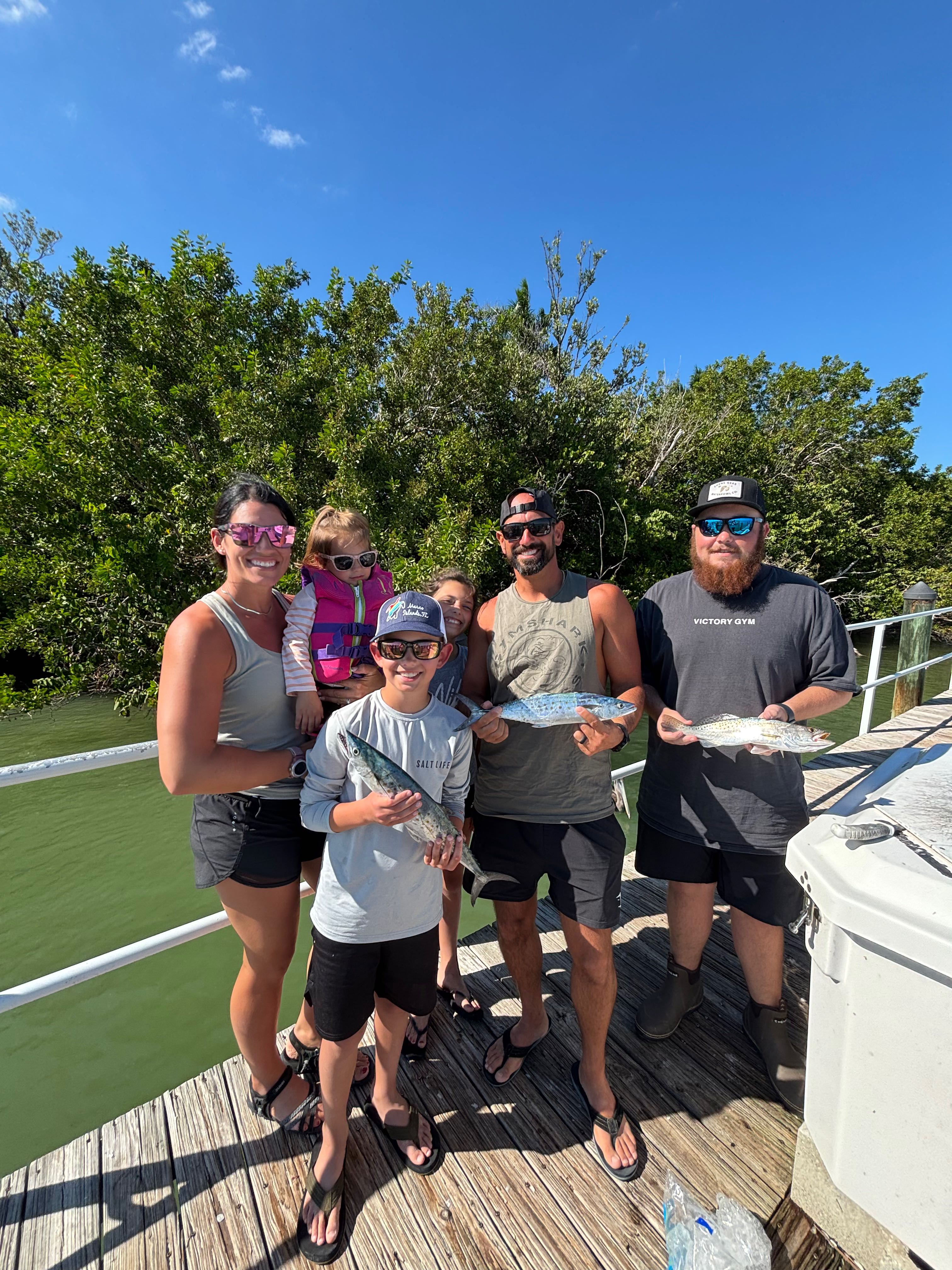
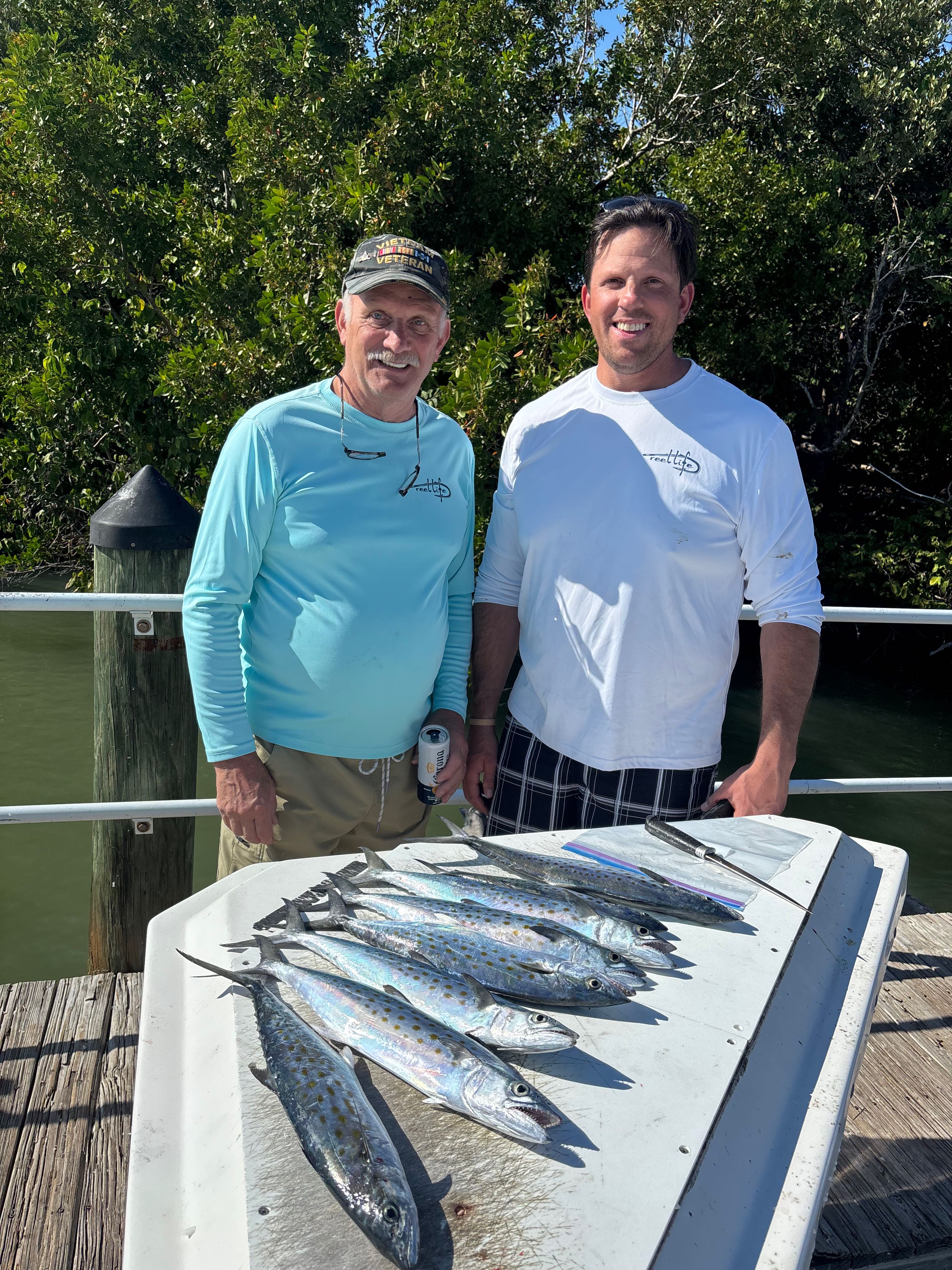
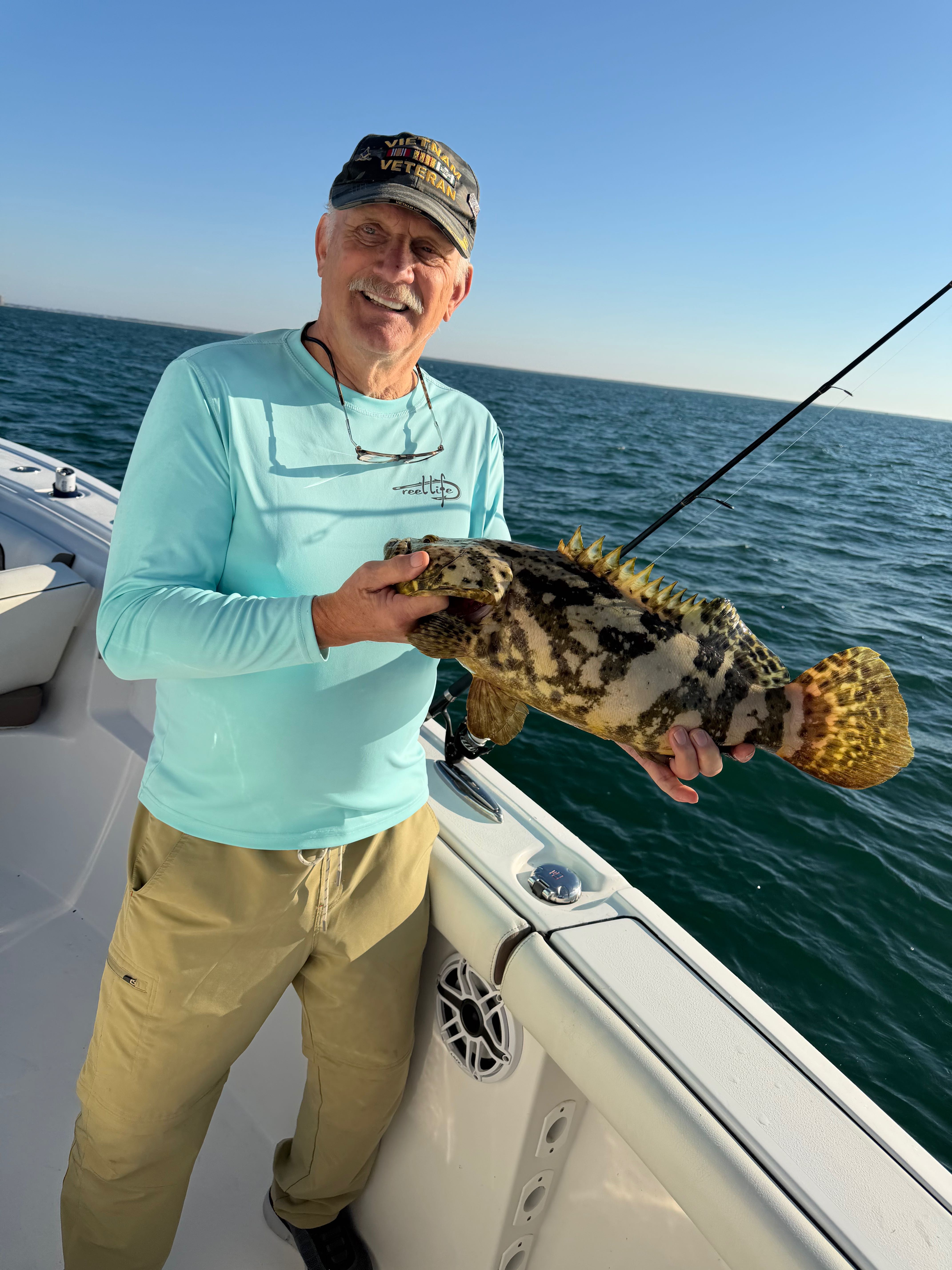
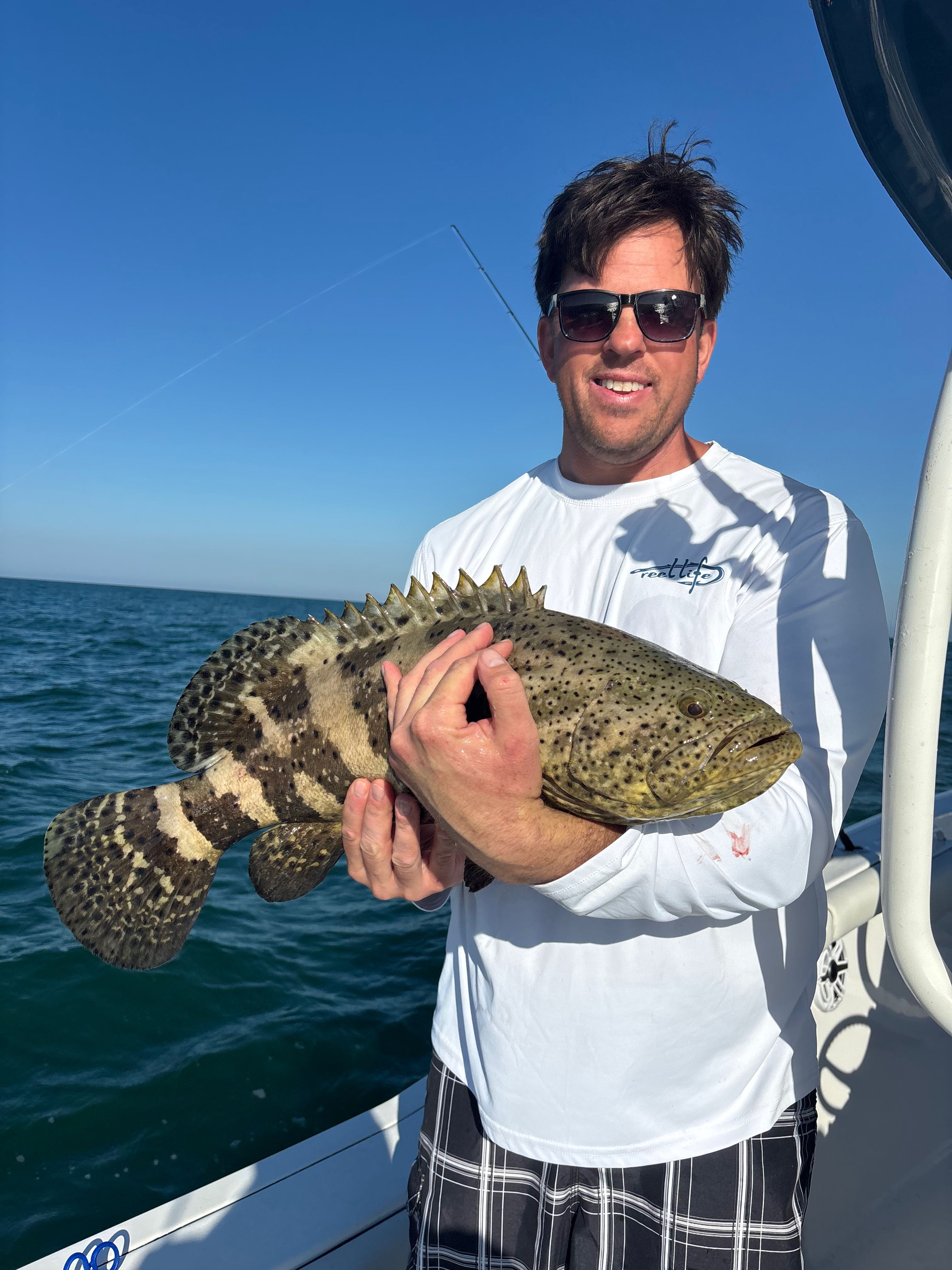
Marco Island Backwater Fishing Adventure
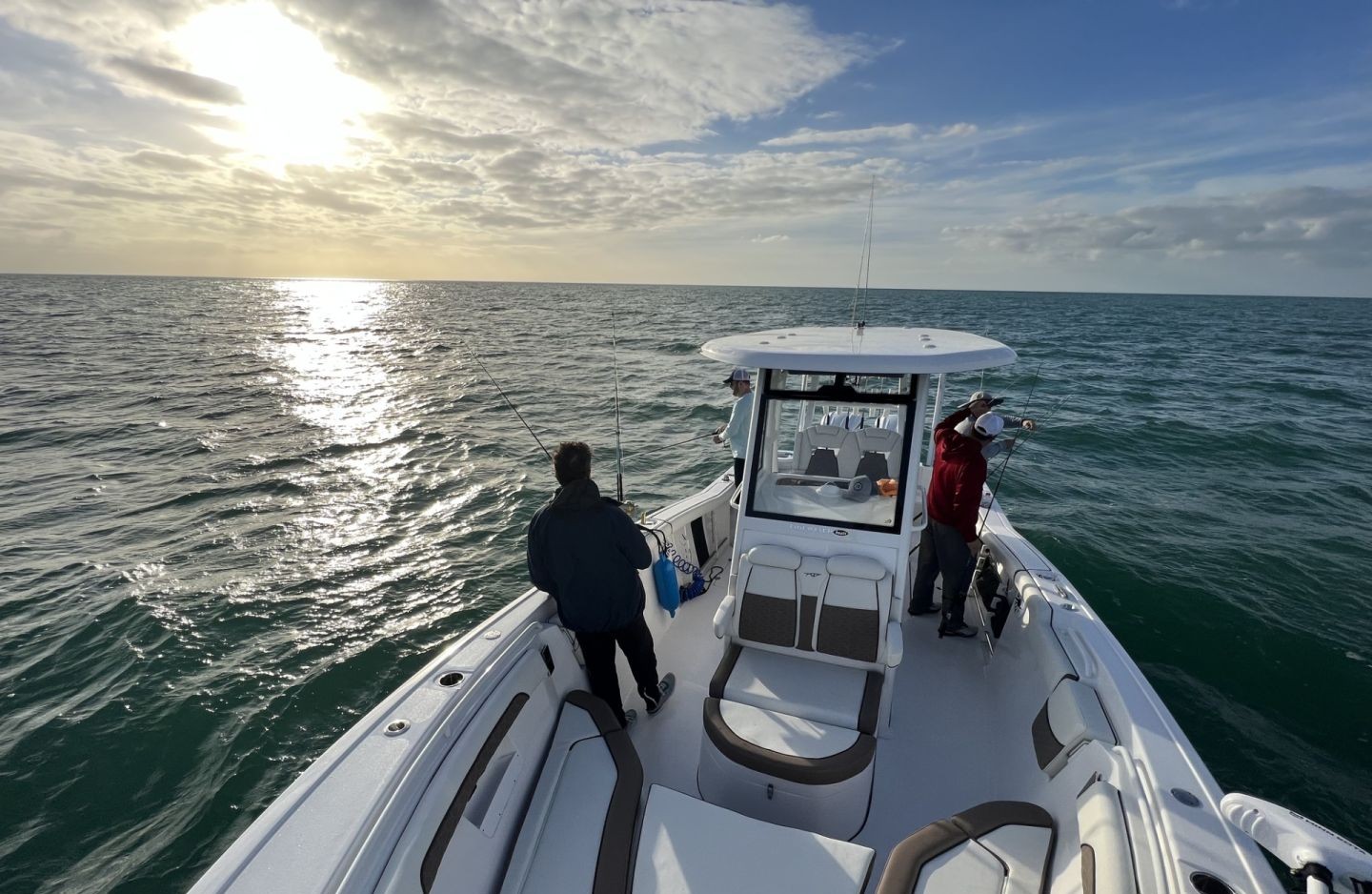
If you're looking to get into some serious backwater action, this afternoon charter puts you right in the heart of Marco Island's legendary 10,000 Islands. We're talking about a 4-hour afternoon trip that targets the big four – Snook, Redfish, Tarpon, and Sheepshead – in some of the most productive shallow water fisheries on Florida's Gulf Coast. Captain Marco and his crew know these backwaters like the back of their hand, and they'll put you on fish whether you're a weekend warrior or just getting your feet wet. The 30-foot Tidewater center console gives everyone plenty of room to work, and with all your gear, bait, tackle, and licenses covered, you just need to show up ready to fish.
What to Expect on the Water
This isn't your typical offshore grind – we're heading into the maze of mangrove creeks, oyster bars, and grass flats that make the 10,000 Islands famous among serious inshore anglers. The afternoon bite can be absolutely electric, especially when the tide starts moving and these fish get active in the shadows. You'll be working structure-rich areas where snook ambush baitfish, cruising the flats where redfish tail in skinny water, and positioning near deeper channels where tarpon roll through on their afternoon feeding runs. The beauty of backwater fishing is the variety – one cast you might be sight-fishing a laid-up snook under a mangrove overhang, the next you're watching your drag scream as a tarpon clears the water. With up to 6 anglers aboard, there's plenty of opportunity for everyone to get their shots, and the crew does a great job rotating spots so nobody gets left out.
Techniques & Tackle Setup
We're talking live bait fishing at its finest – fresh shrimp, pinfish, and pilchards that get these inshore species fired up. The crew rigs everything from medium-heavy spinning setups for the bigger tarpon and snook to lighter tackle for sheepshead around the structure. You'll be working jigs along oyster bars, free-lining baits near mangrove shorelines, and bouncing bottom rigs in the deeper pockets where sheepshead stack up. The shallow draft of the Tidewater lets us get back into spots that bigger boats can't reach, which is huge when you're targeting fish that spend their time in 2-4 feet of water. Circle hooks are the standard here – they're required for snook anyway, and they significantly reduce gut-hooking when you're dealing with species that might need to go back in the water. The captain provides all the terminal tackle, but if you've got favorite lures or rigs, definitely bring them along.
Top Catches This Season
Snook are the crown jewel of backwater fishing around Marco Island, and these ambush predators know how to use structure to their advantage. They'll set up in the shadows under mangrove overhangs, around downed trees, or along drop-offs where they can dart out and crush baitfish. The slot-size snook here typically run 24-32 inches, with some real bruisers pushing that upper slot limit of 33 inches. Best action happens during moving water, especially on the last two hours of incoming tide when they position themselves to feed. What makes snook so special is their fight – they'll jump, they'll run straight at the boat, and they'll try every trick in the book to throw that hook.
Redfish are the workhorses of these flats, and Marco Island's population is as healthy as anywhere in Florida. These copper-colored bulldogs cruise the grass flats and oyster bars looking for crabs, shrimp, and small baitfish. You'll find them tailing in super shallow water during high tide periods, their backs and tails breaking the surface as they root around in the grass. The average red here runs 20-26 inches, with plenty of slot-size fish that make excellent table fare. Unlike some inshore species that can be finicky, redfish are generally aggressive feeders, and when you find a school, you can often pick off several fish before they wise up and move on.
Tarpon bring the real fireworks to this fishery, especially during the warmer months when they're staging in the backcountry. We're not talking about the 100+ pound monsters you find offshore – these juvenile tarpon typically range from 20-60 pounds, but they fight like fish twice their size. They'll clear the water multiple times, shake their heads like crazy, and test every connection in your setup. The 10,000 Islands serve as a nursery area for tarpon, so you'll often find good numbers concentrated around deeper channels and creek mouths. Peak season runs May through September, but you can find them year-round if you know where to look.
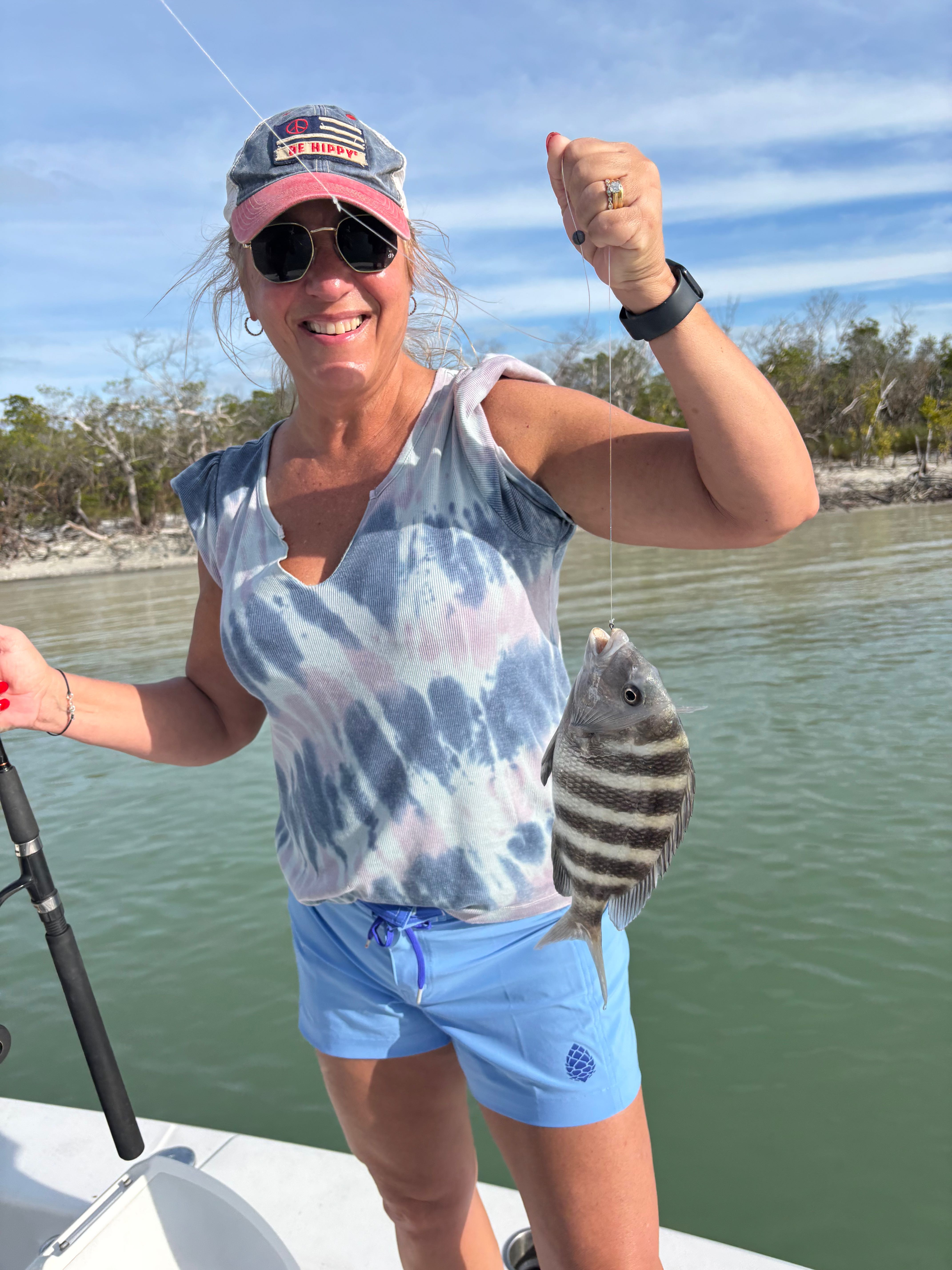
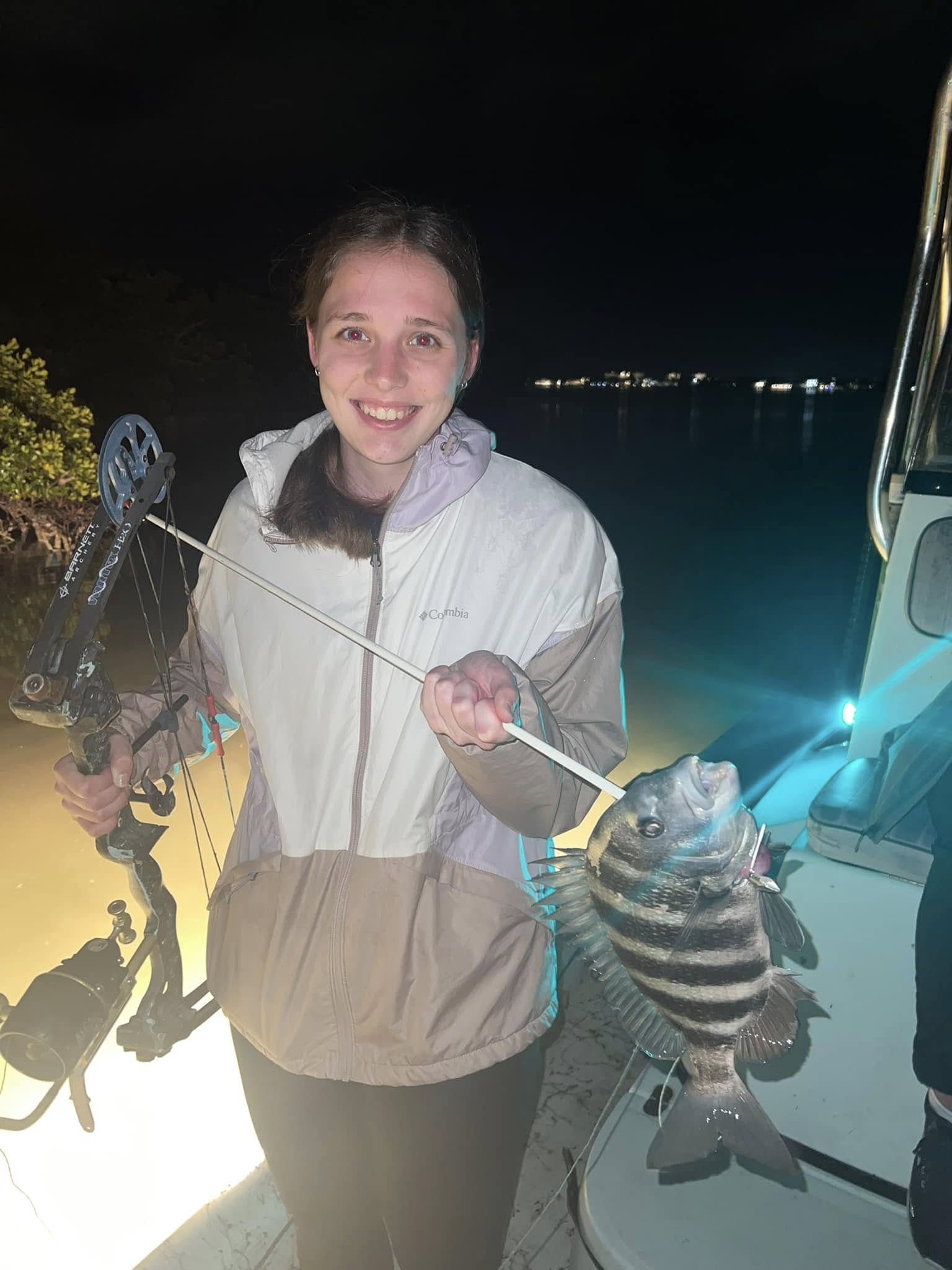
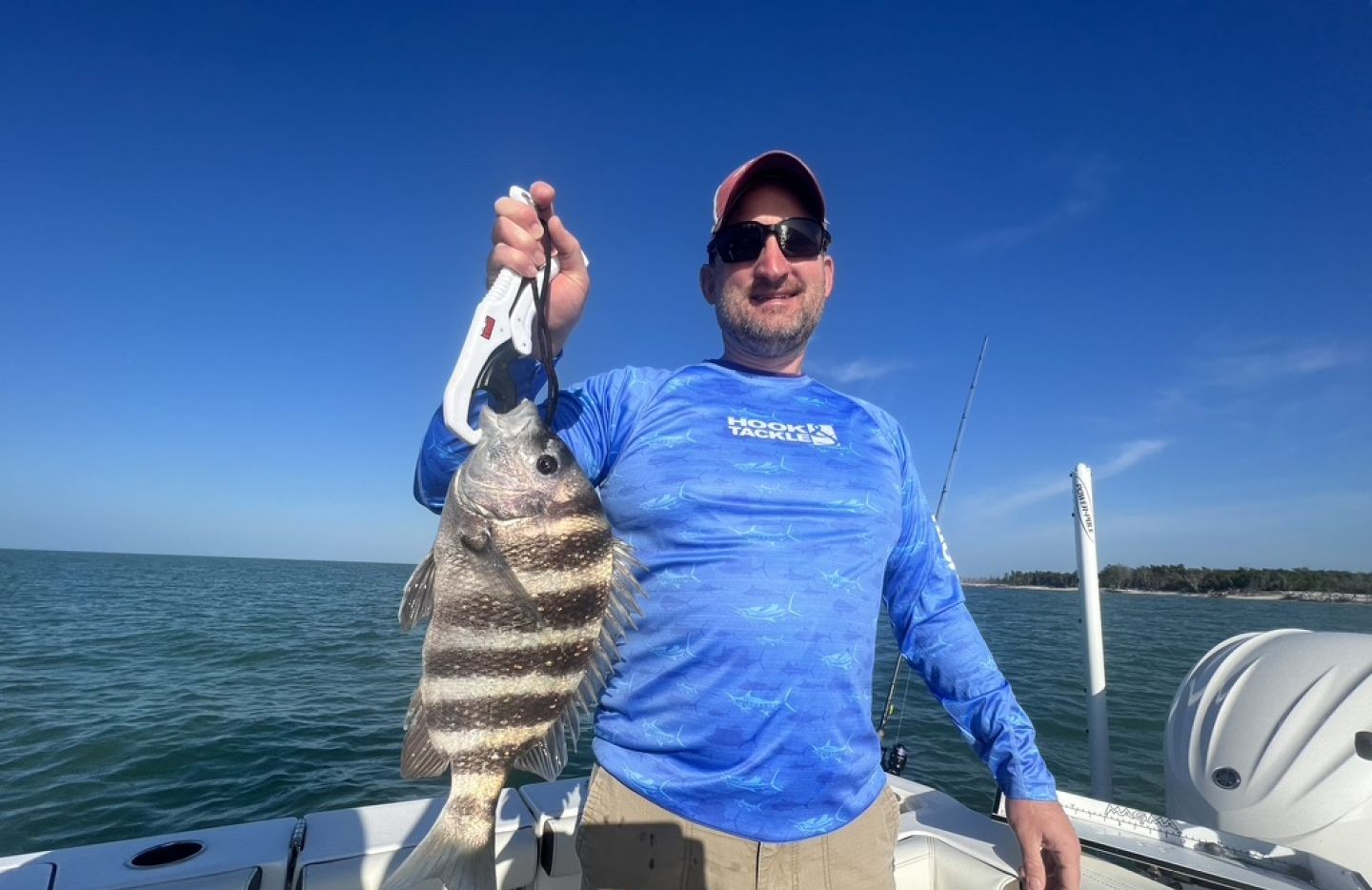
Sheepshead are the technical challenge of this mixed bag, and Marco Island's structure-rich environment creates perfect habitat for these convict-striped thieves. They school up around oyster bars, bridge pilings, and any hard bottom where they can pick off barnacles, oysters, and crabs with their human-like teeth. Most sheepshead here run 12-16 inches, with some real doormat-sized fish pushing 18+ inches. They're notorious bait stealers, so you need to stay sharp and set the hook at the slightest tick. But when you connect with a good sheepshead, they pull hard and make excellent eating – some say they're the best-tasting fish in the Gulf.
Lane snapper add another dimension to the mixed bag, especially around deeper structure and channel edges. These smaller snappers are scrappy fighters for their size and make excellent table fare. They're often found in schools, so when you locate them, you can usually catch several before they move on. The lanes around Marco Island typically run 8-12 inches, and they're particularly active during the afternoon hours when this charter runs.
Time
 Private Trip
 Inshore Fishing
 Marco Island, FL, United States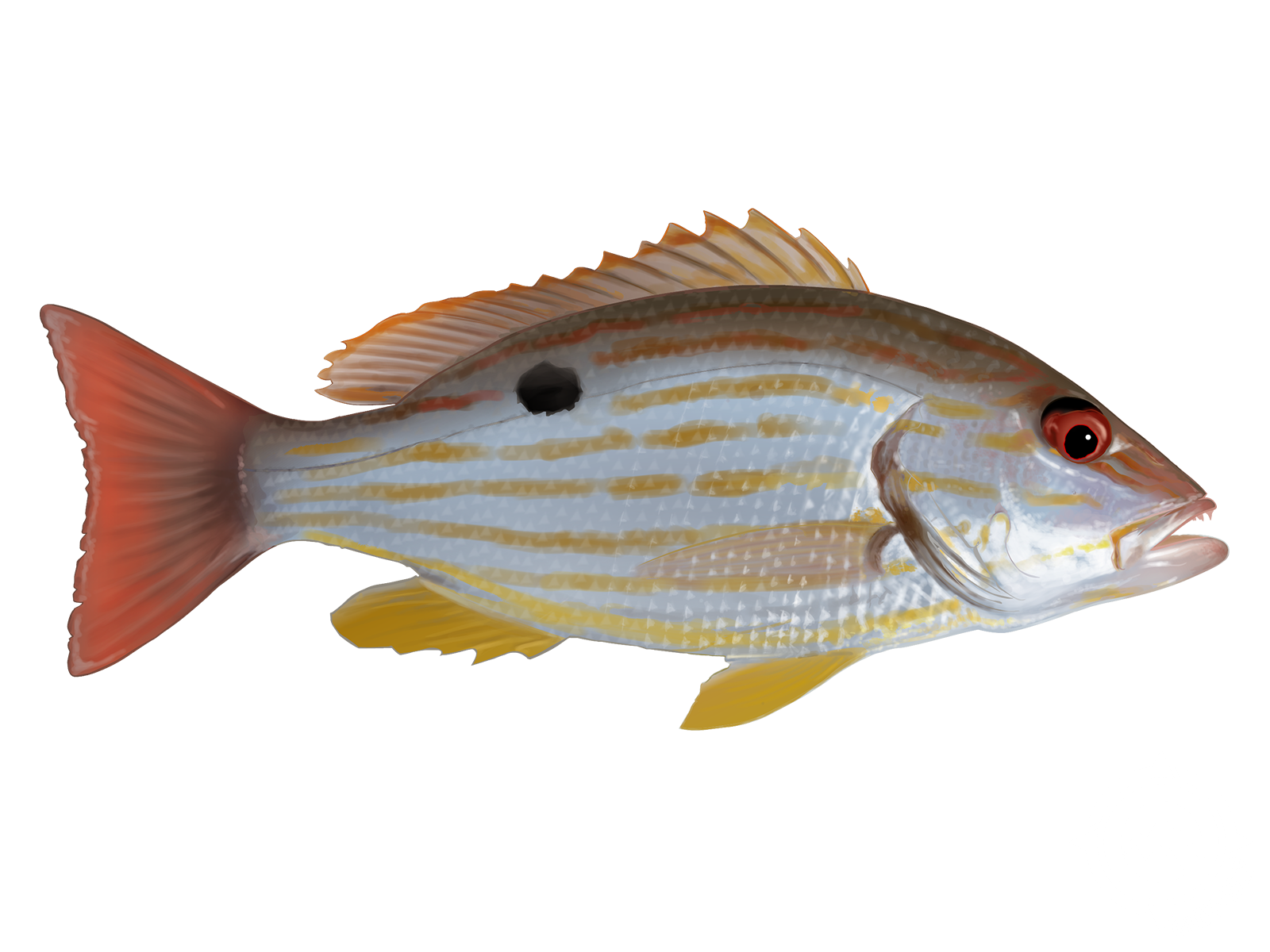


 Four-hour afternoon charter targeting snook, redfish, and tarpon