Extended Half Day Fishing Trip On Niagara River
The Niagara River isn't just famous for its waterfalls – it's home to some of the best fishing in New York. This extended half-day trip puts you right in the thick of world-class angling action, where massive lake trout cruise the depths and feisty smallmouth bass attack anything that moves. We're talking about waters so productive that seasoned anglers guard their favorite spots like state secrets. Your captain knows every current break, drop-off, and structure where the big fish hang out. Whether you're after chrome-bright salmon fresh from the lake or hefty rainbows that'll test your drag, the Niagara River delivers year-round fishing that keeps locals and visitors coming back for more.
What to Expect on the Water
This top-rated fishing experience runs for an extended half-day, giving you plenty of time to work the river's best producing areas. The Niagara River flows between Lake Erie and Lake Ontario, creating a unique fishery where cold-water species thrive in the steady current. You'll fish from a fully equipped charter boat with all the gear you need – rods, reels, tackle, and bait are included. The river's consistent flow and diverse structure mean fish are active throughout the day, not just during the typical dawn and dusk periods. Your guide will position the boat over prime holding areas, from the deeper channels where lake trout patrol to the rocky shorelines where smallmouth bass ambush prey. The trip accommodates up to four anglers, making it perfect for families or small groups who want personalized attention and plenty of room to fight fish without tangled lines.
Techniques and Tackle
Fishing the Niagara River requires specific techniques that your experienced captain has mastered over years on these waters. We'll primarily use drift fishing and anchored presentations, letting the current work our baits naturally past holding fish. For salmon and trout, expect to fish with spawn bags, skein, and fresh minnows presented on bottom rigs or under floats. The rocky areas get worked with jigs and soft plastics for smallmouth bass, while deeper pools call for spoons and body baits trolled slowly with downriggers or lead core line. The river's current demands heavy sinkers and strong hooks – this isn't finesse fishing when you're dealing with 20-pound lake trout and salmon that have been feeding heavily in Lake Ontario. Your guide provides all the specialized tackle, from the heavy-duty reels needed to winch big fish out of the current to the precise weight systems that keep your bait in the strike zone. Rod holders keep multiple lines working while you fight fish, maximizing your chances during hot bites.
Top Catches This Season
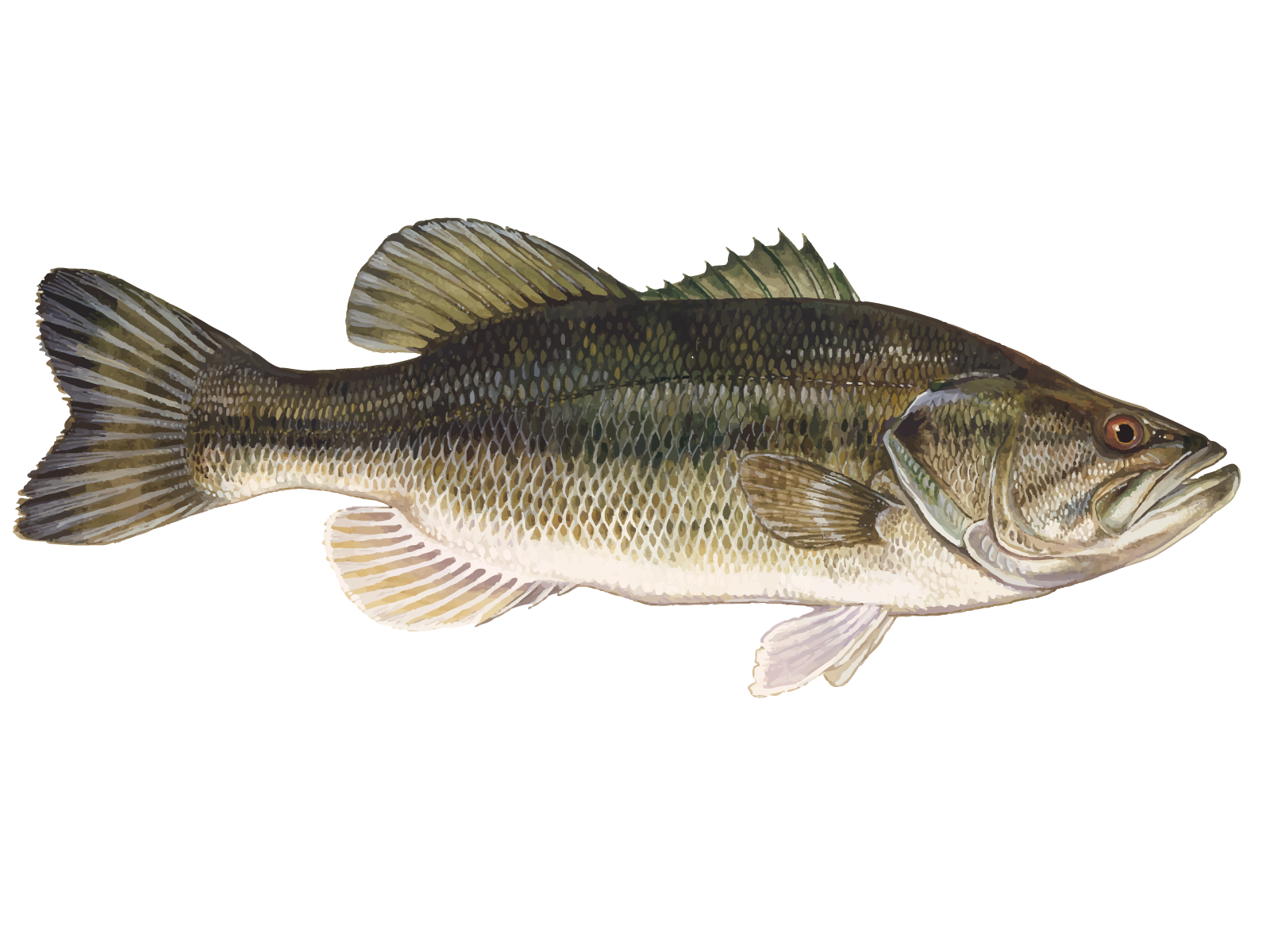
The Niagara River's diverse fish population means something's always biting, but certain species really shine at specific times. Largemouth bass might seem out of place in this cold-water system, but the river's backwaters and protected bays hold some surprising lunkers that ambush baitfish near structure. These fish average 2-4 pounds but can push 6+ pounds when you find the right spot. Atlantic salmon are the crown jewel of fall fishing here, with bright chrome fish averaging 15-25 pounds pushing upstream from Lake Ontario. October is prime time when these powerful fish stage near the rapids, providing heart-stopping runs that'll empty your reel in seconds. Rainbow trout are year-round residents that love the river's constant flow and abundant food supply. These acrobatic fighters average 5-12 pounds and are known for spectacular jumps that'll have you scrambling for the net. Northern pike patrol the river's weedy edges and slower sections, with toothy predators reaching 30+ inches and providing explosive strikes that'll test your reflexes. Lake trout are the deep-water heavyweights, cruising the river's channels in schools and reaching weights of 20+ pounds on a regular basis.
Why Anglers Keep Coming Back
The Niagara River offers something most fisheries can't match – consistency combined with trophy potential. While other waters go through hot and cold cycles, the river's connection to the Great Lakes means there's always fresh fish moving through. The current keeps baitfish active and predators feeding throughout the day, not just during typical feeding windows. Local anglers know this river produces year-round, with ice fishing in winter giving way to spring steelhead runs, summer smallmouth action, and the legendary fall salmon migration. The diversity means you're never targeting just one species – a typical trip might produce lake trout, rainbow trout, and smallmouth bass all in the same outing. Plus, there's always the chance of hooking into something special, like a massive muskie or a lake-run brown trout that'll provide stories for years to come. The scenic backdrop doesn't hurt either, with the famous falls providing a dramatic setting while you work productive water that most tourists never see.
Time to Book Your Spot
The Niagara River's fishing doesn't follow a typical season – there's always something biting in these productive waters. However, certain times of year offer peak action that draws anglers from across the region. Fall salmon runs create legendary fishing from September through November, with October being the absolute prime time when fish are staging in incredible numbers. Spring brings fresh steelhead and early-season trout action, while summer offers consistent smallmouth bass fishing and comfortable weather for families. This customer favorite trip fills up fast during peak periods, especially when word gets out about hot salmon runs or exceptional trout fishing. The extended half-day format gives you the best value, providing enough time to work multiple spots and adapt to changing conditions. Whether you're a seasoned angler looking to add Great Lakes species to your list or a family wanting to experience world-class fishing in one of America's most famous locations, this Niagara River fishing trip delivers the kind of action that keeps you talking long after the lines are put away.

 Shared Trip
 River Fishing
 Niagara Falls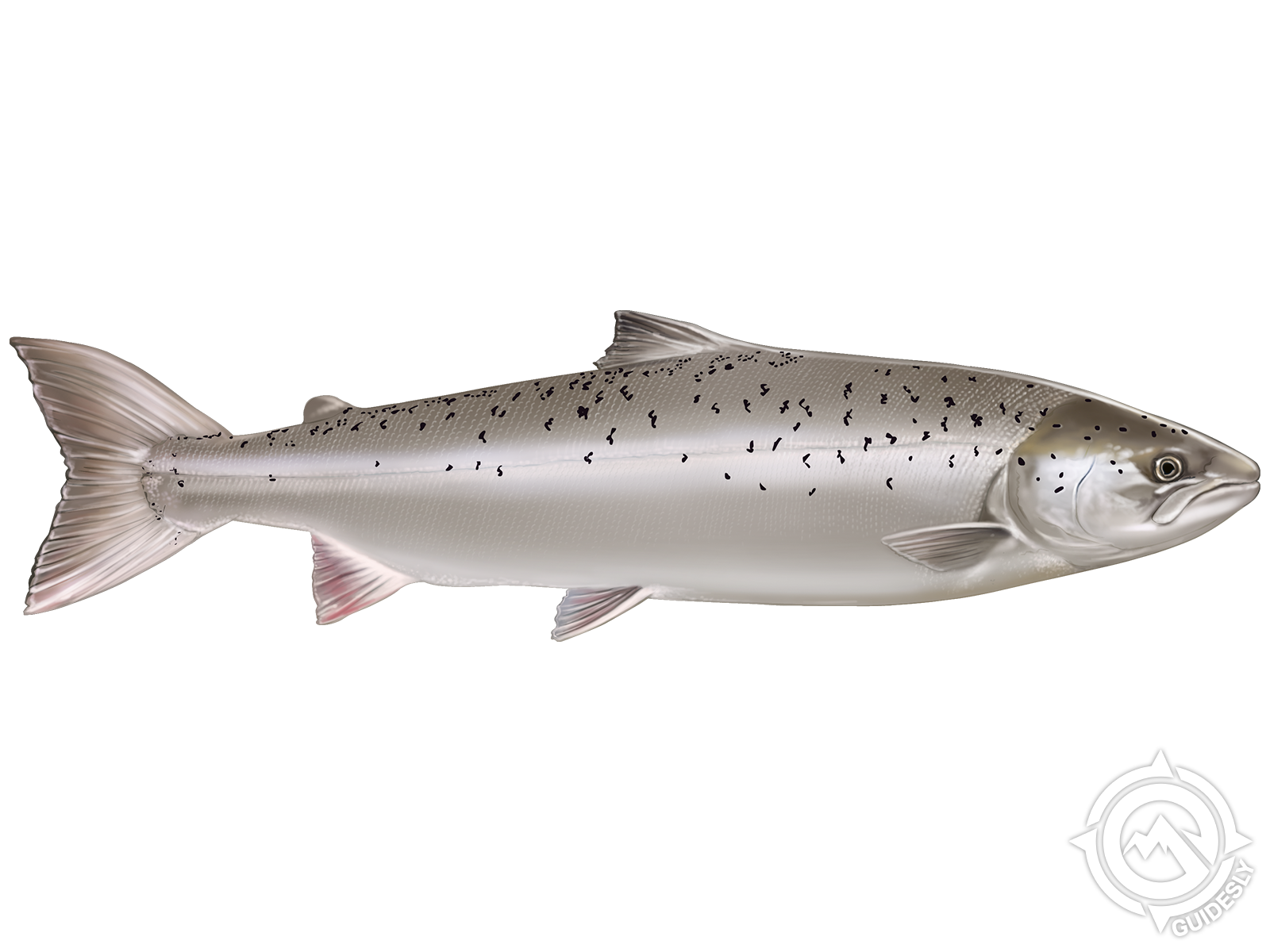



 Target salmon, trout, and smallmouth bass on Niagara River