Inshore Fishing Adventure in Clearwater Waters
Picture this: You're drifting through the crystal-clear flats around Clearwater, watching your line disappear into water so clear you can spot fish from 50 feet away. Captain William knows these waters like the back of his hand, and he's about to put you on some of the best inshore action Florida's Gulf Coast has to offer. This isn't your typical crowded charter boat experience – with just two anglers max, you're getting the VIP treatment on waters that consistently produce trophy catches year-round.
What to Expect on the Water
Your day starts early when you meet Captain William at the dock, coffee still steaming in your hand. He's already loaded the boat with everything you need – rods, reels, tackle, bait, plus snacks and water to keep you fueled throughout the trip. The beauty of this all-inclusive setup means you can focus entirely on fishing instead of worrying about gear. You'll be targeting the shallow grass flats, mangrove shorelines, and nearshore structure where Clearwater's fish population thrives. The captain reads water conditions like a book, adjusting the game plan based on tides, wind, and what's been biting lately. Some days you'll be sight-fishing in knee-deep water, other times working deeper channels where the big boys hang out. The intimate two-person capacity means you get personalized instruction, prime fishing spots, and plenty of room to work your catch without bumping elbows with other anglers.
Techniques & Tackle Setup
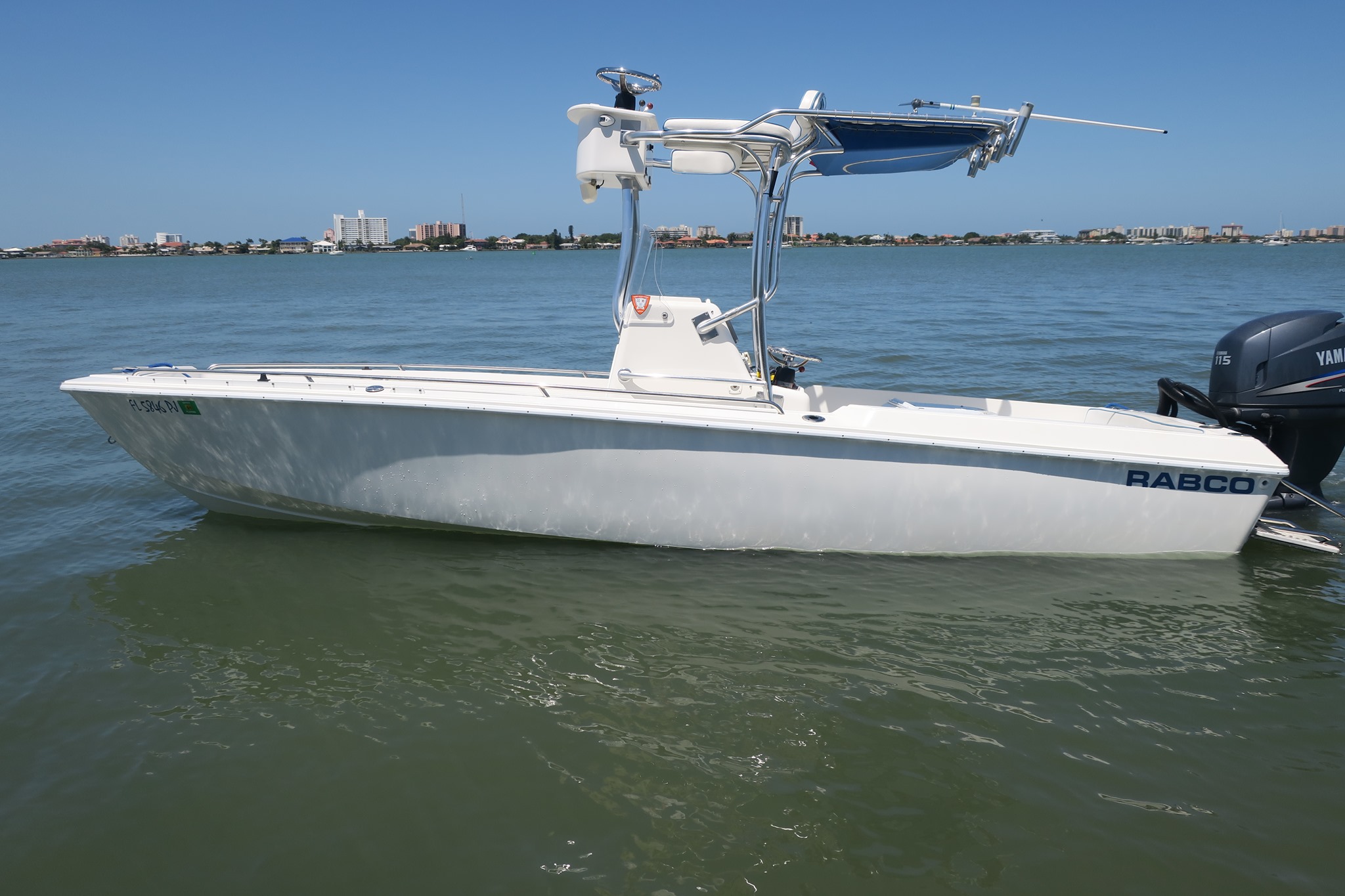
Captain William runs a versatile operation that adapts to conditions and target species. You'll be working with medium to medium-heavy spinning gear loaded with 15-20 pound braided line for most situations. Live bait is king out here – expect to fish with live shrimp, pinfish, and pilchards depending on what's available and what the fish are hitting. Artificial lures play a huge role too, especially soft plastics like DOA shrimp and paddle tails worked around structure. When sight-fishing for redfish on the flats, you'll use lighter tackle and smaller baits to avoid spooking fish in shallow water. For nearshore species like cobia and mackerel, the captain switches to heavier gear and larger baits or trolling setups. Circle hooks are standard practice here – they increase survival rates for released fish and hook fish more effectively in the corner of the mouth. The boat is equipped with a shallow water anchor system that lets you stay positioned perfectly over productive spots without making noise that scares fish away.
Customer Stories
"Captain William was very knowledgeable about local fishing. Put us in good places and showed passion for protecting the local fish populations." - Joey
Species You'll Want to Hook
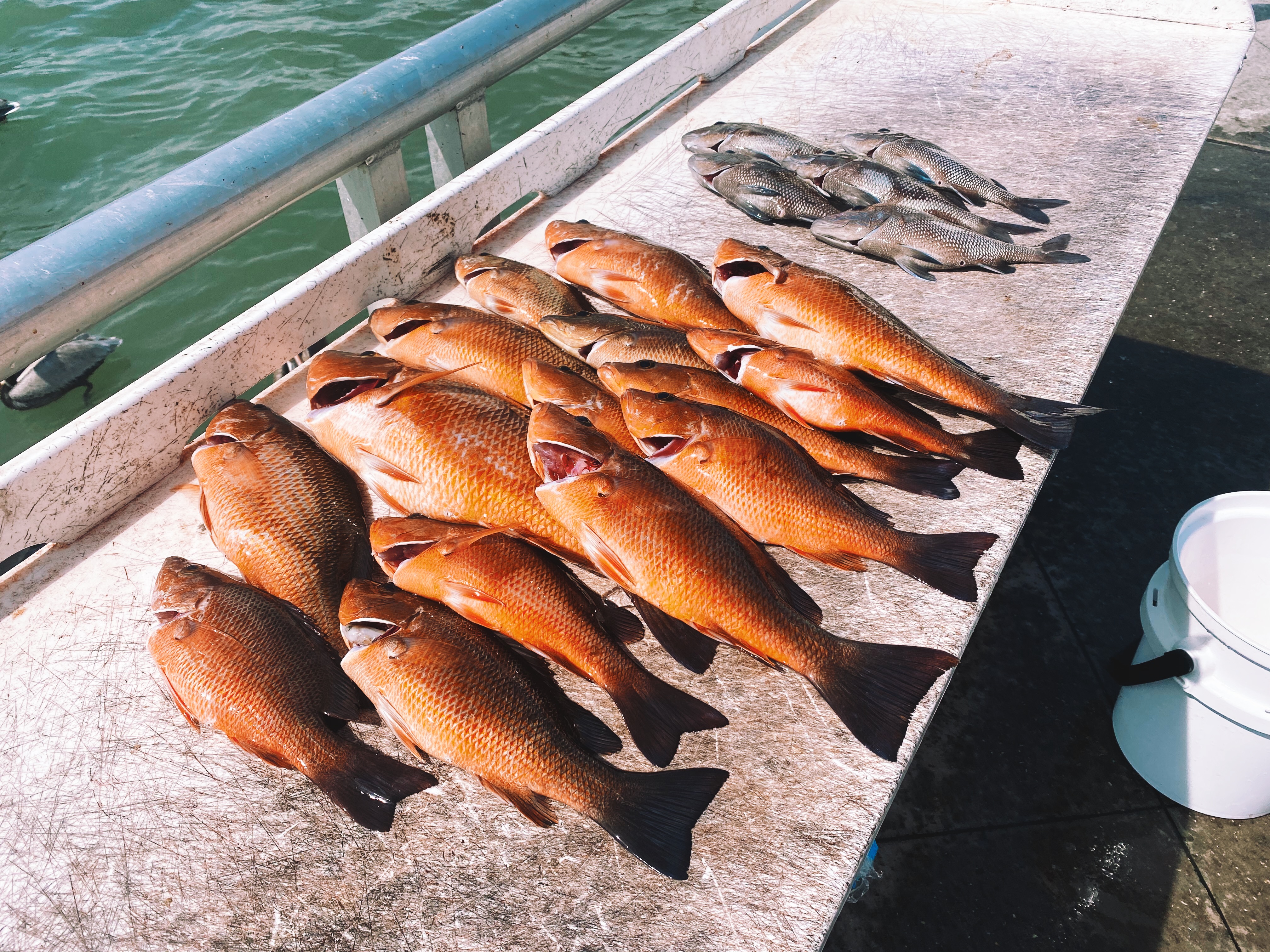
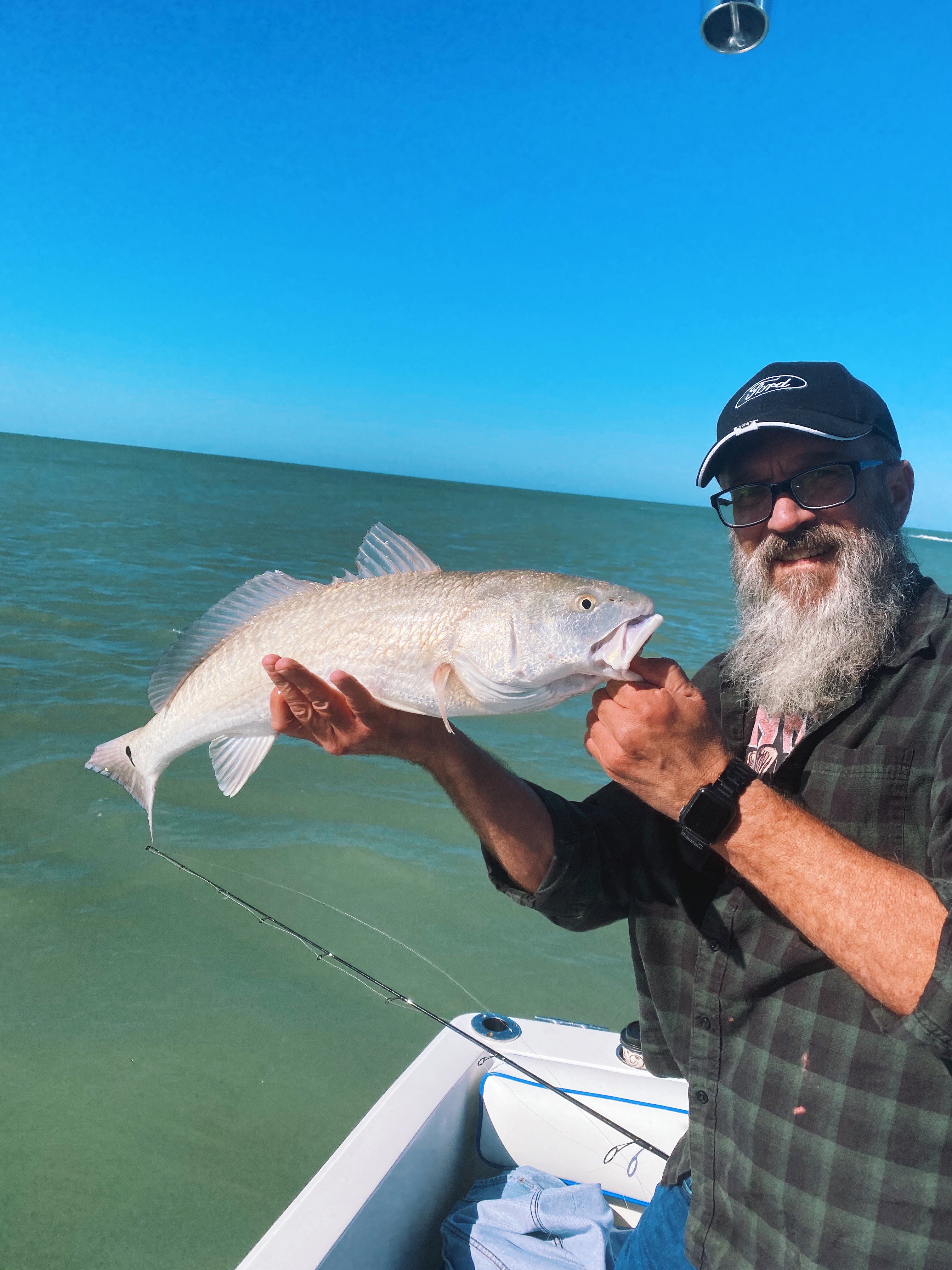
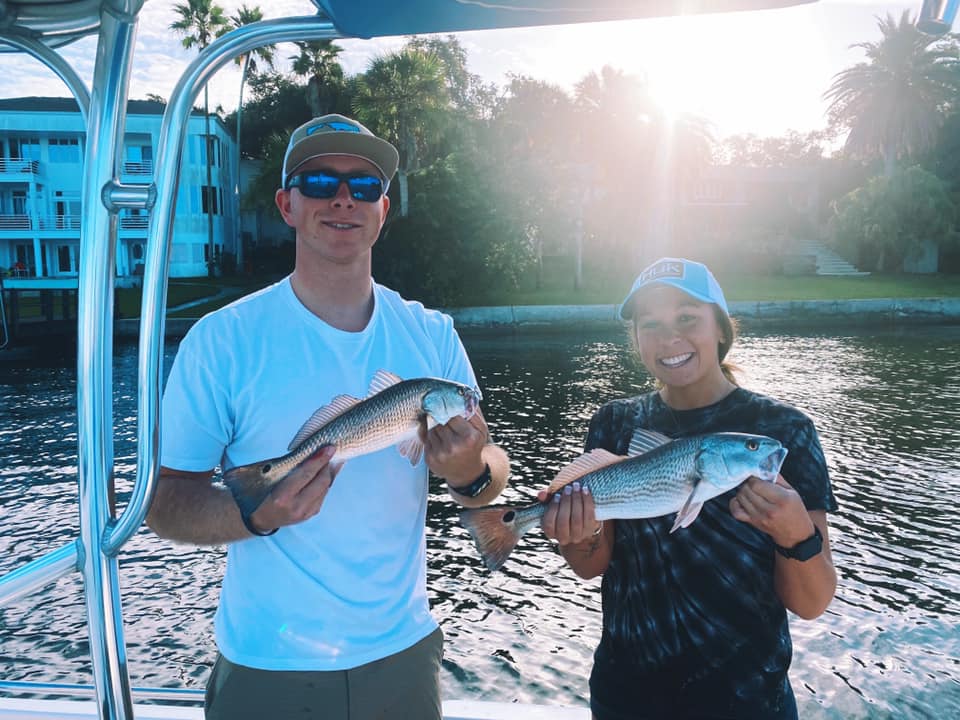
Redfish are the crown jewel of Clearwater's inshore scene, and for good reason. These copper-colored bruisers average 20-27 inches in the slot limit, though you'll encounter plenty of oversized bulls that'll test your drag system. Peak season runs from September through November when schools of reds patrol the shallow flats looking for crabs and baitfish. What makes catching redfish so addictive is their powerful runs and the visual aspect – you can often spot their backs or tails in shallow water before making your cast. They're not particularly picky eaters, but presentation matters in clear water.
Snook fishing in Clearwater is legendary among Florida anglers, and these ambush predators know how to put on a show. Averaging 18-28 inches, snook are notorious for their explosive strikes and acrobatic jumps. They're most active during warmer months from May through September, hanging around mangrove shorelines, docks, and bridge pilings. What sets snook apart is their razor-sharp gill plates – they'll cut your line in a heartbeat if you're not using a leader. The thrill comes from working them out of heavy structure where they love to hide and watching them clear the water when they feel the hook.
Speckled trout, or "specks" as locals call them, are the bread and butter of Clearwater's grass flats. These beautiful fish with distinctive black spots along their sides typically run 14-20 inches and provide consistent action throughout the year. Cool weather months from December through March offer the best trophy potential when larger trout move into deeper holes. Specks are perfect for anglers who enjoy finesse fishing – they can be line-shy and require a delicate touch, but they reward good technique with steady bites and excellent table fare.
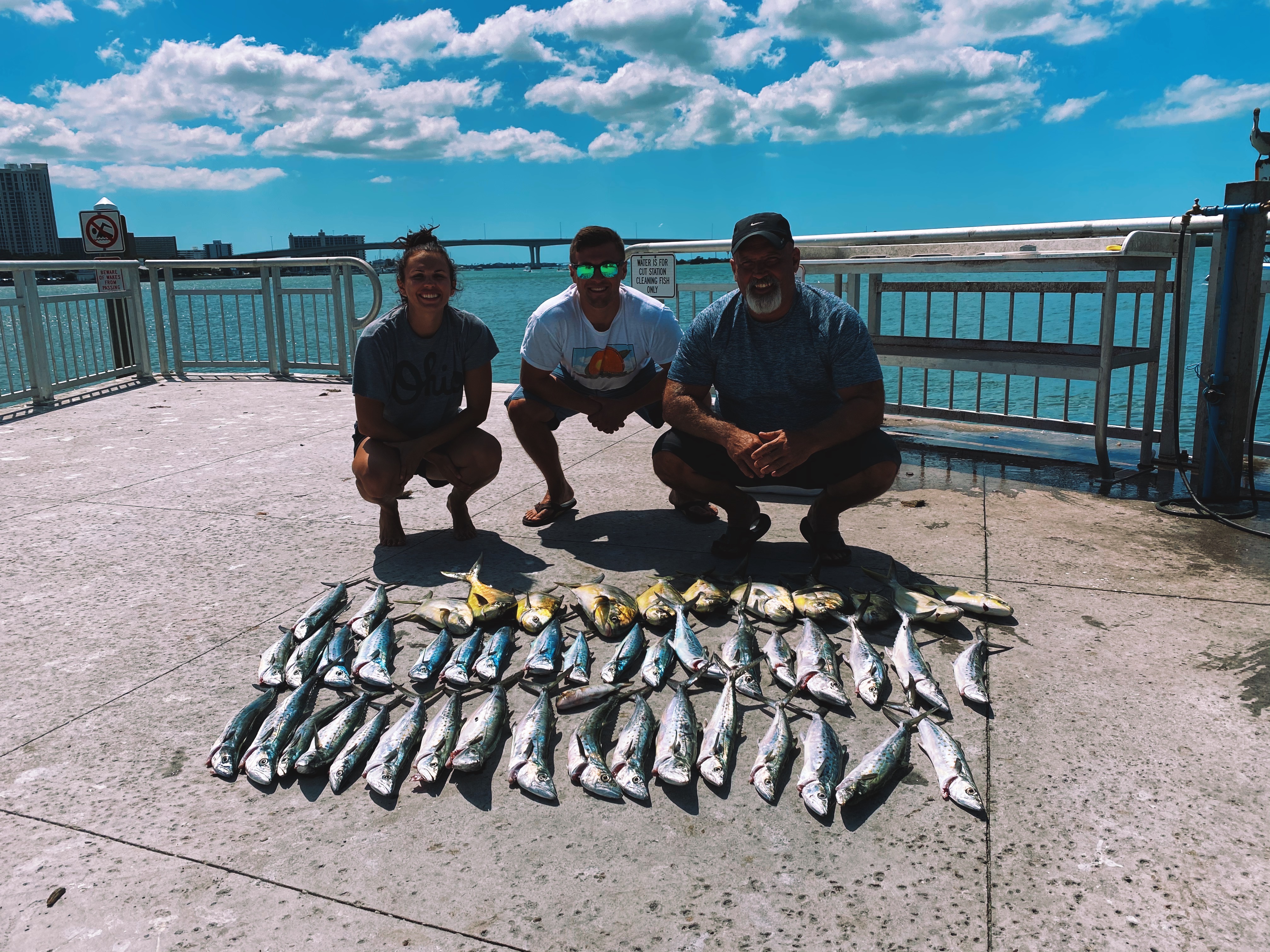
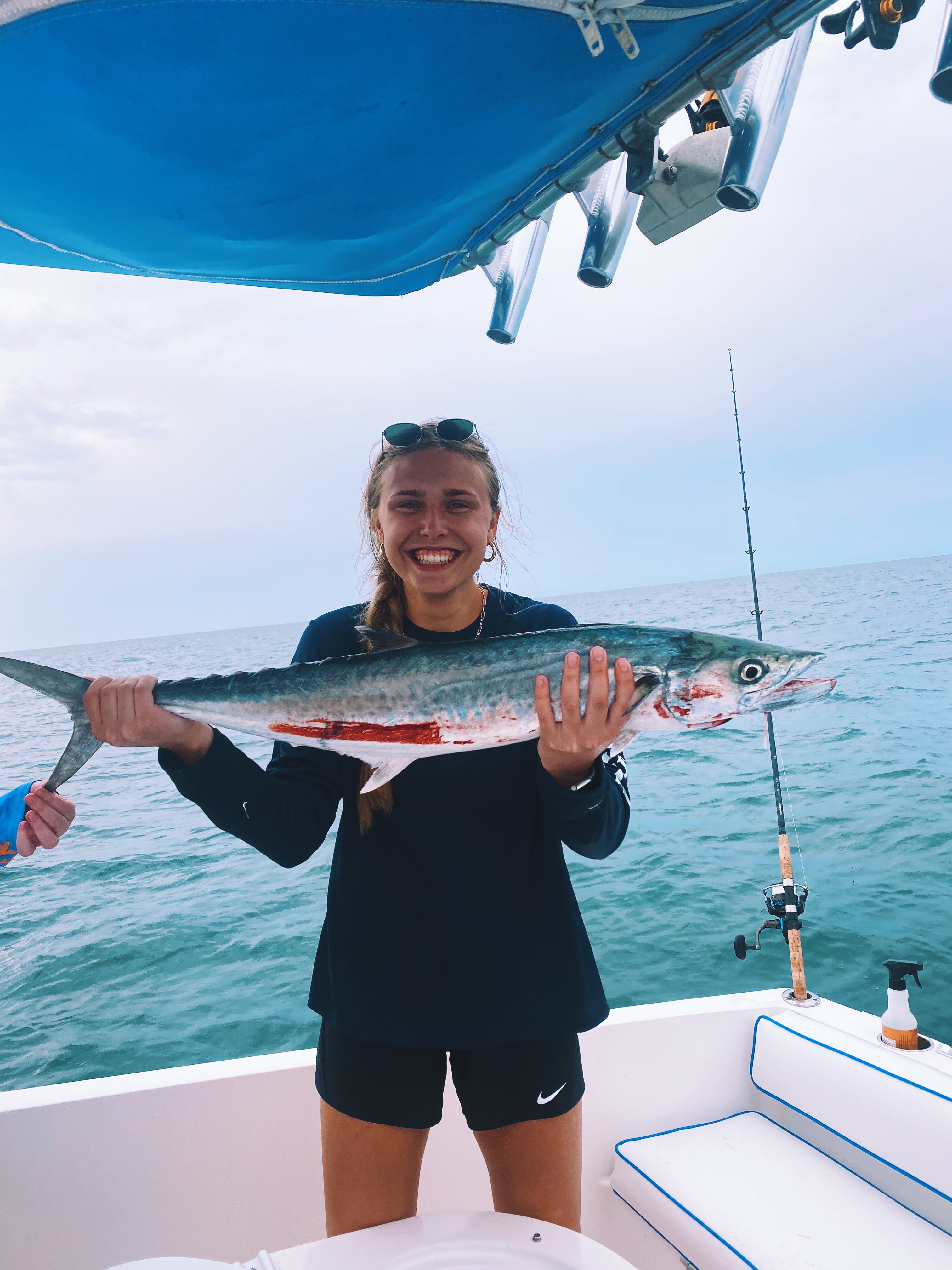
Spanish mackerel bring speed and excitement to your fishing day, especially during their spring and fall migration periods. These silver bullets average 12-18 inches and are known for their blistering runs that'll make your reel sing. They school up in large numbers around nearshore structure and baitfish concentrations, often creating surface feeding frenzies that are visible from a distance. What makes Spanish mackerel fishing so enjoyable is the fast action – when you find a school, you can catch them as fast as you can drop a line.
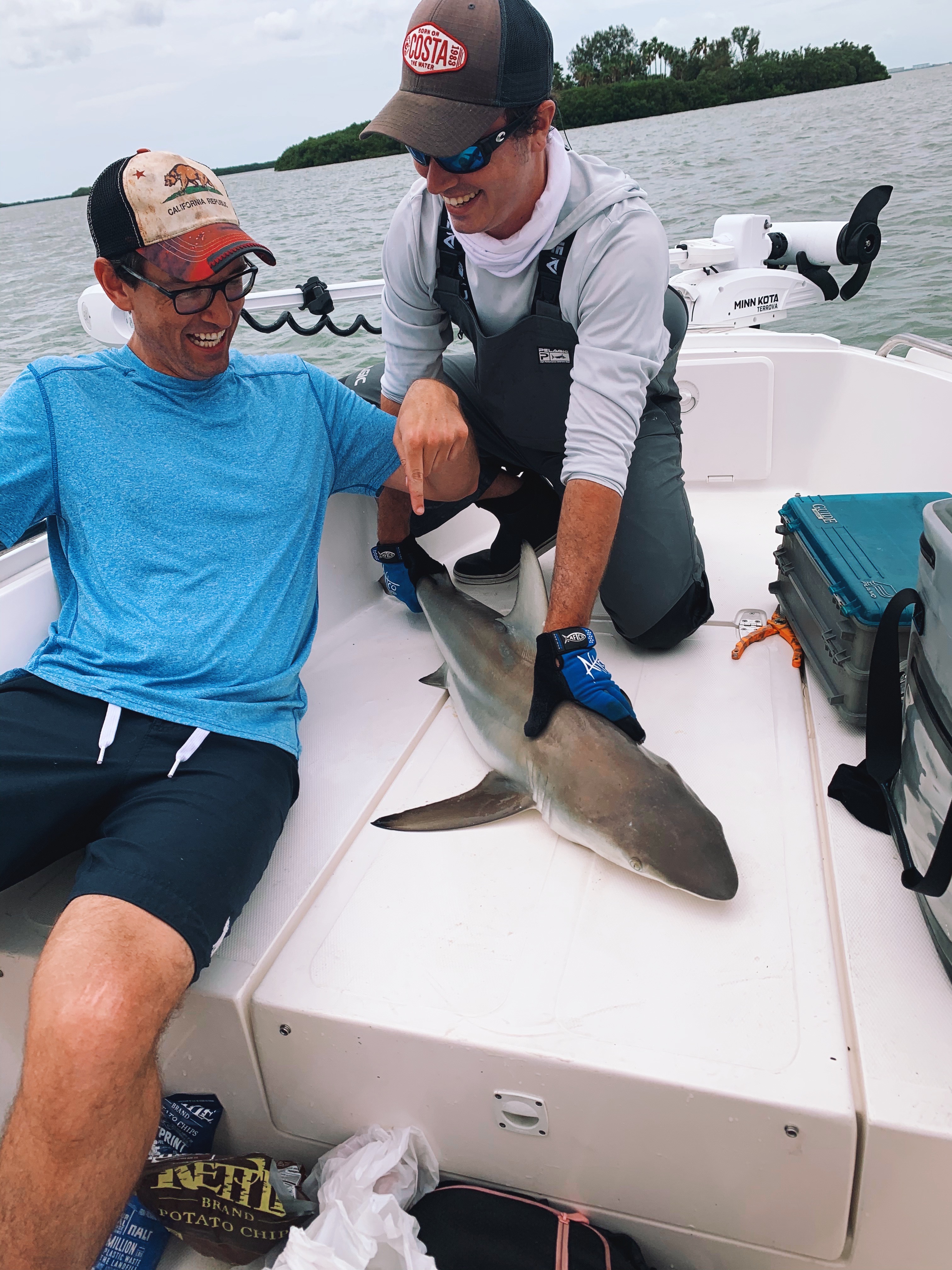
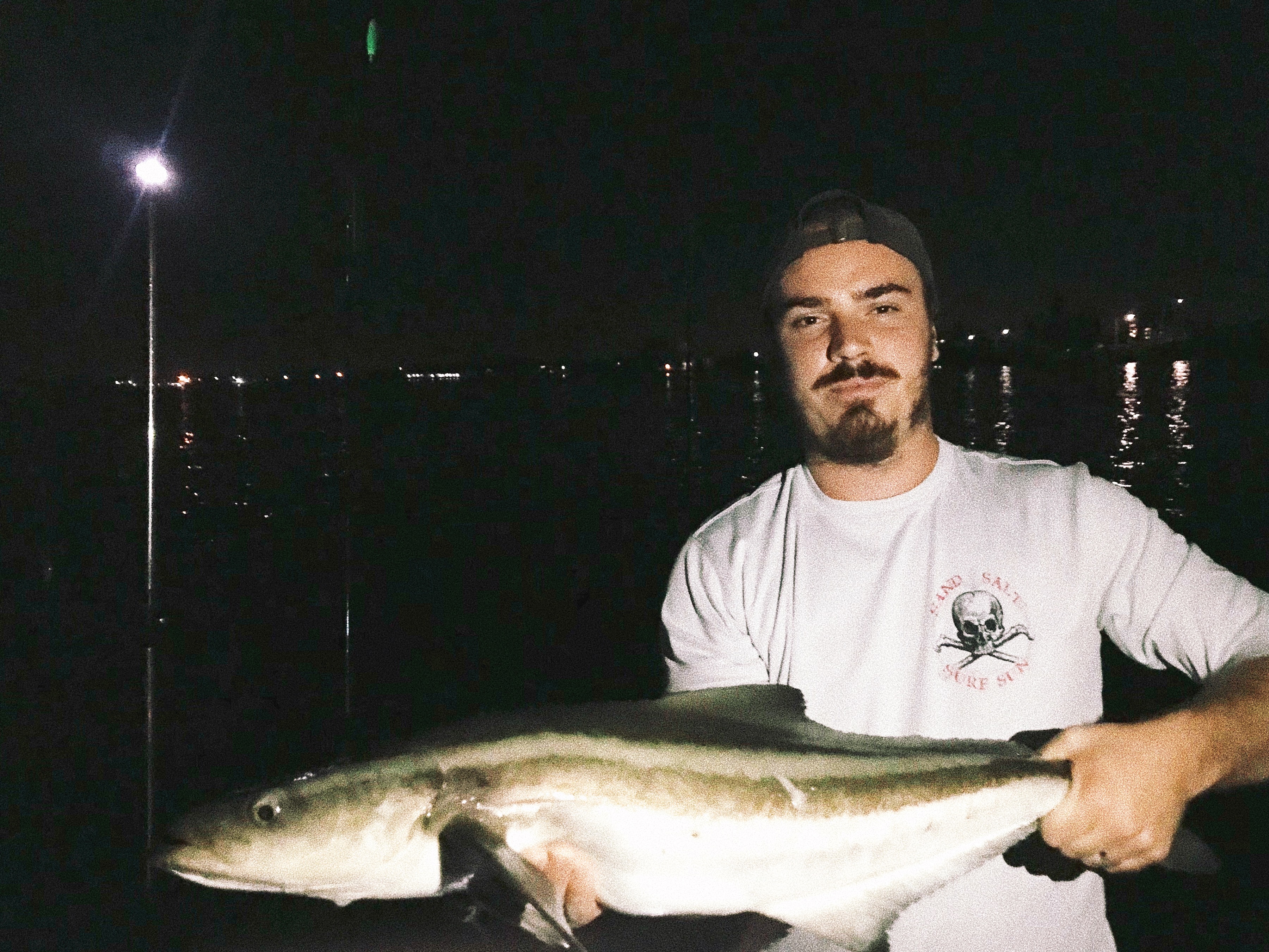
Cobia are the wildcards of this fishery, showing up unexpectedly and providing some of the strongest fights you'll experience in these waters. These brown sharks look-alikes can reach 30-40 pounds and are notorious for their curious nature – they'll often follow the boat or investigate other hooked fish. Peak cobia season runs from March through June when they're migrating along the coast. Landing a cobia is special because they're excellent eating and their unpredictable nature makes every encounter feel like winning the lottery.
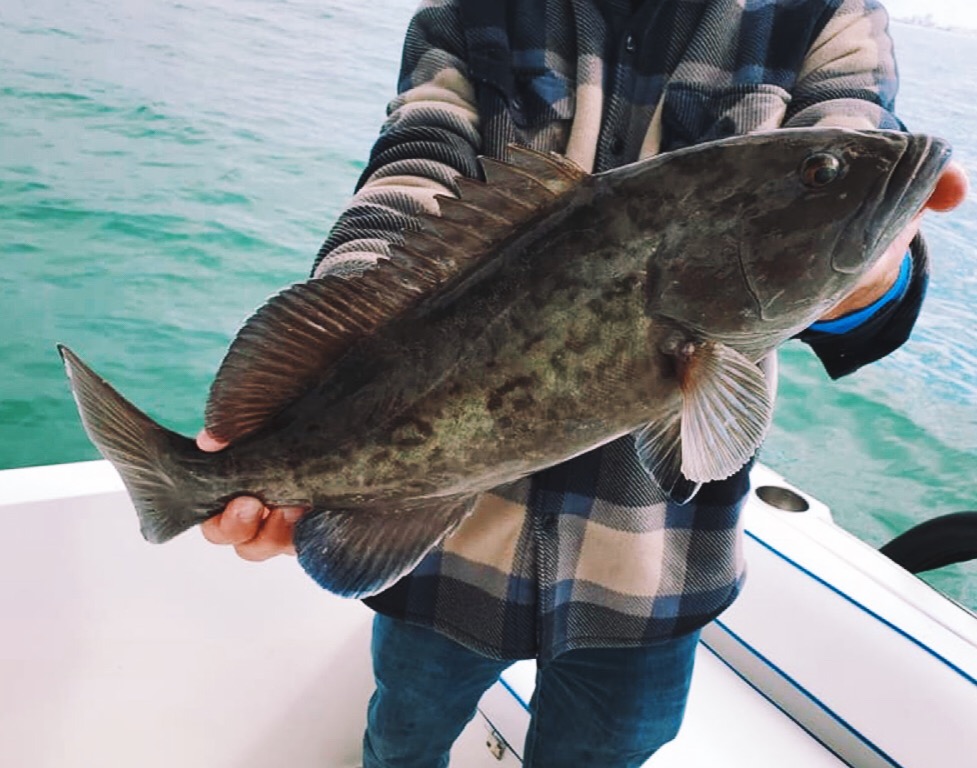
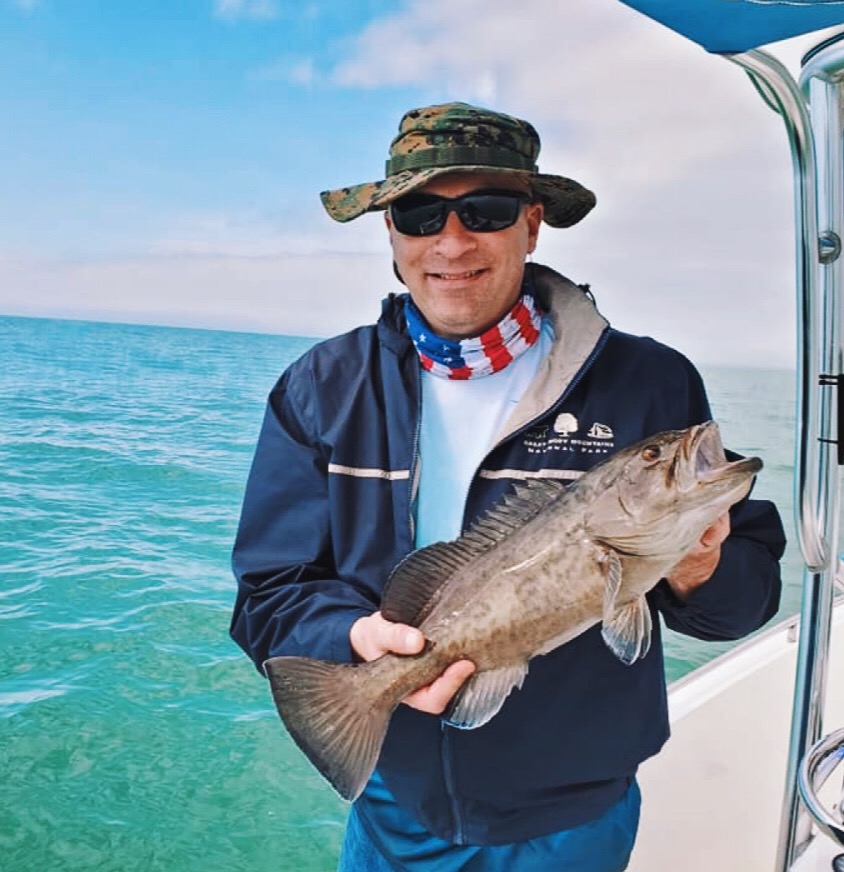
Black sea bass might be smaller than other species on this list, but they're scrappy fighters that inhabit the rocky bottom and structure in slightly deeper water. These chunky fish with their distinctive black coloration and large mouths are available year-round and provide great action when other species are finicky. They're perfect for building confidence in newer anglers because they're aggressive biters and fight hard for their size.
 5.0(1 Reviews)
 Private Trip
 Inshore Fishing
 Clearwater, FL


 Target redfish, snook, trout, and seasonal species inshore