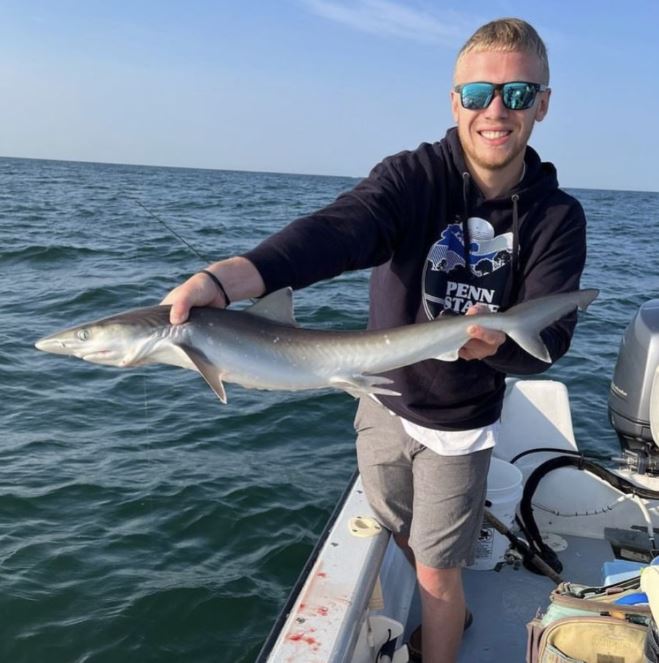
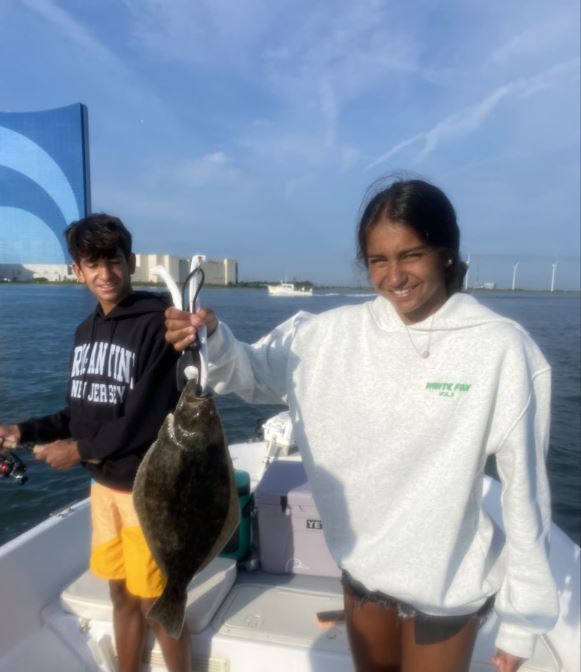
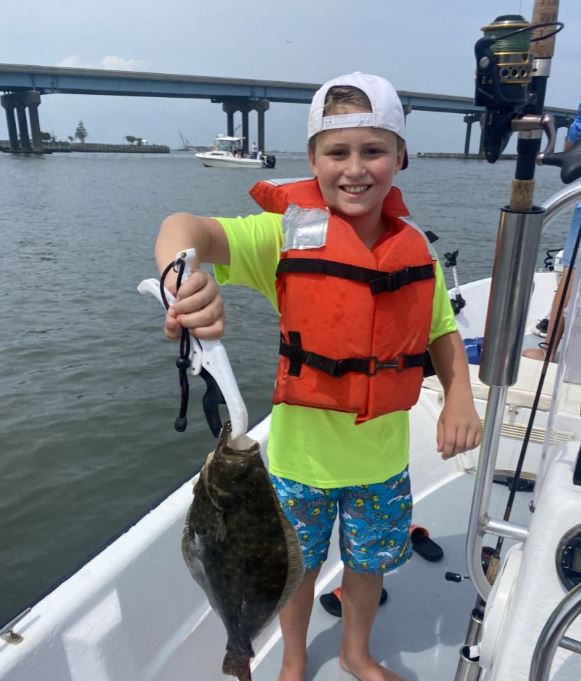
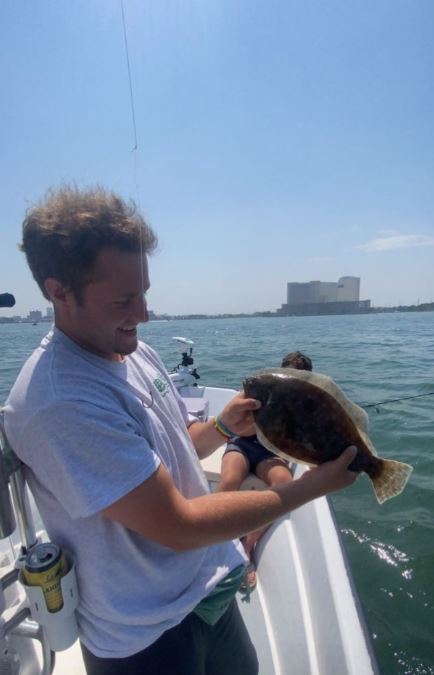
New Jersey Inshore Fishing Adventures
Picture this: you're standing on deck watching the water explode as feeding fish chase bait to the surface, your rod bent double with a screaming reel. That's exactly what you'll get with Retriever Fishing Charters during peak summer and early fall months. Our New Jersey inshore trips put you right in the heart of some of the East Coast's hottest fishing action, where late summer brings together an amazing mix of pelagic species in waters close enough to shore that you'll be fishing within minutes of leaving the dock.
What to Expect on the Water
Your day starts early, meeting us at the marina as the sun's just starting to paint the horizon. We'll get you set up with everything you need - rods, reels, tackle, and all the gear required for a successful day chasing fast-moving gamefish. The beauty of New Jersey's inshore waters during August and September is the sheer variety of species moving through. You might start the morning hooking into aggressive bluefish, then switch gears when we find a school of albies tearing up the surface. With just four anglers max on board, everyone gets plenty of shots at the action without feeling crowded or rushed. The captain knows these waters like his backyard and can read the signs - bird activity, bait schools, temperature breaks - that lead us to where the fish are feeding. Some days we'll cover a lot of water trolling until we locate active schools, other times we might find them right away and spend hours working the same productive area.
Trolling Tactics & Techniques
We primarily troll to locate fish, running a spread of lures and baits designed to attract the species we're targeting. Once we mark fish on the finder or spot surface activity, that's when things get really exciting. The boat gets positioned upwind of the feeding school, and we'll cast into the mayhem with topwater plugs, metal jigs, or live bait depending on what they're eating. The key is matching the hatch - if they're on small silversides, we'll throw smaller lures, but when they're crushing bigger baits, we can get away with larger offerings. Circle hooks are standard for live bait fishing, which makes releasing fish easy and keeps mortality low. All our tackle is heavy enough to handle anything from 2-pound Spanish mackerel up to 20-pound king mackerel or cobia. The reels are spooled with braided line for sensitivity and strength, backed with fluorocarbon leaders that won't spook line-shy fish in clear water.
Species You'll Want to Hook
King Mackerel are the crown jewel of our late summer inshore scene. These silver rockets can stretch 30-40 inches and fight like fish twice their size. Kings love structure and temperature breaks, often found along the edges of channels or near artificial reefs. They're notorious for their blistering runs and aerial displays, making them a favorite among serious anglers. The best action typically happens from mid-August through September when they're feeding heavily before their fall migration. What makes kings so special is their unpredictability - they might grab a slow-trolled live bait or smash a fast-moving spoon with equal enthusiasm.
Mahi Mahi, or common dolphinfish, are the most colorful fighters you'll encounter on these trips. Their brilliant gold, blue, and green colors light up when they're hooked, and they're famous for their acrobatic jumps. Mahi are structure-oriented fish, often found around floating debris, weed lines, or temperature breaks. They're aggressive feeders and will hit everything from trolled baits to jigs worked near the surface. Schools of smaller "chicken" mahi provide non-stop action, while the occasional bull mahi over 20 pounds will test your tackle and technique. These fish are as beautiful as they are fun to catch, making them a photographer's dream.
Cobia are the bruisers of the inshore scene - brown and powerful, they look more like sharks than typical gamefish. These curious fish often approach the boat, giving you sight-fishing opportunities that get your adrenaline pumping. Cobia are strong, determined fighters that use their broad tails and muscular bodies to test every knot and connection in your tackle. They're most active during warmer months and have a habit of following rays and other large fish, using them to stir up bottom-dwelling prey. Landing a 30-pound cobia on medium tackle is a workout you'll remember long after you get back to the dock.
Little Tunny, known locally as albies, are pound-for-pound some of the strongest fish in the ocean. These small tunas rarely exceed 15 pounds but fight like fish twice that size. When albies are feeding on the surface, the water looks like it's boiling with their aggressive feeding behavior. They're incredibly fast, making long runs that will have your drag smoking. The key to success with albies is using light tackle and small lures - they can be surprisingly picky despite their aggressive reputation. When you find a feeding school, the action can be absolutely electric with multiple hookups and constant bites.
Bluefish are the reliable workhorses of New Jersey inshore fishing. These aggressive predators will eat almost anything and fight hard from the moment they're hooked. Blues travel in schools and when you find them feeding, you can expect steady action. They're particularly exciting on light tackle, where their bulldogging runs and head-shaking fights really shine. Bluefish are perfect for newcomers to saltwater fishing because they're aggressive, plentiful, and provide great action without being overly technical to catch. Don't let their reputation as common fish fool you - a 10-pound bluefish on the right tackle is as fun as any gamefish swimming.
Time to Book Your Spot
Late summer and early fall represent the absolute peak of New Jersey's inshore fishing season. The water temperatures are perfect, baitfish are abundant, and gamefish are feeding heavily before their seasonal

 Private Trip
 Inshore Fishing
 Atlantic City


 Target albie, bonito, Spanish mackerel, and bluefish inshore waters