Peacock Bass Fishing in The Everglades!
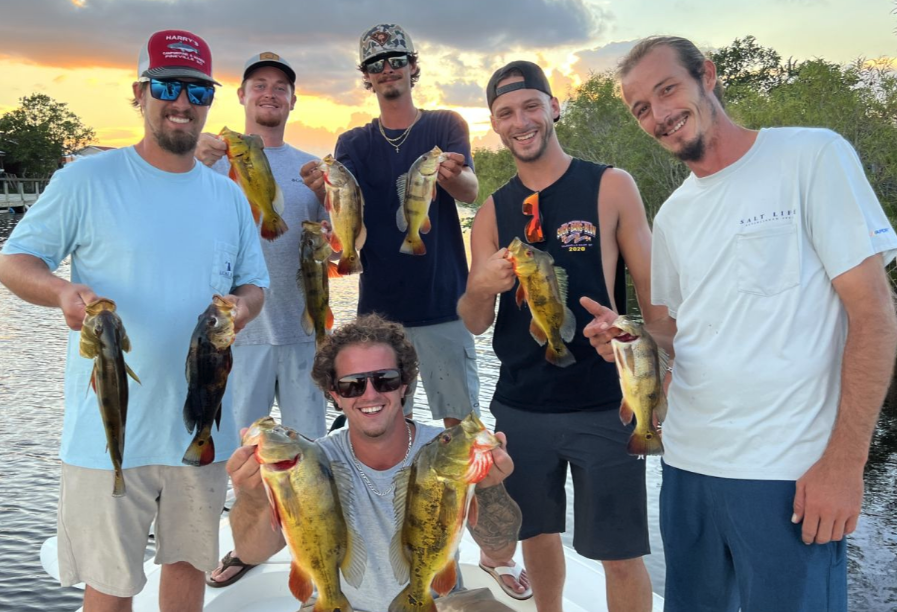
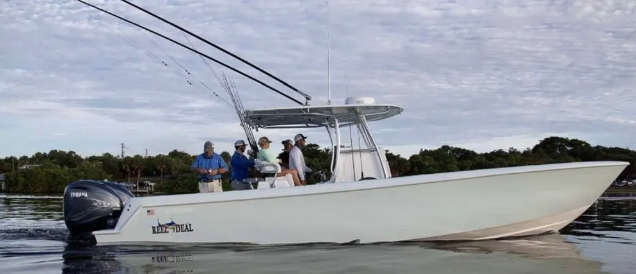
Picture this: you're cruising through the legendary Florida Everglades on a pristine 26-foot Shearwater, live shiners in the well, and some of the most aggressive freshwater fighters in North America waiting just below the surface. This isn't your typical bass fishing trip – we're talking about a half-day adventure targeting exotic peacock bass in one of Florida's most iconic fishing destinations. With Salty Fresh Fishing Charters, you'll experience world-class angling in the heart of the Everglades, where every cast could bring a different species to the boat. From monster peacocks to jumping tarpon, this top-rated fishing experience delivers variety and action that keeps anglers coming back season after season.
What to Expect on the Water
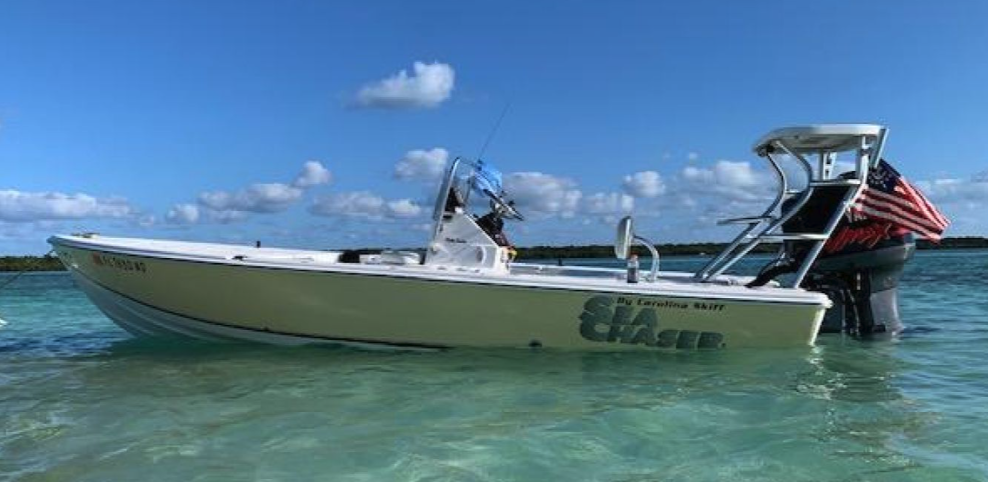
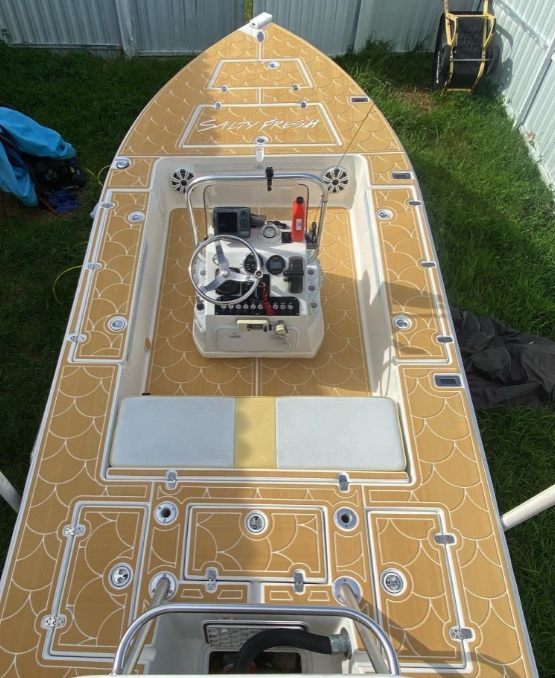
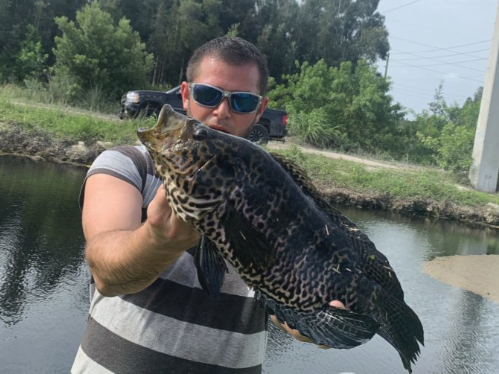
Your four-hour adventure starts with stepping aboard our spacious 26-foot Shearwater – a boat built for serious fishing in the unique waters of the Everglades. We keep things simple but effective, rigging you up with live shiners that peacock bass absolutely can't resist. The beauty of this trip is the unpredictability. Sure, we're targeting those stunning peacock bass with their brilliant colors and fierce attitudes, but the Everglades ecosystem means you never know what's going to slam your bait next. One minute you're battling a chunky peacock, the next you could be watching a baby tarpon clear the water six feet in the air. The shallow flats and canal systems we fish are teeming with largemouth bass, snook, bowfin, cichlids, Florida gar, oscars, and even freshwater snook. This customer favorite trip accommodates up to six anglers, making it perfect for families or groups who want to experience the diverse fishing the Everglades has to offer. Whether you're a seasoned angler or picking up a rod for the first time, the action here speaks for itself.
Live Bait Tactics & Terrain
We fish the Everglades the way it's meant to be fished – with live shiners that trigger aggressive strikes from multiple species. These baits are like candy to peacock bass, and we'll show you how to work them around structure, drop-offs, and the edges of vegetation where these fish love to ambush prey. The 26-foot Shearwater gives us the flexibility to cover water efficiently while staying comfortable in the shallow, sometimes challenging waters of the Everglades. We're talking about fishing canals, cuts, and flats that range from two to eight feet deep – perfect peacock bass habitat. The technique is straightforward but deadly effective: we'll position the boat near likely holding spots, cast those lively shiners toward cover, and let the fish do what they do best. The Everglades ecosystem creates a unique fishing environment where freshwater species thrive in a maze of channels, ponds, and flats. You'll learn to read the water, identify productive structure, and understand why certain areas consistently produce fish. This isn't just about catching fish – it's about understanding one of Florida's most famous fishing destinations.
Target Species You'll Want to Hook
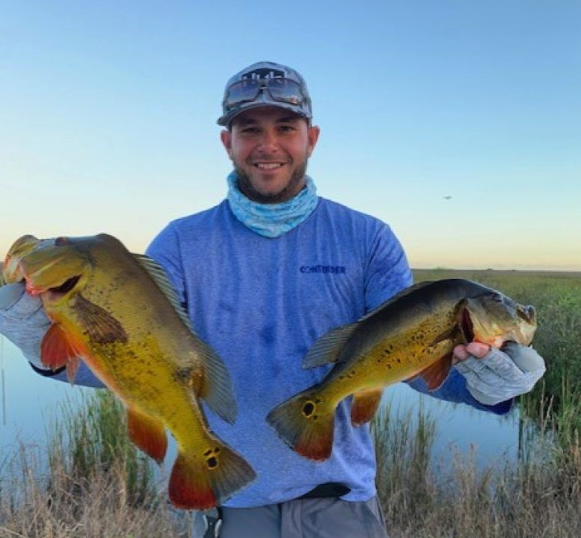
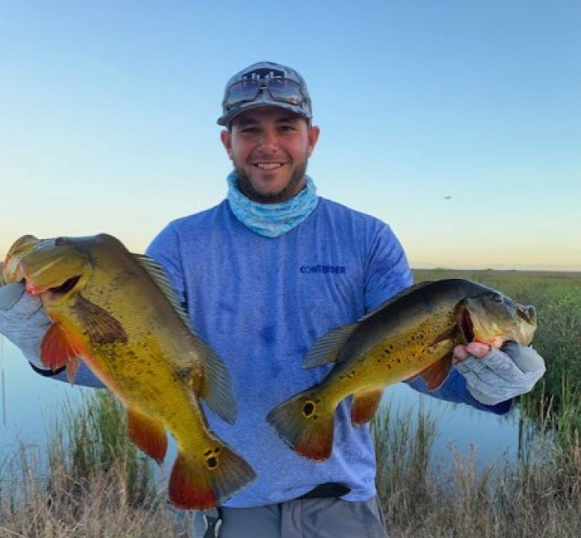
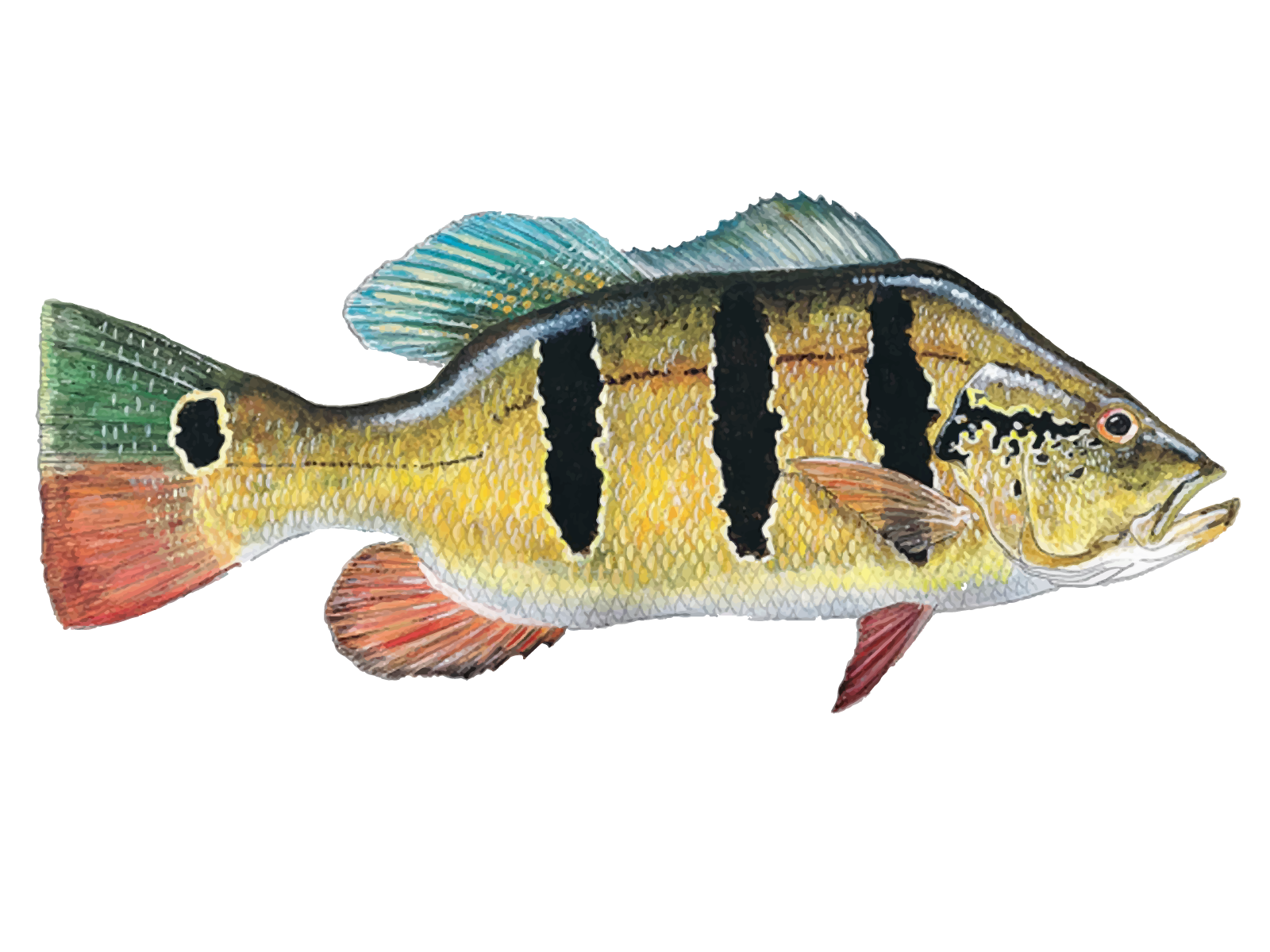
Peacock bass are the stars of this show, and for good reason. These South American natives have made the Everglades their home and provide some of the most exciting freshwater fishing in Florida. Peacocks are known for their incredible colors – think emerald greens, bright yellows, and those distinctive eye spots that give them their name. They typically run anywhere from two to six pounds in these waters, with the occasional trophy pushing eight pounds or more. What makes them special is their attitude – peacock bass hit hard and fight harder, often jumping and making powerful runs that'll test your drag. Peak season runs from late fall through early spring when cooler water temperatures make them most active, but these fish are catchable year-round in the consistent climate of South Florida.
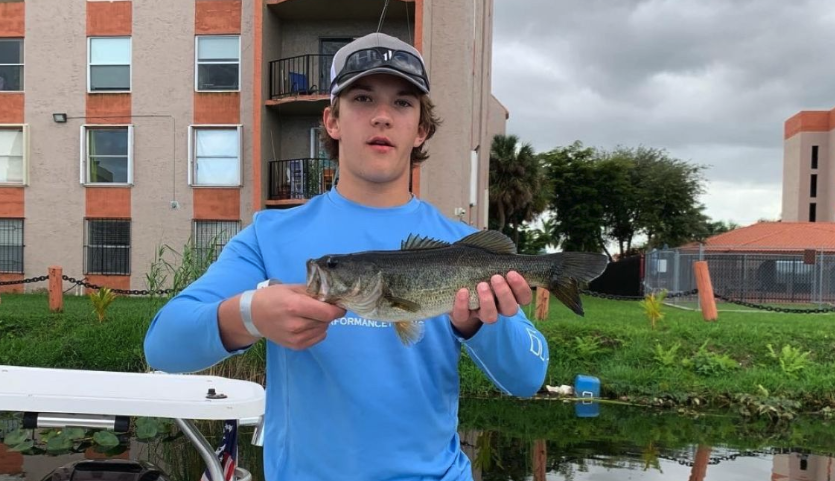
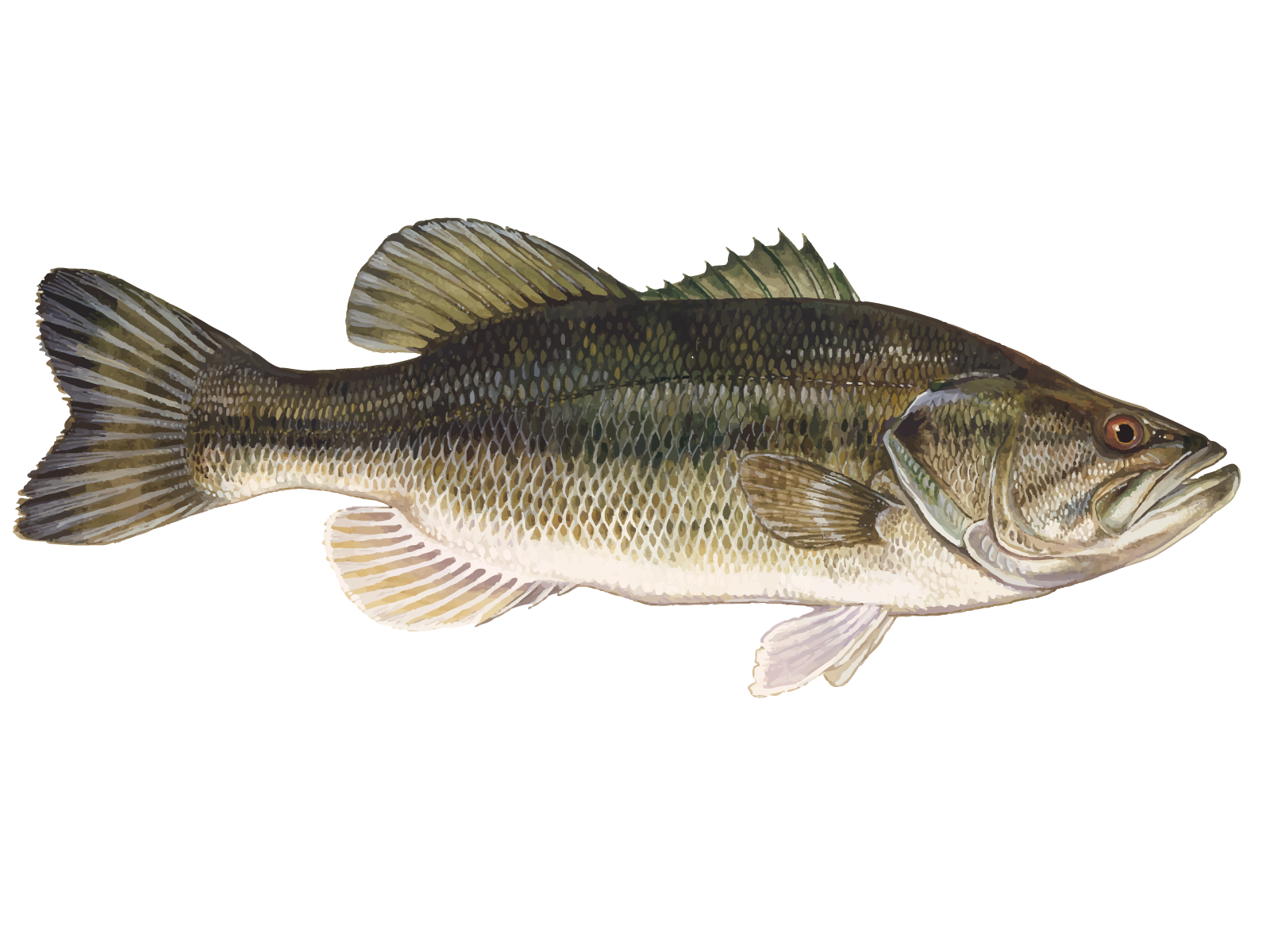
Largemouth bass in the Everglades are a different beast entirely from their northern cousins. The year-round growing season and abundant forage create chunky, healthy fish that average three to five pounds. These bass are more aggressive than you might expect, often competing with peacock bass for the same bait. They're most active during the cooler months but remain catchable throughout the year. The unique thing about Everglades largemouth is how they've adapted to share water with so many other species – they've become opportunistic feeders that'll slam a live shiner without hesitation.
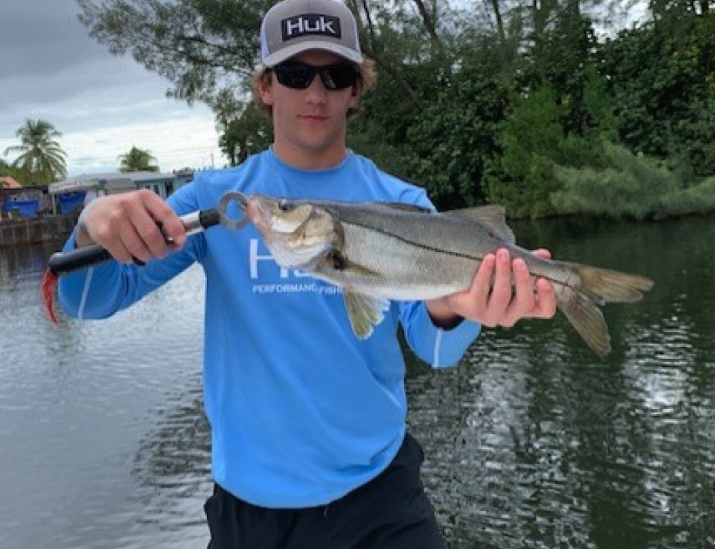
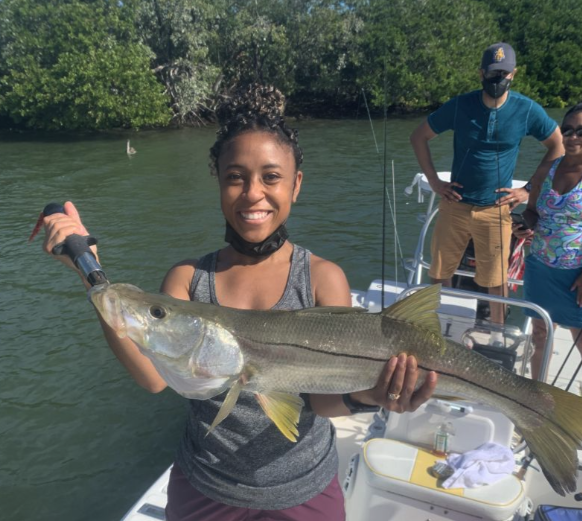
Snook might surprise you in these freshwater areas, but they're a legitimate target that adds serious excitement to any trip. These fish can push 20 pounds or more and provide heart-stopping runs when hooked. Freshwater snook behave differently than their saltwater brothers – they're often more aggressive and less spooky. The best times to target them are during the warmer months when they move into freshwater areas to feed and spawn.
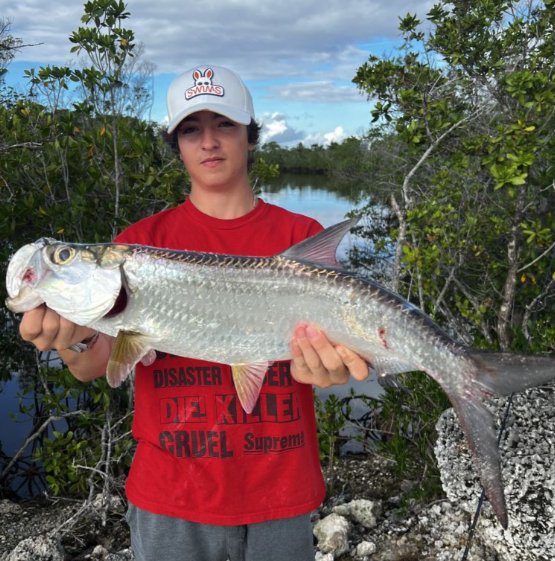
Tarpon in the Everglades are typically juveniles ranging from 10 to 40 pounds, but don't let their size fool you – these silver kings jump just as high and fight just as hard as their bigger saltwater relatives. They're most common during the warmer months and provide some of the most spectacular action you'll find in freshwater. When a tarpon eats your shiner and goes airborne, you'll understand why anglers travel from around the world to experience this fishery.
Alligator gar represent the prehistoric side of Everglades fishing. These ancient fish can reach impressive sizes and provide a completely different type of fight – more like wrestling a log than fighting a typical game fish. They're most active during warmer months and often lurk in deeper holes and channels. Catching a gar adds an element of adventure that you won't find in most freshwater destinations.
Time to Book Your Spot
The Florida Everglades offer some of the most diverse freshwater fishing in the country, and this half-day trip gives you a real taste of what makes this ecosystem so special. With our proven live b
 Private Trip
 Flats/Shallows Fishing
 Miami
Miami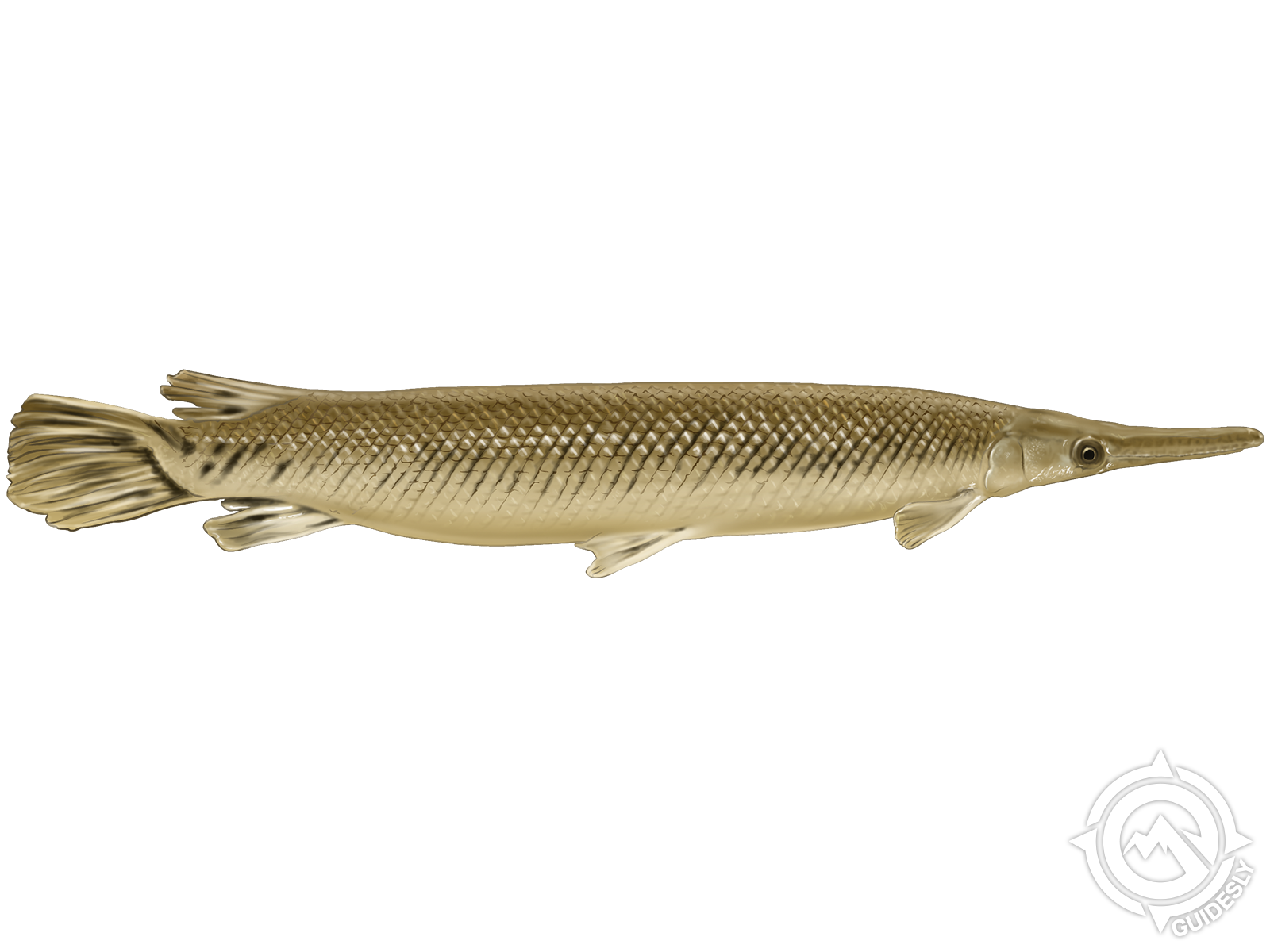


 Half-day Everglades fishing targeting Peacock Bass with live shiners