10 Hour Offshore Grand Slam in Marathon FL
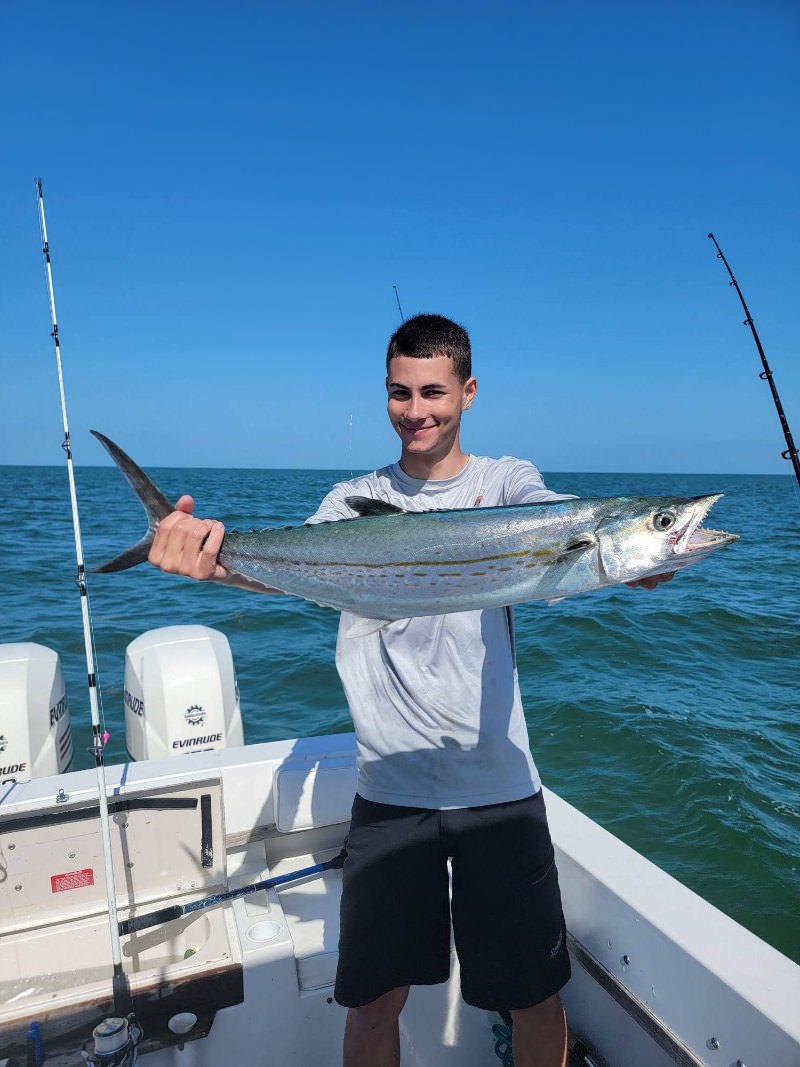
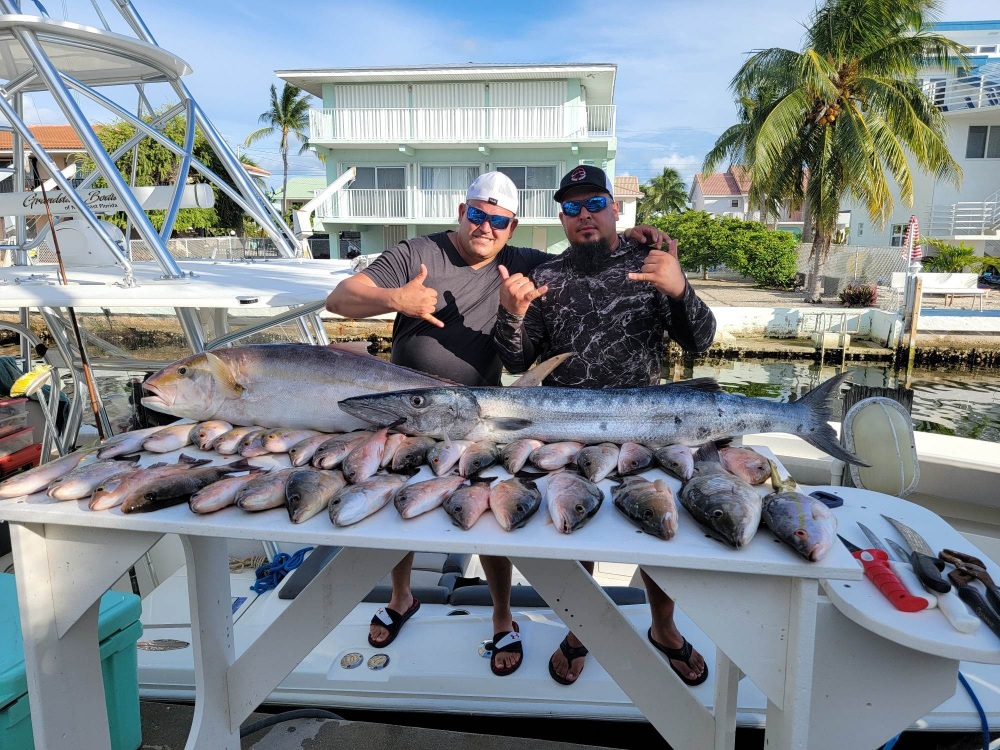
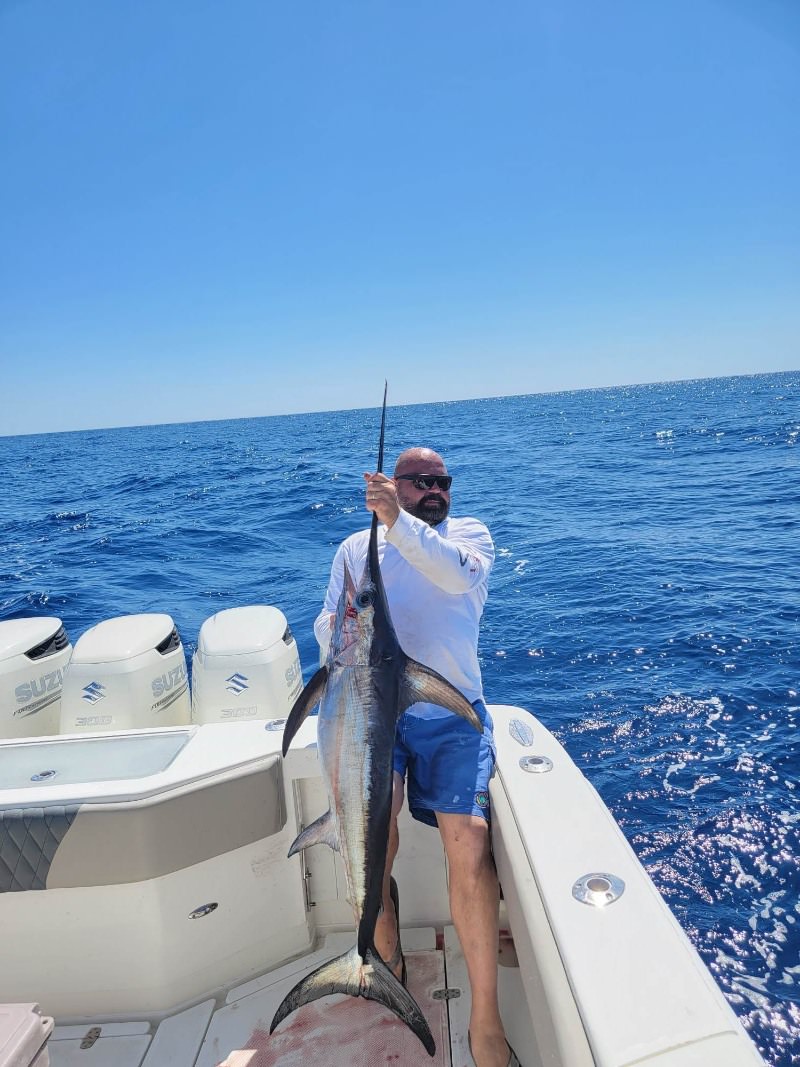
Picture this: You're heading out into the deep blue waters of the Florida Straits at sunrise, coffee in hand, watching Marathon disappear behind you as we chase the horizon. This isn't your typical half-day trip – we're talking about a serious 10-hour offshore adventure that'll take you into some of the most productive fishing grounds in the world. The Florida Straits stretch out before us like an underwater highway, and we'll be working depths up to 1,500 feet where the big pelagics cruise. With Wet Tails Charters, you're getting a captain who knows these waters like the back of his hand, and with only six anglers max, everyone gets plenty of rod time. We're targeting the grand slam trio that makes every angler's heart race: mahi mahi, wahoo, and blackfin tuna.
What to Expect on the Water
When I say we're going offshore, I mean we're really going out there. We'll be running 15-20 miles out into the Florida Straits, where the water turns that deep cobalt blue and the current lines become visible highways for feeding fish. The ride out takes about an hour, giving you time to rig up, grab some breakfast, and get your game face on. Once we hit our first spot, it's go time. The beauty of a 10-hour trip is we can chase the bite – if the mahi are lit up on the weed lines, we'll work them hard. If the wahoo are screaming baits on the deep ledges, that's where we'll focus. You'll spend your day watching four to six lines in the water, scanning the horizon for bird activity, floating debris, and those telltale color changes that signal fish. The Florida Straits current brings in everything from flying fish to ballyhoo, creating a natural feeding chain that draws in our target species. Between the trolling action, we'll stop to chunk bait when we mark fish on the sounder or work live bait around any structure we find.
Trolling Tactics & Gear Setup
Out here in the deep water, trolling is our bread and butter. We'll be running a spread of six rods – usually two riggers, two long lines, and a couple of flat lines with different lures to cover the water column. For mahi, we'll have ballyhoo rigged with colorful skirts and some smaller spoons that mimic flying fish. The wahoo setup is all about speed – big lures, wire leaders, and baits that can handle 12-15 knots without washing out. For tuna, we'll drop back smaller cedar plugs and feathers that imitate the small baitfish they're crushing. All our tackle is top-shelf stuff – Penn and Shimano reels spooled with 50-80 pound test, depending on what we're targeting. When we hook up, it's all hands on deck. Mahi often travel in schools, so when one comes up, we'll pitch live bait or small jigs to the others. The key is staying ready – in the Florida Straits, things happen fast. One minute you're cruising along enjoying the ride, the next you've got three rods bent over and everyone scrambling to clear lines.
Target Species You'll Hook
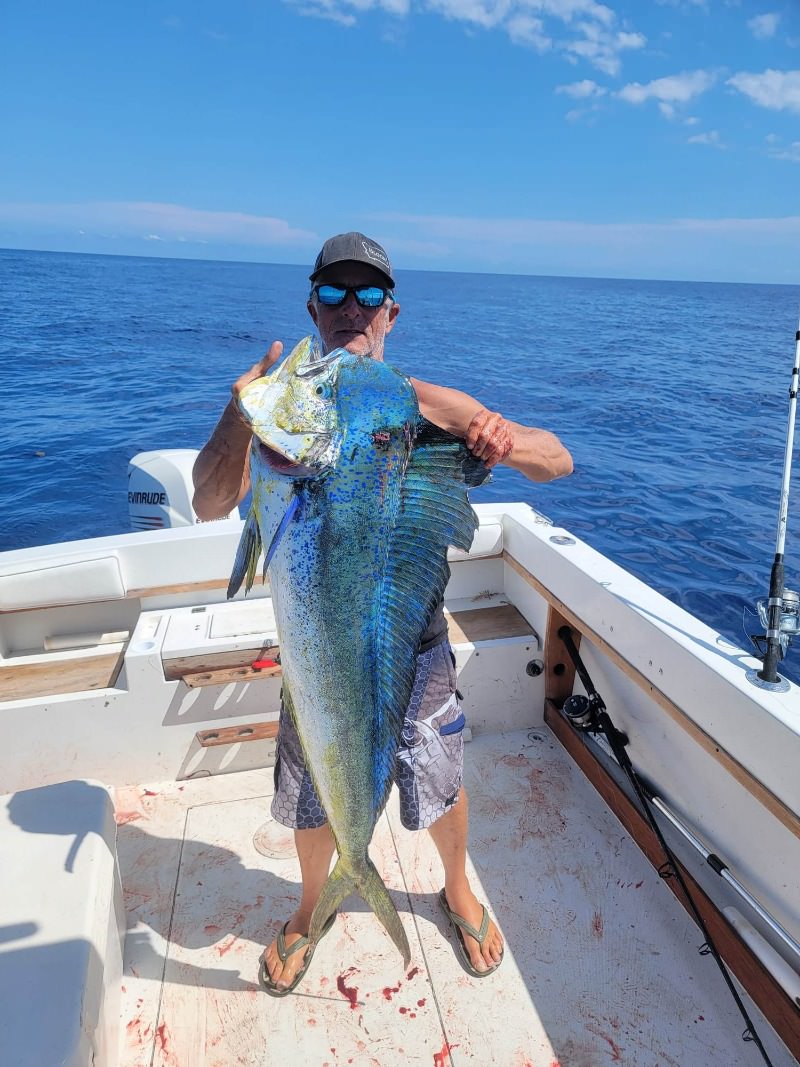
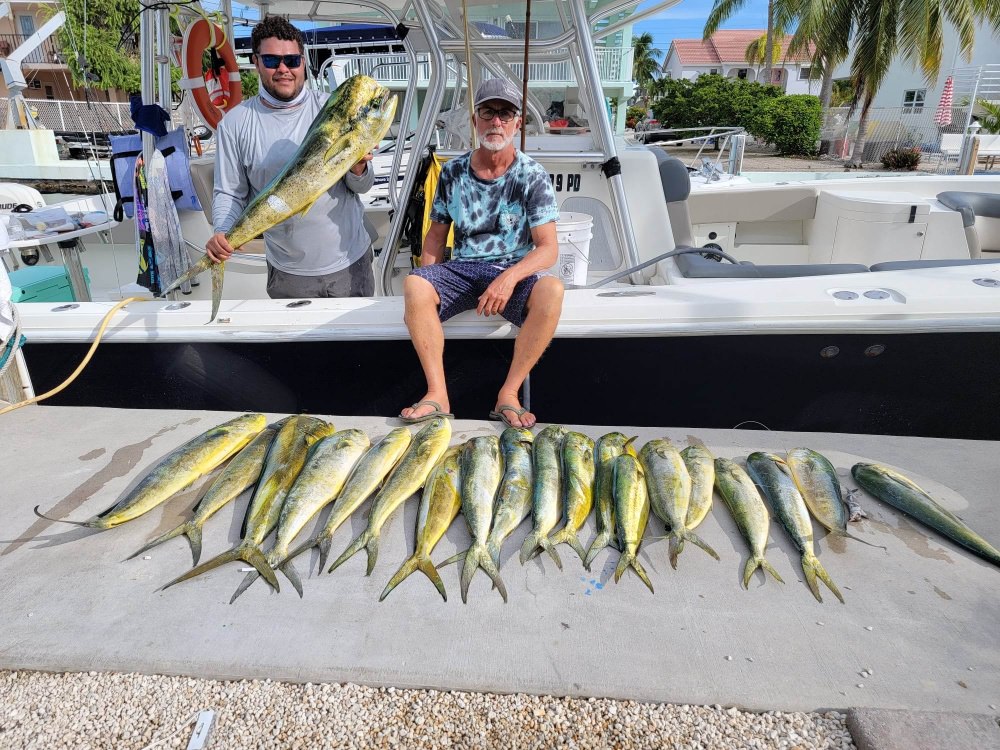
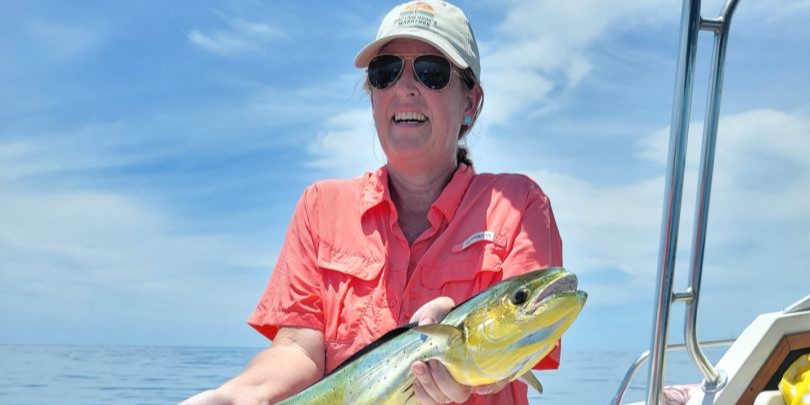
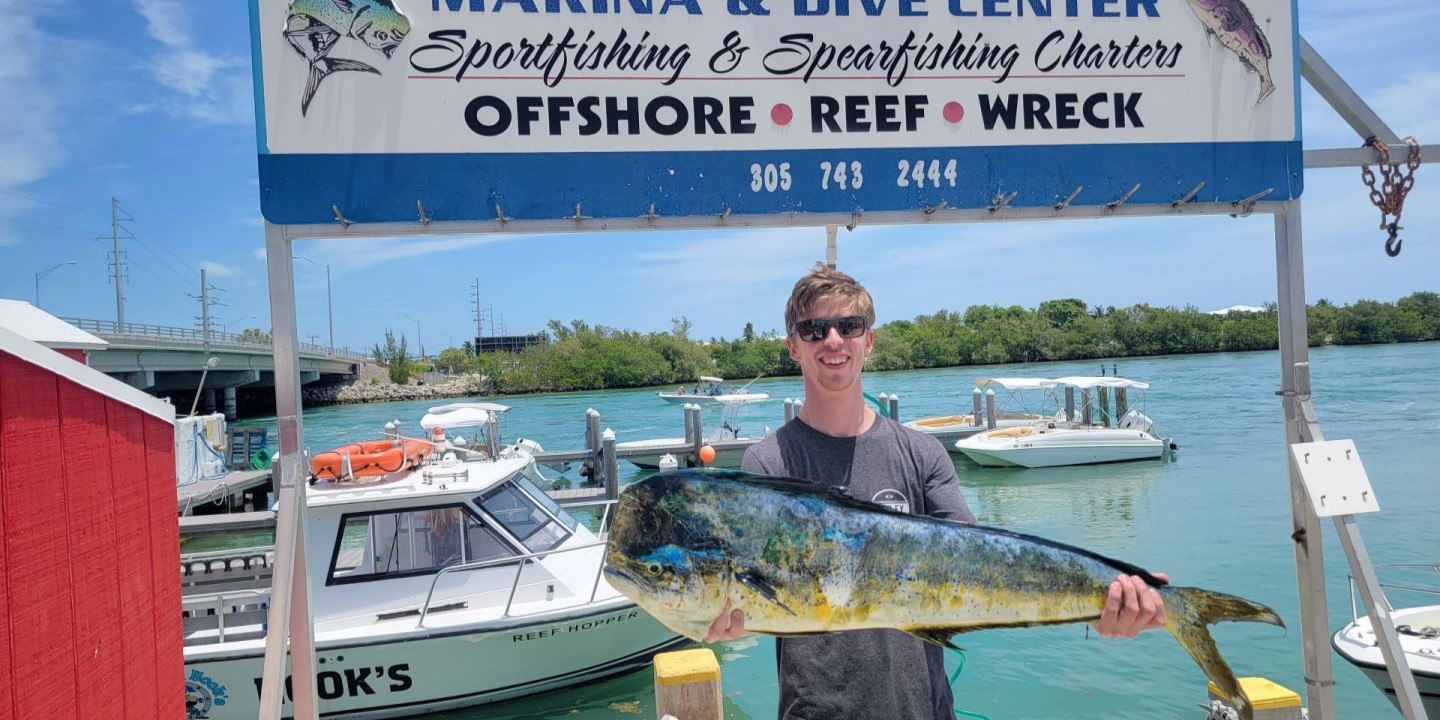
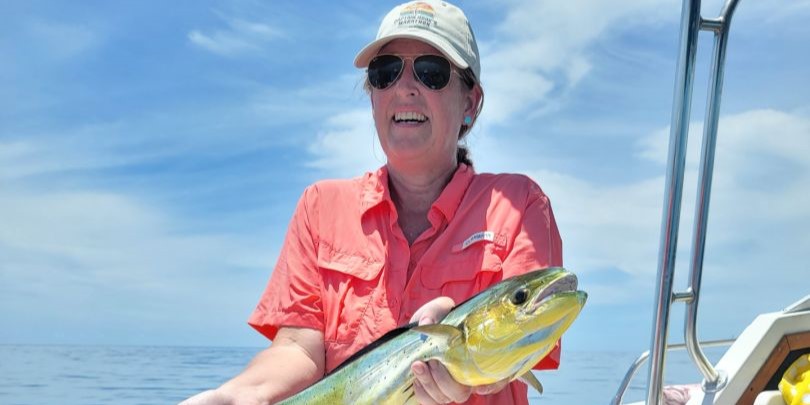
Mahi mahi are the rock stars of offshore fishing down here, and for good reason. These fish are pure energy wrapped in electric gold and green colors that'll make your camera work overtime. Most of our mahi run between 15-35 pounds, with the occasional bull pushing 40-plus pounds that'll test your drag and your shoulders. They love floating debris, weed lines, and temperature breaks, which the Florida Straits serve up in spades. Spring through fall is prime time, but we see them year-round. What makes mahi special is they're aggressive feeders and often travel in schools – hook one, and there's usually more down there. They'll hit everything from ballyhoo to small lures, and watching one explode on a bait 200 feet behind the boat never gets old.
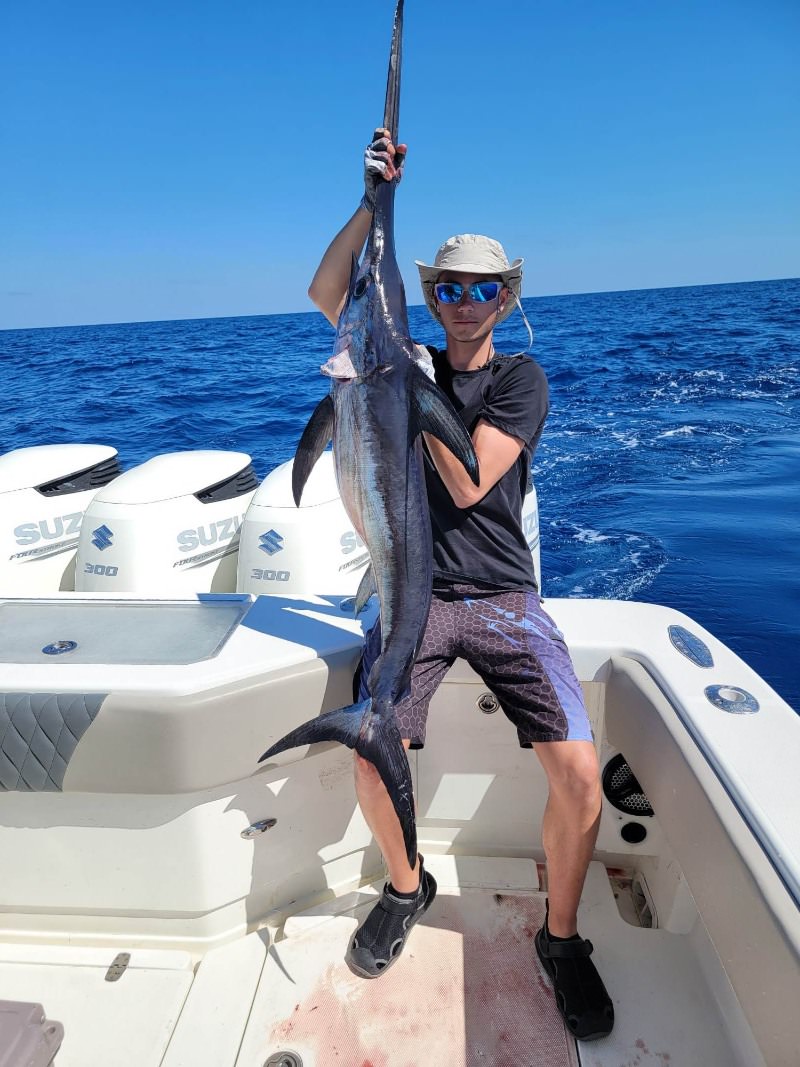
Wahoo are the speed demons of the deep, and catching one is like hooking a freight train with fins. These silver bullets can hit 60 mph and routinely smoke 200-300 yards of line on their initial run. Most of our wahoo range from 20-50 pounds, with the occasional monster over 60 pounds that'll have you questioning your life choices. They're structure-oriented fish, loving drop-offs, ledges, and current edges where they can ambush baitfish. Winter months are typically best, but we see them throughout the year. Wahoo are notorious for their razor-sharp teeth – they'll slice through regular mono like butter, which is why we use wire leaders. When one hits, there's no mistaking it – the rod just loads up and starts screaming.
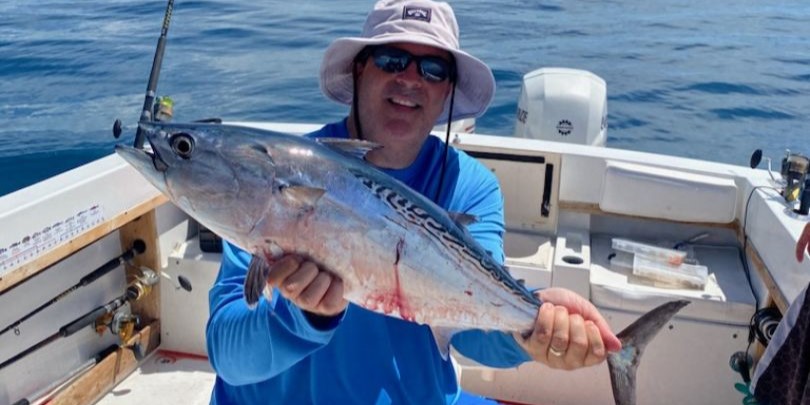
Blackfin tuna might be the smallest of our target species, but don't let their size fool you – these 15-30 pound fish fight like they're twice their weight. They're built for speed and endurance, making blistering runs and refusing to give up even when they're boat-side. Blackfins are year-round residents in the Florida Straits, feeding on small baitfish and squid along current edges and temperature breaks. They're schooling fish, so finding one often means finding many. What's special about blackfins is they're incredible table fare – their dark red meat is prized by sushi chefs and makes for some of the best sashimi you'll ever taste. They'll hit small lures, cedar plugs, and live bait, and their willingness to bite makes them a favorite among anglers looking for consistent action.
Time to Book Your Spot
Look, there's offshore fishing, and then there's offshore fishing in the Florida Straits with someone who lives and breathes these waters every day. This 10-hour adventure gives us the time to really work the water, chase the bite, and put
 Private Trip
 Offshore Fishing
 Marathon


 10
10