Full Day Guided Trout Fly Fishing Trip In Dubois, WY
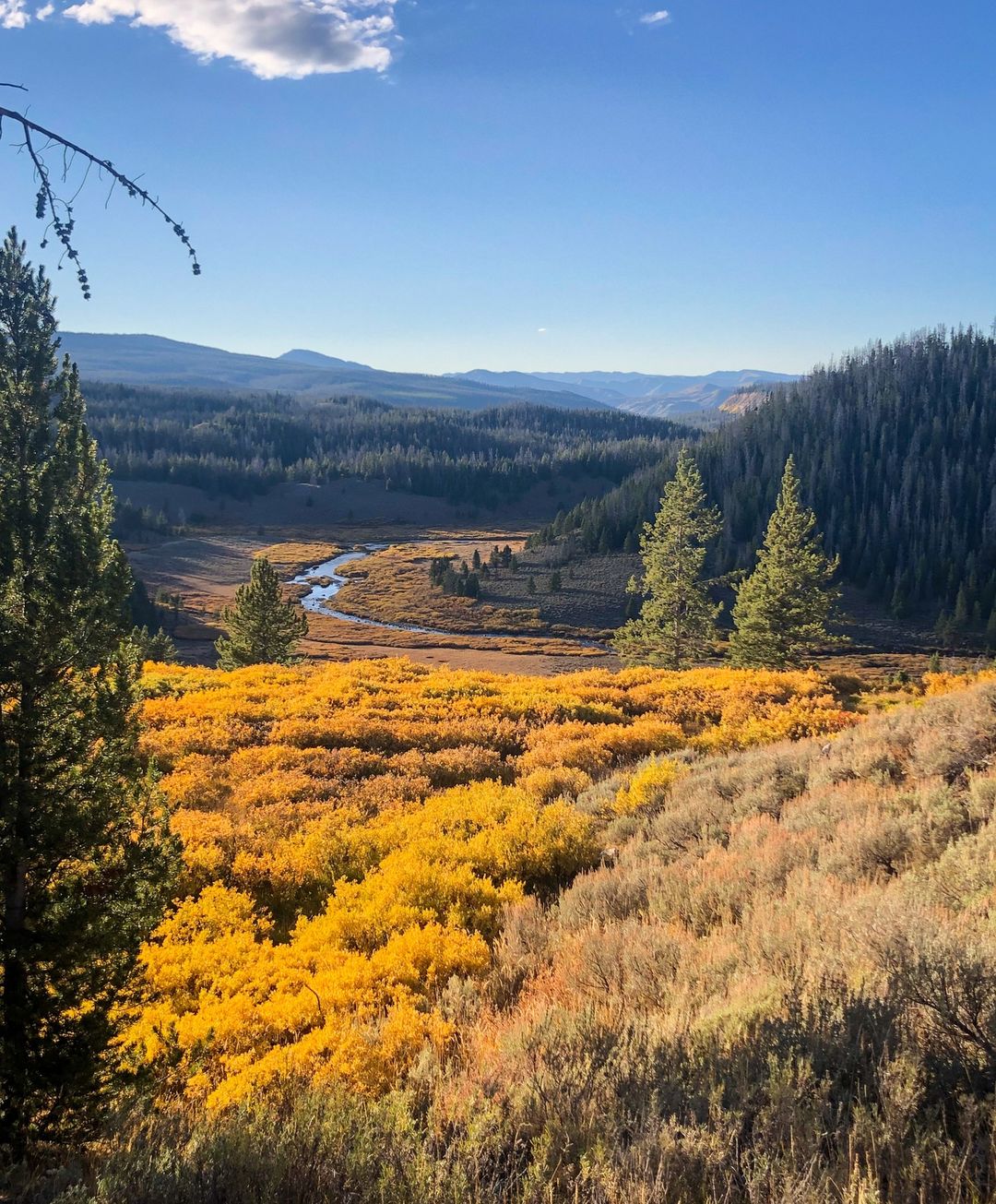
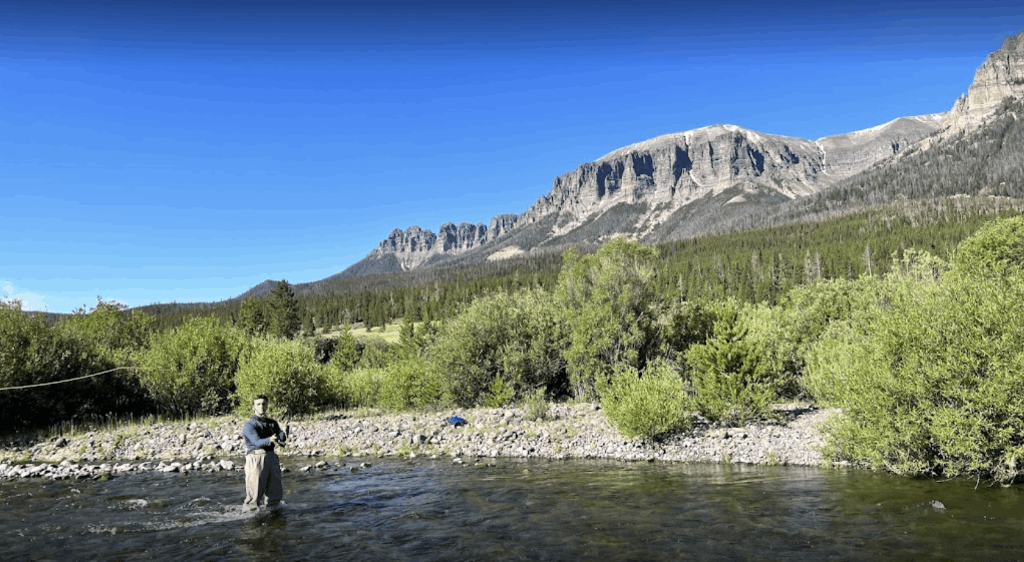
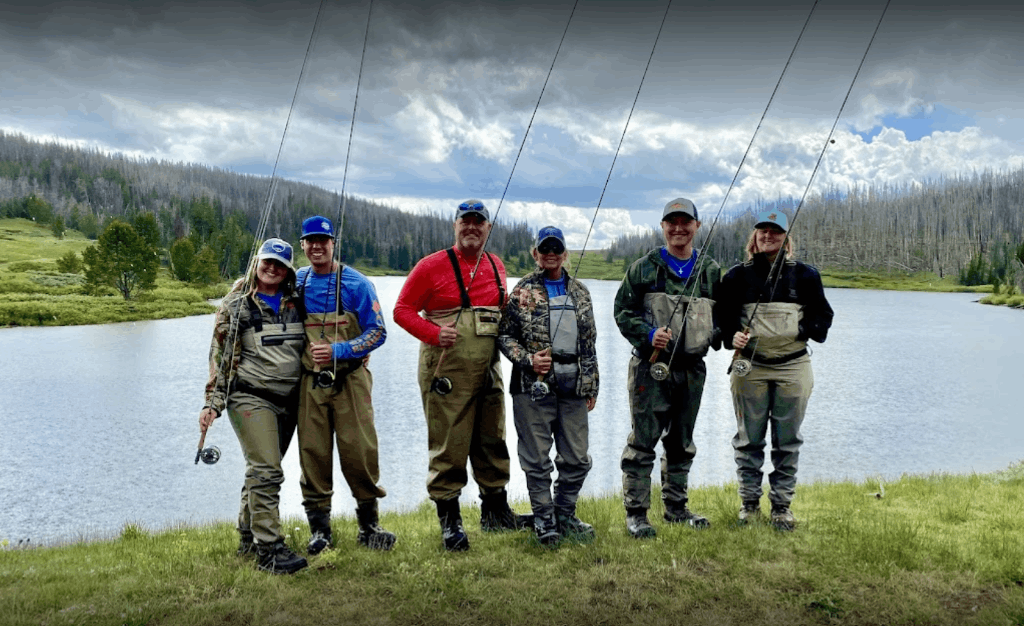
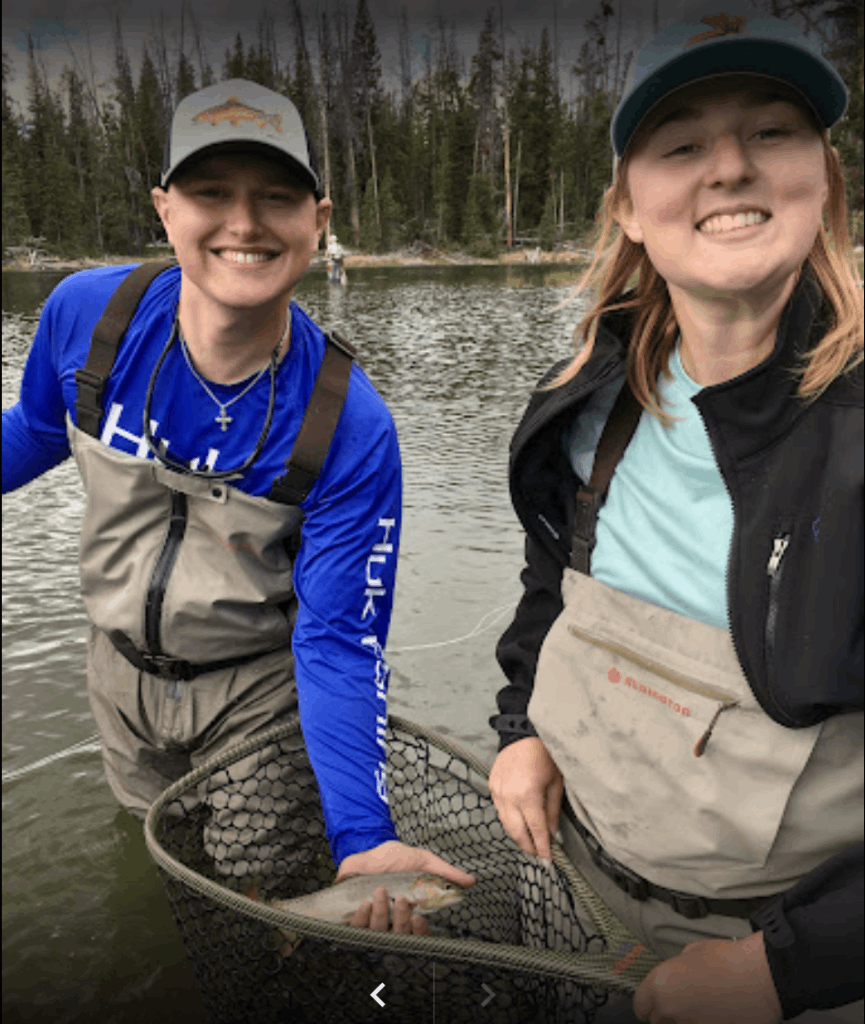
If you've been dreaming about casting flies into pristine Wyoming backcountry waters where the fish haven't seen pressure and the scenery will blow your mind, this full-day guided trip out of Dubois is exactly what you need. We're talking about hiking into remote alpine territory where Golden Trout, Cutthroats, and Browns live in crystal-clear streams and lakes that most folks never even know exist. This isn't your typical roadside fishing spot – you'll earn every fish with a good hike through some of the most beautiful wilderness Wyoming has to offer. With towering peaks all around and nothing but the sound of moving water and your line cutting through the air, this is fly fishing the way it was meant to be experienced.
What to Expect on the Water
Your day starts early with a meet-up in Dubois, where we'll go over the game plan and make sure your gear is dialed in. From there, we're heading into the Shoshone National Forest backcountry, where the real adventure begins. The hike in varies depending on conditions and what waters are fishing best, but expect to cover some ground – usually 2-4 miles each way through terrain that ranges from gentle meadow walks to more challenging alpine approaches. Once we reach our target waters, you'll understand why we made the trek. These hidden gems hold populations of native and wild trout that have never seen a pellet, and they're aggressive when presented with the right fly. We'll spend the bulk of our day working different runs, pools, and undercuts while I share local techniques that have taken me years to dial in. Lunch comes streamside, giving us time to recharge and talk strategy for the afternoon session.
Flies & Backcountry Tactics
Backcountry fishing in this part of Wyoming requires a different approach than your typical river day. We're dealing with high-altitude waters where insects can be sparse but when they hatch, the fishing goes off. I'll have you rigged with proven patterns – think small terrestrials, attractor dries, and nymphs that match the limited but important food sources up here. Presentation is everything in these clear waters, so we'll work on your approach angles and keeping low profiles. The fish are spooky but once you dial in the technique, they're incredibly rewarding to catch. I provide all the flies and terminal tackle, plus backup rods if needed. Your job is to focus on reading the water and making clean presentations. These aren't technical spring creek fish, but they're wild and strong, and in this thin air at elevation, every fight feels amplified. We'll cover dry fly fishing when conditions are right, but having a solid nymphing game is crucial for consistent success in these backcountry waters.
Species You'll Want to Hook
Rainbow Trout in these backcountry waters are absolute rockets. Unlike their hatchery cousins, these wild rainbows have that classic silver shine with a pink stripe that really pops in the clear mountain water. They typically run 12-16 inches up here, but don't let the size fool you – in this thin air and cold water, they fight like fish twice their size. Best action usually happens during the warmer parts of the day when insects start moving, and they're suckers for a well-presented dry fly during any kind of hatch activity. The way they come up and crush a fly on the surface in these pristine settings is pure magic.
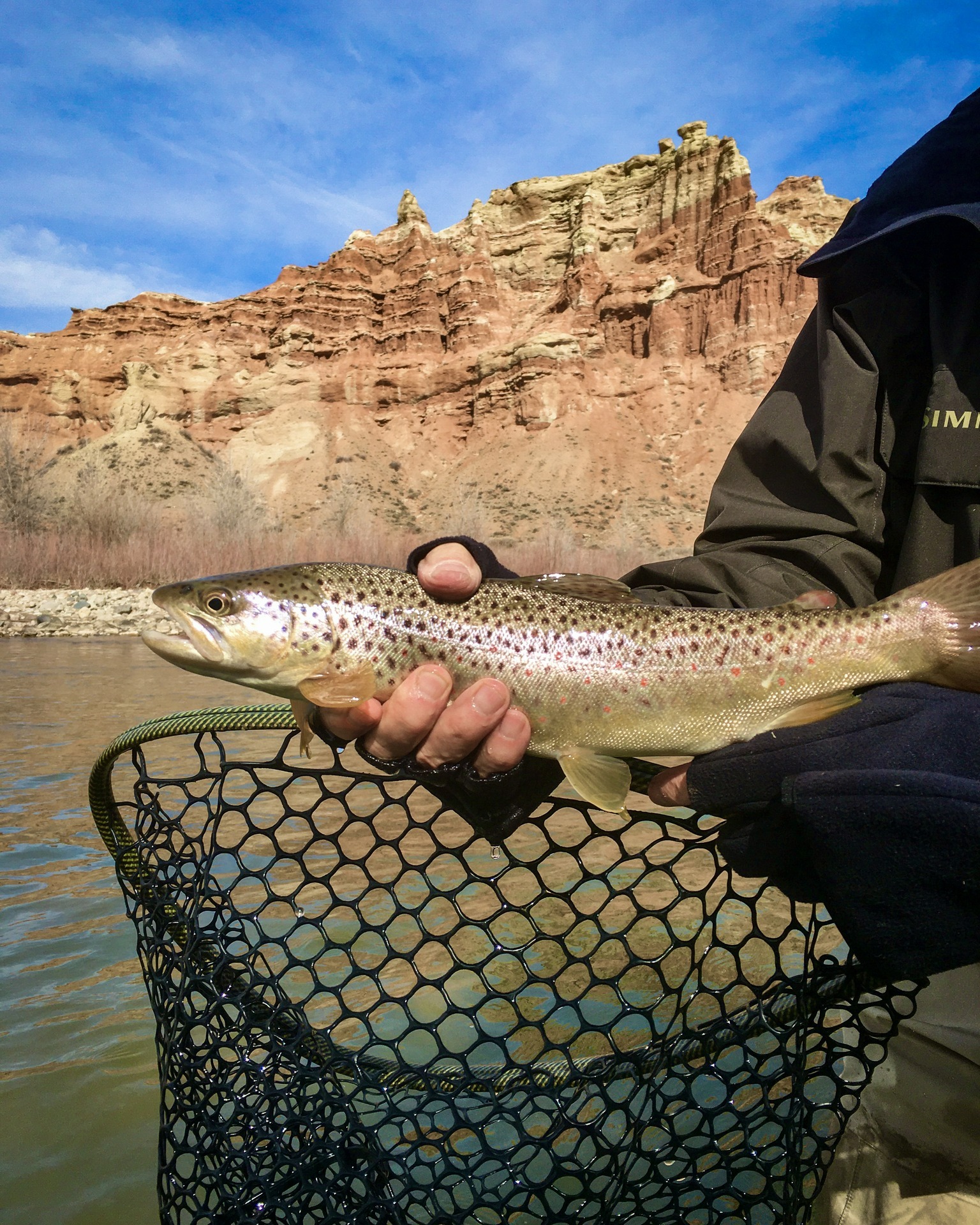
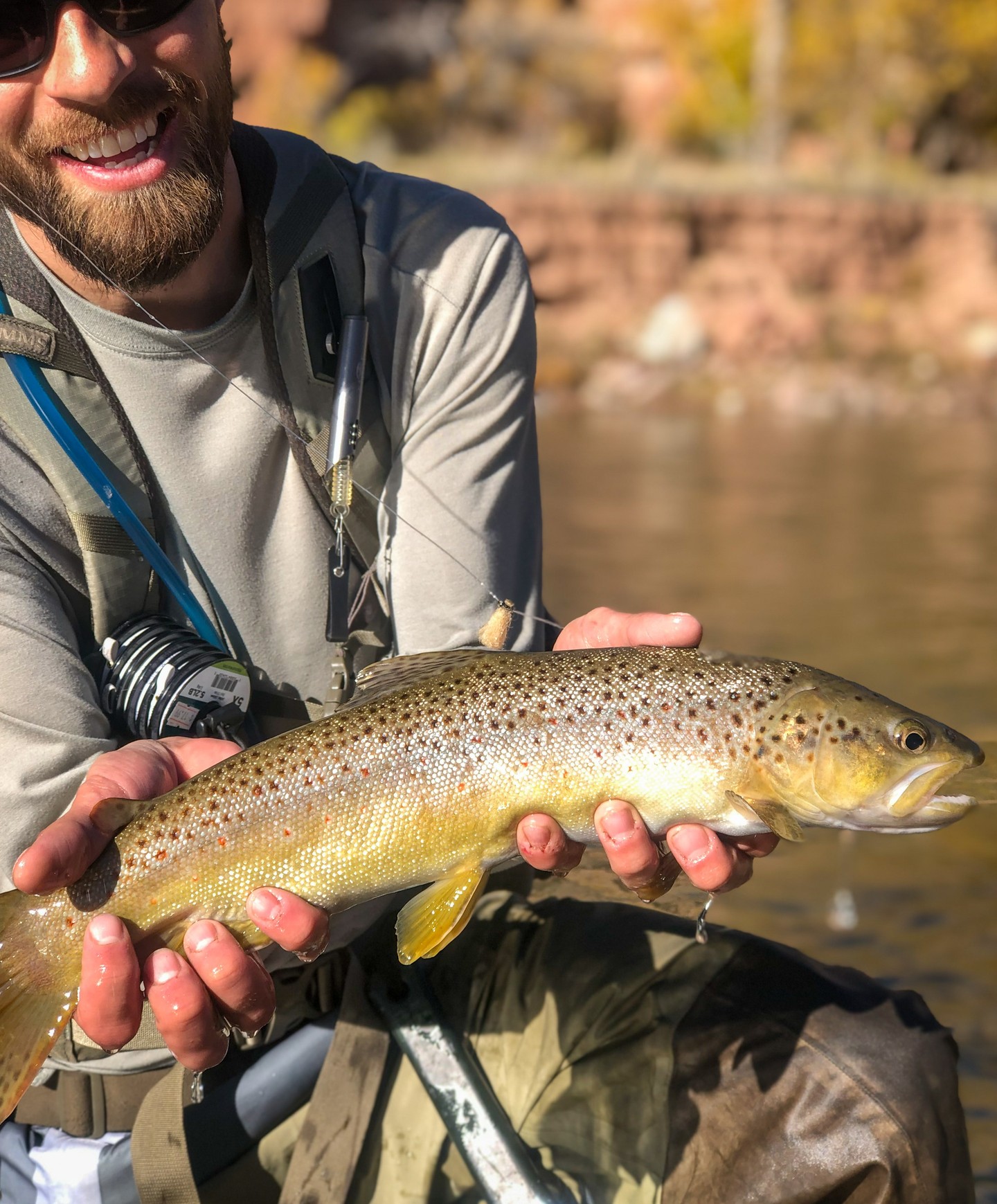
Brown Trout are the craftiest fish you'll encounter on this trip, and landing one feels like winning the lottery. These backcountry browns are incredibly wary and tend to hold in the deepest, most protected water they can find. They're typically the largest fish in these systems, with specimens pushing 18-20 inches not uncommon. Early morning and late afternoon are prime time, and they have a serious attitude when hooked. Browns up here feed heavily on terrestrials that blow in from the surrounding meadows, so having grasshopper and ant patterns in your box is essential during summer months.
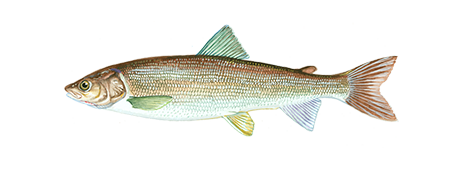
Mountain Whitefish don't get the respect they deserve, but they're incredibly fun on light tackle and a sign of healthy, clean water. These native fish are perfectly adapted to these high-elevation streams and can be surprisingly aggressive when feeding. They typically run 10-14 inches and have this unique way of fighting that's different from trout – more of a steady, determined pull. They're especially active during overcast conditions and love small nymphs and emerger patterns. Plus, they're beautiful fish with subtle coloring that fits perfectly with the alpine environment.
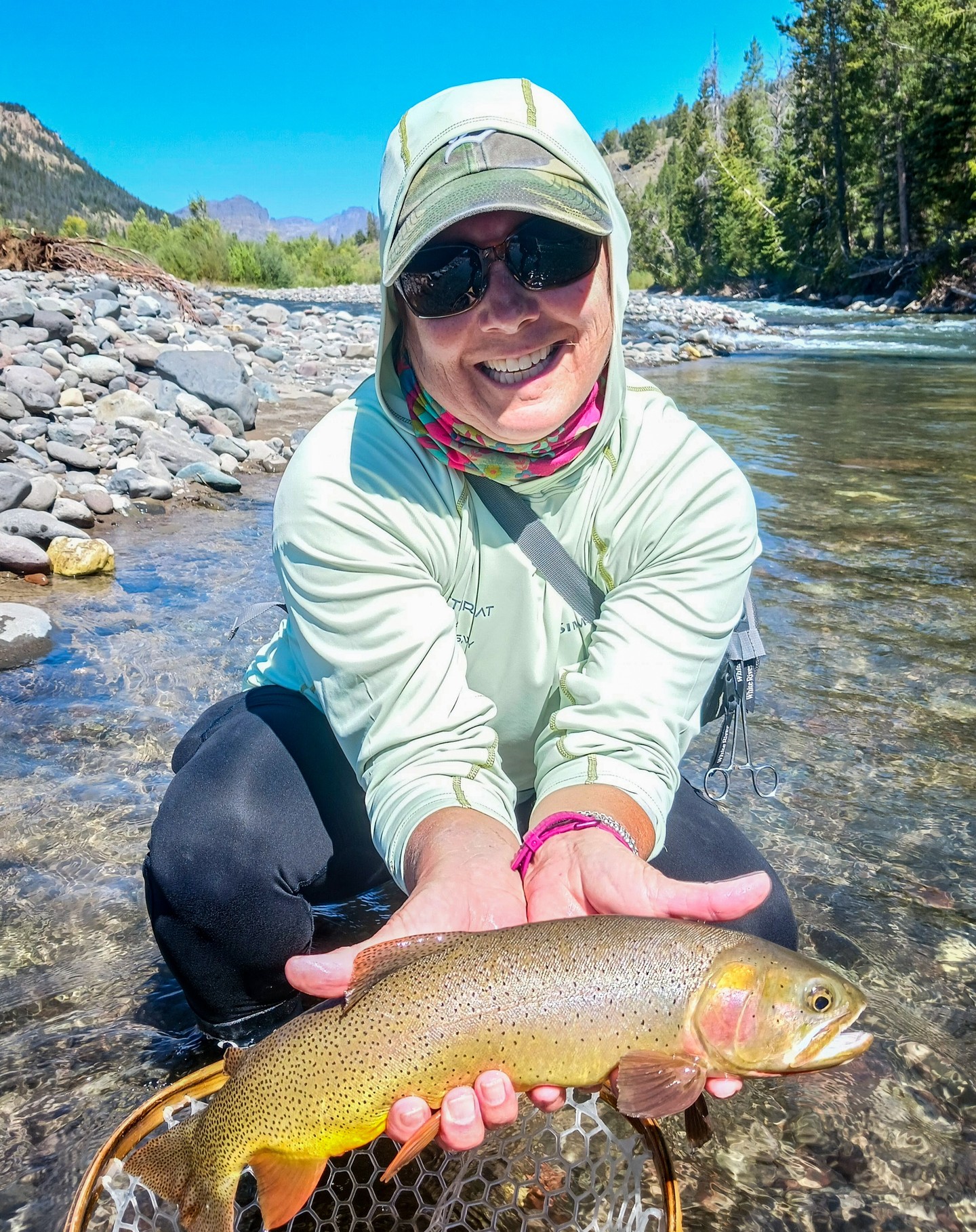
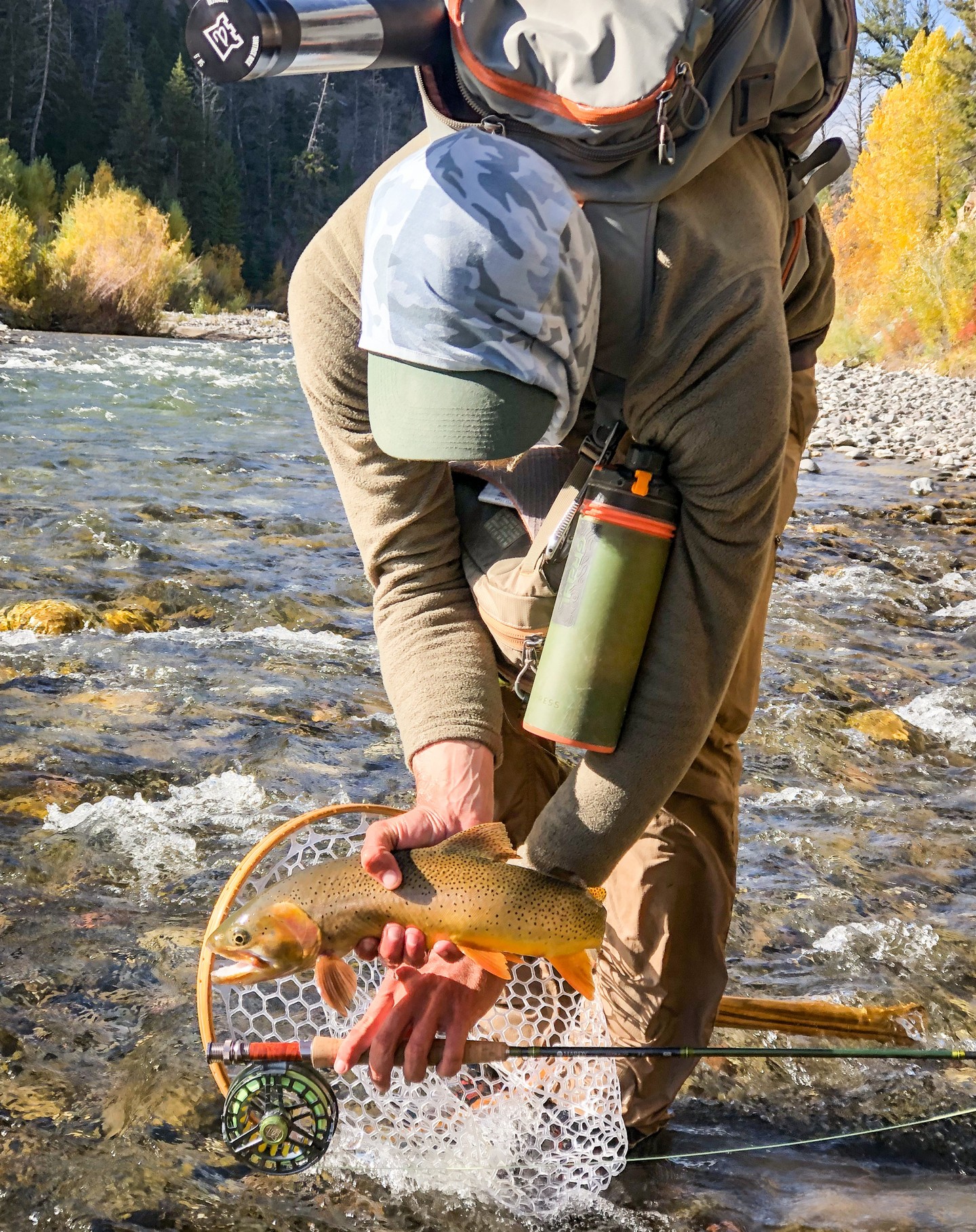
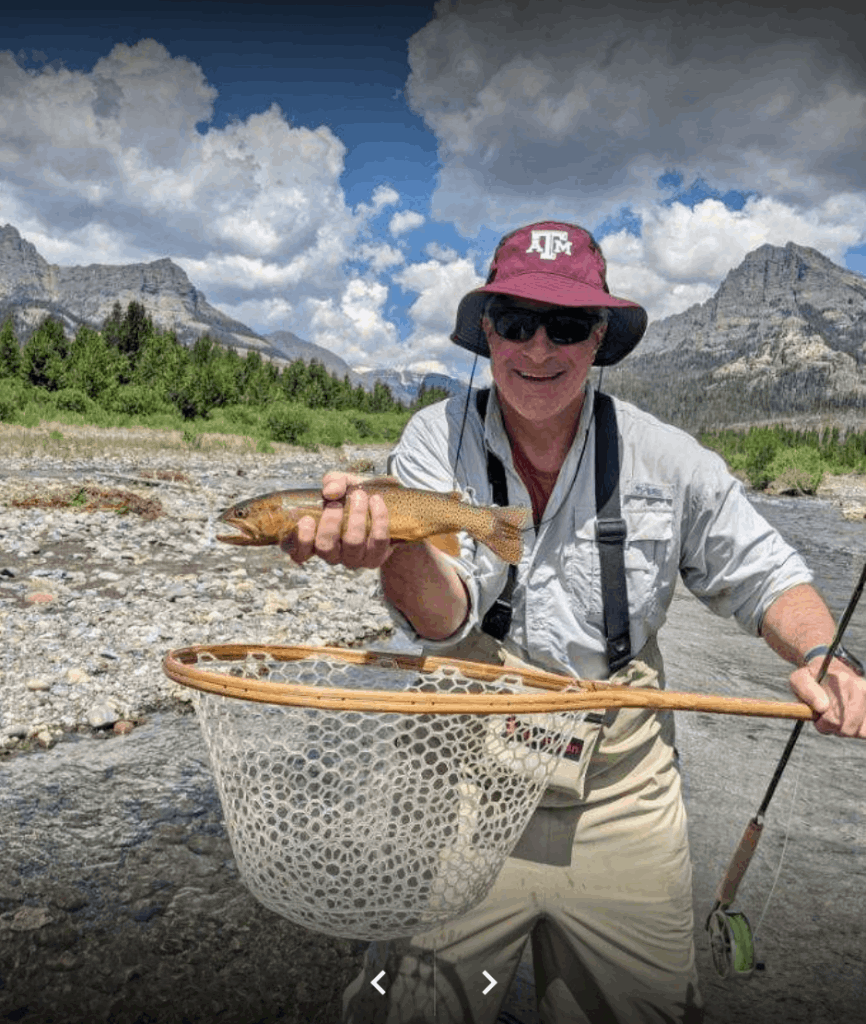
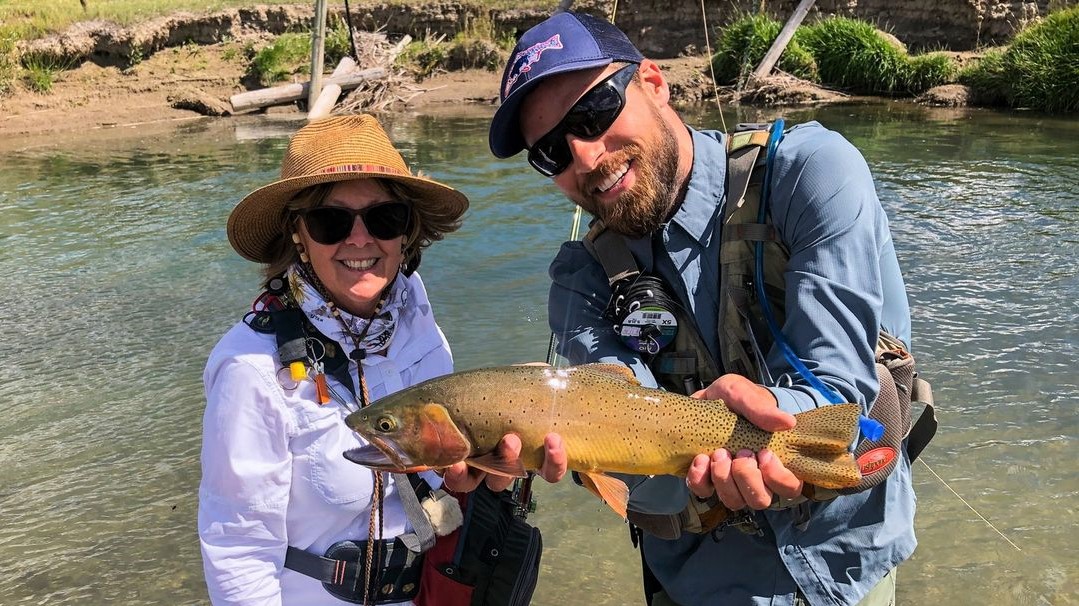
Cutthroat Trout are the crown jewel of Wyoming's backcountry waters, and catching native Cutts in their home territory is something every angler should experience. These fish have that distinctive red slash under their jaw and a willingness to eat that makes them incredibly fun to target. They're typically more aggressive than browns but warier than rainbows, striking a perfect balance that keeps things interesting. Cutthroats in these systems usually run 14-18 inches and are absolutely gorgeous fish with coloring that varies based on their specific drainage. They're also more forgiving of presentation mistakes than other species, making them great fish for anglers still dialing in their backcountry techniques.
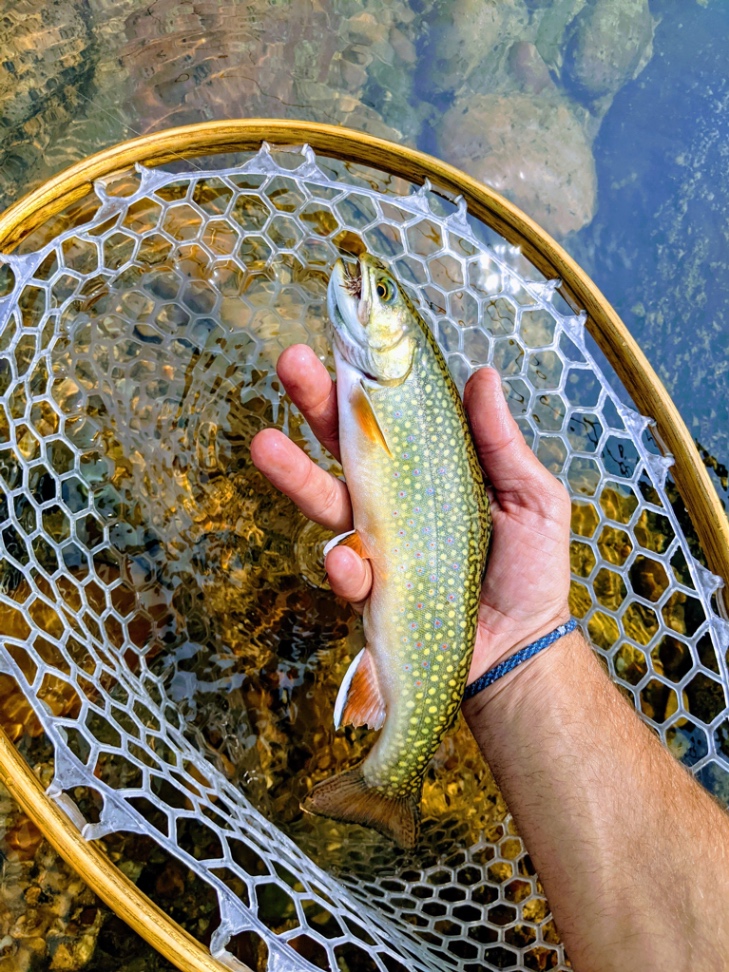
Brook Trout in these waters are like little jewels – incredibly beautiful fish with amazing coloration that really shows off in the clear mountain water. They're typically smaller than the other species, usually 8-12 inches, but what they lack in size they make up for in pure beauty and willingness to eat. Brooks are often found in the higher elevation waters and smaller tributaries, and they're incredibly aggressive during feeding periods. They love small dry flies and are often the most cooperative fish when conditions get tough. Their spawning colors in late summer and fall are absolutely spectacular, with orange and red hues that have to be seen to be believed.
Time to Book Your Spot
This full-day backcountry experience combines
 Private Trip
 Backcountry Fishing
 Dubois, WY



 Full-day backcountry fly fishing in remote Wyoming wilderness