Want Better Catches? Start Fishing with Guides Who Know the Water
Fish with expert guides who know the water. Learn how guided fishing trips improve catch rates, techniques, and on-the-water decision making.
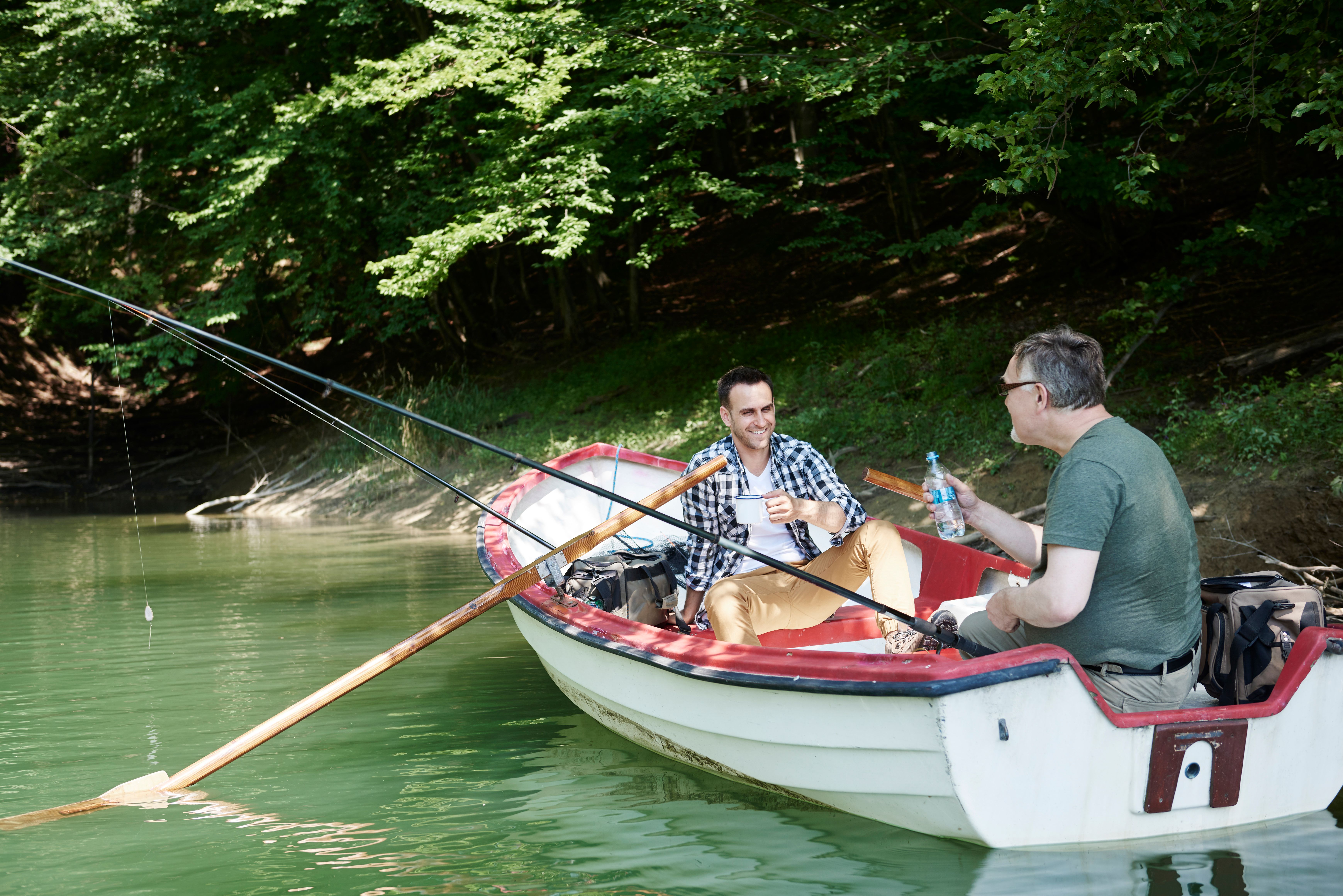


Every angler remembers the trips that delivered steady action and memorable fish. Those days matter because they remind us why we fish in the first place. Most anglers want to catch more fish, not spend hours guessing what might work. That is where an expert fishing guide changes everything. Guides rely on local fishing knowledge built from daily time on the water, not luck. Through guided fishing trips, anglers gain access to proven spots, smarter techniques, and confident decisions. The result is simple. More bites, less guesswork, and a smoother day on the water. A guide removes uncertainty and replaces it with clear direction and refined strategy, creating the best fishing experience possible. This article explains how guides improve results and why fishing with locals works for anglers everywhere today.
The Real Role of Fishing Guides on the Water
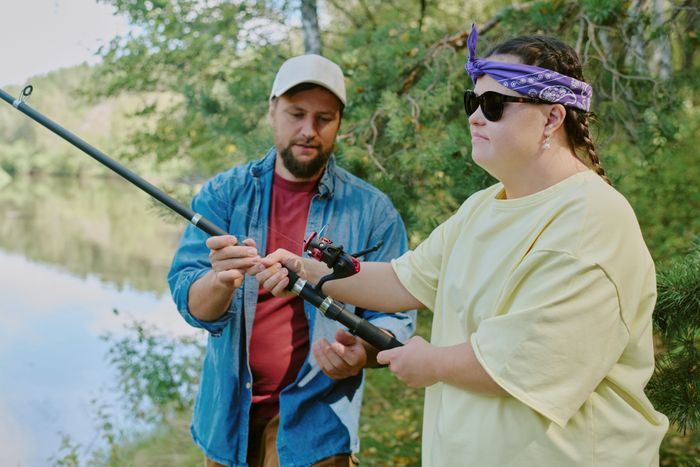
A fishing guide is more than someone who shows up with a boat and gear. A professional guide is a strategist, observer, and teacher whose focus is on helping anglers catch more fish through smart, informed decisions. Guides rely on experience built from daily time on the water, not guesswork or luck.
They bring value in several key ways:
Local fishing knowledge: Guides understand seasonal fish movement, water temperature shifts, bait patterns, and how fishing pressure affects behavior. This knowledge helps place anglers where fish are actively feeding.
Reading the water: Guides recognize subtle clues like current direction, depth changes, surface activity, and water color. These signs reveal where fish are holding and when they are likely to bite.
Pattern recognition: When fish respond at a certain depth, structure, or presentation, guides quickly expand that pattern across similar areas. This leads to more consistent action instead of random casting.
Adaptive decision making: Conditions change throughout the day. Guides adjust locations, techniques, and lure choices before slow periods turn into frustration.
Skill-based trip planning: Guides tailor each trip to the angler’s experience level. Beginners receive clear instruction and simple techniques, while experienced anglers gain advanced strategies and refined presentations.
This combination of strategy, observation, and instruction is why guided fishing trips consistently produce better results and a smoother, more enjoyable experience on the water.
Top Reasons Guided Trips Lead to Better Catches
Guided trips consistently outperform solo outings because guides remove uncertainty from every part of the fishing process. Each decision is backed by experience, not trial and error. Below are the key reasons guided fishing trips help anglers catch more fish with greater consistency.
Local Water Knowledge
One of the biggest advantages of local guided fishing is access to deep, location-specific insight. Guides know the best fishing spots because they fish the same waters day after day. They understand hidden structure, underwater transitions, and how water flow influences fish positioning.
This local fishing knowledge helps anglers avoid unproductive water and focus on proven local fishing hotspots. Instead of searching blindly, guides place anglers where bites are already happening, which helps maximize catch rate early and often.
Tailored Techniques and Strategy
Guides do not rely on generic approaches. They teach fishing techniques for big catches that are suited to the water body, target species, and conditions. This includes selecting the right casting strategy, adjusting retrieve speed, and choosing effective bait selection for the moment.
Techniques like jigging, trolling, or finesse presentations are applied based on how fish are behaving locally. These expert fishing techniques are refined through constant on-the-water testing, not theory.
Gear and Tackle Insights
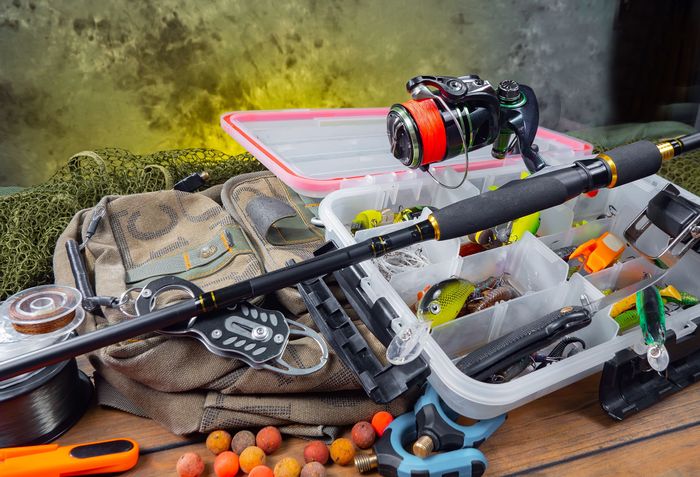
Using the wrong gear can limit success even in good water. Guides eliminate that issue by providing or recommending the best fishing gear for guided trips. This includes matching rod action, reel size, line strength, and lure type to the target species.
With proper rod and reel recommendations, anglers spend less time fixing problems and more time fishing efficiently. The right setup leads to better lure control, stronger hook sets, and more landed fish.
Learn While You Fish
Guides do not just tell anglers where to cast. They explain why certain spots work and how specific adjustments lead to bites. These fishing tips from an expert guide help anglers understand fish behavior in real time.
Learning how to catch more fish tips on the water builds confidence and improves results on future solo trips. Anglers leave with skills they can apply long after the trip ends.
Higher Safety and Confidence
Fishing in unfamiliar water brings risks. Changing weather, strong currents, tides, and boat traffic can quickly create unsafe situations. Guides prioritize safe fishing practices by monitoring conditions and making smart decisions throughout the day.
These guided trip safety tips allow anglers to relax and focus on fishing instead of navigation or hazards. Confidence on the water leads to better concentration, better technique, and ultimately better catches.
Together, these advantages explain why anglers who fish with guides consistently see stronger results and enjoy a smoother, more productive experience on the water.
How Guide Knowledge Improves Catch Rates for Different Species
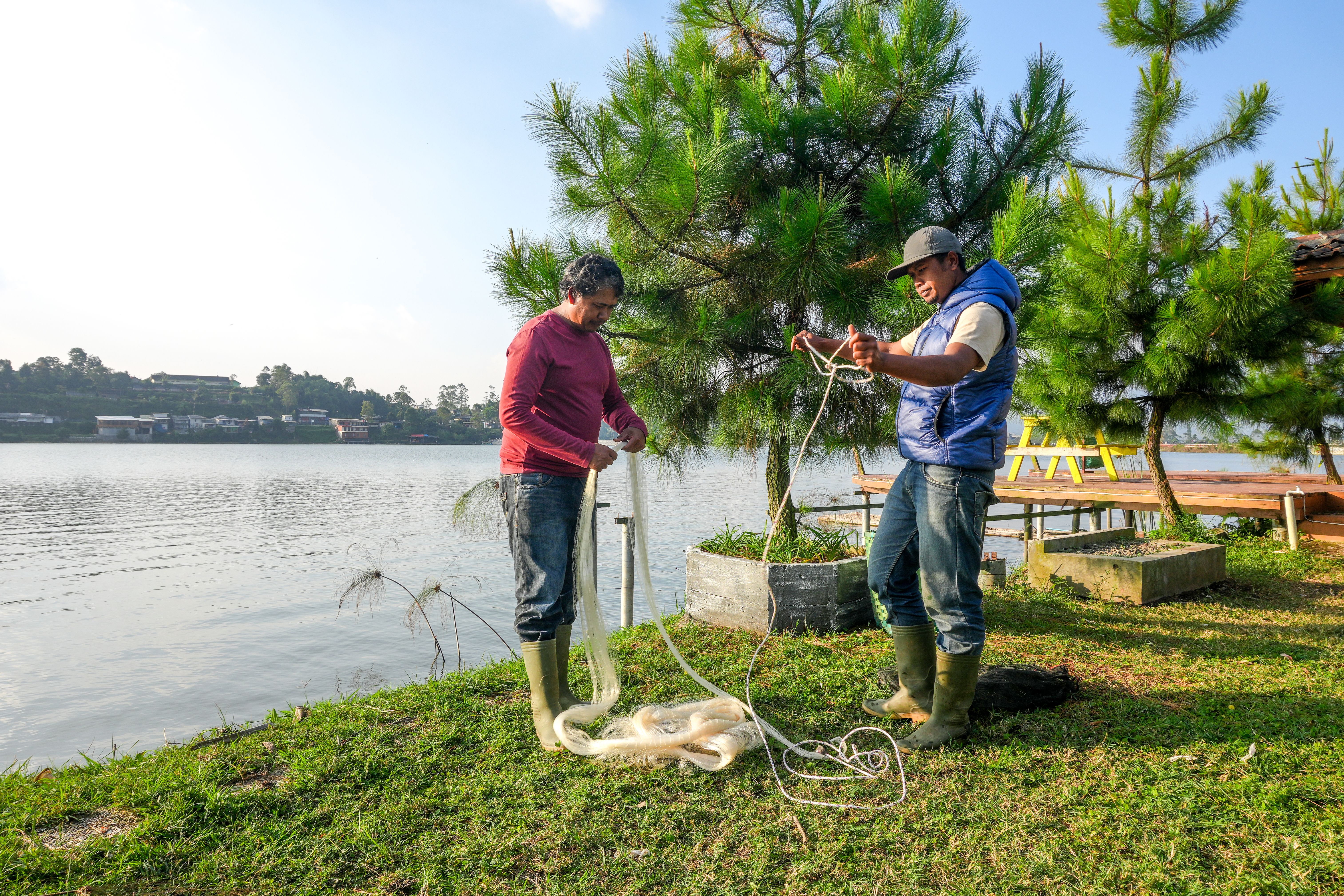
Different fish behave in very different ways. What works for one species may fail completely for another. This is where guide expertise becomes critical. Guides understand how each species uses its environment, which directly improves catch rates.
Bass: How Guides Read Bass Habitat and Structure
Bass relate heavily to structure. Guides know how bass use points, ledges, submerged vegetation, docks, and drop-offs throughout the day. They understand when bass hold tight to cover and when they roam open water chasing bait.
Using this local fishing knowledge, guides position anglers at the right depth and structure based on season and conditions. They adjust lure size, speed, and angle to match bass behavior. This removes guesswork and helps anglers catch more fish consistently. Guided insight into bass movement patterns dramatically boosts catch odds by keeping anglers fishing productive water.
Trout: Reading Rivers and Seasonal Behavior
Trout fishing requires understanding water flow. Guides read rivers by identifying holding areas such as current breaks, seams, pools, and runs. They know how trout position themselves to conserve energy while feeding efficiently.
Seasonal changes play a major role. Guides adjust tactics based on water temperature, insect activity, and river levels. This knowledge allows them to select proper presentations and drift paths. With guidance rooted in trout behavior, anglers avoid wasted casts and increase hookups. This species-specific approach significantly improves catch success on every guided fishing trip.
Saltwater Gamefish: Tidal Movement and Bait Selection
Saltwater fish respond strongly to tides and bait movement. Guides track tide cycles, current speed, and bait presence to predict when fish will feed. They know how fish position themselves along channels, reefs, and shorelines during moving water.
Proper bait selection is equally important. Guides match bait size and presentation to what fish are actively feeding on. This precise timing and positioning give anglers an edge. With guide expertise directing every decision, anglers experience higher strike rates and more efficient fishing, increasing overall catch odds in saltwater environments.
Across species, guided knowledge replaces uncertainty with strategy, leading to better results and more confident anglers on the water.
Guide-Led Techniques That Boost Catch Success
Fishing guides rely on systems that work in real conditions, not theories. These are some of the best fishing techniques 2025 anglers can learn because they are applied daily during guided fishing trips. Each technique focuses on efficiency, adjustment, and understanding fish behavior.
Reading the Water and Spot Selection
Guides begin every trip by studying the water before making a cast. Knowing how to read water for fish allows them to eliminate unproductive areas quickly and focus on high-percentage zones.
Guides apply this skill by watching for:
Depth changes, drop-offs, and underwater structure
Current direction, seams, and slower holding areas
Surface activity, bait movement, and subtle disturbances
In the field, guides test these spots early and expand successful patterns to similar areas nearby. This approach keeps anglers fishing where fish are already present, improving consistency and confidence.
Bait and Lure Selection Based on Conditions
Bait and lure choice is never random during techniques for guided fishing trips. Guides adjust presentations based on what fish are responding to at that moment.
They evaluate factors such as:
Water clarity and light levels
Water temperature and seasonal phase
Fish activity and feeding aggression
Guides then fine-tune lure size, color, retrieve speed, and depth. These small adjustments often trigger bites when standard approaches fail, helping anglers understand how precision leads to better results.
Seasonal Timing and Fish Behaviour
Fish location and feeding habits change throughout the year. Guides plan trips around these seasonal shifts to stay ahead of fish movement rather than reacting late.
They focus on:
When fish move shallow or deeper during seasonal transitions
How weather patterns influence feeding windows
Timing trips around peak activity periods
By applying seasonal knowledge daily, guides help anglers fish during productive windows instead of forcing bites. This awareness significantly improves overall catch success and creates a smoother fishing experience on every trip.
This blend of observation, adjustment, and timing is what allows guides to turn knowledge into consistent results.
Real Stories: Experiences With Guides That Changed the Catch Game
Many anglers book a guided trip after struggling to find consistency on their own. One angler shared, “I used to fish the same spots every trip and hoped for the best. Fishing with a guide showed me how much I was missing. Within the first hour, I caught more fish than I had in several previous outings combined.” That moment often marks a shift from guessing to fishing with intention.
Guides also see the change firsthand. A local guide recalled working with an experienced angler who believed his technique was solid. After adjusting depth and presentation based on fish movement, the bites started immediately. “Once he saw how small changes made a big difference, everything clicked,” the guide explained. The angler left not just with fish, but with a clearer understanding of why those fish bit.
These before-and-after experiences build confidence. Anglers return home with new skills, sharper instincts, and a better approach to future trips. That emotional connection, combined with real results, is why many anglers say their first guided trip permanently changed how they fish.
How to Choose the Right Guide for Better Catches
Choosing the right guide plays a major role in how successful your trip will be. A good guide does more than put you on fish. They communicate clearly, adapt to conditions, and help you understand what is happening on the water. Taking a few minutes to evaluate the guide before booking can greatly improve your overall experience and results.
When comparing options, focus on these key factors:
Check reviews and feedback: Look for consistent comments about catch success, communication, patience, and professionalism. Reviews often reveal how guides handle changing conditions.
Species expertise: Make sure the guide regularly targets the species you want to catch. A guide experienced with bass may not be the best choice for trout or saltwater gamefish.
Water body knowledge: Guides should specialize in the specific lake, river, or coastal area you plan to fish. Familiarity with that water leads to better positioning and timing.
Trip style and approach: Some guides focus on teaching, while others prioritize covering water quickly. Choose a style that matches your goals and experience level.
Before booking, ask direct questions to evaluate fit:
What local patterns are working right now?
What techniques do you typically teach during a trip?
How do you adjust when conditions change?
What kind of results do anglers usually see on similar trips?
Clear answers show confidence and experience. When a guide can explain their process and past success, it often leads to better catches and a more rewarding day on the water.
Planning Your Guided Trip With Guidesly
Planning a guided fishing trip should feel simple and stress-free. Guidesly makes it easy for anglers to connect with experienced guides who know their local waters. Instead of guessing where to start, anglers can compare options, understand what each trip offers, and book with confidence. This streamlined process helps ensure every guided fishing trip is matched to your goals, experience level, and target species.
Use this quick checklist when booking through Guidesly:
Choose your location: Select the lake, river, or coastal area you want to fish. Local guides specialize in specific waters, which leads to better positioning and timing.
Pick your target species: Narrow your search based on the fish you want to catch. Guides with species-focused experience deliver more consistent results.
Match your skill level: Whether you are a beginner or an experienced angler, Guidesly allows you to find guides who tailor trips to your comfort and experience.
Select trip duration: Choose a half-day or full-day trip based on your goals and schedule. Longer trips often allow more time to adjust patterns and explore productive areas.
With clear options and direct communication, Guidesly helps anglers spend less time planning and more time enjoying a productive day on the water.
Conclusion
Fishing with a guide is one of the most effective ways to catch more fish because it removes uncertainty from every decision on the water. Guides apply local fishing knowledge, proven techniques, and real-time adjustments to keep anglers fishing productive areas. With expert gear advice, refined presentations, and a strong focus on safety, anglers gain confidence quickly and enjoy the experience more. Each trip becomes both productive and educational, helping anglers improve long-term. If you want fewer slow days and better results, book a guided trip through Guidesly and fish with experts who truly know the water.
FAQs
1. Are guided fishing trips worth the cost?
Guided trips cost more upfront, but they often save money by reducing wasted outings, lost gear, fuel expenses, and trial-and-error purchases over time, for long-term value.
2. Can families or groups book guided fishing trips?
Most guides accommodate families, beginners, or corporate groups, adjusting pace, instruction style, and expectations so everyone stays engaged without feeling rushed or overwhelmed during trips.
3. Do fishing guides handle licenses and permits?
Licensing requirements vary by state or country, but reputable guides typically handle permits, insurance, and regulatory compliance so anglers focus purely on fishing activities safely.
4. What happens if the weather cancels a guided trip?
Weather cancellations depend on safety conditions; guides usually monitor forecasts closely and reschedule trips or issue refunds rather than fish in unsafe situations unexpectedly offshore.
5. Is tipping expected on guided fishing trips?
Tipping practices vary, but many anglers tip guides similarly to service professionals, typically based on effort, instruction quality, and overall experience satisfaction during guided trips.
6. Are guided trips only for beginner anglers?
Guided trips suit experienced anglers too, offering fresh perspectives, new water access, and advanced refinements that challenge habits developed through years of independent fishing experiences.
7. Can anglers share a guided fishing trip to reduce cost?
Private guided trips allow customization, while shared trips lower costs; availability depends on guide preference, season, and local demand patterns within specific fishing regions yearly.
8. How far in advance should guided trips be booked?
Booking early is recommended during peak seasons, as popular guides fill calendars quickly, especially around holidays, migrations, or prime weather windows for many fisheries worldwide.
9. Do anglers need to bring their own fishing gear?
Most guides provide core equipment, but anglers should confirm specifics beforehand, including licenses, personal items, clothing needs, and food arrangements based on the planned trip duration.
10. When is the best time to book a guided fishing trip?
Guided trips help shorten learning curves, making them valuable before travel fishing, competitions, or exploring unfamiliar fisheries independently later during different seasons, conditions, and locations worldwide.