Why the Best Fishing Trips Always Start with the Right Guide
See how choosing the right fishing guide leads to better locations, better techniques, and a more successful trip.


The best fishing trips rarely happen by accident. Anglers who consistently enjoy strong bites, smooth days on the water, and memorable catches usually start with the right fishing guide. Guided trips outperform unguided trips because guides remove guesswork, shorten learning curves, and put anglers where fish are actually feeding. Instead of relying on luck or outdated tips, a guide applies local knowledge, proven techniques, and real-time decisions that lead to better results. This article explains the key fishing guide benefits, including how guides find productive water, teach effective techniques, target specific species, and manage safety and conservation. You will also see why hiring a fishing guide increases fishing success, improves overall trip satisfaction, and delivers lasting learning value that stays with you long after the trip ends completely today.
What Is a Fishing Guide and Why Does It Matter?
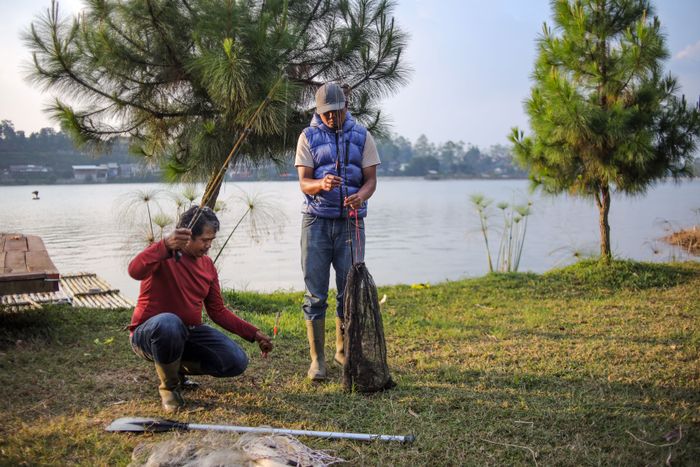
A fishing guide is a trained local fishing expert who specializes in helping anglers fish specific waters more effectively. The fishing guide role goes far beyond driving a boat or pointing to a spot. Guides plan trips around conditions, read water in real time, adjust techniques, and keep anglers positioned where fish are actively feeding. Their value comes from deep familiarity with local structure, seasonal movements, and daily fish behavior. Guides also provide hands-on instruction, showing anglers how to cast, present lures, and respond to bites correctly. Just as important, they manage safety by monitoring weather, navigation, and regulations. The benefits are clear. Higher catch rates, practical knowledge transfer, fewer mistakes, and a smoother overall experience. Understanding what a fishing guide is explains why guided trips consistently deliver better results and more satisfying days on the water.
Why the Right Guide Changes Everything on the Water
The difference between an average outing and one of the best fishing trips often comes down to who is guiding the day. The right guide brings structure, confidence, and clarity to every decision made on the water. Instead of reacting to slow bites or changing conditions, guides anticipate them. Their experience turns uncertainty into a plan, allowing anglers to spend more time fishing effectively and less time guessing. This is where real value shows up, not just in catches, but in smoother trips, better pacing, and a more enjoyable overall experience.
Local Knowledge Wins Trips
Local knowledge is the strongest advantage a fishing guide brings to any trip. Fish constantly shift locations based on weather, water temperature, current, tides, and pressure. A guide who knows the water understands these patterns and adjusts before problems arise. Instead of starting where fish were yesterday, guides start where fish are feeding today.
Guides recognize seasonal movements, subtle structure changes, and bait activity that most anglers overlook. They know when fish slide shallow, hold deeper, or stage along transitions. This allows them to put anglers in productive water quickly.
Crowded spots and low productivity areas are also avoided. When pressure builds or bites slow, guides move with purpose, keeping anglers on active fish and maximizing time on the water rather than waiting on luck.
Gear, Techniques, and Skill Building With Guides
Guides do more than take anglers to productive water. They help anglers learn to fish with a guide by teaching practical fishing techniques that work in real conditions. Instead of using one-size-fits-all methods, guides explain why certain approaches work and how small adjustments improve results. This turns each trip into a learning experience, not just a fishing outing.
How guides teach and adjust techniques
Demonstrate proper casting, line control, and lure presentation based on current conditions
Select the best fishing gear for the species, depth, and structure being fished
Adjust retrieve speed, bait choice, and presentation angles throughout the day
Why hands-on instruction outperforms DIY trips
Mistakes are corrected immediately instead of repeated
Anglers learn faster by seeing and feeling what works
Techniques transfer easily to future trips without guidance
This mix of explanation and real-time coaching builds confidence quickly and gives anglers skills they can rely on long after the trip ends.
Targeting Fish Species Like a Pro
One of the biggest advantages of fishing with a guide is the ability to target fish species intentionally instead of fishing blindly. Guides understand how different species behave throughout the year and use that knowledge to focus on the best fish to catch under current conditions. By planning trips around seasonal movements and feeding patterns, guides help anglers spend more time on active fish and less time guessing.
Bass: Guides target bass around structure such as docks, grass lines, points, and submerged cover. Techniques change with the season, using shallow presentations during warmer periods and deeper structure when water temperatures drop.
Trout: Trout are approached with precision. Guides focus on current breaks, deeper runs, and cooler water where trout naturally hold. Presentations are adjusted to match water flow and insect or bait activity.
Walleye: Walleye are targeted along drop-offs, ledges, and low-light feeding zones. Guides time trips around dawn, dusk, or night conditions when walleye are most active and aggressive.
Redfish: Redfish are commonly found cruising shallow flats, marsh edges, and tidal zones. Guides use sight fishing and tide-based strategies to intercept feeding fish without spooking them.
By applying species-specific strategies and seasonal insight, guides help anglers fish with purpose, improve catch consistency, and understand how to adapt tactics for future trips.
Safety and Conservation: Guides Take Responsibility
A productive fishing trip is only successful when safety and conservation come first. Experienced guides follow proven fishing safety tips to protect anglers while adapting to changing conditions on the water. They handle navigation, monitor weather shifts, and prepare for emergencies so trips stay smooth and stress-free. This allows anglers to focus on fishing without worrying about risks or unexpected situations.
How guides manage safety on every trip
Navigate safely through changing water levels, currents, and boat traffic
Track weather patterns and adjust plans before conditions become unsafe
Carry and maintain safety equipment and follow emergency protocols
Beyond safety, guides promote responsible fishing through an ethical approach to the resource. They encourage sustainable fishing by teaching proper fish handling, careful catch and release, and respect for sensitive habitats.
How guides support conservation
Demonstrate correct fish handling to reduce stress and injury
Promote ethical catch-and-release practices
Avoid damaging spawning areas, vegetation, and shoreline habitats
By combining safety awareness with conservation-minded practices, guides help anglers enjoy fishing today while protecting the waters and fish populations for the future.
Planning the Perfect Guided Fishing Trip
Knowing how to plan a fishing trip with a guide can make the difference between a smooth, productive outing and a frustrating one. Good planning starts before you ever step on the boat. Understanding what to know before booking a fishing trip helps anglers choose the right guide, prepare properly, and get the most value from the experience. A clear plan allows guides to tailor the trip to your goals and conditions.
Getting Started With Trip Planning
Decide which species you want to target and the time of year
Research local waters and seasonal patterns
Review guide profiles, experience, and trip details
Choosing the right guide
Look for guides with proven experience on the specific water you want to fish
Match the guide’s fishing style with your skill level and goals
Read reviews to understand the teaching approach and communication style
Why early booking and clear expectations matter
Popular guides fill up quickly during peak seasons
Early booking allows better trip planning around ideal conditions
Clear communication about goals, skill level, and expectations improves results
Guided fishing trip checklist
Valid fishing license and required permits
Weather-appropriate clothing and sun protection
Personal items, snacks, and any recommended gear
With the right preparation and communication, guided fishing trips run smoother, produce better results, and deliver a more enjoyable experience from start to finish.
Real Stories: Guided Trips That Delivered
Nothing explains the value of a guide better than real fishing trip stories from anglers who have experienced the difference firsthand. Many anglers arrive frustrated after slow, unproductive days on the water. A strong guided fishing experience often changes everything.
One angler spent years fishing the same lake with inconsistent results. Most trips ended with a few short strikes and long stretches of guessing. After booking a guided trip, the difference was immediate. The guide adjusted locations based on water temperature, switched techniques mid-morning, and explained why each move mattered. By midday, the angler had landed more fish than in the previous several trips combined and left with a clear understanding of patterns they could repeat.
Another angler, new to saltwater fishing, struggled with tides and fish movement. Before hiring a guide, trips felt rushed and confusing. With a guide, timing became intentional. The guide explained tidal flow, positioned the boat correctly, and coached each cast. The result was consistent action and a relaxed, confident day on the water.
These before-and-after experiences show how guided trips turn uncertainty into clarity, leading to better results and more enjoyable fishing overall.
Common Misconceptions About Hiring a Guide
Many anglers hesitate to book a guide because of common myths that do not reflect real value. Understanding these misconceptions helps anglers make informed decisions and see why guided trips often deliver more than expected.
Myth: Guides are only for beginners
This is one of the most common misconceptions. While guides are excellent teachers for new anglers, experienced anglers also benefit. Guides help seasoned fishermen learn new waters, refine techniques, and target unfamiliar species more efficiently.Myth: Guided trips are too expensive
When compared to the cost of fuel, gear, wasted time, and unproductive trips, guided fishing often delivers better value. One successful guided trip can replace several frustrating outings while providing skills that last for years.Myth: A guide guarantees fish every time
No one can control nature. However, guides dramatically increase the odds by making informed decisions based on conditions, experience, and local knowledge.
The real value of hiring a guide is not just catching fish. It is saving time, learning faster, and enjoying a more productive and satisfying fishing experience.
Conclusion
Choosing the right fishing guide shapes the entire experience on the water. Guides bring clarity to changing conditions, teach techniques that improve future trips, and help anglers fish with purpose rather than guesswork. The value shows up in better locations, smarter presentations, safer outings, and a deeper understanding of fish behavior. Whether you are learning a new fishery or refining advanced skills, a guided trip accelerates progress and reduces frustration. If your goal is more consistent success and greater enjoyment, explore guided fishing trips, species insights, and local experts on Guidesly and plan your next outing with confidence today.
FAQs
1. Are guided fishing trips suitable for all types of anglers?
Guided trips suit families, solo anglers, and groups because guides adjust pacing, instruction level, and trip structure to match comfort, attention spans, and goals easily.
2. Do fishing guides provide all equipment for the trip?
Most guides provide core equipment, but anglers should confirm inclusions beforehand since some trips require personal licenses, specialty gear, or weather-specific clothing for local conditions.
3. How far in advance should a guided fishing trip be booked?
Booking timelines depend on season and location, but popular guides often fill weeks ahead, especially during peak migrations, holidays, and stable weather windows each year.
4. Can guided trips help beginners improve quickly?
Guides help beginners progress faster by simplifying decisions, explaining fundamentals clearly, and providing immediate feedback that prevents frustration and builds confidence early during first trips.
5. Why do experienced anglers still hire fishing guides?
Experienced anglers hire guides to learn new fisheries, adapt to unfamiliar conditions, discover advanced tactics, and validate assumptions without spending seasons experimenting alone unproductively elsewhere.
6. How do guides customize trips for individual anglers?
Guides customize trips through pre-trip communication, asking about goals, abilities, preferred species, and learning interests to shape instruction and locations appropriately for each angler group.
7. Do weather changes usually cancel guided fishing trips?
Weather rarely cancels trips outright because guides adjust timing, locations, and methods, postponing only when safety risks outweigh productive fishing opportunities based on local conditions.
8. Are guided fishing trips good for children?
Children can benefit from guided trips when guides use patience, shorter sessions, simple techniques, and interactive teaching to keep experiences positive and engaging for them.
9. How do guided trips save time compared to fishing alone?
Guided trips reduce trial-and-error by focusing effort efficiently, saving time, fuel, and frustration while improving learning outcomes compared to independent exploration on unfamiliar waters.
10. What should first-time anglers expect on a guided trip?
First-time anglers should arrive open-minded, ready to ask questions, follow instructions, and observe details that accelerate understanding throughout the day with focus and curiosity intact.