How to Choose the Right Trip: 7 Questions You Should Ask
Booking a fishing trip? Ask these 7 key questions to match your time, experience, and target species before you book.


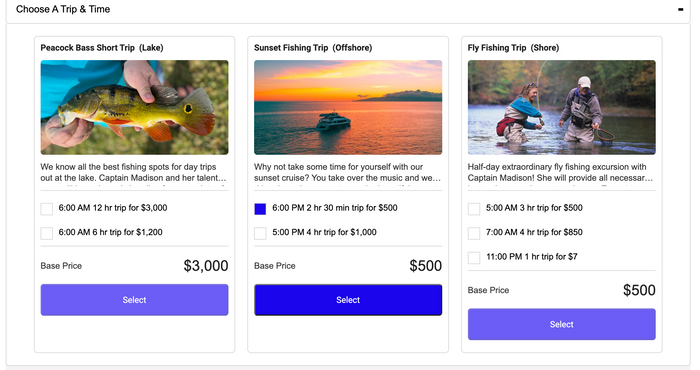
Choosing a fishing trip is not about planning an entire vacation, but about selecting the right guided experience that fits naturally into the travel plans you already have. Many anglers arrive with practical constraints, such as having one free morning, wanting to fish before a flight, or traveling with family and limited flexibility. Guidesly is designed for these real-world situations and works as a trip-selection platform rather than a tour package site. It allows you to view real availability, book with verified professionals, and understand pricing clearly before committing. Each option represents a specific experience with defined timing, location, and expectations. The goal is to help you make a confident choice without unnecessary planning or guesswork, using a clear 7-question decision framework built for people actively browsing and booking trips that must fit their schedule and priorities.
Why Picking the Right Trip on Guidesly Matters
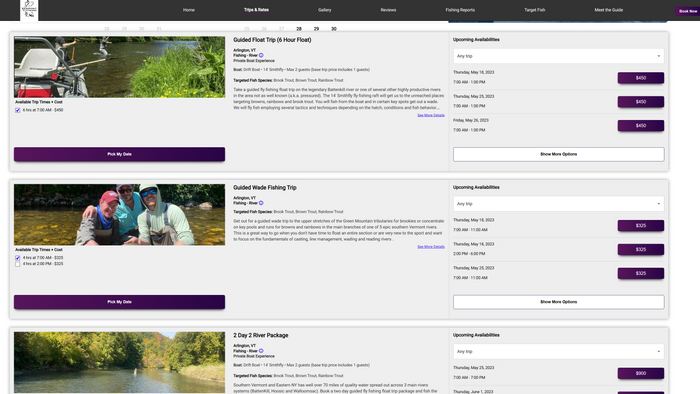
Unlike generic travel platforms, Guidesly lists specific fishing trips hosted by licensed guides. Each listing represents a real experience with defined timing, location, target species, and inclusions. You are not choosing a general activity. You are selecting a scheduled trip led by a professional guide who specializes in that water and style of fishing. Because of this, the quality of the experience depends heavily on choosing a trip that matches your needs, not just choosing a highly rated guide.
In most cases, the wrong choice is not a bad guide. It is a misfit trip. The trip may be too long for the time you have available. It may focus on species you are not interested in catching. It may not align with your arrival or departure times, creating unnecessary pressure. Guidesly already provides the information needed to avoid these issues. Trip duration, launch location, target species, skill level, and reviews are clearly listed. When you know what to look for, the decision becomes simple, focused, and far more likely to deliver the experience you expect.
The Guidesly Trip-Selection Checklist: 7 Questions to Ask Before Booking
Choosing the right fishing trip becomes much easier when you slow down and ask the right questions first. This checklist is designed to help you filter trips clearly, avoid mismatches, and book an experience that truly fits your time, goals, and expectations.
Question 1: What’s the Purpose of Your Trip?
Every fishing trip starts with a reason. Knowing what you want from the experience helps you choose a trip that delivers the right pace, focus, and outcome.
What do you want to get out of this fishing experience?
Some anglers book trips to chase big catches or target trophy fish. Others want to learn techniques they can use on future trips. Many travelers are looking for a relaxed outing with family, while some simply want quiet time on the water. Each purpose leads to a very different type of guided experience. A trip designed for fast action feels very different from one built around instruction or leisure.
Being clear about your goal prevents frustration later. A family-friendly trip may prioritize comfort and steady action, while a skill-focused trip may involve repetition and technical guidance. When your purpose is clear, expectations stay aligned.
How your goal connects to the right trip style
Different purposes align with different trip types. Deep-sea charters often focus on targeting larger species and longer time on the water. Fly fishing trips usually emphasize technique, precision, and learning. River fishing trips may balance instruction with exploration. Matching your goal to the right format ensures the trip structure supports what you want to achieve.
Why defining your purpose shapes every other decision
Once you know why you are booking the trip, other choices become easier. Trip length, target species, skill level, and even location all connect back to your purpose. Clarifying this first step helps you filter options quickly and choose a trip that feels intentional rather than accidental.
Question 2: When Are You Available and for How Long?
Time is often the biggest factor when choosing a fishing trip. Matching your available hours with the right trip length helps you avoid rushed experiences and unrealistic expectations.
Matching your free time with the right trip length
Guided fishing trips are typically offered as half-day, full-day, or multi-day experiences. Half-day trips work well when you have limited time, such as a free morning or afternoon. Full-day trips allow more flexibility to explore locations and adjust to conditions. Multi-day trips are best when fishing is the main focus of your travel. Choosing a trip longer than your schedule allows can create stress, while trips that are too short may feel incomplete. The key is selecting a duration that fits comfortably within your travel plans.
How seasonality influences timing and availability
Fishing seasons affect both trip availability and daily timing. During peak seasons, popular trips fill quickly, and guides may offer fewer open slots. Some species are more active during certain months or times of day, which can influence start times and trip success. Planning around seasonal patterns helps set realistic expectations and improves your chances of booking the right experience. Being flexible with dates or times can also increase availability during busy periods.
Aligning your schedule with real-time guide availability
Your free time window should align with when guides are actually available. Booking platforms show real-time schedules, which makes it easier to choose trips that fit your arrival and departure plans. Syncing your availability with open slots reduces last-minute changes and helps ensure a smooth, well-timed experience.
Question 3: What Species Do You Want to Target?
Choosing a target species brings focus to your search. It helps narrow trip options quickly and connects you with guides who specialize in the type of fishing experience you want.
Why selecting a target species simplifies your trip choice
Fishing trips are often designed around specific species, not just locations. Guides build their trips based on where certain fish are active, which techniques work best, and what equipment is needed. When you choose a species first, you instantly filter out trips that are not relevant. This saves time and helps you focus on guides who have proven experience targeting those fish. It also improves your chances of success because the trip is structured around conditions that favor your chosen species.
Common species anglers plan their trips around
Bass: Popular for beginners and experienced anglers alike, bass trips offer steady action, flexible timing, and a wide range of techniques across lakes, rivers, and reservoirs.
Trout: Often targeted in rivers and streams, trout trips focus on technique, presentation, and reading water conditions, making them ideal for learning and skill development.
Salmon: Seasonal and timing-dependent, salmon trips are often planned around specific runs and require patience, precise techniques, and an understanding of local conditions.
Offshore big game: These trips target larger species and usually involve longer durations, open water conditions, and a more intense, high-energy fishing experience.
How species choice aligns skill level and trip goals
Your target species should match your skill level and your reason for booking the trip. Some species are forgiving and great for learning, while others demand patience and technical skill. When your species choice aligns with your experience and goals, the trip feels balanced, achievable, and rewarding rather than frustrating or overwhelming.
Question 4: What’s Your Skill Level: Beginner, Intermediate, or Pro?
Choosing a fishing trip that matches your skill level has a direct impact on how comfortable and successful the experience feels. Guides structure trips differently depending on who they are hosting, so matching experience levels upfront avoids confusion and mismatched expectations.
Why choosing the right guide for your skill level matters
Not all guided trips are taught the same way. Some guides focus on teaching fundamentals to first-time anglers, while others assume advanced knowledge and move quickly. When the guide’s expertise matches your experience, communication improves, and the trip flows naturally.
Guides for beginners emphasize safety, patience, and clear instruction
Learning-focused trips allow time for questions and technique practice
Advanced trips prioritize efficiency, conditions, and strategic decisions
Skill-aligned trips reduce frustration and improve confidence
Skill level checklist and what to expect on the water
Understanding what each skill level typically involves helps you choose the right trip before booking. Guides design their trips around these expectations, so selecting the correct level leads to a better overall experience.
Beginner: Step-by-step instruction, provided gear, slower pace, basic techniques, and a strong focus on comfort and learning
Intermediate: Some prior experience expected, technique improvement, targeted species, and a balance between guidance and independent fishing
Advanced: Solid experience assumed, minimal instruction, advanced tactics, and a performance-driven approach based on conditions
This clarity helps ensure the trip structure matches your comfort level and fishing goals.
Question 5: Does the Guide’s Location Make Sense for My Trip Logistics?
Location plays a major role in how smoothly a fishing trip fits into your overall schedule. Even a great experience can feel rushed or stressful if reaching the meeting point requires long drives, tight timing, or complicated travel arrangements.
Why proximity matters when choosing a fishing trip
Trips located close to your hotel, airport, or main travel hub are easier to manage and reduce unnecessary travel time. Shorter distances make early starts more realistic and help avoid delays caused by traffic or unfamiliar routes. When a trip fits naturally into where you are already staying or traveling through, the day feels more relaxed and flexible. Proximity also allows better control over your schedule if weather or timing adjustments are needed.
How trip listings help you evaluate location details
Trip listings clearly display launch locations and the general region where the fishing takes place. This makes it easier to estimate travel time and understand where you need to be at the start of the trip. Knowing the exact meeting point helps you plan transportation, check nearby parking options, and decide whether the location works with your arrival or departure plans.
Location logistics checklist to review before booking
Before confirming a trip, take a moment to review practical details that affect timing and comfort.
Driving time from your hotel or airport
Parking availability near the launch point
Whether morning or afternoon timing fits your travel schedule
Choosing trips by location helps ensure the experience fits your plans, especially when searching for fishing trips near me or guided fishing trips by location.
Question 6: What’s Included and What Should You Not Have to Worry About?
Knowing exactly what is included in a fishing trip removes uncertainty and helps you prepare properly. When time is limited, clarity around equipment, paperwork, and responsibilities can make the difference between a smooth experience and unnecessary stress.
What is usually included with a guided fishing trip
Most guided fishing trips include the essentials needed to get on the water without extra planning. This often covers the boat, rods, reels, bait, and tackle required for the trip. In many cases, fishing licenses are also included or handled in advance, depending on local regulations. Guidesly listings clearly outline these details so you know what is provided before booking. Understanding inclusions upfront helps you avoid last-minute purchases or confusion on the day of the trip.
Why inclusions matter when your schedule is tight
When you are fitting fishing into a short window, there is little room for delays. Trips that include gear and licensing allow you to arrive and start fishing without extra stops or paperwork. This is especially important when fishing before a flight, between activities, or while traveling with family. Fewer things to manage means more time focused on the experience itself.
Final checklist to review before booking
Before confirming your trip, quickly review these practical details to avoid surprises.
Is all fishing gear provided?
Is the required fishing license covered?
Do you need to bring food or drinks?
Clear inclusions help ensure the trip fits your schedule and expectations without added hassle.
Question 7: How Do Reviews and Guide Experience Align With Your Expectations?
Reviews help you understand what a trip feels like in real life, beyond the photos and trip description. They reveal how the guide communicates, how the schedule runs, and whether the experience matches what you are hoping to get from the day.
Why trustworthy reviews matter when choosing a trip
Guidesly reviews are authentic and cannot be deleted by guides, which makes them a reliable signal when comparing trips. Instead of focusing only on star ratings, read for patterns in what past anglers mention. Consistent feedback around punctuality, safety, effort, and overall experience matters more than one strong or weak comment. Reviews also help you understand guide style, such as whether they are patient with beginners, focused on teaching, or geared toward experienced anglers who want fast results.
Review the checklist to confirm the trip fits your expectations
A quick review scan can prevent booking a trip that looks good on paper but does not match your needs.
Schedule reliability: Did the trip start on time and run smoothly?
Catch success: Were anglers able to target the species promised for that trip style?
Communication: Was the guide responsive before the trip and clear about meeting details?
Experience fit: Did beginners feel supported, or did experienced anglers feel challenged?
Professionalism: Were safety, equipment, and overall preparation consistently mentioned?
Using guided fishing reviews this way builds trip feedback trust and helps you book with confidence.
Quick Decision Table: Is This the Right Guidesly Trip for Me?
Before booking, it helps to pause and confirm that the trip truly fits your situation. A simple yes or no review can quickly show whether the experience aligns with your time, goals, and expectations. Use the checklist below to make a confident final decision.
Decision Checkpoint | Yes | No |
|---|---|---|
Fits my available time | Yes / No | Yes / No |
Targets my preferred species | Yes / No | Yes / No |
Matches my skill level | Yes / No | Yes / No |
Logistically convenient | Yes / No | Yes / No |
Clear inclusions | Yes / No | Yes / No |
Positive reviews | Yes / No | Yes / No |
Bonus Checklist: Pre-Booking and Post-Booking Actions
Before booking a fishing trip, take a few minutes to confirm key details that can affect the experience. Check expected weather conditions for your trip date, review any specific gear requirements mentioned, and understand local fishing regulations that may apply. These steps help prevent surprises and ensure you arrive prepared. Once the trip is booked, confirm your reservation details, meeting location, and start time. It is also smart to think about travel insurance, transportation to the launch point, and how the trip fits with other plans for the day. Guidesly listings and related resources make it easier to review these details in advance so nothing is overlooked.
If your trip involves unfamiliar equipment or techniques, brushing up beforehand can help. For example, understanding basic gear differences can set expectations before you arrive on the water.
Use the checklist below as a final wrap-up before and after booking to stay organized and confident.
Action Item | Completed |
|---|---|
Checked the weather forecast | Yes / No |
Reviewed gear requirements | Yes / No |
Confirmed fishing regulations | Yes / No |
Trip booking confirmed | Yes / No |
Travel and transfers planned | Yes / No |
Insurance considered | Yes / No |
A few minutes of preparation help ensure the trip runs smoothly from start to finish.
Conclusion
Choosing the right fishing trip comes down to asking the right questions before booking. When you think through your purpose, available time, target species, skill level, location, inclusions, and reviews, you remove guesswork and avoid mismatched experiences. These seven questions help ensure the trip fits your schedule and expectations instead of forcing you to adjust around it. Guidesly simplifies this process by presenting all the essential details in one place, making it easier to compare options and make confident decisions. If you are ready to book a trip that fits your time, goals, and priorities, start exploring available fishing trips now and choose with confidence.
FAQs
What is the best time of day to book a fishing trip?
The best time depends on species behavior, tides, and weather, but early mornings often provide cooler temperatures, calmer water, and more active fish feeding patterns.Do guided fishing trips allow customization?
Many trips allow adjustments such as start time, target species, or focus on learning versus catching, but customization depends on location, conditions, and guide availability.Is it better to book a private or shared fishing trip?
Private trips offer flexibility and personal attention, while shared trips reduce cost and suit solo travelers who are comfortable fishing alongside others with similar goals.How far in advance should I book a guided fishing trip?
Booking one to two weeks ahead is ideal during busy seasons, while off-season or weekday trips may offer more last-minute availability.Are fishing trips suitable for children and seniors?
Many trips are designed for families, but suitability depends on trip length, boat stability, and weather conditions, which should be reviewed carefully before booking.What happens if weather conditions change on the trip day?
Trips may be rescheduled, adjusted, or canceled based on safety concerns, with options usually communicated in advance depending on conditions and local policies.Do I need prior fishing experience to book a trip?
No experience is required for many trips, but selecting one labeled beginner-friendly helps ensure the pace, instruction, and expectations are appropriate.How do I know if a trip focuses more on learning or catching fish?
Trip descriptions and reviews often indicate whether the experience emphasizes instruction, technique improvement, or action-based fishing with minimal teaching.What should I wear on a guided fishing trip?
Comfortable clothing, weather-appropriate layers, sun protection, and non-slip footwear are recommended, even when most equipment is already provided.Can I book a fishing trip if I am traveling alone?
Solo travelers can book both private and shared trips, making guided fishing a flexible option for individuals with limited time or specific scheduling needs.