The Science of Fish Feeding: Timing Your Catch
Understand fish feeding behavior and bite timing using science, not luck, to plan smarter and more productive fishing trips.

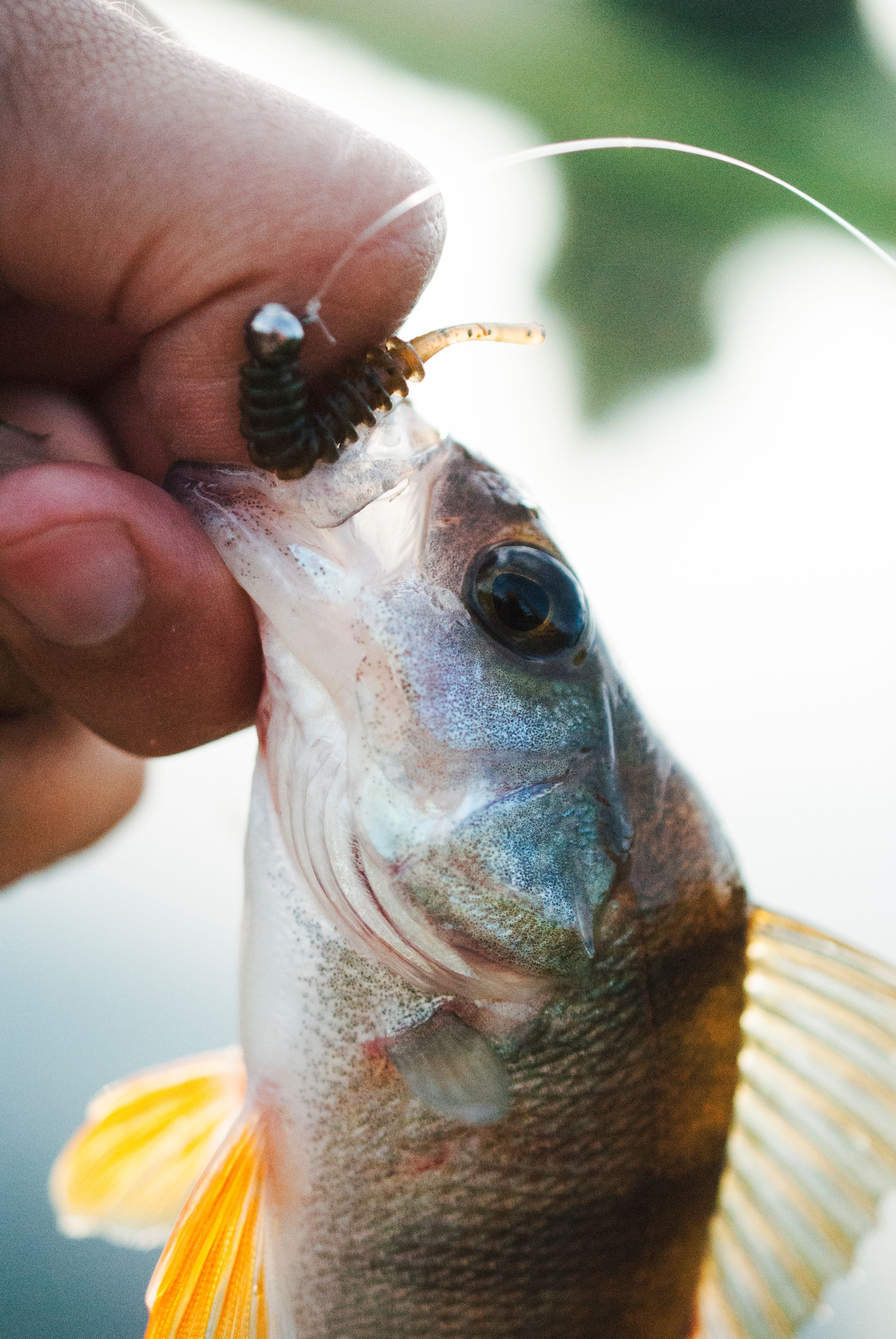


Successful fishing is not about luck or simply spending more hours on the water. It depends on understanding fish feeding behavior and knowing when fish are biologically ready to eat. Fish respond to environmental triggers, not random opportunity. Light levels, water temperature, and seasonal shifts directly control fish appetite, movement patterns, and short strike windows. These factors influence how safely fish can feed, how fast they digest food, and how much energy they are willing to spend chasing prey.
When anglers fish outside these feeding windows, activity drops even in productive locations. When timing aligns, bites increase quickly. This guide breaks down the science behind fish feeding timing, explaining how light, temperature, and seasons work together. The goal is to help anglers recognize active periods and apply this knowledge immediately for smarter, more consistent fishing results.
Understanding the Science Behind Fish Feeding Behavior
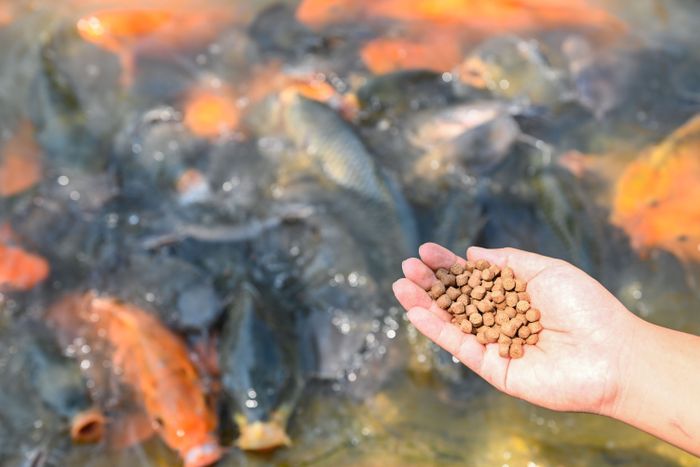
Fish feeding behavior is controlled by biological responses, not random movement or chance. Every time a fish feeds, it is making an energy decision. Fish rely on metabolism to determine how much energy they can spend searching for food and how efficiently they can digest it. Environmental cues like light levels, water temperature, and seasonal changes signal when feeding is most efficient and safest. When conditions support easy digestion and low risk, fish become active and feed more confidently. When conditions are unfavorable, fish conserve energy and reduce feeding activity.
Fish do not feed all day because constant feeding would waste energy and increase exposure to predators. Instead, they rely on short, predictable feeding windows when environmental conditions align with biological needs. These windows allow fish to maximize energy intake while minimizing effort and risk. Anglers who understand these feeding cycles can plan trips around peak activity rather than fishing blindly. By aligning fishing time with natural feeding periods, anglers increase strike rates, reduce unproductive hours, and achieve more consistent results across different waters and seasons.
How Light Levels Influence Fish Appetite
Light is one of the most powerful environmental factors shaping fish feeding behavior. Changes in light intensity affect visibility, safety, and confidence, which directly influence when fish choose to feed. Understanding how fish respond to low, moderate, and bright light helps anglers identify high-activity periods and avoid low-percentage fishing hours.
The Role of Light in Fish Feeding Cycles
Fish use light as a natural trigger for feeding activity because it affects how they see prey and how exposed they feel to predators. In lower light conditions, many fish gain a vision advantage. Their eyes are adapted to detect contrast and movement better than prey species, making feeding more efficient. Reduced light also lowers the risk of being seen by larger predators, increasing confidence. When fish feel safer, they are more willing to leave cover and actively hunt. As light levels change, fish adjust their depth, position, and movement to stay within comfortable feeding zones that balance visibility and protection.
Dawn and Dusk Feeding Windows
Sunrise and sunset are peak feeding periods because they create ideal low-light conditions known as crepuscular feeding. During these transitions, light changes rapidly, triggering increased movement from both predators and prey. Baitfish become more active, and predators take advantage of reduced visibility to ambush targets. Many species rely heavily on these windows, including bass, trout, redfish, and snook. These short periods often produce aggressive strikes because fish are biologically conditioned to feed efficiently before light conditions become less favorable.
Midday Light and Reduced Feeding
Bright midday light often suppresses feeding activity. Fish avoid strong light by retreating into shade, deeper water, vegetation, or structure where they feel protected. Feeding becomes less frequent and more selective. However, feeding can still occur during midday when conditions reduce light penetration. Cloud cover, wind-disturbed water, stained water, or deep structure can extend feeding opportunities even under strong sunlight.
Water Temperature and Fish Metabolism
Water temperature directly affects fish feeding behavior by controlling metabolism, digestion speed, and activity levels. Because fish cannot regulate body heat internally, even small temperature changes can open or shut down feeding windows very quickly.
Why Temperature Controls Appetite
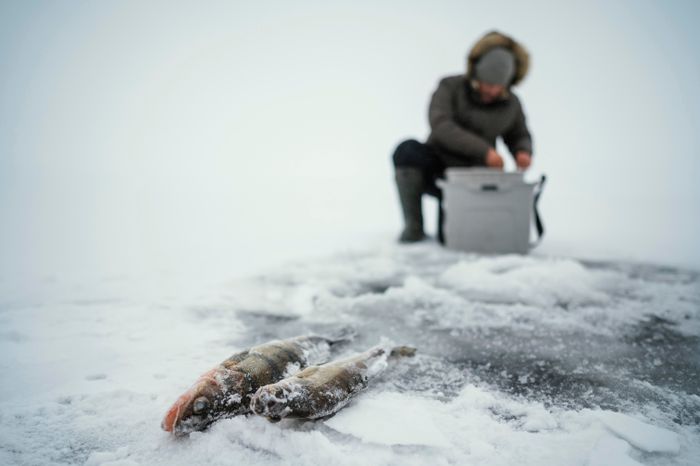
Fish are cold-blooded animals, so their biological processes respond immediately to water temperature.
Key effects of temperature on feeding include:
Metabolic rate changes: Warmer water speeds digestion and movement, while cooler water slows both.
Energy efficiency: Fish feed only when the energy gained from food exceeds the energy spent chasing it.
Feeding frequency: Higher metabolism supports more frequent feeding; lower metabolism forces fish to conserve energy.
When temperatures move outside comfortable ranges, fish reduce activity and feed less often to avoid energy loss.
Optimal Temperature Ranges for Feeding
Every species has a preferred temperature zone where feeding intensity increases.
Important temperature factors include:
Feeding thresholds: Certain temperature ranges trigger increased movement and aggressive strikes.
Stress temperatures: Extreme heat or cold suppresses appetite and reduces feeding duration.
Species tolerance: Some species remain active in cooler or warmer water, while others slow down quickly.
Knowing these ranges helps anglers anticipate when fish are most willing to eat.
Temperature Changes and Bite Windows
Temperature stability is just as important as temperature itself.
How changes affect feeding:
Rapid warming or cooling: Sudden shifts often pause feeding as fish adjust.
Stable conditions: Consistent temperatures allow predictable, longer feeding windows.
Monitoring trends instead of single readings leads to better timing and more reliable bites.
Seasonal Changes and Fish Feeding Patterns
Seasonal changes strongly influence fish feeding behavior by altering water temperature, daylight length, and food availability. As conditions shift through the year, fish adjust metabolism, movement, and feeding intensity, creating predictable seasonal patterns anglers can use to time trips more effectively.
Spring: Rising Temperatures and Recovery Feeding
Spring signals a transition out of winter conservation mode. As water temperatures rise, fish metabolism begins to increase, restoring appetite and movement.
Key spring feeding traits include:
Post-winter metabolism increase: Fish begin digesting food more efficiently after long periods of reduced activity.
Short but aggressive feeding windows: Feeding often happens in brief bursts during warming periods, especially midday.
Fish may move shallow during stable warming trends, creating concentrated but time-sensitive feeding opportunities.
Summer: Heat Management and Timed Feeding
Summer brings higher water temperatures that limit feeding duration and location. Fish focus on managing heat stress while still meeting energy needs.
Common summer feeding patterns include:
Early morning and late evening feeding behavior: Low-light and cooler water trigger most feeding activity.
Deep water and shaded structure feeding: Fish retreat to depth, vegetation, docks, or structure during peak heat.
Midday feeding is reduced unless cloud cover, wind, or current lowers water temperature and light intensity.
Fall: Increased Appetite Before Winter
Fall is one of the most productive feeding seasons. Cooling water improves oxygen levels and digestion efficiency, encouraging aggressive feeding.
Fall feeding characteristics include:
Energy storage behavior: Fish feed heavily to prepare for winter.
Longer and more aggressive feeding periods: Bite windows extend, and strikes become more decisive.
This season often delivers consistent action throughout the day.
Winter: Reduced Metabolism and Selective Feeding
Cold water slows digestion and movement, forcing fish to conserve energy.
Winter feeding patterns include:
Slower digestion: Fish require less food and feed less frequently.
Short, precise feeding windows: Feeding occurs during brief warming periods or stable conditions.
Success depends on timing, patience, and understanding limited appetite windows.
Species-Specific Feeding Timing Differences
Fish do not all follow the same feeding schedule. Feeding timing varies by species because each fish has evolved to survive under specific light levels, temperature ranges, and seasonal conditions. Vision, metabolism, habitat, and predator avoidance all influence when a species is most comfortable feeding. Some fish rely heavily on sight, while others depend on scent or vibration, which changes how light affects their activity. Temperature tolerance also differs, meaning a feeding window that triggers one species may completely shut down another.
Seasonal sensitivity further separates feeding patterns. Certain species increase feeding sharply during seasonal transitions, while others remain consistent year-round with only minor timing adjustments. Understanding these differences helps anglers predict activity rather than assuming all fish respond the same way to changing conditions.
Examples of species-specific feeding timing include:
Bass feeding patterns: Bass commonly feed during low-light periods, such as early morning and evening, especially in clear water. Stable temperatures and moderate light often create the most reliable feeding windows.
Trout feeding patterns: Trout are highly sensitive to water temperature and oxygen levels. They feed most actively during cooler parts of the day and seasons, with peak activity during low light or overcast conditions.
Catfish nocturnal feeding behavior: Catfish rely heavily on scent rather than vision, making them far more active at night or in muddy water. Their feeding windows often peak after sunset and during stable nighttime temperatures.
Inshore saltwater species feeding cycles: Species like redfish and snook adjust feeding around light levels, water temperature, and seasonal movement. Low-light conditions and stable water temperatures typically produce the strongest feeding activity.
Fishing Techniques Based on Fish Feeding Science
Effective fishing techniques work best when they match fish feeding behavior rather than forcing action during inactive periods. By adjusting presentations based on light, temperature, and seasonal appetite, anglers can align their approach with natural feeding responses and increase consistency across changing conditions.
Technique Adjustments Based on Light Conditions
Light levels influence how fish see, hunt, and position themselves, which should guide presentation choices.
Key adjustments based on light include:
Slow, natural presentations during low-light feeding windows: Subtle movement and realistic profiles match prey behavior during dawn, dusk, and overcast conditions.
Tight structure fishing during bright conditions: Fish hold close to cover such as docks, vegetation, rocks, and ledges to avoid exposure.
Adjusting lure visibility, movement, and contrast: In low light, vibration and contrast help fish locate prey, while bright conditions favor natural colors and controlled movement.
Matching presentation to visibility keeps baits within active feeding zones.
Temperature-Driven Technique Selection
Water temperature determines how aggressively fish are willing to move and strike.
Temperature-based technique changes include:
Faster retrieves when metabolism is high: Warm water increases energy levels, allowing fish to chase and react quickly.
Slower, bottom-oriented presentations in cold water: Reduced metabolism favors baits that stay within easy reach and require minimal effort.
Downsizing baits when appetite decreases: Smaller offerings match reduced feeding needs and improve strike rates during tough conditions.
Adjusting speed and size prevents overworking inactive fish.
Seasonal Technique Shifts That Match Appetite
Seasonal feeding patterns demand different tactical approaches throughout the year.
Effective seasonal adjustments include:
Spring transition zone techniques: Focus on areas where fish move between deep and shallow water during warming trends.
Summer low-light and deep-water methods: Target early morning, evening, and deeper structure during peak heat.
Fall aggressive feeding techniques: Use faster, more assertive presentations as fish feed heavily before winter.
Winter finesse and patience-based approaches: Slow retrieves, precise placement, and extended pauses match limited feeding windows.
When techniques align with feeding science, results become more predictable and efficient.
Planning Fishing Trips Around Feeding Windows
Successful trip planning starts with combining light levels, water temperature, and seasonal patterns into one clear strategy. Sunrise and sunset times help identify low-light feeding windows, while recent and forecasted temperature trends reveal when fish metabolism is most active. Seasonal context explains whether fish are feeding aggressively, conserving energy, or transitioning between patterns. Using weather forecasts, water temperature reports, and daylight data allows anglers to predict when feeding windows are most likely to open rather than guessing based on habit or convenience.
Timing matters more than total hours on the water because fish feed during specific appetite peaks, not continuously. A short trip during an active feeding window often produces better results than fishing all day during inactive periods. Common mistakes include fishing through extreme heat, sudden cold fronts, or bright midday light without adjusting expectations. By avoiding low-probability hours and focusing effort around peak feeding conditions, anglers improve efficiency, consistency, and overall success.
Real-World Feeding Window Scenarios
An early summer dawn bite often produces the most reliable action of the day. Overnight cooling lowers water temperature slightly, and low light creates ideal feeding conditions. Fish move shallow and feed aggressively for a short window before heat and brightness reduce activity.
Fall midday feeding success often surprises anglers who expect low-light action only. Stable cooling temperatures improve oxygen levels and metabolism, allowing fish to feed longer. When conditions remain consistent, feeding windows can extend well into midday.
A winter short-window fishing scenario usually occurs during brief warming periods. A small rise in water temperature or stable afternoon conditions can trigger limited but predictable feeding. These examples show how understanding feeding science replaces guesswork with consistency.
Conclusion
Fish feeding follows predictable scientific patterns rooted in biology, not chance. Light, water temperature, and seasonal changes work together to control appetite, movement, and short feeding windows. When anglers focus on timing instead of effort alone, results improve quickly. Fishing smarter means recognizing when fish are ready to eat and adjusting plans around those moments. Understanding feeding science leads to better decisions, fewer wasted hours, and more consistent success across conditions. With the right knowledge, anglers can turn observation into an advantage. To apply these principles with confidence and plan trips around proven feeding windows, explore guided fishing experiences and resources available on Guidesly.
FAQs
1. Why do fish suddenly stop biting even in good locations?
Most fish adjust feeding around environmental stability, so sudden changes reduce activity until conditions normalize and fish reestablish predictable movement and comfort levels overall patterns.
2. Does cloudy weather always improve fishing success?
Cloud cover softens light penetration, often extending feeding windows by reducing visibility stress and allowing fish to remain active longer than under direct sunlight conditions.
3. Do moon phases affect fish feeding behavior?
Moon phases can influence nocturnal feeders by altering nighttime light levels, which affects confidence, movement, and feeding duration for species active after dark periods naturally.
4. How does water clarity impact feeding timing?
Water clarity changes how fish perceive risk, with clearer water shortening feeding windows and stained water often allowing longer, more confident feeding periods overall behavior.
5. Can fishing pressure change when fish choose to feed?
Fishing pressure can shift feeding times, causing fish to avoid peak human activity and feed during quieter periods when disturbance and stress levels drop naturally.
6. Does wind affect fish feeding activity?
Wind influences feeding by breaking surface light, moving food sources, and improving oxygen, which can activate fish outside typical low-light feeding windows during certain conditions.
7. How does barometric pressure impact feeding?
Barometric pressure changes may affect swim bladder comfort, leading some fish to adjust depth and delay feeding until pressure stabilizes again for better balance internally.
8. Why do tides matter for feeding timing in saltwater?
Tidal movement in saltwater systems influences feeding timing by concentrating bait, creating current edges, and triggering short but intense feeding opportunities during predictable tidal phases.
9. Do changing water levels affect feeding windows?
Water level changes can reposition fish, with rising or falling levels opening brief feeding periods as fish adjust location and access to food sources temporarily.
10. How can anglers become more consistent using feeding patterns?
Consistent catch success improves when anglers track patterns over time, noting conditions that repeatedly align with active feeding responses across different waters, seasons, and species.