Guarantee Your Largemouth Bass Catch in Late Fall with Expert Tips
Use water temperature, baitfish activity, and lake structure to locate late-fall largemouth bass. Get practical tips for changing weather and slower bites.
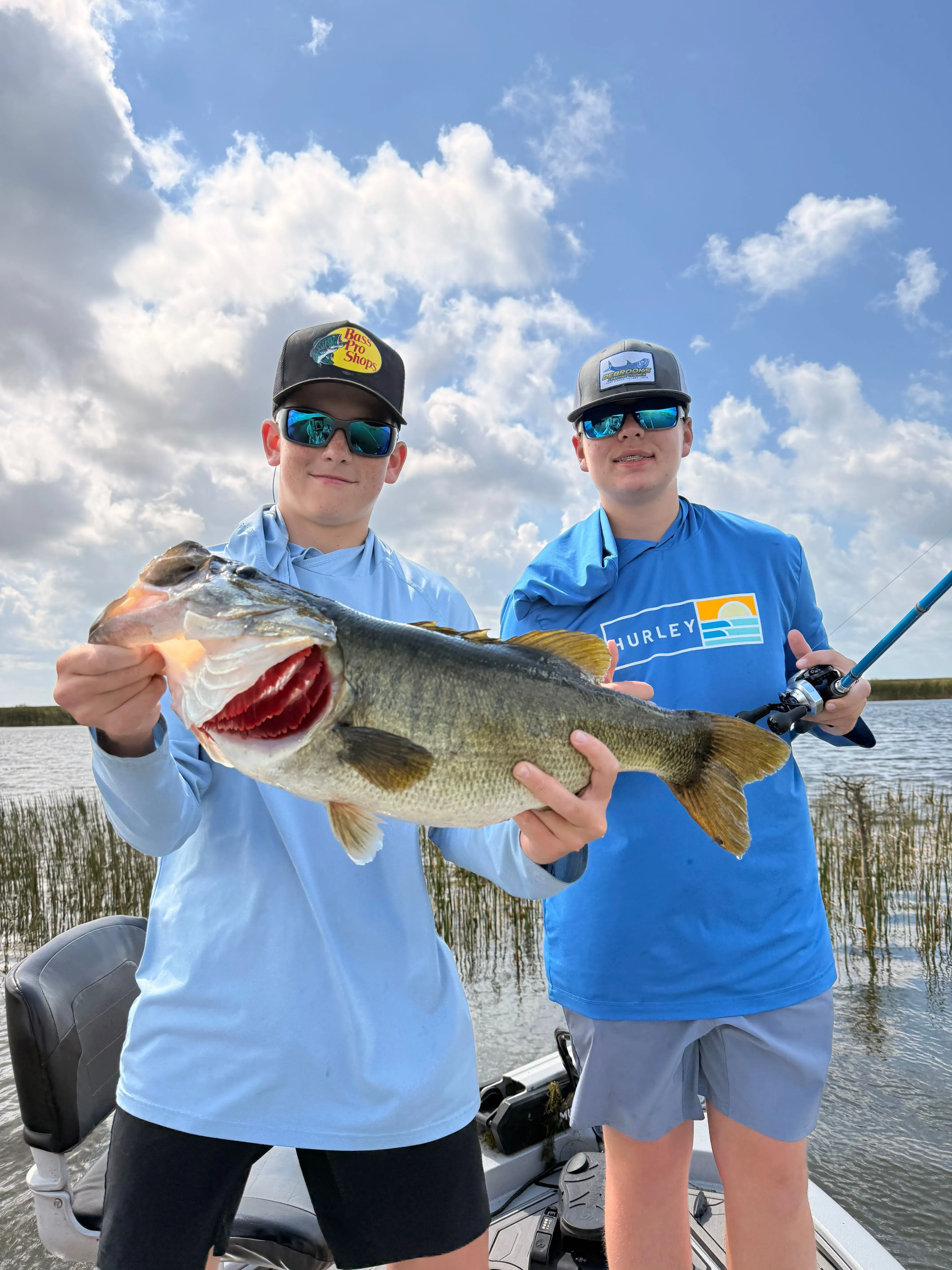


There's a point in late fall when your go-to largemouth bass spots stop producing. You can spend an entire morning working familiar shallow cover without getting a single bite, only to find that the fish have shifted toward a nearby channel swing or point.
Falling water temperatures, migrating baitfish, and passing cold fronts all influence where largemouth bass position themselves and how actively they feed. Once you understand these changes, you can spend less time fishing in unproductive water and more time targeting areas where bass are likely holding. Knowing which depths to target, what forage they're feeding on, and how to adjust your retrieve can make a real difference during the late-fall transition.
Understanding How Largemouth Bass Behave in Late Fall
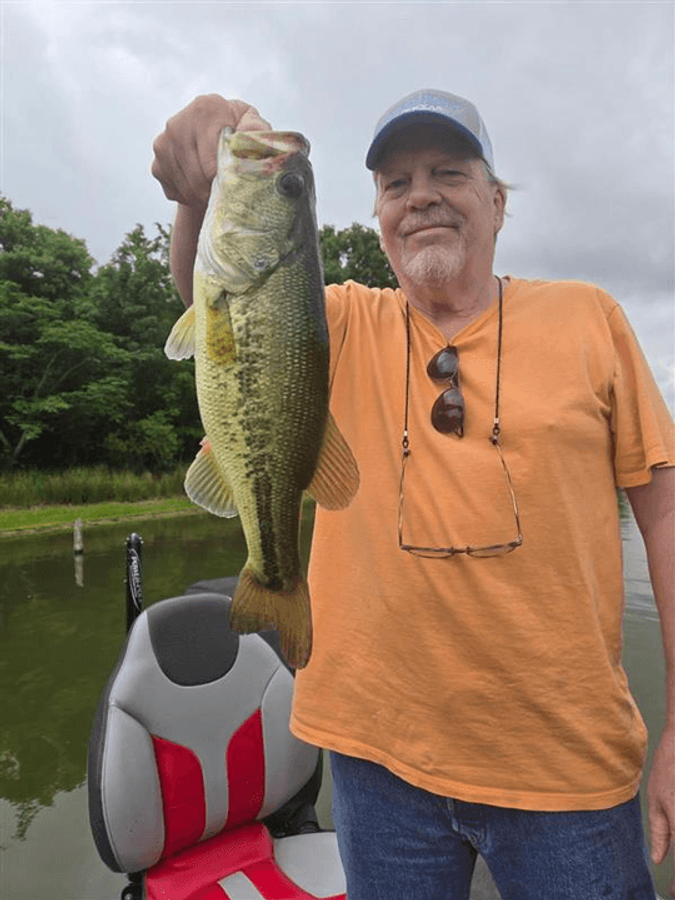
By late fall, largemouth bass are responding to more than just cooler water. Shorter days, changing forage availability, and the gradual shift toward wintering areas all influence where you'll find them.
You can still catch plenty of fish shallow when baitfish are holding around flats, but you'll also find bass relating more closely to deeper structure as the season progresses.
The important thing to remember is that an entire lake doesn't follow the same seasonal pattern at once. Fish positioning varies with the fishery, available forage, and water depth.
Understanding these changes will help you identify which areas are worth fishing instead of relying on the same patterns that worked earlier in the season.
Lower Water Temperatures Change Largemouth Bass Feeding Patterns
As water temperatures continue to drop, a largemouth bass' metabolism slows, influencing how often it feeds and how much energy it spends chasing prey. Fast-moving, reaction-style baits that produced strikes earlier in the fall may become less effective, particularly after a sharp cold front.
That doesn't mean bass stop feeding. They'll continue taking advantage of available forage, but their feeding windows and willingness to chase can change. Keep track of water temperatures across different parts of the lake, especially on larger reservoirs where protected pockets and the main basin can have noticeably different conditions. Even small temperature variations can influence where fish hold.
Baitfish Movement Influences Where Largemouth Bass Hold
Shad and other baitfish play a major role in late-fall bass patterns. As forage shifts toward creek channels, deeper pockets, and other seasonal holding areas, largemouth bass often follow. A stretch of structure holding plenty of baitfish can be more productive than an attractive-looking spot with little forage activity.
Look for surface activity, diving birds, or baitfish marks on your electronics. If you find bait suspended off a channel edge or gathered around a secondary point, work the surrounding water before moving to your next spot. Bass may be holding below or alongside the school rather than chasing baitfish at the surface.
Dying Vegetation Pushes Bass Toward Alternative Cover
As shallow vegetation begins to die back, it loses some of the cover and feeding opportunities it provided earlier in the season. Bass that were holding along grass edges may shift toward healthier vegetation, submerged timber, stumps, or nearby rock structures.
But it is also not ideal to skip a grass flat completely just because most of it looks dead. Isolated patches of green vegetation can continue to attract baitfish and provide useful ambush points. If you're fishing a familiar grass flat, check its outside edge and nearby hard cover before abandoning the area altogether.
Bass Begin Positioning Around Wintering Areas
As late fall progresses, largemouth bass increasingly use structures that provide access to deeper, more stable water. Creek-channel bends, steep banks, channel swings, and deeper points become worth investigating, particularly when temperatures continue to drop further.
However, largemouth bass can still move shallow to feed, especially when baitfish are available or a stretch of warmer weather changes conditions. Focus on identifying the routes connecting shallow feeding areas with deeper holding water. These transitions can help you locate fish without spending the day searching the entire lake.
Where to Find Largemouth Bass in Late Fall

Finding largemouth bass is often the biggest challenge in late fall.
Fish that were holding around shallow flats and vegetation earlier in the season often pull out toward deeper structure, leaving your reliable spots feeling completely dead. Rather than covering spots randomly, narrow your search to areas that give bass access to deeper water while keeping them close to available forage.
You can also use nearby depth changes to narrow your search. Bass often hold along drop-offs, points, and channel edges where they can move between deeper water and shallow feeding areas. These transition zones are particularly worth checking when baitfish are present.
Steep Banks and Channel Swings
Steep banks and channel swings are productive places to check as water temperatures continue to fall. A channel swing brings a creek or river channel closer to the bank, giving bass access to deeper water without requiring much movement. Keep an eye out for laydowns, stumps, or rock along these bends, especially where the channel hugs a point or sharp shoreline break. Working a jig down the slope or pausing a suspending jerkbait over the drop lets you probe different depths until you find where they're sitting.
Remaining Patches of Green Vegetation
Don't abandon grass beds just because most of the shallow vegetation has started dying off. Isolated patches of healthy green grass can still hold baitfish and give largemouth bass a place to ambush them. Concentrate on outside grass edges, in places where they meet a drop-off or creek channel. A lipless crankbait works well for covering these edges, while a jig can help you pick apart thicker patches.
Secondary Points and Creek Channels
Secondary points along creek arms are worth investigating as bass move between shallow feeding areas and deeper water. These points create natural stopping locations where fish can intercept baitfish moving through the creek. Check the deeper side first, then work toward the shallower section if you notice baitfish activity. Creek-channel bends and intersections are particularly useful because they create depth changes that bass can use as holding areas.
Rocky Transitions and Isolated Cover
Pay attention to changes in bottom composition, where chunk rock transitions into gravel or softer substrate. These areas can hold largemouth bass, especially when they sit close to deeper water. Isolated boulders, submerged timber, brush piles, and laydowns are also worth a few extra casts. A football jig or compact Texas-rigged worm lets you work these targets slowly while maintaining contact with the bottom.
Once you've located bass around these late-fall holding areas, the next challenge is getting them to bite. Even familiar presentations may need a few adjustments as the water cools.
Also Worth Checking: Night Fishing for Largemouth Bass: 5 Best Tips
How to Adjust Your Approach for Late Fall Fishing
Late-fall bass fishing can change considerably with the weather. A cold front passing through, a few hours of afternoon sunshine, or a steady wind can all influence where largemouth bass position themselves and how actively they feed. You might find fish holding close to deeper structure in the morning and moving toward a shallow feeding area later in the day. Instead of following a fixed pattern, use these conditions to decide which areas to fish and how to present your bait.
Fishing After a Cold Front
A cold front can make an already challenging late-fall bite even tougher. Falling air temperatures, changing cloud cover, and shifting atmospheric pressure can coincide with reduced feeding activity. Bass may become less willing to chase baitfish across open water, making it harder to get strikes on fast-moving presentations.
When this happens, concentrate on nearby structure where bass can hold. Channel swings, deeper points, submerged timber, and rocky breaks are worth revisiting. If you were catching fish along the shallow edge of a grass bed before the front, check its deeper outside edge instead. A jig or other bottom-contact presentation can help you work these areas thoroughly. You can also experiment with longer pauses when fishing a suspending jerkbait.
Targeting Shallow Water During Afternoon Warm-Ups
A stretch of sunshine can create opportunities to catch bass in shallower water, even as the overall lake temperature continues to fall. Protected pockets, shallow flats near deeper water, and sun-exposed rocky banks can warm slightly during the afternoon. These areas may attract baitfish and give largemouth bass a reason to move up from nearby holding areas.
Concentrate on shallow cover that has quick access to deeper water rather than spending too much time on expansive flats. If you notice baitfish activity or bass chasing forage, a moving presentation can help you cover the area. When the activity settles, work in the nearby cover more slowly.
Expert tip: A few degrees of warming can influence a small area without changing conditions across the entire lake.
Using Wind to Locate Feeding Bass
Wind can work in your favor by pushing baitfish toward points, ripraps, and exposed shorelines. These areas can become productive feeding locations when largemouth bass follow the forage. Focus on stretches where the wind pushes baitfish toward accessible cover, such as rocky banks, points, and shallow edges.
A crankbait or lipless crankbait can help you cover water when bass are actively feeding along these edges. Work the point from different angles, allowing your lure to pass through both shallow and deeper sections where bass may be feeding. If bass aren't responding to moving baits, slow down and work the surrounding structure with a jig.
Adjusting Your Presentation When the Bite Slows
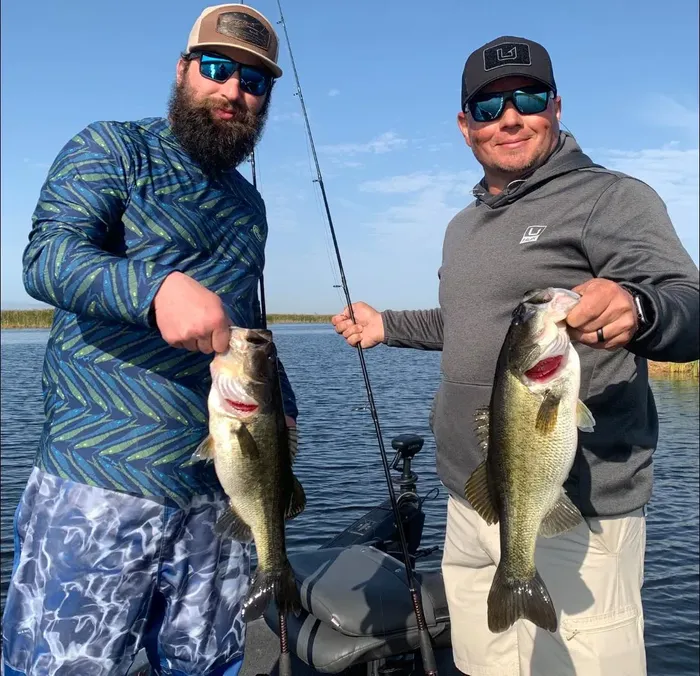
When bass follow your lure without committing or you go through an area without getting a strike, consider changing your presentation before abandoning the location. A faster retrieve might work when fish are actively chasing shad, but the same bass may respond better to a slower approach after a cold front.
With a suspending jerkbait, vary the length of your pauses and watch whether bass follow the bait before striking. If you're dragging a jig through deeper cover, experiment with a lighter weight or shorter movements to keep the bait in the strike zone without pulling it away from the fish. You can also switch to a smaller soft plastic on a drop shot if bass are holding close to the bottom and ignoring larger presentations.
Depth matters just as much as retrieve speed. If you're marking fish or seeing baitfish activity at a particular depth, keep your lure in that zone instead of repeatedly fishing above or below it. Making these adjustments systematically helps you work out whether the fish are inactive, holding at a different depth, or simply responding to a different presentation.
Common Largemouth Bass Fishing Mistakes to Avoid During Late Fall
Late-fall bass fishing can test your patience, especially when familiar patterns stop producing. Sometimes the problem isn't your location or choice of lure but a small detail you're overlooking. Here are a few mistakes that can cost you bites.
Fishing by the calendar instead of actual water conditions: Don't assume bass have entered their winter patterns just because it's November or December. Water temperatures can vary considerably between fisheries, and even different sections of the same lake can fish differently. Check the temperature before deciding how deep or shallow to fish.
Assuming turnover affects the entire lake equally: Lake turnover can create confusing fishing conditions, but it doesn't happen uniformly across every section of a large reservoir. If one creek arm becomes difficult to fish, don't write off the entire lake. Check other areas for clearer water and more consistent conditions.
Ignoring smaller bait presentations: You don't always need a bulky jig or large swimbait to tempt a late-fall largemouth. If bass are following larger offerings without committing, downsize to a compact jig, finesse worm, or smaller soft plastic. Keep these options available rather than relying entirely on reaction baits.
Changing too many things at once: If a presentation isn't producing, avoid switching your lure, retrieve speed, and fishing depth all at the same time. Make one adjustment and give it a fair chance. This helps you identify what the fish are responding to instead of constantly guessing.
Overlooking changes in water clarity: Recent rainfall, runoff, and turnover can change visibility enough to affect how bass respond to your bait. Don't keep using the same color and presentation simply because they worked during your previous trip. Adjust your lure's visibility to suit the water you're fishing.
Assuming that every cold front will shut down the bite: A cold front can make bass less willing to chase, but it doesn't mean you should stop looking for feeding fish. Pay attention to how the conditions change rather than automatically switching to the slowest presentation in your tackle box. Some fish may still respond to moving baits, particularly where forage remains active.
How to Have a Productive Largemouth Bass Fishing Trip in Late Fall
A little preparation can save you hours of unproductive fishing, particularly when bass aren't following predictable patterns. Before heading out, consider these points:
Check recent weather patterns: Look beyond the forecast for the day. A sudden temperature drop or several days of changing weather can influence how the lake is fishing.
Keep track of water temperatures: Note readings from different areas of the lake whenever possible. Comparing them across multiple trips can help you identify areas that are warming or cooling differently.
Have more than one presentation ready: Carry a combination of moving baits, bottom-contact lures, and finesse options. This gives you room to adjust without having to rebuild your entire approach.
Make note of productive locations: Record the depth, structure, water clarity, and conditions where you catch bass. These details can help you recognize similar patterns on your next outing.
Revisit productive areas at different times: A location that produces little activity in the morning may become worthwhile later in the afternoon. Keep track of when you get bites instead of judging a spot by a single visit.
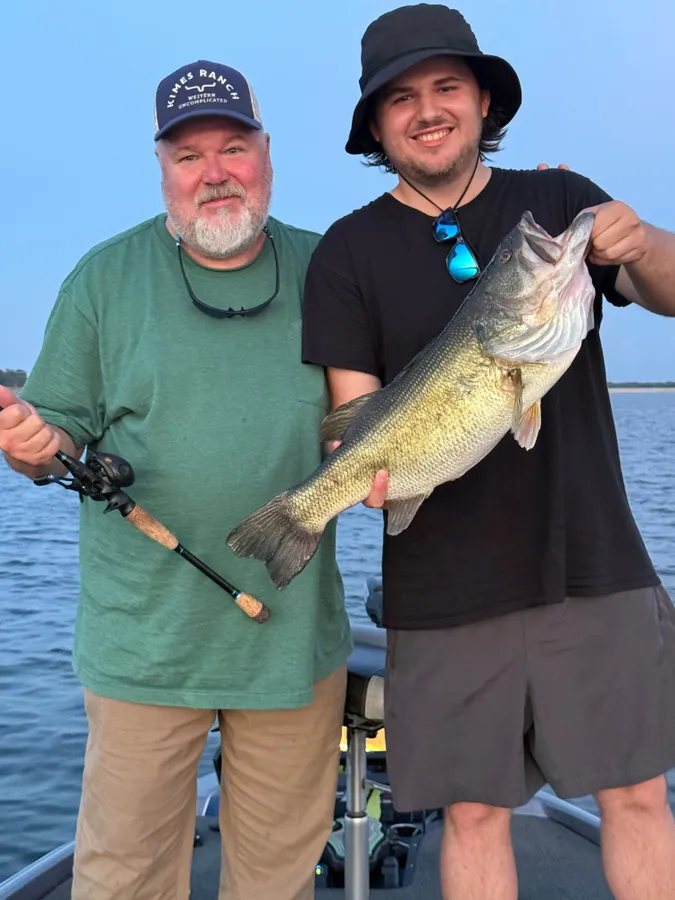
Late fall doesn't have to mean giving up on productive largemouth bass fishing. You just need to be more deliberate about where you spend your time and how you approach changing conditions. From identifying productive structure to adjusting your presentation when the bite slows, small decisions can make a noticeable difference on the water.
If you want to take your bass fishing experience further, consider spending a day on the water with an experienced local guide.
Beyond helping you find productive fishing areas, a guide can share insights into local bass patterns, seasonal movements, and techniques that work under specific conditions. Guidesly makes it easier to find these guides, explore their fishing trips, and connect with someone who can help you get more out of your time on the water.