Why You're Struggling to Catch Fish in a Cold Front, and How to Fix It
Fish stopped biting after a cold front? Learn how to adjust your retrieve, lure depth, and presentation to get more bites on your next fishing trip.
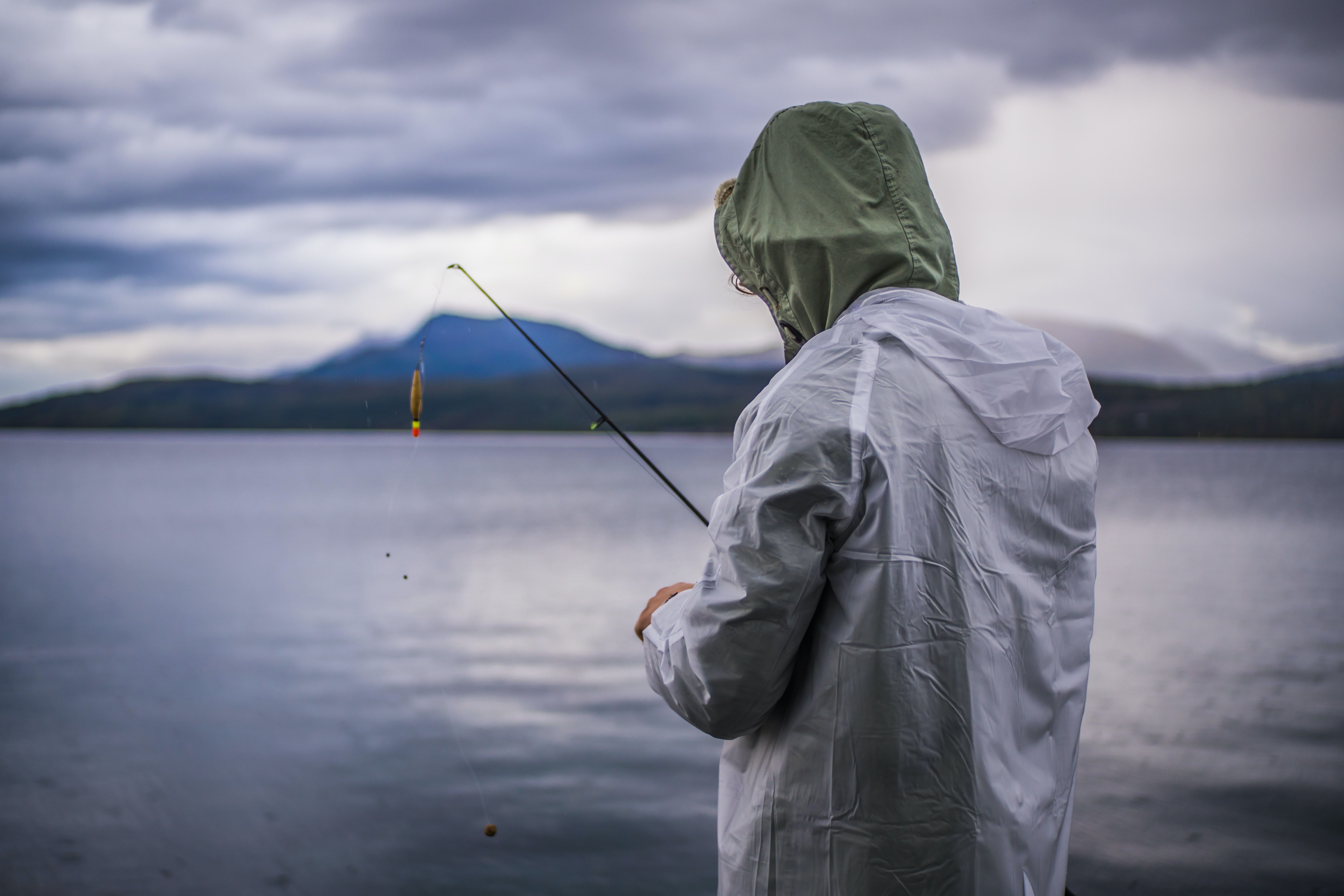


Have you ever wondered why fish become harder to catch after a cold front, even when you're fishing a spot that produced bites just a day earlier? That's because a sudden drop in temperature can change more than the feel of the air on your fishing trips.
A cold front can make fish harder to catch, even in spots that were producing bites just a day earlier. Changes in weather can affect fish activity and make your usual presentation less effective, but that doesn't mean you need to abandon your favorite fishing spot or switch lures at random.
In this guide, we'll break down why you're struggling to catch fish after a cold front and how to adjust your retrieve speed, lure depth, action, and placement to improve your chances of getting a bite.
What Is a Cold Front, and How Does It Affect Fishing?
A cold front occurs when a colder air mass moves into an area occupied by warmer air, pushing the warm air upward. This transition can bring a drop in temperature, shifting winds, changing cloud cover, and sometimes rain or thunderstorms. Once the front passes, conditions often become cooler, with winds changing direction and skies clearing.
So, what does this mean for fishing? While the weather above the water can change quickly, the water itself may take longer to cool. How fish respond depends on the species, the severity of the front, and the conditions in the particular lake, river, or coastal area you're fishing.
Some fish may become less willing to chase fast-moving prey, while others may shift their position around cover or move to a different depth. This can make a previously productive lure or retrieve less effective, even when fish are still nearby. Understanding these changes can help you figure out why the bite has slowed and which parts of your presentation need adjusting.
Why You're Struggling to Catch Fish After a Cold Front
Understanding what a cold front does is only the first step. The bigger challenge begins when you return to the water and realize that the techniques that worked before the weather changed are no longer producing bites. Fish may still be nearby, but changes in their activity, positioning, or willingness to chase prey can make your usual presentation less effective.
These seven common mistakes can help you identify what's going wrong and determine which adjustments to make.
1. You're Retrieving Your Lure at the Same Speed as Before
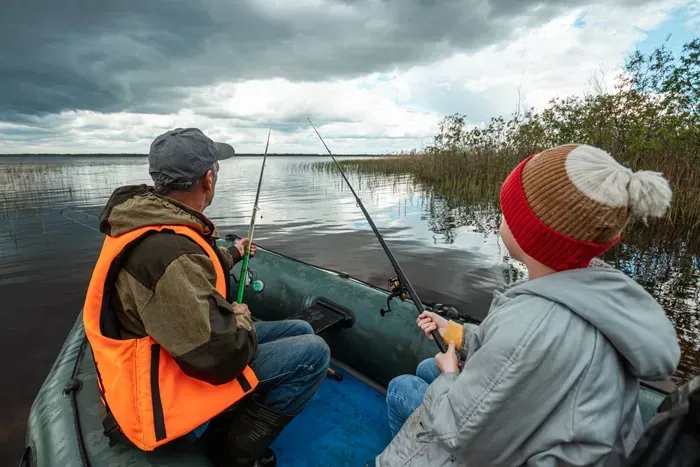
One of the first things to reconsider after a cold front is your retrieve. When fish are actively feeding, a steady retrieve or a series of quick rod movements may trigger an aggressive strike.
However, the same presentation may become less effective when fish are reluctant to chase.
A cold front doesn't automatically make every fish sluggish, but sudden changes in water conditions can influence its willingness to pursue prey. Instead of assuming your lure is wrong, experiment with how quickly and consistently you move it.
Slow Down Your Retrieve and Add Pauses
A slower retrieve gives fish more time to notice and approach your lure. Pauses can also make a bait look vulnerable, particularly when it resembles an injured or struggling prey animal.
Try these adjustments:
Use shorter movements: Replace long, aggressive sweeps with small rod twitches or controlled lifts.
Add deliberate pauses: Stop retrieving briefly between movements, allowing the fish time to respond.
Vary your cadence: Alternate between a slow retrieve and a few gentle movements rather than repeating the same rhythm.
Observe the response: If fish follow but refuse to strike, change the cadence before switching to a completely different lure.
Match the Retrieve to Your Lure
Different lures respond differently to changes in speed. A suspending jerkbait, for example, can remain near a target depth during a pause, while a soft plastic may need occasional movement to maintain a natural presentation.
For bottom-oriented fish, a compact jig or soft plastic with short hops can help keep the bait in place. If you're using a spinnerbait or swimbait, experiment with a slower, steadier retrieve that maintains control without making the lure appear lifeless.
Doing so will help you find a cadence that keeps the bait appealing without moving it beyond a fish's willingness to chase.
You Might Also Like: Top 10 Must-Know Lures for Freshwater Fishing
2. Your Lure Isn't Staying in the Strike Zone Long Enough
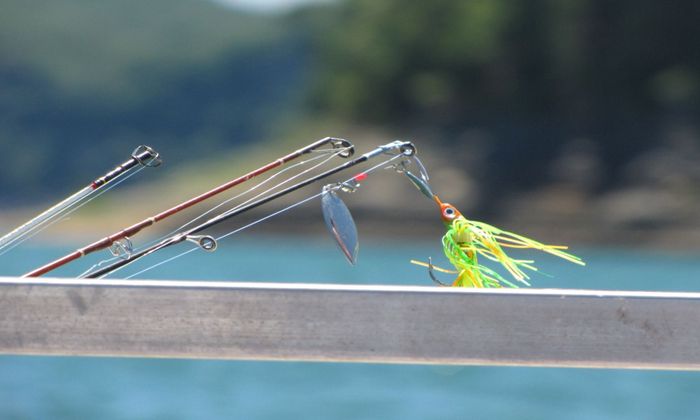
Even when fish remain in a productive area, they may not move far to intercept a bait after a cold front.
If your lure passes through their holding depth in seconds, you could be missing opportunities without realizing it.
The strike zone is the area a fish is willing to attack prey within. When fish become less inclined to chase, keeping your lure inside that zone for longer may be more effective than covering water quickly.
How to Control Your Lure's Fall Rate
The speed at which a lure sinks can determine how long it remains available to a fish. A fast-falling bait may be useful when targeting active fish near the bottom, but it can pass through the strike zone too quickly when fish are reluctant to respond.
Here's how you can adjust the presentation:
Try a lighter jig head or weight when a slower fall is appropriate.
Count down your lure after casting so you can repeat a productive depth.
Let the bait settle before adding movement, especially when fishing around submerged cover.
Experiment with a suspending lure when fish are holding above the bottom rather than directly on it.
For example, if bass are holding near the edge of submerged vegetation, repeatedly letting a soft plastic drop through that area can be more effective than retrieving it continuously across the top.
Keeping Your Bait In the Strike Zone for Longer
A lure that stays near a fish gives it more opportunities to respond. This is particularly useful when working a small patch of cover or a specific depth contour.
Try a controlled lift, allow the lure to settle, and repeat the movement without pulling it too far away. For suspended fish, a bait that holds its depth during pauses may be a better option than one that immediately rises or sinks.
If the presentation produces a follow or a light bump but no solid strike, make small adjustments to the pause duration and movement before abandoning the area.
3. You're Fishing at the Same Depth Without Checking Nearby Transitions
A cold front can change where fish position themselves, but that doesn't mean they always move into deep water. Their response depends on the species, waterbody, available cover, current, and the severity of the weather change.
Fish may remain near familiar structure while shifting slightly deeper, moving closer to cover, or changing their position along a drop-off. Continuing to fish the exact depth that worked before the front can leave your lure just outside their preferred holding area.
Check the Edges Around Your Original Spot
Rather than abandoning a productive location, investigate the nearby depth changes and structural features. Small adjustments can reveal whether fish have changed position.
Try looking for:
Drop-offs connecting shallow flats to deeper water.
The outside edges of submerged vegetation.
Dock pilings, submerged timber, and other structures that offer cover.
Points where the bottom changes depth or composition.
Current breaks in rivers and streams, where fish can hold out of the strongest flow.
In saltwater environments, channel edges, grass flats, and the boundaries of submerged structure can also provide useful starting points.
Adjust Your Presentation to the Depth
Once you identify a likely holding area, make sure your lure reaches it without moving through too quickly.
If you're trying to catch fish close to the bottom, try a compact jig or soft plastic with controlled movements. For suspended fish, a suspending jerkbait or another lure that maintains its depth can keep the presentation in front of them. When fish are positioned around vertical cover, work the lure alongside that structure instead of repeatedly casting across open water.
If you have any sonar tools, use them to look for changes in depth and fish position. Or, you can systematically test the area at different depths rather than assuming the entire location has stopped producing.
4. Your Lure Has Too Much Action for the Conditions
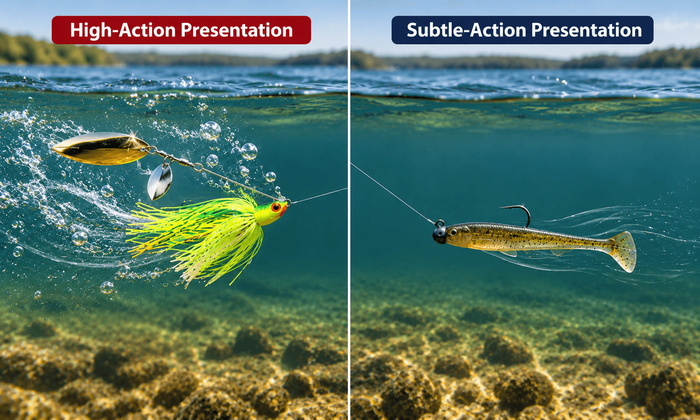
An aggressive presentation can be productive when fish are chasing prey, but its effectiveness may change after a cold front.
Rapidly darting lures, strong vibrations, and repeated splashes can be less appealing to fish that are unwilling to pursue moving targets. This doesn't mean that subtle lures always outperform aggressive ones in cold-front conditions.
Instead, the objective is to determine whether the fish respond better to less movement, a smaller profile, or a different type of action.
Reduce Unnecessary Movement
Start by changing how you work your existing lure. A few controlled movements may be enough to attract attention without pulling the bait too far away.
How to change your lure to fir the conditions:
Replace sharp rod snaps with smaller twitches.
Reduce the distance the lure travels with each movement.
Allow a suspending bait to remain still between twitches.
Work a jig with short hops rather than dragging it continuously.
Avoid repeated splashes when making presentations near shallow covers.
Pay attention to what happens after each adjustment. If fish begin following the lure or making tentative contact, the change may be helping even if the strikes are not immediately aggressive.
Downsize Only When It Makes Sense
A smaller lure can help when fish are inspecting a bait without committing, particularly if the existing lure appears too large for the available forage. However, downsizing should be a test, not an automatic response to every cold front.
If fish are feeding on larger baitfish, a bigger profile may remain appropriate. Water clarity matters, too. In clear water, a natural-looking presentation can help, while reduced visibility may call for a lure that produces enough movement or contrast to be noticed.
Change the lure's size, profile, or action according to the response you observe rather than assuming smaller is always better.
5. You're Covering Too Much Water Instead of Working Productive Targets
When bites become difficult to find, it's tempting to move frequently, switch locations, and keep casting while searching for active fish. However, fish that are still holding around a particular piece of cover may respond better to repeated, accurate presentations than to a lure passing by once.
The solution is to be more deliberate about where the lure lands and the path it follows. You don't necessarily need a new location; you may need to present the bait more effectively to fish already there.
Improve Casting Accuracy and Angle
A lure passing several feet away from a fish may not trigger a strike when the fish is reluctant to chase. Bringing the bait closer to its holding area can make a meaningful difference.
Try these techniques for better results:
Cast alongside the edge of cover instead of repeatedly across the open area.
Change your casting angle so the lure follows a drop-off or vegetation edge.
Use shorter, more controlled casts when targeting docks, timber, or other specific structures.
Work the same target from different angles before moving to another spot.
In moving water, consider how the current affects the lure's path. A different angle can create a more natural drift or keep the bait in a productive pocket for longer.
Give High-Probability Spots More Time
If an area shows signs of fish activity, make several deliberate presentations before leaving. Change one aspect of your approach between casts, such as the retrieve, depth, or entry angle.
This is especially useful when fishing in compact covers or defined structural features. Repeatedly placing a lure in the right area gives fish more chances to respond than quickly retrieving it past them and moving on.
However, don't confuse persistence with refusing to adapt. If you have tested different presentations and depths without any signs of activity, it's best to move to another nearby target and compare the results.
6. You're Missing Subtle Bites Because You're Expecting Hard Strikes
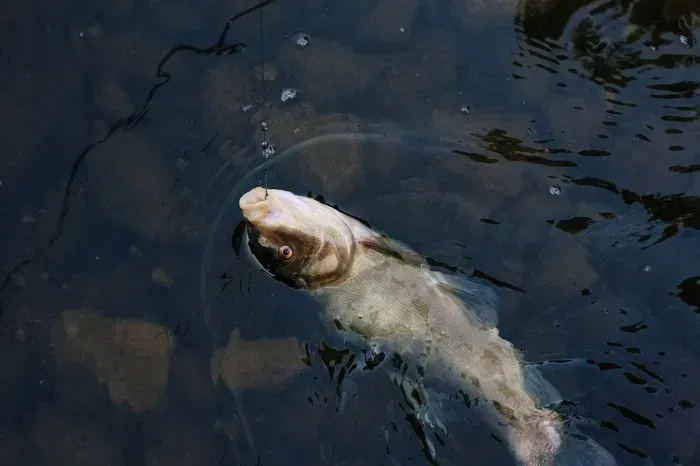
When fish are feeding aggressively, a strike may feel unmistakable. After a cold front, however, some bites can be much less obvious.
A fish may pick up a lure gently, mouth it briefly, or move away without creating the sharp pull you expect. If you only react to strong strikes, you could miss fish that are already interacting with your bait. Improving line control and learning to recognize subtle changes can help you make better use of a slower fishing day.
Maintain Contact Without Restricting the Lure
Your line needs enough tension for you to feel what's happening, but excessive tension can interfere with certain presentations.
For example, when fishing a soft plastic near the bottom, maintain enough contact to detect an unexpected change in weight or movement. When using a suspending lure, allow it to pause naturally instead of constantly pulling it forward to check its position.
Watch for these signs when fish aren't taking your bait aggressively:
A line that moves sideways without an obvious current or wind-related explanation.
Unexpected slack as the lure falls.
A sensation of extra weight or a brief tap.
A lure that stops moving when it should still be descending or travelling through the water.
Avoid Reacting to Every Bump the Same Way
A light contact could be a fish, the lure touching bottom, or the bait brushing against cover. Consider the context before reacting.
With a soft plastic, a slight change in line tension may warrant a controlled check. With treble-hook lures, maintaining steady contact and using an appropriate reeling technique may be more effective than making an aggressive hookset.
The more familiar you become with how your lure behaves normally, the easier it becomes to identify something unusual.
Also Worth Checking out: Top Tips for Winter Fishing
7. You're Changing Too Many Variables at Once
Cold-front fishing can test your patience, particularly when a previously reliable setup stops producing. Switching between lures, depths, locations, and retrieve styles after every unsuccessful cast can make it difficult to understand what's actually affecting the bite.
A more structured approach allows you to identify which adjustment makes a difference. Rather than treating every unsuccessful cast as a reason to start over, use each attempt to test a specific change.
Adjust One Variable at a Time
Start with a lure and location you already trust, then work through the most likely causes of the problem.
Try this sequence:
First, change your cadence. Slow the retrieve, shorten movements, or introduce pauses.
Next, adjust the depth. Keep the lure in the likely strike zone for longer or test a nearby depth.
Then, change the presentation angle. Bring the bait closer to cover or work along a structural edge.
Finally, reconsider the lure. Test a different profile, action, or size if the earlier adjustments don't produce a response.
This approach helps you avoid replacing a perfectly suitable lure when the actual issue is how you're working it.
Learn From Every Response
A follow, a missed strike, or a light bump can provide useful information even when it doesn't result in a catch.
If fish follow the lure, try changing its cadence or allowing longer pauses. If the lure receives no response around a promising target, test a different depth or casting angle. If you begin getting bites after slowing down, repeat that presentation before making additional changes.
Keep brief notes about the conditions, lure, depth, and retrieve that produced a response. Over time, these observations can help you identify patterns in how fish respond to cold fronts in the waters you regularly fish.
Cold-Front Fishing Checklist to Use on the Water
Once a cold front passes, the most useful adjustment depends on what you're observing rather than a fixed set of rules.
Use this checklist to narrow down the problem without making unnecessary changes.
Fish follow the lure but won't strike: Change the retrieve cadence, shorten movements, or add pauses.
Your lure passes through without attracting attention: Check whether you're fishing at the right depth and keeping the bait there long enough.
Bites seem concentrated near cover: Improve casting accuracy and work the edges from different angles.
Fish make contact but don't commit: Experiment with subtler movement, a different profile, or better bite detection.
A productive area suddenly stops producing: Check nearby depth transitions and structure before abandoning the location.
None of your adjustments get a response: Move to another high-probability target and repeat the process systematically.
Take Your Cold Front Fishing Strategy Further
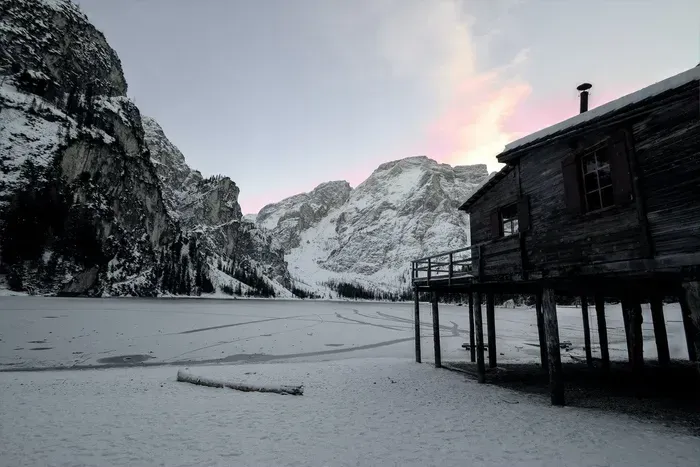
Catching fish after a cold front often comes down to making a few thoughtful adjustments.
A slower retrieve, a longer pause, or a change in depth can make your presentation more effective when fish aren't chasing as actively as before.
Rather than overhauling your entire setup, pay attention to how fish respond and adjust one thing at a time.
If you're still struggling to find fish or identify the right approach, local knowledge can help you narrow down your options. Explore fishing trips on Guidesly to connect with experienced fishing guides who know the local waters, seasonal patterns, and techniques that work in their area. With the right guidance and a more adaptable presentation, you can make your next fishing trip more productive, even when the weather doesn't cooperate.