How to Fish in Rivers vs Lakes: Key Differences
Explore the differences between river and lake fishing. Learn how current, depth, and structure affect fish behavior and angler techniques.
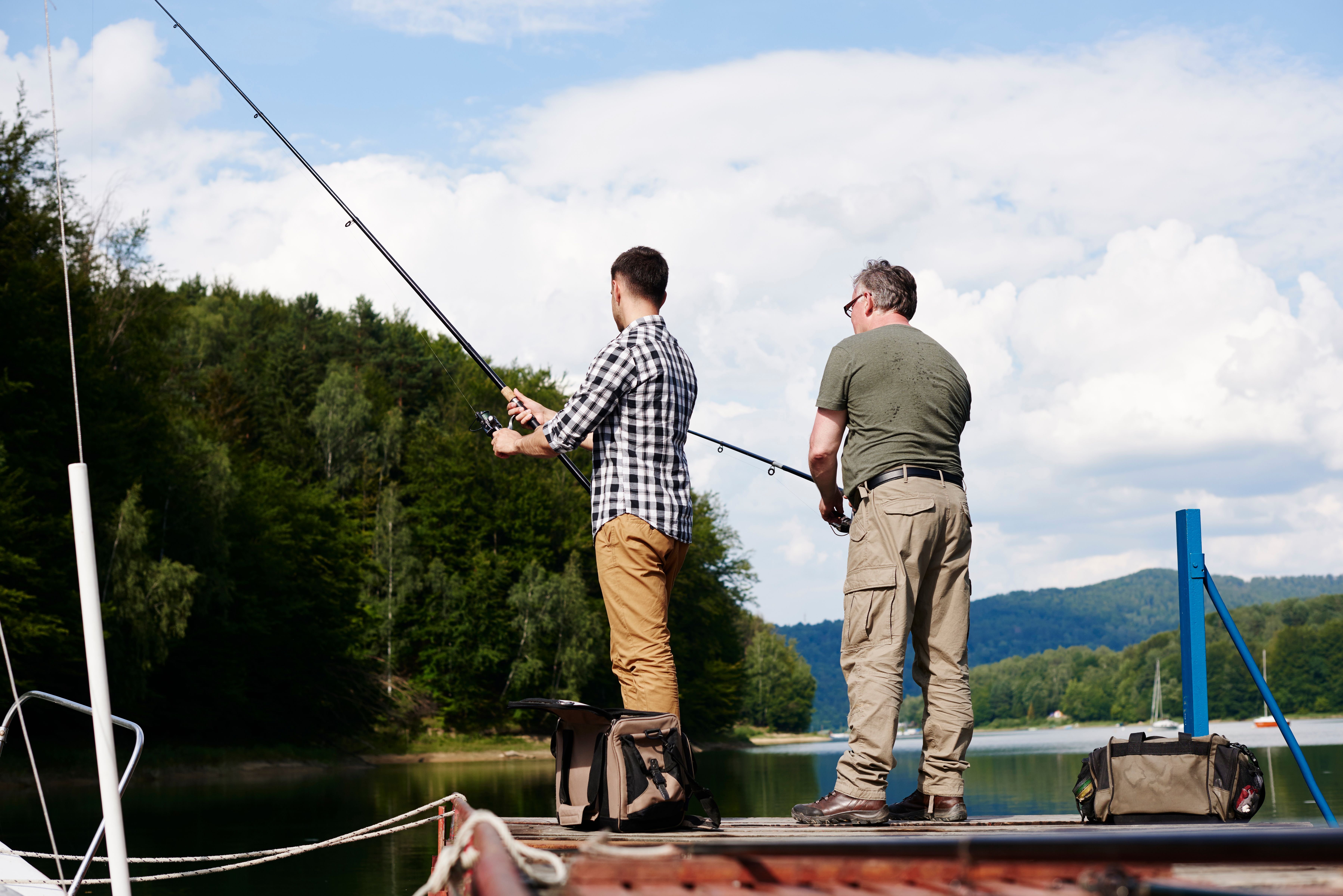


Freshwater fishing offers endless opportunities, but success depends on understanding the environment you are fishing in. Rivers and lakes may look similar at a glance, yet they behave very differently below the surface. Water movement, depth changes, underwater structure, and fish behavior all vary between flowing rivers and still lakes, directly influencing where fish hold and how they feed. Anglers who treat these waters the same often struggle to locate fish or get consistent bites. Knowing how current shapes river fishing, how depth controls lake patterns, and how structure influences feeding zones can completely change your results. This guide breaks down the key differences between river fishing and lake fishing, focusing on current, depth, structure, and species behavior. You will gain practical insights you can apply immediately to adjust your approach, choose better locations, and fish more effectively in any freshwater setting.
Freshwater Basics: What Makes Rivers and Lakes Unique
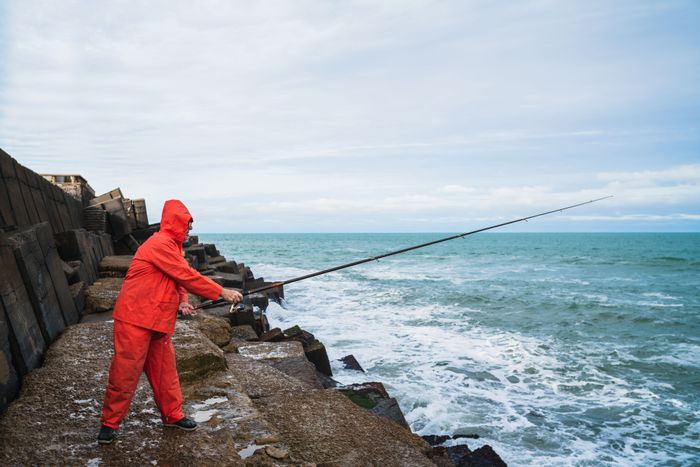
River fishing takes place in moving water environments such as streams, creeks, and large river systems. Flowing water constantly reshapes the underwater landscape, moves food downstream, and influences where fish can hold without expending too much energy. Fish in rivers position themselves around current breaks, seams, and slower pockets where they can feed efficiently while staying protected from strong flow. Because water levels and current speed can change quickly, river fishing often requires anglers to read water movement carefully and adjust their approach throughout the day.
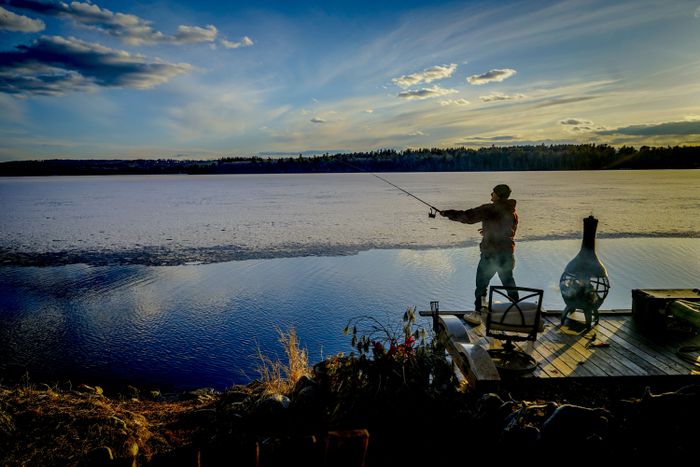
Lake fishing occurs in still or slow-moving waters where current has little influence on fish positioning. Instead, depth, temperature, wind, and underwater structure play a much larger role in determining fish location and behavior. Without steady flow delivering food, lake fish spread out across different depth zones and rely on structure such as weed lines, drop-offs, and submerged features. These conditions create more stable patterns that shift gradually with seasons, allowing anglers to focus on depth control, structure targeting, and timing rather than current management.
How Water Movement Shapes Fishing Conditions
Water movement directly influences fish location, feeding behavior, and presentation style. Rivers depend on continuous flow, while lakes operate with minimal movement. Understanding this difference helps anglers choose better locations, control presentations, and adjust strategy based on water conditions.
River Current and Its Challenges
In rivers, current refers to the constant downstream movement of water that carries food and oxygen. Fish use this flow to their advantage by positioning themselves where food drifts past without requiring extra energy.
Key river holding areas include:
Current breaks: Rocks, logs, bridge pilings, and shoreline features that reduce flow.
Eddies: Reverse-flow pockets formed behind obstructions.
Slack water zones: Calm areas along banks and inside river bends.
Current seams: Transition lines where fast and slow water meet.
Fish gather in these areas because drifting insects and baitfish naturally concentrate there.
Practical river fishing adjustments:
Cast upstream or across current for a natural drift.
Match lure speed to water flow.
Keep presentations along seams and slower edges.
Control line slack to avoid unnatural movement.
Still Water in Lakes and Minimal Current
Lakes experience little to no natural current, changing how fish position themselves and feed. Without flowing water delivering food, fish rely on depth, temperature, and structure rather than current.
Typical lake positioning includes:
Holding along drop-offs and depth transitions.
Relating to weed lines and submerged structure.
Suspending over deeper basin areas.
Moving shallower during feeding windows or low light.
Lake anglers focus on depth control and structure targeting rather than drift. Electronics and depth finders help locate fish, identify structure, and determine productive depth zones, allowing anglers to fish more precisely in still water environments.
Depth Differences That Shape Fish Location
Depth directly influences where freshwater fish hold, rest, and feed. Rivers and lakes differ greatly in how depth changes across the water, and these differences shape fish behavior. Understanding depth variation helps anglers target productive zones instead of relying on trial and error.
Typical River Depth Profiles
River depth often changes quickly within short distances. A single stretch can shift from shallow riffles to moderate runs and into deep pools, sometimes within a single cast. These fast depth transitions affect fish positioning and feeding behavior.
Key ways depth influences river fishing:
Shallow riffles: Common travel routes and feeding areas during low light.
Moderate runs: Preferred holding zones with balanced flow and depth.
Deep pools: Refuge areas during high current, heat, or fishing pressure.
Slack water pockets: Deeper areas beside main current where fish conserve energy.
Fish often position themselves along depth edges near current seams, especially where shallow water drops into deeper zones. Even small depth changes can concentrate fish by providing shelter and steady access to drifting food.
Popular river species commonly hold in:
Mid-depth runs near current breaks.
Deeper pools during extreme flow or temperature.
Shallow edges during active feeding windows.
Lake Depth Zones and Thermal Layers
Lakes feature more stable and predictable depth zones than rivers. Depth usually increases gradually, creating flats, slopes, and deep basins that fish use seasonally.
Important lake depth concepts include:
Stratification: Layering of water by temperature during warmer months.
Thermocline: A depth band where temperature and oxygen levels are ideal.
Shallow flats: Feeding areas during early morning and low light.
Drop-offs and humps: Key structure that funnels fish movement.
Deep basins: Holding zones during stable or high-pressure conditions.
Fish in lakes often move vertically instead of horizontally, adjusting depth based on temperature and light. Depth finders and sonar help anglers locate productive depth ranges, identify structure, and detect suspended fish, allowing more precise presentations and improved success in still water environments.
Understanding Structure and Fish Habitat in Rivers and Lakes
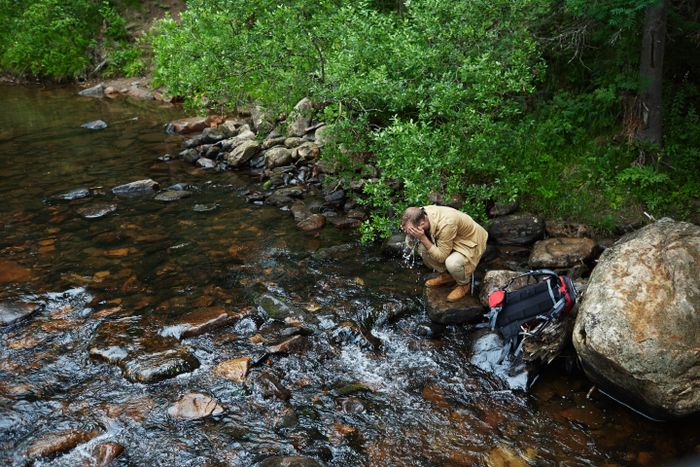
Underwater structure plays a major role in fish location and feeding behavior. Both rivers and lakes offer structure, but the type, function, and fishing approach differ greatly. Understanding how fish use structure in flowing versus still water helps anglers target high percentage areas more consistently.
Rivers: Natural Structure and Flow Variances
River structure is shaped by moving water and constantly changing conditions. Features such as riffles, runs, pools, cut banks, and submerged wood create a variety of holding and feeding zones. Fish rely on these natural formations to stay protected from strong current while remaining close to drifting food.
Common river structures and how fish use them:
Riffles: Shallow, fast water that produces food and oxygen. Often used as feeding zones during low light.
Runs: Moderately deep stretches with steady flow where fish hold comfortably.
Pools: Deeper areas that provide refuge during high current, heat, or pressure.
Cut banks: Eroded outer bends that create depth and slower water along shorelines.
Submerged wood: Fallen trees and logs that create current breaks and ambush points.
Fish position themselves just behind or beside these structures to conserve energy. Current breaks allow them to rest while waiting for food to drift past. The most productive spots are often where structure intersects with depth changes or current seams.
River fishing tips:
Focus casts upstream of structure and let bait drift naturally.
Target edges where fast water meets slower pockets.
Fish the downstream side of rocks and wood where current slows.
Lakes: Diverse Still Water Structure
Lake structure differs because it is not shaped by constant flow. Without current, fish rely on structure for shelter, feeding opportunities, and temperature stability rather than energy conservation.
Common lake structures include:
Weed beds and weed lines: Provide cover, oxygen, and feeding lanes.
Submerged trees: Offer shade and ambush opportunities.
Drop-offs: Depth transitions that funnel fish movement.
Humps: Isolated rises that attract bait and predator fish.
Deep basins: Holding areas during stable or extreme conditions.
Fish congregate around lake structure because it concentrates bait and creates predictable movement patterns. Unlike rivers, lake fish often suspend above structure or move vertically based on light and temperature.
Lake structure fishing tactics:
Work weed edges rather than casting directly into thick cover.
Fish drop-offs by controlling depth and presentation speed.
Use electronics to locate structure and mark productive depth zones.
Understanding how structure functions differently in rivers and lakes allows anglers to fish more efficiently and target areas where fish naturally want to be.
Species Behavior Comparison in Rivers vs Lakes
Fish respond very differently to flowing rivers and still lakes. Current, depth stability, and structure influence how species feed, move, and conserve energy. The table below compares common freshwater species behavior in rivers and lakes, helping anglers adjust tactics based on environment.
Species | River Behavior | Lake Behavior | Seasonal Influence | Angler Tactics |
|---|---|---|---|---|
Hold behind current breaks and seams, feeding on drifting insects and baitfish | Relate to depth, temperature layers, and structure | Move deeper during warm periods, shallower during cold or spawning | Drift natural baits in rivers, control depth precisely in lakes | |
Smallmouth bass | Position near rocks, eddies, and slower seams to ambush prey | Use drop-offs, humps, and rocky structure | Become aggressive during warming trends and spawning | Use current-based presentations in rivers, structure-focused retrieves in lakes |
Pike | Hold along slack water edges and deeper runs near cover | Patrol weed lines and deeper edges | Shift deeper during heat, move shallow during feeding windows | Target cover edges and adjust lure depth |
Catfish | Stay near bottom in deeper holes and slow current zones | Use deep basins and structure-rich areas | Feed actively during warmer months and after weather changes | Fish bottom zones and slow-moving presentations |
Largemouth bass | Use current breaks sparingly, often near slower water | Strongly structure-oriented around weeds and cover | Follow seasonal movement tied to temperature | Adjust lure size and depth based on activity |
Hold near seams and bottom transitions | Relate to drop-offs and low-light feeding zones | More active during low light and cooler water | Use subtle presentations and depth control | |
Panfish | Gather in slack water near vegetation | School around weed beds and shallow flats | Move shallow during spawning seasons | Use small lures and precise depth targeting |
Key Behavior Insights for Anglers
Understanding fish behavior helps anglers adapt tactics and locations. Here are key behavior insights anglers should know:
River species prioritize energy conservation, holding near current breaks where food flows naturally.
Lake species rely on depth and structure, moving vertically as conditions change.
Seasonal shifts impact both environments, but river fish respond faster to flow changes while lake fish follow gradual temperature patterns.
Lure choice and presentation should match how fish position themselves rather than targeting species alone.
Techniques and Presentation: Adapting to Rivers vs Lakes
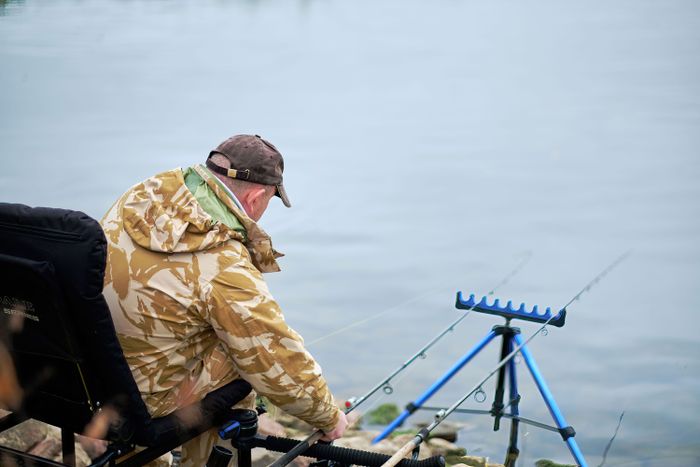
Fishing techniques must change based on whether you are targeting fish in moving or still water. Rivers require presentations that work with current, while lakes demand precise depth control and structure-focused tactics. Here is how anglers should adjust their approach in each environment.
River Fishing Techniques
Here are key technique adjustments for fishing in rivers:
Drift-based presentations: Allow bait or lures to move naturally with the current.
Upstream casting: Cast ahead of target areas to control speed and depth.
Seam targeting: Focus on edges where fast and slow water meet.
Weight management: Use just enough weight to maintain bottom contact without snagging.
Short, accurate casts: Precision matters more than distance in flowing water.
Lake Fishing Techniques
Here are key technique adjustments for fishing in lakes:
Depth control: Match lure depth to fish location rather than covering water blindly.
Structure targeting: Focus on weed lines, drop-offs, humps, and submerged cover.
Vertical presentations: Use jigging or slow retrieves when fish are holding deep.
Electronics usage: Rely on sonar to locate fish and bait before casting.
Patience and timing: Work specific areas thoroughly during feeding windows.
Adapting technique and presentation to the water type improves efficiency and keeps lures in the strike zone longer, leading to more consistent results in both rivers and lakes.
Key Differences and Smart Adjustments for Rivers vs Lakes
The table below provides a clear summary of how river and lake fishing differ across the most important factors. Use it as a quick reference when switching between water types or planning your next freshwater trip.
Factor | Rivers | Lakes | How Anglers Should Adjust |
|---|---|---|---|
Water movement | Constant current shapes fish position | Minimal current, mostly still water | Drift presentations in rivers, controlled retrieves in lakes |
Depth changes | Rapid depth shifts over short distances | Gradual and stable depth zones | Read depth breaks in rivers, focus on consistent depth ranges in lakes |
Structure | Riffles, runs, pools, cut banks, submerged wood | Weed lines, drop-offs, humps, basins | Target current breaks in rivers, structure edges in lakes |
Fish behavior | Energy conservation and reaction feeding | Vertical movement and structure-oriented feeding | Match lure speed to flow in rivers, depth and timing in lakes |
Feeding zones | Seams and slack water areas | Depth transitions and cover | Focus casts where fish naturally feed |
Quick Strategy Guide When Switching Waters
Here are practical adjustments anglers should make when moving between river and lake fishing:
Moving from river to lake fishing: Slow down presentations, focus on depth control, and target structure instead of current seams.
Moving from lake to river fishing: Read water flow carefully, fish current breaks, and use natural drift-based presentations.
Fishing pressured water: Downsize lures, fish precise locations, and reduce retrieve speed.
Seasonal transitions: Adjust depth first, then fine-tune lure choice and presentation speed.
These quick changes help anglers adapt faster and stay productive when conditions or fishing environments change.
Conclusion
Fishing rivers and lakes successfully comes down to understanding how each environment shapes fish behavior. Rivers demand awareness of current, quick depth changes, and energy-saving holding positions, while lakes require attention to depth zones, structure, and seasonal movement. When anglers recognize these differences, they spend less time guessing and more time fishing productive water. Applying the right strategy for current, depth, structure, and species behavior allows anglers to adapt confidently when switching between rivers and lakes. Whether you are targeting flowing freshwater or still water environments, learning how fish naturally respond to these conditions leads to more consistent results and better days on the water. For anglers looking to deepen their freshwater skills, Guidesly offers trusted resources, species insights, and expert guidance to help you fish smarter in any freshwater setting.
FAQs
1. Is river fishing harder than lake fishing for beginners?
River fishing challenges beginners due to current and changing depth, while lakes offer more predictable conditions, making them easier for learning basic freshwater fishing skills.
2. Do fish bite more aggressively in rivers than lakes?
Fish in rivers often strike faster because food drifts quickly, while lake fish tend to inspect lures longer before biting due to calmer conditions.
3. Can the same rod and reel be used for both river and lake fishing?
Yes, versatile freshwater rods work in both environments, but line weight, lure choice, and presentation should change based on current and depth conditions.
4. Does weather affect river and lake fishing differently?
Weather impacts rivers faster by altering flow and visibility, while lakes respond gradually through temperature changes, wind-driven movement, and altered feeding windows.
5. Are fish easier to locate in rivers or lakes?
Fish are often easier to locate in rivers because current concentrates them, whereas lake fish spread across depth zones and structure, requiring more searching.
6. How does water clarity differ between rivers and lakes?
Rivers experience frequent clarity changes after rain or runoff, while lakes usually maintain stable clarity unless affected by algae blooms or heavy wind.
7. Is live bait more effective in rivers or lakes?
Live bait performs well in rivers because it drifts naturally, while in lakes it requires careful depth control to remain effective and avoid unnatural movement.
8. Do seasonal patterns change faster in rivers than lakes?
Seasonal changes affect rivers more quickly due to flow and temperature shifts, while lakes transition slowly as water layers adjust over time.
9. Can shoreline fishing be productive in both rivers and lakes?
Shoreline fishing works in both environments, but rivers favor casting toward seams and bends, while lakes reward targeting structure near the bank.
10. Should lure color differ between river and lake fishing?
River fishing often benefits from brighter or high-contrast lures due to moving water, while lakes favor natural colors matching forage and water clarity.