How Guides Adjust Strategies Mid-Trip for Better Catches
Learn how professional fishing guides adapt tactics, locations, and coaching mid-trip to improve catch rates, confidence, and long-term angler success.
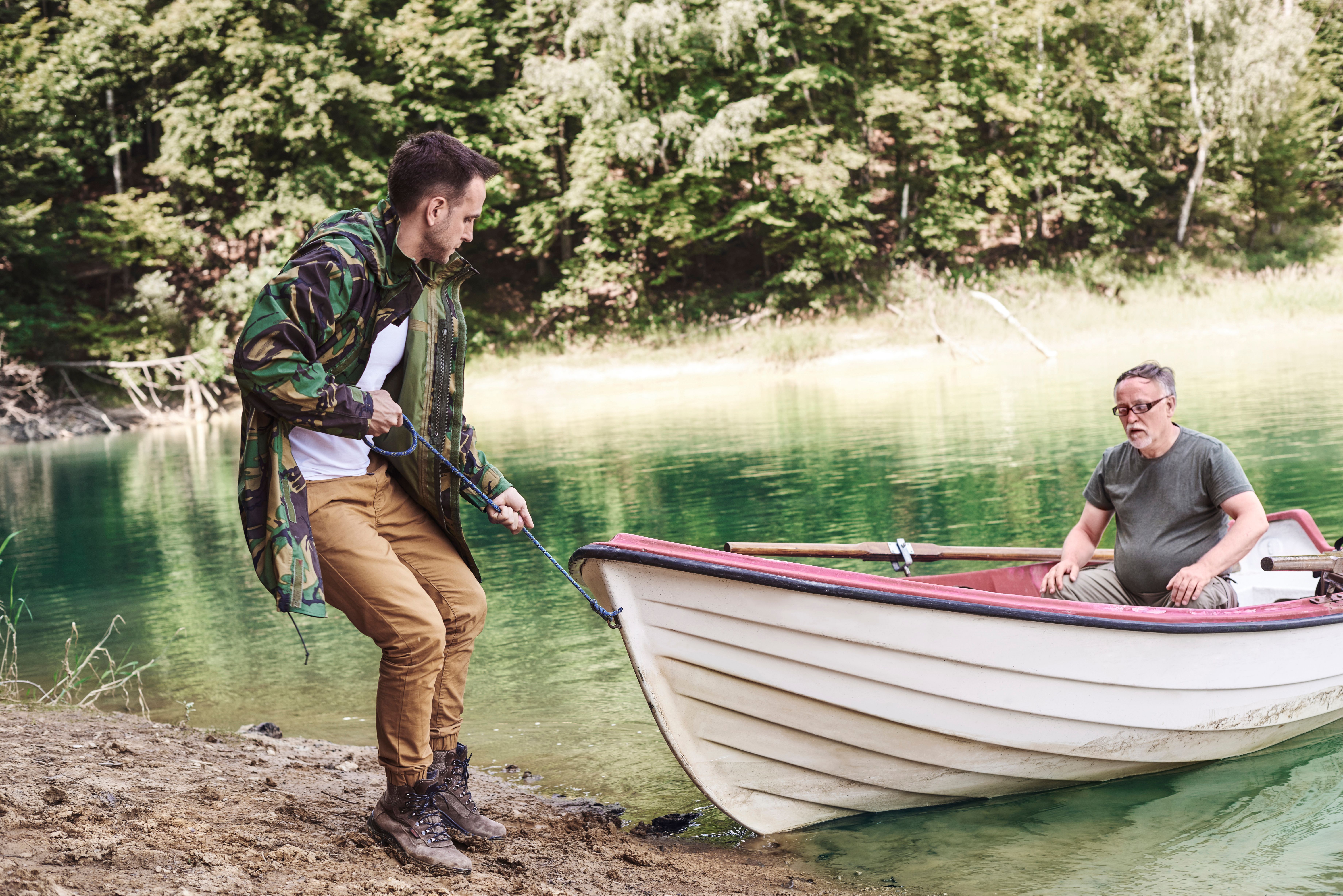

Fishing conditions rarely stay stable for long. Water temperature shifts, light changes, pressure builds, and fish behavior adapts faster than most anglers can react. This is where professional fishing guides create real value. Rather than committing to a single plan, guides constantly evaluate what is happening in front of them. They watch how fish respond, how weather and water movement evolve, and how each angler performs in real time. When something stops working, adjustments happen immediately, not after hours of frustration. Lures change, depth shifts, locations move, and coaching adapts to match the moment. This ability to adjust mid-trip is what separates guided fishing from trial and error. When conditions break the plan, experienced guides protect results by turning change into opportunity instead of letting the day slip away.
Why Mid-Trip Adjustments Matter More Than the Original Plan
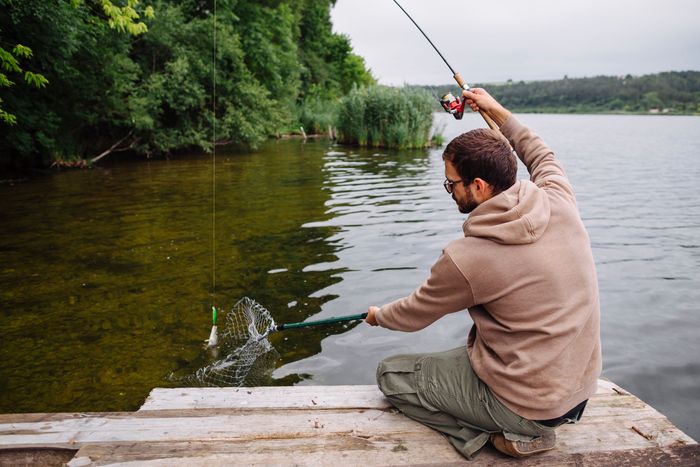
Pre-trip planning gives structure to a fishing day, but it cannot predict how fish will behave once lines hit the water. Fish respond to subtle shifts in pressure, light, temperature, and current that develop hour by hour. Boat traffic increases, weather changes direction, and feeding windows open or close without warning. A plan built the night before quickly becomes outdated if it is not adjusted. Successful fishing depends on responding to what is happening now, not what was expected to happen.
This is where professional guides outperform solo anglers. Guides recognize early signals that conditions are changing and act without hesitation. They move, adjust, or reset before time is wasted. Decision speed matters more than effort. Quick, informed adjustments keep anglers fishing productive water while others continue working a plan that no longer fits the conditions.
How Professional Guides Make Mid-Trip Adjustments in Real Time
Fishing success rarely follows a fixed script. As conditions shift, professional guides stay locked into what the water and fish are showing in the moment. Every decision is shaped by observation, response, and timing. This real-time adaptability allows guides to protect momentum, correct stalled patterns, and keep anglers fishing productive water even when the original plan breaks down.
Tactical & Technical Adjustments Guides Made on the Water
On-the-water adjustments are often subtle but decisive. Guides focus on how fish are reacting, not how the plan was built. Small technical changes made quickly prevent long slowdowns and keep anglers connected to active fish instead of waiting for conditions to improve on their own.
Fly and Lure Selection Based on Immediate Feedback
Guides respond to what just happened, not what should have happened. Each change is triggered by real-time fish reactions.
Immediate feedback signals:
Short strikes or follows without commitment
Refusals after the first pass through the feeding lanes
Fish showing interest but missing the presentation
Resulting pattern changes:
Switching profiles to adjust visibility or realism
Downsizing to match cautious feeding behavior
Changing color or weight to improve strike conversion
Changing Presentation Style When Fish Stop Responding
When bites slow, guides adjust how the bait moves through the water. Dry flies shift to nymphs, streamers slow down, and retrieves become more controlled. Bottom-bouncing rigs and refined drifts keep presentations in feeding lanes longer, increasing strike opportunities without immediately changing locations.
Depth and Speed Adjustments That Match Fish Energy
Guides fine-tune depth and retrieve speed based on fish metabolism and water conditions.
Real-time adjustment cues:
Slower retrieves during colder water when fish conserve energy
Deeper presentations under high sun and clear conditions
Shorter strike windows in pressured or heavily fished water
These decisions are driven by observation, not routine.
Tackle Downsizing to Maintain Momentum
Downsizing tackle is a strategic reset, not a downgrade. Guides reduce profile and weight to trigger more consistent bites, keep rods bent, and rebuild confidence. This approach maintains engagement, reinforces fundamentals, and protects learning value when larger fish are inactive.
Environmental Adaptation Through Constant Water Reading
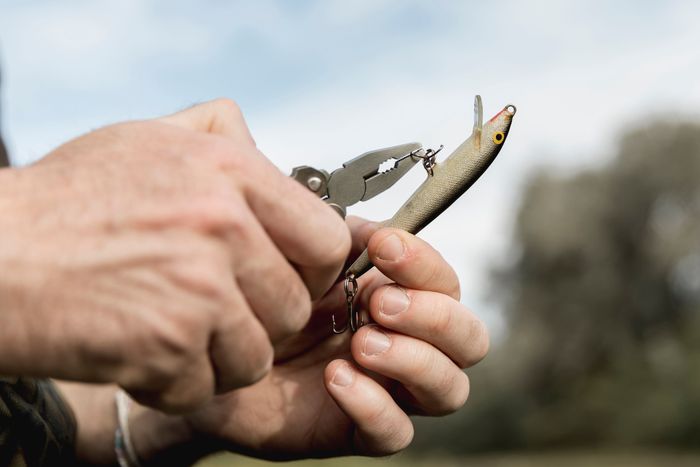
Fish reposition constantly as light, pressure, and flow change. Guides continuously scan water instead of committing to one stretch for too long. This awareness helps them stay ahead of shifting conditions and avoid wasting time in water that has gone cold.
Reading Seams, Eddies, and Riffles in Real Time
Guides evaluate moving water features that concentrate fish throughout the day.
Key holding indicators:
Oxygenated seams formed by converging currents
Eddies that offer rest and ambush opportunities
Subtle depth or structure changes most anglers overlook
These zones often reload as conditions evolve.
Strategic Relocation When Water Goes Cold
Guides rely on efficiency rules to avoid stalled sessions.
Relocation triggers:
No productive signals after 15 to 20 minutes
Fish shifting deeper or out of the current
Pressure increases from weather or boat traffic
Movement is proactive, not reactionary.
Adjusting Location Based on Weather Shifts
Light, wind, and cloud cover directly influence fish positioning. Bright conditions push fish deeper and tighter to structure. Overcast skies open shallow feeding lanes. Wind stacks bait, pulling predators into active zones when guides reposition anglers correctly.
Angler-Focused Coaching That Adapts Mid-Trip
Guides adjust the fishing environment around the angler as much as the water strategy. Coaching evolves with real performance, helping anglers succeed within current conditions rather than forcing techniques that create frustration.
Skill Calibration Based on Real Performance
After observing casts, hook-sets, and line control, guides recalibrate difficulty. Shorter casts, simpler drifts, and better boat positioning reduce complexity while improving outcomes. This keeps progress steady and confidence intact.
Real-Time Instruction and Mid-Trip Debriefs
Guides correct issues while they happen, not after the trip ends. These are the adjustments that matter most in the moment. Here are the key coaching focus areas:
Line management: Reducing slack and drag to improve drift quality and increase strike detection during active feeding windows.
Timing adjustments: Improving hook-set timing and reaction speed to convert subtle takes into solid connections.
Mending control: Extending productive drifts by keeping flies or lures moving naturally through feeding zones.
Immediate feedback turns missed chances into learned success.
Expectation Management That Protects the Experience
Guides may shift goals mid-trip to preserve engagement and momentum. Moving from trophies to numbers, switching species, or focusing on skill development builds trust. This approach delivers long-term value and keeps the experience positive even when conditions limit original objectives.
How These Adjustments Separate Guides From Guesswork Anglers
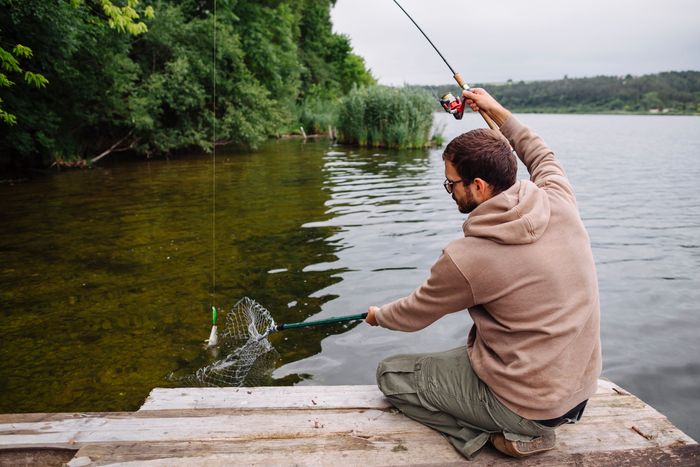
Many anglers rely on trial and error, repeating the same casts, retrieves, and locations while hoping conditions eventually improve. When bites slow, effort increases, but direction stays the same. This approach wastes time and often leads to frustration. Without clear feedback, adjustments come late or not at all.
Professional guides operate differently. They react instead of hoping. Every missed strike, short take, or inactive stretch provides information. Guides read patterns forming in real time and respond immediately. They change depth, speed, location, or presentation before momentum is lost. Decisions are based on observation, not routine.
This adaptability is what creates consistent success. Guides do not wait for proof that something is broken. They adjust early and often, keeping anglers aligned with active fish. Over time, this decision speed compounds, turning changing conditions into opportunities rather than obstacles.
Why Mid-Trip Adaptability Is the Real Value of a Fishing Guide
Hiring a guide pays for adaptability, not time, turning changing conditions into productive decisions that protect results, confidence, and learning throughout any trip. Here are the core benefits:
Experience Access: Guides apply years of local knowledge instantly, recognizing subtle signals faster than solo anglers, preventing wasted hours, and replacing guesswork with informed decisions.
Compressed Decisions: Guides shorten learning curves by making rapid adjustments mid-trip, converting environmental changes into actionable moves instead of delayed reactions and stalled outcomes.
Time Efficiency: Adaptability keeps anglers fishing productive water, avoiding long unproductive stretches, constant second-guessing, and unnecessary effort when conditions shift unexpectedly during any trip.
Confidence Building: Real-time adjustments create momentum, helping anglers trust decisions, stay engaged, and learn patterns instead of feeling stuck when plans fail on the water.
Result Protection: Guides adjust early to protect catches and learning outcomes, ensuring changing conditions do not erase progress or morale during the fishing day overall.
What Mid-Trip Adjustments Mean for Long-Term Angler Success
The real payoff of mid-trip adaptability extends well beyond today’s catch count. When anglers experience real-time adjustments, they begin to understand how decisions are made as conditions change. This transforms fishing from guesswork into a skill-driven process that improves with every fishing trip.
Long-term learning outcomes:
Pattern recognition instead of relying on luck
Clear understanding of cause-and-effect decisions
Ability to read changing fish behavior
Awareness of environmental influence on results
Lasting advantages gained:
Stronger decision confidence in unfamiliar water
Skills that transfer across seasons and locations
Better adaptability across species and techniques
Shorter learning curves on future trips
Professional guidance turns unpredictable conditions into structured learning moments, creating value that lasts well beyond a single day on the water.
Conclusion
Fishing success is dynamic, not something planned once and executed blindly. Conditions shift, fish adapt, and angler performance evolves throughout the day. Professional guides stay aligned with these changes by adjusting techniques, locations, and coaching in real time. This adaptability protects results, builds confidence, and turns unpredictable conditions into productive learning moments. Guided trips are not about following a fixed script. They are about making informed decisions when it matters most. When plans break down, experience fills the gap. Choosing the right guide means choosing consistency, efficiency, and long-term improvement. Explore experienced, adaptable fishing guides on Guidesly and fish with professionals who know how to adjust when conditions change.
FAQs
1. How do fishing guides know when a strategy is failing mid-trip?
Guides evaluate water movement, fish reactions, angler efficiency, and weather shifts, using small signals to predict near-term changes and adjust tactics before productivity declines significantly.
2. Why do mid-trip adjustments reduce frustration for anglers?
Mid-trip changes prevent wasted time by responding immediately to feedback, keeping anglers engaged, maintaining momentum, and reducing frustration that often follows long unproductive stretches.
3. Do beginners benefit from adaptive fishing guides?
Beginners benefit because guides simplify environments, shorten casts, and clarify decisions, helping new anglers experience success while learning how conditions influence fish behavior directly and quickly.
4. How do experienced anglers gain value from guided adaptability?
Experienced anglers gain refined judgment, faster pattern recognition, and exposure to alternative approaches, allowing them to adapt independently during future trips across varied waters confidently.
5. How do guides adjust coaching for different anglers mid-trip?
Guides adjust coaching style based on fatigue, focus, and execution, ensuring anglers stay effective without overwhelming them when conditions or energy levels change midday unexpectedly.
6. Can adaptability improve safety during guided fishing trips?
Real-time adaptability increases safety by avoiding risky water, responding to weather shifts early, and managing fatigue before small issues escalate into larger problems unnecessarily afloat.
7. How much learning can one guided trip provide?
One guided trip can replace months of trial-and-error by exposing anglers to decision logic they can reuse when conditions change unexpectedly during future independent outings.
8. Why do adaptable guides focus on learning over catch numbers?
Adaptable guides prioritize learning over outcomes, ensuring anglers leave with transferable skills even when catch numbers remain lower than expected for long-term confidence-building purposes.
9. Why do fishing conditions change so frequently between trips?
Conditions change daily because fish respond to pressure, temperature, light, and forage availability, making rigid plans unreliable across consecutive trips, even within familiar fisheries regions.
10. What should anglers communicate to guides to support better mid-trip adjustments?
Anglers should share comfort levels, goals, fatigue, and feedback honestly, allowing guides to adjust pace, techniques, and focus areas more effectively as conditions and performance evolve.