How Guides Reduce Risk for Families & Group Fishing Trips
Learn how professional fishing guides reduce safety, legal, and logistical risks for families and groups, creating confident, stress-free fishing trips.
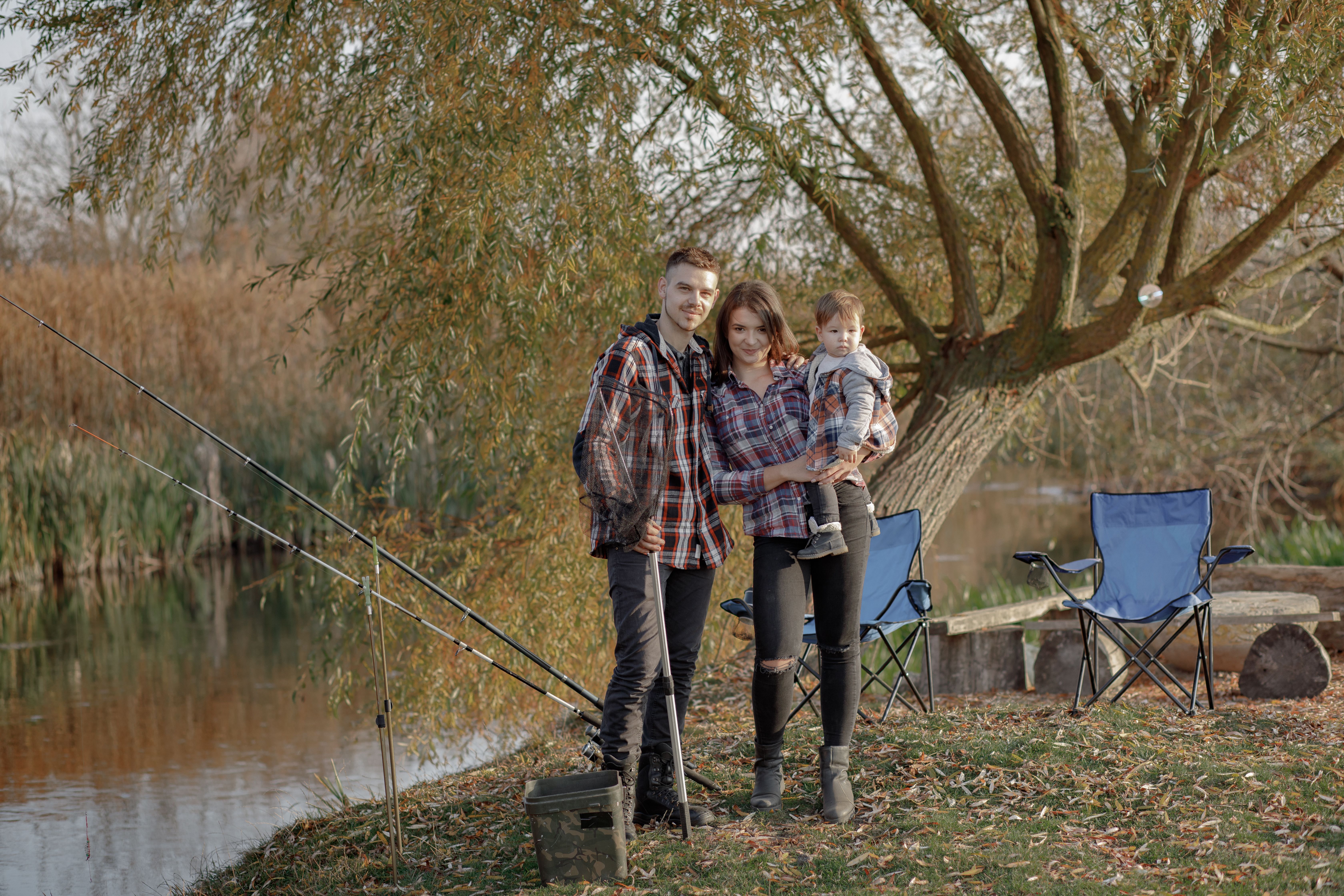


Family and group fishing trips bring a different level of responsibility compared to solo outings. When children, beginners, and mixed skill levels share the same boat, small mistakes can quickly turn into safety concerns. Unfamiliar waters, changing weather, and shared space increase the chance of accidents, confusion, or legal missteps. This is where guided fishing safety becomes essential, not optional. Professional guides act as on-water risk managers, watching conditions, managing people, and making decisions that families cannot easily handle alone. For family fishing trips, guides reduce pressure on parents by overseeing equipment use, casting behavior, and overall movement on the boat. For larger groups, group fishing guides maintain structure, spacing, and compliance with local rules. Their role goes beyond catching fish. They protect safety, ensure legality, and create a calm, confident environment where everyone can focus on the experience instead of the risks.
Why Family and Group Fishing Trips Carry a Higher Risk
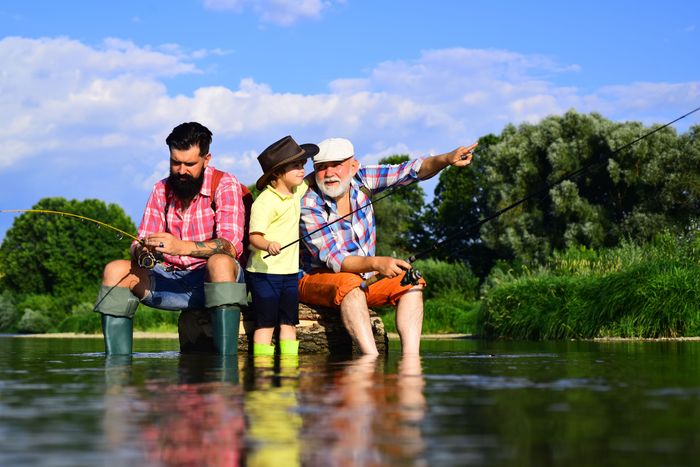
Family and group fishing trips naturally involve a wide range of experience levels. Beginners, children, and first-time anglers often struggle with casting control, balance, and coordination. These gaps increase the likelihood of tangled lines, swinging hooks, and sudden movements that create avoidable safety issues. From a family fishing safety perspective, even simple actions require more structure than solo outings.
Environmental conditions also play a larger role in group fishing risks. Tides, currents, wind shifts, and limited visibility can change quickly, especially in unfamiliar waters. Families often underestimate how these variables affect boat positioning, casting space, and overall safety when multiple people are involved.
Shared responsibility further reduces hazard awareness. Parents helping children may miss weather shifts, nearby obstacles, or unsafe movement on the boat. Professional guides monitor these risks continuously, allowing families to stay focused on the experience without losing situational awareness.
The Core Safety Framework Professional Guides Bring to Group Trips
Professional fishing guides rely on structured safety systems to manage the added complexity of group trips. These guided fishing safety systems combine training, equipment, planning, and judgment to reduce risk before problems start. Instead of reacting late, professional fishing guides operate within proven frameworks that protect families, maintain control, and support consistent trip quality on busy, unpredictable waters for all onboard participants.
Professional Safety Oversight Is the First Risk Barrier
Professional guides serve as the primary safety authority on group trips, managing risks families cannot anticipate or control alone. Their training and preparation reduce emergencies before they escalate.
Emergency preparedness with CPR and first aid training
Onboard safety equipment, including radios, GPS, and flotation devices
Routine vessel inspections for mechanical and structural reliability
Proactive weather monitoring and early rescheduling decisions
Specialized Safety Support for Children and Beginners
Children and first-time anglers require constant supervision, adapted equipment, and clear instruction. Guides take on this responsibility so parents can relax and enjoy the experience. These are the key protections they provide:
Kid-Sized Gear: Guides provide shorter rods, lighter reels, and balanced tackle that improve control, reduce fatigue, prevent overloading, and keep beginners comfortable, confident, and focused.
Barbless Hooks: Guides use flattened or barbless hooks to limit puncture injuries, prevent deep embedding, simplify releases, and reduce panic, fear, and pain during accidents.
Proper Life Jackets: Guides ensure correctly sized USCG-approved PFDs are worn consistently, adjusted properly, checked before departure, and matched to age, weight, activity, and conditions.
Safe Casting Instruction: Guides teach sidearm casting, spacing awareness, and controlled movement so beginners avoid snagging, striking, or endangering others during excitement, wind, or distractions.
Navigation and Hazard Management Families Cannot See
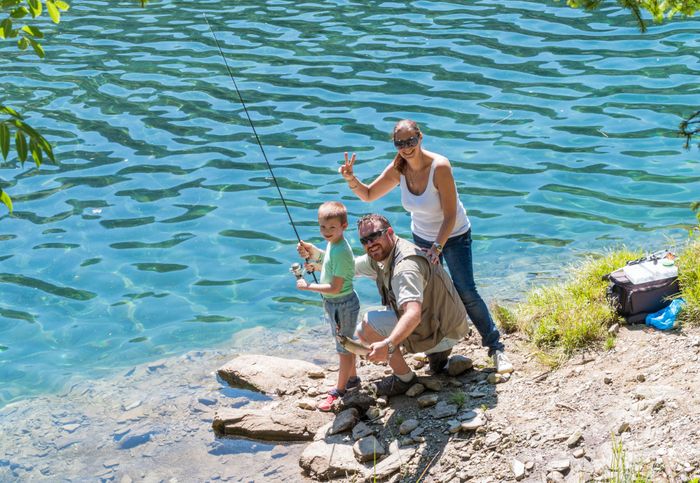
Local water hazards are rarely obvious to visiting families or first-time anglers. Changing the bottom structure, water movement, and species behavior creates risks that require constant monitoring and local knowledge.
Hidden hazards managed by guides:
Sandbars and shallow flats that can ground boats
Submerged rocks, logs, and debris below the surface
Strong currents that affect balance and positioning
Reef edges and uneven underwater structures
Biological safety management:
Safe handling of fish with sharp teeth to prevent cuts and punctures
Proper control of species with spines or venomous barbs
Clean release techniques that reduce infection and injury risk
Logistical and Regulatory Compliance Protects Families Legally
Legal mistakes can quickly disrupt a family fishing trip. Guides manage regulatory responsibilities, so families remain protected. Here are the safeguards they enforce:
Licensing Coverage: Guides verify valid licenses, permits, and endorsements for every angler, preventing violations, fines, confiscation, delays, disputes, or cancellations.
Bag and Size Limits: Guides monitor species-specific retention rules, measure catches, track totals, and release fish, avoiding penalties and overharvest.
Local Regulations: Guides stay updated on seasonal closures, restricted zones, and protected species, keeping families compliant, informed, and uninterrupted legally.
Managing Group Dynamics on the Water
Managing groups on the water requires structure, timing, and clear control. Guides assign casting zones, define movement paths, and position anglers to maintain spacing. Boat layout decisions limit congestion, protect balance, and reduce accidental contact, keeping lines clear, behavior stable, and injuries less likely overall.
By controlling movement and spacing, guides reduce chaos and stress for families. Parents stay focused on the experience instead of crowd management. Clear expectations help children follow instructions, beginners gain confidence, and groups move safely together. The result is calmer trips, communication, and safer interactions.
Why Verified Guides Matter More for Families Than Solo Anglers
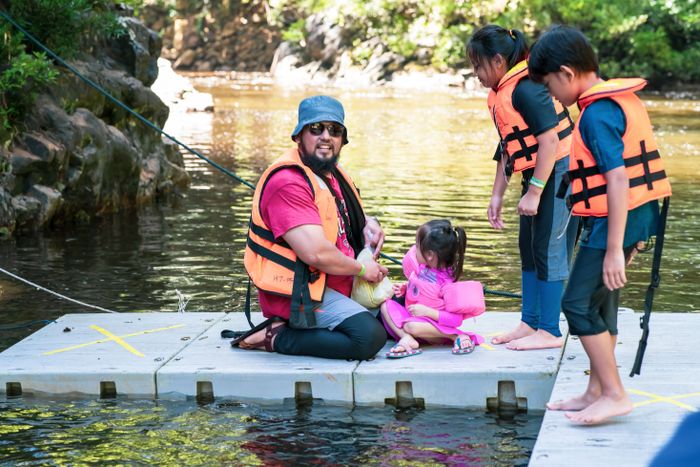
Family and group fishing trips involve higher responsibility, greater safety exposure, and more moving parts than solo outings. When children and beginners are involved, trust becomes critical. Verified fishing guides offer proof-backed reliability through systems that protect families beyond personal referrals. A trusted fishing platform adds oversight, accountability, and safeguards that informal bookings cannot provide. These are the key reasons families benefit most from verified professionals:
Verified Reviews: Confirm real trips, families, and safety outcomes, helping parents trust experiences involving children, group dynamics, equipment handling, and on-water decision-making pressure situations.
Insurance Coverage: Verified fishing guides carry liability insurance that protects families, covers accidents, medical issues, and damage, and provides peace of mind for group trips.
Platform Standards: A trusted fishing platform enforces screening, credentials, and safety expectations, ensuring guides meet professional requirements, follow regulations, and maintain service quality for families.
Professional Accountability: Verified fishing guides are accountable for behavior, safety decisions, and communication, reducing no-shows, misrepresentation, and risky shortcuts that can impact families and groups.
Dispute Protection: Trusted fishing platforms provide documentation, support, and resolution processes if issues arise, helping families recover costs, report concerns, and avoid repeat safety problems.
Choosing the Right Guide Based on Group Size, Age, and Environment
Choosing the right guide depends on who is coming and where you plan to fish. Group size, ages, and experience levels shape safety needs. A thoughtful match between guide skills and trip conditions reduces risk early. When choosing fishing guide options for a family fishing charter, planning around people matters as much as planning around fish before lines are cast.
Age-Specific Planning for Safer Trips
Different age groups require different safety approaches, pacing, and instruction. Professional guides plan trips around physical ability, attention span, and comfort levels.
Key considerations by age group:
Toddlers require calm waters, short trips, constant supervision, and secure seating
Teens need clear rules, structured casting space, and active engagement
Seniors benefit from stable boats, reduced movement, and flexible pacing
Mixed-age groups require balanced instruction and clearly defined safety zones
Matching the Environment to Risk Tolerance
Freshwater trips usually offer calmer conditions, shorter travel times, and easier exits, making them suitable for young children, seniors, and first-timers. Lakes and rivers allow guides to adjust pace, stay sheltered, and reduce exposure to sudden weather or long runs offshore for family groups.
Inshore and offshore trips increase complexity, movement, and commitment. Inshore fishing suits confident families seeking variety with moderate risk, while offshore trips demand stamina, weather tolerance, and strict supervision. Guides help families choose environments that match comfort levels, attention spans, and safety expectations before booking.
How Guides Reduce Stress So Families Can Focus on the Experience
Family fishing trips often become stressful when parents must juggle safety, logistics, instruction, and group coordination at the same time. Professional guides remove that burden by managing risks and decisions proactively. This creates stress-free fishing trips and a smoother family fishing experience for everyone involved. These are the ways guides reduce pressure and restore enjoyment:
Safety Monitoring: Guides constantly watch weather, water conditions, casting behavior, and movement, preventing hazards before parents even notice potential issues developing around the group.
Trip Logistics: Guides handle equipment setup, bait preparation, boat positioning, timing, and cleanup, allowing families to arrive relaxed and stay focused on the experience.
Clear Instruction: Guides teach techniques, safety rules, and expectations upfront, reducing confusion, repeated questions, and on-water frustration for beginners and children.
Decision Making: Guides make real-time calls on location changes, weather shifts, pacing, and breaks, removing pressure from parents and group leaders entirely.
Group Coordination: Guides manage spacing, turns, movement, and casting zones so families avoid crowding, tension, and repeated corrections throughout the trip.
Parent Relief: With risk managed professionally, parents engage fully, capture memories, support children positively, and enjoy the outing without constant supervision stress.
Conclusion
Professional fishing guides do far more than help families catch fish. They reduce physical danger, prevent legal mistakes, and remove emotional stress that often follows group outings on unfamiliar waters. Through preparation, structure, and constant awareness, guides protect children, beginners, and mixed-experience groups while keeping trips calm and enjoyable. Safety systems, local knowledge, and professional accountability create confidence long before lines are cast. When families feel secure, they engage more, relax more, and leave with better memories. Instead of managing risk, parents and group leaders can focus on time together. For those planning safe, family-friendly fishing experiences, explore licensed and verified fishing guides on Guidesly and book trips built on trust, preparation, and confidence.
FAQs
Are guided fishing trips suitable for complete beginners?
Yes, guided trips are designed for beginners, offering instruction, structure, and controlled environments that help newcomers learn without pressure or safety concerns.How early should families book a fishing guide?
Booking early improves availability, allows better trip planning, and helps match group needs with appropriate guides, seasons, and conditions.Do fishing guides customize trips for family interests?
Most guides tailor trips around preferred pacing, comfort levels, and activity focus, creating experiences aligned with family expectations rather than fixed routines.What should families bring on a guided fishing trip?
Families usually bring snacks, sunscreen, weather-appropriate clothing, personal medications, and positive attitudes, as most equipment and essentials are provided.Are private charters better than shared trips for families?
Private charters offer more flexibility, personalized pacing, and reduced crowding, making them a preferred option for families with children or mixed experience levels.How long should a first family fishing trip be?
Shorter trips often work best for first outings, allowing families to enjoy the experience without fatigue, overstimulation, or attention challenges.Can fishing guides accommodate special needs or mobility concerns?
Many guides adapt trips for mobility limitations or special needs, but discussing requirements in advance ensures proper planning and comfort.Do guided fishing trips guarantee fish catches?
Guides cannot guarantee catches, but they increase opportunities through local knowledge, timing, and technique selection that improve overall success rates.Are guided fishing trips educational for children?
Yes, children often learn about aquatic environments, conservation, fish behavior, and responsible angling through hands-on, guided experiences.What makes a fishing guide family-friendly?
Family-friendly guides communicate clearly, stay patient, manage group dynamics well, and prioritize comfort, safety, and enjoyment over aggressive fishing goals.