How to Catch Green Sunfish in Cold Water
Catching green sunfish in winter doesn't have to be tough. Learn where they hold, when to fish, which baits work, and how to set up light tackle for more bites.
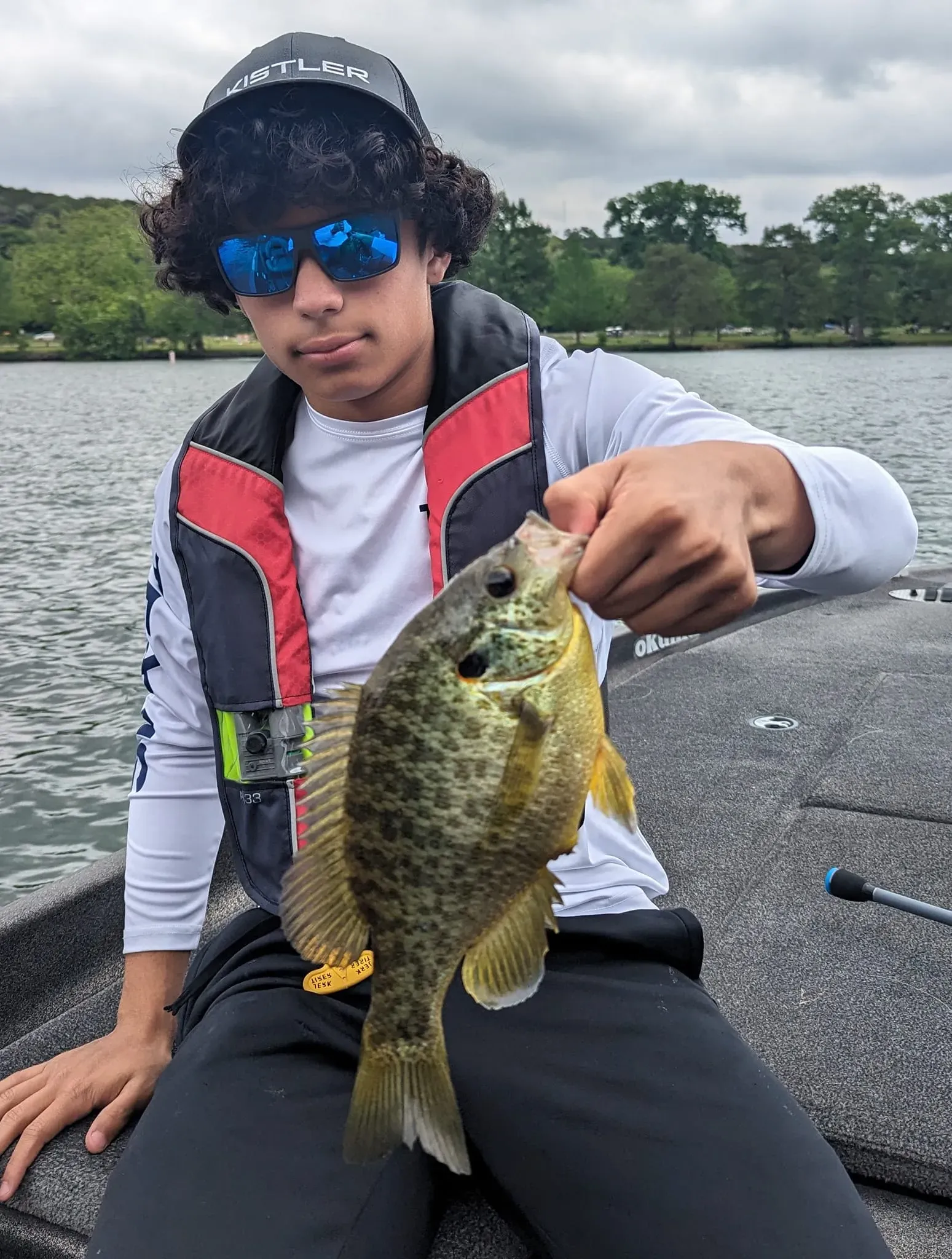


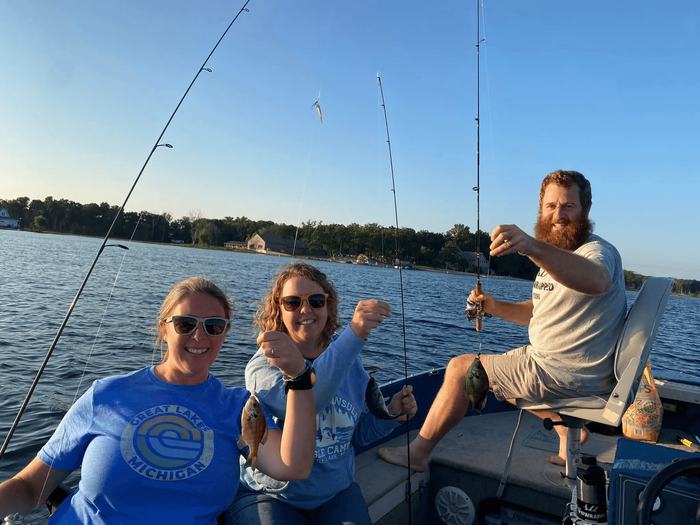
Green Sunfish are scrappy fighters that rarely pass up an easy meal. In warm water, they'll hit small jigs, spinners, and live bait with little hesitation.
Winter fishing is a different game. As the water cools, these fish become less aggressive and spend more time holding around available cover. Getting a bite means finding their winter haunts and putting a small bait right in front of them. Unlike some larger game fish, Green Sunfish don't need elaborate setups or oversized baits to get interested.
A light tackle setup and a well-placed offering can still get the job done when the temperature drops. The key is knowing where to look, what to throw, and how to work your bait when the fish aren't chasing aggressively.
Quick Overview: Catching Green Sunfish in Cold Water
Where to look: Check sheltered pockets, rocky banks, submerged structures, and deeper pools where Green Sunfish can find cover.
When to fish: Focus on warmer parts of the day when afternoon temperatures rise.
Best baits: Small worms, insect larvae, tiny jigs, and other natural offerings.
Tackle: Use an ultralight rod, light line, and small hooks for better control and bite detection.
Fishing approach: Slow down your presentation. Work your bait close to cover and give fish enough time to take it.
Key tip: Pay attention to water temperature and recent weather changes. A slight warming trend can make a difference in fish activity.
Understanding Green Sunfish Behavior in Cold Water
Green Sunfish are generally referred to as warmwater fish, but can tolerate a wide range of water temperatures, including those close to freezing when properly acclimated. The thing anglers need to remember is that surviving cold water and actively feeding in it are two different things.
Their preferred temperature range is considerably warmer, around 81-88°F. As the water cools below that range, their metabolism slows, affecting how often they feed and how much energy they're willing to spend chasing prey, so they're less likely to chase moving baits.
Do Green Sunfish Feed During Winter?
Yes. Cold weather doesn't automatically put Green Sunfish off their feed. They remain capable of feeding through colder periods, although their activity and feeding response can vary with water temperature and local conditions.
When fishing in winter, be prepared to work a slower presentation and keep the offering close to where Green Sunfish are holding.
When Should You Fish for Green Sunfish in Winter?
Timing your fishing trip around changing weather and water conditions can improve your chances of finding active Green Sunfish. Here's what to consider:
Late morning to afternoon: Start around late morning and fish through the afternoon, especially on sunny days. Shallow water and sheltered areas can warm up as the sun stays overhead, sometimes making nearby fish more active.
Stable, mild weather: A stretch of relatively stable, mild weather can offer better fishing conditions than a sudden cold snap or sharp temperature swings, which can make Green Sunfish harder to locate and catch. Look for areas that have had time to warm up instead of fishing immediately after a sharp temperature drop. If the weather has been consistent for a few days, focus on established holding areas.
Remember: Green Sunfish may take longer to become active after a cold night, so if you're fishing early, work known holding areas instead of covering water with fast retrieves. Let the fish tell you when they're ready to bite.
Where to Find Green Sunfish in Cold Water

When you're looking for Green Sunfish in winter, start with structures that provide cover, such as rocks, submerged logs, and weed edges.
Fish can move deeper as the water cools, so focus on spots where shallow cover sits next to deeper water, like a nearby drop-off or deeper pocket, instead of fishing only the shallows. Shallow, sun-warmed spots can still be worth a few casts on mild afternoons.
Ponds and Small Lakes
If you're fishing a farm pond or a small lake, check rocky banks, fallen branches, weed edges, and submerged structures. Pay attention to spots where shallow water meets a deeper pocket. These transitions give Green Sunfish access to different depths as conditions change.
On sunny afternoons, try fishing along shallow banks that receive plenty of sunlight. Rocks and exposed structures can warm up during the day, making these areas worth checking. Cast a small jig or fish a worm under a bobber, keeping your bait close to the structure.
Larger Lakes and Reservoirs
In larger lakes and reservoirs, look for protected coves, rocky points, submerged timber, and the edges of shallow flats. Start along the shoreline and work toward the first drop-off, checking areas where rocks, brush piles, and submerged branches provide cover.
Let your jig sink near the structure before bringing it back with a slow retrieve. You can also work a small worm along rocky edges and submerged timber. If you find fish in one spot, make a few more casts before moving on.
Streams and Rivers
When you're fishing in moving water, concentrate on slower sections where Green Sunfish can stay out of the main current. Check backwaters, small pools, undercut banks, and pockets behind large rocks.
Fallen trees and submerged branches are also worth targeting, especially where they break the current. Try drifting a small worm or insect bait through these pockets. If you're using a tiny jig, work it along the edges of the structure and let it sit in the strike zone for a few extra seconds.
How to Fish Around Cover
Once you've found a likely holding spot, work it carefully. Start by casting along the outer edges of rocks, branches, and vegetation before placing your bait closer to the structure. This helps you cover the area without constantly snagging your hook.
If you're fishing shallow, clear water, keep your movements quiet and avoid casting shadows over the spot. Green Sunfish can spook when you approach too quickly, so make controlled casts and give your bait time to settle.
Once you find an active pocket, don't be surprised if you get several bites from the same area. Green Sunfish are naturally territorial, so even in cold water they may still strike a bait that enters their space. Keep working nearby cover even after landing your first fish.
What Do Green Sunfish Eat in Winter?
Green Sunfish aren't particularly picky eaters. Their diet includes aquatic insects, insect larvae, small crustaceans, snails, and even smaller fish. What they feed on depends largely on what's available in their surroundings and the size of the fish.
Their relatively large mouths give them an advantage over some other sunfish species, allowing them to tackle prey that smaller-mouthed panfish might ignore. Because they are opportunistic feeders, you don't need to limit yourself to one type of bait. When you're fishing in cold water, keep these natural food sources in mind:
Aquatic insects and larvae: A regular part of their diet, including in winter, particularly for smaller fish. Insect larvae are worth considering when fishing around rocks and submerged vegetation.
Crayfish and small crustaceans: Larger Green Sunfish readily feed on small crayfish and other crustaceans found near the bottom.
Small fish, minnows, and fish eggs: Adult Green Sunfish will take smaller fish and fish eggs when the opportunity presents itself.
Worms and other invertebrates: Terrestrial insects and worms can also become available food sources, particularly around shallow banks.
Fishing takeaway: Match your bait to the natural food available in the water you're fishing. Small worms, insect imitations, and tiny crustacean patterns are all worth having in your tackle box.
Best Baits and Lures for Cold-Water Green Sunfish
Green Sunfish will take both live bait and artificial lures, so you have plenty of options when heading out in winter. The key is choosing something small enough to match their natural prey and easy to work around rocks, vegetation, and submerged cover.
Here are a few reliable options to consider:
1. Live Worms and Insect Baits
Small worms, nightcrawler pieces, waxworms, and mealworms are useful choices when Green Sunfish aren't chasing moving prey. You can fish them under a small bobber or on a light hook with just enough weight to keep the bait in place.
2. Small Jigs and Soft-Plastic Grubs
Tiny marabou jigs, soft-plastic grubs, and small insect or creature imitations are worth carrying when you're targeting Green Sunfish around submerged structures. Choose lightweight jigs, and rig soft plastics on light jig heads, so you can fish them near rocks, brush, and vegetation without pulling them out of the strike zone too quickly.
3. Small Spinners
Inline spinners with small blades can produce strikes when fish are willing to chase. Keep the retrieve steady and controlled, particularly around rocky edges and shallow cover. If the fish follow without striking, switch to a slower presentation.
A Few Bait Selection Tips
Downsize your offering: Small baits are easier for Green Sunfish to take, especially when they're feeding less actively.
Match the available forage: Insect larvae and small crustaceans make useful patterns around natural cover.
Carry both live bait and artificials: If one isn't producing, switching presentations gives you another way to get a bite.
Best Fishing Techniques for Catching Green Sunfish in Winter
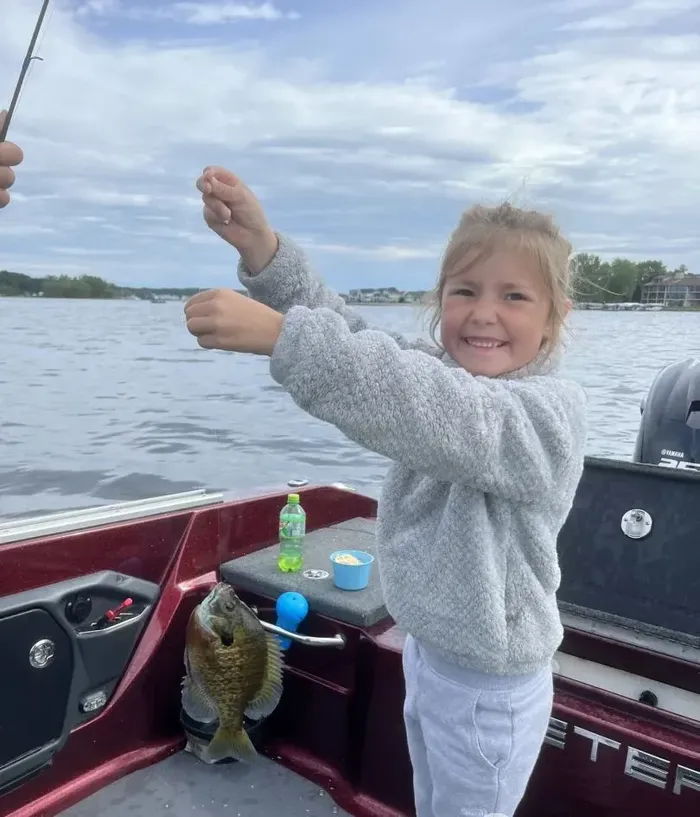
Fishing for Green Sunfish in cold water can mean that they're reluctant to chase a moving bait, so your presentation needs to give them enough time to strike.
A few simple adjustments to your retrieve, bait placement, and fishing depth can help you keep the bait in front of fish without constantly pulling it away from their holding spots.
Fish in cold water tend to hold in a small area, so it’s worth leaving your bait in that zone longer than you would in summer. If you don’t get a bite after a few casts, adjust your depth before changing baits. Float fishing and bottom fishing suit the least active fish, while jigs and spinners cover more water once you’ve found fish that are willing to move. Start with the slowest option below, and only speed up if the fish respond.
1. Float Fishing With Live Bait
A small bobber paired with a worm, waxworm, or mealworm is a reliable setup for Green Sunfish. It lets you suspend the bait at a fixed depth, making it useful when fish are holding around shallow cover or just above the bottom.
Set the bait at the depth where you're getting bites. If you're fishing around submerged branches or vegetation, keep enough distance from the structure to avoid snagging. Let the bait sit naturally, with only occasional movement to attract nearby fish.
2. Slow Jigging Around Structure
Small jigs are useful when you're targeting Green Sunfish around rocks, brush piles, and submerged timber. Cast beyond the structure, allow the jig to sink, and work it back with short lifts of the rod tip.
Keep the movements subtle and give the jig a few seconds to settle between lifts. Green Sunfish may strike while the jig is falling, so watch your line for sudden movement or a slight twitch. If you're fishing deeper pockets, allow the jig to reach the bottom before starting your retrieve.
3. Bottom Fishing With Small Baits
When Green Sunfish are holding close to the bottom, a simple hook-and-weight setup can put your bait right in front of them. Thread a small piece of worm onto a light hook and use just enough split shot to keep it near the bottom.
This approach works well around rocky pools, deeper pond edges, and slow-moving sections of streams. Keep your line relatively tight so you can detect light bites, but avoid dragging the bait through rocks and debris.
4. Fishing Small Spinners With a Slow Retrieve
If Green Sunfish are actively chasing prey, a small inline spinner can draw strikes. Cast around rocky edges and shallow cover, then retrieve slowly enough to keep the blade turning without pulling the lure out of the strike zone.
If fish follow the spinner but refuse to strike, switch to a smaller jig or live bait. A slower, more controlled presentation can be more productive when they're reluctant to chase.
Fishing Gear and Tackle for Green Sunfish
Green Sunfish don't require heavy fishing gear, but the right setup makes a difference when you're working small baits around rocks, vegetation, and submerged cover. An ultralight spinning setup gives you better control over lightweight jigs, helps you detect subtle bites, and makes even smaller fish enjoyable to catch.
1. Fishing Rod and Reel
A 4-6 ft ultralight spinning rod is a good fit for Green Sunfish when you're fishing small ponds, streams, and tight spots along the bank. Look for a rod with a light or ultralight power rating and a fast or moderate-fast action. A sensitive tip helps you pick up light bites, while enough backbone lets you set the hook without pulling small hooks out of the fish's mouth.
Pair your rod with a 500-1000 size spinning reel. These smaller reels balance well with ultralight rods and handle the light line you'll be using. A smooth drag is important, especially when a Green Sunfish makes a sudden run toward nearby rocks or vegetation.
2. Fishing Line
For most Green Sunfish fishing, a 2-6 lb monofilament line will cover your needs. A 4 lb line is a good starting point when you're fishing open water or around light cover. Move up to 6 lb if you're working around submerged branches, rocks, or vegetation where your line could rub against structure.
Monofilament is easy to handle, works well with small spinning reels, and provides some stretch when a fish makes a sudden run. You can also use a light fluorocarbon line if you want a less visible presentation in clear water. A 2-4 lb fluorocarbon leader paired with a light main line is another option when fish are being cautious.
3. Hooks and Weights
Small hooks are important when you're fishing with worms, insect larvae, or other natural baits. Sizes 8-12 are useful starting points, depending on the bait and the size of the fish you're targeting. A short-shank hook works well for small pieces of worm, while a longer-shank hook can make removing swallowed hooks easier.
Carry a selection of small split-shot weights to keep your bait at the right depth. You only need enough weight to help your bait sink and stay in position. Adding too much weight can make a small bait fall unnaturally and reduce the sensitivity of your setup.
4. Floats and Terminal Tackle
A small pencil float or round bobber is useful when you're fishing live bait around shallow cover. It keeps your offering suspended above rocks, vegetation, and bottom debris while making it easier to spot subtle bites. Choose a lightweight float that won't create too much resistance when a Green Sunfish takes the bait.
Keep a few other terminal tackle options in your box:
Small jig heads: 1/32-1/16 oz jig heads work well with tiny grubs and soft-plastic insect imitations.
Small swivels: Help prevent line twist when you're fishing inline spinners.
5. Fishing Tackle Box Essentials
You don't need a large collection of tackle for Green Sunfish, but having a few options makes it easier to adjust when the fish aren't biting.
Keep these items handy in your tackle box:
Ultralight spinning rod and reel
Light monofilament or fluorocarbon line
Assorted small hooks and split shot
Small jig heads, bobbers, and swivels
Tiny soft-plastic grubs and insect imitations
Small inline spinners
Needle-nose pliers or a hook remover
Line cutters
Gear tip: Keep your setup light enough to cast small baits accurately. When you're fishing around submerged cover, a little extra line strength can help prevent break-offs, but oversized hooks and heavy weights can make your presentation harder to control.
Gear Up to Catch Green Sunfish This Winter
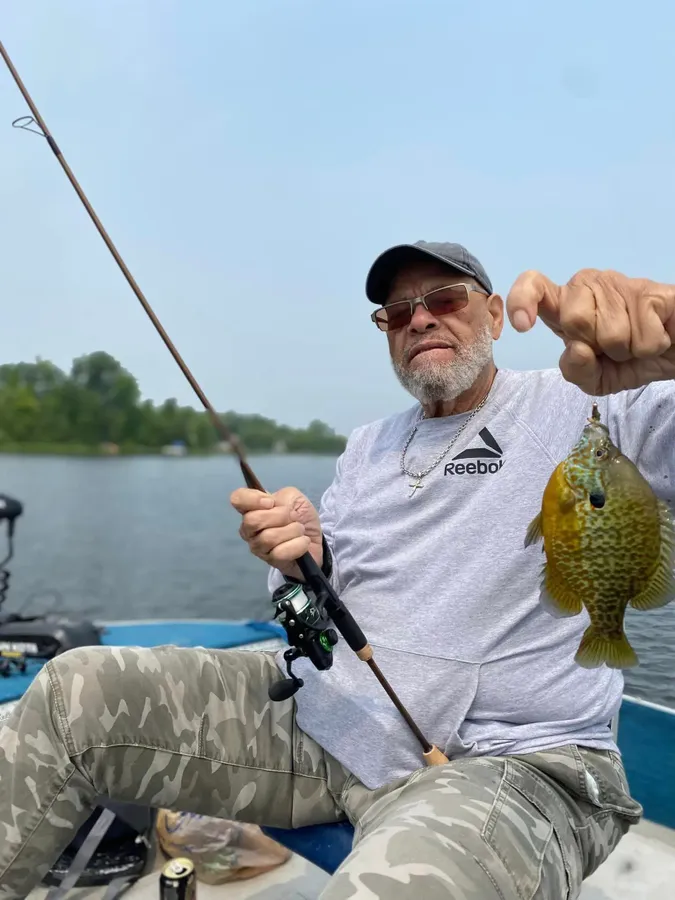
Green Sunfish may slow down in winter, but they don’t disappear. Find the cover where they’re holding, fish in the warmer parts of the day, and downsize your bait.
Then work it slowly with a light setup and plenty of patience. Pay attention to water temperature and recent weather and let the fish show you how they want to be fished. Cold water also leaves less room for error. With fish less willing to chase, a bait that’s a few feet off or fished too fast can mean a day without a bite.
This is where booking a local fishing guide can improve your whole experience. They know which pockets are holding fish after a cold snap, how deep to set your bait, and which presentations are working right now. You skip the trial and error and spend more of your day with a line in the water.
Book a vetted local fishing guide on Guidesly and fish winter water with someone who knows it well.