Top 6 Baits for November Fishing Amidst the Changing Temperature
Discover 6 of the best baits for November fishing, from live minnows and jigs to swimbaits and shrimp, with tips for freshwater and saltwater anglers.
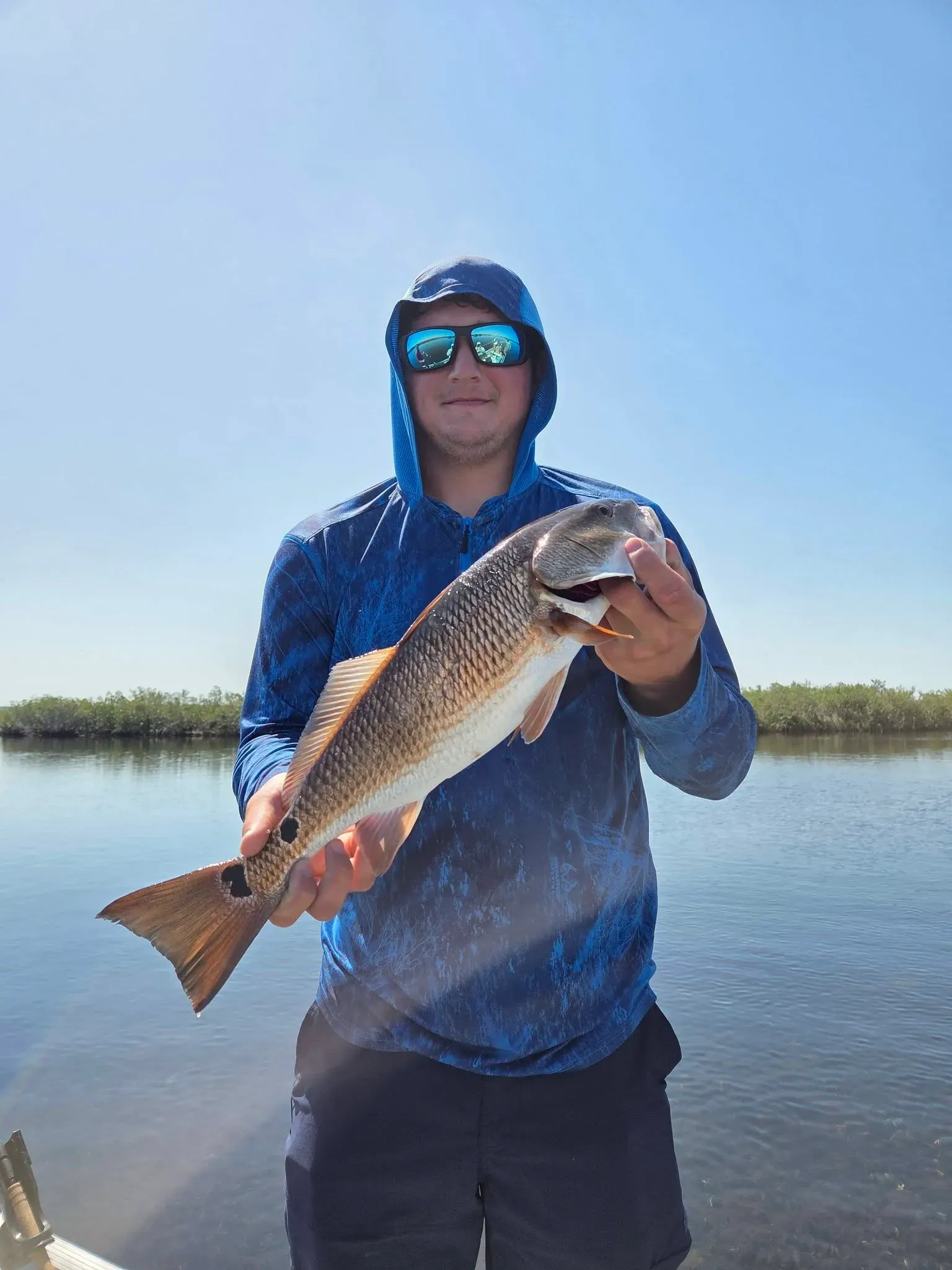


November fishing calls for a little more thought when choosing your bait. As water temperatures change, baitfish shift locations, feeding patterns vary, and predatory fish respond differently to the options anglers present. A lure that worked well in September might not produce the same results now, particularly in northern lakes where the water has cooled considerably.
But November fishing isn't just about slowing everything down. While anglers in colder northern waters may find success with minnows, jigs and suspending lures, those fishing in southern lakes, rivers and coastal waters can still encounter active fish chasing baitfish and shrimp.
The key is choosing a bait that matches what fish are feeding on and how they are behaving in your particular fishing location. Here are six bait options worth keeping in your tackle box this November, along with the species they attract and how to fish them effectively.
1. Live Minnows and Shiners: A Reliable Choice for Freshwater Predators
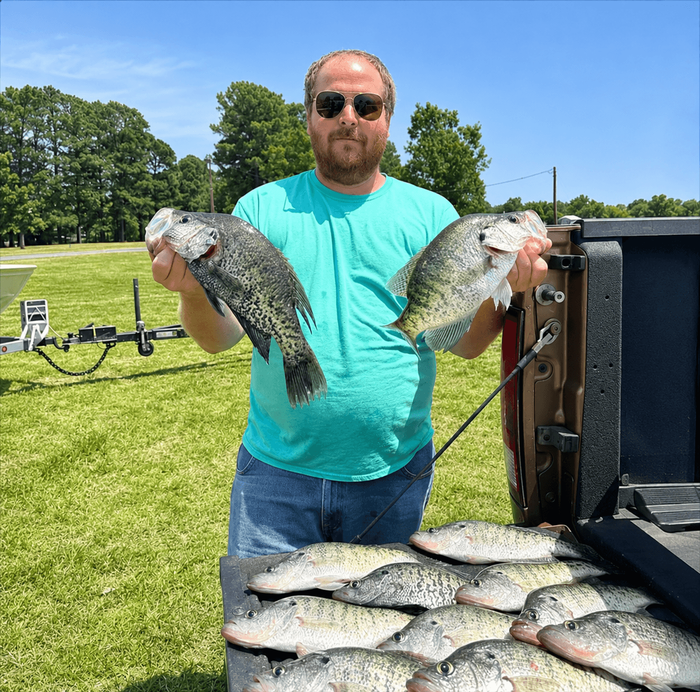
Live minnows and shiners are worth carrying in November, particularly when fishing for walleye, crappie and other freshwater predators.
As fish move between feeding areas and deeper holding spots, a live minnow gives them a familiar food source without requiring an aggressive retrieve.
The advantage of using live bait is its natural movement. Even when a minnow is barely moving, its subtle movements and scent can attract fish that are reluctant to chase faster artificial lures.
Fish to Use Live Minnows and Shiners for:
Crappie: Fishing minnows around submerged timber, brush piles, fallen trees and docks gives you a good chance at catching crappie. Late fall is a strong season for crappie, and the Ohio Department of Natural Resources recommends fishing minnows with small hooks, split shot and a bobber. You can also try small jigs dressed in feathers, hair, curly tails or tubes.
Walleye: During November’s changing season, walleye tend to relate to deep ledges, drop-offs and the edges of main-lake basins, where they often respond better to slower presentations. Try fishing live minnows on a jighead or vertical jigging them near the bottom around channel edges and drop-offs.
Bass: Live shiners can be particularly useful when bass are feeding on baitfish. Try fishing them around weed edges, submerged cover, and points where smaller fish gather. A live shiner can attract bass without requiring you to work the bait aggressively.
How to Fish Using Live Minnows and Shiners
A slip bobber is a good option when you want to keep your minnow at a particular depth, especially when fishing around submerged cover. Adjust the bobber stop to match where fish are holding, hook the minnow securely, and let it swim naturally. If you're fishing deeper water, try using a jighead or vertical presentation to keep the bait closer to the bottom.
Also, pay attention to the size of the minnows you're using. Smaller minnows work well when fish are feeding on small baitfish, while larger shiners can help attract bigger predators.
2. Jigs: For Fishing Near the Bottom and Around Structure
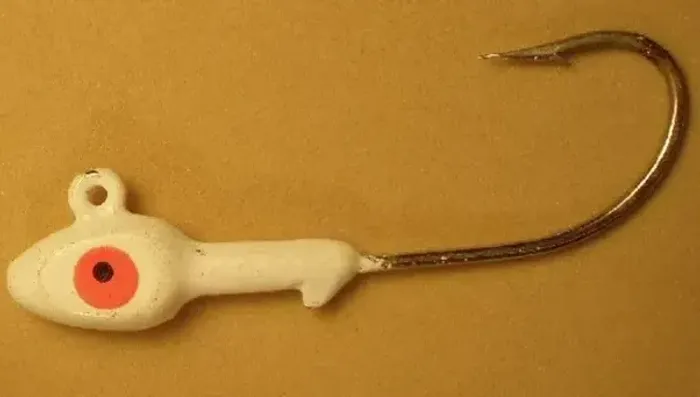
Jigs are among the most adaptable baits you can carry in November because you can fish them at different depths and around different structures.
They're particularly useful when fish are holding near the bottom or aren't willing to chase faster-moving lures. Unlike a crankbait that keeps moving through the water, a jig lets you keep your bait close to a specific target. You can drag it along rocky bottoms, lift it over submerged obstacles, or let it sit briefly before moving it again.
How to Pick Which Jig Should You Use?
Different jigs suit different presentations. Here is how they compare:
Hair jigs: Their soft fibers create subtle movement even when the jig is barely moving. They're a good option for smallmouth bass, walleye, and other fish responding to smaller presentations.
Finesse jigs: These have a compact profile and work well around rocks, docks, and other structures when fish aren't responding to larger offerings.
Minnow-tipped jigs: If you're targeting walleye or crappie, try adding a live minnow to your jig. This gives the presentation natural movement and an additional food cue.
Soft-plastic jigs: Pair a jighead with a grub, minnow imitation, or paddle-tail trailer to create a baitfish profile.
How to Fish Jigs
Cast towards rocky points, drop-offs, submerged timber, or ledges and allow the jig to reach the bottom. Slowly drag it a short distance, pause, and lift it gently before letting it settle again.
If you're targeting walleye, vertical jigging is another option worth trying. Lower the jig towards the bottom when fishing over deeper holes or channel edges, then use controlled lifts to keep it within the fish's strike zone.
The important thing is to choose a weight that lets you maintain contact with the bottom without making the bait fall unnaturally fast.
3. Suspending Jerkbaits: When Fish Are Following Baitfish
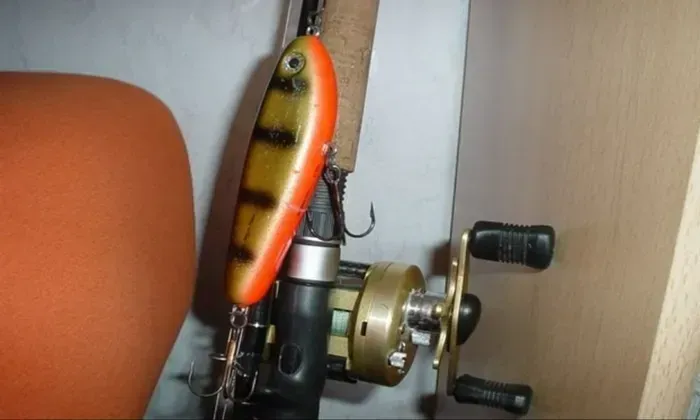
A suspending jerkbait is a hard-bodied lure designed to imitate a small baitfish.
Its defining feature is what happens when you stop retrieving it; instead of immediately floating to the surface or sinking, it stays suspended at approximately the same depth. This makes it useful in November, particularly in northern lakes where bass and other predators may be feeding on baitfish but aren't consistently chasing faster-moving prey.
When to Use Suspending Jerkbaits
If you're fishing in clear or moderately clear water, where fish can easily see the bait.
Around rocky points, ripraps, and submerged structures where predators may be waiting for baitfish.
When baitfish are suspended in the water rather than concentrated directly on the bottom.
When fish follow faster-moving lures but hesitate to strike.
When water temperatures fall from the mid-50s towards the mid-40s.
How to Fish Suspending Jerkbaits
Cast beyond the area where you expect fish to be holding. Reel a few times to bring the lure down to its running depth, then use two or three short movements of your rod tip.
The next part is pretty straightforward; pausing, but anglers often skip it. It's ideal to let the jerkbait remain suspended before twitching it again. Start with shorter pauses and gradually extend them if the water is colder or fish aren't responding. If fish are following the lure without striking, changing the pause duration can be more productive than immediately switching to another bait.
Choosing the Right Colors and Sizes of Jerkbait
The size and color of your swimbait should depend on what fish are feeding on in your area and how clear the water is. If predators are chasing smaller baitfish, a 3- to 4-inch swimbait is a good starting point for species such as crappie, bass and speckled trout. When targeting larger fish like striped bass and redfish, you can move up to a bigger profile that better matches their forage.
For colors, pearl, white, silver, and natural baitfish patterns are useful when fishing in clear water. If you're fishing in stained water, try a chartreuse tail or a brighter color combination to make the swimbait easier for fish to spot.
4. Lipless Crankbaits: For Covering Water Around Baitfish Schools
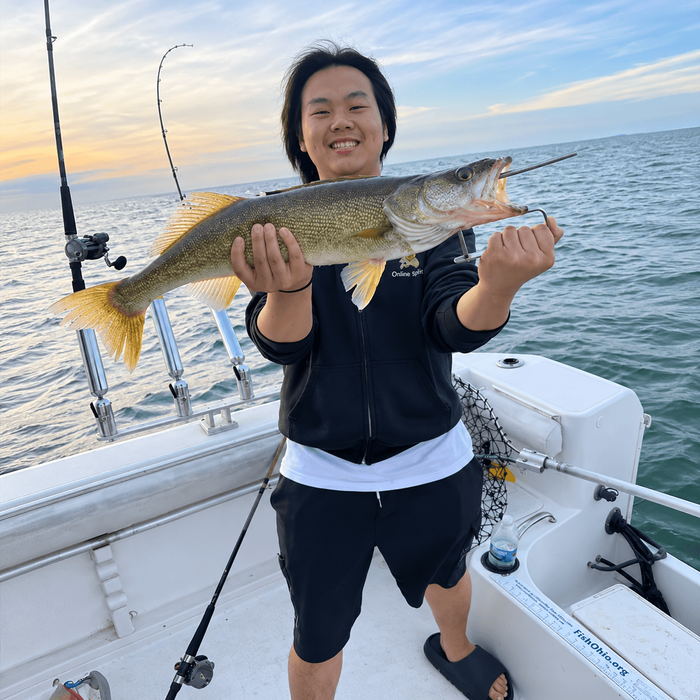
Lipless crankbaits are particularly useful when you want to cover larger areas and locate actively feeding fish.
These compact hard baits sink and produce vibration and sound as you retrieve them, making them effective imitations of fleeing baitfish. November can offer good opportunities to use them, especially in reservoirs and lakes where bass and walleye are feeding around schools of shad and other baitfish.
Unlike suspending jerkbaits, which rely on pauses to trigger strikes, lipless crankbaits can be fished with a more continuous retrieve or a lift-and-fall action.
When to Use Lipless Crankbaits
Around shallow flats and submerged vegetation.
Near creek mouths and points where baitfish gather.
In stained water, where vibration can help fish locate the lure.
When predators are actively chasing baitfish.
How to Fish Lipless Crankbaits
There are two useful presentations to try with lipless crankbaits, let's check them out below.
Steady retrieve: Cast across a flat or along a vegetation edge and retrieve at a consistent speed. If grass is present, keep the lure just above it rather than allowing it to become tangled.
Yo-yo retrieve: Allow the lure to sink, lift the rod to pull it upwards, and then let it flutter back down on a controlled line. Watch for strikes as it falls.
Best Colors and Sizes for Lipless Crankbaits
Choosing the right color for your lipless crankbait starts with understanding what fish are feeding on. If the lake or reservoir has schools of shad or other silvery baitfish, chrome, silver and natural shad patterns are good options because they closely resemble the forage bass and walleye are chasing. In clearer water, these natural finishes can help create a convincing baitfish imitation without looking out of place.
If you're fishing in stained water or targeting fish feeding on crawfish, consider switching to red, orange or crawfish-inspired patterns. These colors offer a different look and can be useful when fish aren't responding to traditional baitfish imitations.
A half-ounce lipless crankbait is a versatile starting point for November fishing. You can use lighter models in shallow flats and heavier ones when fishing deeper water or dealing with wind.
5. Paddle-Tail Swimbaits: For Imitating Shad, Mullet and Other Forage
Paddle-tail swimbaits are useful when predators are feeding on baitfish and you need a lure that can be presented at different depths. Their moving tails create a swimming action during the retrieve, making them suitable for both freshwater and coastal fishing.
Their versatility makes them particularly relevant to November fishing. In freshwater, they can imitate shad and minnows. Along the coast, larger profiles can resemble mullet and other baitfish that predators feed on during their seasonal movements.
When to Use Paddle-Tail Swimbaits
Paddle-tail swimbaits are particularly useful when predatory fish are actively feeding on smaller baitfish. You can use them across different freshwater and saltwater environments, depending on the species you're targeting.
Bass: Try paddle-tail swimbaits around baitfish schools, particularly near submerged vegetation, points and other areas where bass are feeding.
Redfish and Speckled Trout: Work paddle-tails over shallow flats, channels and other areas where these species are chasing baitfish.
Flounder: Texas closes flounder season from November 1 to December 14, so you cannot keep any during this period, but catch-and-release is allowed. If you target them, work a small soft-plastic tail slowly near the bottom around channels and deeper areas. Always check your state's regulations before fishing.
How to Fish Paddle-Tail Swimbaits
Rig a paddle-tail swimbait on a suitable jighead, matching the weight to the depth, current, and retrieve you need.
Cast beyond the target area, allow the lure to sink, and retrieve it steadily through the depth where fish are holding. If fish are feeding near the bottom, slow down and keep the swimbait close to the substrate. You can also add a small hop or pause to change its movement.
Choosing the Right Size for Paddle-Tail Swimbaits
Smaller 3- to 4-inch swimbaits are useful for matching smaller baitfish and targeting species such as crappie, bass, and speckled trout.
Larger profiles can be useful when targeting striped bass and redfish feeding on bigger forage. Subtle colors like pearl, white, silver, and natural baitfish patterns are good starting points. Chartreuse can offer additional visibility in stained water.
6. Live Shrimp and Finger Mullet: For Inshore Saltwater Fishing
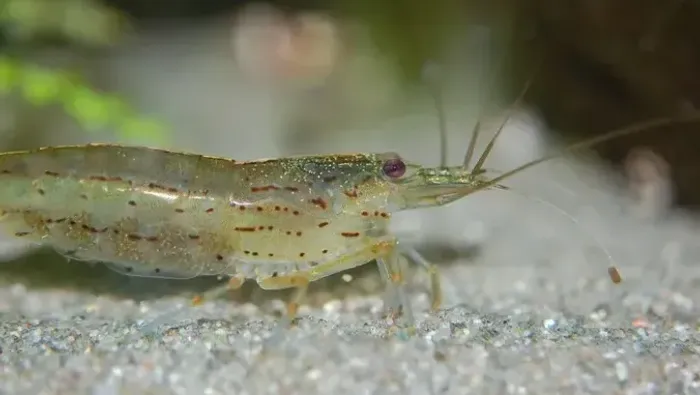
For anglers fishing southern coastal waters, November offers many opportunities to use natural baits such as live shrimp and finger mullet.
These are particularly useful when targeting redfish, speckled trout, black drum, sheepshead and other inshore species. The best choice depends on what fish are feeding on and where they are holding.
Live Shrimp
Live shrimp are a versatile option for redfish, speckled trout, black drum, and sheepshead. You can fish them under a popping cork in shallower water or closer to the bottom around channels, oyster reefs, and deeper structures.
Use a hook size appropriate for the shrimp and target species. Avoid burying the hook too deeply so the shrimp can move naturally.
Finger Mullet
Finger mullet are useful when targeting larger predators, particularly redfish and other fish feeding on migrating baitfish. You can fish them live or as cut bait, depending on the target species and presentation.
Try them near channels, jetties, deeper drains, and areas where mullet are moving through.
How to Fish Live Shrimp and Finger Mullet
Use live shrimp under a popping cork when targeting fish feeding in shallow water.
Free-line shrimp around oyster reefs, jetties, and other structures.
Fish live finger mullet near channels and deeper areas where larger predators are feeding.
For flounder, present finger mullet or mud minnows close to the bottom, allowing the bait to move naturally with the current.
Texas November reports describe live shrimp, finger mullet and mud minnows worked within about a foot of the bottom as productive for redfish, trout and drum. Flounder eat these baits too, but Texas closes the flounder season from November 1 to December 14, so release any you catch.
How to Choose the Right Bait for November Fishing
Not every bait works equally well everywhere. Start with water temperature, then consider the type of water you're fishing, the available forage and how actively fish are feeding.
Fishing conditions | Recommended bait | Target fish |
Cold northern lakes | Live minnows, hair jigs | Walleye, crappie, bass |
Fish holding near the bottom | Jigs, soft plastics | Walleye, bass, flounder |
Predators chasing baitfish
| Jerkbaits, lipless crankbaits | Bass, walleye, striped bass |
Southern coastal flats | Live shrimp, paddle-tail swimbaits | Redfish, speckled trout |
Coastal channels and deeper drains | Finger mullet, live shrimp | Redfish, black drum, sheepshead |
A Few Things to Consider Before Choosing Your Bait
November fishing can be an exciting activity. Keeping a few details in mind can help you pick the best bait and make the best of your trip:
Match the local forage: Look for the baitfish or other prey naturally available in your fishing area. A minnow imitation makes more sense when predators are feeding on minnows than when they're targeting shrimp or crabs.
Adjust your retrieve: If fish aren't responding to a fast-moving lure, try slowing down, adding pauses, or switching to a presentation closer to the bottom.
Pay attention to water clarity: Natural colors work well when visibility is good. In stained water, contrasting colors and lures that create vibration can help fish locate your presentation.
Consider recent weather: A cold front can change where fish hold and how actively they feed. Be prepared to change your bait or presentation rather than sticking with the same setup throughout the trip.
Watch the water temperature: Jerkbaits shine as water temperatures fall from the mid-50s towards the mid-40s. Jigs and live bait become useful options as water gets colder, while swimbaits and live shrimp remain productive choices in the warmer waters of the Deep South.
Check local regulations: Seasons and limits for species such as flounder, striped bass, trout and redfish vary by state and can change from year to year.
Take Your November Fishing Trip Further with Guidesly
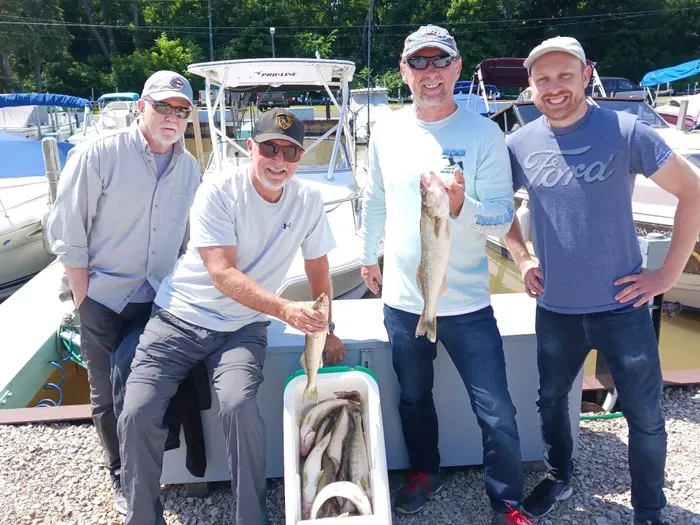
Choosing the right bait is a good starting point, but knowing where to fish and what local species are feeding on can make all the difference.
A local fishing guide can help you identify productive spots, understand seasonal bait movements and fine-tune your presentation based on current water conditions. Whether you're planning a freshwater trip for walleye and crappie or heading to the coast for redfish and speckled trout, Guidesly helps you find experienced local guides and fishing charters.
Explore available trips, check recent fishing reports and connect with a guide who knows the waters you're planning to fish.