Fishing Gear Maintenance Tips to Last a Lifetime
Maintain your fishing reels and rods with simple cleaning and storage tips. Improve performance, prevent damage, and make your gear last a lifetime.
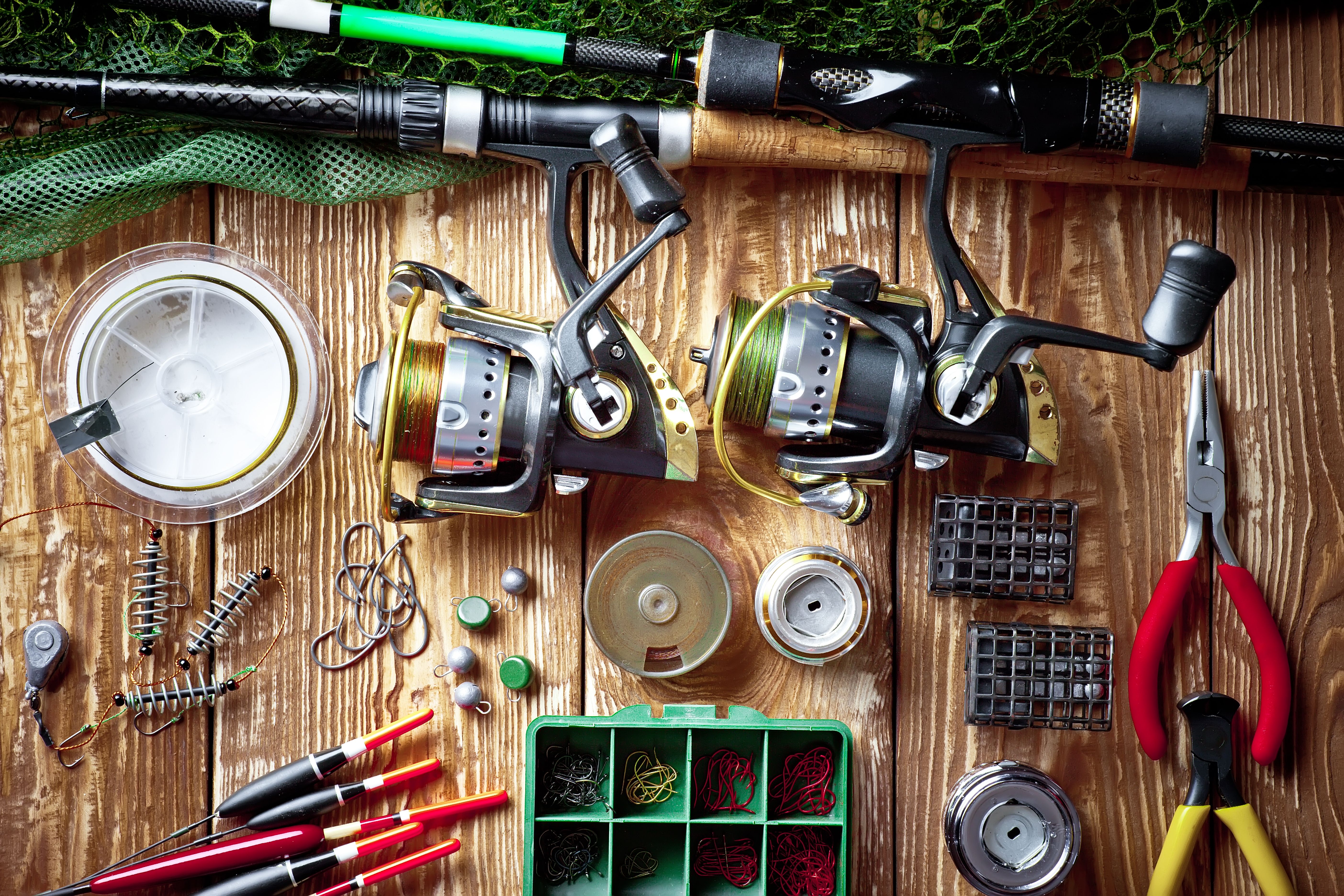


Fishing gear lasts much longer when it is cleaned, checked, and stored with care. Every trip exposes reels, rods, and lines to water, dirt, sun, and general wear, and these small elements slowly reduce performance if the gear is not maintained. Many anglers notice issues like rough drag, weak line, or damaged guides only when a fish is already hooked, which makes regular upkeep even more important. Cleaning keeps moving parts smooth, reduces corrosion, and prevents long-term damage. Simple habits such as rinsing gear after use, drying equipment fully, and storing everything correctly can add years to its lifespan. Proper reel cleaning, rod care, and organized storage all play a major role in keeping fishing gear reliable for many seasons.
Why Gear Maintenance Is Essential?
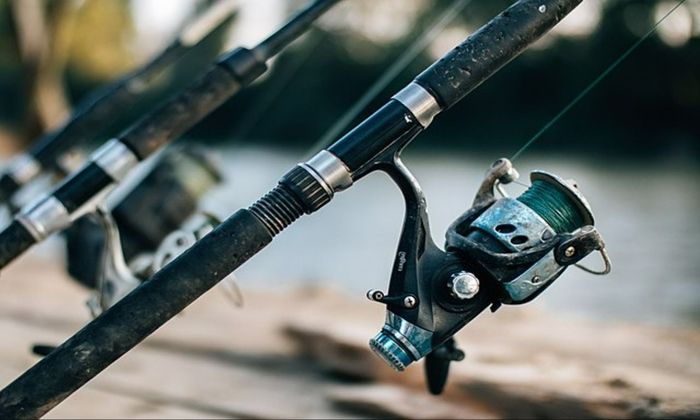
Fishing equipment faces constant exposure to moisture, sand, ultraviolet light, and repeated pressure, and each of these elements slowly weakens the components. Reels can develop corrosion inside the housing, rods may form tiny cracks, and guides often wear enough to damage the fishing line during regular use. Many of these issues stay hidden until they cause a failure in the water, which makes early attention more valuable.
Regular maintenance slows natural wear by removing harmful buildup, protecting moving parts, and revealing small problems before they become expensive repairs. Saltwater fishing requires even more care because salt speeds up rust and affects bearings, screws, and drag systems. Consistent cleaning and inspection improve performance, increase accuracy, and help gear last for years.
How Often You Should Maintain Your Gear
Fishing gear stays in top condition when it receives regular attention. A simple routine of quick cleaning after each trip, deeper maintenance during the season, and full checks at the start and end of the year helps prevent corrosion, protect components, and keep performance consistent. Here are the main intervals to focus on for reliable, long-lasting equipment.
After Every Trip
Rinse reels and rods with freshwater, wipe them dry, and remove sand or dirt. This prevents corrosion and keeps moving parts smooth. Saltwater anglers should rinse more thoroughly since salt can damage metal quickly.
Monthly or Seasonal Cleaning
Give reels a deeper clean by checking the spool, drag system, and internal parts. Inspect rods for cracks, worn guides, or loose fittings. Replace the fishing line if it shows fraying or memory.
Pre-Season and Post-Season Checks
Look for issues that may affect long-term performance. Lubricate reels, tighten hardware, repair guide damage, and store gear correctly so it remains reliable for the next several months of fishing.
Reel Anatomy: Know What You’re Cleaning
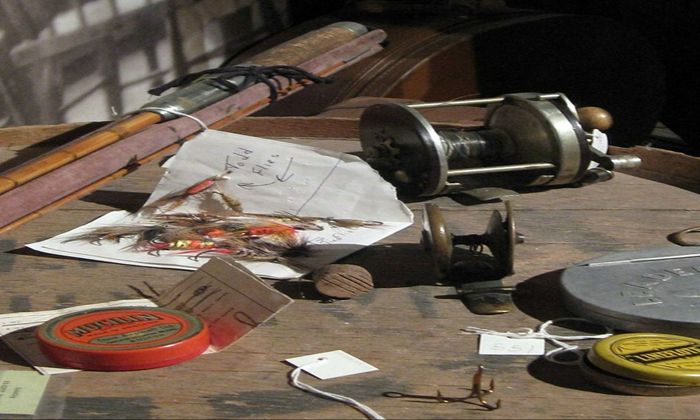
Understanding the key parts of a reel helps you clean each area correctly and avoid damaging sensitive components. Here is a clear breakdown of the most important external and internal parts.
Component | Type | What It Does | Why It Matters for Maintenance |
|---|---|---|---|
Spool | External | Holds the fishing line | Collects dirt and salt and should be wiped clean after every trip |
Bail / Levelwind | External | Guides line onto the spool | Must move smoothly to prevent line twists and uneven spooling |
Handle | External | Retrieves the line and powers the reel | Needs clean bearings for smooth rotation |
Drag Adjustment | External | Controls line resistance | Dirt affects drag consistency and fighting power |
Gears | Internal | Provide torque for retrieval | Require lubrication to prevent grinding and wear |
Bearings | Internal | Ensure smooth turning | Easily damaged by corrosion and dirt buildup |
Drag Washers | Internal | Apply pressure during fights | Must stay clean and dry for reliable drag performance |
Step-by-Step Reel Cleaning
Reels stay smooth and reliable when they are cleaned with a simple, consistent routine. The steps below help remove dirt, prevent corrosion, and protect key components.
Step 1: Rinse Exterior: Use gentle freshwater to remove salt, sand, and dirt. Light rinsing prevents debris from entering internal parts and reduces early corrosion risks significantly.
Step 2: Wipe Dry: Pat the reel dry with a clean cloth to remove lingering moisture. This prevents rust, protects screws, and keeps bearings from developing long term damage.
Step 3: Remove Spool: Take off the spool and clean the underside carefully. This hidden area traps debris that affects casting, drag performance, and overall reel smoothness.
Step 4: Clean Key Areas: Brush around the bail, line roller, handle, and drag knob. These components collect grit quickly and require regular cleaning for smooth, reliable performance.
Step 5: Lubricate Lightly: Apply minimal oil to bearings and light grease to gears. Proper lubrication prevents grinding, protects internal components, and keeps the reel running efficiently.
Step 6: Reassemble and Test: Reattach the spool, tighten parts gently, and rotate the handle. Confirm smooth operation and test drag settings for steady, consistent pressure control.
Practical Reel Maintenance Tips Every Angler Should Follow
Regular attention keeps reels performing smoothly and prevents small issues from turning into costly repairs. These simple habits help extend the life of internal parts and maintain consistent drag strength.
Loosen Drag: Loosen the drag before storing your reel to prevent pressure on drag washers, maintain smooth resistance, and extend overall drag performance throughout repeated fishing trips.
Protect Bearings: Apply light oil and grease only after removing old residue. Clean lubrication keeps bearings smooth, prevents grinding, and reduces long term friction damage during regular use.
Check for Issues: Listen for grinding, feel for stiffness, and test drag consistency. Early detection of these symptoms helps avoid major internal damage during heavy fishing situations.
Extra Saltwater Care: Saltwater accelerates corrosion, so rinse thoroughly, dry carefully, and lubricate more often. Pay special attention to screws, bearings, and exposed metal parts after every outing.
Rod Materials and Care Considerations
Understanding how different rod materials respond to stress, water, and repeated use helps maintain performance and avoid damage. The table below breaks down the key characteristics and care needs.
Rod Material / Part | Characteristics | Care Considerations |
|---|---|---|
Graphite Rods | Lightweight, sensitive, ideal for subtle bites | Avoid impacts, check for small cracks, wipe clean after trips to protect the finish |
Fiberglass Rods | Flexible, durable, great for beginners and heavy duty fishing | Inspect guides regularly, clean grips, look for stress marks after heavy loads |
Rod Guides | Control line movement and prevent friction | Check for grooves, corrosion, or bends to avoid line wear |
Handles and Grips | Provide control and comfort during casting and fighting fish | Clean sweat, dirt, and residue; ensure reel seat is tight and free of grime |
Simple Steps for Cleaning Fishing Rods
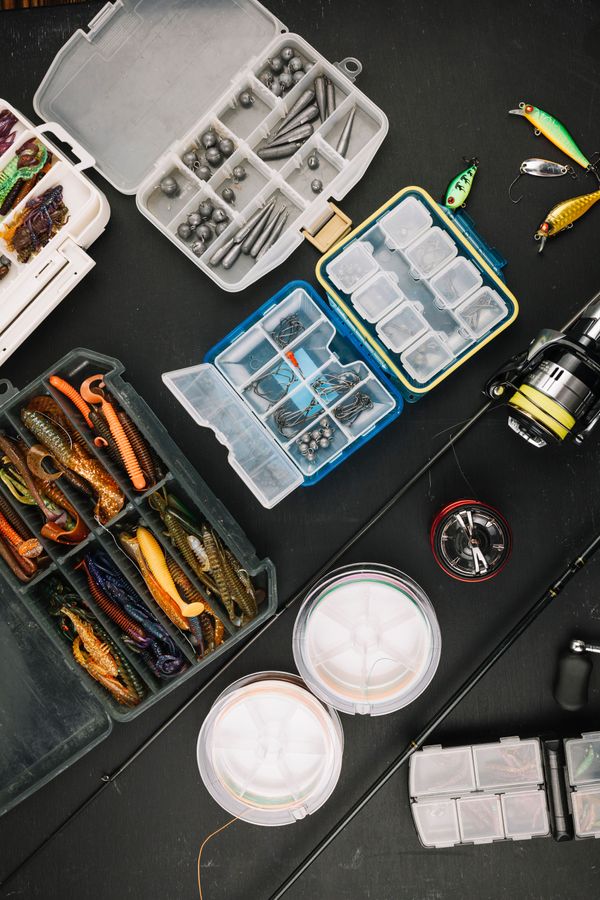
Rod care keeps performance consistent by protecting guides, grips, and the blank from damage caused by dirt, moisture, and repeated strain. A simple cleaning routine helps prevent line abrasion, maintain casting smoothness, and extend overall rod life. Here are the key steps to follow for proper rod maintenance.
Step 1: Rinse Rod Surface: Rinse the entire rod with gentle freshwater to remove dirt, residue, and salt. This prevents long term surface wear and protects sensitive guide areas.
Step 2: Clean Guides Carefully: Use a soft brush or cotton swab around each guide. Debris in these spots causes line abrasion, so regular attention helps maintain smooth performance.
Step 3: Wash Grips Lightly: Clean cork, EVA, or foam handles with mild soap and water. Removing sweat and dirt improves grip comfort and protects the handle material from early wear.
Step 4: Dry Thoroughly: Use a towel to dry the rod completely, especially around the guides and handle. Moisture left behind can weaken glue points and encourage corrosion.
Step 5: Inspect for Damage: Check for cracks, loose guides, and worn wraps. Early detection prevents failures on the water and keeps your rod dependable during heavy fishing pressure.
Storage Environment Best Practices
Proper storage plays a major role in maintaining fishing gear. Humidity, temperature changes, and improper placement can weaken rods, affect reel performance, and shorten overall gear life. A controlled environment reduces corrosion, prevents warping, and keeps equipment ready for the next trip. Here are the key points to follow for reliable long term storage.
Keep Gear Dry: Always store rods and reels completely dry. Lingering moisture increases rust, weakens guide wraps, and affects reel components over time.
Avoid Direct Sunlight: UV exposure weakens rod coatings, handle materials, and fishing line. A shaded storage area helps maintain structural strength.
Use Climate-Controlled Spaces: Stable temperature and low humidity prevent corrosion on metal parts and protect rod materials from bending or softening.
Reduce Moisture Buildup: Add silica gel packs in storage cabinets or tackle bags to absorb excess humidity and protect internal reel components.
Prevent Pressure on Rod Blanks: Make sure rods are not bent or leaning during storage. Pressure on the blank can cause long term warping or micro cracks.
Effective Rod Storage Methods for Long Lasting Performance
Storing rods correctly prevents bending, cracking, and guide damage that often go unnoticed until they affect casting performance. A few simple habits keep rod blanks straight, guides protected, and handle materials in good condition. Here are the most effective ways to store rods safely.
Use Vertical or Horizontal Racks: Racks support the rod evenly and prevent bending. Avoid leaning rods against walls since this creates long term pressure points.
Protect Rods With Sleeves: Rod sleeves shield the blank and guides from scratches, dust, and accidental impacts during transport or storage.
Avoid Stacking Rods Together: When rods press against each other, guides can bend or misalign. Keep space between rods to prevent contact damage.
Store Multi-Piece Rods Unassembled: Separating the pieces prevents ferrule pressure and keeps connection points from wearing down over time.
Check Guides Before Storing: Make sure guides are aligned and free from debris. Any bend or grit left unnoticed can damage fishing line on the next trip.
Smart Storage Tips for Reels and Line
Reels and fishing line require careful storage to prevent corrosion, drag wear, and line weakening caused by heat, pressure, or moisture. Storing these components correctly reduces the risk of internal damage and ensures smooth performance on your next trip. Here are the most important practices to follow for long term reel and line protection.
Loosen the Drag Completely: Release all drag pressure before storing to prevent compression on drag washers and maintain consistent resistance over time.
Use Reel Covers: Soft covers protect reels from dust, scratches, and accidental impacts, especially when stored with other equipment.
Store Reels in a Dry Environment: Moisture causes corrosion on screws, bearings, and internal components. A dry shelf or cabinet keeps reels functioning smoothly.
Avoid Storing Line Under Tension: Line stored tightly on the spool can develop memory and weaken over time. Loosen tension to maintain flexibility and strength.
Replace Old or Damaged Line: Line that shows fray, discoloration, or coils should be replaced before storage to avoid breakage during future trips.
Seasonal and Long-Term Gear Care
Fishing gear performs best when it receives attention at the start and end of each major fishing period, especially when ensuring your reel is ready for fishing season. Seasonal care helps catch small issues early, maintains smooth performance, and prepares rods and reels for long periods of storage. These practices reduce surprise failures and keep equipment reliable throughout the year.
Pre-Season Deep Cleaning: Clean reels thoroughly, lubricate moving parts, inspect rod guides, and replace old fishing line to ensure everything is ready for heavy use.
Mid-Season Checkups: Look for developing issues such as loose screws, line wear, or guide damage. Addressing these problems early prevents long term equipment stress.
Post-Season Maintenance: Remove line if storing long term, clean rods and reels deeply, loosen drag, and store gear in a dry, stable environment.
Inspect Handles and Grips: Check cork, EVA, and foam for cracks or wear. Clean them to maintain comfort and control for the next season.
Protect Gear During Off Months: Use rod sleeves, reel covers, and silica gel packs to prevent dust, impact damage, and moisture buildup while gear is stored.
Conclusion
Regular gear care protects performance, prevents early damage, and keeps every fishing trip running smoothly. Simple habits such as cleaning reels, checking rod guides, and storing equipment in a dry, stable environment go a long way toward extending the life of your setup. Each small step reduces wear, improves reliability, and helps you avoid unexpected failures on the water. Anglers who maintain their gear consistently enjoy smoother casts, stronger fights, and dependable equipment season after season. For more fishing knowledge, explore species pages, learn new fishing techniques, or discover expert tips across the Guidesly platform to keep improving your skills and time on the water.
FAQs
1. How often should I replace fishing reel grease?
Reel grease should be replaced when it begins to darken, thicken, or smell burnt, since these changes indicate contamination that reduces smoothness and overall performance.
2. What cleaning products are safe for fishing rods?
Mild soap, soft cloths, and non-abrasive brushes are safest because they protect rod coatings, avoid scratching guides, and prevent chemical reactions that weaken blank materials over time.
3. Can cold temperatures damage fishing reels?
Extreme cold thickens lubricants, slows internal movement, and can make plastic components brittle. Storing reels indoors during winter prevents stiffness and avoids stress on sensitive internal parts.
4. How do I know if my fishing line is worn out?
Check for faded color, flattening, or inconsistent texture. Any rough patches indicate weakening, making the line unreliable during strong runs or sudden pressure changes.
5. Should I tighten rod guides myself?
Light tightening is fine, but loose or rotating guides often require professional repair. Improper adjustments can weaken wraps or misalign guide angles, affecting accuracy and casting performance.
6. What causes reels to develop a grinding sound?
Grinding usually comes from sand, old lubricant, or worn bearings. When left unresolved, these issues accelerate internal wear and reduce the reel’s overall efficiency and durability.
7. Is it safe to store fishing gear in a garage?
Garages experience temperature swings and humidity spikes that affect gear. A controlled indoor space prevents moisture absorption, metal oxidation, and weakening of adhesives in various components.
8. Why does my drag feel inconsistent sometimes?
Inconsistent drag typically results from uneven washer pressure or dried lubricant. These issues create unpredictable resistance that disrupts line control during hookups and strong, fast-running fish.
9. How should I clean cork rod handles without damaging them?
Use gentle scrubbing with diluted vinegar or mild soap. Abrasive cleaners remove protective layers and allow dirt or oils to seep deeper into natural cork pores.
10. Can I use WD-40 on fishing reels?
WD-40 displaces water but strips essential lubricants, leaving internal parts unprotected. Specialized reel oils maintain proper viscosity, safeguard components, and support long-term mechanical reliability.

