Kayak Fishing 101: Gear, Safety, and Techniques
Learn how to fish from a kayak with essential gear tips, safety basics, and proven techniques for beginners. Catch more fish with confidence on your next trip.
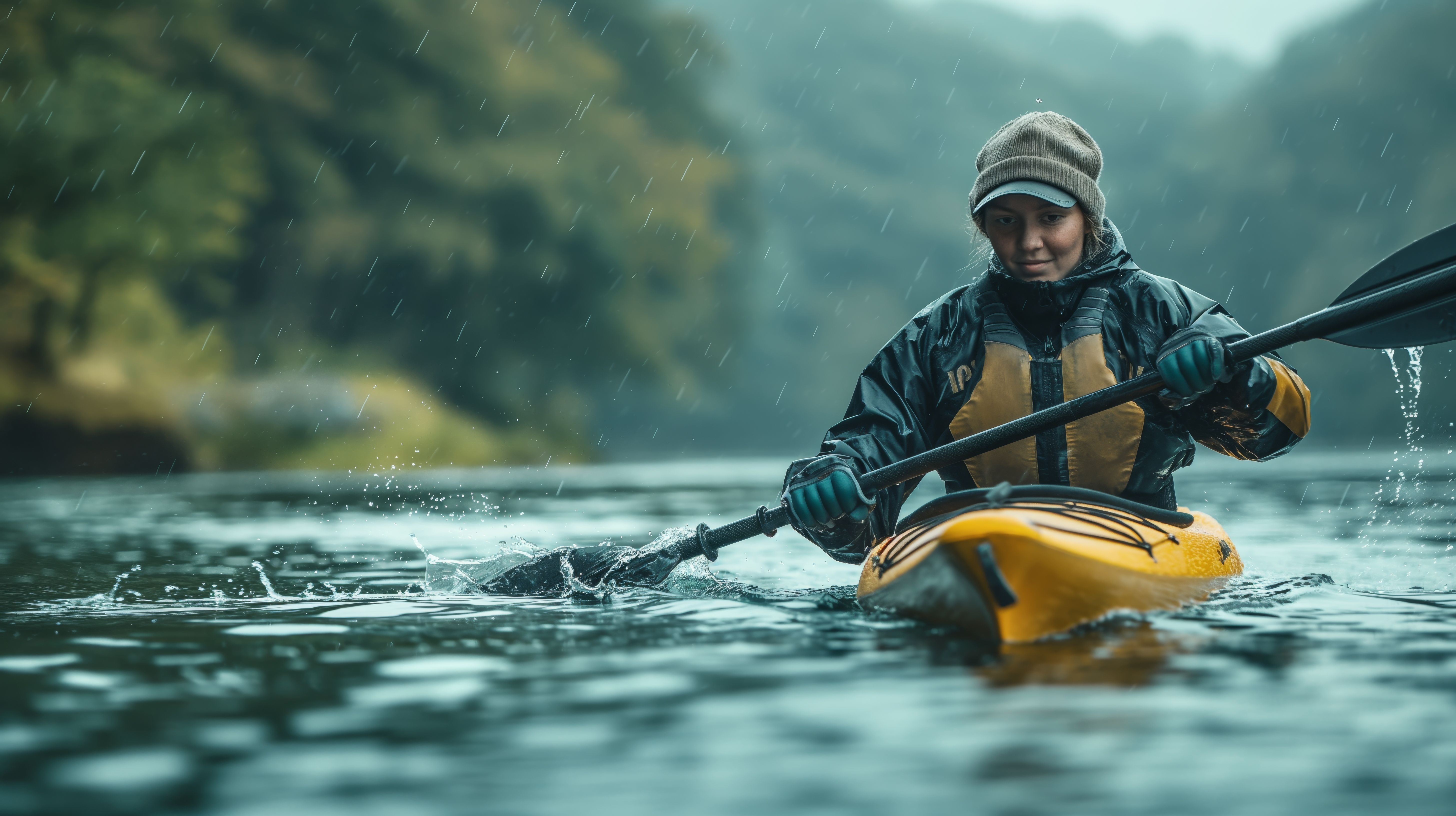


Kayak fishing has become one of the most popular ways to access productive waters without requiring a large boat or a complex setup. It offers quiet access to shallow zones, hidden coves, and areas that most anglers can’t reach from the shore. Many beginners enjoy how simple it is to start, while experienced anglers appreciate the control and stealth a kayak provides when approaching fish. With the right gear, proper safety habits, and a few beginner-friendly techniques, kayak fishing can feel both approachable and rewarding. This guide covers the essentials so you can learn to fish from a kayak with confidence, identify which species are ideal to target, and build a strong foundation before hitting the water.
Why Choose a Kayak for Fishing?
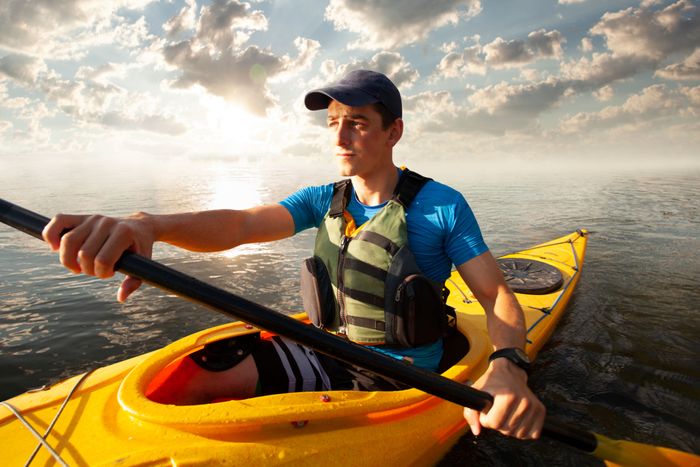
Kayak fishing offers several advantages that make it a favorite among beginners and experienced anglers. A kayak creeps on the water, allowing you to slip into shallow areas, hidden coves, and narrow streams that larger boats simply can’t access. It’s also far more cost-effective since you avoid fuel expenses, storage fees, and costly maintenance. Beyond convenience, kayaking provides a light workout and a slow, steady pace that helps build focus and patience while fishing. Many anglers also appreciate the flexibility a kayak offers. You can launch from almost anywhere, explore remote waterways, and enjoy solo trips without a complex setup. This combination of affordability, stealth, and freedom makes kayak fishing a practical and enjoyable way to enhance your time on the water.
Essential Gear for Kayak Fishing
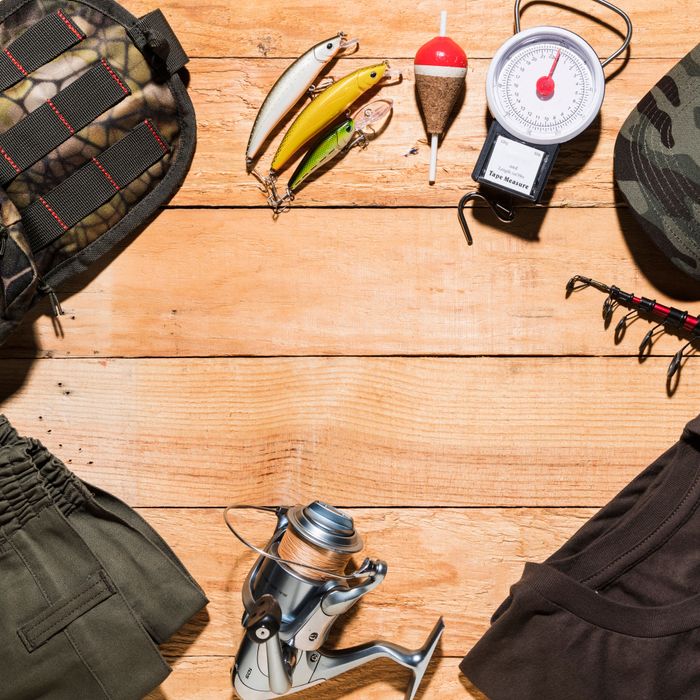
Choosing the right gear sets the foundation for safe, comfortable, and effective kayak fishing. In the following sections, we’ll cover how to select the ideal kayak, must-have paddling equipment, essential safety items, and the basic fishing tackle setup every beginner should carry.
The Right Kayak- What to Look For
Selecting the right kayak shapes your entire fishing experience. A good fishing kayak should feel stable, offer enough room for your gear, and remain easy to handle on different types of water. The design you choose will influence comfort, control, and how confidently you can fish throughout the day.
Sit-on-Top vs Sit-In Kayaks
Choosing between a sit-on-top and sit-in kayak is one of the first decisions you’ll make, and it shapes comfort, stability, and how easily you can manage your gear on the water. Each style offers unique advantages depending on where and how you plan to fish.
Kayak Type | Best For | Advantages | Things to Note |
|---|---|---|---|
Sit-on-Top | Most anglers and beginners | Stable platform, open deck, easy access to gear, self-bailing | More exposure to weather, slightly heavier |
Sit-In | Cooler climates or long paddling distances | Better wind protection, efficient paddling, lighter weight | Limited deck access, harder re-entry if capsized |
Key Features That Matter
Before choosing a fishing kayak, it helps to understand the core features that affect how stable it feels, how much gear it can carry, and how comfortably you can fish throughout the day. The points below highlight the most important elements to compare when selecting the right model.
Stability vs speed: Wider kayaks feel steadier when casting or landing fish, while narrow ones move faster but may feel less stable.
Storage capacity: Look for spacious tank wells, hatches, and gear tracks to hold tackle, crates, and accessories.
Rod holders: Built-in or adjustable holders free your hands and keep rods secure while paddling or drifting.
Width & length: A 10–12 ft kayak is ideal for beginners, providing the right mix of stability, maneuverability, and easy transport.
Paddle & Propulsion Gear
Your paddle is just as important as your kayak, since it controls how efficiently and comfortably you move across the water. A well-sized, lightweight paddle reduces fatigue and helps you maintain steady movement while positioning yourself to cast or fight fish.
Choose the right paddle: Select a paddle that matches your height and kayak width so each stroke feels smooth and controlled. Lighter materials reduce strain during long outings.
Use a paddle leash: A simple leash prevents your paddle from drifting away while you reel in fish or adjust gear.
Propulsion alternatives: Pedal-drive kayaks or compact motors can offer hands-free movement and better speed, but they add weight and cost. When in doubt, a standard paddle remains the quietest, easiest, and most reliable option for most beginners.
Safety & Security Gear
Safety should always come first when fishing from a kayak, especially since you’re close to the water and working with limited space. Carrying the right safety gear keeps you protected, prepared, and comfortable in changing conditions.
Wear a PFD: A properly fitted Personal Flotation Device is essential and should be worn at all times on the water.
Use waterproof storage: Dry bags and sealed containers protect your phone, clothing, snacks, and other essentials in case of splashes or capsizing.
Secure all gear: Use bungee cords, tie-downs, crates, and rod holders to keep items from shifting or falling overboard.
Helpful extras: A small anchor for holding position, a whistle or throw-bag for emergencies, a basic first-aid kit, and a waterproof communication device all add extra layers of safety and confidence.
Basic Fishing Tackle Setup for Kayak
A simple, well-organized tackle setup makes fishing from a kayak easier and more efficient. Since space is limited, every item you bring should serve a clear purpose and be easy to reach while seated.
Versatile rod and reel: A spinning or light baitcasting combo works for most beginners. Use lighter tackle for panfish and crappie, and slightly heavier gear for bass or catfish.
Rod holders: Installing rod holders frees your hands while paddling, drifting, or switching lures.
Compact tackle storage: Keep lures, hooks, leaders, and tools in small, organized boxes positioned where you can grab them quickly.
Optional extras: A landing net helps with bigger fish, while a cooler or bait bucket is useful if you plan to keep your catch.
Safety & Pre-Trip Planning: Before You Launch

Preparing properly before hitting the water is essential for every kayak angler. A few intentional steps and tips taken before you launch can greatly improve safety, comfort, and overall success during your trip.
Check weather and water conditions: Look at wind, tide, and potential storms. Avoid rough water, strong currents, or sudden weather changes since kayaks sit low and can capsize more easily.
Share your trip plan: Let someone know where you’re launching, your fishing area, and expected return time, especially when fishing alone.
Dress appropriately: Wear moisture-wicking or quick-dry layers and avoid heavy cotton. Adjust clothing based on water temperature and consider waterproof layers for added protection.
Secure all gear: Before pushing off, make sure rods, paddle, PFD, crates, and dry bags are tied down or clipped in place. A common safety reminder is to “rig to flip,” meaning plan your setup as if a capsize could happen.
Core Kayak Fishing Techniques & Best Practices
Kayak fishing requires a mix of balance, control, and strategic movement on the water. With limited space and a lower position than traditional boat fishing, adapting your techniques helps you stay efficient, safe, and ready for different fishing situations. These foundational skills will help you handle your kayak smoothly while improving your ability to present baits, approach fish quietly, and manage changing water conditions.
One-Handed Casting
This technique helps you stay balanced and in control while casting from a kayak, especially when wind, movement, or limited stability make two-handed casting more difficult or risky.
Why Choose This Technique
Kayaks offer limited stability, so keeping one hand free improves balance and prevents tipping. It also lets you control the paddle or adjust positioning quickly in changing currents or wind conditions without interrupting your cast.
How to Use It
Keep one hand on the kayak’s side or paddle while making short, controlled casts with the other. This reduces rocking, helps maintain alignment, and keeps you steady in tight, shallow areas where precise movement and balance matter most.
Pros & Cons
Pros: Great for maintaining balance, improving safety, and managing drift.
Cons: Limited casting distance and reduced accuracy, making it less effective for reaching far targets.
Control Your Drift / Use Currents
This technique lets your kayak move naturally with wind or current, helping you cover more water with less effort while locating active fish across wider areas efficiently.
Why Choose This Technique
Drifting helps you explore new areas without constant paddling, allowing a natural presentation of your bait. It also conserves energy while increasing your chances of encountering fish that are spread out or actively moving through a zone.
How to Use It
Position your kayak so that the wind or current pushes you along productive water. Use light paddle strokes to correct your angle. Cast ahead or to the sides, allowing lures to move naturally along the drift path without disturbing fish.
Pros & Cons
Pros: Saves energy, covers large areas, and presents bait naturally.
Cons: Harder to stay on specific spots and difficult in strong winds or fast currents.
Anchor When Needed
Anchoring helps you stay in one productive location, especially when fish are concentrated or when wind and current make it difficult to remain still without constant adjustments.
Why Choose This Technique
Anchoring provides stability while fishing a specific structure or school. It’s useful when conditions push the kayak off-target, allowing you to focus fully on presentation, detection, and hooksets without constant repositioning or unnecessary paddle movements.
How to Use It
Use a small folding or claw anchor from the bow or stern. Adjust rope length based on depth so the anchor sets correctly. Once secured, cast around the area while monitoring drift to ensure steady positioning during your session.
Pros & Cons
Pros: Holds position well, improves accuracy, and reduces unnecessary paddling.
Cons: Slower to relocate and may snag or drag in rocky or uneven bottoms.
Sight-Fishing & Stealth Casts
Kayaks are quiet and low to the water, making them perfect for approaching fish without spooking them. This technique works best in shallow, clear conditions where visibility is high.
Why Choose This Technique
The kayak’s low profile lets you get close to fish undetected. Clear water allows you to watch fish behavior and present lures precisely. This technique is effective for species that feed shallow and react strongly to quiet, accurate presentations.
How to Use It
Wear polarized sunglasses to reduce glare and spot fish clearly. Approach slowly and stay low to avoid shadows. Make gentle, quiet casts beyond the fish and bring your lure into their path to trigger natural interest and strikes.
Pros & Cons
Pros: Highly precise, increases success in shallow water, and improves visual awareness.
Cons: Requires calm, clear conditions and careful movement, limiting effectiveness on windy or murky days.
Rod-Tip Positioning & Casting Strategy
Proper rod-tip angles help you maintain control, reduce wind resistance, and keep movements smooth, all of which prevent sudden kayak rocking and improve lure presentation.
Why Choose This Technique
Lower rod angles offer better control in wind and current while reducing sudden jerks that destabilize the kayak. This technique helps maintain tension during fights and improves lure action in tight or shallow environments where precision is essential.
How to Use It
Keep your rod tip low or slightly sideways while casting or retrieving to minimize wind interference. Maintain consistent pressure on hooked fish and avoid high vertical rod movements that can rock the kayak or reduce control during fights.
Pros & Cons
Pros: Better control, improved accuracy, and reduced kayak movement.
Cons: Less effective for vertical presentations and may feel limiting for anglers used to high rod angles.
Trolling From a Kayak
Trolling helps you cover water efficiently and search for active fish while maintaining a steady pace, making it ideal for lakes, reservoirs, and slow rivers.
Why Choose This Technique
It allows you to explore wide areas without stopping to cast repeatedly. Trolling also keeps your lure moving at consistent depths and speeds, increasing your chances of contacting schooling or roaming fish in larger bodies of water.
How to Use It
Place your rod in a holder and paddle slowly to maintain steady lure action. Adjust speed for lure type and depth. Use your paddle strokes to steer the kayak along drop-offs, weed lines, or open-water edges where fish often travel.
Pros & Cons
Pros: Covers large areas quickly, maintains steady lure action, and helps locate roaming fish.
Cons: Requires stable rod holders and may lead to snags or difficulty if sudden strikes happen while paddling.
Best Species & When / Where to Target Them
Kayaks let you quietly slip into shallow, structure-rich waters where many freshwater and coastal species feed. Their stealth, mobility, and low profile open access to spots larger boats can’t reach, making them perfect for targeting a wide range of fish. Here are the best species to target from a kayak, along with when and where they are most productive:
Bluegill and panfish such as pumpkinseed: Freshwater species best targeted from spring through fall during early morning and dusk. Found in shallow coves, calm bays, and near vegetation. Kayaks allow quiet approaches, light tackle use, and easy access for beginners.
Crappie: Freshwater fish most active during spring spawn and fall schooling periods. Common around brush piles, docks, submerged timber, and drop-offs. Kayak stealth helps place accurate casts into tight, cover-heavy areas.
Largemouth bass: Freshwater species active from spring through fall, especially at dawn and dusk. Hold near weed lines, lily pads, laydowns, and shallow coves. Kayaks slip easily into structure zones and support accurate short-range casting.
Smallmouth bass: Freshwater species best targeted spring through fall. Prefer rocky points, ledges, and gravel flats. Kayaks allow quiet positioning in clear, rocky water where smallmouth spook easily.
Walleye: Freshwater species most productive in spring and fall, especially during low light hours. Found near drop-offs, rocky humps, and shallow flats at night. Kayaks are effective for finesse jigging and slow trolling passes.
Yellow perch: Freshwater species available year-round, with peak activity in spring and fall. Common near vegetation edges and soft bottom flats. Kayaks allow slow drifting and vertical jigging with minimal disturbance.
Small catfish species: Freshwater fish best targeted on summer nights and early fall. Hold in deep holes, river bends, and slow-moving channels. Stable kayak platforms make bottom rigs and cut bait presentations manageable.
Redfish or red drum: Saltwater and coastal species available year-round, with best action in the fall. Found in marshes, tidal creeks, and grass flats. Kayaks excel on shallow flats where redfish tail and feed.
Snook: Saltwater and coastal species are active from spring through fall. Hold near mangroves, creek mouths, and dock lines. Low-profile kayak access helps target snook holding tight to cover.
Sea trout or speckled trout: Saltwater and coastal species best from fall through spring. Found on grass flats, channels, and potholes. Kayaks allow slow drifting while casting soft plastics or live bait.
Flounder: Saltwater and coastal species most active during summer and fall. Found along sandy bottoms, channels, and grass bed edges. Quiet kayak movement helps present baits naturally along bottom transitions.
Conclusion
Kayak fishing is one of the most rewarding and accessible ways to get on the water. Its quiet approach, simple setup, and ability to reach shallow or hard-to-access spots make it versatile for anglers of all experience levels. With the right safety habits, a stable kayak, and a basic set of gear, beginners can start confidently and enjoy a more immersive fishing experience. Start small, stay safe, and focus on species that are easy to manage from a kayak. As your skills grow, you’ll naturally explore new waters, techniques, and challenges. To continue learning, explore the other Guidesly resources linked throughout this guide, and feel free to share your first kayak fishing stories or questions in the comments. Your next great day on the water is only a paddle away.
FAQs
1. What size paddle is best for kayak fishing?
A good paddle size depends on your height and kayak width. Most anglers choose a lightweight paddle between 230 and 250 cm for smoother strokes and reduced fatigue.
2. Can beginners safely stand while fishing from a kayak?
Standing depends on kayak stability and personal balance. Wider fishing kayaks allow controlled standing, but beginners should practice in shallow water before attempting it in real conditions.
3. How do you keep your kayak steady while fighting a fish?
Maintain a low body posture, keep your feet pressed firmly, and angle the rod to counter the fish's pull. Smooth pressure helps prevent sudden shifts that destabilize the kayak.
4. What type of footwear is best for kayak fishing trips?
Water shoes or quick-drain sandals work well. They offer grip, dry quickly, and protect feet when launching or landing the kayak on rocky or muddy terrain.
5. Do fishing kayaks require special maintenance after each trip?
Rinse the kayak, tighten hardware, and check for small cracks or wear. Light cleaning prevents buildup and ensures your kayak stays functional and safe during future outings.
6. Is night kayak fishing safe for beginners?
Night trips require strong lighting, reflective gear, and calm water conditions. Beginners should avoid night fishing until they are confident in navigation, visibility management, and kayak handling.
7. What is the best way to transport a fishing kayak alone?
Use a lightweight cart, padded roof rack, or rear-loading method on a vehicle. Slow, balanced movements help prevent strain and protect the kayak during transport.
8. Can you use fish finders on a kayak?
Yes, compact fish finders mount easily on kayaks. They help locate depth changes, submerged structure, and fish activity, improving efficiency without adding much weight or complexity.
9. How far can you paddle while kayak fishing?
Distance varies by fitness, wind, and water conditions. Many anglers comfortably paddle two to four miles per outing while preserving energy for fishing and returning safely.
10. What should you do if your kayak drifts too quickly?
Use a drift chute or small drag anchor to slow movement. These tools create resistance, giving you more time to fish effectively in windy conditions.