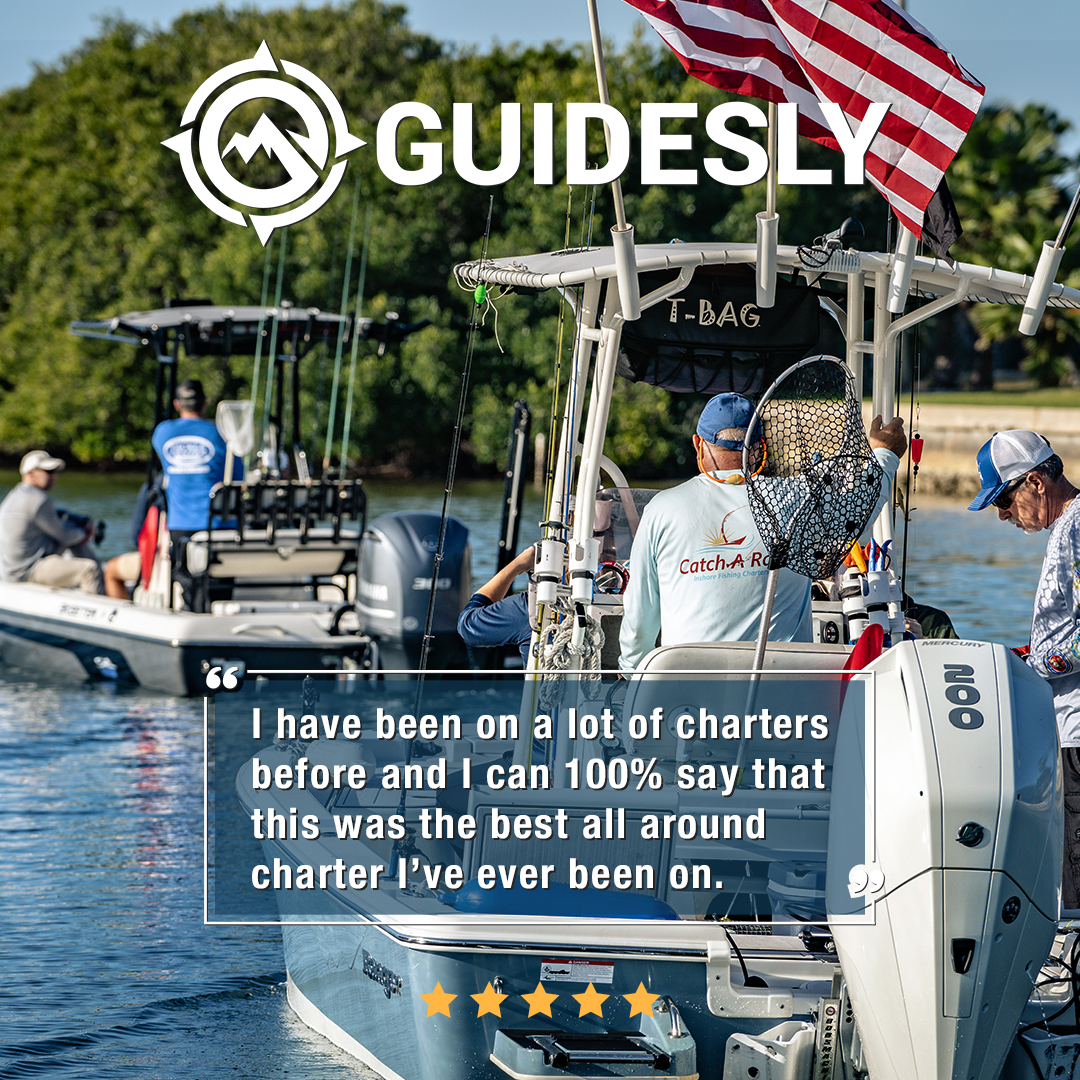
Ready to Catch More Fish? Here’s How to Book the Right Trip
Learn how to book the right fishing trip by matching goals, charter type, and guide expertise. Plan smarter and increase your chances of catching more fish.


Catching more fish rarely comes down to luck alone. It starts long before the boat leaves the dock. The right trip depends on how well your goals align with the season, the location, and the guide leading it. A family outing, a learning-focused trip, and a trophy hunt all require very different planning. When those details do not line up, even great conditions can lead to frustration. This guide breaks the process down into clear, practical steps so you know what to look for before you book. From choosing the right charter style to understanding timing, expectations, and preparation, each decision helps reduce surprises on the water. You will also find a simple checklist that helps you confirm the essentials before committing. With a little planning up front, your time on the water becomes more focused, more comfortable, and far more productive.
Why booking the right fishing trip matters more than luck
Good fishing days are rarely accidental. The choices made before booking shape how much time you spend around active fish, how comfortable the day feels, and how safe the conditions are. Many disappointing trips come down to poor alignment rather than bad luck. When the season, location, and guide experience are mismatched, even perfect weather cannot fix it. Booking the right trip removes guesswork and replaces it with clarity. It sets expectations early and gives you a better chance to fish efficiently instead of reacting on the water.
Catch results start before you ever step on the boat
The success of a fishing trip is shaped well before lines hit the water. Planning determines how much time you spend around active fish, how efficiently the day flows, and how safe the conditions remain. When the trip is aligned correctly, effort goes into fishing instead of problem-solving.
What trip planning directly affects:
Exposure to productive fishing zones
Time spent fishing versus traveling or repositioning
Safety and comfort based on weather and water conditions
Realistic expectations for catch rate and species
Why poor planning leads to bad outcomes:
Long runs to unproductive areas
Fishing during off-season or poor bite windows
Rough conditions that limit fishing time
Frustration from mismatched goals and trip length
How smart bookings improve results:
Guides start in known seasonal hotspots
Less trial and error on the water
Clear expectations reduce wasted hours
More time focused on active fishing
Strong planning removes guesswork. It gives anglers a clearer path to productive water and a smoother, more focused day overall.
How experienced anglers think about trip selection
Experienced anglers approach trip selection with a focus on conditions rather than convenience. They pay close attention to seasonal patterns, water temperatures, and recent bite activity before choosing dates or locations. Instead of forcing trips to fit personal schedules, they plan around when fish are naturally more active, which helps avoid slow or unproductive days.
They also prioritize guide expertise over availability or price. A guide who specializes in a specific fishery or technique often produces better outcomes. Trip type, location, and duration are chosen to match the target species, creating a more efficient, predictable, and successful fishing experience.
How to book the right fishing trip step by step
Booking a successful fishing trip is about making the right decisions before you ever arrive at the dock. Each choice shapes how comfortable the day feels, how safe the conditions are, and how much time you actually spend fishing. Rushing through this process often leads to mismatched expectations and missed opportunities. Below are the key steps that help align your goals with the right guide, location, and trip style.
Step 1: Define the real goal of your fishing trip
Every good booking starts with clarity. Family and leisure trips benefit from shorter durations, calmer waters, and steady-action species that keep everyone engaged. Skill-building trips work best with guides who enjoy teaching techniques like casting, reading water, or lure control rather than simply chasing bites.
Trophy or bucket-list trips demand a very different approach. These often require full-day or multi-day commitments, private charters, and patience. Saying you “just want to fish” often leads to poor bookings because it ignores the planning required to match expectations with reality.
Step 2: Choose the charter type that matches your expectations
The charter format affects pacing, attention, and overall comfort.
Private charters offer flexibility, focused guidance, and control over trip goals
Shared charters reduce cost but split attention among multiple anglers
Shared trips work well for solo anglers with casual expectations
Private trips protect the experience for families, beginners, or specific targets
Step 3: Match water type to comfort, skill, and time commitment
The type of water you fish determines conditions, travel time, and physical demand. Choosing the wrong one can shorten the day or limit fishing time.
Inshore and nearshore considerations:
Calmer waters with shorter runs
Easier for beginners and families
Less fatigue and lower seasickness risk
Offshore and deep-sea realities:
Longer travel times and rougher seas
Full-day commitments required
Bigger fish but higher physical demand
Why distance matters:
Longer runs reduce fishing time
Rough conditions increase fatigue
Safety limits can cut trips short
Step 4: Vet the guide and crew before you book
A qualified guide is the biggest factor in trip success. Look for proper licenses and certifications that meet local and federal requirements. Reviews should consistently mention safety, communication, and preparedness. How a guide communicates before booking often reflects how clearly expectations will be managed on the water.
Step 5: Ask the right questions before confirming your trip
Clear answers prevent surprises on the dock.
What has been biting recently, and what is realistic for the season
What is included: gear, bait, fuel, and fishing licenses
Catch-and-release preferences and fish cleaning policies
Weather plans, rescheduling options, and cancellation terms
Step 6: Plan timing and logistics for 2026 conditions
Popular fisheries are becoming more competitive, making timing more important than ever. Planning ahead improves availability and reduces last-minute compromises. These are the key timing factors to consider:
Booking windows: Peak seasons often require reservations three to six months in advance
Guide demand: Top guides book early due to limited availability
Conditions planning: Weather, tides, and seasonal movement increase success rates
Step 7: Prepare correctly so conditions don’t ruin your day
Preparation directly affects how long you can fish comfortably and safely.
Proper clothing, sun protection, and non-slip footwear
Seasickness prevention taken before boarding
Simple preparation keeps focus on fishing, not discomfort
What experienced anglers consider before choosing a fishing trip

Experienced anglers rarely choose a trip based on availability alone. They think about how seasonal patterns, water conditions, and trip length affect focus and stamina throughout the day. Comfort, safety planning, and clear communication with the guide play a major role in staying relaxed and productive on the water. By aligning expectations early, anglers reduce uncertainty and spend more time in situations that support consistent action.
They also view success as more than just the final catch count. Time spent learning fishing techniques, understanding local conditions, and working smoothly with the crew adds value even when conditions shift. This approach helps anglers enjoy the experience, adapt quickly, and make smarter decisions before the boat ever leaves the dock.
How Guidesly helps you book smarter with confidence
Guidesly simplifies the entire booking journey so every decision feels clear and controlled. Instead of jumping between platforms or guessing what comes next, the process is designed to guide you from search to confirmation without surprises. Here’s how the experience works from start to finish:
Step 1: Set Your Trip Basics: Choose your location, dates, and group size to instantly narrow options to trips that actually match your availability and group needs, avoiding wasted time and unavailable listings.
Step 2: Explore Verified Guides: Browse trusted guides and available trips with clear details on pricing, availability, and trip styles, making it easy to compare options without hidden information or guesswork.
Step 3: Pick the Right Trip Type: Select from beginner-friendly, full-day, or advanced trips based on your goals, target species, and experience level, so expectations align before you move forward.
Step 4: Confirm Timing and Group Details: Choose start times and confirm guest count in one view, helping you understand how the day will flow and whether the trip fits your schedule.
Step 5: Review Costs and Policies: See total pricing, deposits, and cancellation terms upfront, ensuring there are no surprises and giving you confidence before committing to the booking.
Step 6: Finalize with Confidence: Complete checkout with clear trip details, meeting location, and payment breakdown, so you can focus on preparation rather than logistics or last-minute concerns.
Quick checklist before you finalize your booking
Before you confirm your trip, a final review helps prevent surprises and last-minute stress. This checklist ensures every key detail aligns with your expectations, comfort level, and overall fishing goals.
The trip goal is clearly defined
Knowing exactly what you want from the trip sets the foundation for every other decision. Whether your focus is learning, relaxation, or targeting a specific species, clarity helps the guide plan the day effectively and avoid mismatched expectations on the water.
Charter type matches group needs
The right charter format keeps everyone comfortable and engaged.
Group size fits the boat and guides the attention level
Experience levels are aligned with the trip style
Pace and structure match the group’s expectations
Water type fits comfort level
Choosing the correct water type protects both enjoyment and safety.
Calm inshore waters reduce fatigue and seasickness
Offshore trips require longer runs and higher stamina
Weather exposure increases with distance from shore
Guide credentials and reviews checked
A qualified guide directly impacts safety and success. Proper licensing and certifications confirm that the trip meets legal and safety standards. Reviews help reveal how guides communicate, manage expectations, and handle changing conditions.
Look for consistent feedback rather than one-off comments. Patterns around professionalism, preparedness, and clear communication are stronger indicators of a reliable experience than star ratings alone.
Inclusions and policies confirmed
Before booking, confirm what is included in the price and what is not. Gear, bait, fuel, licenses, and fish cleaning policies should be clear. Review weather-related rescheduling terms and cancellation policies so expectations are set before payment.
Packing and health prep completed
Preparation helps you stay focused on fishing.
Proper clothing, sun protection, and non-slip footwear
Hydration and light snacks planned
Seasickness prevention handled before boarding
Conclusion
Successful fishing trips are rarely the result of chance. They are planned with intention, built around the right goals, the right guide, and the right conditions. When those elements align, time on the water feels productive, comfortable, and rewarding. Treating a fishing trip as an experience worth planning helps reduce frustration and increases the odds of a great day. Instead of guessing, anglers who prepare enjoy clearer expectations and better outcomes. With the right tools, booking becomes part of the experience, not a hurdle. Explore Guidesly listings with confidence, compare options that match your goals, and choose trips designed to deliver the fishing day you actually want.
FAQs
1. How much should I tip a fishing guide after the trip?
Most anglers tip 15 to 20 percent of the trip cost, depending on effort, service quality, and overall experience during the day.
2. Can I request specific fishing techniques during a guided trip?
Yes, many guides accommodate technique requests if conditions allow. Always mention preferences early so the guide can plan gear and approach accordingly.
3. Are fishing charters suitable for first-time anglers?
Many charters are beginner-friendly and provide instruction, equipment, and support, making guided trips one of the easiest ways to start fishing confidently.
4. What happens if fish are not biting during my trip?
Guides adapt locations, techniques, and timing to improve chances, but fish behavior varies. A slow bite does not automatically mean poor guiding.
5. Is it better to book a morning or afternoon fishing trip?
Morning trips often offer calmer winds and active fish, but some fisheries perform better later. Local patterns matter more than time preference.
6. Do fishing charters allow bringing personal fishing gear?
Most guides allow personal gear if requested in advance, though provided equipment is usually optimized for local conditions and target species.
7. Are children allowed on all fishing charters?
Policies vary by guide and boat size. Always confirm age requirements and safety gear availability before booking a trip with children.
8. Can I keep the fish I catch on a guided trip?
Keeping fish depends on local regulations and guide policy. Some trips focus on catch and release, while others allow harvest within legal limits.
9. What should I do if the weather changes suddenly before my trip?
Contact your guide immediately. Most captains monitor conditions closely and may adjust timing, location, or reschedule for safety reasons.
10. Is booking a fishing trip online safe and reliable?
Using a trusted platform with verified guides, transparent policies, and secure payments helps reduce risk and improve booking confidence.