Redfish Fishing in Port Aransas, TX: Fishing Tactics, Tides & Bait
Find the best redfish fishing lures for Port Aransas and find local fishing guides to make the most of your next red drum fishing trip along the Texas coast.
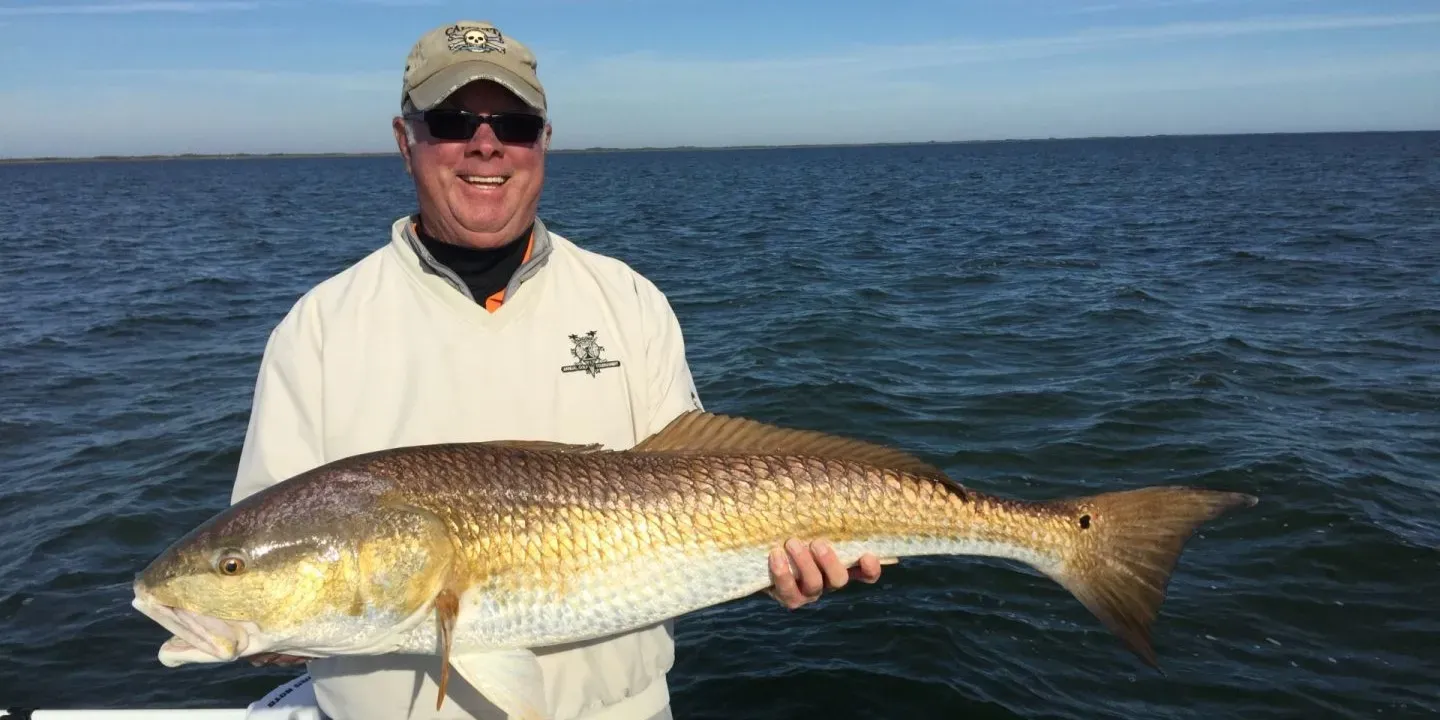


Ask local anglers where they look for redfish around Port Aransas, and you probably won't get just one answer. Some head for the shallow flats around the Texas Bay, others work the edges of oyster reefs in Aransas Bay, and plenty keep an eye on the channels leading toward Aransas Pass.
The difference often comes down to the tide. Redifsh move between these areas as water levels change, following shrimp, crabs, and small baitfish. A spot that looks empty at one stage of the tide might hold feeding fish an hour later.
If you're planning a redfish fishing trip in Port Aransas, knowing how to read that movement will help you make better use of your time on the water. Here's where to look, what to tie on, and how to adjust your approach when conditions change.
1. Where to Catch Redfish in Port Aransas, TX
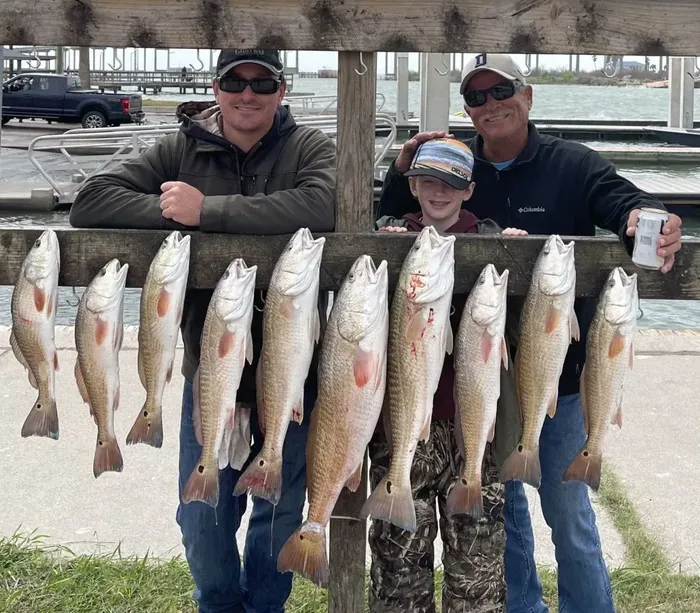
Port Aransas sits beside a network of bays, flats, channels, and passes, giving anglers several places to target red drum.
Each area offers different conditions, from shallow waters where redfish feed across the flats to deeper channels where moving water can influence their activity.
Choosing the right spot depends on factors such as tide, water depth, and clarity. Redfish may move into shallow areas to feed as water rises, then shift toward channels and deeper edges as conditions change. Knowing what to look for can help you decide where to fish instead of returning to the same location every time.
Redfish Bay and the Lighthouse Lakes Flats
Redfish Bay and the nearby Lighthouse Lakes area are good starting points for anglers interested in shallow-water fishing. Grass flats, small channels, and protected backwaters give redfish opportunities to feed on shrimp, crabs, and baitfish.
How to fish these areas:
Sight-fishing: In clear, shallow water, look for tailing fish, wakes, or bronze backs moving across the flats. Cast ahead of a moving fish rather than directly on top of it.
Soft plastics: Work a paddle-tail lure or shrimp imitation slowly over grass edges and sandy pockets.
Live shrimp: Use a light jig head or popping-cork rig when fish are feeding near the surface or just above the grass.
Kayaks and shallow-draft boats can access water that larger boats cannot reach easily. Wade fishing is another option where access and bottom conditions permit.
Aransas Bay and the Oyster Reefs
Aransas Bay has a mix of shallow flats, deeper water, and oyster reefs that attract baitfish and crustaceans. Redfish often feed along the edges of these features rather than sitting in the middle of open water.
Start by looking for changes in bottom depth, grass lines, or visible redfish bait activity. Cast soft plastics along the edges of oyster reefs, or drift live shrimp through likely feeding areas.
Pay attention to your lure depth. A bait that continually snags oysters is probably running too close to the bottom or through the wrong part of the structure. Adjust your weight or retrieve to keep it in the strike zone without getting hung up on every cast.
Worth checking out: Bottom Composition: How to Fish These 5 Types
Aransas Pass and the Port Aransas Jetties
The jetties and nearby pass connect the bay system with the Gulf. Current moving around the rocks and through deeper channels can concentrate baitfish, making these areas worth investigating, particularly during stronger seasonal feeding periods.
For redfish fishing around the jetties:
Try live shrimp, cut mullet, or crab when fishing near the bottom.
Use paddle tail plastics or heavier jigs when you need to reach deeper water.
Cast along current seams and the edges of structure instead of repeatedly throwing into the strongest current.
Use tackle and leader material suited to the rocks, where abrasion and snags are common.
Strong currents, waves, and boat traffic can make this water challenging. Shore anglers should choose safe casting positions and avoid slippery rocks or exposed areas during rough conditions.
2. How Tides Affect Redfish Fishing in Port Aransas
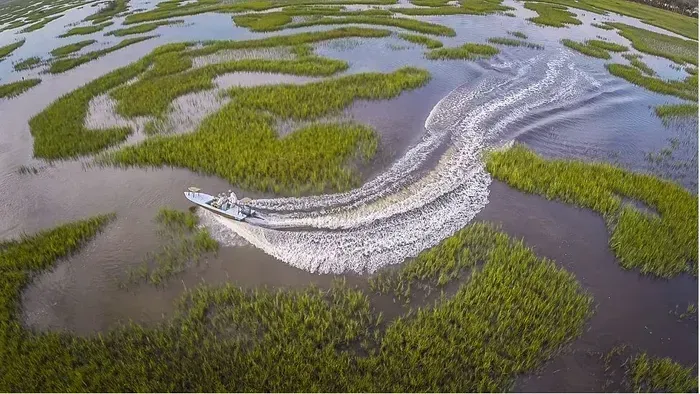
Choosing a fishing spot is only part of the plan.
The tide can determine whether redfish have access to a shallow flat, are feeding along a drain, or are holding closer to deeper structure.
Rather than assuming that high tide or low tide is always better, watch how the water moves through the area you're fishing. The goal is to find places where that movement brings prey within reach of redfish
Incoming Tide: Follow the Water Into the Flats
As the tide rises, redfish can move into grass beds, shallow backwaters, and shorelines that were previously too shallow to access. These areas provide opportunities to feed on shrimp, crabs, and small baitfish.
Focus on the edges of flooded grass and shallow pockets where baitfish are active. Live shrimp and small soft plastics can work well, especially when presented naturally without too much weight. If you're sight-fishing in clear water, approach quietly and cast ahead of a moving fish.
An incoming tide is particularly worth exploring when you see redfish bait activity moving toward the shoreline or into newly flooded areas.
Outgoing Tide: Target Drains and Channel Mouths
As the tide falls, water drains off the flats and carries shrimp, crabs, and small fish toward deeper water. Redfish may gather near drains, cuts, and channel edges to intercept this moving prey.
Look for places where water funnels out of shallow feeding areas. Small channels connecting flats to deeper bays, drop-offs beside grass beds, and current seams near oyster reefs are all worth checking.
A shrimp imitation or paddle tail worked across the current can imitate prey moving with the water. If you're using live shrimp, allow it to drift naturally through the feeding zone instead of constantly retrieving it against the flow.
The key is to fish where the water is carrying food, rather than casting randomly across an entire flat.
Slack Tide: Adjust Rather Than Give Up
Near a tide change, the current may slow, and redfish can become less concentrated around drains and current seams. That doesn't mean they stop feeding. They may spread out or hold closer to nearby structures instead.
Use this quieter period to check oyster reef edges, search for visible fish on the flats, or change your presentation. When the current picks up again, revisit places where moving water carries bait past likely feeding areas.
Expert tip: Check a local tide forecast before leaving, then compare the predicted tide with actual water movement at your fishing spot. Wind can alter water levels and currents, so the tide table alone won't tell the whole story.
3. Best Bait for Redfish in Port Aransas
Redfish eat shrimp, crabs, and small fish, so your bait choice should reflect what is available in the area you're fishing. Listed below are common baits to help you catch more redfish.
Live Shrimp
Live shrimp are a useful choice for anglers targeting red drum in Texas bays. They can be fished in shallow water, around grass edges, and along deeper structure by adjusting the rig to the conditions.
Shallow flats: Use a light rig that lets the shrimp move naturally without dragging through grass.
Deeper edges: Try a jig head or a weighted bottom rig when fish are holding lower in the water.
Moving water: A popping cork can help keep shrimp at a controlled depth while its sound attracts attention.
Avoid adding more weight than necessary. A natural presentation is often more useful than forcing the bait to stay in one place.
Live or Cut Mullet
Mullet are worth considering when redfish are feeding on baitfish or when you're targeting larger fish around deeper channels and jetties.
Live mullet provide a moving presentation, while fresh cut mullet can be fished on a bottom rig near current breaks or deeper structure. Choose a hook that suits the size of the bait and the fish you're targeting. Around rocks or other abrasive structure, use a leader strong enough to handle contact without unnecessarily restricting your presentation.
Crabs
Crabs can be an effective option around oyster reefs, channels, and areas where larger redfish are feeding on crustaceans.
Use an appropriate crab presentation for the conditions and local regulations. A bottom rig is often a practical choice when fish are feeding close to the bottom.
Artificial Lures
You don't necessarily need to carry live bait to catch redfish in Port Aransas. Artificial lures let you cover water quickly and target specific depths. Here are some lures, and where and how you can use them:
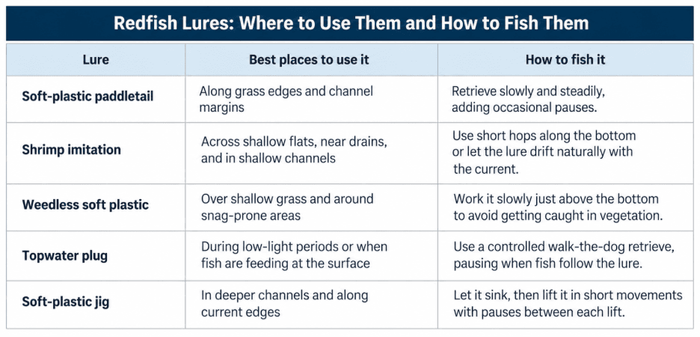
For beginners, a paddle tail on a suitable jig head is a useful all-around option. If a redfish follows the lure but doesn't strike, slow the retrieve, add a pause, or try a smaller profile before switching to a completely different lure.
4. Redfish Fishing Tactics for Different Conditions
Your bait and location work together, but the way you present that bait matters just as much. Clear water may allow you to spot fish before casting, while wind or poor visibility can make it more practical to fish structure. Adjusting your technique to the conditions is usually more useful than sticking with one approach all day.
Sight-Fishing on Shallow Flats
Look for tailing fish, wakes, mud puffs, or baitfish scattering in shallow water. These signs can reveal feeding redfish even when the fish themselves are difficult to see.
Make a quiet approach, cast beyond the fish's path, and retrieve the lure into its field of view. Avoid landing the lure directly on the fish, which can spook it. Sight-fishing works best when visibility is good and wind isn't creating too much surface disturbance.
Fishing Oyster Reefs and Channel Edges
When visibility is poor or redfish aren't showing on the flats, focus on structure instead. Oyster reefs and channel edges provide areas where fish can feed while remaining close to cover.
Position yourself so you can cast along the edge of a reef or drop-off. Work the lure through the transition between shallow and deeper water and adjust the retrieve to keep it near the likely feeding zone. Use a leader suited to the structure and change your casting angle or rig if the bait keeps snagging.
Using a Popping Cork
A popping cork suspends bait below the surface and creates a sound when you twitch the rod. It's useful around grass edges and in areas where redfish are feeding on scattered baitfish.
Rig the cork above a live shrimp or suitable artificial bait. Make a short pop, pause, and let the bait settle before repeating. That pause gives the bait time to drift naturally, and a redfish may strike after the initial disturbance rather than immediately after the pop.
This technique is particularly useful when fishing in grass edges or areas with scattered baitfish.
Targeting Larger Redfish Near the Pass
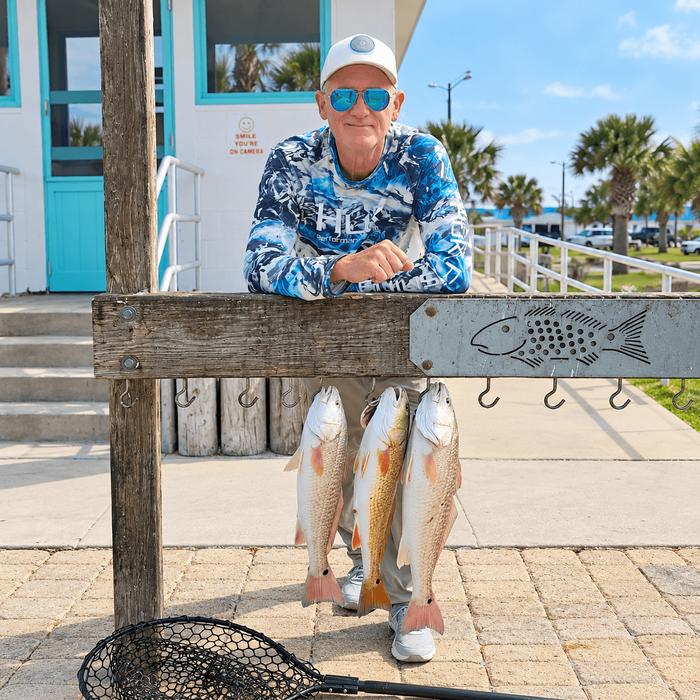
Larger red drum, often called bull reds, can move through passes and deeper coastal water during seasonal movements. When targeting large redfish, use tackle capable of handling strong runs and choose bait that suits the conditions.
Larger natural baits, such as mullet or crab, are good options around deeper channels and structure. Keep the drag properly adjusted and avoid forcing a large fish toward rocks or other hazards. Large spawning fish are valuable to the fishery, so handle them carefully and release them promptly when required or when you don't intend to keep them.
5. When Is the Best Time to Catch Redfish in Port Aransas?
Redfish are available throughout the year, but the fishing pattern changes with water temperature, weather, and seasonal movement. The season can help you decide where to start, while the tide and conditions on the day can help you narrow down the spot.
Spring: As conditions get warm, flats and shallow bay areas can become productive. Look for bait activity and fish moving into feeding areas.
Summer: Early mornings and late afternoons can offer comfortable conditions and good opportunities on the flats. During hot periods, deeper channels and shaded structures may be worth exploring.
Fall: This is an important period for targeting larger redfish around passes and coastal channels. Seasonal movements can concentrate fish, although timing varies with weather and water conditions.
Winter: Fish may hold around deeper channels, protected backwaters, and areas with relatively stable temperatures. On suitable days, shallow flats can still produce fish.
Time of day matters, but it shouldn't be considered separately from the tide. An early morning trip with little water movement may be less productive than a later session when bait is moving through a drain. Before heading out in Port Aransas, check the weather, wind forecast, and tide predictions. Strong winds can make shallow-water fishing difficult and reduce visibility, so be prepared to move to a more protected area if conditions change.
6. Port Aransas Fishing Guides on Guidesly
Port Aransas has miles of shallow flats, winding channels, and productive back bays where redfish feed throughout the year. Fishing with a local expert can help you read the tides, identify promising spots, and choose the right presentation for the conditions. Here are five Guidesly captains to consider for your next redfish fishing trip.
1. Captain Levi Price: The Fish Guide Service
Want to take your redfish skills to the next level? Captain Levi's Fishing Trip is designed for anglers looking for a more technical inshore experience. With a focus on sight-fishing and reading shallow-water conditions around Port Aransas, this six-hour trip offers an opportunity to refine your approach while targeting redfish. It’s a strong option for experienced anglers who enjoy the challenge of spotting fish, making accurate casts, and adjusting their tactics on the water.
2. Captain Larry Miller: Fishin’ All The Time Guide Service
Knowing where redfish feed as the tide changes can make a real difference. Captain Larry Miller’s Port Aransas Inshore Fishing Charter gives anglers the chance to explore the local inshore waters with a guide who adapts the fishing approach to current conditions. The five-hour trip includes fishing gear and takes place aboard a fully equipped 24-foot Haynie boat. It’s worth considering if you want local guidance while exploring the flats and channels where redfish are found.
3. Captain Richard Stroud: Angler Guide Services
For a focused half-day outing, Captain Richard Stroud’s Guided Redfish Trip takes anglers into the inshore waters around Aransas Pass. The trip provides fishing gear and space for two anglers, creating a more personal experience on the water. If you're keen to target redfish around flats, grass beds, and other inshore structures, a local guide can help you adjust your presentation to the day's conditions.
4. Captain Martin Ueltschey: Capt. Salty’s Adventures
Looking to spend more time exploring the Aransas Pass Bay system? Captain Salty’s Five-Hour Bay Fishing Charter offers an extended inshore outing with a local captain. The extra time on the water gives you room to work different areas and respond to changing tides and conditions while pursuing redfish.
5. Captain Mark Hudler: Mark’s Guide Service
New to redfish fishing? Captain Mark Hudler’s Port Aransas Beginner Fishing Charter is designed to help newcomers get comfortable on the water. The six-hour trip includes fishing gear and light-tackle instruction, with guidance on working the local flats and back bays. It’s a useful starting point if you want to learn the basics, understand how to present bait, and build confidence while targeting redfish.
Trip availability, target species, and included equipment vary by listing. Confirm the details directly before booking.
7. Redfish Regulations in Port Aransas, Texas
Before keeping a redfish, check the current Texas Parks and Wildlife Department (TPWD) regulations.
For the 2026–2027 license year, the published recreational red drum rules specify:
Daily bag limit: 3 fish per person.
Legal length range: 20–28 inches.
Oversized fish: Special red drum tag provisions apply to eligible fish retained above the maximum length.
These rules are valid for September 1, 2026, through August 31, 2027, according to the official TPWD red drum regulations.
Check the latest requirements before your trip, including applicable fishing-license rules and any special tagging provisions. If you're releasing a fish, minimize handling time, keep it in the water whenever possible, and support its body properly.
Final Thoughts
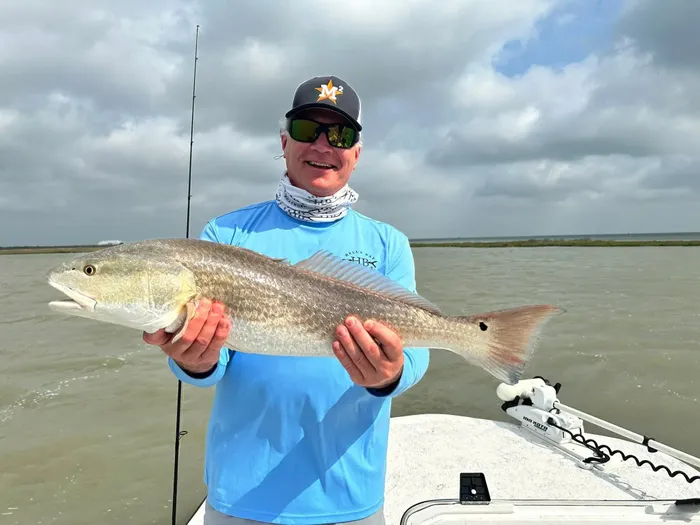
Successful redfish fishing in Port Aransas comes down to matching your presentation to the water in front of you.
Work shallow grass flats when fish move into them, target drains and channel edges as water falls, and fish structure when conditions make shallow water less productive.
Start with live shrimp or a soft-plastic paddletail, plan around moving tides, and adjust to wind and water clarity. If you're unfamiliar with the local bay system, a Port Aransas fishing guide can help you choose an approach suited to the day's conditions.
With the right location and presentation, the bays around Port Aransas offer plenty of opportunities to target redfish throughout the year.