The Ultimate Gear Check: What You Need for Successful Bottom Fishing in the Keys
Discover the best gear, bait, rigs, and tactics for successful bottom fishing in Islamorada and the Florida Keys.


If you’ve ever dreamed of dropping a line in the crystal-clear waters of the Florida Keys and feeling the sudden, thrilling tug of a mutton snapper or a hefty grouper, you know that success starts long before the bait hits the water. Islamorada bottom fishing isn’t just about luck, it’s about having the right gear, the right setup, and knowing how to read the currents and reefs like a seasoned angler. From mutton drift rigs to trolling lures like tuna feathers, having the proper equipment can make all the difference between a day of missed bites and a boat full of fish.
Getting your rods, reels, lines, hooks, sinkers, and live bait ready, along with a well-planned chum setup, sets the stage for an unforgettable fishing experience. Combine that with a few tactical tricks for mixing bottom fishing with offshore trolling, and you’re looking at a day on the water that could yield the catch of a lifetime.
Know Your Targets: What You’re Geared Up For
Before you even rig a rod or drop a sinker, it helps to know exactly who you’re hoping to hook. The waters around Islamorada and the Florida Keys are teeming with bottom-dwelling species, each with its own habits, preferred bait, and ideal depth. Understanding your targets not only shapes your gear choices but can turn an average day of fishing into a trophy-filled adventure.
The most sought-after bottom species here are mutton snapper, yellowtail snapper, and grouper. Mutton snapper are famously strong fighters, often found along reefs and sand edges in 40-80 feet of water, while grouper prefer rocky structures and ledges. Yellowtail snapper, smaller but abundant, are perfect for filling the cooler quickly and keeping the action constant.
But the Keys are never predictable. On some trips, offshore pelagics like blackfin tuna or other mid-water species might join the mix, especially if you’re drifting or trolling near drop-offs. That’s why having versatile gear capable of handling both true bottom rigs and light trolling setups gives you the edge. Matching your tackle, hooks, and bait to the species you’re targeting makes all the difference, whether it’s a steady bite of reef fish or an adrenaline-pumping tuna strike.
By knowing your targets, you’re not just fishing, you’re fishing smart. From selecting the right rod and reel to choosing live bait or chum that attracts the local crowd of bottom dwellers, every decision counts toward a successful day on the water.
Essential Bottom‑Fishing Gear Checklist for Islamorada
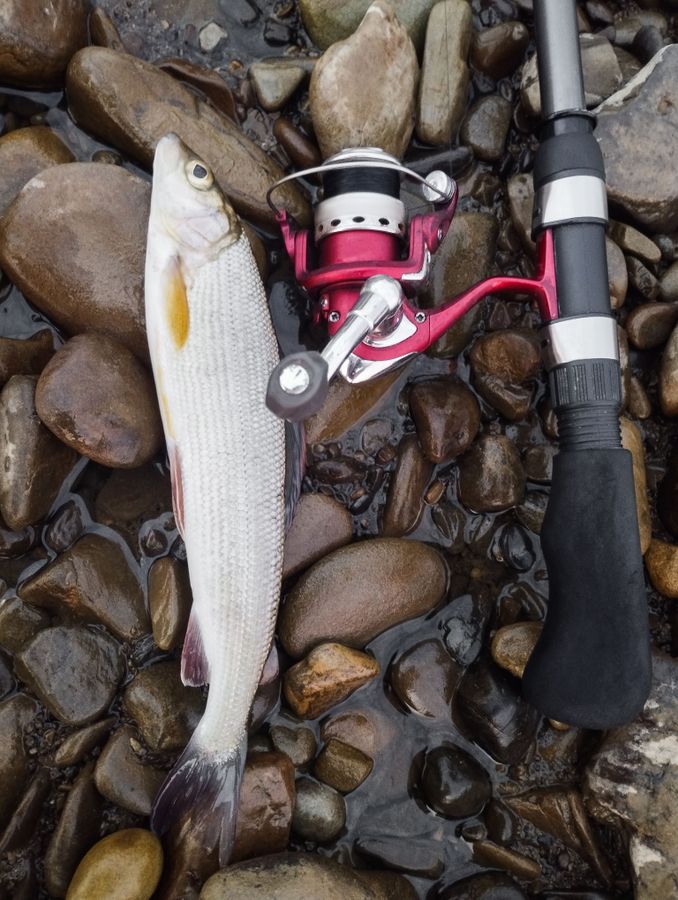
When it comes to Islamorada bottom fishing, having the right gear can mean the difference between a boat full of mutton snapper and a frustrating day with missed bites. The Florida Keys are famous for strong currents, vibrant reefs, and diverse bottom species, so your tackle needs to be both reliable and versatile. From rods and reels to hooks, sinkers, and bait setups, getting your equipment dialed in sets you up for a truly successful fishing adventure.
Rods & Reels
Rods and reels are the primary tools for casting, holding, and reeling in your catch, with the right combination balancing sensitivity and strength.
Uses:
- Medium to medium-heavy rods allow you to feel bites from snapper and yellowtail snapper.
- Strong enough to handle heavier bottom dwellers like grouper.
- Smooth drag reels reduce line breakage during powerful fights.
- Conventional or spinning setups can accommodate both bottom fishing and occasional trolling.
Line & Leader
The line connects your bait to the reel, while a leader provides extra strength and abrasion resistance near the hook.
Uses:
- Braided line offers sensitivity to detect subtle bites.
- Fluorocarbon or mono leaders prevent fish from seeing the line in clear Keys waters.
- Heavy leaders (30–50 lb) help fight larger reef fish.
- Swivels and snaps reduce line twist and simplify rig changes.
Hooks, Sinkers & Terminal Tackle
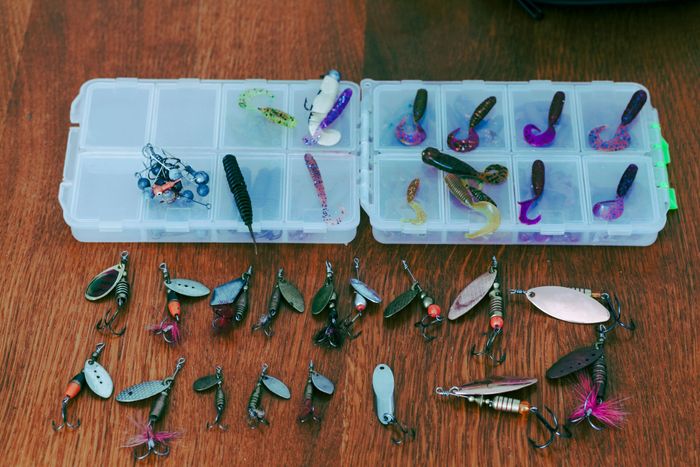
Hooks catch the fish, sinkers keep bait near the bottom, and terminal tackle includes swivels, snaps, and other connectors for rig versatility.
Uses:
- Circle hooks reduce gut-hooking and are ideal for snapper and grouper.
- Egg sinkers hold bait near the bottom without snagging.
- Heavier sinkers help in strong currents or drifting over reefs.
- Swivels and snaps allow quick rig swaps and adjust for different species.
Bait & Chum Setup
Live bait or cut bait attracts fish, while chum creates a feeding zone to increase bite chances.
Uses:
- Live shrimp, pilchards, or pinfish entice bottom dwellers naturally.
- Chum bags filled with chopped bait or commercial mixes draw fish toward your rigs.
- Aerated livewells keep bait fresh for longer trips.
- Regular chumming increases consistent bites on reefs and sand flats.
Auxiliary Gear
Supporting tools and equipment that make fishing safer, more efficient, and compliant with regulations.
Uses:
- Nets and gaffs help safely land fish.
- Coolers and ice preserve your catch.
- Fillet knives and gloves aid in handling and processing fish.
- Buckets and chum scoops organize bait and chum efficiently.
- Anchors or drift control devices maintain position over fishing spots.
Safety & Preparations
Pre-trip planning and precautionary measures to ensure a safe, productive, and enjoyable day on the water.
Uses:
- Check tide charts and current conditions to choose the best fishing spots.
- Rig rods at the dock to save time on-site.
- Keep spare tackle and tools for emergencies.
- Wear life jackets and keep first aid kits on board.
- Proper preparation reduces frustration and maximizes fishing time.
Live Bait & Chum Strategy for Bottom Fishing
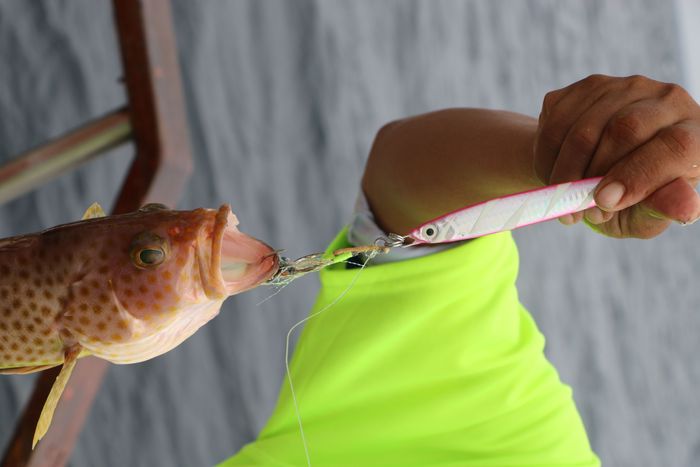
Landing a mutton snapper or grouper in the Florida Keys is as much about preparation as it is about skill. Using the right live bait and chum strategies attracts fish to your rigs, increasing your catch rate and making your bottom-fishing adventure far more productive.
Why Live Bait or Fresh Cut Bait Works
Many bottom dwellers in the Keys waters respond strongly to natural baits. Pinfish, pilchards, shrimp, cut bait, or chunks mimic the prey these fish actively hunt. Using live bait triggers instinctual strikes, while fresh-cut bait releases scents that can attract fish from a distance. The choice depends on current, depth, and target species. Live bait works best for mutton snapper and grouper, while cut chunks can supplement or replace live bait when availability is limited.
Chum Bag + Chum Mix Technique
Setting up a chum bag properly helps create a feeding zone for bottom fish. Here’s how to do it step by step:
- Prepare the Chum Mix: Use chopped bait, oats, oils, or speciality snapper mixes depending on availability and target species.
- Fill the Chum Bag: Pack the mixture into a mesh bag, leaving room for water to flow through.
- Deploy the Bag: Anchor or suspend the bag near your bottom rigs to establish a scent trail.
- Control Release: Allow the chum to disperse slowly, attracting fish gradually without overwhelming them.
- Timing: Toss small amounts at intervals to maintain a consistent feeding zone before casting bottom rigs.
Live Well & Aerator Setup for Shrimp / Pinfish / Pilchards
Keeping live bait healthy is critical for success in bottom fishing. Use a well-maintained live well with an aerator to keep shrimp, pilchards, or pinfish active throughout the day. Ensure water temperature and oxygen levels remain stable, avoid overcrowding, and replace water as needed. Active, healthy bait improves strike rates and keeps fish interested in your rigs longer, giving you a clear advantage in reef and sand flat areas.
When Chum + Cut Bait Makes Sense
- Sometimes live bait isn’t available, or fish aren’t responding. Using cut or chunk bait combined with chum can trigger bites in these scenarios:
- Drop frozen ballyhoo, silver sides, or other cut bait near your bottom rigs.
- Release small amounts of chum to create a feeding zone that draws fish toward your bait.
- Use this approach during low-activity periods, in strong currents, or when targeting multiple species at once.
- Adjust the type and size of cut bait according to the appetite and species of fish in the area.
Mixed‑Tactics: Combining Bottom Fishing with Drift or Offshore Lures
<iframe width="560" height="315" src="https://www.youtube.com/embed/QLyRnyBnyfM?si=lKXYpFkLYY0mkH6U" title="YouTube video player" frameborder="0" allow="accelerometer; autoplay; clipboard-write; encrypted-media; gyroscope; picture-in-picture; web-share" referrerpolicy="strict-origin-when-cross-origin" allowfullscreen></iframe>
Why settle for just one type of fishing when the Florida Keys offer a chance to score both bottom dwellers and pelagic species on the same trip? Combining bottom fishing with drift or offshore lures, such as tuna feathers, lets anglers maximize their catch potential. This approach is perfect for those aiming to catch mutton snapper, grouper, and occasional tuna in one productive day on the water.
- Why Combine Techniques: Mixing bottom fishing with trolling lets you target multiple species at once, increasing bite opportunities and making trips more action-packed.
- Trolling Lures for Tuna Feathers: Small feathered lures, bucktails, and trolling spoons imitate prey in open water, attracting blackfin tuna and other pelagics during drifts or offshore runs.
- Rigging for Mixed Tactics: Use low-visibility leaders and swivels to prevent line twist while allowing quick swaps between bottom rigs and trolling lures. Properly sized hooks and rigs ensure both bottom and pelagic species can be hooked efficiently.
- When to Use Each Tactic: Bottom rigs excel near reefs, drop-offs, or sand flats, while trolling lures are ideal along channels, deeper edges, and during offshore tuna activity. Alternating between techniques covers more water and attracts a wider range of species.
- Timing & Observation: Monitor fish activity and adjust your approach by adding or reducing chum, changing bait types, or adjusting lure depth based on species response and current conditions.
Pro Tips & Tactical Advice from Local Keys Fishing Experience
Catching mutton snapper, grouper, or yellowtail in the Florida Keys isn’t just about having the right gear, it’s also about knowing the subtle tricks seasoned locals rely on. Years of experience on these reefs, sand flats, and drop-offs teach strategies that dramatically improve bite rates and overall success. Here are some insider tips to give your bottom fishing trips a professional edge.
- Observe Tides and Currents: Fish activity often spikes during incoming or outgoing tides. Local anglers time their drops near reef edges and sand flats to match the strongest feeding windows.
- Positioning Matters: Anchor or drift near reef ledges, channels, or known bottom structures. Slight boat adjustments can significantly increase your chances of attracting multiple species.
- Vary Rig Depths: Adjust your rigs depending on species and water depth. Mutton snapper often bite midwater off the bottom, while grouper prefer heavier bottom contact.
- Combine Techniques Smartly: Alternate between bottom rigs and trolling lures like tuna feathers. Observing which method triggers bites during the day allows you to maximize overall catch rates.
- Use Patience with Chum: Don’t rush the process. Spread chum gradually and let the fish feel safe before dropping the rigs. Local captains often see better strikes by letting fish settle into the feeding zone.
- Check Seasonal Patterns: Certain species are abundant during specific months. Mutton snapper are more active in summer, while grouper may respond better in winter or early spring.
- Gear Maintenance & Backup: Locals carry spare hooks, lines, and lures. Properly maintained reels and rods prevent downtime and ensure you don’t miss crucial bites.
Ideal Gear Setup for a Day Trip in Islamorada
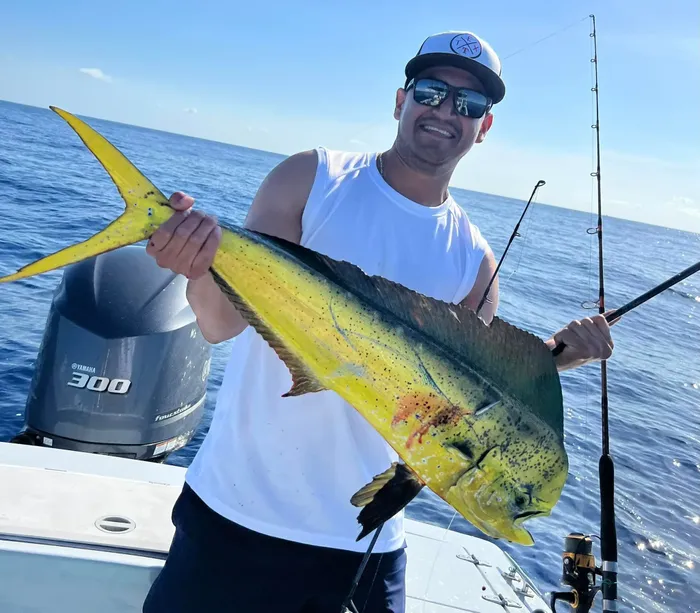
A successful day on the water in Islamorada and the Florida Keys starts with a carefully planned gear setup. Whether your goal is mutton snapper, grouper, or even a chance at offshore tuna, having the right rods, reels, lines, and lures prepared ensures you can handle both bottom fishing and occasional trolling without missing a strike. Here’s a sample setup to maximize your catch potential and enjoy a stress-free, productive day.
- Rod #1: Medium-Heavy Conventional Rod for Bottom Fishing- Perfect for mutton snapper, grouper, and yellowtail. Paired with a strong conventional reel, smooth drag, and braided 20–30 lb line, it handles both light and heavy bottom species efficiently.
- Rod #2: Medium Spinning Rod for Live Bait or Cut Bait- Ideal for pinfish, pilchards, shrimp, or cut bait drops. Offers sensitivity to detect subtle bites and flexibility for drifting over reefs or sandy flats.
- Rod #3: Light Trolling Rod with Tuna Feathers- Optional but recommended for targeting blackfin tuna or other pelagic species. Works with small bucktails, trolling spoons, or feathered lures to mimic baitfish in offshore waters.
- Rod #4: Backup Rod / Dropper Loop Setup- A secondary rod rigged for quick swaps, heavy-bottom species, or experimenting with different baits. Useful for testing depth variations and maintaining constant action.
- Auxiliary Gear: Include a chum bag, livewell with aerator, sinkers, circle hooks, swivels, net, gloves, and cooler. Ensures efficiency, safety, and longer-lasting bait throughout the trip.
Mistakes to Avoid- Common Pitfalls When Fishing the Keys
Even experienced anglers can face frustration in the Florida Keys if they fall into common traps. From gear missteps to poor timing or bait selection, these mistakes can turn a promising day into missed opportunities. Knowing what to avoid ensures your Islamorada bottom fishing trip is productive, efficient, and stress-free, maximizing your chances of landing mutton snapper, grouper, and other prized bottom dwellers.
Common Mistake | Why It’s a Problem | Pro Tip / How to Avoid |
Using wrong rod/reel combo | Weak rods or small reels can break under strong grouper or snapper | Match rod strength to target species; medium-heavy conventional rods for larger bottom fish |
Skipping live bait prep | Dead or sluggish bait reduces strikes | Keep shrimp, pilchards, and pinfish in aerated livewells and refresh water periodically |
Over-chumming or under-chumming | Too much chum can overwhelm fish; too little fails to attract them | Use measured chum amounts and spread gradually to establish a consistent feeding zone |
Ignoring tides and currents | Fish activity drops when conditions are off | Plan trips around incoming/outgoing tides; adjust rig depth and placement accordingly |
Poor line/leader choice | Line too light or visible can spook fish or break | Use braided main line with fluorocarbon or mono leaders appropriate for species and water clarity |
Not observing local fish behavior | Missing feeding patterns leads to fewer bites | Watch other boats, note current fish activity, and adjust bait type, rig depth, or drift position |
Forgetting backup tackle | Broken hooks or lines can stop action | Carry spare hooks, lines, rigs, and lures to stay prepared for unexpected situations |
Focusing on one species | Limits catch potential | Combine bottom rigs with optional trolling to target multiple species like snapper, grouper, and tuna |
Conclusion: Gear Up and Make Your Keys Fishing Trip Unforgettable
There’s nothing quite like the thrill of feeling a mutton snapper or grouper strike your line in the crystal-clear waters of Islamorada and the Florida Keys. Success isn’t just luck, it comes from careful preparation, the right bottom fishing gear, live bait strategies, and smart use of trolling lures like tuna feathers. From choosing the perfect rods, reels, and lines to mastering chum setups and observing tides, every detail counts. By avoiding common mistakes and following proven techniques from local anglers, you set yourself up for a day full of action and memorable catches. Whether you’re a seasoned pro or a first-time angler, having the right gear and tactics ensures your Keys fishing trip is not just productive but truly unforgettable.
Frequently Asked Questions
Q1: What kind of gear do I need for bottom fishing in Islamorada?
You’ll want a medium–heavy rod and conventional or spinning reel with 20–30 lb braided line paired with a 30–50 lb fluorocarbon or mono leader. Add circle hooks, egg or sinker weights for current, and live or cut bait (shrimp, pilchards, pinfish). These handle reef species like snapper and grouper effectively.
Q2: Is live bait better than cut bait for snapper and grouper in the Keys waters?
Yes, live bait tends to work best because it mimics the prey that bottom species hunt naturally, thereby increasing strike rates. That said, fresh-cut bait (or chunks) released near the bottom with chum can also be highly effective when live bait isn’t available.
Q3: Do I need a chum bag, and how should I use it?
A chum bag can make a big difference. Fill it with chopped bait, fish bits, or speciality snapper mix, submerge or suspend it near your bottom rig, and let it slowly release scent to draw fish. Regularly adding small amounts can keep fish around your boat, crucial in reef or current-prone spots.
Q4: Can I combine bottom fishing with trolling or offshore lures on the same trip?
Absolutely. Many anglers in the Keys use a mixed‑tactics approach, bottom rigs for reef species and light trolling outfits (e.g. tuna‑feather lures or small spoons) for pelagic fish like tuna or kingfish. This gives a chance at a mixed bag during one trip.
Q5: How do current and tide affect bottom fishing success in the Keys?
Tide and current can make or break a day. Strong currents may require heavier sinkers to keep bait near the bottom; slack water can reduce bites. Fishing during incoming or outgoing tides often yields better results, especially near reefs, drop‑offs, or structure.
Q6: What are common mistakes to avoid when bottom fishing around Islamorada?
Mistakes like using too light tackle, skipping proper bait/chum prep, ignoring tide/current, not using low‑visibility leaders, or relying solely on one bait type can reduce your catch. Preparation and adapting to conditions matter more than just showing up. (Based on the typical pitfalls from local anglers’ experiences.)
Q7: Can I bring frozen bait or must it be live for effective bottom fishing?
Frozen or cut bait still works when combined with chum and placed strategically; it can attract bottom fish who respond more to scent than movement. It’s a good backup if live bait is unavailable.
Q8: Should I use a heavy sinker or a lighter setup?
It depends on conditions. In strong currents or deep reefs, heavier “egg” or bank‑type sinkers help keep bait on the bottom. In lighter conditions or near structure where fish are sensitive, a lighter weight helps present bait naturally.
Q9: What safety or regulatory checks should I be aware of while fishing in the Keys?
Ensure you have a valid Florida fishing license and a fish‑identification chart to avoid accidentally keeping protected species. Also follow size/slot limits for snapper, grouper, etc. If using cut bait or chum, ensure you’re not violating sanctuary or marine‑protected area rules.
Q10: Can a beginner expect good results fishing bottom reefs in Islamorada?
Yes, with decent gear (like a medium rod, proper hooks, weights, and bait), basic understanding of tides and current, plus some patience with chum and bait preparation, a beginner can definitely score keepers like snapper or grouper. Fishing smart often beats fishing hard.