Why Fishing Guides Know When and When Not to Fish
Learn how fishing guides use weather and experience to choose the best fishing times and know when conditions make fishing unsafe or unproductive.

Fishing success is often misunderstood as effort-based, but results come from timing decisions, not nonstop action. Professional fishing guides are not constantly chasing fish or forcing bites. They study conditions and choose the moments that matter. Just as important, they know that waiting delivers better outcomes than fishing through poor conditions. Knowing when not to fish protects client safety, reduces fish stress, and preserves healthy populations for future seasons. This judgment is not hesitant. It is experience at work. Guides read water temperature, light, movement, and seasonal behavior before a line is ever cast. They act when conditions align and step back when they do not. That discipline separates professionals from casual anglers. Guides are environment readers first, using observation and restraint to turn limited windows into consistent success.
Fishing Is a Moving System, Not a Fixed Schedule
Fishing does not follow a fixed timetable. Fish respond to changing systems that shift throughout the day. Water temperature, light levels, current speed, wind direction, and pressure can change within hours. Each variable influences how fish move, feed, or shut down. A spot that produces at sunrise can go silent by midmorning. Success depends on understanding how these factors interact in real time, not relying on preset schedules or past assumptions.
Professional guides look for patterns where conditions align, not isolated signals. Feeding windows appear when multiple variables stack together, often briefly. Guides track trends across hours and days, watching how conditions evolve instead of reacting to a single data point. Their decisions are based on probability, not hope. They fish when odds favor activity and wait when conditions do not support consistent behavior.
How Guides Know When Conditions Are Right to Fish
Professional fishing guides do not rely on effort or routine to decide when to fish. They evaluate whether conditions support movement, feeding, and safety before committing time on the water. Success comes from recognizing when multiple signals align and knowing when restraint protects results. By reading environmental shifts, biological timing, and historical patterns together, guides fish during true opportunity windows instead of forcing action during poor conditions.
Environmental Monitoring Happens Before the Trip Starts
Guides begin by establishing environmental thresholds that determine whether fish can feed efficiently. Water temperature is the primary filter because it controls metabolism and energy use. Even small temperature shifts can move fish deeper, push them shallow, or shut activity down. Oxygen levels and flow rates follow closely. Fish avoid water that cannot support sustained movement, regardless of how attractive the structure may appear.
Wind direction and light penetration refine timing decisions further. Wind affects oxygen exchange, current movement, and bait positioning. Light controls visibility and predator confidence. During summer, early mornings and late afternoons dominate success because cooler water and softer light reduce stress and trigger feeding behavior. Guides focus on short windows when conditions align rather than fishing full-day schedules.
Biological Cycles Guide Track That Most Anglers Miss
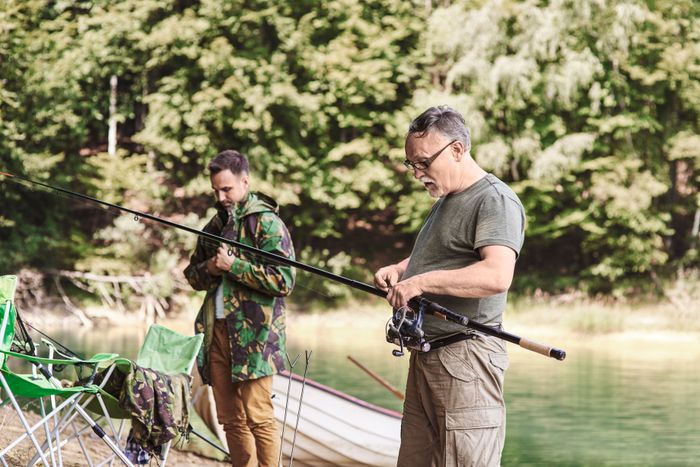
Fish location changes throughout the year because biological cycles drive movement, not habit. Guides track these cycles to anticipate transitions before they happen.
Core biological patterns:
Seasonal migrations move fish between deep holding areas and shallow feeding zones as temperatures rise or fall, especially noticeable with largemouth bass.
Spawning windows temporarily change location, aggression, and feeding priorities, creating brief but predictable opportunity windows.
Insect hatches and bait cycles concentrate fish activity into narrow feeding lanes, strongly influencing trout behavior.
Metabolism shifts affect how often fish feed and how long activity windows last.
Why this matters:
Fish location shifts month to month as biological phases change.
Areas productive in spring may go quiet by midsummer.
Species like redfish stage and move differently during spawning seasons.
Timing biological peaks produces better results than repeating past success.
Guides adjust depth, structure, species focus, and timing based on these cycles, staying ahead of movement rather than reacting late.
Tides, Moon Phases, and Movement Triggers
In saltwater fishing, movement creates opportunity. Tides and moon phases control water flow, bait positioning, and predator behavior. Guides rely on these signals to predict feeding activity. These are the movement triggers guides watch closely:
Spring tides: Strong water movement concentrates bait and triggers aggressive feeding during short, highly productive windows.
Slack tides: Minimal movement reduces feeding and often signals a pause or relocation.
Moon phases: Full and new moons expand tidal range and influence daily and nighttime feeding rhythms.
Current strength: Predators position along edges where the current delivers food efficiently.
Water direction: Incoming and outgoing tides reposition bait and refresh oxygen levels.
Light interaction: Sun and moonlight affect visibility, confidence, and strike timing.
Guides evaluate these factors together before committing effort.
Pattern Recognition Built From Years on the Water
Experience allows guides to convert years of observation into fast, confident decisions. Pattern recognition replaces trial-and-error.
Where patterns come from:
Mental or written trip logs are recorded after every outing.
Comparing the same dates across different years.
Tracking condition combinations that repeatedly produce activity.
Recognizing early signals that precede feeding windows.
Why experience matters:
Decisions happen faster with less wasted time.
Productive water is prioritized immediately.
Clients experience consistency instead of guesswork.
Knowledge from one season transfers directly into the next.
This pattern recognition turns fishing into informed probability rather than a hopeful effort.
Why Professional Guides Sometimes Choose Not to Fish
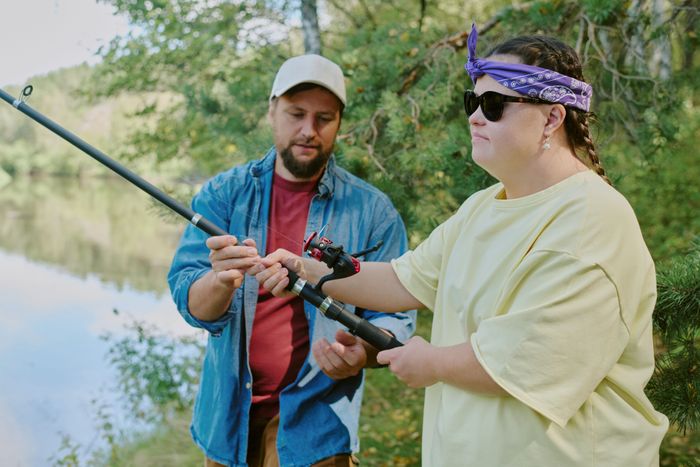
Knowing when not to fish is part of professional judgment. Guides make these calls by weighing safety, fish health, conditions, and regulations together. Choosing restraint protects clients, preserves fisheries, and ensures long-term success. Walking away from poor conditions is not a lost opportunity. It is the decision that keeps people safe and fisheries productive.
Safety Is the First Call, Not the Last Resort
Guides place safety ahead of catch counts because conditions can change faster than most anglers realize. Storm systems, heat, and wind create risks that no fish can justify. Experienced guides monitor forecasts and real-time signals continuously. When conditions cross safety thresholds, delaying or canceling a trip prevents injuries and emergencies. These decisions protect clients and crews, not schedules. Here are the safety trigger guides:
Lightning proximity: Nearby storm cells increase strike risk on open water, rods, and elevated boat positions, making immediate delays or cancellations necessary.
Heat stress: Extreme temperatures raise dehydration and exhaustion risks during long trips, especially for clients unfamiliar with sustained exposure.
Wind thresholds: Sustained winds reduce boat control, casting accuracy, and emergency response capability, increasing accident likelihood.
Wave action: Rising chop creates instability, fall hazards, and equipment risks that compromise safe movement onboard.
Visibility loss: Fog or heavy rain reduces navigation awareness, reaction time, and situational judgment.
Rapid weather shifts: Sudden fronts escalate risk faster than plans can adapt, requiring immediate conservative decisions.
Cancellations prioritize client well-being and ensure everyone returns safely.
Fish Stress, Mortality, and Ethical Decision Making
Warm water holds less oxygen, increasing stress and mortality during prolonged fights. Playing fish in these conditions raises post-release loss, even when fish swim away initially. Cold-water species like trout are especially vulnerable when temperatures rise.
Responsible guides pause or redirect trips to avoid unnecessary loss. They shorten fights, change targets, or stop fishing entirely when conditions threaten fish health. Ethical decisions preserve fisheries for future seasons and anglers.
When “Dead” Conditions Mean Changing the Plan, Not Forcing It
Unproductive conditions do not mean the day is over. They signal a need to adapt. Guides read these signs quickly and adjust rather than forcing ineffective tactics.
Condition signals:
High-pressure systems: Suppress feeding and push fish into inactive holding positions.
Lethargic behavior: Short strikes or inactivity indicate low feeding probability.
Clear skies: Increased light reduces predator confidence in shallow water.
Stagnant flow: Limited movement lowers bait activity and predator response.
Professional adjustments:
Switch target species to a better-suited one to current conditions.
Move deeper or toward a shaded structure.
Change techniques to slower, less intrusive presentations.
Reposition to areas with fresh water movement.
Adaptability defines expertise. Guides shift plans to match reality, not expectation.
Legal Closures and Conservation Windows
Regulations exist to protect fish populations during vulnerable periods. Seasonal closures and spawning protections prevent overharvest when reproduction and recovery matter most. Guides stay current on local laws, emergency closures, and species-specific rules to ensure compliance.
Fishing during protected windows risks fines and damages to fisheries. Professional guides plan around closures, adjust species targets, and educate clients on conservation reasons behind these rules. Following regulations is part of responsible guiding and long-term fishery stewardship.
Why Guide Judgment Delivers Better Results for Anglers
Professional judgment changes what clients experience on the water. Instead of fishing through poor conditions, guides shorten the learning curve by putting effort where it counts. Fewer trips are wasted chasing inactive fish, and more time is spent in productive windows. Clients see how conditions, timing, and location connect, which turns each trip into a learning experience, not just a chance at a catch.
This approach builds long-term success, not one-day outcomes. Anglers leave with better decision confidence and realistic expectations, knowing why certain choices were made. Over time, this creates trust. Clients understand that a guide’s calls protect their safety, the fishery, and future results. That trust is what turns a single trip into a lasting relationship and repeat success on the water.
Conclusion
Fishing success is rarely about effort alone. It comes from timing decisions made before the first cast. Professional guides protect people, fish, and outcomes by choosing when to act and when restraint delivers better results. They read conditions, respect biological limits, and prioritize safety over forcing action. Knowing when not to fish is not hesitation. It is discipline built from experience. That judgment turns short windows into meaningful outcomes and preserves fisheries for future seasons. If you want to fish smarter and learn how professionals make these calls, book a trusted guide through Guidesly. The right guidance turns hours on the water into lasting results.
FAQs
1. How do fishing guides decide the best time to fish?
Guides analyze multiple conditions together, including recent trends, forecasts, and fish behavior history, to choose windows with the highest probability rather than relying on fixed schedules.
2. Why would a fishing guide suggest rescheduling a trip?
A guide may recommend rescheduling when conditions limit learning value, safety, or ethical fishing, ensuring clients gain better experiences rather than frustrating, unproductive time overall.
3. How does guide timing expertise help beginner anglers?
Timing expertise helps beginners understand patterns faster, building confidence in decision-making, location selection, and technique adjustments instead of guessing based on luck alone today.
4. Does guide decision-making impact conservation?
Professional judgment reduces environmental impact by avoiding vulnerable periods, minimizing fish stress, and supporting sustainable fisheries that remain productive for future anglers over many seasons.
5. Why do fishing guides monitor the weather so closely?
Guides track weather changes closely because shifting fronts, pressure changes, and wind patterns influence fish movement and feeding intensity within short timeframes every single day.
6. Can guided trips improve my own fishing skills later?
Yes, guided trips can improve independent fishing by teaching situational decision-making, helping anglers recognize when conditions align before committing time on the water confidently.
7. Is there value in a trip where fishing is limited?
Choosing not to fish can still provide value through observation, discussion, and understanding environmental signals that inform better future decisions for serious recreational anglers everywhere.
8. Why doesn’t fish activity stay consistent day to day?
Fish activity varies daily because water conditions, forage movement, and biological cycles rarely repeat exactly, even during the same season in most fishing regions worldwide.
9. How do guides use past experience to improve results?
Experienced guides use past records to identify repeatable condition clusters, reducing uncertainty and improving consistency across different trips throughout varying seasons, locations, weather, and years.
10. How does timing judgment improve client satisfaction?
Professional timing decisions increase satisfaction by setting realistic expectations, preventing burnout, and ensuring each trip feels purposeful and rewarding for both clients and guides alike.