Why Your Last Fishing Trip Failed and How a Guide Fixes It
Discover why fishing trips fail and how professional guides fix timing, location, gear, and technique to help you catch more fish on your next trip.
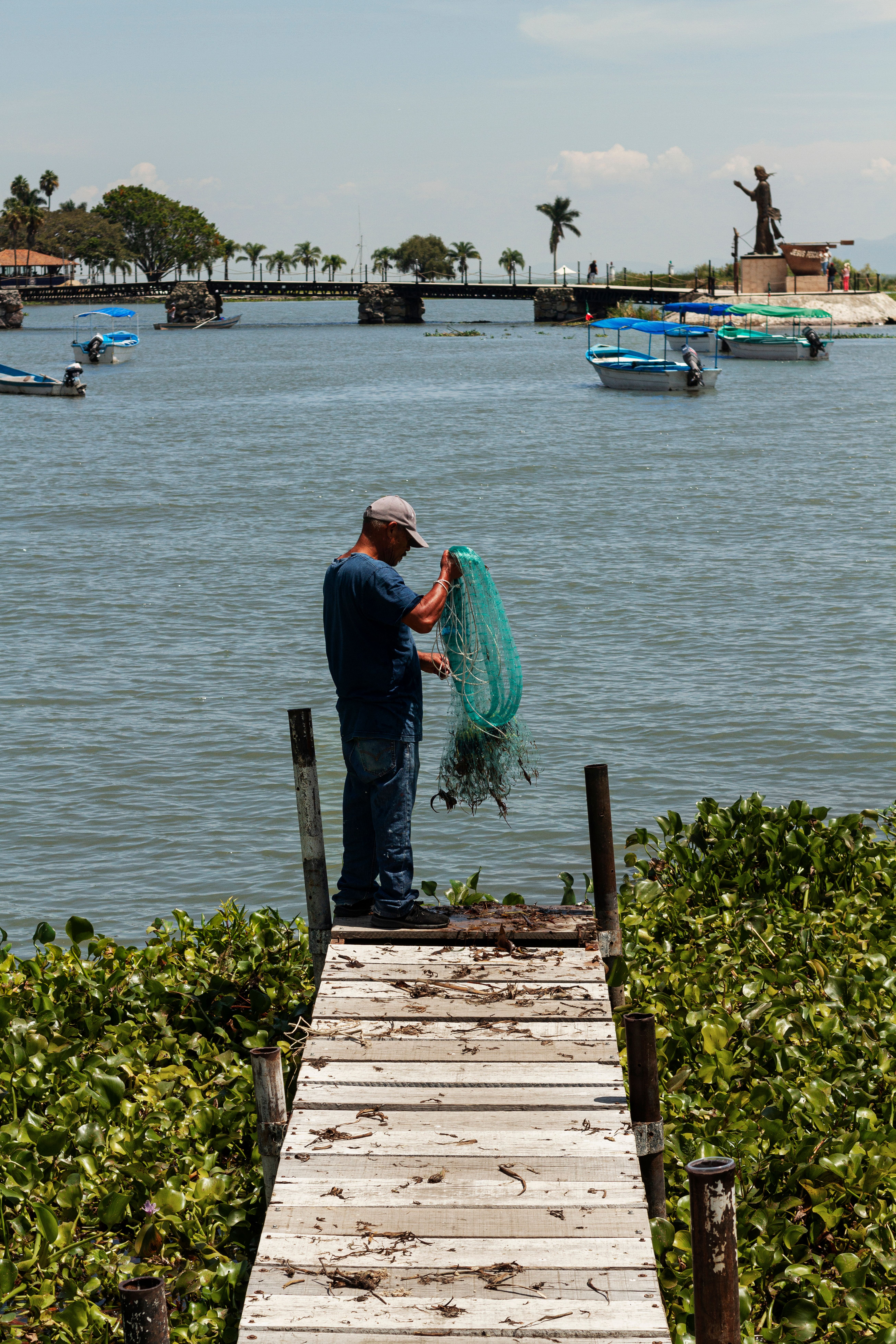


You planned the trip carefully, checked the conditions, packed your gear, and spent hours on the water expecting the work to pay off. Instead, the day slipped away with very few bites, leaving you wondering why the fish were not where you thought they would be. This frustration is common, and it rarely comes down to luck or effort. Most fishing trips fail because one or two critical decisions are slightly off, whether it is choosing the wrong water, missing the right timing window, using an ineffective presentation, dealing with gear issues, or fishing in areas that are already pressured. This article helps you identify the exact point where your last trip broke down and explains how a professional fishing guide removes those variables using local knowledge and real-time adjustments. The real payoff is knowledge transfer, so you leave not just luckier, but more skilled and confident for future trips.
The Real Reason DIY Fishing Trips Fail (It’s Not Effort, It’s Missing Data)
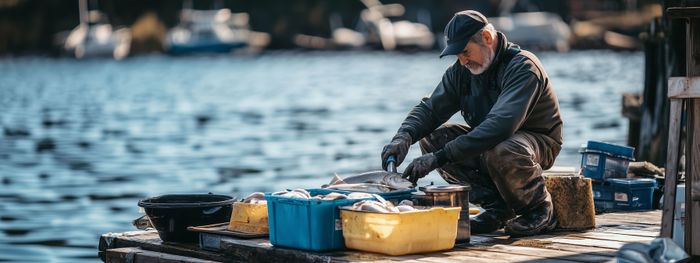
Most anglers assume a slow day on the water means they did not work hard enough or simply had bad luck. In reality, fishing success is driven by decision quality, not effort. Fish respond to changing conditions constantly, and those conditions rarely stay the same from one day to the next. Tides shift, wind direction changes, water temperatures fluctuate, and boat traffic alters how fish position and feed. What worked yesterday can stop working overnight.
DIY fishing plans are usually built on outdated information. A spot that produced last month, a tip from a friend, or general online advice does not account for what is happening in the water right now. By the time you arrive, fish may have already moved, adjusted depth, or changed feeding behavior.
A professional fishing guide shortens this process dramatically. Instead of searching blindly, a guide uses current data and daily observations to eliminate unproductive water and focus on areas where fish are actively feeding, turning hours of guesswork into immediate opportunity.
Why DIY Fishing Trips Break Down (The Core Failure Points)
Most do-it-yourself fishing trips do not fail for one single reason. They fall apart because several small decisions compound throughout the day, quietly pushing fish out of reach. When anglers step back and look closely, the patterns are easy to recognize. The same issues repeat across freshwater, inshore, and offshore trips, regardless of experience level. Understanding these failure points makes it much easier to diagnose what went wrong and why effort alone was not enough. Below are the core reasons most DIY fishing trips lose momentum and how they show up on the water.
Fishing Empty Water Because Conditions Changed
Many anglers return to spots that worked before and expect similar results. The problem is that fish do not stay loyal to locations; they respond to conditions.
When tides shift, temperatures change, or bait moves, fish relocate quickly. A flat, ledge, or shoreline that was productive days ago can become empty without warning. Fish follow food and comfort, not memories.
Common signs that this is happening include:
Long stretches without bites despite good casting
Seeing no bait activity in areas that once held fish
Spending hours waiting for fish that never show
Fishing in empty water is the fastest way to burn time. Without current information, anglers often stay too long, hoping fish will return instead of moving with them.
Poor Timing With Tides, Light, and Weather Windows
Even when you choose the right location, timing can make or break the day. Fishing success happens in windows, not averages.
Fish feed more actively during specific tide movements, low-light periods, and weather shifts. Outside these windows, activity drops sharply. Being early or late can feel identical to being in the wrong spot altogether.
Key timing issues include:
Fishing slack tide instead of moving water
Missing dawn or dusk feeding periods
Ignoring wind direction and cloud cover changes
Right spot, wrong hour still equals failure. Many anglers fish all day, hoping effort will overcome timing, but fish rarely respond that way.
Unnatural Presentation That Does Not Match the Hatch
When fish are present but not committing, presentation is often the issue. Fish are selective, especially in pressured waters.
If lure size, profile, speed, or depth does not match what fish are feeding on, strikes stop. Repeating the same retrieve over and over only reinforces the problem, particularly when fish have already seen similar offerings.
Presentation breakdowns often look like:
Fish following but not striking
Short bites or missed hookups
Complete shutdown after initial interest
Pressured fish require precision. Small changes in retrieve speed, lure size, or depth can be the difference between a quiet day and steady action.
Gear and Rigging Failures That Cost the Only Bite
Some trips fail at the worst possible moment. After hours of waiting, the fish finally bites, and something goes wrong.
Old line snaps under pressure. Hooks fail to penetrate. Drag slips or locks up. Weak knots give way during the fight. These failures often end the day mentally, even if time remains.
Common gear issues include:
Brittle or frayed line
Dull or undersized hooks
Incorrect drag settings
Knots tied quickly or incorrectly
Many anglers never realize that the equipment caused the failure. They remember the lost fish, not the reason it was lost.
Spooking Fish Through Noise, Pressure, and Poor Positioning
Fish behavior changes fast under pressure, especially in popular fisheries. Noise and poor positioning can shut down a spot before the first cast lands.
Boat movement, shadows, repeated casts, and overstaying productive areas all alert fish to danger. Once spooked, fish often slide off structure or stop feeding altogether.
Warning signs include:
Fish scattering as the boat approaches
Sudden silence after early activity
Needing longer casts to get any response
Stealth and positioning are as important as lure choice. Once pressure builds, even the best presentation struggles to recover the bite.
How a Guide Fixes Every Failure Point
A professional fishing guide removes failure points by replacing guesswork with structure. Instead of reacting after things go wrong, a guide plans around conditions, adjusts in real time, and controls the variables that most anglers struggle to manage alone. Every decision is intentional, from where to fish to how long to stay and what adjustments to make when conditions change. This approach turns scattered effort into a focused opportunity and keeps anglers fishing productive water throughout the day. Below are the core ways a guide fixes each failure point and why the system works so consistently.
Condition-Based Local Knowledge, Not Guesswork
Fish behavior changes daily, sometimes hourly, and guides track those changes continuously. Rather than relying on old reports or general advice, a guide reads the water in real time, factoring in tides, weather shifts, pressure, and bait movement. This allows them to make decisions based on what is happening now, not what worked last week or last season. These are the key advantages this daily knowledge provides:
Pattern Recognition: Guides identify repeating movements tied to tide, temperature, and bait rather than guessing where fish might be holding.
Condition Awareness: Wind, clarity, and pressure are factored into every location choice before the first cast is made.
Faster Adjustments: When conditions change mid-trip, guides pivot immediately instead of waiting for the bite to return.
Boat Positioning and Access to Productive Water
Where the boat or angler is positioned matters as much as the lure being used. Guides control angle, distance, and drift to present baits naturally while minimizing disturbance. Proper positioning allows anglers to fish structure, current seams, and feeding lanes without alerting fish.
This often means approaching spots from specific directions, adjusting boat speed to match current flow, or choosing wading paths that keep fish unaware. Good positioning turns average water into fishable water and keeps spots productive longer.
The Right Gear Without the Trial-and-Error Cost
One of the biggest advantages of fishing with a guide is access to gear that is already dialed in. Rods, reels, line, leaders, and terminal tackle are maintained and matched precisely to the technique and target species. This removes expensive experimentation and prevents failures at critical moments. These are the key gear benefits guides provide:
Technique-Matched Setups: Each rod and reel combination is chosen specifically for casting distance, control, and hook-setting efficiency.
Reliable Terminal Tackle: Hooks, leaders, and knots are checked constantly to prevent break-offs during the only real bite.
Confidence Under Pressure: Proper gear allows anglers to fight fish correctly without worrying about failures mid-fight.
Real-Time Coaching That Fixes Issues on the Spot
Guides do not wait until the trip ends to offer feedback. They correct problems as they happen, turning mistakes into learning moments. Small adjustments in casting angle, retrieve speed, or hookset timing often make an immediate difference. The focus stays on building skills, not just counting fish. These are the core coaching benefits anglers experience:
Immediate Feedback: Guides spot technical issues quickly and corrects them before they cost more missed opportunities.
Skill Development: Anglers learn why changes work, not just what to do, improving future solo trips.
Confidence Building: Understanding the technique builds trust in decisions instead of relying on luck.
Hassle-Free Logistics That Keep You Fishing
Guides handle everything that pulls focus away from fishing. Navigation, safety checks, bait preparation, and cleanup are managed seamlessly so anglers stay engaged and relaxed. When time on the water is limited, removing distractions keeps energy high and opportunities maximized.
This behind-the-scenes management often goes unnoticed, but it plays a major role in why guided trips feel smoother, more productive, and less stressful from start to finish.
How to Get the Most Value From Your Guided Fishing Trip
A guided trip works best when preparation and communication are simple, honest, and focused on learning, not just results. Small choices before, during, and after the trip shape how much value you take away from the experience. When anglers and guides are aligned, time on the water becomes more productive, more relaxed, and far more educational. The goal is not to overthink the process, but to approach it with clarity and intent so the trip delivers lasting benefits.
Here are the key steps that help turn a guided trip into a true win:
Define Your Primary Goal Early: Decide whether the trip is about targeting a specific species or learning a fishing technique, since this choice directly affects locations, timing, and overall strategy.
Choose a Trip That Matches Conditions: Select trips aligned with the current season and fish behavior, not just what sounds exciting, to maximize realistic opportunities on the water.
Be Honest About Skill and Comfort: Share your true casting ability, sea tolerance, mobility, and whether kids are joining, allowing the guide to tailor conditions for success.
Ask “Why” During Key Moments: When a guide changes lures, depth, or positioning, ask why those decisions were made to understand patterns and apply them later.
Focus on Learning Over Numbers: Measure success by understanding conditions and adjustments rather than fish counts, which leads to better long-term improvement as an angler.
Record Patterns After the Trip: Save notes on tide stage, lure choice, structure, retrieve cadence, depth, and weather to recognize similar opportunities on future trips.
Are Fishing Guides Worth It? Cost Compared to Real Results
When anglers ask if fishing guides are worth it, they usually focus on the price of a guided fishing trip without considering the hidden costs of trial and error. Many spend far more chasing solutions on their own. Extra tackle that never gets used, fuel for repeated trips that miss the bite window, lost vacation days, and long hours spent fishing empty water all add up quickly. These expenses rarely feel obvious in the moment, but over time, they often exceed the cost of hiring a guide.
A guided fishing trip shifts that equation. Instead of paying to experiment, you invest in clarity. Guides remove guesswork, shorten the learning curve, and place you in productive situations faster. The real value is not just catching fish that day. It is compressing years of local knowledge, pattern recognition, and technique refinement into a single trip, leaving you more confident and capable on every future outing.
How to Choose the Right Fishing Guide for Your Next Trip
Choosing the right fishing guide is about clarity, not guesswork. The best experience comes from matching your goals, skill level, and expectations with a guide who specializes in the right fish, water, and trip style. When this alignment is missing, even experienced guides can feel like a poor fit. Taking a few minutes to evaluate the most important factors before booking helps ensure the trip meets your expectations and delivers real value on the water. Here are the key things to consider when choosing the right fishing guide for your next trip:
Target Species and Seasonal Fit: Select guides who specialize in the species you want to catch during the current season, as timing directly affects patterns and success.
Trip Type and Environment: Confirm the guide regularly runs trips in the specific environment you want to fish, whether inshore, offshore, river, or lake.
Coaching Style and Experience Level: Choose a guide whose teaching approach matches your needs, from beginner-friendly instruction to advanced, hands-off efficiency.
Gear Provided Versus Bring-Your-Own: Understand what equipment is included and what you are expected to bring to avoid unnecessary purchases or confusion.
Safety and Comfort Considerations: Ask about weather tolerance, mobility needs, and whether the trip is suitable for kids or family members.
Conclusion
If your last fishing trip fell short, it was not because you cannot fish. Most trips fail when one or two variables are slightly off, such as timing, location, presentation, gear, or pressure, and those small misses quietly compound throughout the day. A guided trip removes that uncertainty by replacing guesswork with real-time decisions and local insight. When you book through Guidesly, you are choosing a trip built around your goal, conditions, and experience level. Treat that day as a lesson, not just an outing. Book the right guide, ask questions, and pay attention to the patterns. You will leave with more than fish. You will leave with knowledge you can use on every future trip.
FAQs
1. How long does a guided fishing trip usually last?
Most guided fishing trips last four to eight hours, depending on location, species targeted, weather conditions, and whether the trip is half-day or full-day.
2. Do fishing guides help with licenses or permits?
Many guides assist with license guidance and regulations, but anglers are typically responsible for purchasing valid fishing licenses before the trip begins.
3. Can guided fishing trips accommodate complete beginners?
Yes, many guided trips are designed specifically for beginners, focusing on simple techniques, clear instruction, and a relaxed pace suited for first-time anglers.
4. What happens if weather conditions cancel a guided trip?
If unsafe weather cancels a trip, most guides offer rescheduling options or refunds based on their cancellation policy and local conditions.
5. Are guided fishing trips available year-round?
Availability depends on species, region, and seasonal regulations, with many guides offering year-round trips adjusted to changing conditions and fish behavior.
6. How far in advance should I book a fishing guide?
Booking one to three weeks in advance is recommended, especially during peak seasons, weekends, or popular migration periods.
7. Can I keep the fish I catch on a guided trip?
Keeping fish depends on local regulations, species limits, and guide policies, with many guides encouraging selective harvest or catch-and-release practices.
8. Do guided fishing trips include food and drinks?
Most guided trips do not include food, so anglers should bring snacks and drinks unless the trip description clearly states otherwise.
9. Are tips expected for fishing guides?
Tipping is customary but optional, with most anglers tipping based on effort, instruction quality, and overall experience rather than fish count alone.
10. Can guided fishing trips be customized for groups or events?
Many guides offer customizable trips for groups, corporate outings, or celebrations, allowing adjustments to trip length, focus, and overall experience.