Why Most DIY Fishing Trips Fail (And How Guided Trips Fix That)
Discover why most DIY fishing trips fall short and how guided fishing trips help anglers catch more fish with expert local knowledge and proven techniques.


If you have ever planned a fishing trip only to return home empty-handed, you are not alone. Many anglers start DIY fishing trips with high expectations, good gear, and plenty of excitement, yet the results rarely match the effort. This is why DIY fishing trips fail so often. The issue is not motivation or passion. It is the lack of planning, limited local knowledge, poor understanding of fish behavior, and gaps in technique that quietly work against success. Without knowing where fish actually hold, how conditions affect them, or how to adjust on the water, even long days can feel unproductive. This is where guided fishing trips change everything. The guided fishing trips' benefits go far beyond catching fish. They improve learning, confidence, and long-term fishing trip success tips that anglers can use on future trips.
What Anglers Expect vs. Reality on DIY Trips
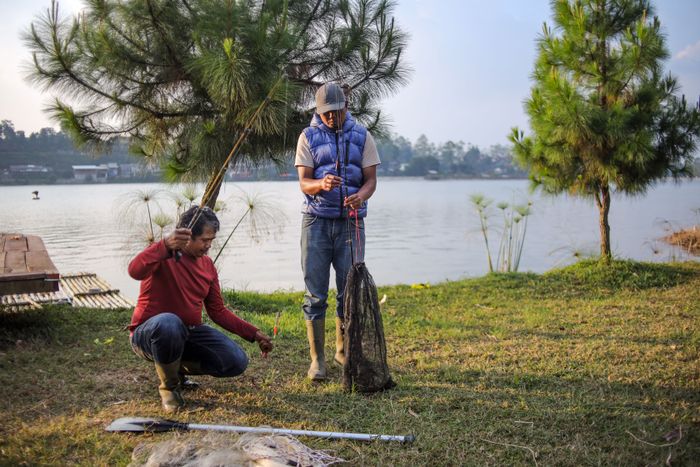
Most anglers head into DIY fishing trips expecting a relaxed day on the water with steady bites and a rewarding catch by the end. The plan feels simple. Find a good looking spot, make the right casts, and enjoy the scenery while the fish cooperate. Many believe that time on the water alone will naturally lead to success, especially when using popular lures or well known fishing areas.
The reality is usually very different. Bites are limited, techniques feel uncertain, and locations that looked promising turn out to be unproductive. Weather shifts, changing water conditions, and lack of adjustment create mounting frustration. As confidence drops, anglers second guess every decision, lose focus, and often cut the trip short, ending the day disappointed instead of accomplished.
Key Reasons Most DIY Fishing Trips Fail
Most DIY fishing trips fail not from lack of effort, but from missed decisions before and during the day on the water. Small mistakes stack quickly, turning opportunity into frustration that quietly limit fishing success. Below are the key reasons.
Poor Location Choice
Location determines whether fish are even available to catch. Many DIY anglers choose spots based on convenience, visibility, or online popularity rather than actual fish holding areas. Fish rarely stay where people expect them to.
Fish relate to underwater structure such as drop offs, ledges, and transitions
Public access points often receive heavy pressure, pushing fish away
Seasonal movements shift fish away from familiar areas
Wind and current reposition fish daily
Productive water is often close, but invisible without experience
Lack of Local Fish Species Knowledge
Each species responds differently to environment, season, and pressure. DIY anglers often apply generic advice that does not translate locally, limiting success even in good water.
Species hold at specific depths depending on temperature
Feeding habits change throughout the year
Freshwater and saltwater environments demand different approaches
Spawning and migration alter fish location dramatically
Wrong bait or lure selection reduces strike chances
Incomplete Technique and Gear Knowledge
Even when fish are present, improper execution prevents consistent bites. Many anglers unknowingly fish inefficiently for hours without correcting mistakes.
Casting angle affects lure movement and visibility
Retrieve speed must match fish activity level
Poor presentation looks unnatural to fish
Incorrect rod, line, or lure size reduces effectiveness
Missed hooksets go uncorrected without feedback
Weather, Tide, and Water Conditions Misread
Fish behavior shifts constantly with environmental changes. DIY anglers often fish when conditions are comfortable, not when fish are active.
Barometric pressure impacts feeding windows
Wind direction influences bait movement
Tides reposition fish throughout the day
Water clarity affects lure choice and visibility
Failure to adjust wastes peak opportunities
Safety and Preparedness Gaps
Lack of preparation affects both safety and focus. When issues arise, fishing becomes secondary to problem solving.
Missing safety gear creates unnecessary risk
Poor navigation awareness limits mobility
Unfamiliar hazards reduce confidence
Stress and fatigue shorten trips early
Distraction lowers decision making quality
Understanding these factors explains why DIY fishing trips often underperform and why guided trips consistently deliver better results.
How Guided Trips Change the Game
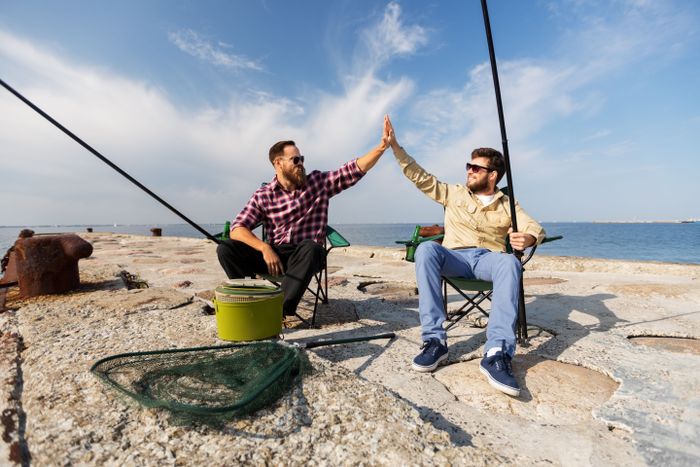
Guided fishing trips succeed because they remove guesswork from every decision on the water. Instead of reacting to problems as they appear, guides operate with proven systems built on experience, observation, and adaptability. This approach consistently delivers better results, stronger learning, and a more enjoyable fishing experience.
Expert Local Knowledge
Local knowledge is the foundation of every successful guided trip. Guides spend countless hours on the same waters, learning how fish move as conditions shift. This experience allows them to predict behavior instead of guessing locations.
Know where fish are most active throughout the day
Understand seasonal movements, depth changes, and feeding windows
Identify productive structure casual anglers miss
Adjust strategies quickly when pressure or conditions change
Eliminate wasted time fishing unproductive water
Tailored Techniques and Gear Advice
Guides provide real time adjustments that immediately improve results. Instead of relying on trial and error, anglers receive clear instruction matched to conditions. Technique and gear are refined on the spot to increase effectiveness.
Adjust casting, retrieve speed, and presentation instantly
Match techniques to current fish behavior
Recommend gear suited for depth, clarity, and species
Prevent common mistakes that reduce bite opportunities
Improve efficiency without overwhelming the angler
Better Spot Selection
Guides begin trips in areas where fish are already holding. Experience combined with technology allows them to prioritize productive water quickly. Spot selection is based on patterns, not guesswork.
Use fish finders, mapping, and visual cues
Focus on structure that consistently produces fish
Avoid overcrowded or overfished locations
Rotate spots as conditions change
Stay productive even during slow or challenging conditions
Learning Opportunity for Anglers
Guided trips double as hands on learning experiences. Anglers gain practical knowledge they can apply long after the trip ends. Every decision on the water becomes a teaching moment.
Learn how to read water and structure
Understand why certain techniques work
Build confidence in lure and location choices
Ask questions and receive immediate feedback
Leave better prepared for future DIY trips
Increased Success Rate and Value
Guides adapt constantly, keeping trips productive regardless of conditions. This flexibility increases both catch rates and overall satisfaction. Time on the water is used efficiently and purposefully.
Adjust plans during weather or water changes
Maximize fishing time with faster decision making
Improve odds of consistent catches
Reduce frustration from slow periods
Create memorable fishing experiences worth repeating
Real-World Turnarounds With Guided Trips
Many guided trips begin with anglers who have struggled for years on their own. One common example is a bass angler who repeatedly fished the same public shoreline with little success. After booking a guided trip, the angler learned how bass positioned along deeper structure and transition lines instead of visible banks. With minor adjustments in lure selection and retrieve speed, the results changed immediately, turning a day of frustration into steady action.
Another frequent case involves inshore anglers targeting redfish on DIY trips. Despite fishing popular flats, they often miss key tidal windows and feeding lanes. Guided trips reveal how subtle current movement and bait presence determine fish location. Once anglers learn how to follow tide driven patterns rather than fixed spots, catches improve dramatically.
Trout anglers experience similar turnarounds. Many spend hours casting without understanding drift control or presentation depth. Guides correct positioning, line management, and reading seams. These small changes consistently transform slow days into productive outings, proving that knowledge, not effort, makes the difference.
Practical Tips for DIY Anglers
DIY fishing trips can still be productive when anglers focus on preparation, patience, and fundamentals instead of relying on luck alone. While guided trips shorten the learning curve, applying a structured approach on DIY outings helps improve consistency and confidence over time.
Here are the key tips:
Location Research: Study the water body in advance, including structure, depth changes, access points, seasonal fish movement, pressure levels, and productive zones to avoid wasting time fishing areas with low activity.
Species Understanding: Learn how your target species behaves by season, including preferred depth, feeding habits, movement patterns, and reaction to weather changes, so lure selection and presentation align with actual fish behavior.
Technique Practice: Focus on mastering a small set of proven techniques rather than constantly switching methods, allowing better control of retrieve speed, lure presentation, hook timing, and overall execution.
Gear Setup: Match rods, reels, line strength, and lure types to water clarity, depth, cover, and species size, ensuring your equipment supports the technique instead of limiting effectiveness.
Weather and Tides: Check weather forecasts, tide charts, wind direction, and current flow before the trip to plan fishing windows around active feeding periods rather than fishing blindly.
Short Practice Trips: Start with shorter trips focused on learning fundamentals, pattern recognition, and adjustment, helping build confidence and efficiency without fatigue, frustration, or information overload.
Conclusion
DIY fishing trips often fail because success depends on local knowledge, species understanding, proper technique, and the ability to adapt when conditions change. Without these elements, even motivated anglers spend more time guessing than catching. Guided fishing trips solve these challenges by replacing uncertainty with experience, strategy, and real time adjustments that lead to better results. Beyond higher catch rates, guided trips improve learning, confidence, and overall enjoyment on the water. Anglers leave with skills they can use long after the trip ends. If you want to fish smarter, avoid frustration, and make every outing count, explore Guidesly to find expert local guides and book your next successful fishing trip today.
FAQs
1. Are guided fishing trips only for beginners?
Guided fishing trips benefit beginners and experienced anglers by refining strategies, introducing advanced techniques, and revealing water specific insights that improve consistency and long term performance.
2. How often should anglers book guided trips?
Many anglers book guided trips seasonally to stay updated on fish movements, pattern changes, and evolving conditions without spending years relearning shifting behavior independently.
3. Do fishing guides provide all equipment?
Most fishing guides supply rods, reels, tackle, and safety gear, but anglers should always confirm what is included and bring personal items like licenses and weather appropriate clothing.
4. Can guided trips help anglers learn new fisheries faster?
Guided trips accelerate learning new waters by demonstrating productive areas, timing strategies, and fish positioning, helping anglers become self sufficient faster than trial based exploration.
5. Is booking a guide cost effective long term?
Booking a guide often saves money long term by reducing wasted trips, unnecessary gear purchases, fuel costs, and frustration that discourages anglers from continuing the sport.
6. What should anglers ask before booking a fishing guide?
Anglers should ask about target species, trip duration, experience level required, included equipment, local regulations, and how the guide adapts to changing weather conditions.
7. Do guided fishing trips improve conservation awareness?
Many guides emphasize ethical practices, proper handling, and local regulations, helping anglers develop responsible habits that protect fisheries and support sustainable fishing environments.
8. Can guided trips help anglers prepare for tournaments?
Tournament anglers often use guides to understand seasonal patterns, refine techniques, and practice decision making under pressure before competing on unfamiliar or complex waters.
9. How far in advance should guided trips be booked?
Booking guided trips early is recommended, especially during peak seasons, to secure preferred dates, optimal conditions, and experienced guides with proven local reputations.
10. Are guided trips available for different fishing styles?
Guided trips are available for fly fishing, inshore, offshore, freshwater, kayak, and ice fishing, allowing anglers to match guides with specific techniques and goals.