How Fishing Guides Handle Regulations, Licenses & Local Rules
Learn how professional fishing guides manage licenses, regulations, and local rules to keep trips legal, safe, and stress-free for anglers.

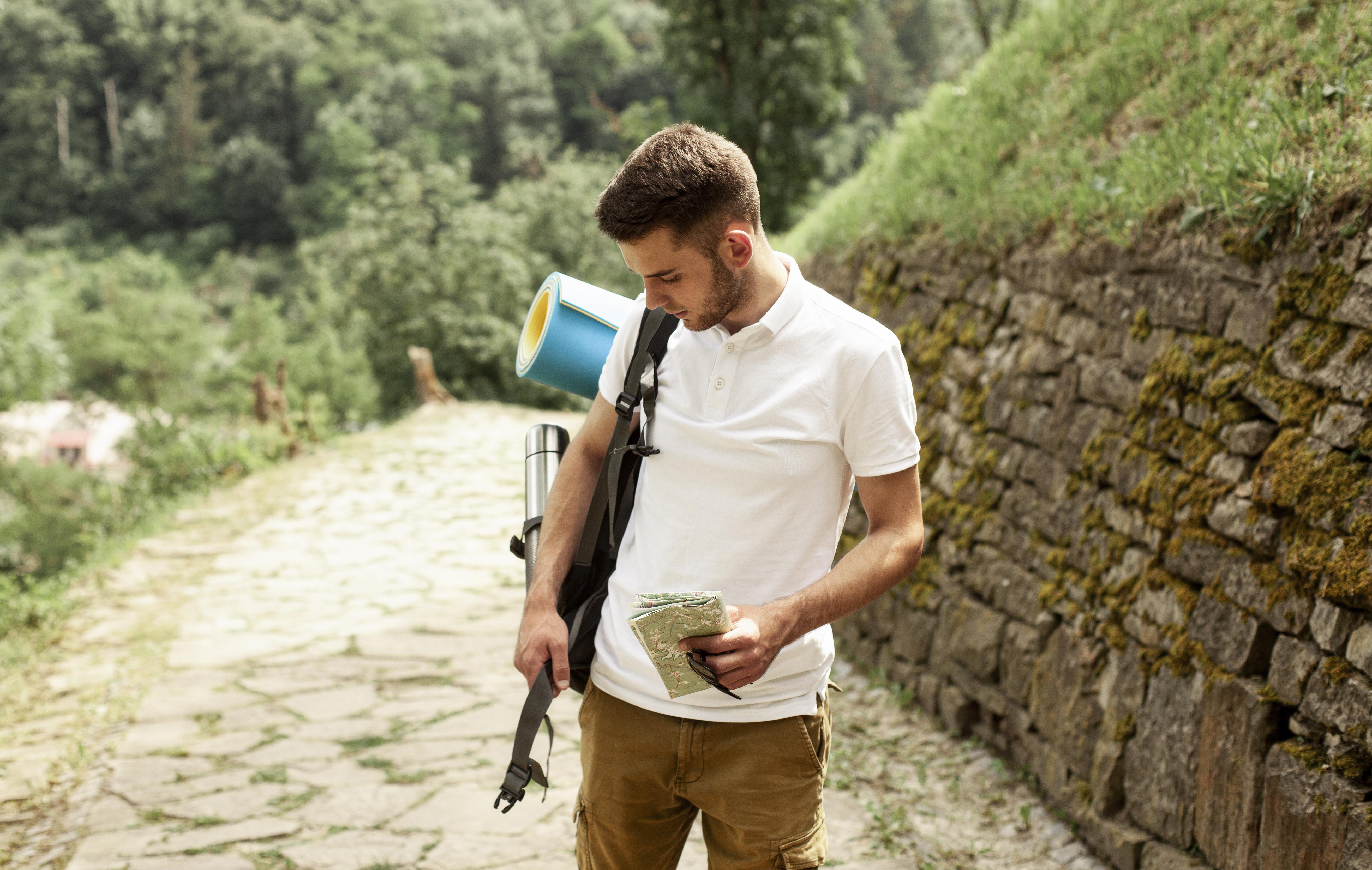


Fishing regulations often feel overwhelming to anglers because rules change by location, season, species, and even water type. What is legal on one lake or coastline may be restricted just a few miles away, creating confusion and uncertainty before a trip even begins. Professional fishing guides exist to bridge that gap. They understand local, state, and federal fishing laws and apply them in real time on the water. From fishing licenses and harvest limits to seasonal closures and gear requirements, guides handle compliance so anglers can focus on fishing with confidence. This regulation management protects clients from fines or violations, supports long-term fish conservation, and ensures every trip runs smoothly. When rules are followed correctly, fisheries stay healthy, safety risks drop, and fishing outcomes improve for everyone involved.
Why Fishing Regulations Exist and Why Guides Take Them Seriously
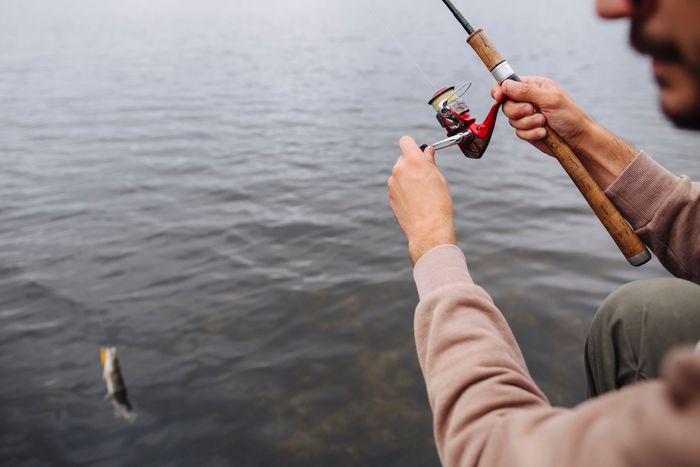
Fishing laws exist to protect fish populations, anglers, and waterways from long-term damage. Without clear conservation fishing rules, overharvest, unsafe practices, and access conflicts would quickly degrade fisheries. Professional guides take these regulations seriously because they see daily impacts on fish health, habitat stability, and trip quality. Following fishing laws explained on the water ensures sustainability, safety, and consistent opportunities for future anglers everywhere.
Conservation, Safety, and Fair Access
Bag limits, seasonal closures, and gear rules are designed to keep fisheries healthy over time. These regulations balance harvest pressure, protect spawning cycles, and reduce unnecessary harm, ensuring fishing remains productive and accessible for future generations.
Protect spawning populations
Prevent overharvest pressure
Maintain ecosystem balance
Support long-term access
What Happens When Rules Are Ignored
Ignoring fishing regulations exposes anglers and guides to immediate legal consequences. Officers may issue fines, revoke licenses, or confiscate illegal catch, rods, and boats. Trips can end instantly when violations occur, wasting time, money, and travel plans while creating stress for everyone onboard.
Beyond penalties, safety risks increase when rules are ignored. Overloaded boats, illegal gear, or fishing closed seasons raise accident chances and environmental harm. Guides who enforce rules reduce conflicts, protect clients, and maintain controlled conditions that prevent emergencies on the water during unpredictable weather and changing conditions.
Mandatory Licensing and Certifications Every Professional Guide Must Hold
Professional guiding requires more than fishing skill. A licensed fishing guide must hold specific legal credentials that allow accepting payment, operating vessels, and managing clients safely. Fishing guide certification proves knowledge of regulations, navigation, emergency response, and conservation responsibilities. These requirements protect anglers, reduce liability, and ensure guides operate within state, federal, and local laws while maintaining professional accountability on every trip they depend on.
Professional Guide Licenses vs Recreational Licenses
Paid guiding and personal fishing operate under very different legal standards. When money changes hands, additional licensing is required to protect clients, regulate activity, and enforce accountability beyond recreational privileges.
Paid Guiding Authority:
Accepting payment legally
Client responsibility obligations
Commercial activity classification
Insurance eligibility requirement
Recreational Fishing Privileges:
Personal use only
Limited liability exposure
No passenger authority
Standard license coverage
Captain’s Licenses for Coastal and Offshore Waters
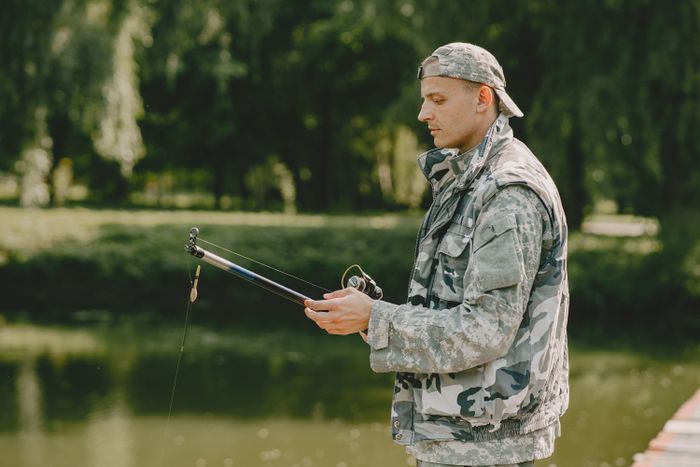
Coastal and offshore guides face additional licensing because they operate motorized vessels in regulated waters. Many regions require a captain’s license to legally transport paying passengers beyond inland limits. This credential confirms navigation knowledge, collision rules, and emergency procedures specific to open water environments.
The OUPV Six-Pack license allows captains to carry up to six passengers on charter trips. It requires documented sea time, examinations, and background checks. Offshore guides maintain this license to meet federal standards, insurance requirements, and marine enforcement expectations during operations across coastal jurisdictions worldwide today.
Safety Certifications and Ongoing Compliance
Beyond licenses, professional guides maintain safety certifications and ongoing compliance checks to remain legally active and prepared. These are the core requirements that support safe operations and professional standards:
CPR and First Aid Certification: CPR and First Aid Certification ensures guides can respond immediately to injuries, cardiac events, and accidents, stabilizing clients until emergency services arrive and conditions improve.
Physical Fitness Examinations: Physical fitness exams confirm guides meet medical standards for endurance, vision, and balance, reducing health risks during long trips, rough conditions, and emergency response situations.
Periodic Drug Testing: Periodic drug testing verifies guides operate vessels responsibly, maintaining alertness, judgment, and reaction time while meeting licensing requirements and protecting passengers during active guiding operations.
License Renewal Requirements: Regular license renewals require updated paperwork, refresher training, and compliance checks, ensuring guides stay current with regulation changes, safety standards, and evolving enforcement expectations nationwide.
How Guides Manage Client Fishing Licenses Before the Trip
Fishing license requirements often confuse anglers booking guided trips. Guided fishing license rules vary by water type, location, and trip structure. Professional guides manage this before departure, confirming coverage, avoiding delays, and preventing violations. By clarifying license responsibility early, guides protect clients from fines, keep trips running smoothly, and ensure legal compliance across state, federal, and local fishing jurisdictions today.
When Licenses Are Included with the Trip
Many saltwater and charter operations simplify licensing by covering clients under vessel-based permits. These blanket licenses allow anglers to fish legally without purchasing individual documents for short-term guided trips.
Charter Vessel Coverage:
Passenger license inclusion
Vessel-based permits
Simplified client access
Reduced paperwork burden
Saltwater Guide Operations:
Offshore charter trips
Coastal regulation frameworks
Federal compliance structure
Passenger exemptions
When Anglers Must Bring Their Own License
Freshwater and inland guided trips usually require anglers to hold personal, state-issued fishing licenses. Guides verify this before departure to ensure every client meets local legal requirements.
Freshwater Lake Trips:
State license required
Inland water rules
Individual responsibility
Local enforcement zones
River and Stream Fishing
Regional licensing rules
Species-specific permits
Seasonal validity checks
State jurisdiction coverage
How Guides Help Clients Buy Licenses Quickly
Guides often assist clients well before the trip to avoid last-minute issues and delays. These are the most common ways guides streamline license purchases and verification:
Direct Mobile Purchase Links: Guides send direct links to official state portals, allowing anglers to purchase valid licenses on mobile devices quickly, securely, and correctly before arriving for trips.
Pre-Trip License Reminders: Pre-trip reminders confirm license status days before departure, giving anglers time to resolve issues, update details, or renew expired credentials without pressure or delays.
On Arrival Verification Checks: Guides verify licenses during check-in, reviewing documentation for accuracy, dates, and coverage to prevent boarding delays or enforcement problems on the water during trips.
Real-Time Rule Enforcement on the Water
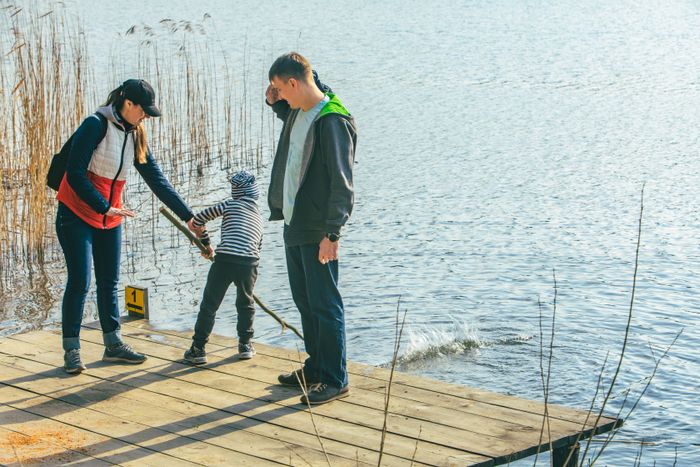
Fishing regulations do not stop at the dock. Professional guides actively enforce fishing size limits, bag limits, and legal fishing gear throughout the trip. Rules can change by location and conditions, so guides monitor compliance continuously. This real-time oversight protects anglers from violations, supports conservation goals, and ensures fishing remains legal, ethical, and productive during every phase of the outing.
Size and Bag Limit Compliance
Guides use measuring boards and bump boards to check every retained fish against current size regulations. Fish that fall short are released immediately using proper handling techniques to reduce stress and improve survival. This process happens consistently, not just at the end of the trip.
Daily bag limits are tracked carefully throughout the outing. Guides count retained fish by species, ensuring anglers never exceed legal possession limits. When limits are reached, fishing continues on a catch-and-release basis, keeping trips enjoyable while staying fully compliant with regulations.
Seasonal Closures and Protected Species
Seasonal closures and protected species rules change throughout the year to support spawning and population recovery. Guides track these updates closely to avoid restricted targets or zones.
Spawning season closures
Species-specific protections
Area-based restrictions
Mandatory release periods
Gear and Tackle Restrictions
Legal gear requirements vary by fishery and are enforced carefully by guides. Using the wrong tackle can result in violations even when catch limits are respected. These are the most common gear rules guides manage on the water:
Circle Hook Requirements: Circle hooks are required for certain species to reduce gut hooking. Guides supply compliant hooks to improve survival rates and meet conservation-focused fishing regulations.
Mesh Size Regulations: Net mesh size rules prevent undersized fish from being retained. Guides use approved nets to comply with local laws and reduce the unintended harvest of juvenile fish.
Bait Type Restrictions: Some fisheries restrict live or natural bait types. Guides ensure only approved bait is used to prevent ecosystem disruption and comply with location-specific fishing regulations.
Reporting, Documentation, and Accountability Requirements
Fishing trip logs and guide reporting requirements ensure transparency and long-term fisheries management. Professional guides document activity accurately to support conservation science, regulatory oversight, and enforcement. These records help agencies track harvest trends, evaluate population health, and verify that guided trips operate within established legal frameworks across regulated waters.
Catch Reporting and Data Collection
Many jurisdictions require guides to maintain detailed fishing trip logs after each outing. These logs record species caught, kept, and released, along with locations and effort. Accurate reporting helps biologists understand population trends and fishing pressure across regions.
Species data collected from guided trips supports fisheries management decisions. This information influences season lengths, bag limits, and conservation measures. When guides submit consistent data, regulators gain clearer insight into fish health and habitat conditions over time.
Vessel Identification and Enforcement Visibility
Proper vessel identification allows enforcement officers to verify compliance quickly and reduces delays or misunderstandings on the water. Licensed guides maintain visible markings to demonstrate legal operation, improve safety oversight, and support efficient patrol checks during guided fishing trips.
Identification requirements:
Visible registration numbers
Clearly marked guide vessel
Displayed guide license
Valid vessel decals
Readable hull markings
How Professional Guides Reduce Legal Risk for Anglers
Fishing laws can be overwhelming, especially on unfamiliar waters. Professional guides manage compliance in real time, allowing anglers to fish confidently without worrying about regulations. By monitoring rules, gear, and catch limits, guides protect clients from costly mistakes and legal issues.
These are the key ways guides support guided fishing safety and ensure fishing is done legally with a guide:
On-Water Rule Monitoring: Guides actively track fishing zones, species rules, and changing conditions during trips, ensuring anglers stay compliant without needing to interpret regulations themselves on the water.
Catch and Limit Oversight: Guides measure fish, track bag limits, and enforce release rules, preventing accidental overharvest and protecting anglers from fines or confiscated catch.
Species Identification Support: Guides help anglers correctly identify species, avoiding the common mistake of retaining protected or closed species that resemble legal targets.
Legal Gear Management: Guides supply approved tackle and bait, eliminating risks from using illegal hooks, nets, or restricted bait types that could trigger enforcement action.
First-Time Angler Guidance: Guides coach beginners through regulations, handling practices, and legal expectations, reducing confusion and preventing accidental violations caused by inexperience.
Stress-Free Compliance Handling: By acting as on-water compliance managers, guides allow anglers to focus on fishing enjoyment rather than legal details, creating safer, smoother, and fully compliant trips.
Regulations Across Freshwater, Inshore, and Offshore Trips
Fishing regulations vary by environment, with freshwater fishing rules differing from inshore requirements and offshore fishing regulations, requiring guides to adjust licensing, gear, and compliance strategies for every water type.
Freshwater Lakes and Rivers
Freshwater fisheries operate under state-controlled systems that vary widely by location. Guides follow specific licensing rules, access permissions, and species regulations tied to individual lakes and river systems.
State-issued licenses
Lake-specific access
River boundary rules
Species-based limits
Inshore and Nearshore Waters
Inshore waters often fall under overlapping state and federal influence. Guides manage seasonal changes, protected zones, and jurisdiction boundaries that shift based on distance from shore.
Seasonal closures
Mixed jurisdiction zones
Coastal species rules
Area-based restrictions
Offshore and Federal Waters
Offshore trips are governed primarily by federal agencies and require stricter credentials. Guides must meet higher licensing standards and comply with expanded reporting and enforcement oversight.
Federal fishing permits
Captain license requirements
Offshore species regulations
Enhanced enforcement presence
Why Booking Through a Verified Platform Matters
Finding trusted fishing guides on your own can be difficult, especially when licensing and regulation requirements vary by location. Verified marketplaces remove that uncertainty by listing guides who meet professional standards. When anglers book licensed fishing guides through a trusted platform, they gain confidence that credentials, insurance, and compliance checks are already in place. This vetting process reduces legal risk, improves trip reliability, and ensures guides follow local, state, and federal fishing laws. Instead of guessing or researching regulations independently, anglers can focus on choosing the right trip, knowing they are fishing with qualified professionals who operate responsibly and legally.
Conclusion
Fishing regulations are not barriers to enjoyment. They exist to protect fisheries, ensure safety, and preserve access for future anglers. Professional guides understand these rules and apply them seamlessly, reducing legal risk while improving trip flow, confidence, and overall fishing success. By managing licenses, limits, gear requirements, and reporting, guides allow anglers to focus on learning, catching fish, and enjoying the water responsibly. When regulations are followed correctly, conservation goals are supported, and fishing experiences become more consistent and stress-free. If you want to fish with confidence, explore licensed local guides on Guidesly and book trips that prioritize safety, compliance, and long-term sustainability across every water type.
FAQs
1. How do fishing guides stay updated on changing regulations?
Guides stay current through official agency updates, enforcement bulletins, and regional advisories, allowing rapid adjustments during trips when rules shift unexpectedly across seasons or locations.
2. Can anglers be fined if a guide makes a mistake?
Anglers are rarely fined when guides follow procedures, since responsibility typically rests on operators who control compliance, documentation, and decision-making during guided activities legally.
3. Do fishing regulations change during the year?
Yes, regulations can change mid-season due to weather events, population data, or emergency closures, which guide monitors daily to prevent accidental violations on trips.
4. Why do regulations feel complicated to visiting anglers?
Guides interpret complex rules into simple instructions, helping anglers understand boundaries without studying regulations themselves before traveling or launching boats on unfamiliar waters or regions.
5. Are fishing laws different between states?
Different states manage fisheries independently, so guides adapt licensing, limits, and access rules instantly when trips cross borders or jurisdictional boundaries between lakes, rivers, or regions.
6. How do guides handle closed seasons or restricted species?
Guides prevent confusion by planning trips around current seasons, selecting open targets, and adjusting techniques rather than risking closed species encounters during unpredictable calendar changes.
7. Are there rules for catch-and-release fishing?
Even catch and release fishing has rules, including handling methods, gear restrictions, and species protections that guides enforce carefully throughout trips to ensure survival success.
8. Why is regulatory knowledge important for trip quality?
Regulation knowledge builds trust, allowing guides to plan confidently, avoid enforcement interruptions, and deliver smoother experiences without legal stress for anglers seeking reliable guided trips.
9. Why are beginners more likely to break fishing rules?
Beginners benefit most from guided compliance because unfamiliar rules, species lookalikes, and equipment choices create a higher risk without professional oversight during early fishing learning stages.
10. How do verified platforms help with regulation compliance?
Verified platforms reduce uncertainty by pre-screening guides, confirming credentials, and highlighting professionals committed to legal operations and conservation ethics for safer, compliant, guided experiences.