How Fishing Guides Match Techniques to Your Skill Level
Learn how fishing guides adapt techniques, gear, and strategy to beginner, intermediate, and advanced anglers for better results on guided trips.


Skill-based instruction matters more than ever in 2026 because anglers arrive with very different expectations, experience levels, and learning goals. A one-size-fits-all fishing trip often leads to frustration, wasted time, and missed opportunities, especially when techniques are either too complex or too basic for the angler. Professional fishing guides solve this by adjusting how they teach, what gear they use, and how quickly the trip progresses. Instead of forcing every angler into the same approach, guides observe skill levels and customize the experience in real time. Beginners focus on fundamentals and confidence-building, intermediate anglers refine technique and decision-making, while advanced anglers work on strategy, efficiency, and adaptation to conditions. This personalized approach helps anglers learn faster, fish smarter, and enjoy a more productive day on the water.
Why Skill Level Matters on a Guided Fishing Trip
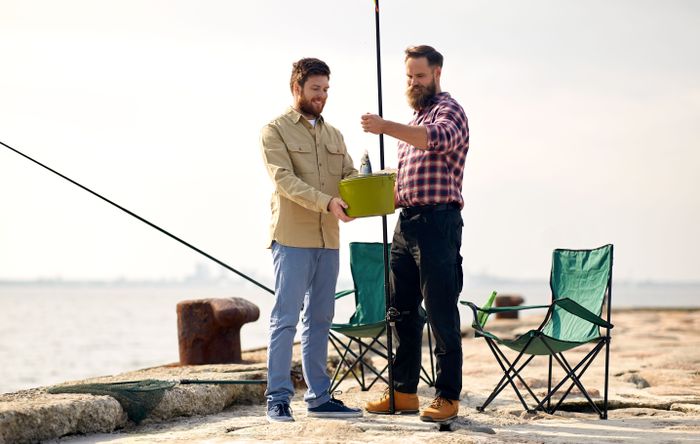
Skill level shapes how quickly an angler learns and how confident they feel on the water. A beginner needs time to understand basic mechanics, while an experienced angler processes new information faster. When instruction matches ability, anglers stay engaged, absorb lessons naturally, and build confidence with each cast.
Beginners struggle most when techniques are too advanced. Complex rigs, fast pacing, or heavy technical explanations often create confusion and repeated mistakes. Instead of learning fundamentals, they focus on fixing errors, which reduces enjoyment and slows real progress on the water.
Advanced anglers face a different challenge. Without strategic refinement, growth stalls. Repeating familiar techniques limits improvement. Guides assess skill level early by observing casting form, asking targeted questions, and watching on-water decisions, allowing them to adjust instruction for consistent results.
How Fishing Guides Assess Your Skill Level Before the Trip
Fishing guides assess skill level before the trip through short calls and questionnaires that explore past species, techniques used, and comfort on the water. They compare gear familiarity with real fishing technique knowledge, then confirm everything through on-water observation during the first few casts.
Beginner Anglers – Building the Foundation
Beginner anglers need clarity, patience, and early wins. Guides slow the pace, remove technical distractions, and focus on fundamentals that build confidence. Every decision is designed to reduce confusion and help first-time anglers feel comfortable learning on the water.
Simplified Gear Selection for Beginners
Guides select beginner-friendly gear that minimizes mistakes and keeps learning simple. These are the most common choices:
Pre-rigged rods and reels: Guides provide rods already rigged, eliminating setup stress and letting beginners focus on casting feel, timing, and presentation without worrying about knots or adjustments today.
Comfortable reel sizes and forgiving line weights: Medium reel sizes paired with forgiving line weights improve control, reduce fatigue, and soften mistakes, helping beginners develop confidence while learning smooth casting mechanics gradually.
Avoiding complex knots and adjustments: Simple terminal rigs limit retying, minimize confusion, and keep fishing time productive, allowing beginners to practice fundamentals consistently instead of managing complex knots and adjustments.
Core Techniques Guides Teach First
Guides focus on techniques that create strong habits early. These are the first skills beginners learn.
Baiting hooks correctly: Proper bait placement improves hook-ups and teaches how presentation influences fish behavior and strike timing.
Basic overhead casting: Smooth casting mechanics build accuracy, reduce tangles, and create consistent distance without strain.
Line control and reeling fundamentals: Steady retrieves and line awareness help beginners detect bites and maintain control during fights.
Hook-setting timing: Guides teach when and how to set the hook to avoid missed strikes or pulled hooks.
Beginner-Friendly Species Guides Often Target
Guides select cooperative, abundant species that offer frequent bites and clear feedback, helping beginners stay engaged and confident.
Common target species:
Panfish
Bass
Inshore species
Why this works:
Early success builds confidence
Reinforces learning through action
Keeps beginners motivated and focused
Intermediate Anglers – Refining Technique and Decision-Making
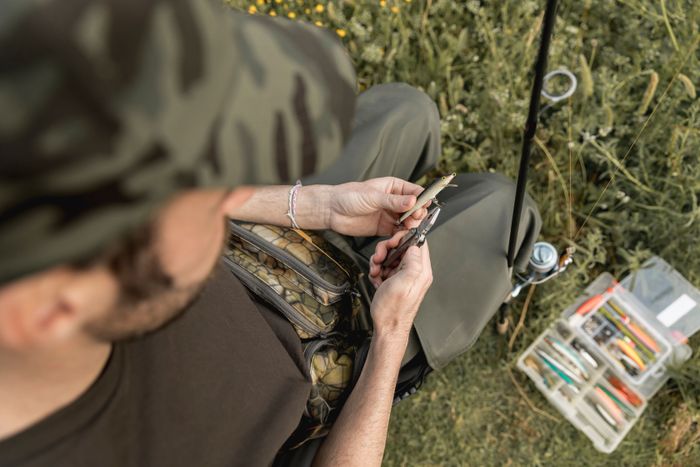
Intermediate anglers understand fundamentals but need refinement and adaptability. Guides focus on sharpening technique, improving efficiency, and teaching anglers how to adjust based on conditions rather than relying on habit alone.
Expanding Casting and Presentation Skills
Intermediate instruction emphasizes control and purpose. Guides introduce roll casting for tight spaces, helping anglers fish shorelines, docks, and structure more effectively without backcast room.
Accuracy and distance become more intentional. Guides help anglers read water structure, identify productive zones, and place casts precisely instead of covering water randomly.
Matching Lures, Baits, and Setups to Conditions
Guides help anglers adjust lure choice and gear based on conditions, teaching how small changes improve effectiveness and consistency.
Experimenting with lure types:
Switching profiles, colors, and actions
Matching lure movement to water clarity
Adjusting size based on fish response
Understanding fish behavior triggers:
Reading reaction versus feeding strikes
Identifying speed and depth preferences
Responding to pressure and weather changes
Rod and reel pairing by species:
Matching rod action to target species
Selecting reel size for control and power
Balancing sensitivity with durability
Species-Specific Skill Growth
As anglers progress, guides emphasize that each species responds differently to movement, depth, and presentation. Techniques that work for one fish often fail for another. Guides teach anglers how to recognize these differences and adjust their approach instead of relying on familiar habits.
Instruction focuses on switching techniques based on target species and conditions. Anglers learn how retrieve speed, lure depth, and presentation angles influence strikes. These refinements help anglers fish more intentionally, improve consistency, and build confidence when targeting unfamiliar species.
Advanced Anglers – Optimizing Strategy and Performance
Advanced anglers focus on efficiency, precision, and strategy. Guides shift into a collaborative role, helping experienced anglers refine decisions, interpret conditions, and apply specialized techniques for maximum effectiveness.
High-Level Environmental Analysis
Guides teach advanced anglers to read environmental patterns that influence fish behavior. Tide cycles and current flow help predict feeding windows, while weather patterns reveal changes in activity levels. Seasonal movement prediction allows anglers to anticipate where fish will stage, travel, and feed instead of relying on guesswork.
Advanced Fishing Techniques Guides Introduce
Guides introduce specialized techniques designed for precision, efficiency, and adaptation to changing conditions. These methods help advanced anglers maximize opportunities in complex environments. These are the most common techniques guides introduce.
Trolling strategies: Guides teach speed control, lure placement, and depth adjustments to systematically cover water and trigger reaction strikes across varying depths and structure zones.
Jigging depth control: Anglers learn precise jig movements, cadence control, and depth awareness to target fish holding at specific levels during changing currents and conditions.
Surf casting adjustments: Guides refine stance, timing, and cast angle to improve distance, accuracy, and bait placement in surf zones affected by waves and currents.
Fly selection based on hatch and water clarity: Guides help match fly size, color, and profile to natural forage and visibility conditions for more realistic presentations and consistent strikes.
Precision Gear Customization
Guides fine-tune equipment to match conditions, target species, and angler preference, ensuring performance stays balanced without sacrificing control or efficiency.
Reel size optimization (3000 vs 4000)
Balancing power and weight
Matching reel size to target species
Improving control during long fights
Managing line capacity needs
Adapting to freshwater or saltwater use
Line strength vs sensitivity trade-offs
Choosing strength for heavy cover
Maintaining bite detection
Managing stretch versus responsiveness
Reducing fatigue during long sessions
Adjusting line diameter for conditions
Leader material adjustments
Adapting to water clarity
Matching abrasion resistance
Improving presentation control
Gear Customization Based on Skill and Environment
Gear customization plays a critical role in both performance and comfort on the water. Equipment that feels balanced and easy to handle allows anglers to focus on technique instead of fighting fatigue. Guides prioritize comfort just as much as power, especially for longer trips, because tired anglers lose precision, awareness, and consistency over time.
Guides also adjust setups based on the environment. Saltwater gear is built for corrosion resistance and strength, while freshwater setups emphasize sensitivity and finesse. Boat, kayak, and shore-based fishing each require different rod lengths, reel sizes, and line choices to match space, mobility, and casting demands.
Hands-On Instruction That Speeds Up Learning
Hands-on instruction helps anglers improve faster by turning mistakes into immediate learning moments. Guides watch every cast, retrieve, and hook set, offering real-time adjustments that prevent bad habits from forming. Instead of overwhelming anglers with theory, they focus on small, practical corrections that build confidence, consistency, and skill through direct, in-person guidance on the water.
How guides accelerate learning:
Real-time corrections during casts
Immediate feedback on retrieves and hook sets
Fixing common mistakes in simple steps
Adjusting instruction to the angler's comfort level
Eliminating trial-and-error learning gaps
The Role of Local Knowledge in Skill-Based Teaching
Local knowledge allows guides to remove uncertainty and create better learning conditions on the water. These are the key ways guides use local expertise to support skill-based instruction.
Placing anglers where fish are active: Guides position anglers in proven locations based on current conditions, ensuring consistent action that allows skill practice instead of waiting for opportunities.
Reducing downtime and frustration: By avoiding unproductive water, guides minimize idle time, helping anglers stay focused, motivated, and mentally engaged throughout the trip.
Letting anglers focus on learning, not searching: With location decisions handled, anglers concentrate fully on technique, timing, and feedback without distraction.
Adjusting spots based on daily conditions: Guides adapt locations in real time, responding to weather, pressure, and movement patterns to maintain steady learning opportunities.
Teaching why locations work: Guides explain what makes an area productive, helping anglers connect environment, fish behavior, and technique.
Building transferable local awareness: Anglers learn how to read new water independently by applying location-based principles taught during the trip.
Matching Skill Level to the Right Type of Fishing Trip
Choosing the right type of fishing trip depends heavily on skill level and learning goals. Fly fishing often requires more technical casting and line control, making it better suited for anglers ready to focus on precision and repetition. Spin fishing offers a simpler learning curve, allowing beginners to focus on fundamentals while still experiencing consistent action.
Trip location also matters. Inshore trips are generally more forgiving, with calmer water, shorter runs, and frequent opportunities to practice technique. Offshore trips demand stronger gear, greater endurance, and faster decision-making, making them better suited for intermediate and advanced anglers comfortable with changing conditions.
Trip length should match experience and stamina. Half-day trips work well for beginners who want focused instruction without fatigue. Full-day trips give experienced anglers time to apply advanced strategies, adapt to conditions, and refine techniques across different stages of the day.
Conclusion
Fishing guides adapt techniques to match each angler’s experience, whether that means building fundamentals for beginners, refining skills for intermediate anglers, or optimizing strategy for advanced fishermen. This skill-based approach leads to faster learning, better results, and far less frustration on the water. Instead of guessing or forcing techniques that do not fit, anglers receive instruction designed for their current abilities and goals. Skill-matched guided trips create confidence, consistency, and real improvement with every outing. If you want a fishing experience that matches where you are and helps you progress, explore Guidesly to book a professional fishing guide aligned with your skill level and preferred fishing style.
FAQs
1. Can fishing guides teach complete beginners?
Yes, guides can teach complete beginners by providing equipment, clear instruction, patient coaching, and a controlled environment that allows first-time anglers to learn comfortably and safely.
2. How quickly can anglers improve with a fishing guide?
Most anglers notice improvement within hours because guided instruction corrects mistakes immediately, reinforces proper habits, and provides opportunities to practice skills during active fishing periods.
3. Do fishing guides provide equipment for trips?
Many guides supply rods, reels, and tackle, allowing anglers to focus on learning techniques rather than purchasing specialized equipment before understanding their preferred fishing style.
4. Are guided fishing trips suitable for families and kids?
Guided trips are suitable for families because guides adjust pacing, simplify instruction, and create an atmosphere that keeps children engaged, safe, and interested during the trip.
5. What is the difference between private and shared guided trips?
Private guided trips offer personalized instruction and flexibility, while shared trips can be cost-effective and social, making the choice dependent on learning goals and comfort preferences.
6. Do fishing guides adjust trips based on seasons?
Fishing guides adjust trips seasonally by changing locations, techniques, and timing, ensuring anglers experience productive conditions rather than struggling against unfavorable environmental patterns during trips.
7. Are fishing guides licensed or certified?
Many professional guides hold licenses, permits, or certifications depending on location, providing reassurance of local compliance, safety standards, and experience guiding anglers responsibly on water.
8. Do guided fishing trips require high physical fitness?
Most guided fishing trips require moderate physical effort, but guides adapt activities to the angler's ability, making trips accessible for various fitness levels and ages comfortably.
9. What happens if bad weather affects a guided fishing trip?
Guides monitor weather closely and may reschedule trips for safety, prioritizing angler well-being while maintaining productive fishing conditions whenever possible based on forecasted marine conditions.
10. Is tipping fishing guides expected?
Tipping fishing guides is customary but optional, typically based on service quality, effort, and satisfaction, allowing anglers to show appreciation without obligation at the trip's end.