How Fishing Guides Turn Limited Time into Maximum Results
Learn how fishing guides turn short trips into productive days using preparation, local insight, and smart on-water decisions that deliver real results.

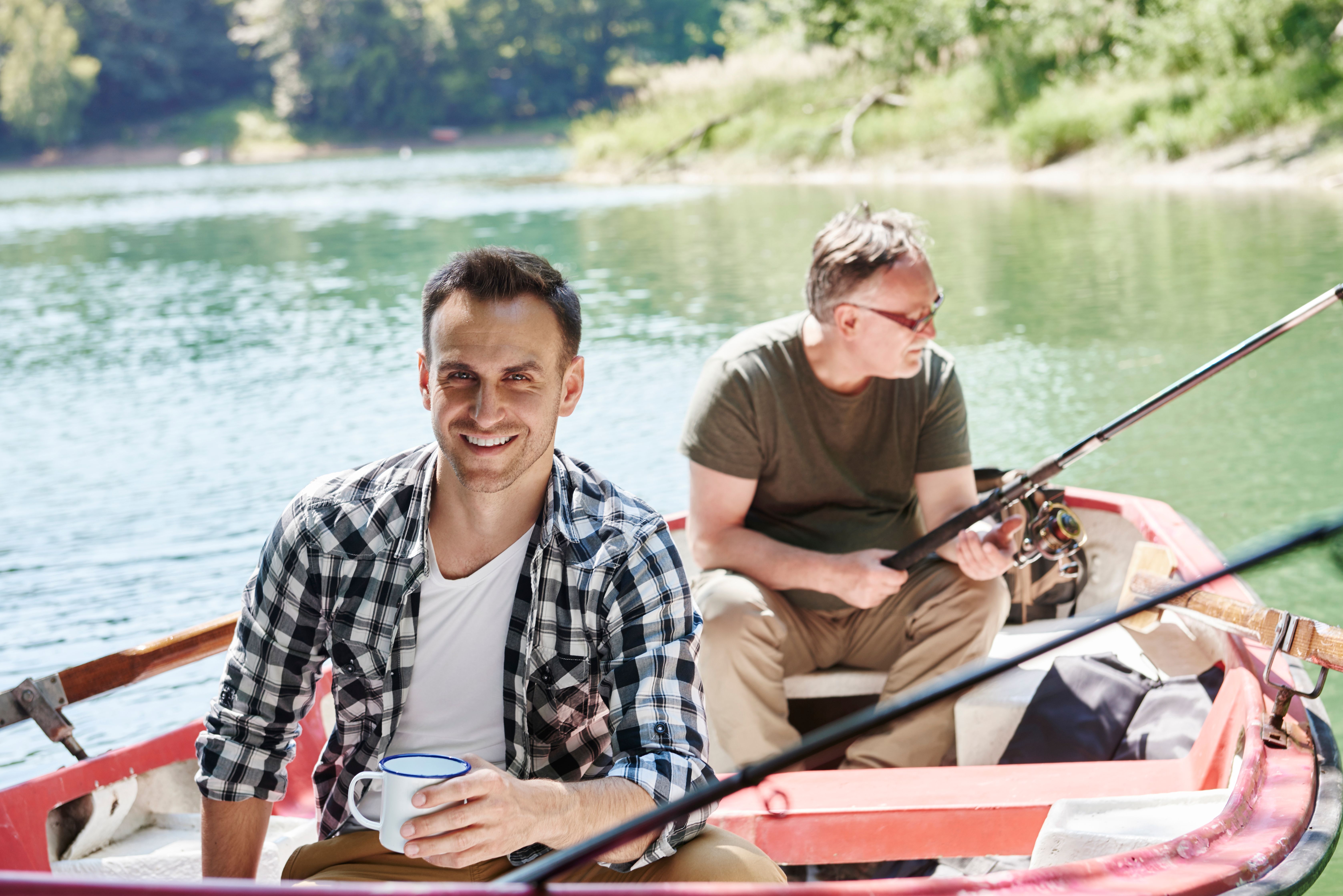


Most anglers do not come home empty because they lack effort or passion. They fail because fishing time is limited and decisions take too long. A typical trip gives you only four to eight hours on the water. That window does not allow for guessing spots, testing patterns, or fixing mistakes after they happen. Every slow choice costs bites. This is where professional fishing guides change the outcome. Guides remove uncertainty before the trip starts and make fast, confident calls once the boat leaves the dock. They know where fish are likely to be, when they will feed, and how conditions will shift throughout the day. Years of trial, observation, and adjustment are compressed into a single focused trip. Through preparation, rapid decision-making, and real-time instruction, guides turn limited time into measurable results.
The Core Problem: Limited Time Exposes Every Weak Decision
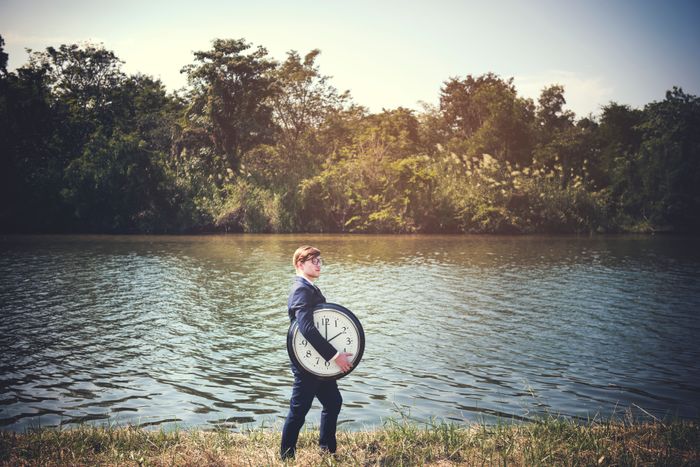
When time is limited, every decision carries more weight. Most fishing trips do not fail because of poor skill or lack of effort. They fail because adjustments happen too slowly. Conditions change constantly. Tides shift, wind direction changes, light levels move, and fish respond immediately. By the time many anglers recognize what is happening, the best opportunity has already passed.
Early time loss is rarely recoverable. Choosing the wrong area or pattern at the start often means spending the rest of the trip chasing corrections instead of catching fish. Feeding windows are short, and fish do not stay active for long. Seasonal movement further narrows the areas where fish will even be present. In a limited window, slow decisions compound quickly, turning small misreads into missed chances.
Pre-Trip Preparation Is Where Guides Win Time Before the Boat Launches
The most important work a fishing guide does often happens long before the client steps on the boat. Limited trips do not allow time for scouting, experimenting, or fixing avoidable mistakes. Guides prepare so the first cast is already informed by current conditions, not hope. They arrive with a clear starting plan built from recent observations, verified patterns, and reliable equipment. This preparation removes wasted minutes and prevents early missteps that derail short trips. Below are the key preparation methods guides use to protect valuable fishing time.
Constant Scouting Replaces Guesswork
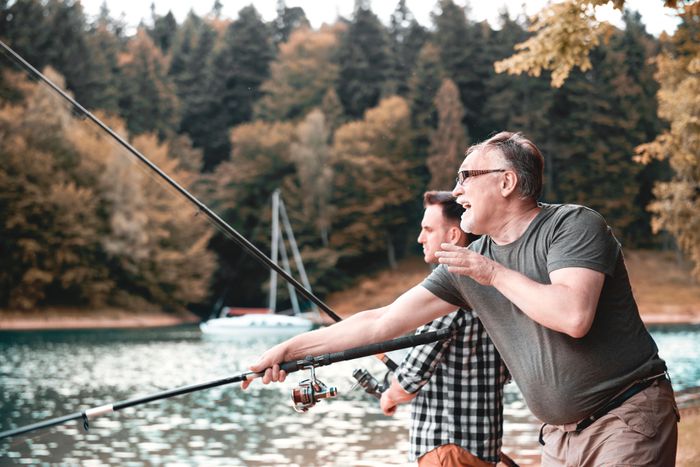
Professional guides fish even when no clients are booked. This constant time on the water helps them track fish movement, feeding behavior, and location changes as conditions shift. Scouting allows guides to recognize active zones and avoid dead water before a trip begins. Instead of guessing, they rely on patterns built through repetition and observation. Here are the key outcomes of constant scouting:
Pattern Tracking: Guides monitor daily movement of redfish, noting how tides and pressure shifts reposition schools across shallow and deeper zones.
Seasonal Positioning: Regular scouting reveals where largemouth bass stage during seasonal transitions, eliminating time spent fishing unproductive structure.
Behavioral Changes: Observing snook across different light and temperature conditions helps guides predict feeding windows more accurately.
Local Intelligence Networks Accelerate Decision-Making
Guides do not rely on personal experience alone. They exchange information with other captains, marina staff, and bait shops while closely tracking weather changes and tide updates. Recent bite reports and localized conditions allow guides to confirm or adjust plans before launch. This shared intelligence reduces uncertainty and helps guide commitment to productive areas faster. Starting the day with verified information shortens the search phase and keeps limited trips focused on active fish instead of exploration.
Gear Preparedness Eliminates Preventable Downtime
Equipment failures waste the most valuable minutes of a short fishing window. Guides prevent downtime by inspecting and adjusting gear before every trip. Proper setup ensures smooth execution once fish become active. Here are the preparation steps that protect on-the-water efficiency:
Line Integrity: Fresh line prevents breakoffs during peak feeding periods when fish strike aggressively, and second chances are limited.
Drag Calibration: Proper drag settings avoid pulled hooks and lost fish during sudden runs in short feeding windows.
Lure Selection: Matching lure size and action to conditions prevents wasted casts and increases strike efficiency immediately.
Rig Readiness: Pre-tied rigs allow quick changes when conditions shift, keeping lines in the water instead of hands retying knots.
Condition Matching: Gear setups reflect water clarity, depth, and current strength to maintain consistent presentation throughout the trip.
On-the-Water Efficiency Turns Hours into High-Probability Decisions
Once the boat leaves the dock, time becomes the most limited resource. Guides cannot afford to wait for patterns to reveal themselves through trial and error. Every decision on the water is made to increase odds quickly and protect productive windows. Instead of reacting late, guides stay ahead of changing conditions and adjust before opportunities disappear. Efficiency on the water means turning hours into informed choices that consistently place anglers around active fish. Below are the core decision strategies guides use once fishing begins.
Reading Conditions Instead of Waiting for Luck
Guides constantly evaluate tide movement, wind direction, and light levels to predict when fish will feed. Incoming or outgoing water creates a current that positions bait and triggers strikes. Wind influences drift speed, clarity, and boat control. Light angle affects fish comfort and visibility. By reading these variables together, guides time their efforts around short feeding periods instead of hoping fish bite randomly. This awareness allows guides to act during peak moments rather than fishing through unproductive lulls.
Decisive Relocation Prevents Time Traps
Staying in the wrong place too long is one of the fastest ways to waste limited time. Guides move early when signs point to poor conditions because movement is a strategy, not impatience. A lack of bait, weak current, or poor fish response signals low probability. Instead of waiting it out, guides reposition to areas where conditions align better. This willingness to relocate preserves momentum and keeps anglers focused on opportunity instead of frustration.
Technique Selection Matches the Moment
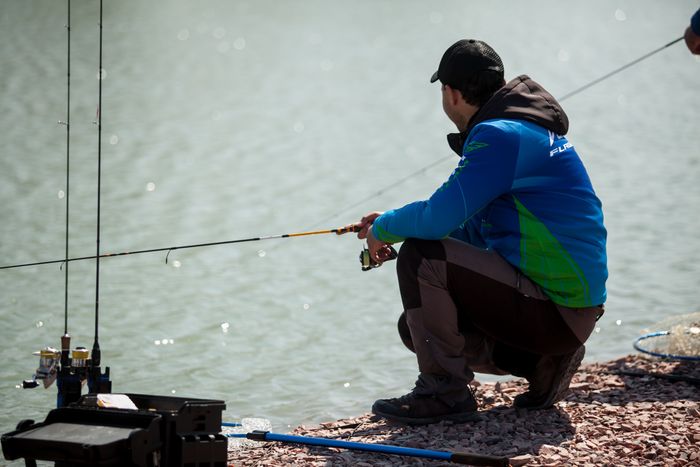
Professional guides do not commit to a single technique out of habit. They adjust methods based on conditions, fish behavior, and the angler's ability to maintain efficiency. The goal is always the highest probability approach for the moment, not personal preference. Here are the technique choices guides make in real time:
Trolling: Covers large areas efficiently when fish are spread out, allowing guides to locate active zones without wasting stationary time.
Drift Fishing: Uses wind and current to present baits naturally over structure during steady feeding periods with minimal boat repositioning.
Fly Fishing: Applied in clear, calm conditions where precise presentation and stealth produce better results than faster-moving techniques.
Skill-Level Adaptation Keeps Momentum High
Every angler arrives with a different skill set, and efficiency depends on recognizing that quickly. Guides do not force clients into rigid plans that slow progress or cause frustration. Instead, they observe early casts, hooksets, and endurance to shape the day around what the angler can execute confidently. This adaptation protects momentum and keeps effort focused on productive actions rather than correction. Here are the ways guides adjust plans to the angler:
Casting Assessment: Guides evaluate accuracy and distance early, selecting techniques and fishing spots that minimize missed opportunities and wasted time.
Stamina Management: The pace of the trip is adjusted to match endurance, preventing fatigue that leads to sloppy execution and lost fish.
Learning Speed: Instruction depth is matched to how quickly anglers absorb feedback, ensuring progress without overwhelming focus or slowing action.
Technique Simplification: Guides remove unnecessary complexity so anglers can repeat successful motions consistently under real fishing conditions.
Real-time coaching further multiplies results instead of interrupting them. Guides offer immediate feedback during casts, retrieves, and hooksets, correcting small errors before they compound. This on-the-water teaching shortens the learning curve, reduces lost fish, and accelerates success cycles without breaking rhythm or focus.
Expectation Management Makes Short Trips Feel Successful
Short trips succeed or fail based on alignment as much as execution. When expectations are unclear, time gets lost resetting goals instead of fishing. Guides manage expectations early so effort stays focused, and decisions stay fast. This clarity shapes how the day unfolds and how success is measured, especially when conditions are tough.
Pre-Trip Alignment Prevents Misfocused Days
Before launch, guides clarify priorities so the plan stays tight once fishing begins. Clear goals eliminate mid-trip confusion and protect limited time.
Target Focus: Species, techniques, and locations are defined upfront to prevent switching directions once time is already spent.
Pace Agreement: Trip speed and effort level are aligned to avoid fatigue or rushed decisions later.
Condition Awareness: Weather and seasonal realities are discussed early so adjustments feel expected, not reactive.
Under-Promising Preserves Perceived Success
Guides set realistic expectations based on current conditions, which keeps morale steady and focus sharp even during slow bites.
Reality Framing: Tough conditions are explained before the trip, so modest results still feel like progress.
Win Definition: Success is framed around learning, execution, and opportunity, not just numbers.
Momentum Protection: Managed expectations reduce frustration and keep anglers engaged throughout the trip.
Why Guided Trips Create Long-Term Results, Not Just Short-Term Catches
A guided trip is not only about catching fish that day. It is about understanding why those fish were caught. Guides explain how conditions, timing, and location connect, turning isolated success into repeatable patterns. Anglers leave with a clearer sense of how tides, weather, and seasonal movement influence fish behavior, rather than relying on luck or memory spots.
These lessons carry forward into future trips. Pattern recognition improves as anglers learn what to look for before making decisions. Technique timing becomes more precise, with a better sense of when to change methods or move locations. Most importantly, decision confidence increases. Anglers stop second-guessing every choice and start acting with purpose, applying what they learned long after the guided trip ends.
Conclusion
Fishing success is rarely about how hard you try. It comes down to how quickly and confidently decisions are made when time is limited. Professional guides remove hesitation by compressing preparation, execution, and learning into a single focused experience. They eliminate guesswork, protect short feeding windows, and turn hours on the water into clear opportunities. When fishing time is scarce, guidance is not an extra. It is the efficiency tool that turns effort into results and experiences into lasting knowledge. If you want your next trip to be productive, educational, and aligned with your goals, explore trusted local guides on Guidesly. Book a trip designed around your time, target species, and conditions, and make every hour on the water count.
FAQs
1. Why do fishing guides improve success on short trips?
Guides shorten the learning curve by applying local knowledge instantly, helping anglers avoid common errors and focus on productive water without wasting limited fishing hours.
2. When is the best time to book a guided fishing trip?
Booking early improves success by matching guides with peak seasonal patterns, ideal tides, and weather windows, rather than forcing trips during low probability periods only.
3. Are half-day guided fishing trips worth it?
Half day trips succeed when guides prioritize decision speed, realistic goals, and efficient techniques, making shorter outings productive rather than rushed or disappointing experiences overall.
4. How do guides choose fishing locations so quickly?
Guides choose locations using recent movement data, bait presence, and environmental triggers, avoiding outdated spots that no longer hold active fish consistently during short trips.
5. Does guided fishing help anglers beyond the trip itself?
Teaching during trips builds independence by helping anglers understand cause and effect, reducing reliance on luck and improving future decision making across different fishing situations.
6. Can beginners benefit from guided fishing trips?
Guides help beginners succeed by simplifying techniques, selecting forgiving gear, and maintaining steady pacing that prevents overwhelm during short sessions on unfamiliar waters early trips.
7. Why does weather matter so much during short fishing trips?
Weather changes affect success because wind, pressure, and light shift fish behavior quickly, requiring immediate adjustments rather than delayed reactions during active feeding periods only.
8. Are guided fishing trips more cost effective long term?
Guided trips provide better value by combining instruction, equipment, and location expertise into one experience, instead of separate costs spread across failed attempts over time.
9. How do local guides stay consistent year round?
Local guides stay consistent year round by adapting to seasonal shifts, ensuring anglers target fish where they actually live, not where they used to be.
10. What should anglers prepare before booking a guided fishing trip?
Anglers should clarify goals, target species, availability, and experience level beforehand, allowing guides to design efficient trips without spending valuable time realigning expectations on the water.