How to Plan a Family-Friendly Fishing Trip
Make your next family fishing trip fun and stress-free with tips for kids, safety, easy-to-catch fish, and beginner locations.
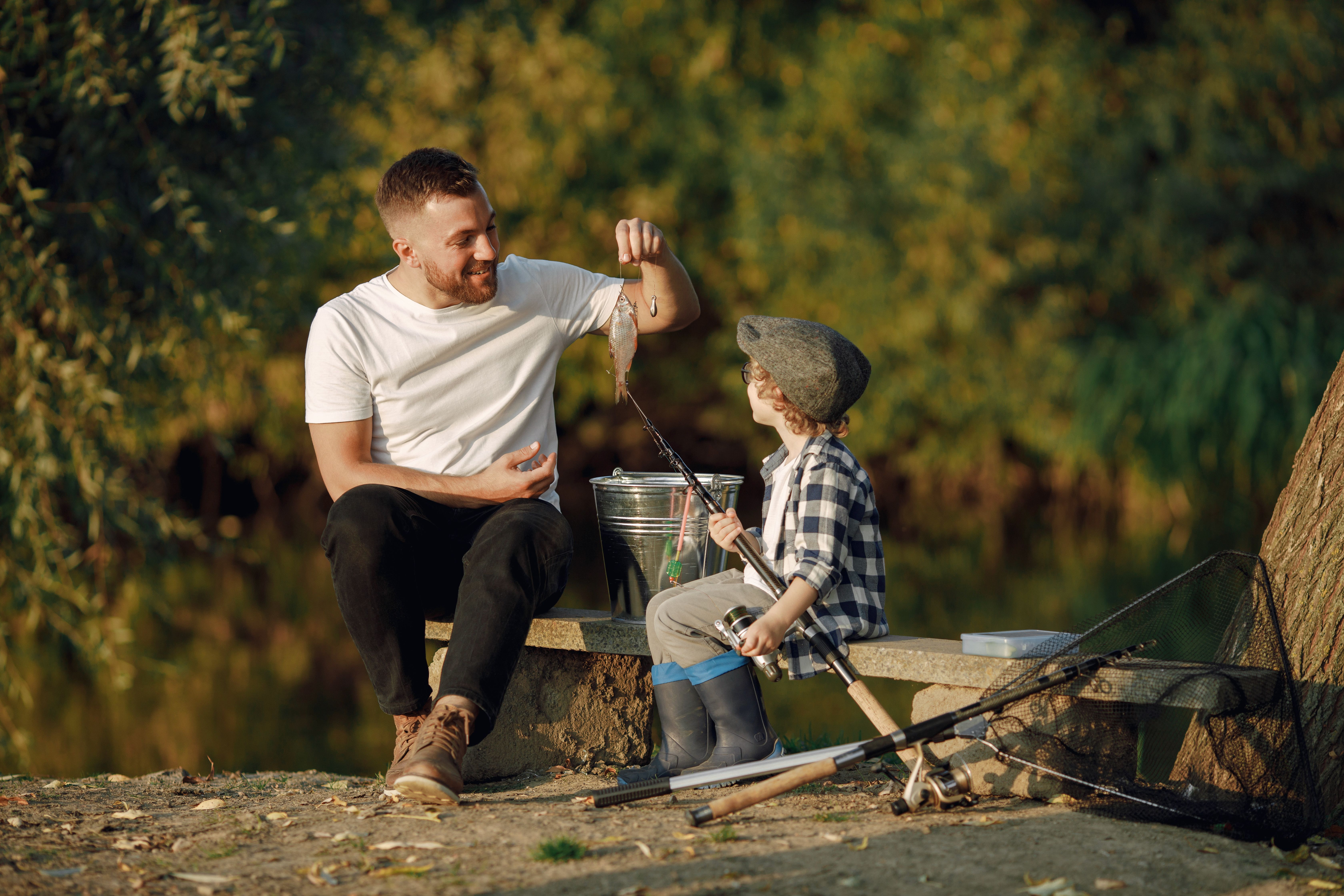


Fishing makes one of the best family adventures because it brings everyone together in a calm, screen-free setting where time slows down and moments feel meaningful. It gives families a chance to bond naturally, talk without distractions, and enjoy the outdoors while sharing a simple goal. For kids, fishing builds patience, curiosity, and respect for nature as they observe water, wildlife, and changing conditions. It also encourages problem-solving and focus in a relaxed way. This guide covers everything families need to plan a successful fishing trip, including smart planning tips, essential safety basics, kid-friendly gear advice, easy fish species to target, and the best locations that make fishing fun and stress-free for all ages.
Why Planning is Key to a Successful Family Fishing Trip
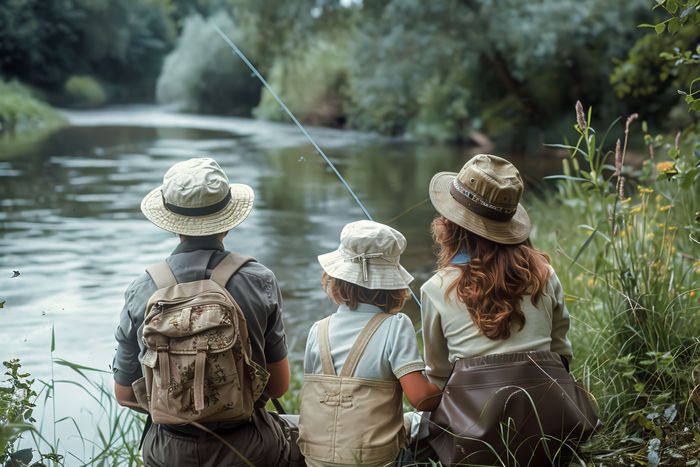
Planning plays a major role in making a family fishing trip enjoyable rather than stressful. Setting clear expectations helps kids understand that fishing is about fun, learning, and time together, not just catching fish. Simple goals like practicing casting, spotting birds, or enjoying snacks by the water help every age stay engaged. Choosing the right time and weather also matters. Mild temperatures, calm conditions, and shorter outings keep kids comfortable and focused, while early mornings or late afternoons often provide better fishing activity without overwhelming young anglers.
A successful family trip also needs a flexible but structured plan. Having a loose schedule for arrival, fishing time, breaks, and wrap-up keeps the day organized without feeling rushed. Flexibility allows parents to adjust based on attention spans, weather changes, or energy levels. This balance helps families enjoy the experience while keeping the trip smooth, safe, and enjoyable for everyone.
Choosing the Best Fishing Locations for Families
Selecting the right fishing location plays a major role in how enjoyable a family fishing trip feels. Family-friendly fishing spots make it easier for kids to stay safe, stay engaged, and experience success, while parents benefit from less stress and better planning. Calm water, easy access, and basic amenities all contribute to a smoother outing.
What Makes a Location Family-Friendly
A good family fishing location should support comfort, safety, and simple learning. The following features help create a positive experience for kids and beginners:
Calm water conditions: Still or slow-moving water reduces safety risks and makes casting easier for children.
Easy shoreline or dock access: Flat banks, piers, or platforms help kids move safely without steep edges.
Nearby amenities: Restrooms, picnic tables, shade, and parking extend how long families can comfortably stay.
Beginner-friendly fish populations: Locations with smaller, active fish increase chances of early success.
Many family fishing programs recommend starting with stocked ponds or managed areas because they are designed to support beginners and younger anglers.
Recommended Types of Locations
Different water bodies offer different advantages for family fishing trips. Here are the most common location types and why they work well for families:
Local ponds and small lakes: Calm water and easy access make these spots ideal for beginners. Many are stocked with fish, which helps keep kids engaged and builds early confidence.
Slow-flowing rivers and creeks: Mild depth and current make these locations good for teaching basic casting skills. They work best when water movement is gentle and predictable.
Public fishing piers and parks: These areas often include railings, open space, restrooms, and family-friendly facilities, making them comfortable and safe for longer outings.
Managed recreation areas: Clearly marked fishing zones, posted safety guidelines, and designated access points help families fish with structure and confidence.
Local ponds and lakes are usually the best starting point, while rivers should only be chosen when conditions are shallow and slow. Public parks and managed recreation areas provide structure and safety that work well for families.
Finding Family-Friendly Fishing Destinations
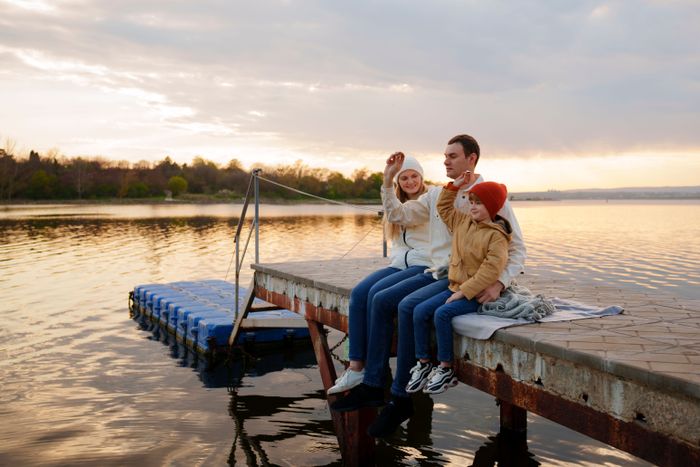
Families can look for fishing destinations that are labeled as beginner-friendly or suitable for children. Public parks, community lakes, and managed recreation areas often publish details about access, facilities, and fishing regulations. Choosing locations that clearly list amenities and safety features helps families plan with confidence and avoid surprises.
Gear and Prep: What to Pack for a Family Fishing Trip
The right gear and preparation can make a family fishing trip smooth and enjoyable instead of tiring or stressful. When fishing with kids, simple equipment and smart packing matter more than advanced setups. A balanced mix of fishing gear and comfort items helps everyone stay focused on having fun.
Best Fishing Gear for Kids and Beginners
Fishing equipment for kids should be lightweight, safe, and easy to manage. Using beginner-friendly gear reduces tangles and keeps frustration low.
Ultralight rods: Easy for kids to hold and control for longer periods
Small tackle boxes: Keep gear organized without overwhelming young anglers
Bobbers: Helps kids visually track bites and stay engaged
Barbless hooks: Safer for kids and easier when releasing fish
Simple spincast combos: Designed to minimize tangles and improve learning
Must-Have Safety and Comfort Essentials
Here are the key safety and comfort essentials families should pack to stay protected, comfortable, and focused on enjoying their fishing trip without unnecessary stress or interruptions.
Sunscreen and hats: Provide sun protection and help prevent sunburn and fatigue during long hours outdoors.
Polarized sunglasses: Reduce glare on the water while improving visibility and protecting eyes from strain and hooks.
First aid kit: Supports minor injury care and helps handle small cuts, scrapes, or hook mishaps quickly.
Snacks: Offer steady energy support and help keep kids patient, comfortable, and engaged throughout the trip.
Water bottles: Ensure proper hydration and help prevent dehydration during longer outings.
Hand wipes or towels: Make clean up easy and keep hands clean between casts, snacks, and fish handling.
Preparing Kids Before the Fishing Trip
Preparing before the trip sets kids up for success. Practicing casting at home builds muscle memory and confidence. Teaching kids basic rules, such as safe hook handling and staying close to adults, helps create a safer and calmer fishing experience. A little preparation makes the trip more enjoyable for everyone.
Safety First: Keeping Kids Safe While Fishing
Keeping kids safe is the most important part of a successful family fishing trip. When safety is planned ahead and managed on-site, children feel confident, and parents can focus on enjoying the experience. Simple habits and clear rules go a long way in creating a calm and enjoyable outing.
Preparing for a Safe Family Fishing Trip
Safety should begin before leaving home. Checking weather forecasts and water conditions helps families avoid storms, strong winds, or unsafe water levels. Calm conditions keep kids comfortable and reduce distractions. Parents should also review basic safety rules with children so expectations are clear before arriving at the fishing location.
Key pre-trip safety steps include:
Checking weather and water conditions before departure
Choosing locations with calm water and clear access
Explaining rules such as no running near water or swinging rods
On-the-Water and Shoreline Safety Tips
Active supervision is essential once fishing begins. Kids should stay within sight at all times and keep a safe distance from the water’s edge unless assisted by an adult. Life jackets are strongly recommended near docks, boats, or deeper water, even for confident swimmers. Many National Park fishing areas promote life jacket use for added protection.
Teaching kids how to handle hooks safely reduces accidents and builds confidence. Children should learn to carry rods with hooks facing down, avoid casting near others, and ask for help when baiting or unhooking fish. Here are the key safety measures families should follow and when to use them.
Life jackets: Help prevent drowning risk and should be worn near boats, docks, or deep water.
Adult supervision: Reduces accidents by ensuring kids follow safety rules and stay aware of their surroundings. This should be maintained at all times.
Safe casting space: Prevents hook injuries by giving each child enough room to cast and reel without crossing lines. Use this during all casting and reeling.
Hook handling rules: Build confidence and safety by teaching proper techniques for baiting hooks and landing fish. These rules apply whenever fish are being handled.
Protecting Kids from Sun and Insects
Sun and insect exposure can quickly affect comfort and focus. Applying sunscreen regularly, wearing hats, and using sunglasses protect skin and eyes. Insect repellent helps prevent bites, especially near water and shaded areas. These simple steps help kids stay comfortable and enjoy the trip longer.
Easy-to-Catch Fish for Kids and Beginner Anglers
Choosing the right fish species can make or break a family fishing trip. Easy-to-catch fish keep kids excited, build confidence, and reduce frustration. When children experience frequent bites and manageable fish, they stay engaged longer and enjoy learning the basics of fishing.
Why Target Beginner-Friendly Fish
Kids are more likely to enjoy fishing when success comes early and often. Smaller, active fish respond well to simple bait and basic techniques, making them ideal for beginners. These species usually live in shallow water, school together, and bite consistently, which helps kids practice casting, reeling, and fish handling without long waits.
Benefits of targeting easy fish include:
Faster bites that keep kids interested
Safer fish sizes for handling
Simple bait and gear requirements
Best Fish Species for Family Fishing Trips
The following fish species are commonly recommended for kids and beginners due to their availability and ease of catching:
Fish Species | Why It’s Kid-Friendly | Common Locations |
|---|---|---|
Bluegill and Sunfish | Frequent bites, small size | Ponds, lakes, calm shorelines |
Active feeders, light tackle friendly | Lakes, slow-moving water | |
Channel Catfish | Strong bites, simple bait | Lakes, ponds, rivers |
Perch | Easy to catch, travel in schools | Lakes and reservoirs |
Bluegill and sunfish are often the best starting point for kids because they bite readily and are easy to reel in. Catfish are also popular with families since they respond well to basic bait and are often caught from shore.
Simple Bait and Setup Tips for Kids
Keeping bait and setups simple improves success for young anglers. Live bait, such as worms, is often the most effective choice. Bobbers help kids see when a fish bites, keeping them focused and excited. Using small hooks and light line makes it easier for kids to manage their gear.
Helpful setup tips include:
Use worms or dough bait for consistent bites
Add a bobber for visual bite detection
Keep the casting distance short and manageable
By targeting easy-to-catch fish and using simple setups, families create a positive fishing experience that builds skills, patience, and lasting memories for kids.
Fun Activities and Tips to Keep Kids Engaged While Fishing
Keeping kids interested is just as important as catching fish on a family fishing trip. Short attention spans and changing energy levels are normal, so adding fun activities helps children stay excited and involved. When fishing feels playful rather than pressured, kids are more likely to enjoy the experience and want to go again.
Ways to Make Fishing Fun for Kids
Fishing becomes more enjoyable when kids feel included in every part of the experience. Giving children simple responsibilities builds confidence and keeps them focused.
Here are easy ways to keep kids engaged:
Let kids help choose bait or set up their rods
Celebrate every catch, even small ones
Take photos to mark special moments
Allow kids to name fish or guess what will bite next
These small activities turn fishing into a game rather than a task.
Break-Time Activities Away from the Water
Taking short breaks away from the shoreline helps kids recharge, stay safe, and avoid frustration. These simple activities keep energy levels balanced and add variety to the fishing trip.
Snack breaks: Refuel energy and improve focus
Wildlife spotting: Encourages curiosity about nature and surroundings
Casting practice on land: Builds skills in a safer, controlled space
Drawing or journaling: Helps kids capture memories from the trip
Stretching or walking: Prevents restlessness and keeps kids comfortable
Setting the Right Expectations
Kids should know that fishing includes waiting, learning, and enjoying nature, not just catching fish. Praise effort rather than results to keep motivation high. When children feel supported and relaxed, they are more patient and open to learning. By mixing fishing with playful activities, breaks, and encouragement, families can create a fun, low-pressure experience that keeps kids happy and engaged throughout the trip.
Wrapping Up the Trip and Planning the Next Adventure
Ending a family fishing trip on a positive note helps turn a fun day into a lasting memory. Taking a few minutes to talk about favorite moments, funny stories, or first catches helps kids feel proud of their experience. Celebrating effort instead of results reinforces patience and confidence, especially for beginners. Even small achievements, like a good cast or learning a new skill, deserve recognition.
After the trip, involve kids in simple wrap-up activities. Cleaning gear together, sorting photos, or writing down what they enjoyed most keeps the excitement going. These moments also help parents understand what worked well and what could be improved next time. Short conversations about which fish were caught, which location felt best, or what snacks were favorites help guide future plans.
Planning the next fishing outing soon after the trip keeps interest high. Choosing a familiar location or trying a new beginner-friendly spot builds anticipation and motivation. With each trip, kids gain confidence, skills, and a deeper connection to nature, making family fishing a tradition everyone looks forward to.
Conclusion
Planning a family-friendly fishing trip is about creating a safe, relaxed, and enjoyable experience for everyone involved. With the right location, simple gear, easy-to-catch fish, and clear safety habits, fishing becomes a fun outdoor activity that helps kids learn patience, confidence, and respect for nature. Small details like breaks, comfort, and preparation make a big difference in how much children enjoy the day. If you want expert guidance, kid-friendly locations, or local fishing experiences that match your family’s needs, explore family fishing options on Guidesly and make your next trip even more memorable.
FAQs
1. At what age can children start fishing?
Most children can start fishing around age four or five with supervision, simple gear, and short sessions focused on fun rather than skill or results.
2. Do kids need a fishing license?
License rules vary by state, but many areas allow children to fish without a license or under an adult’s permit, especially during youth fishing events.
3. How long should a family fishing trip last?
Family fishing trips work best when kept short, usually one to two hours, allowing kids to stay engaged without becoming tired, bored, or overwhelmed easily.
4. What is the best season for fishing with kids?
Spring and early summer are often ideal because mild weather, active fish, and longer daylight hours create comfortable conditions for beginner anglers and young children.
5. Should kids keep or release fish?
Whether kids keep or release fish depends on local regulations, family preference, and teaching respect for wildlife, with catch and release often encouraged for beginners.
6. How do parents keep kids patient while fishing?
Parents can support patience by encouraging curiosity, praising effort, sharing simple tasks, and reminding kids that waiting is part of the outdoor fishing experience together.
7. What should kids wear while fishing?
Kids should wear comfortable clothing suited to the weather, closed-toe shoes for footing, layers for temperature changes, and light colors that stay cool outdoors during fishing.
8. Can fishing help kids learn responsibility?
Fishing teaches responsibility by showing kids how to care for gear, follow rules, respect wildlife, and understand the impact of their actions outdoors and in nature.
9. Is fishing good for family bonding?
Fishing supports family bonding by encouraging conversation, teamwork, shared goals, and unplugged time together, helping families connect without daily distractions and strengthen relationships naturally outdoors.
10. What if kids lose interest during fishing?
If kids lose interest, switching activities, taking breaks, or ending early keeps the experience positive and helps children remember fishing as enjoyable and stress-free later.