When Is the Best Time to Book a Fishing Guide?
Learn the best time to book a fishing guide, from peak seasons to off-peak windows. Plan 3-18 months ahead to secure top guides and ideal dates.


Most anglers miss their best fishing opportunities for one simple reason. They wait too long to book. By the time dates are locked in, top guides are already committed, peak migration windows have passed, and weather-driven patterns have shifted. Fishing guide availability is shaped by more than just free days on a calendar. Guide schedules fill early with repeat clients, seasonal demand spikes around holidays, and fish move on predictable timelines that do not pause for late planners. Timing also affects location access, tide cycles, and local regulations. Because of this, the right booking window can vary widely. Some trips can be arranged within days. Others require planning many months ahead. Depending on your species, destination, and season, booking timelines can range from days to eighteen months ahead of time.
How Far in Advance Should You Book a Fishing Guide?
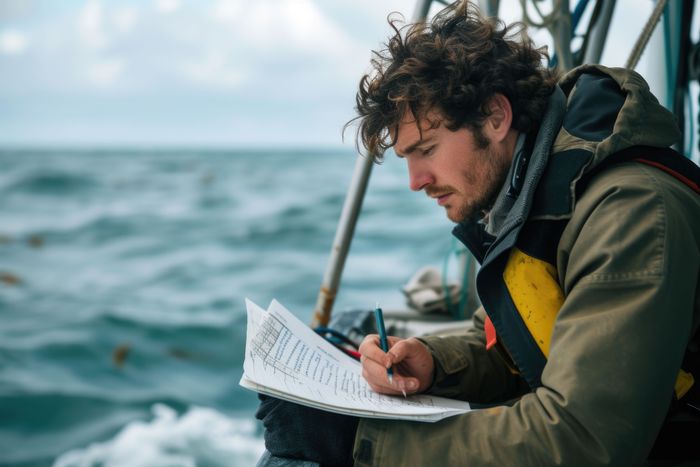
Booking timelines depend on how specific your goals are and when you plan to fish. Same-week bookings can work during slower seasons, weekdays, or for local trips with flexible plans. Long-range planning becomes important for peak seasons, popular destinations, and trips built around specific fish migrations. Many guides structure their calendars months ahead, especially for summer and holiday periods, which limits last-minute options.
Earlier booking is safer because it gives you better control over the experience. It allows guides to match skill levels, plan techniques for target species, and leave room to adjust for weather changes. Many top guides also reserve dates for repeat clients before making availability public. By the time listings appear online, prime dates may already be gone. Planning ahead reduces uncertainty and increases the chances of fishing when conditions are truly right.
Peak Season vs Off-Season Booking Timelines
Booking timelines shift based on seasonal demand. Peak periods create tight availability and require early planning, while off-season windows offer more flexibility. Knowing which season you are targeting helps set realistic expectations and avoid last-minute compromises.
Peak Fishing Seasons in High Demand
Peak seasons attract the highest demand and fill guide calendars quickly. These periods often include:
Summer months, when the weather is stable, and travel is common
Holiday weekends that attract both locals and visitors
Major fish migrations that create short, high-value fishing windows
Tournament schedules and regional events that reduce open dates
Recommended booking window:
3 to 6 months minimum for standard peak season trips
9 to 12 months for top-rated guides, specialty species, or destination fisheries
Booking early during peak seasons improves access to preferred dates, experienced guides, and optimal fishing conditions while allowing flexibility for weather adjustments.
Off-Season and Shoulder Season Opportunities
Off-season and shoulder season trips offer more flexibility and less pressure when booking a fishing guide. With fewer anglers on the water, guides often have more open calendars and are easier to schedule around changing conditions. These periods work well for anglers who can adjust dates or plan midweek trips.
During off-peak times, you benefit from:
Better weekday availability with more date options
Reduced competition for experienced guides
Increased flexibility to shift plans around weather or water conditions
Recommended booking window:
2 to 6 weeks in advance for most off-season trips
Sometimes, same-week bookings for local anglers with flexible schedules
Short-notice availability increases during weekdays and non-holiday periods
Booking Based on Target Fish Species
Your target species plays a major role in determining how far in advance you should book a fishing guide. Fish follow predictable seasonal behaviors that influence when and where guides can consistently deliver results. Migration timing, spawning activity, and environmental conditions all create short windows of opportunity. Regulations and local closures can further narrow availability. Because of this, booking timelines vary by species rather than calendar dates alone. Understanding these factors helps anglers align expectations with realistic planning windows. These are the key reasons species selection directly affects your booking timeline:
Seasonal movement patterns: Many species migrate along coastlines or between habitats, creating short peak windows that fill guide calendars quickly during predictable travel routes.
Spawning windows: Spawning periods often bring increased fish activity but may also include restrictions, making early booking essential to secure legal and productive dates.
Water temperature dependencies: Certain species become active only within narrow temperature ranges, limiting successful trips to specific weeks each year.
Regional regulations: Bag limits, seasonal closures, and local rules can restrict when guides can target certain species, reducing available booking dates.
Examples of species-specific planning:
Tarpon migrations require advance scheduling due to narrow seasonal windows
Redfish allow more flexibility with longer productive seasons
Snook seasons create booking spikes around opening and closure dates
Destination-Driven Booking Pressure
Where you plan to fish can be just as important as when. Certain destinations attract consistent demand because of reputation, seasonal reliability, and limited guide capacity. Travel logistics, permit restrictions, and short peak windows further compress availability. Popular locations often book out long before seasons begin, especially when anglers are traveling from out of state. Destination-driven planning helps avoid conflicts between travel schedules and guide availability. These are the destinations that typically require earlier booking commitments:
Coastal Florida: Year-round fisheries, seasonal migrations, and heavy tourism create constant demand, making prime dates scarce during peak travel months.
Alaska: Short fishing seasons, remote access, and limited guide numbers mean most trips must be planned well in advance.
Popular fly fishing rivers: Limited daily permits, strict regulations, and peak hatch periods compress availability into short, highly competitive windows.
Remote saltwater destinations: Travel coordination, weather dependencies, and limited local operators require careful long-range planning to secure dates.
Recommended booking window:
6 to 12 months for domestic hotspots
10 to 18 months for remote or international trips
How Guide Reputation Impacts Availability
A guide’s reputation directly influences how early you need to book. Highly rated guides build trust through consistent results, strong reviews, and specialized local knowledge. Over time, this reputation creates demand that fills calendars well before seasons begin. Many experienced guides prioritize returning clients and niche trips, reducing public availability. Reviews, proven specialties, and deep familiarity with local waters all increase lead times. These are the main reasons top-rated guides book faster than others:
Repeat clientele: Returning anglers often reserve preferred dates annually, limiting open availability for new bookings early.
Limited annual operating days: Guides may only fish during certain seasons or under specific conditions, reducing the total number of bookable days each year.
Weather-restricted windows: Productive conditions may occur in narrow windows, compressing bookings into fewer viable dates.
Licensing and permit caps: Regulations can limit daily trips or guide numbers, creating competition for a small pool of available dates.
Booking a Fishing Guide Around Travel Plans
When fishing is part of a vacation, guide availability should shape the rest of your itinerary. In peak destinations, fishing guides often book out earlier than flights or hotels. Securing a guide first helps anchor travel dates around productive windows and preferred fishing techniques rather than forcing trips into limited openings. This reduces compromises on target species, methods, and overall trip quality.
Aligning flights, lodging, and guide schedules also allows better flexibility. Buffer days help manage weather cancellations without losing the entire opportunity. Morning trips focused on specific fishing techniques often fill faster than afternoon options. Full-day trips can also conflict with travel days. Planning around guide schedules first keeps logistics smooth and expectations realistic.
Last-Minute Fishing Guide Bookings: When They Work
Last-minute bookings can work in the right situations, especially for anglers who are flexible and realistic about conditions. These opportunities usually appear when demand drops or plans change unexpectedly. Short-notice trips are more common during:
Local anglers who can travel quickly and adjust schedules
Midweek trips have lower demand than weekends
Weather-shift cancellations that reopen guide calendars
Shoulder season flexibility when conditions are still productive
Cancellation Lists and Backup Strategies
Experienced anglers often stay in touch with guides and ask to be placed on cancellation lists. This approach increases the chance of securing open dates without long waits. Flexibility matters more than discounts, as guides prioritize anglers who can confirm quickly and adapt to changing conditions.
Seasonal Fishing Guide Booking Timeline at a Glance
This quick reference helps set clear expectations when planning a guided trip. Booking windows vary based on season, destination, and trip complexity, but these ranges reflect common planning patterns across most fisheries.
Peak season species trips: 3 to 6 months in advance
Popular destinations: 6 to 12 months ahead
Remote fly fishing trips: 10 to 18 months of planning
Off-season local trips: Days to a few weeks
Questions to Ask Before You Book a Fishing Guide
Asking the right questions before booking helps set clear expectations and prevents last-minute surprises. A short conversation with your guide can reveal whether the trip aligns with your goals, experience, and comfort level. These critical questions help ensure the day on the water is productive and enjoyable.
Critical Pre-Booking Questions
Target species expectations: Confirm realistic species availability during your dates and understand typical catch rates for the season.
Experience level matching: Ask how the guide adapts trips based on beginner, intermediate, or advanced skill levels.
Physical requirements: Clarify mobility needs, time on your feet, and any physical demands involved.
Weather policies: Understand cancellation, rescheduling, and safety protocols for changing conditions.
Gear, bait, and licenses included: Confirm what equipment is provided and what you need to bring or purchase separately.
Booking Policies, Deposits, and Confirmations
Clear booking terms reduce risk and help avoid misunderstandings on the day of your trip. Confirming details in advance protects both the angler and the guide, especially when weather, travel delays, or seasonal changes affect plans. Written confirmation ensures everyone shares the same expectations.
What to Confirm in Writing
Meeting location: Verify the exact launch point, parking details, and arrival instructions.
Start time and duration: Confirm trip length, departure time, and return expectations.
Cancellation terms: Understand deadlines, penalties, and notice requirements.
Weather rescheduling rules: Clarify how unsafe conditions or poor forecasts are handled.
Deposit and refund conditions: Review payment amounts, refund eligibility, and timelines.
Conclusion
Booking a fishing guide at the right time removes stress and increases the chances of a successful trip. Acting early does not create pressure; it creates options. When anglers align their target species, season, and guide reputation, planning becomes clearer and outcomes improve. Treating guide selection as a core trip decision helps avoid last-minute compromises on dates, locations, and fishing techniques. A well-timed booking allows flexibility for weather and travel while protecting access to experienced professionals. If you are ready to explore availability, compare options, and plan with confidence, Guidesly makes it easy to connect with qualified guides and secure dates that match your goals.
FAQs
1. Is it harder to book guides for private or shared trips?
Private trips usually book faster because guides can only run one per day, while shared trips sometimes have limited extra availability depending on group size.
2. Do fishing guides release new availability during the season?
Some guides open additional dates if conditions improve, permits expand, or personal schedules change, but these openings are unpredictable and should not be relied on.
3. Does booking early affect trip pricing?
Early booking does not always reduce price, but it prevents premium rates caused by limited availability, holiday demand, or last-minute scheduling constraints.
4. Are sunrise or early morning trips harder to book?
Yes, early morning trips are often the first to fill because fishing activity is typically stronger at dawn and guides prioritize these hours.
5. Can booking timing affect fishing success?
Booking timing impacts success by aligning trips with optimal conditions, stable weather patterns, and active fish behavior rather than forcing trips into marginal windows.
6. Do guided trips require deposits far in advance?
Many guides request deposits weeks or months ahead to secure dates, especially during high-demand periods, with remaining balances typically due closer to trip day.
7. Is booking harder for specialized fishing techniques?
Trips focused on advanced or niche fishing techniques often require earlier booking since fewer guides offer these services, and conditions must align precisely.
8. Do guide cancellations usually happen close to the trip date?
Most cancellations occur within days of the trip due to weather changes, equipment issues, or travel disruptions, creating short-notice openings for flexible anglers.
9. Can booking platforms show real-time availability accurately?
Availability listings are generally accurate but may not reflect private holds or repeat-client reservations, which is why confirming directly with guides is still important.
10. Should beginners book earlier than experienced anglers?
Beginners often benefit from earlier booking because it allows guides to prepare instruction-focused trips, adjust pacing, and select conditions suited for learning.