Why Booking a Guide Is Like Fast-Tracking Your Fishing Skills
Discover how booking a fishing guide accelerates skill development through real-time feedback and hands-on learning that replaces years of trial and error.


Most anglers assume the only way to learn fishing faster is by spending more hours on the water. While time matters, real progress comes from how quickly mistakes are corrected and how clearly decisions are explained. Fishing skill improves when cause and effect are visible, not after months of guessing. That is where guided fishing trips change the learning curve. A professional guide shortens the process by offering real-time feedback, placing anglers in productive water, and explaining why adjustments work. Instead of repeating the same errors, anglers build correct habits from the start. This approach helps anglers improve their fishing skills by replacing uncertainty with understanding. One guided trip delivers focused instruction, active fish encounters, and immediate correction, allowing anglers to gain clarity and confidence that would otherwise take months of unguided trial and error.
How Professional Guides Replace Years of Trial-and-Error
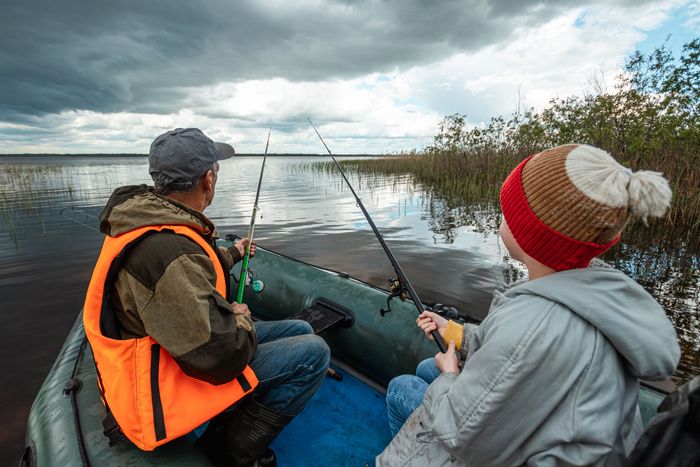
Unguided anglers often repeat the same mistakes because no one is there to explain what went wrong. Casting errors, poor hook sets, and unproductive location choices can go unnoticed for months. Without feedback, effort increases, but results stay inconsistent. This is why many anglers stall despite spending more time fishing. When anglers ask why they should hire a fishing guide, the answer often starts with breaking this repetition cycle.
A professional guide shortens learning loops during the guided fishing experience by observing actions and correcting them immediately. Every decision is explained, not guessed. This shifts focus from effort to efficiency. Knowledge transfers through experience, and decision clarity replaces hope-based fishing with understanding that anglers can repeat on their own.
How Guides Accelerate Skill Development Through On-Water Instruction
Professional guides compress years of learning into focused, on-water instruction. They correct technique in real time, position anglers around active fish, and explain decisions as conditions change. Instead of guessing what worked or failed, anglers see clear cause and effect. Every adjustment becomes a lesson that builds skill faster and sticks longer.
Real-Time, Personalized Feedback Accelerates Skill Development
Guides act as live coaches on the water. They spot small technique issues the moment they appear and help anglers correct them before habits form. Because fish behavior and conditions are unfolding in front of you, every adjustment has immediate context. This direct feedback loop speeds up learning and builds awareness that videos or solo practice cannot match.
Casting Mechanics and Rod Control
Proper casting starts with control, not power. Guides fine-tune fundamentals so each cast becomes repeatable and efficient.
Core adjustments:
Grip alignment for cleaner releases
Rod angle control for tighter loops
Timing refinement for consistent accuracy
Line management to reduce drag
These corrections prevent inefficient motion patterns from setting in.
Hook-Set Timing and Pressure Control
Hook sets often fail due to hesitation or overreaction. Guides correct this in the moment, while the fish's response is still visible.
Key focus areas:
Strike detection timing
Hook-set direction and angle
Line tension during the fight
Pressure control near the structure
Immediate correction leads to fewer lost fish and cleaner finishes.
Retrieve Speed and Presentation Correction
Guides adjust retrieve speed and lure movement based on how fish respond in real time. Small changes in cadence, pause length, or depth often turn follows into strikes. Seeing this cause-and-effect teaches anglers how presentation matters more than lure choice in many situations.
Why this matters: Instant correction reinforces proper muscle memory while the connection between action and result remains clear.
Spending More Time Practicing on Fish, Not Searching for Them
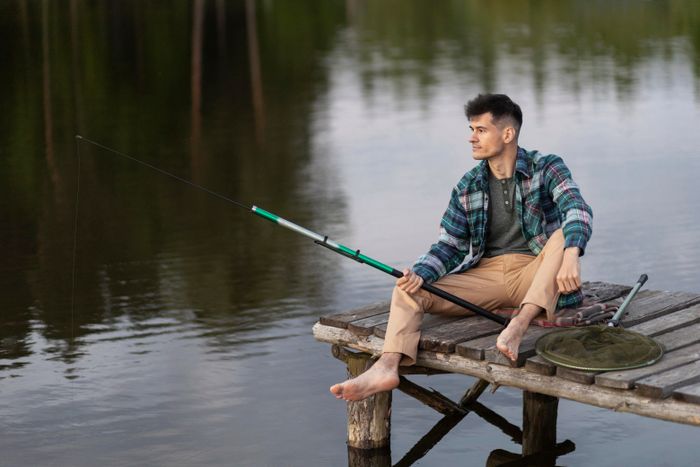
Guides remove wasted time by keeping anglers in productive water. Instead of hoping fish are present, anglers practice skills where bites are likely. This creates more meaningful repetitions and faster learning because feedback comes from active fish, not empty casts.
Pattern Recognition Develops Faster Around Active Fish
Pattern recognition forms when anglers repeatedly see how fish react to changing conditions. Fishing around active fish allows anglers to observe cause and effect in real time, making environmental signals easier to understand. Instead of guessing, anglers begin to recognize consistent patterns that explain when fish feed, move, or shut down.
Pattern cues anglers learn to recognize:
Water depth changes triggering strikes
The current seems to be holding the feeding fish
Light and wind influence the position
Temperature affecting activity windows
Repeated reactions to similar presentations
Learning Why Locations Work, Not Just Where They Are
Once patterns become visible, guides help anglers understand the logic behind productive locations. Instead of memorizing spots, anglers learn how structure, current, and bait interact to position fish. This understanding allows anglers to apply the same thinking to new waters, rather than starting from scratch each trip.
Location principles anglers learn to apply:
Structure creating protection and ambush points
Current breaks reduce energy use
Bait movement defines feeding lanes
Depth transitions concentrating fish
Edges consistently produce strikes
Decision Confidence Replaces Guesswork
Repeated success builds trust in the decision process. Anglers learn when to stay, move, or adjust based on observation rather than hope. This confidence reduces hesitation and makes future trips more productive without constant second-guessing.
Learning Advanced Gear and Rigging Without Costly Mistakes
Guides provide hands-on access to professional setups and explain why each choice works. Instead of trial-and-error purchases, anglers learn how gear supports fishing technique, species behavior, and conditions. This shortens the learning curve and prevents expensive mistakes.
Rod and Reel Pairing for Specific Species
Proper gear pairing improves control, efficiency, and sensitivity. Guides explain why each setup works instead of relying on preference.
Gear pairing principles:
Rod power matched to fish strength
Rod action suited to presentation style
Reel drag tuned for fight control
Balance reducing fatigue during long sessions
These lessons help anglers select gear with confidence.
Knot Selection Based on Line, Leader, and Target Fish
Knot choice directly affects landing success, especially when pressure increases during fights. Guides teach anglers how knot performance changes based on line type, leader material, and fish behavior. Instead of memorizing knots blindly, anglers learn when and why each option works. These are the core knot lessons guides emphasize on the water:
Line compatibility: Matching knots to braid, fluorocarbon, or mono prevents slippage and unexpected failures under pressure.
Leader transitions: Clean connection knots protect leaders during pressure changes and long fights.
Target species demands: Knot selection adjusts for abrasion, teeth, and fight duration.
Efficiency under pressure: Reliable knots reduce retying time during short feeding windows.
Lure Selection Tied to Water Clarity and Temperature
Lure performance changes with conditions. Guides explain the logic behind selection. Here are the critical factors anglers learn:
Water clarity: Color contrast and vibration adjust visibility without spooking fish in clear or stained conditions.
Temperature response: Lure action slows or speeds up to match fish metabolism and strike willingness.
Light conditions: Profile and flash change with sun angle, cloud cover, and depth.
Fishing pressure: Subtle presentations outperform aggressive styles in heavily pressured water.
Why this matters: Understanding why gear works shortens the learning curve and avoids wasted purchases.
Reading Water and Conditions That Are Invisible to New Anglers
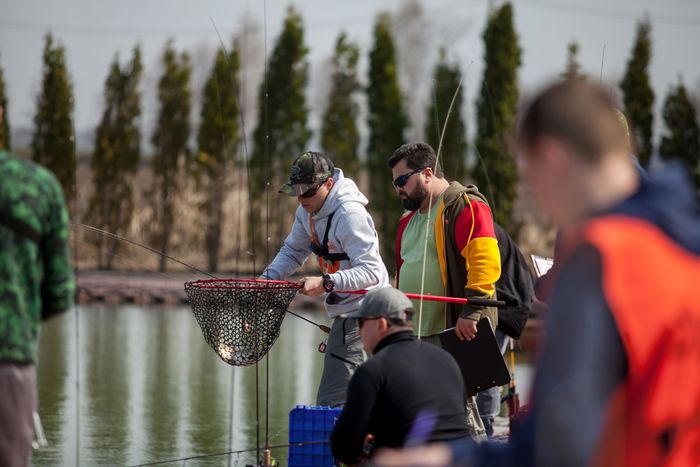
Reading water is the hardest skill to develop alone. Guides teach anglers to see what is happening beneath the surface and around them. This skill turns random casts into informed decisions and creates consistent results across different fisheries.
Identifying Submerged Structure and Current Seams
Guides point out drop-offs, seams, and cover that are easy to miss. They explain how fish use these features for protection and feeding. Learning to spot these subtle indicators helps anglers target holding areas instead of casting blindly.
Understanding Wind, Tide, and Pressure Effects on Feeding
Fish position and feed based on environmental movement and pressure changes. Guides teach anglers how to read these forces together instead of in isolation. Understanding how wind, tides, and pressure interact helps anglers anticipate feeding windows rather than reacting after activity slows.
Wind and Tide influence feeding by:
Pushing bait into predictable lanes
Creating current breaks and seams
Increasing oxygen in active zones
Triggering movement during tide changes
Pressure changes affect feeding by:
Altering fish depth preferences
Shortening or extending bite windows
Reducing aggression during rapid drops
Increasing activity during stable periods
Applying Seasonal Positioning Logic
Fish relocate throughout the year. Guides explain these shifts clearly.
Seasonal cues:
Cold-water holding zones
Spawning and transition areas
Summer depth changes
Fall feeding movements
This foresight prevents late reactions.
Species examples for context:
Largemouth bass
Snook
Confidence, Momentum, and Motivation as Skill Multipliers
Early success with a guide changes how anglers think and fish. Instead of second-guessing every decision, anglers see clear proof of what works and why. This builds confidence quickly and creates momentum that carries forward into future trips. When results are explained, motivation stays high, and learning continues long after the guided experience ends.
Confidence builders guides create:
Faster early success on active fish
Clear validation of correct decisions
Reduced frustration from guessing
Stronger trust in personal judgment
Success Reinforces Correct Decisions
Landing fish confirms that technique adjustments and environmental reads are correct. This reinforcement helps anglers lock in good habits instead of reverting to old patterns. When anglers understand why a decision worked, they gain confidence in repeating it independently on future trips.
Confidence Encourages Experimentation
With fear of failure removed, anglers become more willing to try new retrieves, depths, and presentations. Guides encourage controlled experimentation, helping anglers expand their skill set without losing consistency. This openness accelerates learning and builds adaptability across different waters.
Knowing What to Repeat Independently
Guided success leaves anglers with clear reference points they can trust. Anglers know which decisions led to results and how to repeat them. This clarity allows skills learned during the trip to transfer smoothly into solo fishing experiences.
Why Guided Learning Transfers Beyond a Single Trip
Guided fishing is not about memorizing spots or copying techniques. It builds long-term fishing skills by teaching frameworks that anglers can apply anywhere. Guides focus on patterns that repeat across waters, helping anglers understand how structure, conditions, and fish behavior connect. This approach allows anglers to learn fishing patterns instead of relying on single-day success.
By explaining environmental decision logic, guides show how to evaluate water, adjust tactics, and make informed choices independently. Anglers also learn how to assess their own decisions after the trip, recognizing what worked and why. This self-assessment skill turns guided fishing into education, ensuring the learning continues long after the day on the water ends.
Who Benefits Most From Booking a Fishing Guide
Many anglers ask if a fishing guide is worth it, but the real answer depends on learning goals, not experience level. Guided trips benefit anyone who wants clarity, faster progress, and better decision-making on the water. Whether new or experienced, anglers who value learning over luck gain the most from professional guidance. These are the anglers who benefit most:
Beginners building fundamentals correctly: New anglers learn proper casting, hook setting, and fish handling early, preventing bad habits and creating a strong foundation for long-term fishing success.
Intermediate anglers breaking skill plateaus: Anglers stuck repeating the same results gain fresh insight, corrected techniques, and clearer pattern recognition that helps them move beyond stalled progress.
Traveling anglers learning new fisheries: Fishing unfamiliar waters becomes productive faster when guides explain local structure, conditions, and seasonal behavior instead of relying on trial and error.
Species-focused learners: Anglers targeting specific fish gain species-driven knowledge, including behavior patterns, gear selection, and presentation timing tailored to consistent success.
Time-limited anglers seeking faster results: Anglers with limited fishing time benefit from focused learning, productive water access, and efficient skill development during every hour on the trip.
Guided fishing for beginners and learners: Anyone prioritizing education over numbers benefits from guided fishing experiences that teach transferable skills rather than one-day outcomes.
Guided Fishing as a Foundation for Strong Decision-Making Skills
Fishing success depends less on perfect technique and more on timely, informed decisions. Through guided fishing education, anglers learn how to think through situations instead of reacting blindly. Guides explain decisions as conditions change, turning instinctive reactions into clear logic. This approach builds stronger fishing decision-making skills that extend beyond a single trip.
On the water, guides verbalize decision chains in real time. They explain when to change location, adjust depth, or modify presentation based on fish response and environmental shifts. Instead of following rigid rules, anglers learn how fishing strategy skills evolve through trade-offs, such as staying put versus relocating or slowing down versus covering water.
This process develops self-correction. Anglers leave knowing how to evaluate outcomes, adjust independently, and make confident decisions long after the trip ends.
Why Guided Fishing Compresses Years of Learning Into a Single Day?
Many anglers are surprised by how much progress a guided trip delivers in such a short time. This is because guides remove delays between action and understanding. Instead of guessing, anglers experience clear feedback, consistent decisions, and real outcomes happening back-to-back. This structure allows anglers to learn fishing fast, dramatically shortening the fishing learning curve and increasing the true guided fishing value.
How fewer wrong decisions accelerate learning:
Productive water replaces empty casts
Correct techniques are repeated continuously
Patterns emerge without interruption
Guesswork is removed from adjustments
Time is spent learning, not searching
How continuous feedback creates rapid progress:
Mistakes corrected immediately
Environmental cues explained in real time
Cause and effect remain visible
Skills learned within real conditions
Confidence builds through consistent results
Conclusion
Fishing skill develops fastest when decisions are explained, corrected, and reinforced while conditions are unfolding. Professional guides remove wasted effort by keeping anglers focused on productive water, correcting mistakes before habits form, and explaining why each adjustment works. This clarity replaces uncertainty with confidence and turns every moment on the water into meaningful learning. Booking a guide is not skipping the learning process. It is choosing the most efficient path through it. If you want to progress faster, build transferable skills, and fish with purpose, explore experienced guides on Guidesly and turn your next trip into lasting improvement.
FAQs
1. How quickly can guided fishing improve overall awareness?
Guided trips accelerate awareness by exposing anglers to conditions in hours, helping them recognize responses across situations that normally take seasons of exposure to notice.
2. Does guided fishing help beyond the water itself?
A guide helps anglers understand seasonal timing, regulation nuances, and local ethics, which improves planning quality and reduces uncertainty before future trips without direct supervision.
3. Is guided fishing useful for safety-focused learners?
Guided fishing supports safer learning by managing weather decisions, boat positioning, and fatigue awareness, allowing anglers to focus on observation without unnecessary risk or distraction.
4. Why do beginners progress faster with a guide?
Beginners gain confidence faster because guided environments remove overwhelm, letting learners absorb concepts sequentially instead of juggling equipment, navigation, and interpretation simultaneously during early trips.
5. Can experienced anglers still gain value from guides?
Experienced anglers benefit by recalibrating habits, comparing assumptions against outcomes, and discovering subtle inefficiencies that solo fishing rarely reveals through consistent results over long periods.
6. Does guided fishing help protect equipment investments?
Guided trips can improve equipment longevity by teaching proper handling, storage awareness, and maintenance timing, reducing wear and extending performance across seasons for anglers' gear.
7. How does guided fishing affect trip planning efficiency?
Learning with a guide often improves trip efficiency, helping anglers plan shorter outings effectively by prioritizing timing windows rather than endurance or persistence alone trips.
8. Can guided fishing support conservation awareness?
Guided instruction encourages ethical angling practices by modeling fish handling, selective harvest decisions, and conservation awareness embedded naturally within everyday fishing activity for future generations.
9. Why do lessons from guides stick longer?
Anglers often retain lessons better from guided trips because explanations occur during action, anchoring memory through experience rather than abstract advice or delayed theory later.
10. Does guided fishing help with travel confidence?
Guided fishing can improve travel confidence, helping anglers evaluate unfamiliar destinations realistically by understanding seasonal expectations, access logistics, and effort requirements before booking trips.