Why Fishing Without a Guide Costs You More Than You Think
Fishing without a guide seems cheaper, but hidden costs add up fast. Learn how gear, time, fuel, and missed fish often make DIY trips more expensive.
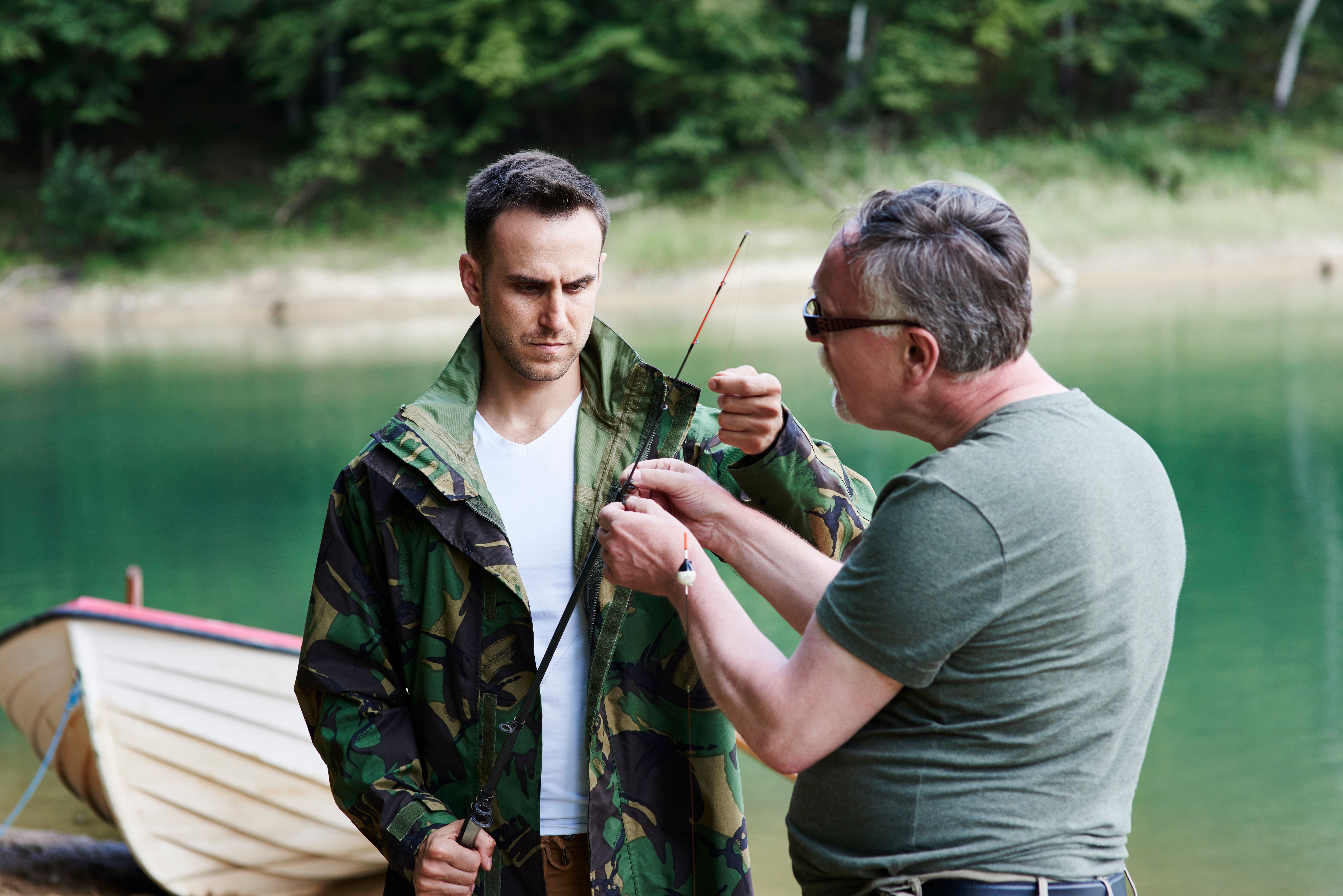


Hiring a fishing guide often feels expensive at first glance. Daily rates stand out clearly, while fishing on your own seems cheaper because there is no single bill staring back at you. The problem is that DIY fishing spreads its costs across gear purchases, fuel, travel, time spent scouting, learning curves, and days spent fishing empty water. Those expenses feel smaller because they show up slowly and separately. Over time, they add up to far more than most anglers expect. Missed fish, wasted vacation days, and constant trial and error quietly increase the real cost of every trip. This blog breaks down why fishing without a guide often costs more than it appears and shows how hiring a guide turns scattered expenses into a focused experience that saves time, reduces risk, and delivers better results.
Why Fishing Without a Guide Feels Cheaper Than It Really Is
At first glance, skipping a guide feels like a smart way to save money. Guide fees are visible, fixed, and easy to compare. DIY fishing expenses are not. They spread across months or years through gear purchases, fuel, travel, time spent learning, and days that produce few or no fish. Because these costs are never billed in a single invoice, anglers underestimate how much they actually spend. What looks like savings is often just delayed spending. When you add everything together, the total cost of fishing without a guide is usually much higher than the visible price of hiring one. Below are the main reasons fishing without a guide ends up costing more than it appears.
Equipment Ownership Is the First Major Hidden Cost
Fishing on your own quietly pushes you toward owning more equipment than you planned. Each new trip, technique, or location introduces another purchase. Over time, ownership becomes the biggest expense, not the fishing itself. Here are the main equipment costs anglers absorb without realizing it:
Boat and Tow Vehicle Costs: Purchasing boats and trucks requires major upfront investment, plus ongoing costs that continue long after the excitement of ownership fades.
Storage, Insurance, and Depreciation: Boats lose value yearly, while storage fees, insurance premiums, and registration costs continue whether you fish often or not.
Gear and Electronics Upgrades: Rods, reels, sonar, GPS units, batteries, and tackle upgrades slowly accumulate into thousands spent chasing better performance.
Time Inefficiency Turns Short Trips Into Expensive Ones
Time is one of the most expensive parts of any fishing trip, especially when it is limited. Without guidance, much of that time disappears into preparation, experimentation, and cleanup instead of fishing. Here are the main time-related costs anglers rarely factor in:
Scouting and Patterning Time: Finding productive water requires constant scouting because fish behavior changes daily, making past success unreliable and difficult to repeat.
Long Learning Curves: Mastering techniques like fly fishing or light tackle often takes seasons through trial and error instead of focused, real-time instruction.
Post-Trip Labor: Cleaning boats, maintaining gear, and processing fish can add hours after every trip, extending effort well beyond time spent fishing.
Travel, Fuel, and Logistics Quietly Multiply Costs
Travel costs grow quickly when you fish independently, especially when hauling equipment long distances. What seems like a simple drive becomes a major expense once logistics are included. These are the most common travel-related cost multipliers:
Towing and Fuel Consumption: Towing a boat drastically increases fuel usage while accelerating wear on vehicles, tires, brakes, and drivetrain components.
Wasted Travel Days: Guessing locations often turns fishing trips into scouting trips, burning vacation time and fuel before reaching productive water.
Regulation, Permits, and Safety Create Financial Risk
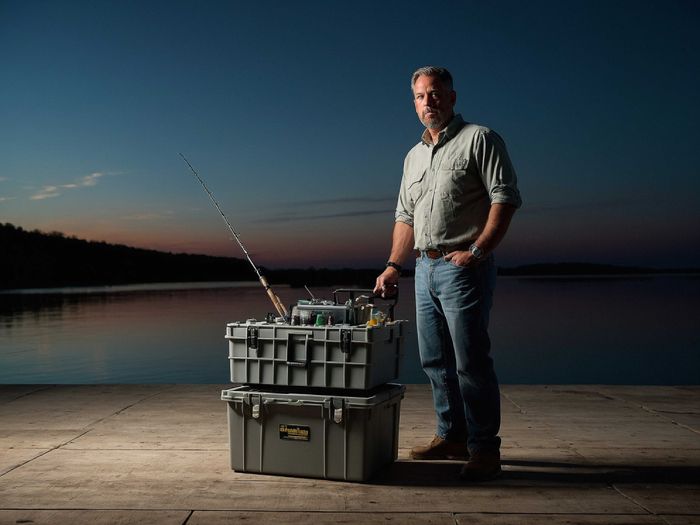
Fishing without local knowledge also exposes anglers to legal and safety risks that carry real financial consequences.
Local Fishing Rules Are Complex and Easy to Miss
Regulations change by region, season, and species, and misunderstanding them can quickly turn a trip into an expensive mistake. Here are the most common regulatory risks anglers face:
Size and Slot Limits: Regulations vary by species and location, and keeping undersized or oversized fish can result in fines and confiscation.
Seasonal Closures: Fishing during closed seasons or restricted periods often happens unintentionally and leads to penalties that outweigh any savings.
Area-Specific Restrictions: Certain zones prohibit specific gear or techniques, and missing these details can quickly turn a legal trip into a violation.
Safety Mistakes Can Be Expensive
Safety errors rarely feel serious until something goes wrong. When they do, the financial impact escalates quickly. Here are the most common safety-related costs:
Weather Misjudgment: Sudden storms or changing conditions can damage boats, force emergency returns, and create unexpected repair or medical costs.
Navigation Errors: Running aground or getting lost in unfamiliar waters risks hull damage, rescue fees, and lost fishing time.
Lack of Emergency Preparedness: Missing safety equipment increases risk during breakdowns, injuries, or rough conditions, leading to higher recovery expenses.
Inexperience Under Pressure: Poor decision-making during emergencies often escalates minor issues into costly and dangerous situations.
Missed Fish Are the Cost Most Anglers Never Calculate
The most frustrating cost of fishing without a guide is not measured in dollars. It shows up in hours spent fishing empty water, casting into areas where fish are no longer active, or repeating spots that worked once but no longer hold fish. These moments drain confidence and excitement, especially when time on the water is limited, and expectations are high.
Missed opportunities add up quickly when anglers target the wrong species or fish during peak conditions without the right local insight. Prime tides, seasonal patterns, and feeding windows can pass unnoticed, turning what should have been productive days into lost chances. Unlike gear or fuel, these missed fish can never be recovered, making them the most expensive part of any trip.
How Hiring a Guide Solves These Hidden Costs
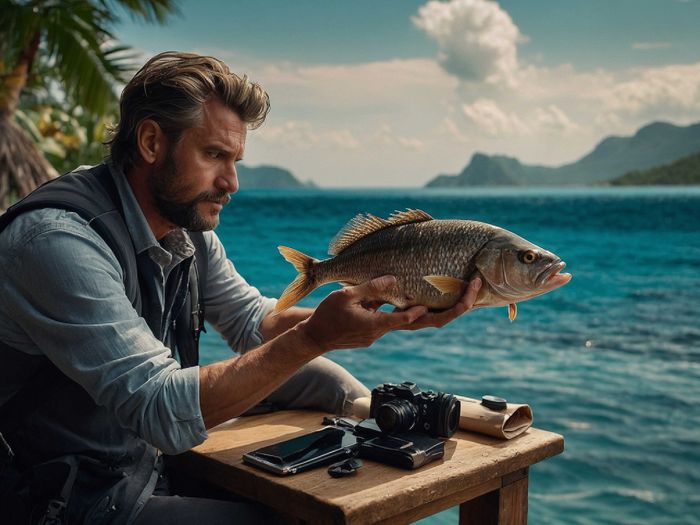
Hiring a guide shifts fishing expenses from scattered, unpredictable spending into one focused experience. Instead of paying separately for gear, fuel, trial and error, and wasted days, everything is consolidated into a single trip built around efficiency and results. Guides operate with clear plans, local knowledge, and safety systems that reduce risk while improving outcomes. The value comes from what you avoid as much as what you gain. Below are the key ways hiring a guide solves the hidden costs of fishing on your own.
Guides Replace Ownership With Access
Hiring a guide removes the pressure to own expensive equipment just to fish effectively. You step onto a professional boat designed for the specific water and species, without worrying about storage, insurance, or depreciation. This access allows anglers to fish high-quality setups without long-term financial commitment.
Guides also provide well-maintained rods, reels, electronics, and tackle matched to current conditions. There is no maintenance, repair, or replacement responsibility on your end. You simply fish, learn, and leave without carrying ownership costs home.
Guides Compress Years of Learning Into One Trip
Learning on your own often means repeating the same mistakes year after year. A guided trip shortens that curve by turning live conditions into real instruction. These are the learning advantages anglers gain in a single day:
Real-Time Technique Correction: Guides adjust casting, retrieve speed, and presentation immediately, helping anglers fix mistakes before they become habits.
Understanding Fish Behavior: Local insight explains why fish move, feed, or shut down, replacing guesswork with clear decision-making.
Condition-Based Adaptation: Guides teach how to adjust tactics based on tides, weather, pressure, and seasonal changes in real time.
Transferable Skills: Lessons learned on guided trips improve future DIY outings by sharpening judgment and reducing unnecessary experimentation.
Smarter Gear Decisions: Firsthand experience prevents wasted purchases by showing which gear actually performs in specific fishing situations.
Guides Maximize Fishing Time and Results
Guided trips are built around efficiency. Time is not spent searching, guessing, or correcting course after mistakes. Every decision is made to keep anglers around active fish. Here are the ways guides maximize time and results on the water:
Pre-Scouted Locations: Guides arrive with current knowledge of productive water, eliminating scouting runs and unproductive stops.
Species-Specific Targeting: Trips are tailored to specific species and conditions, improving hookup rates and reducing wasted effort.
On-the-Water Adjustments: Guides change locations, techniques, and presentations instantly as conditions shift, keeping the trip productive.
Focused Fishing Windows: Prime feeding periods are used efficiently, ensuring peak conditions are not missed due to poor timing.
Why Guides Often Save Money Even for Experienced Anglers
Experience on the water does not eliminate uncertainty, especially when fishing new fisheries. Even highly skilled anglers encounter blind spots when tides, structure, forage, and seasonal patterns differ from what they know. New water resets the learning curve for everyone, regardless of skill level or past success.
Local knowledge consistently outperforms general experience. Guides spend their time tracking daily fish movement, pressure changes, and subtle pattern shifts that are impossible to see from occasional visits. That insight allows experienced anglers to skip weeks of trial and error and start fishing productive water immediately.
Many skilled anglers use guides strategically rather than permanently. Hiring a guide to learn a new fishery or target an unfamiliar species shortens adjustment time and prevents wasted trips. The result is faster pattern recognition, smarter future decisions, and fewer costly outings spent figuring things out alone.
When Hiring a Guide Is the Most Cost-Effective Choice
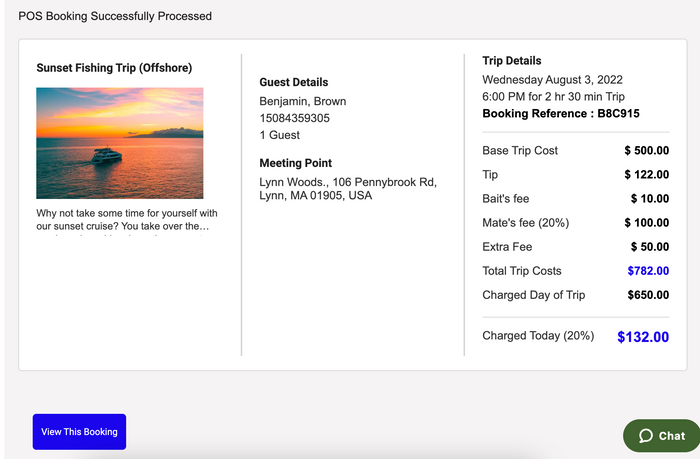
Hiring a guide is not always about fishing more often. It is about fishing smarter when time, money, and opportunity matter most. Certain situations make DIY fishing especially inefficient and expensive, even for capable anglers using unfamiliar fishing techniques. In these moments, guided trips deliver the highest return by removing guesswork and maximizing results. Here are the scenarios where hiring a guide becomes the most cost-effective choice:
Limited Vacation Time: When days off are scarce, guides apply proven fishing techniques to keep anglers productive instead of spending valuable time experimenting.
New Fishery or Species: Different waters demand different fishing techniques, and guides shorten the learning curve by matching methods to local conditions.
Skill Transitions: Adopting new fishing techniques becomes faster with real-time instruction, reducing frustration and wasted trips caused by trial and error.
Traveling Anglers: When travel costs are high, guides protect the investment by applying effective fishing techniques immediately, not after days of adjustment.
Conclusion
Fishing without a guide feels cheaper because the real costs show up slowly through gear purchases, wasted time, fuel, missed fish, and repeated trial and error. None of those expenses arrives as a single bill, which makes them easy to overlook. Guided trips bring those scattered costs together into one focused experience built around results, safety, and learning. You spend less time guessing and more time fishing with purpose. When outcomes matter and time on the water is limited, hiring a guide is not an added luxury. It is a practical decision that protects your investment and improves every future trip. Explore licensed guides and plan smarter trips with Guidesly.
FAQs
1. Is hiring a fishing guide worth it for beginners?
Yes, guided trips include instruction, equipment, and access that beginners lack, helping new anglers learn faster while avoiding the frustration common during early independent fishing attempts.
2. Are fishing guides suitable for family trips?
Family-friendly guides tailor trips to experience levels, prioritize safety, and keep children engaged, making shared fishing days more enjoyable without stress from logistics or decision-making.
3. Do fishing guides handle licenses and paperwork?
Most guides help ensure required licenses and paperwork are handled correctly, reducing confusion for visitors and minimizing the chance of accidental violations in unfamiliar regions.
4. Can guides help anglers choose the right fishing techniques?
Yes, guides recommend fishing techniques matched to conditions, species, and skill level, giving anglers confidence to apply those methods successfully on future trips independently later.
5. Are guided trips useful for solo anglers?
Solo anglers benefit from guided trips by gaining local insight, efficient planning, and safer conditions, especially when fishing unfamiliar waters without partners or local backup.
6. How far in advance should anglers book a guide?
Booking early improves availability during peak seasons, allows better trip planning, and helps anglers secure guides specialized in desired species or locations without last-minute compromises.
7. Do fishing guides promote catch-and-release practices?
Many guides emphasize ethical handling, conservation practices, and proper release techniques, supporting sustainable fisheries while educating anglers on responsible fishing behavior for long-term ecosystem health.
8. Is guided fishing a good option for short trips?
Guided fishing works well for short trips by eliminating setup time, maximizing productive hours, and delivering a complete experience within tight schedules and limited availability windows.
9. Do fishing guides operate year-round?
Many guides operate year-round by adjusting target species, locations, and methods to seasonal patterns, ensuring productive trips across changing conditions through varying climates and regions.
10. Should anglers tip fishing guides after a trip?
Tipping fishing guides is customary but optional, typically ten to twenty percent, based on effort, service quality, and overall experience rather than fish counts alone.