Why Guided Fishing Delivers Predictable Results
Learn how fishing guides use data, local knowledge, and proven systems to reduce guesswork and deliver consistent, successful fishing trips.


Guided fishing delivers predictable results by replacing chance with structure, preparation, and experience. Instead of relying on guesswork, guided fishing yields predictable results by reading conditions, understanding fish behavior, and making informed decisions on the water. When comparing fishing guides vs solo fishing, the difference is consistency. Professional guides reduce wasted time by choosing the right locations, timing trips around active feeding windows, and adjusting techniques in real time. The professional fishing guide's benefits go beyond catching fish. They include safer navigation, better equipment choices, and faster learning. A higher guided fishing success rate comes from deep fishing guide expertise, built through years of experience on the same waters. Modern trips also rely on data-driven fishing trips, using weather patterns, water temperature, and local trends to stay ahead. The result is a focused, repeatable approach that delivers steady outcomes instead of random wins.
Predictable Fishing Results Come From Systems, Not Luck
Many anglers believe fishing success depends on being in the right place at the right time. When fishing alone, decisions often rely on instinct, past memories, or surface-level observations. Without reliable insight, much of the trip becomes guesswork, leading to inconsistent outcomes.
Professional guides follow repeatable systems instead of relying on chance. They plan around seasonal patterns, weather changes, water movement, and known fish behavior. Locations, techniques, and timing are chosen using proven frameworks that reduce wasted effort and unproductive water.
This is the difference between catching fish sometimes and catching them consistently. Luck may deliver an occasional win, but systems create reliable results. Guided fishing replaces uncertainty with structure, producing steady outcomes trip after trip.
Biological and Environmental Synchronization Drives Consistency
Consistent fishing results come from working with nature, not against it. Professional guides align each trip with natural patterns that influence fish movement, feeding behavior, and location. By reading tides, temperature shifts, and weather changes, guides time their decisions to match predictable biological responses, reducing randomness and improving results.
Tidal Windows and Predictable Feeding Behavior
Tides create reliable feeding opportunities by concentrating bait and triggering movement.
Core patterns:
Moving tides push baitfish into channels and structure
Ebb tides create funnel effects that concentrate feeding zones
Flood tides spread bait along shorelines and flats
Fish time feeding activity around tidal movement changes
Internal biological rhythms keep fish synced to tide cycles
These predictable reactions allow guides to plan location and timing with precision.
Thermal Targeting Using Real-Time Water Temperature
Water temperature plays a major role in where fish hold and feed. Guides monitor Sea Surface Temperature zones to identify active feeding lanes where bait and predators overlap. Even small temperature changes can shift fish positioning.
Temperature bands narrow productive water by eliminating areas where fish are less likely to feed. Modern guides rely on live environmental data to adjust locations throughout the day, staying aligned with changing conditions instead of guessing.
Why Temperature Stability Matters More Than Spot Location
Stable temperature zones create holding areas where fish remain active longer. Fish often settle into consistent patterns rather than roaming randomly. By focusing on temperature stability, guides quickly rule out unproductive water and concentrate effort where fish are most likely to stay and feed.
Barometric Pressure and Wind-Based Adjustments
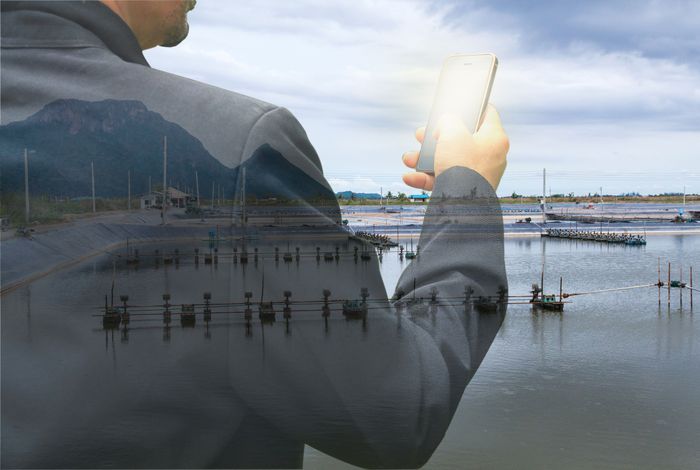
Guides constantly track weather changes because fish respond to pressure and wind before conditions feel different on the water. Small shifts can change feeding behavior quickly, making early adjustments critical.
Pressure Changes and Feeding Windows:
Falling pressure often triggers short, aggressive feeding periods
Rising pressure can slow activity and push fish tighter to cover
Stable pressure usually produces predictable, steady behavior
Wind Direction and Current Flow:
Wind reshapes current lines and bait movement
Onshore wind pushes bait toward structure and shorelines
Offshore wind can pull fish deeper or reposition them along drop-offs
Moving Before the Bite Declines:
Guides relocate before activity drops
Adjustments are based on trend direction, not reaction
Staying ahead of change keeps results consistent throughout the trip
Guided Fishing Eliminates the Trial-and-Error Phase
Guided fishing removes years of frustration by replacing experimentation with proven decision-making. Instead of learning through failed trips, anglers gain immediate access to refined techniques, accurate timing, and situational awareness that normally takes seasons to develop.
Direct Access to Active Water
One of the biggest advantages of guided fishing is skipping the scouting phase entirely. Solo anglers often spend hours searching unproductive water, while guides arrive already knowing where activity is most likely based on current conditions.
Guides select locations using same-day factors like tide movement, weather shifts, bait presence, and recent fish behavior. This is the difference between fishing random spots and targeting established honey holes that consistently produce when conditions align.
Equipment Optimization for Specific Conditions
The right gear can determine whether fish strike or ignore a presentation. Guides adjust equipment daily based on water conditions and target species, removing costly guesswork.
Here are the key optimizations they apply:
Rod sensitivity matching lure weight: Proper rod sensitivity ensures anglers feel subtle strikes and maintain control during retrieves. Guides balance lure weight with rod action to maximize feedback without sacrificing accuracy or hook-setting power.
Line selection based on water clarity: Clear water requires a thinner, less visible line to avoid spooking fish, while stained water allows stronger options. Guides adjust line choice to maintain stealth and control under changing visibility.
Lure color for visibility and reaction strikes: Color selection depends on light, depth, and water clarity. Guides choose colors that stand out just enough to trigger reaction strikes without appearing unnatural to pressured fish.
Real-Time Coaching That Increases Hook-Up Rates
Even small mistakes in fishing techniques reduce success. Guides provide immediate corrections during the cast, retrieve, and hook-set, helping anglers adjust before missed opportunities add up.
These are the most common coaching points:
Casting accuracy corrections: Guides refine casting angles, distance, and placement to land presentations in strike zones. Small adjustments often lead to cleaner entries and more natural lure movement.
Retrieve speed adjustments: Retrieve speed controls lure behavior and strike timing. Guides fine-tune speed based on fish response, helping anglers stay in the feeding window without overpowering the presentation.
Timing errors that cause missed strikes: Many fish strike briefly. Guides correct delayed hook-sets and premature pulls, teaching anglers to react at the right moment for solid hookups.
Species That Require Precision Retrieval
Some fish respond only when the retrieve speed, timing, and movement are exact. Small errors often stop strikes entirely. These are the species that demand precision.
Snook
Muskie
The Hidden Advantage of Guide Communication
One of the most overlooked reasons guided fishing delivers consistent results is communication. Guides do not operate in isolation. They stay connected, sharing updates and observations that help everyone adapt faster to changing conditions. This collective awareness creates a broader, more accurate picture of what is happening on the water at any given moment.
How Guides Share Real-Time Bite Information
Guides constantly exchange updates to stay aligned with the same-day fish movement. This communication allows quick adjustments before conditions shift. Here are the most common information points they share:
Active bite locations: Guides relay where fish are actively feeding, helping others avoid dead water and focus effort on productive zones immediately.
Timing of feeding windows: Short bite windows are communicated quickly, so trips can be timed around peak activity instead of arriving too early or too late.
Species-specific movement: Updates include which species are active and how they are moving based on tides, pressure, or temperature shifts.
Technique effectiveness: Guides share which lures, retrieves, or depths are producing strikes under current conditions.
Environmental changes: Sudden wind shifts, water clarity changes, or pressure drops are flagged early to help others adjust plans.
Crowding and pressure updates: Information about boat traffic helps guides reposition to reduce pressure and maintain bite quality.
Local Knowledge You Will Not Find Online
Some advantages come only from time spent on the same water, season after season.
Local insights:
Temporary structure changes after storms
Seasonal bait movement patterns
Pressure-sensitive fish reactions
Micro-depth changes near channels
Shoreline changes affecting access
This shared, experience-driven knowledge keeps guided trips efficient and consistently productive.
Predictability Also Means Risk Reduction
Predictable fishing results are not only about catching fish. Guided trips also reduce risk by prioritizing safety, legal compliance, and long-term fishery health. Professional guides manage environmental hazards, follow regulations closely, and make responsible decisions that protect anglers, equipment, and ecosystems while keeping trips smooth and stress-free.
Navigation Safety in Changing Conditions
Water conditions change quickly, and many risks are not visible from the surface. Guides understand how tides, weather, and water levels expose or hide hazards that can damage boats or cause accidents.
They avoid submerged rocks, shifting sandbars, and shallow flats by adjusting routes in real time. Tide-dependent access points are managed carefully, ensuring safe entry and exit without grounding or stranding.
Legal Compliance and Fishery Protection
Guides reduce legal risk by managing regulations and promoting responsible fishing practices.
Regulation Awareness and Compliance:
Seasonal open and closed periods
Species-specific possession rules
Daily bag limits by location
Minimum and maximum size requirements
Local rule changes anglers often miss
Sustainable Fishing Practices
Proper handling to reduce release stress
Avoiding overharvest in pressured areas
Selective targeting during peak seasons
Respecting protected species zones
Supporting long-term fishery health
Why Guided Fishing Outperforms Solo Fishing Over Time
Fishing on your own often means spending years learning through trial and error. Time is lost scouting water, testing techniques, and adjusting after mistakes. Repeated failed trips add hidden costs in fuel, gear, and missed opportunities. Guided fishing shortens the learning curve by replacing guesswork with proven decisions and focused time on productive water.
With guidance, anglers progress faster because each trip builds skill intentionally. Beginners learn fundamentals correctly from the start. Intermediate anglers refine casting, retrieves, and positioning. Advanced anglers focus on targeting specific fish species instead of relearning basics. Every trip adds usable experience instead of confusion.
Consistency is the real advantage over time. Guided fishing produces steady results across skill levels, conditions, and seasons. Rather than occasional success, anglers gain confidence, efficiency, and repeatable outcomes that solo fishing rarely delivers.
Who Benefits Most From Guided Fishing Predictability
Guided fishing predictability matters most when time, experience, or expectations are specific. Different anglers face different challenges, and guided trips adapt to those needs. Whether someone is new to fishing, traveling to unfamiliar waters, or targeting a specific species, predictability removes uncertainty and improves outcomes.
First-Time Anglers
New anglers benefit most from structure, clarity, and early success. Guided trips remove confusion and speed up learning. These are the key advantages for beginners:
Confidence building: Guided instruction builds confidence quickly by explaining basics clearly, correcting mistakes instantly, and reinforcing successful habits from the first casts.
Reduced frustration: Professional guidance reduces frustration by preventing repeated errors, choosing productive water early, and maintaining steady progress throughout the entire trip.
Clear learning focus: Beginners avoid overwhelm because guides manage gear, timing, and locations, allowing focus on learning skills instead of solving logistics alone.
Early success motivation: Clear structure helps new anglers enjoy early success, creating motivation to continue fishing rather than quitting after discouraging early experiences.
Traveling Anglers
Fishing while traveling leaves little room for trial and error. Guided trips maximize limited time. These are the main benefits for visiting anglers.
No local scouting time: Guides eliminate scouting time by using current local knowledge, ensuring visiting anglers fish productive water immediately upon arrival without delay.
Efficient trip planning: Travel schedules stay efficient because guides plan trips around conditions, not guesswork, maximizing results within limited vacation window timeframes today.
Regulation clarity: Visitors avoid costly mistakes by relying on guides for permits, regulations, and local rules that often differ by region.
Immediate productivity: Guided trips deliver immediate productivity, turning unfamiliar destinations into successful fishing days instead of exploratory learning sessions for visiting anglers.
Species-Specific Targeting
Targeting a new or difficult species requires precision and understanding. Guided trips remove uncertainty. These are the advantages for species-focused anglers.
First-time trophy species: Guides help anglers target first-time trophy species by matching techniques, locations, and timing to specific behavioral patterns consistently successfully.
Faster skill adaptation: Species-focused guidance shortens learning curves by explaining habitat preferences, feeding triggers, and presentation details unique to each fish type.
New environment confidence: Anglers entering new environments gain confidence as guides translate unfamiliar conditions into clear, actionable decisions on the water everywhere today.
Focused effort: Targeted trips reduce wasted effort by focusing solely on species behavior, increasing success rates and satisfaction during specialized outings overall.
The Future of Predictable Fishing Trips
Predictable fishing trips will continue to improve as environmental data becomes more accessible. Real-time information on weather, tides, water temperature, and bait movement already helps guides plan trips with greater accuracy. Forecasting tools will further refine timing and location decisions, reducing wasted effort and increasing consistency.
However, technology alone will not replace experience. Human judgment remains critical for interpreting changing conditions, unexpected patterns, and fish behavior that data cannot fully explain. The future of guided fishing combines smarter tools with seasoned decision-making, ensuring predictability stays grounded in real-world expertise rather than automation alone.
Conclusion
Guided fishing succeeds because it replaces luck with systems, preparation, and informed decision-making. Instead of hoping for the right moment, anglers gain confidence knowing each choice is based on experience, conditions, and proven methods. This approach improves safety, reduces frustration, and delivers more consistent outcomes on the water. Over time, guided fishing becomes an investment in better results, faster learning, and more enjoyable trips rather than a one-time expense. For anglers who value reliability and progress, the difference is clear. Explore experienced guides, targeted species trips, and flexible fishing options through Guidesly to find a guided experience that matches your goals and fishing style.
FAQs
Is guided fishing worth the cost for occasional anglers?
Guided fishing offers value by reducing wasted trips, improving success rates, and maximizing limited time, making occasional outings more rewarding and efficient overall.Do fishing guides help with trip planning before the day starts?
Yes, guides assist with pre-trip planning by reviewing conditions, recommending schedules, and setting realistic expectations before anglers arrive on the water.Can guided fishing help improve casting technique faster?
Live instruction accelerates casting improvement through immediate feedback, correcting posture, timing, and accuracy mistakes that anglers often repeat when practicing alone.Are guided fishing trips suitable for children or families?
Guides adapt pace, techniques, and locations for families, creating safe, engaging experiences that keep children involved without overwhelming them during the trip.How do guides handle slow fishing days?
Guides adjust locations, techniques, and timing proactively, maintaining productivity even during slower conditions instead of waiting passively for activity to return.Does guided fishing reduce gear purchases for beginners?
Yes, guided trips reduce unnecessary gear purchases by allowing anglers to test equipment before investing, preventing costly mistakes and mismatched gear choices.Can guided fishing help anglers fish ethically and responsibly?
Guides model ethical fishing practices by teaching proper handling, selective harvesting, and conservation-focused decisions that protect fish populations and habitats.Do guided trips help anglers understand seasonal fish movement?
Guides explain seasonal transitions clearly, helping anglers understand why fish move, where they go, and how behavior changes throughout the year.Is guided fishing useful for anglers returning after long breaks?
Returning anglers benefit from refreshed techniques, updated regulations awareness, and current fishing patterns without needing to relearn everything independently.How does guided fishing improve overall trip enjoyment?
By removing uncertainty, stress, and guesswork, guided fishing allows anglers to relax, learn, and focus on the experience rather than constantly problem-solving.