Half Day Fishing Trip in Tampa Bay
Captain Dalton Baxter brings over two decades of local fishing knowledge to this top-rated half-day charter that gets you into Tampa Bay's best inshore fishing without eating up your whole day. At four hours on the water, you've got plenty of time to work the flats, hit the structure, and dial in your technique while still making it back for lunch. This trip runs perfect for families wanting to introduce kids to fishing, beginners looking to learn the ropes, or experienced anglers who want to pick up some local secrets from a captain who's been working these waters since before GPS was standard on every boat.
What to Expect on the Water
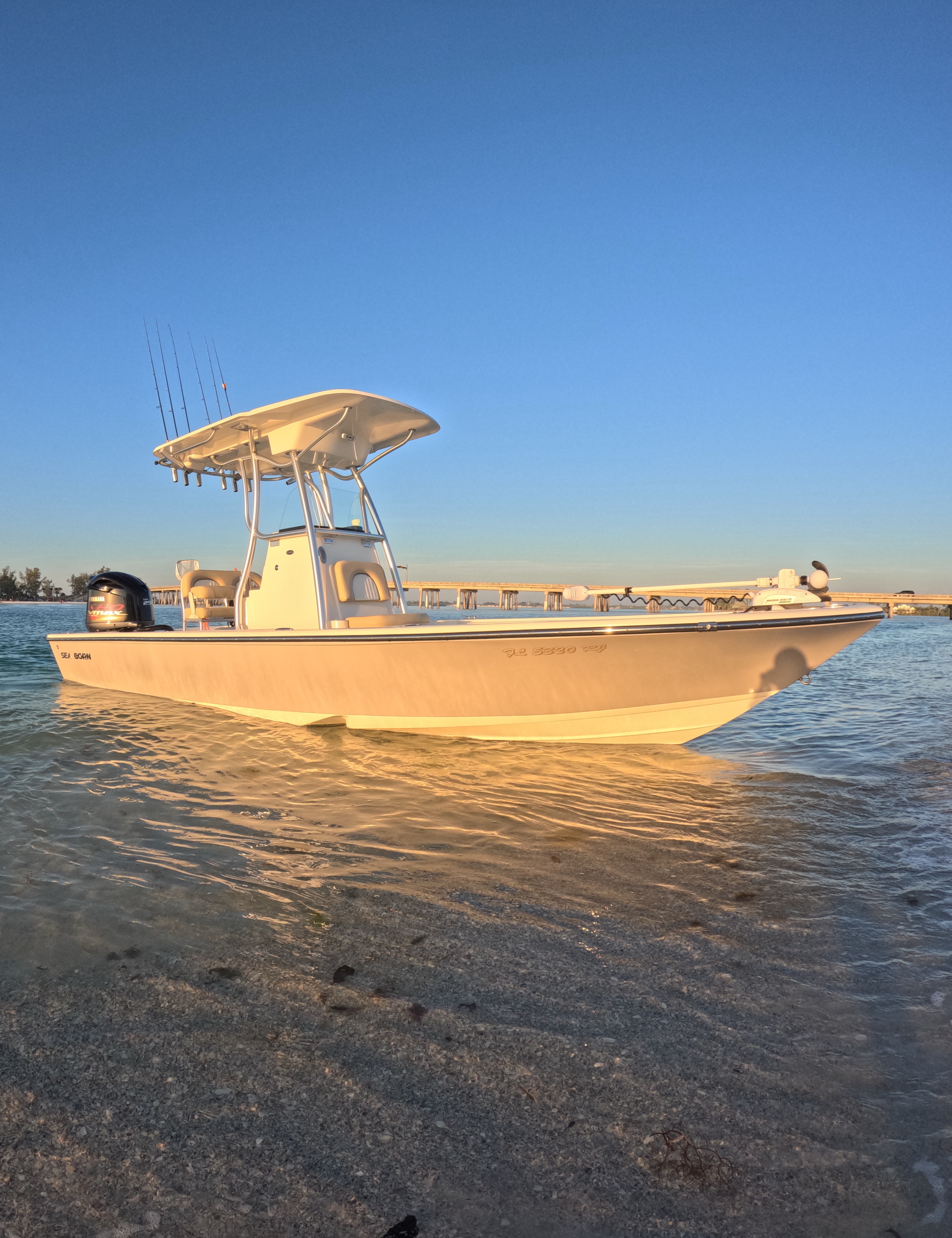
You'll be fishing from a 24-foot Seaborne FX 24 that's built for Florida's inshore game - stable enough for kids to move around safely, but nimble enough to slide into those skinny water spots where the big fish hide. The Yamaha 250 gets you there fast and quiet, which matters when you're trying to sneak up on spooky redfish in two feet of water. Captain Dalton launches from multiple ramps around Bradenton, Anna Maria Island, Holmes Beach, and Sarasota, so he picks the spot that puts you closest to where the fish are biting that day. The 7:30 AM start time isn't just for show - that's prime time when the water's calm, the fish are active, and you're beating the boat traffic that shows up later. Everything's included except your drinks and snacks, so you can focus on fishing instead of worrying about licenses or tackle.
Techniques & Tackle
This is classic Tampa Bay inshore fishing - live bait presentations, artificial lures, and reading the water like a book. You'll work with everything from live shrimp under popping corks to soft plastics on jig heads, depending on what's working and what species you're targeting. The beauty of inshore fishing here is the variety - one minute you're sight-casting to a tailing redfish in the grass, the next you're working a dock line for snook with a perfectly presented pilchard. Captain Dalton supplies all the rods, reels, and terminal tackle, but he's not just handing you a rod and pointing you toward the fish. This is hands-on instruction where you learn why certain baits work better in certain conditions, how to read the water for structure and current, and what those subtle bites feel like before they turn into bent rods. The boat's rigged with everything you need for a successful day, from a proper live well to keep bait frisky to electronics that help locate structure and baitfish.
Species You'll Want to Hook
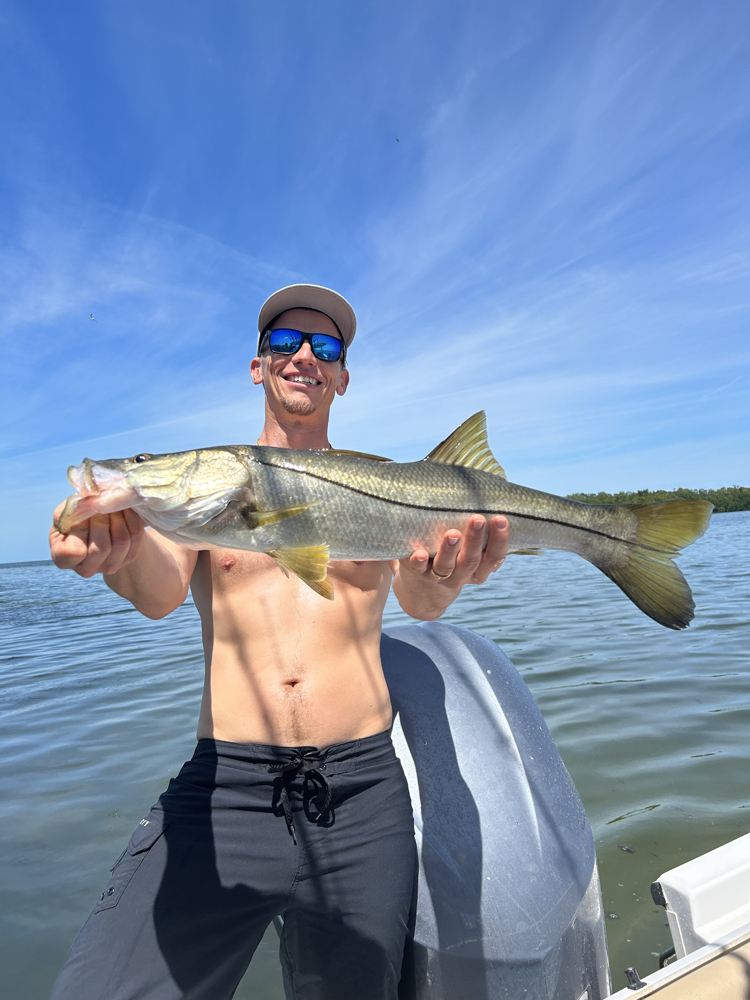
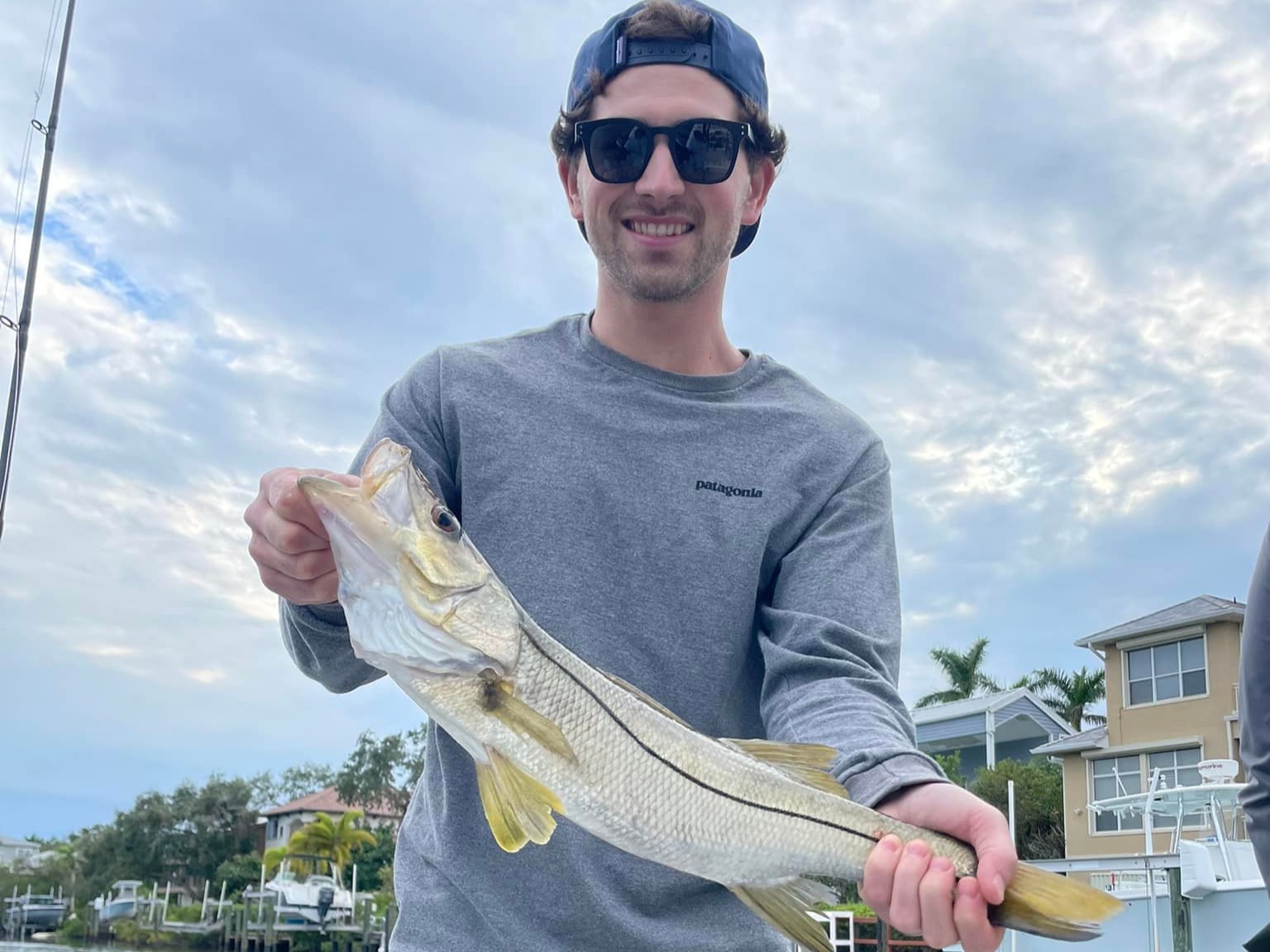
Snook are the marquee species that gets most anglers fired up about Tampa Bay fishing. These ambush predators love hanging around docks, bridges, and mangrove shorelines where they can dart out to nail unsuspecting baitfish. They're notorious for their gill-rattling jumps and last-second runs toward structure that'll test your drag and your nerves. Spring through fall offers the best action, with the bigger breeding-class fish showing up during the warmer months. What makes snook special isn't just their fight - it's that they're genuinely challenging to hook and even harder to land, making each one a real achievement.
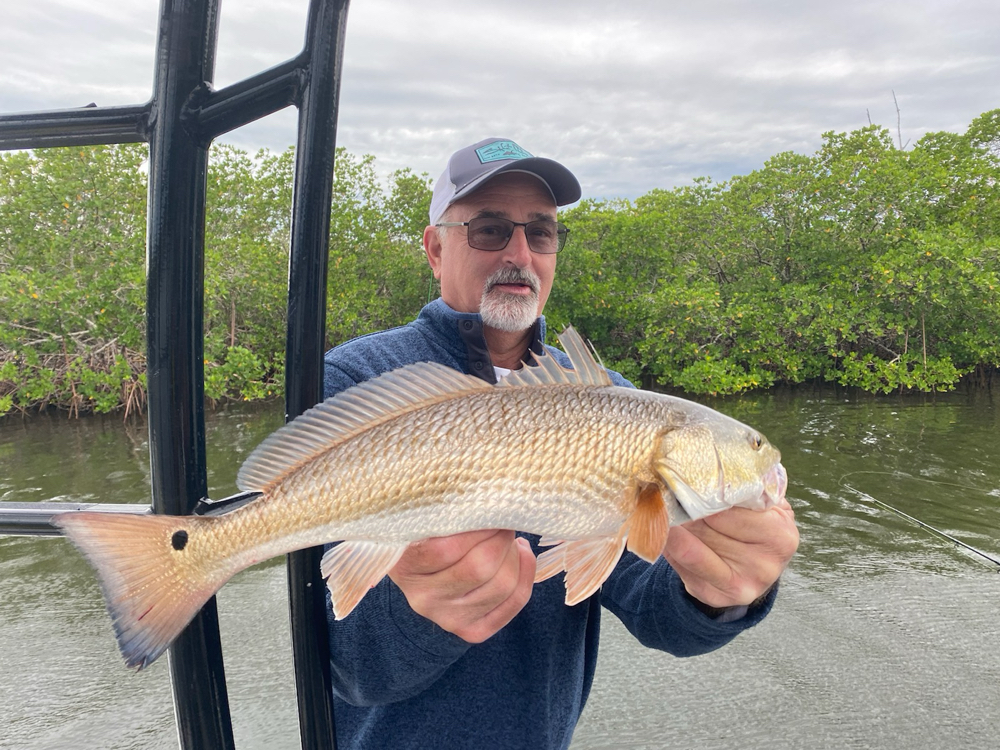
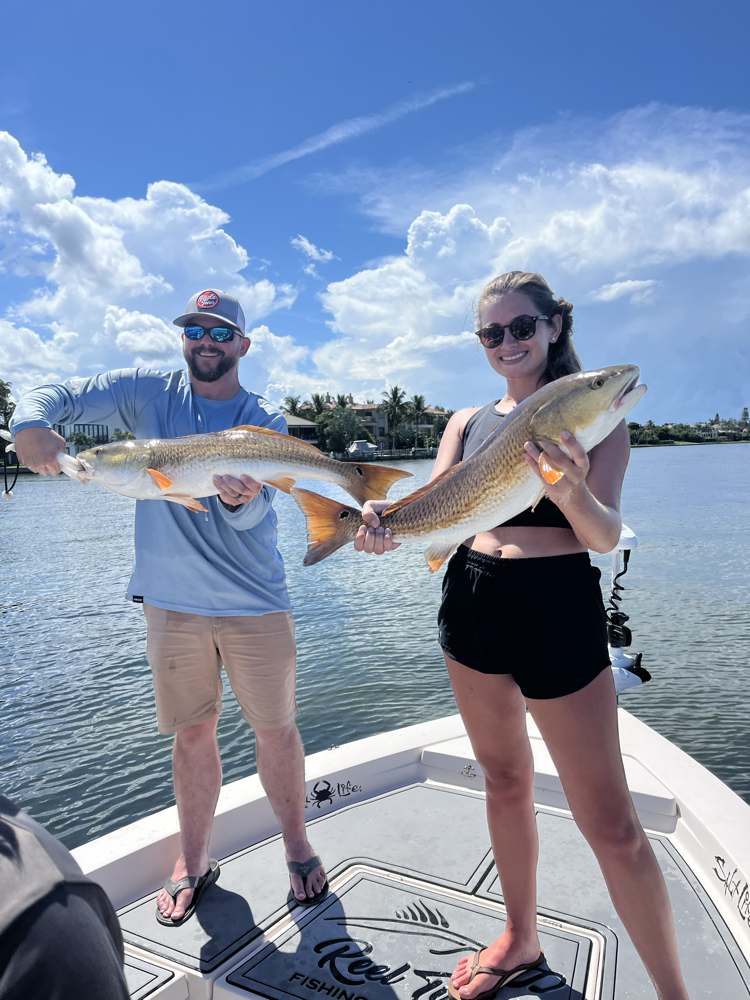
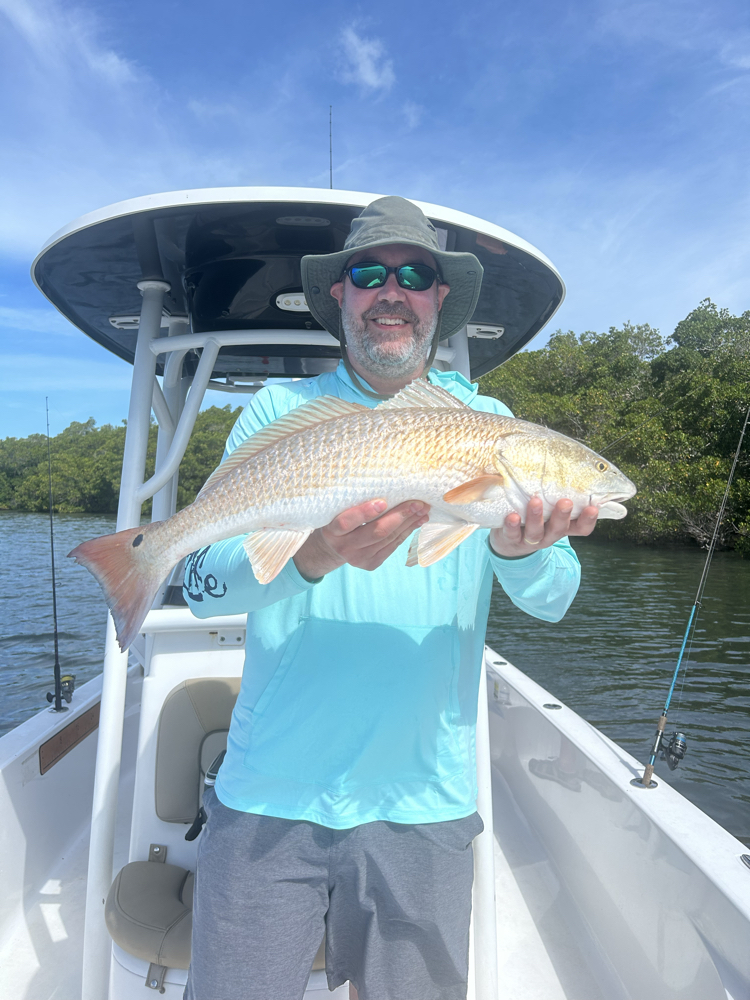
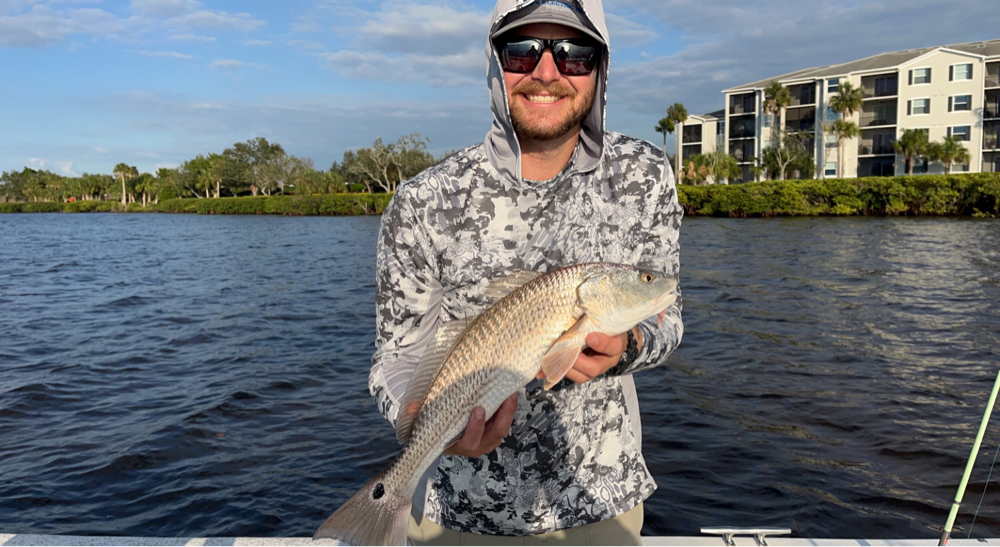
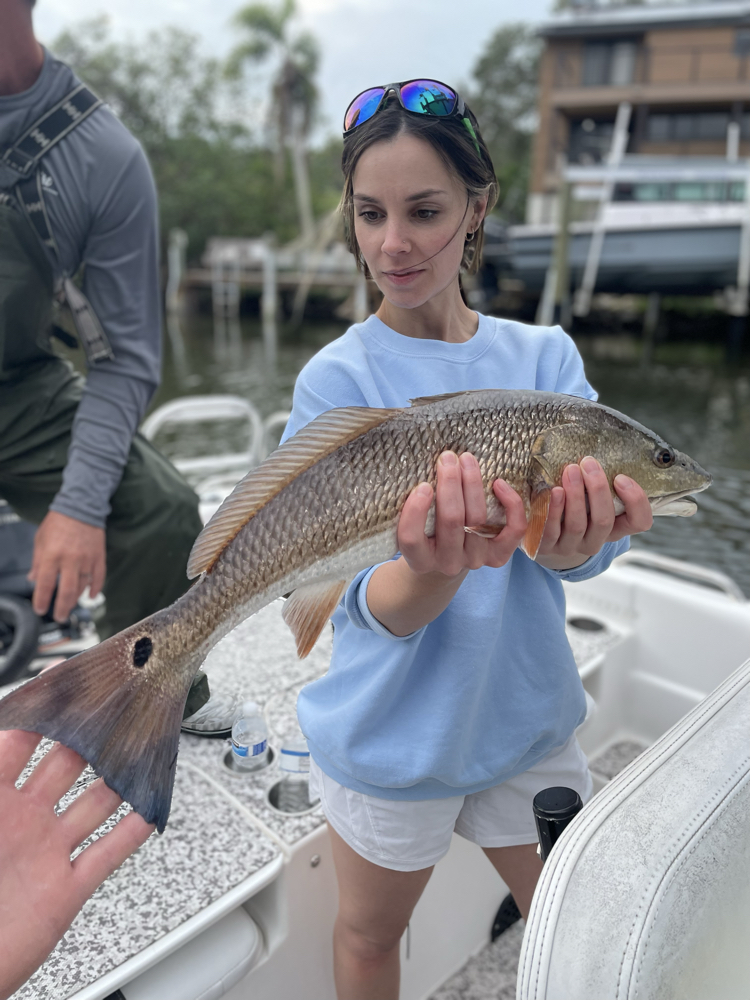
Redfish might be the most reliable game in Tampa Bay, and they're perfect for anglers of all skill levels. These copper-colored bruisers cruise the shallow flats and oyster bars in schools, often with their backs out of the water as they root around for crabs and shrimp. They eat just about anything you throw at them, from live bait to artificials, and they pull hard without the aerial acrobatics that can throw hooks. The slot-size fish (18-27 inches) are plentiful year-round, but fall brings the best numbers when they school up in massive groups that can turn a slow day into non-stop action.
Sea trout are Tampa Bay's bread-and-butter species - they're abundant, they bite consistently, and they're excellent table fare when handled properly. These spotted beauties live over grass flats and sandy areas where they feed on shrimp, pinfish, and glass minnows. They're perfect for beginners because they're aggressive feeders that don't require perfect presentations, but they're also fun for experienced anglers who appreciate their delicate mouths and the finesse required to land them consistently. The best trout fishing happens during cooler months when they school up in deeper holes and around structure.
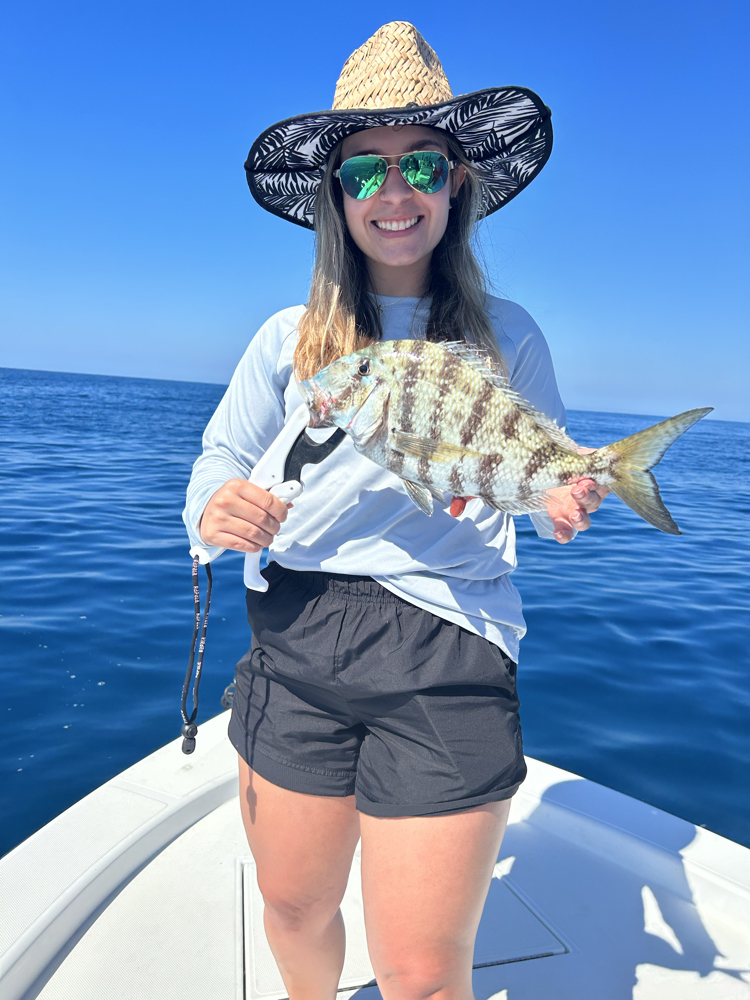
Sheepshead are the technical challenge that separates the serious anglers from the casual ones. These black-and-white striped fish have human-like teeth designed for crushing barnacles and crabs, which means they can steal your bait faster than you can blink. They hang around any structure with current - bridges, docks, rock piles - and require precise presentations with minimal weight and maximum sensitivity. When you finally hook one, you've earned it, and their excellent eating quality makes the effort worthwhile. Winter months bring the best sheepshead action when they move into deeper water around Tampa Bay's many bridges and structures.
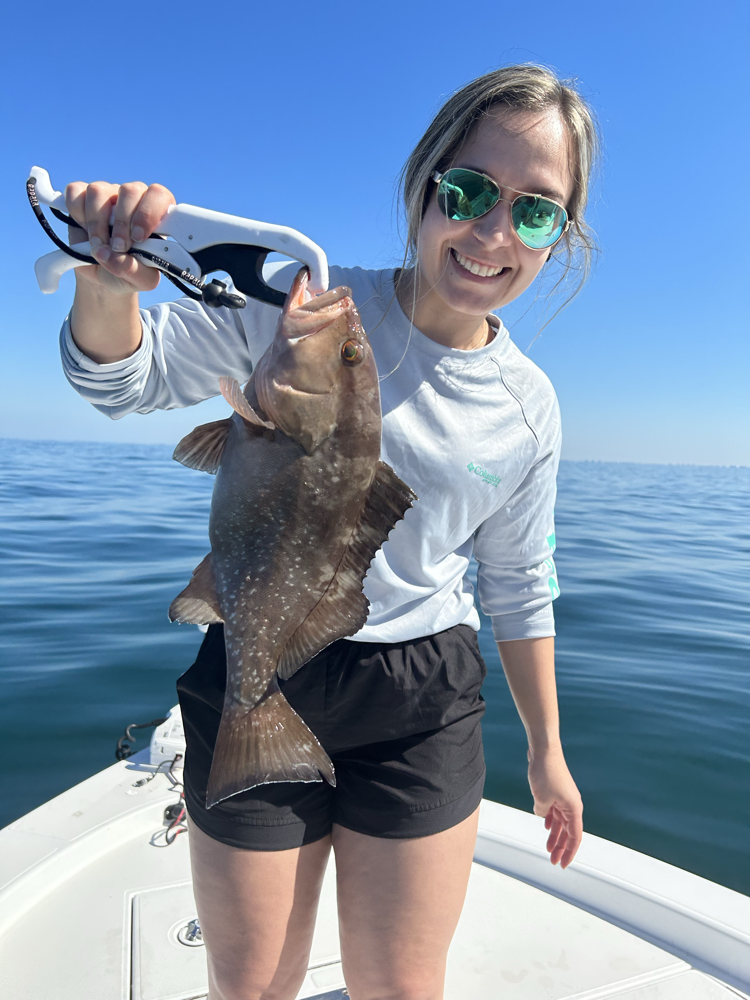
Cobia are the wild card species that can turn a routine trip into something special. These brown sharks lookalikes cruise the flats and around structure, often following rays and sharks looking for stirred-up prey. They're curious fish that will investigate the boat, giving you sight-fishing opportunities that are rare in inshore fishing. When a 30-pound cobia decides to eat your bait, you know you're in for a fight - they're powerful, stubborn fish that use their broad tails and heavy shoulders to test every component of your tackle. Spring migration brings the best cobia fishing to Tampa Bay, though resident fish provide action throughout the warmer months.
Time to Book Your Spot
This half-day trip hits the sweet spot for Tampa Bay fishing - long enough to really get into the fish and learn something, but short enough to leave time for other vacation
 Private Trip
 Inshore Fishing
 undefined, undefined


 Four
Four