Lake Erie Walleye and Perch Fishing Charter
There's nothing quite like the rush of feeling a Lake Erie walleye slam your line on a crisp morning, and Captain John Ware knows exactly where to find them. This beginner-friendly charter puts you right in the heart of some of the Great Lakes' most productive fishing waters, where walleye and yellow perch are practically waiting for you to drop a line. Whether you're bringing the family out for their first real fishing adventure or getting a group of friends together who've always talked about trying it, this 4-hour trip gives you everything you need to start building those fish stories you'll be telling for years. With all gear provided and a captain who's made it his mission to get beginners hooked on fishing, you'll spend your time learning, laughing, and landing fish instead of worrying about what to bring or whether you're doing it right.
What to Expect on the Water
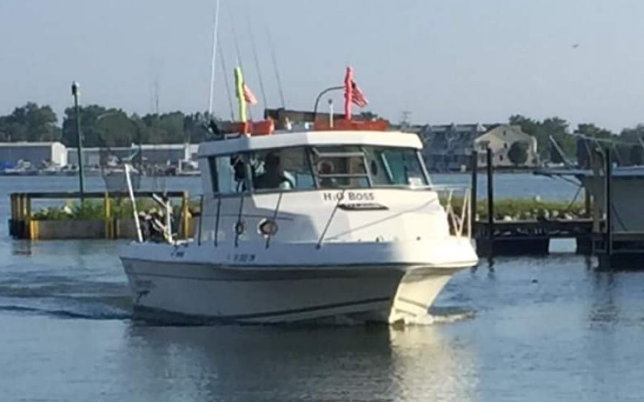
Captain John runs a tight ship that comfortably handles up to 6 anglers, making it perfect for that family outing or small group adventure you've been planning. You'll have your choice of morning or afternoon departure times, both hitting prime feeding windows when walleye and perch are most active. The boat is equipped with quality rods, reels, tackle, and all the essentials, so you can focus purely on the fishing experience rather than gear anxiety. Lake Erie's vast waters offer consistently good fishing, and John knows the productive spots where beginners can actually expect to catch fish, not just cast and hope. The pace is relaxed but purposeful – you'll learn proper techniques, understand how to read your rod tip, and get hands-on coaching that builds real confidence. Don't expect to just sit there holding a rod; this is interactive fishing where you'll understand what's happening below the surface and why certain techniques work better than others.
Techniques and Tackle
Lake Erie fishing is all about reading the water and adapting your approach to what the fish are telling you. Captain John typically starts with bottom bouncing rigs for walleye, using crawler harnesses or jigs tipped with minnows that get down where these fish spend most of their time. You'll learn how to feel the difference between your weight hitting bottom, a fish pickup, and just dragging through weeds – skills that translate to fishing anywhere. For perch, expect to work with lighter tackle and smaller presentations, often fishing in schools where one fish can lead to several more in quick succession. The captain provides everything from rods matched to the technique to a tackle box full of proven Lake Erie favorites, but he'll also explain why certain colors, sizes, and presentations work better on different days. Wind direction, water temperature, and time of day all factor into the game plan, and you'll get real education on how experienced anglers make these decisions. By the end of the trip, you'll understand not just how to catch these fish, but why the techniques work and how to apply them on future fishing adventures.
Target Species
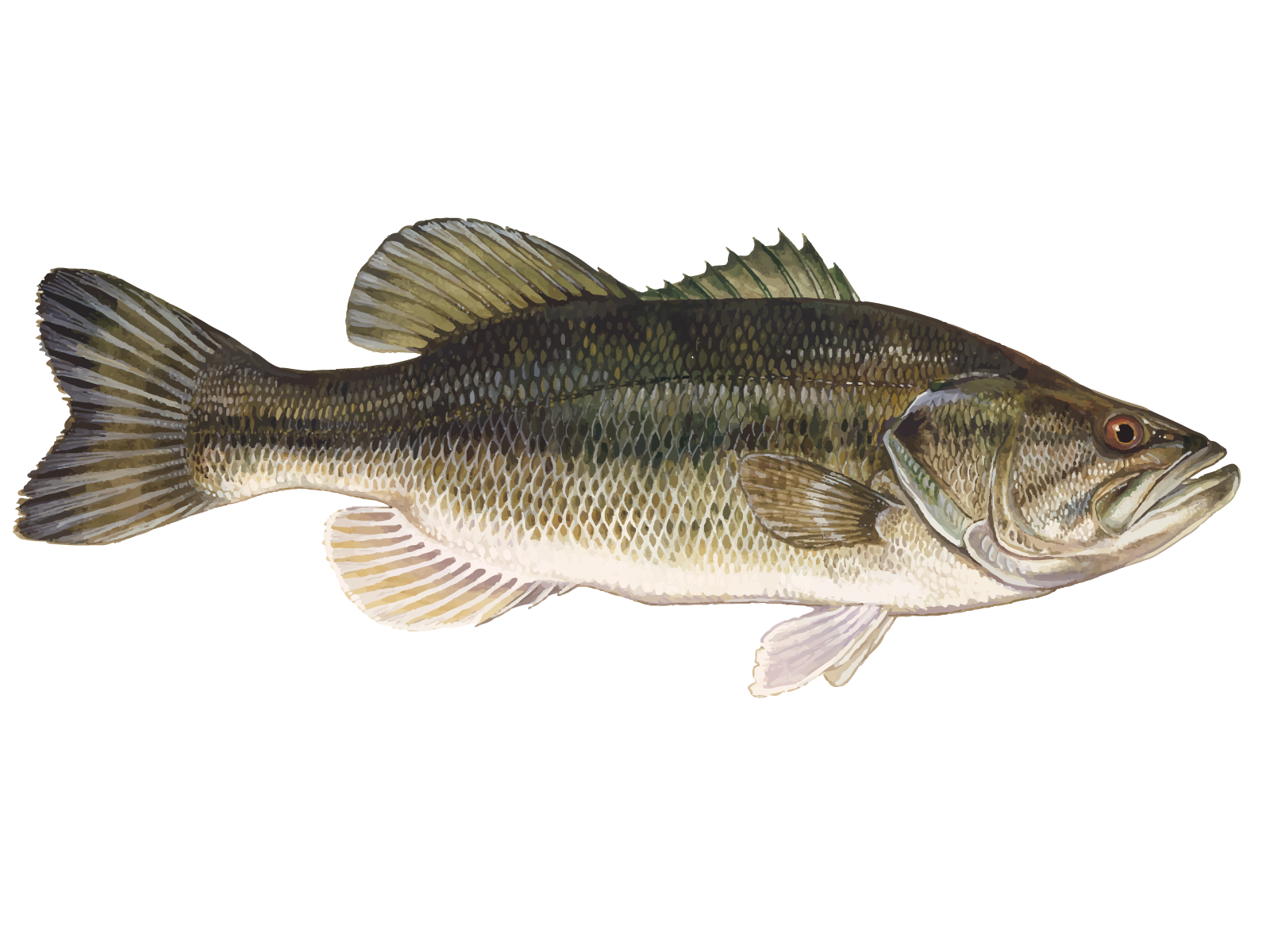
Largemouth Bass in Lake Erie are aggressive fighters that love structure and cover, making them exciting targets for beginners who want to feel a real battle on the end of their line. These bass typically run 2-4 pounds in the lake's productive waters, with occasional bigger fish that will test your drag and your nerves. They're most active during warmer months and can be found around rocky areas, weed lines, and drop-offs where they ambush prey. What makes largemouth so appealing to new anglers is their willingness to hit a variety of presentations and their memorable fights – when one grabs your lure, you'll know it immediately, and the surface explosions and runs make for great fish stories and even better photos.
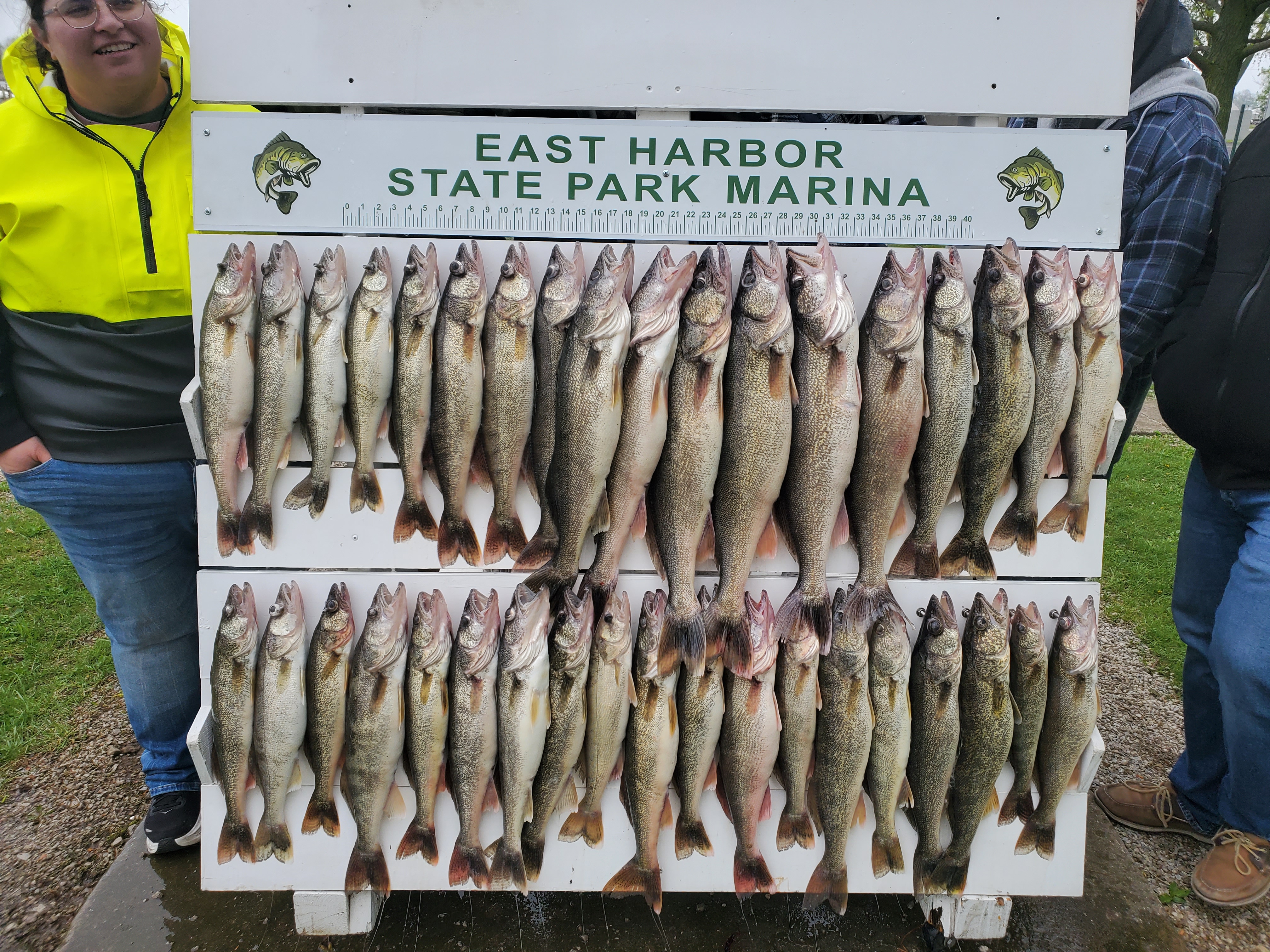
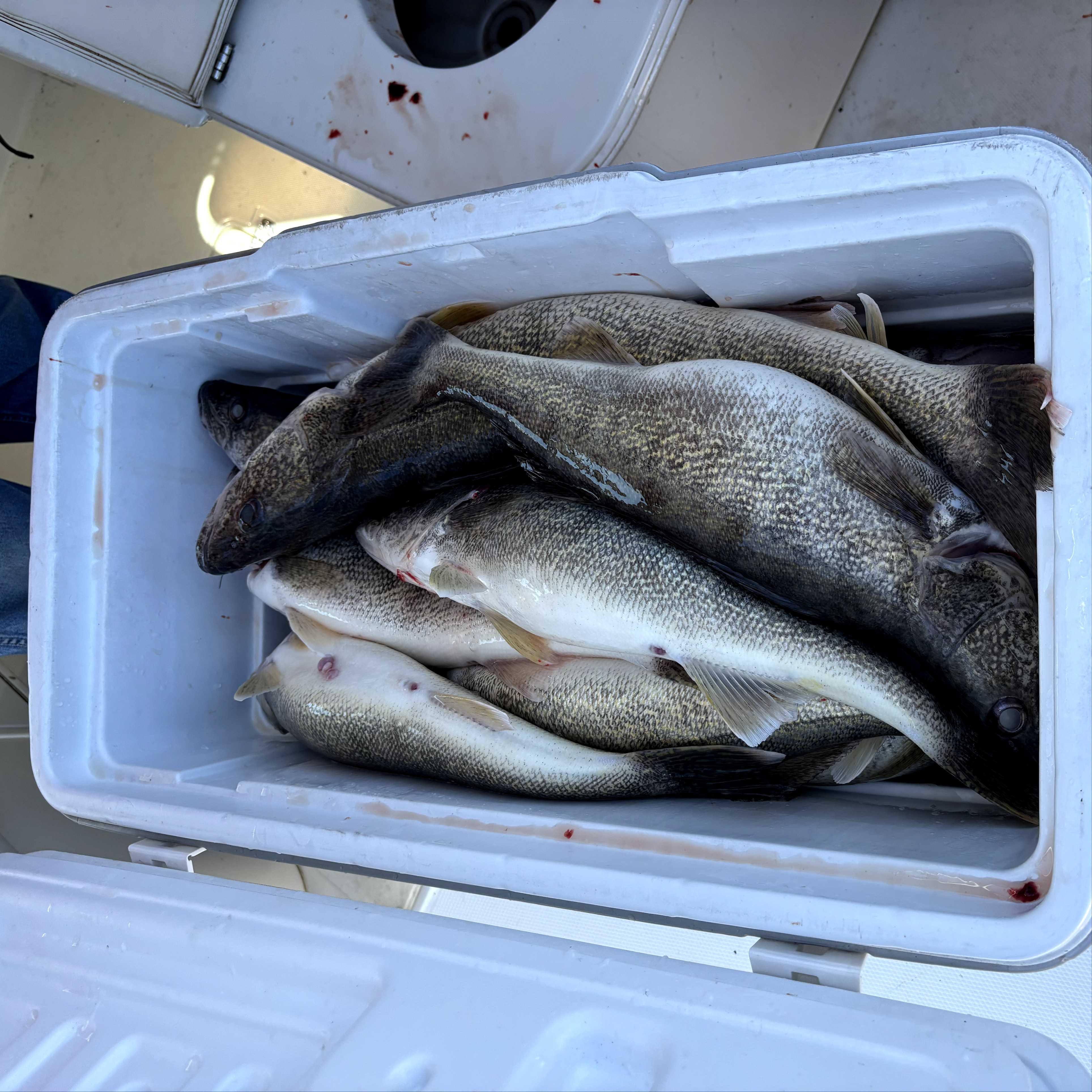
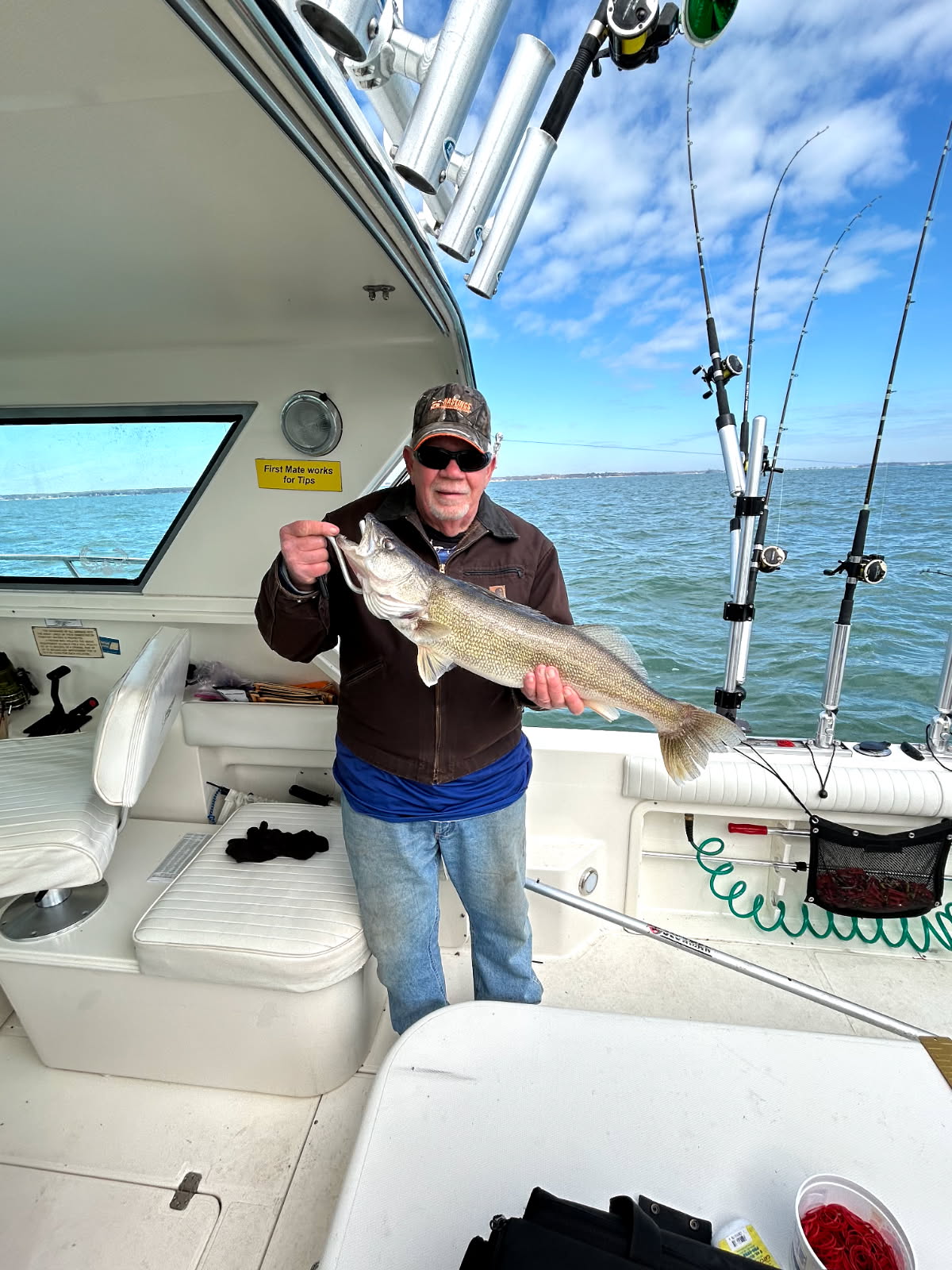
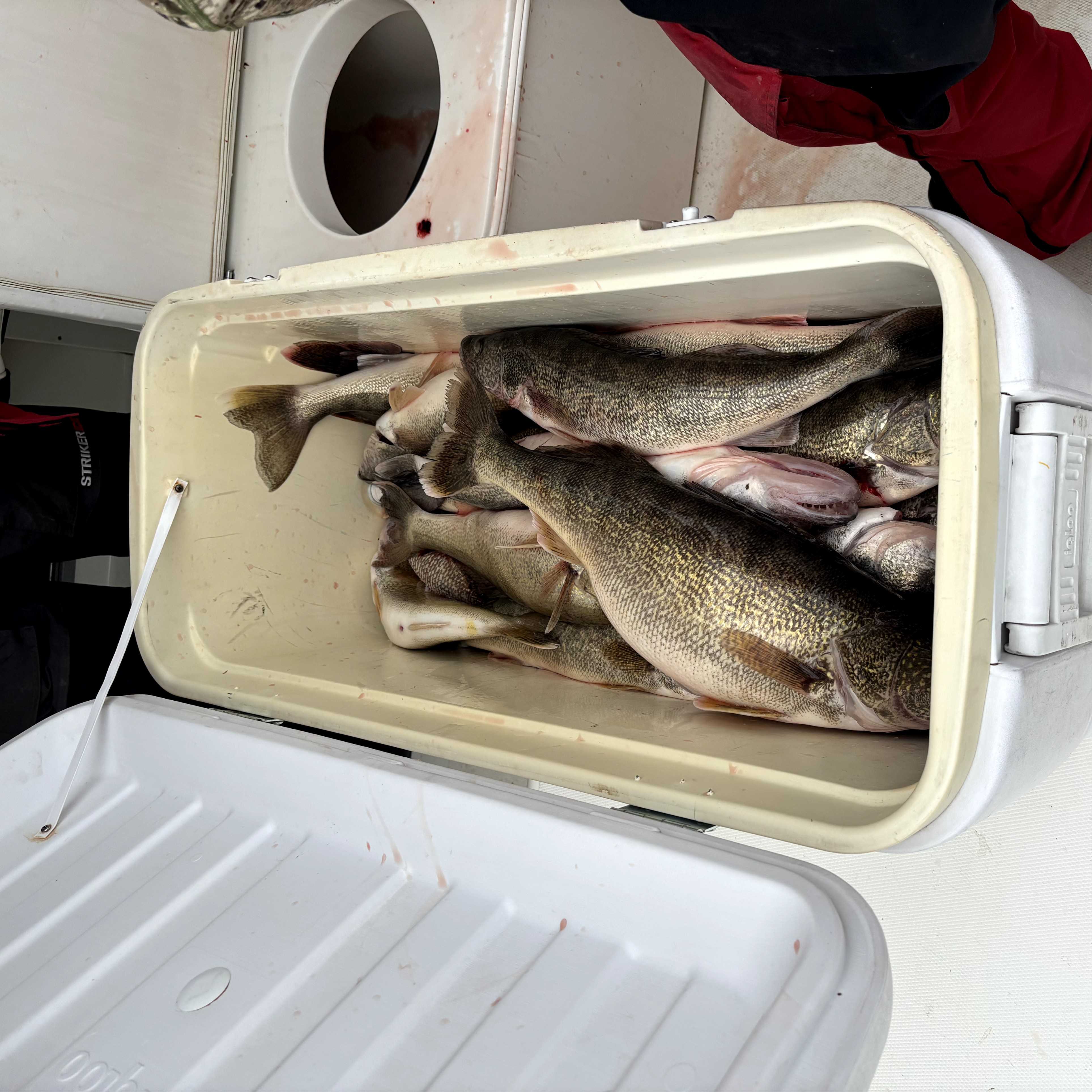
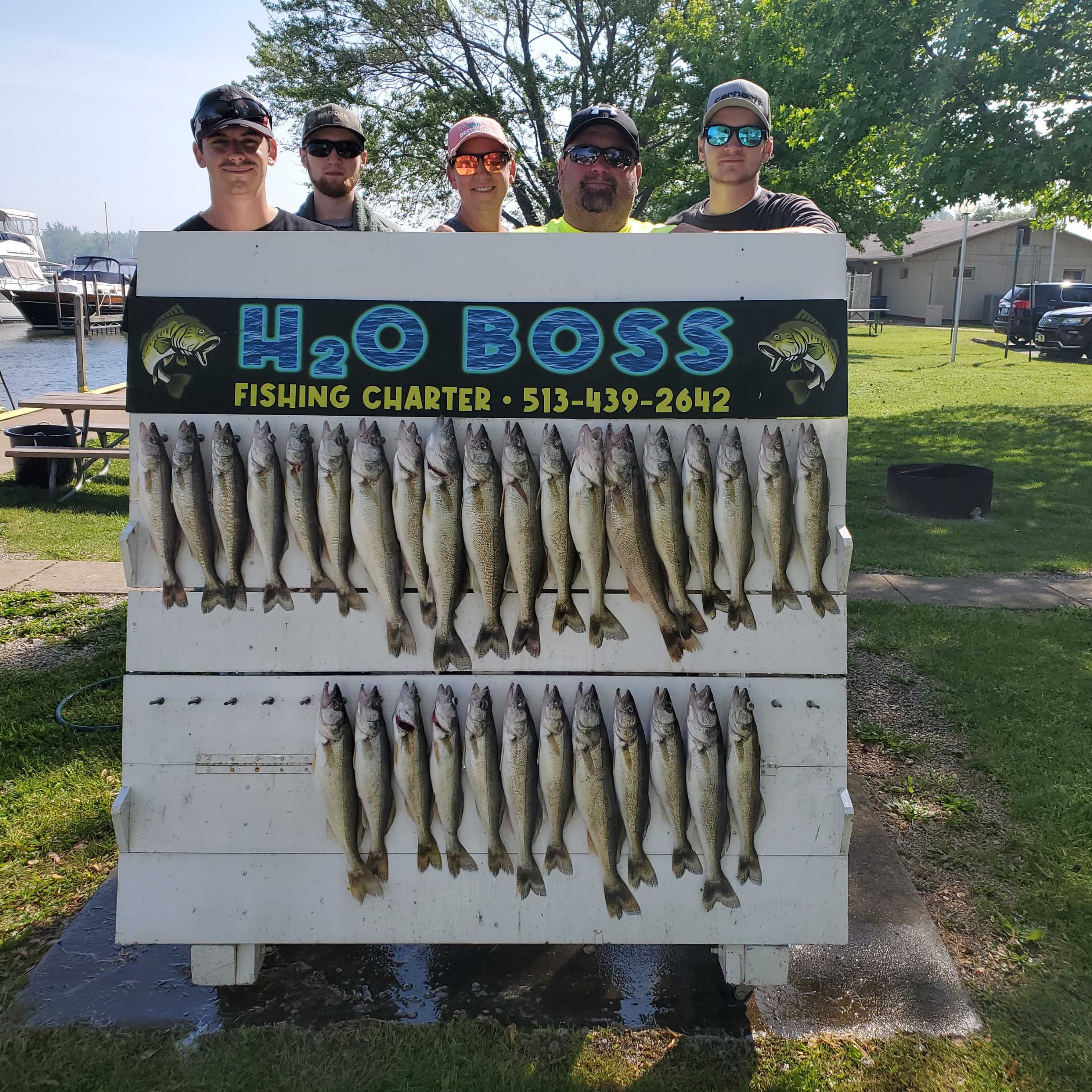
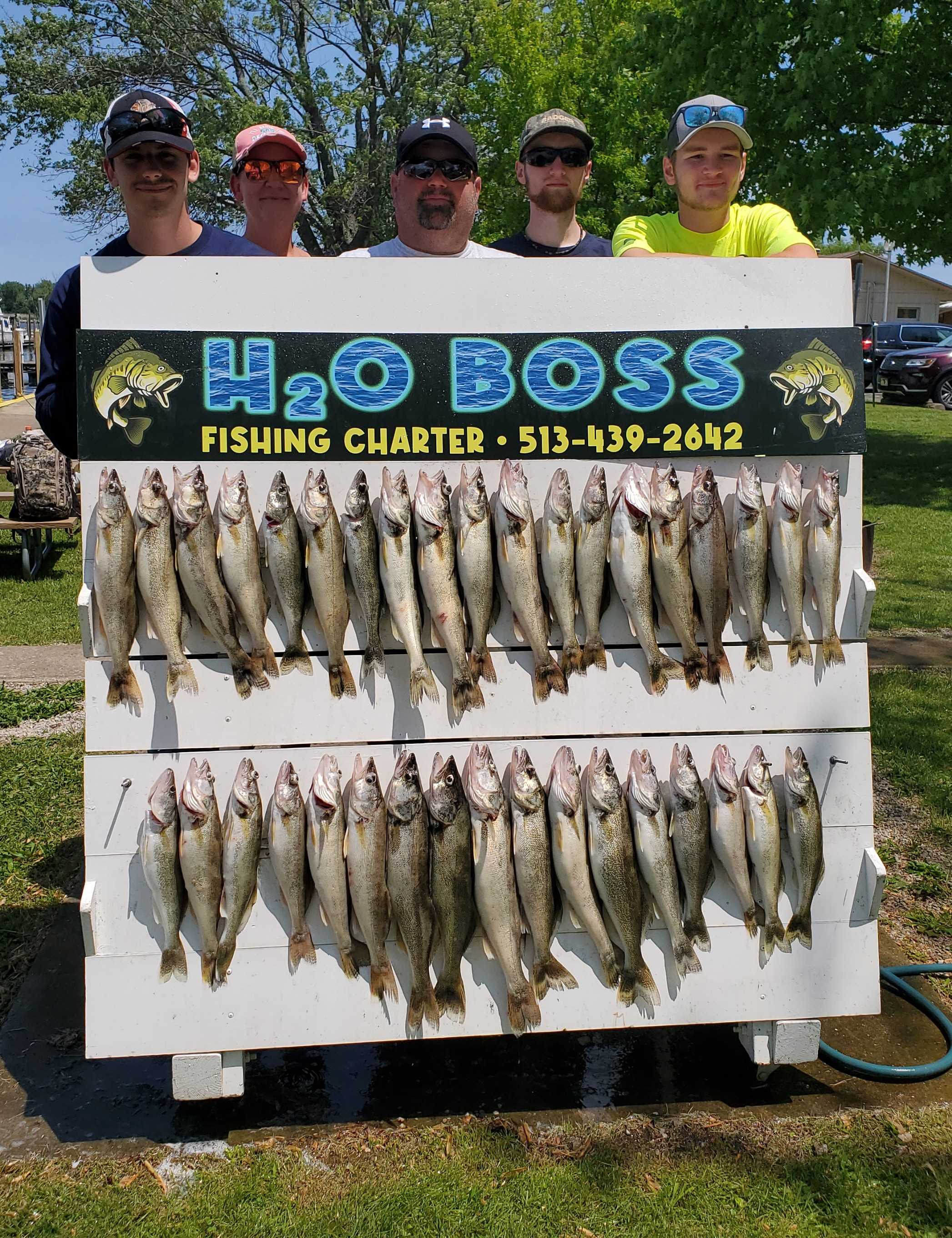
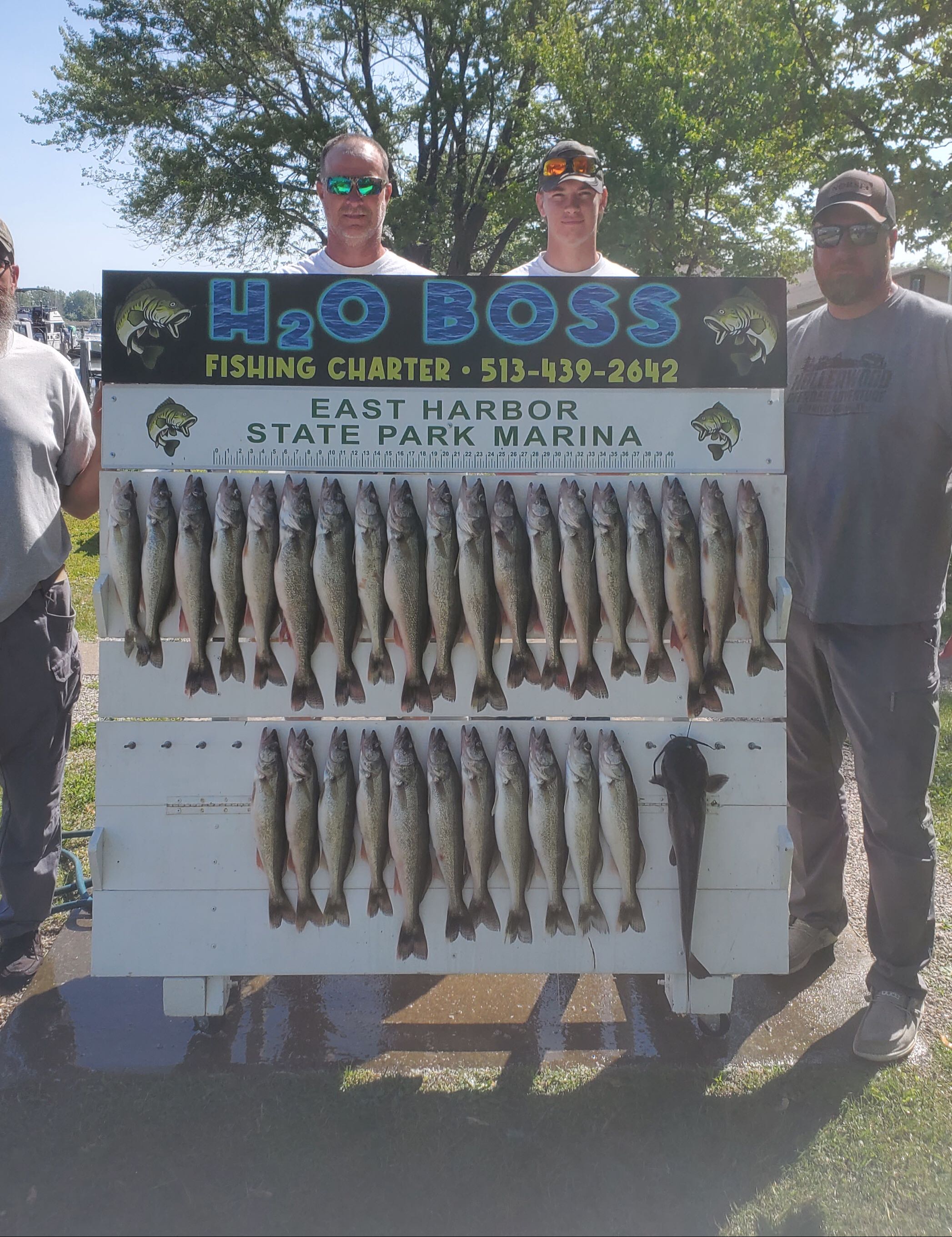
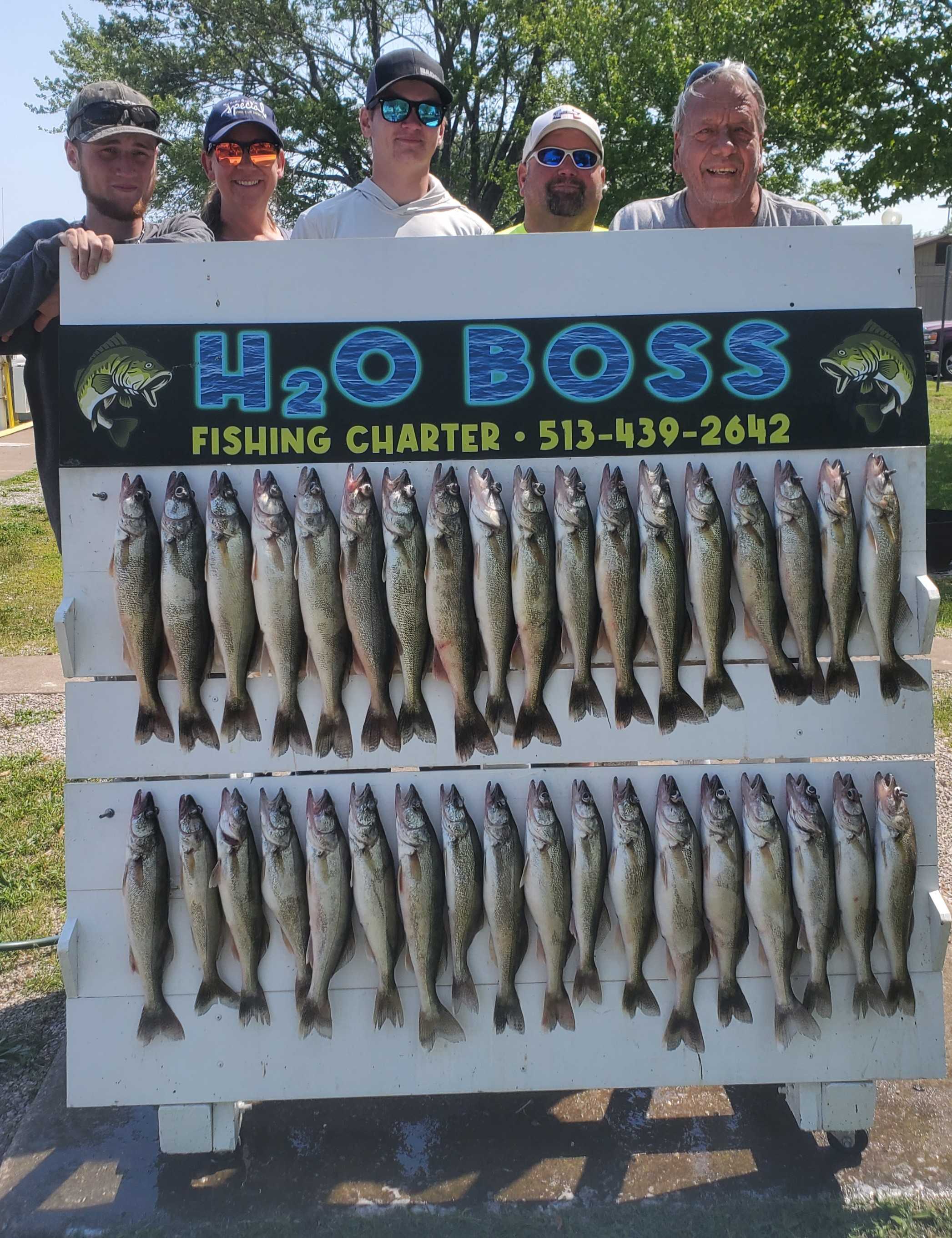
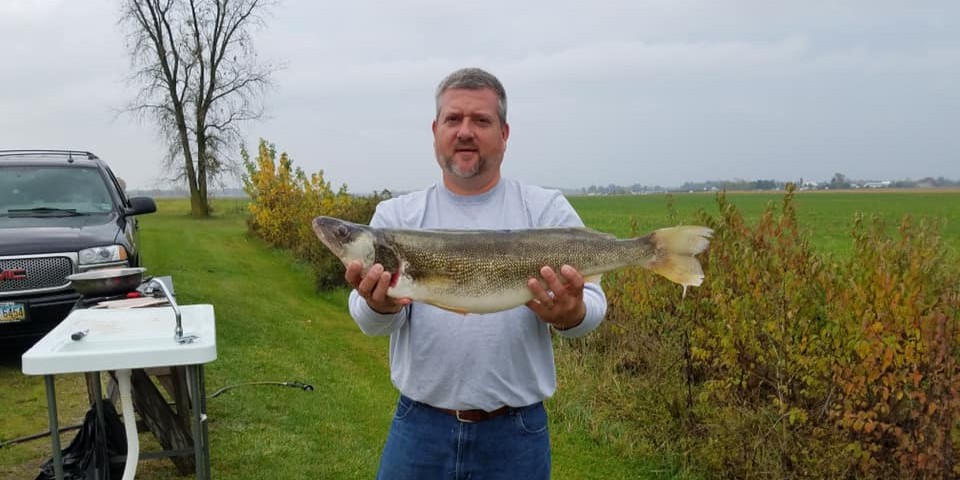
Walleye are the crown jewel of Lake Erie fishing, and for good reason – they're abundant, they taste fantastic, and they provide steady action that keeps beginners engaged without overwhelming them. These golden-sided beauties typically run 15-20 inches in these waters, with plenty of "eater" size fish that make perfect dinners and occasional wall-hangers that get your heart pumping. Spring through fall offers excellent walleye fishing, with peak action often occurring during low-light periods that coincide perfectly with charter departure times. Walleye have a subtle bite that teaches new anglers to really pay attention to their rod tip, developing sensitivity skills that make them better fishermen overall. Plus, there's something deeply satisfying about putting together a cooler full of walleye fillets – these fish represent both sport and sustenance in the best possible way.
Smallmouth Bass are pound-for-pound some of the strongest fighters you'll encounter in freshwater, earning them the nickname "bronze backs" for both their coloring and their tenacious battles. Lake Erie smallmouth typically range from 12-18 inches, but don't let the size fool you – these fish fight like something twice their weight, with aerial displays and determined runs that get beginners addicted to bass fishing fast. They're most active in spring and fall around rocky structure and reef areas, where they feed aggressively on crayfish and minnows. Smallmouth teach new anglers about patience and precision, as they can be more finicky than their largemouth cousins, but the payoff in fighting quality makes every hookup memorable. These fish also school up at certain times, meaning once you find them, you can often catch several in quick succession.
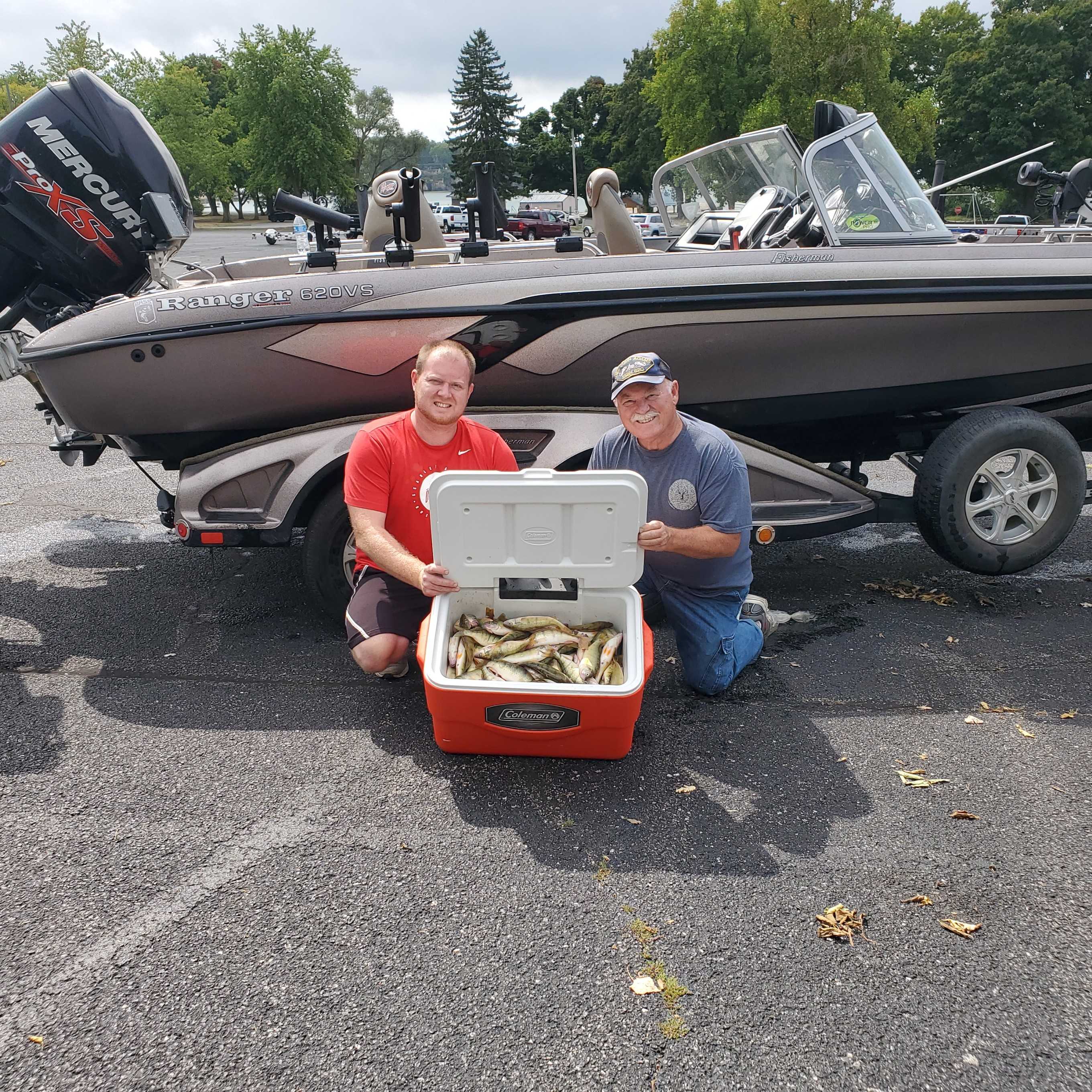
American Yellow Perch might not be the biggest fish in Lake Erie, but they're arguably the most fun for beginners and definitely rank among the best eating fish you'll find anywhere. These striped beauties typically run 8-12 inches and travel in schools, meaning when you find perch, you usually find a lot of them. Summer and early fall provide the best perch action, with fish moving into shallower areas where they're accessible and active. What makes perch perfect for beginners is their aggressive feeding behavior and their willingness to bite consistently – it's not uncommon to have multiple rods going off at once when you hit a good school. They also provide excellent practice for learning how to properly set hooks, fight fish, and handle your catch, all
 Private Trip
 Lakes/Reservoirs/Ponds Fishing
 Lake Erie


 4
4