Extended Half Day Fishing Trip In St. Petersburg
There's something special about spending six solid hours on the water around St. Petersburg, and this 3/4 day inshore trip gives you exactly that kind of time to really dial in on the fish. We're talking about hitting the productive flats and backwater spots where the action happens – those areas where Redfish cruise the shallows, Snook ambush baitfish, and Trout stack up in the grass beds. With Slot Boys Charters, you're not just getting another fishing trip; you're getting access to decades of local knowledge and the kind of patience it takes to put you on fish consistently. The extra hours mean we can move with the tides, adjust our approach when conditions change, and really work those productive zones without feeling rushed.
What to Expect on the Water
This trip is built for anglers who want more than just a quick taste of Tampa Bay fishing. Six hours gives us the flexibility to start where the bite is hot and follow the fish as conditions change throughout the day. We'll work the grass flats when the water's moving right, hit the mangrove shorelines when the tide's dropping, and position ourselves over structure when the fish are holding deep. The pace is relaxed but focused – no need to rush from spot to spot hoping for luck. Instead, we take time to work each area properly, letting you learn the water while we put you on fish. Whether you're new to inshore fishing or you've been working these waters for years, there's always something to pick up about reading the conditions and understanding how these fish behave.
Techniques & Tackle Setup
Inshore fishing around St. Pete is all about matching your approach to the conditions and the species you're targeting. We'll be using medium-action spinning gear spooled with braided line – the sensitivity lets you feel every bump and nibble, while the strength handles those drag-screaming runs when a big Redfish or Snook decides to make a break for it. Live bait is often the ticket here, with shrimp, pinfish, and threadfin herring being top producers depending on what's around. When the fish are aggressive, we'll throw artificials – soft plastics worked slow along the bottom, topwater plugs that create a commotion, and suspending jerkbaits that trigger reaction strikes. The key is staying versatile and reading what the fish are telling us. Some days they want that bait moving fast, other days you need to barely twitch it to get bit.
Target Species Breakdown
Redfish are the bread and butter of Tampa Bay inshore fishing, and for good reason. These copper-colored bruisers love cruising the shallow flats and tailing in water so skinny you can almost walk to them. Peak times are early morning and late afternoon when they're actively feeding, but during cooler months they'll bite all day long. What makes them special is that explosive strike and the way they use their broad shoulders to pull drag. A slot-sized Red between 18 and 27 inches is pure gold – perfect for the table and strong enough to test your tackle.
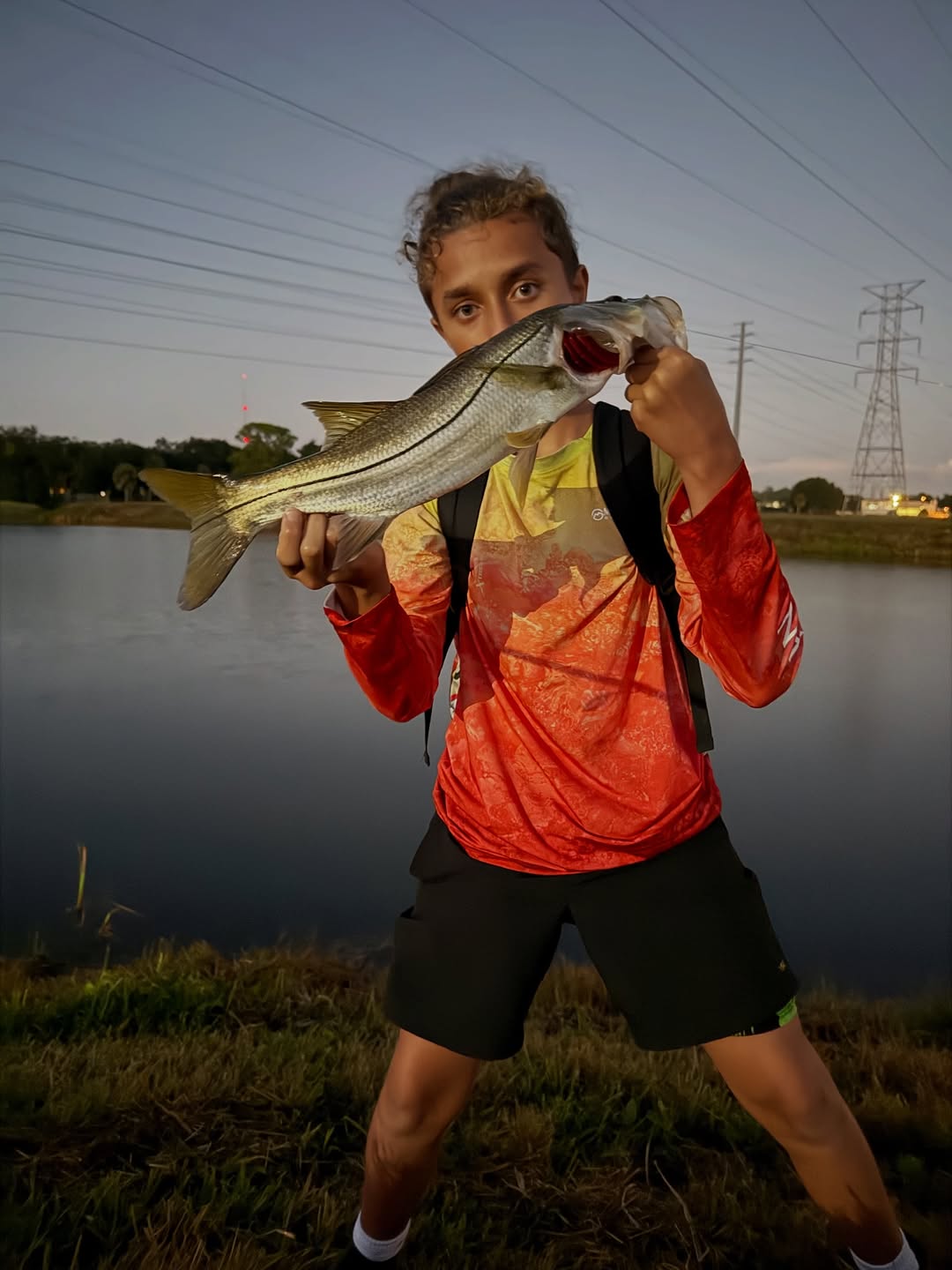
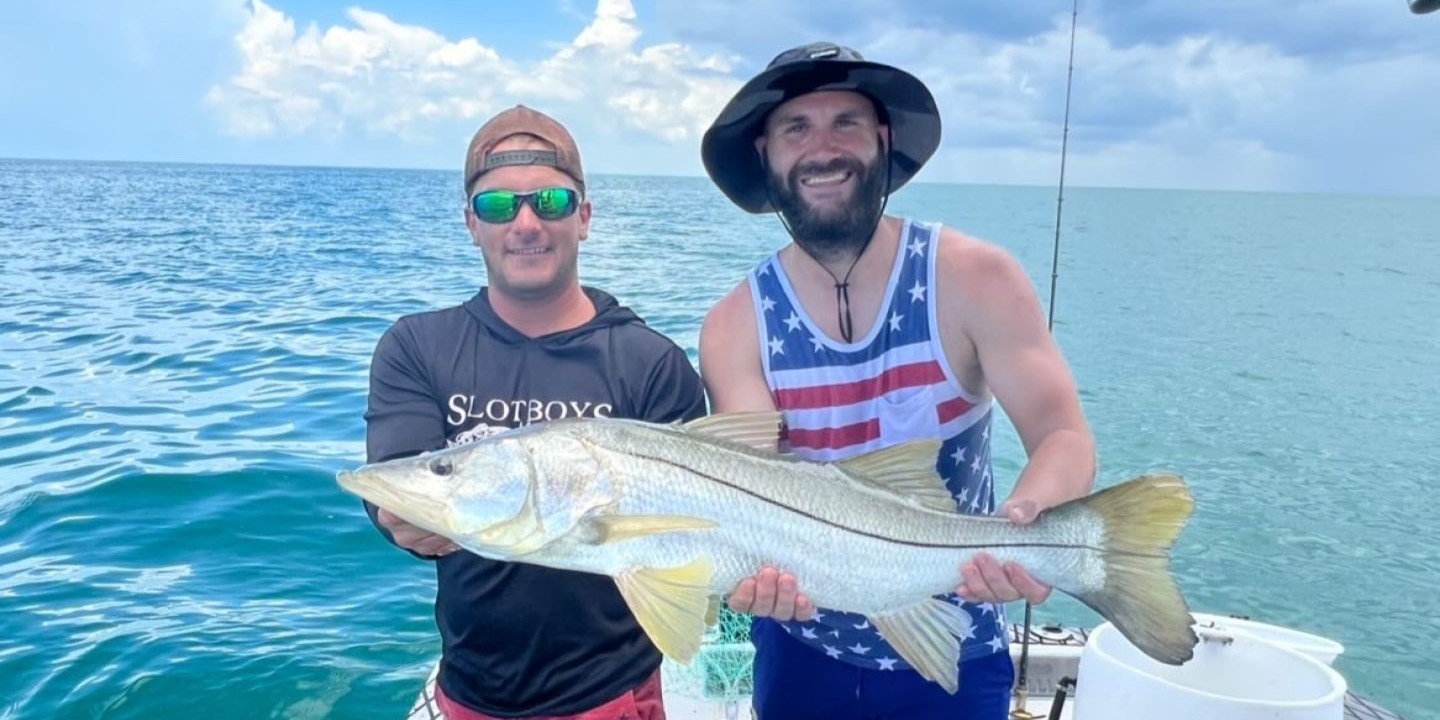
Snook fishing is what separates the casual anglers from the serious ones around here. These ambush predators hang around structure – docks, mangrove points, bridges – waiting for baitfish to get careless. They're incredibly line-shy and spook easily, which means precise casting and quiet presentations. The slot limit runs from 28 to 33 inches, and a fish that size will give you a fight you won't forget. Spring through fall are prime time, especially during the warmer months when they're most active. The thrill comes from sight-casting to fish you can actually see, then watching that white mouth open up as they crush your bait.
Sheepshead might look funny with those human-like teeth, but they're one of the craftiest fish in the bay. These black-and-white striped convict fish hang around structure like bridge pilings, docks, and rock piles, picking off barnacles, crabs, and oysters. They're notorious bait stealers – you'll swear you never had a bite, then reel in a bare hook. The trick is using small hooks, keeping your drag tight, and setting the hook at the first sign of anything different. Winter months are prime time when they school up around deeper structure, and a good Sheepshead bite can save a slow day.
King Mackerel bring the speed and aggression that gets your heart pumping. These torpedo-shaped predators patrol the edges of grass flats and deeper channels, looking for schools of threadfin herring or Spanish sardines. When you hook into a King, especially one in the 20 to 30-pound range, you better hang on. They'll make blistering runs and throw themselves out of the water trying to shake the hook. Peak season runs from late spring through early fall when the baitfish are thick. The key is trolling at the right speed and depth, usually along depth changes where the predators set up to ambush.
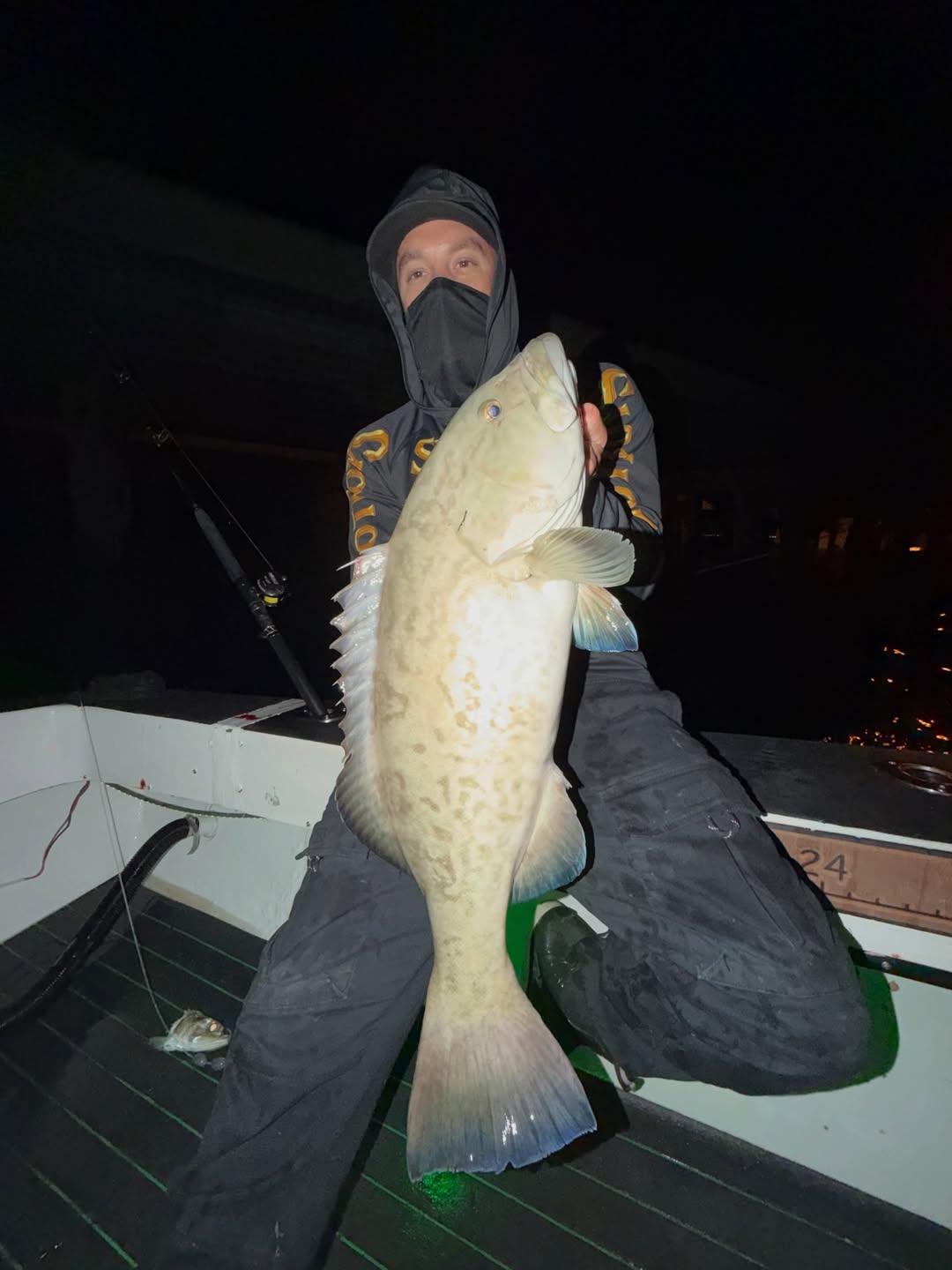
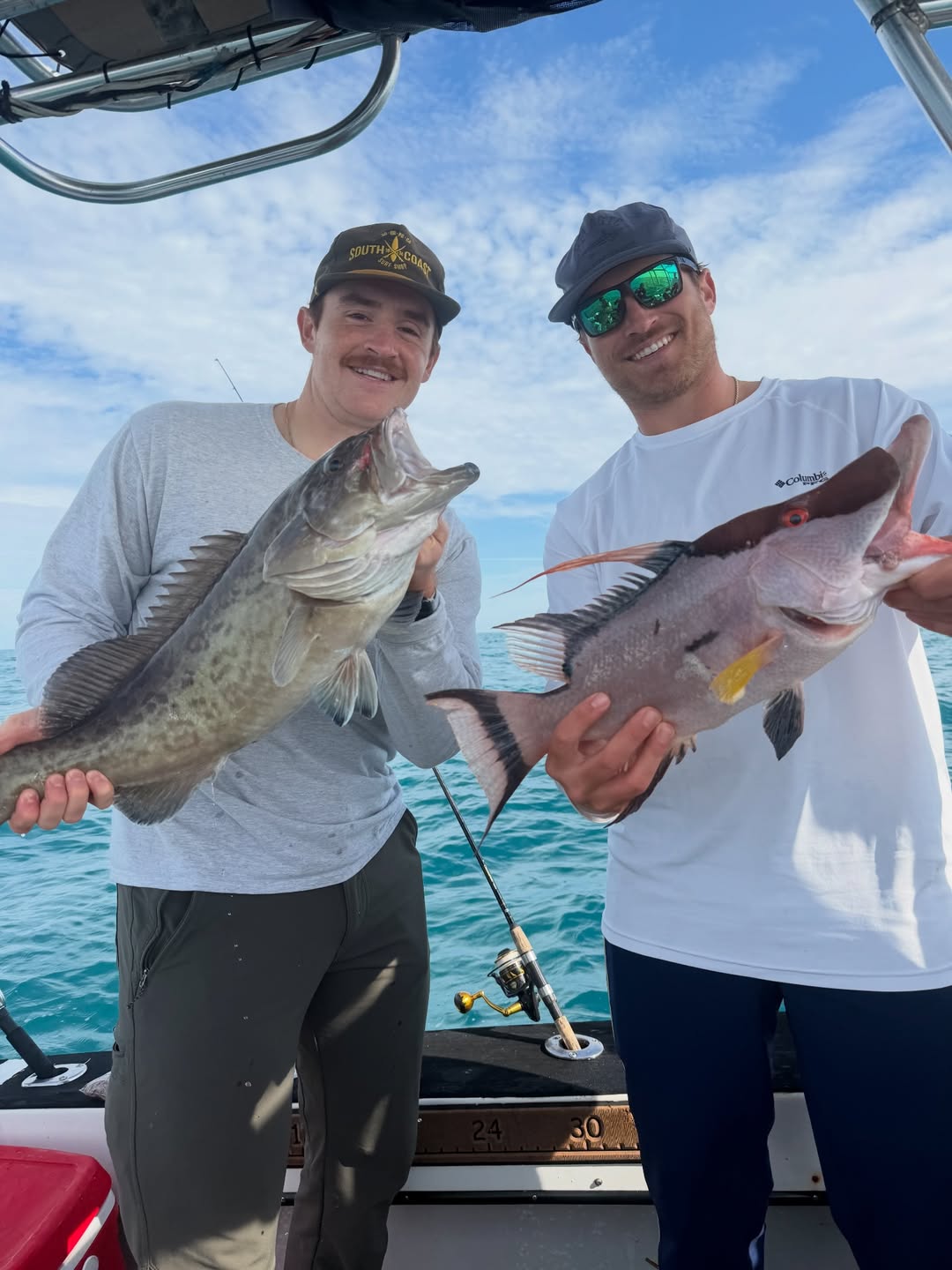
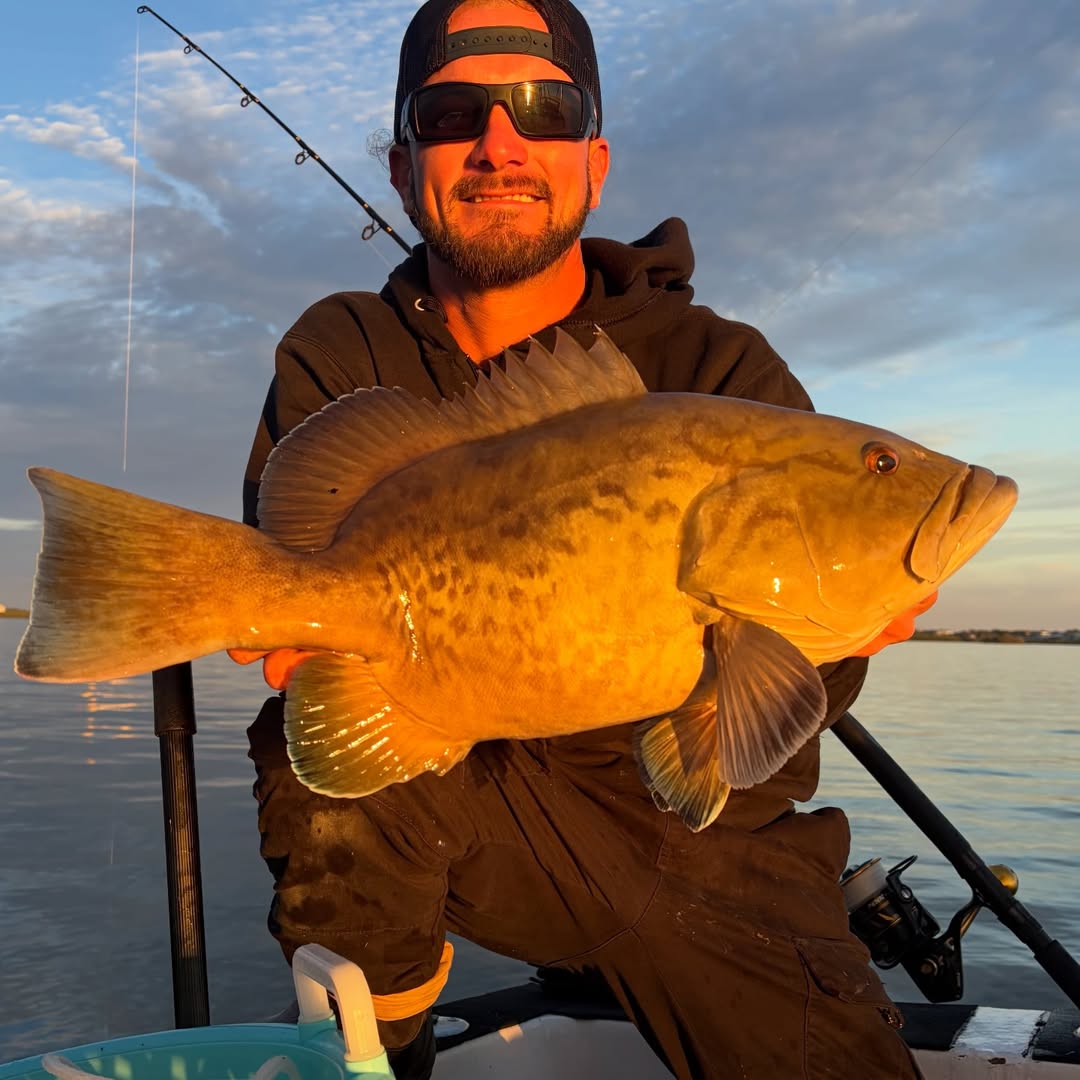
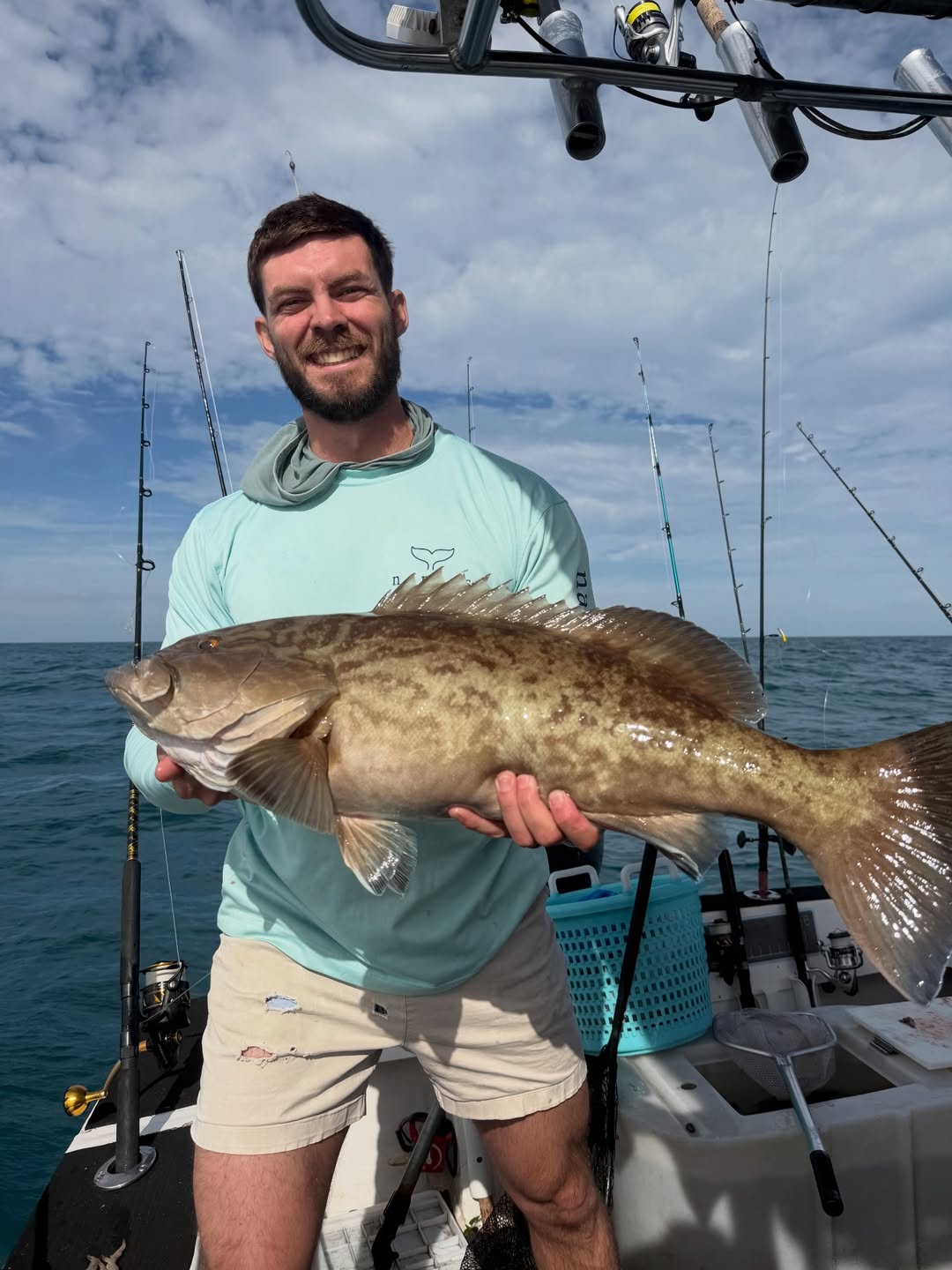
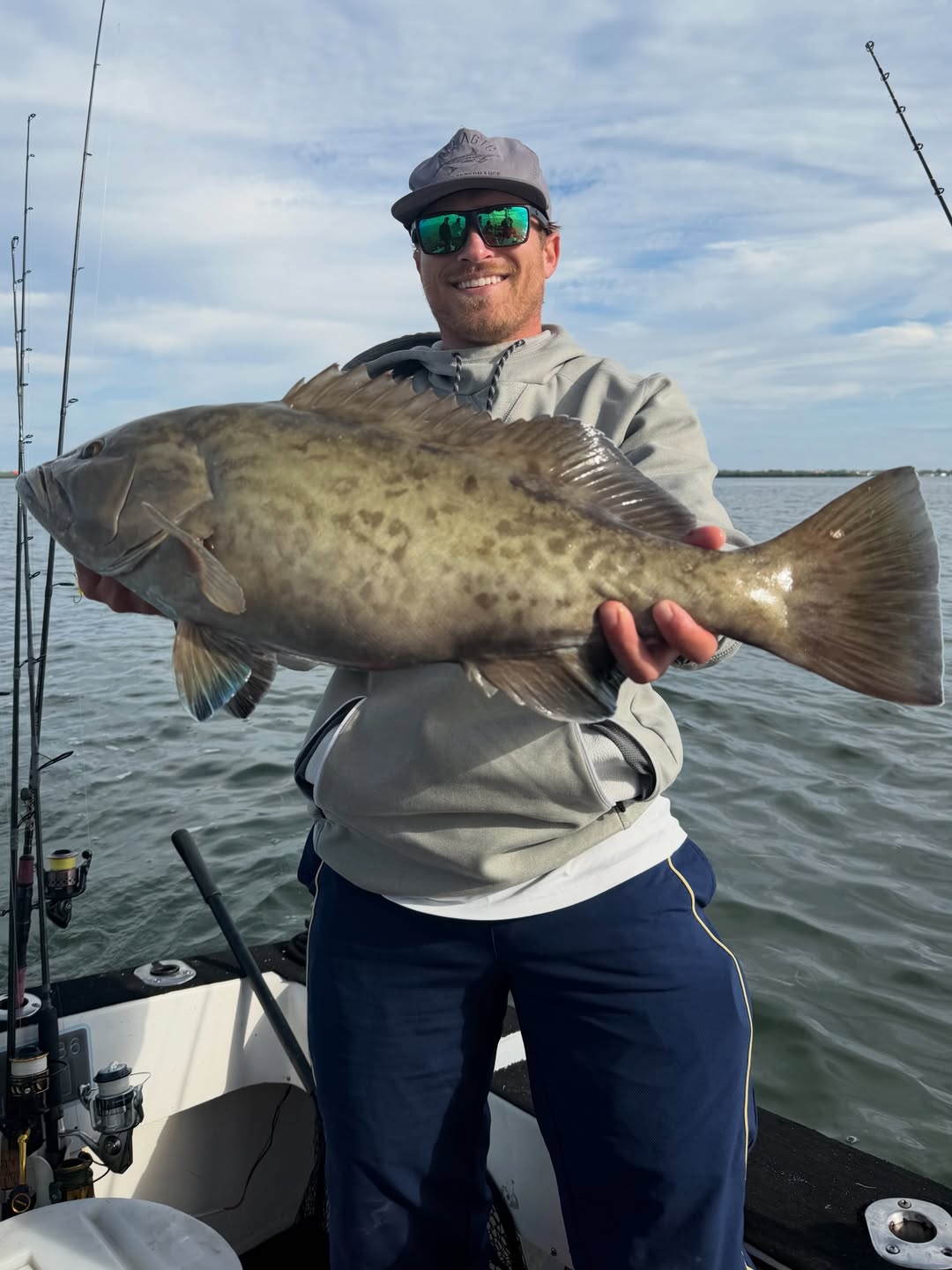
Gag Grouper are the heavyweights of the inshore scene, though you're more likely to find the smaller ones in the shallows. These bottom dwellers love structure – rocky areas, ledges, and artificial reefs where they can ambush prey. What makes them challenging is their tendency to head straight back to their hole after being hooked, which means you need to turn their head quickly and keep them coming up. The ones we catch inshore typically run 15 to 25 inches, perfect eating size. They're most active during cooler months when they move into shallower water to feed.
Time to Book Your Spot
Six hours on the water with experienced local captains who know exactly where to find fish – that's what this 3/4 day trip delivers. The extra time means better odds of hitting multiple species, learning new techniques, and really getting a feel for what Tampa Bay inshore fishing is all about. Whether you're looking to put some
 Private Trip
 Inshore Fishing
 Florida


 Six
Six