6hr Inshore Fishing Trip in San Juan
Picture this: you're casting lines in the crystal-clear waters around San Juan, with a seasoned captain who knows every productive flat, mangrove edge, and grass bed like the back of his hand. This 6-hour inshore adventure puts you right in the heart of some of Puerto Rico's most consistent fishing grounds, where snook lurk in the shadows and tarpon roll just beyond the next point. With space for up to 3 anglers, you'll get the personalized attention that makes all the difference between a good day and an epic one. Whether you've been chasing fish for decades or you're still figuring out how to tie a proper knot, our experienced guides will have you hooked up and fighting fish that'll put a serious bend in your rod.
What to Expect on the Water
San Juan's inshore waters offer the perfect blend of accessible fishing and legitimate trophy potential. You'll spend your day working the flats, mangrove shorelines, and grass beds that make this area a magnet for hungry gamefish. The shallow waters around the bay systems stay productive year-round, but they really come alive when the bait moves in thick. Your captain will position the boat to intercept feeding fish, whether that means anchoring up on a productive flat or making strategic drifts along structure. The fishing here isn't just about luck – it's about reading the water, understanding the tides, and knowing when to switch up your approach. You'll learn to spot the signs that separate average anglers from the ones who consistently put fish in the boat.
Techniques That Get Results
Inshore fishing in San Juan means adapting your approach to match what the fish are doing. Live bait fishing with pilchards, sardines, or shrimp accounts for a huge percentage of our hookups, especially when we're targeting snook around structure or working deeper grass beds for jack crevalle. But don't think this is just a sit-and-wait game – artificial lures shine when fish are actively feeding. Topwater plugs create explosive strikes in the early morning hours, while soft plastics and spoons produce when you need to cover water and locate schools. Your guide will have you rigged with the right tackle for the conditions, from light spinning gear for finicky fish to stouter setups when you're in tarpon country. Circle hooks are the standard for live bait rigs, and you'll quickly learn why they hook fish so much more effectively than traditional J-hooks.
Species You'll Want to Hook
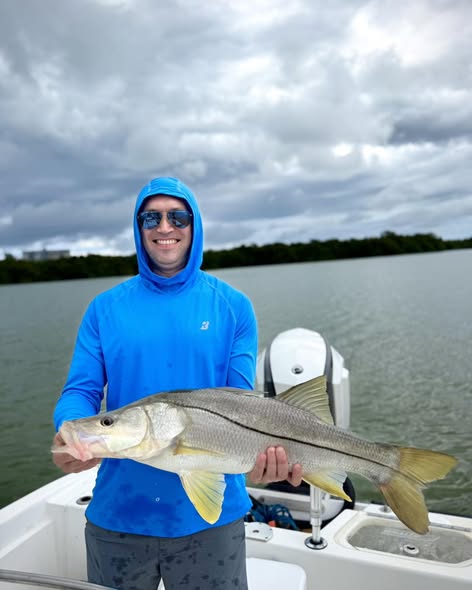
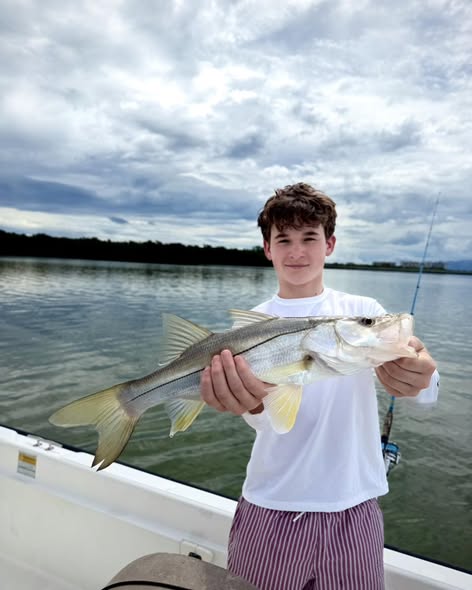
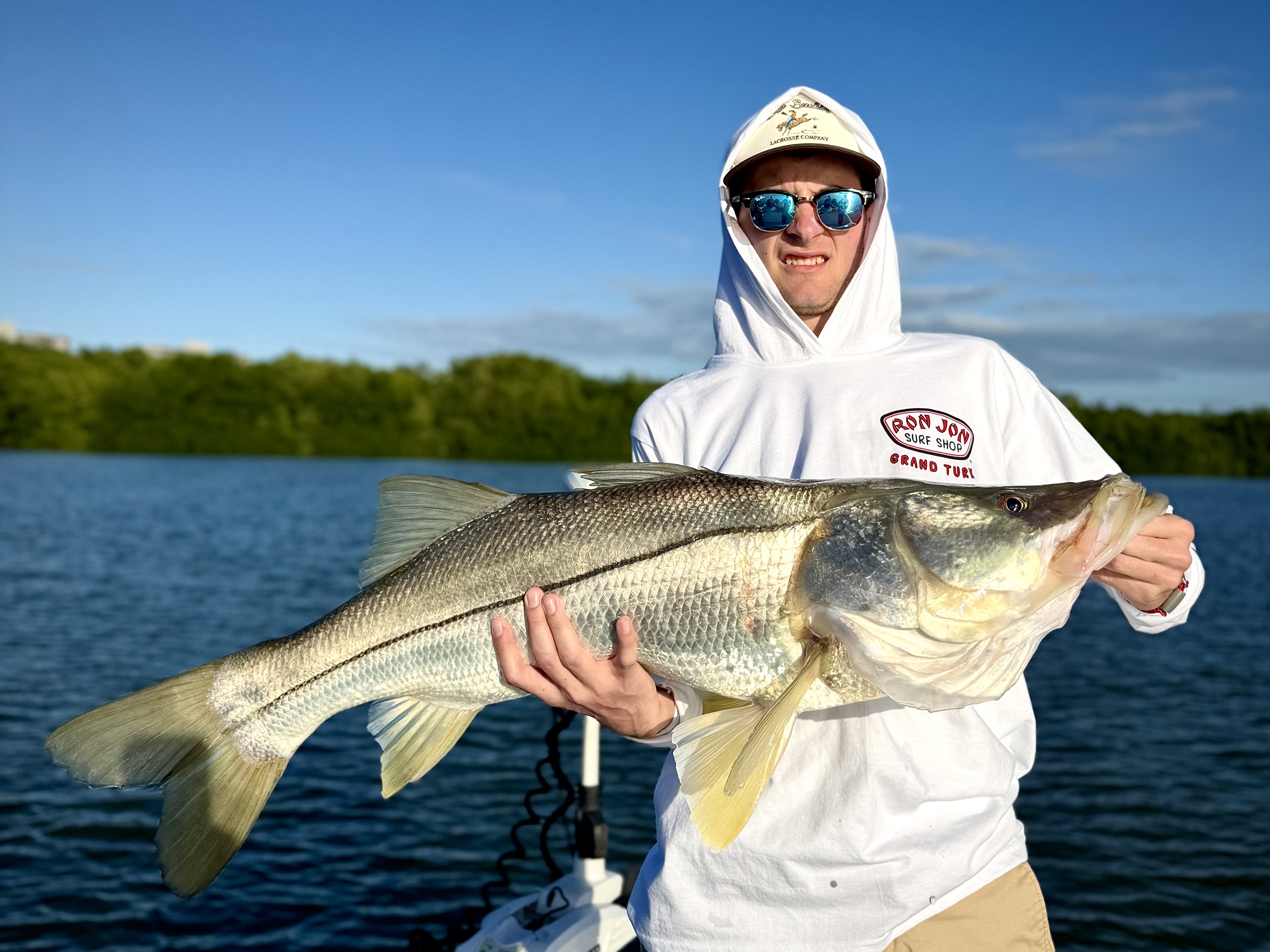
Snook are the crown jewel of San Juan's inshore scene, and for good reason. These ambush predators love to set up along mangrove edges, dock pilings, and any structure that gives them cover to attack unsuspecting baitfish. They're notorious for their explosive strikes and bulldogging fights that'll test your drag settings. The best snook action typically happens during moving water, especially on the outgoing tide when bait gets flushed out of the backcountry. What makes them so addictive is their unpredictability – one minute you're working a quiet shoreline, the next you've got a 20-pound snook trying to wrap your line around every piece of structure in sight.
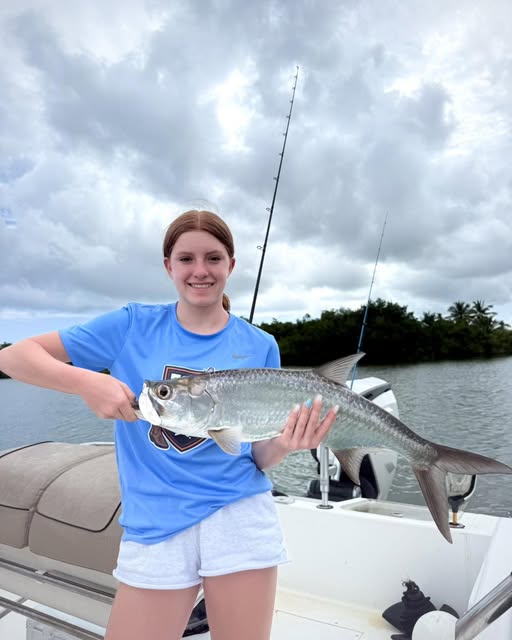
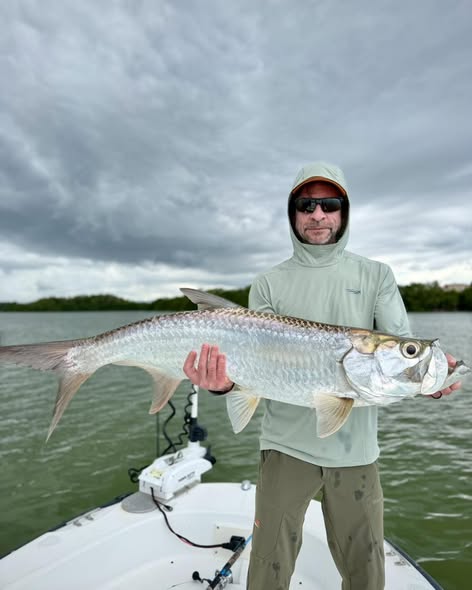
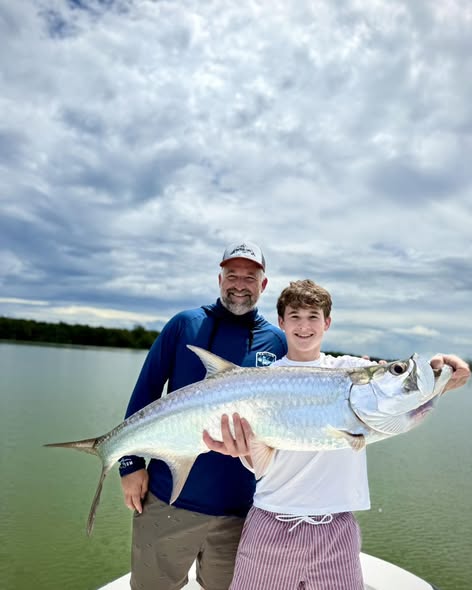
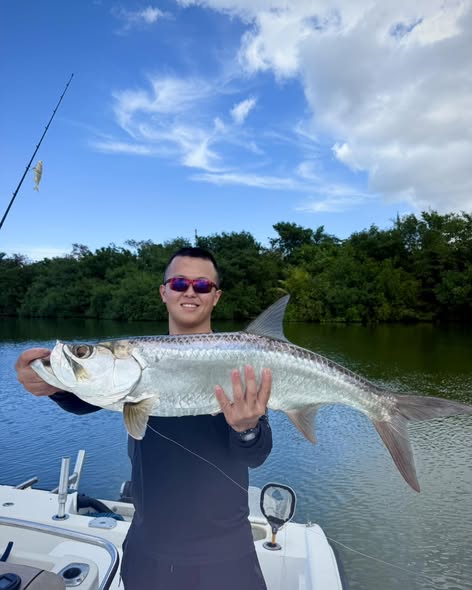
Tarpon fishing around San Juan is something every angler needs to experience at least once. These silver kings can show up anywhere from 20 pounds to well over 100, and they all share one thing in common – they fight like they're twice their actual size. Tarpon are famous for their acrobatic jumps and long, powerful runs that can empty your spool in seconds. They're most active during warmer months, but resident fish stick around year-round in the deeper channels and harbor areas. The key to tarpon success is patience and proper technique – these fish have hard, bony mouths that require a solid hookset and steady pressure throughout the fight.
Barracuda bring a different kind of excitement to the mix. These toothy predators are built for speed, and their initial run will catch you off guard every single time. They're visual hunters that respond well to fast-moving lures, especially shiny spoons and tube lures that mimic fleeing baitfish. Barracuda can be found anywhere from shallow flats to deeper edges, and they're notorious for following lures right to the boat before deciding whether to strike. Their razor-sharp teeth mean wire leaders are essential, and they'll slice through fluorocarbon like it's nothing. Size-wise, anything over 15 pounds is considered a quality fish, with larger specimens pushing 30 pounds or more.
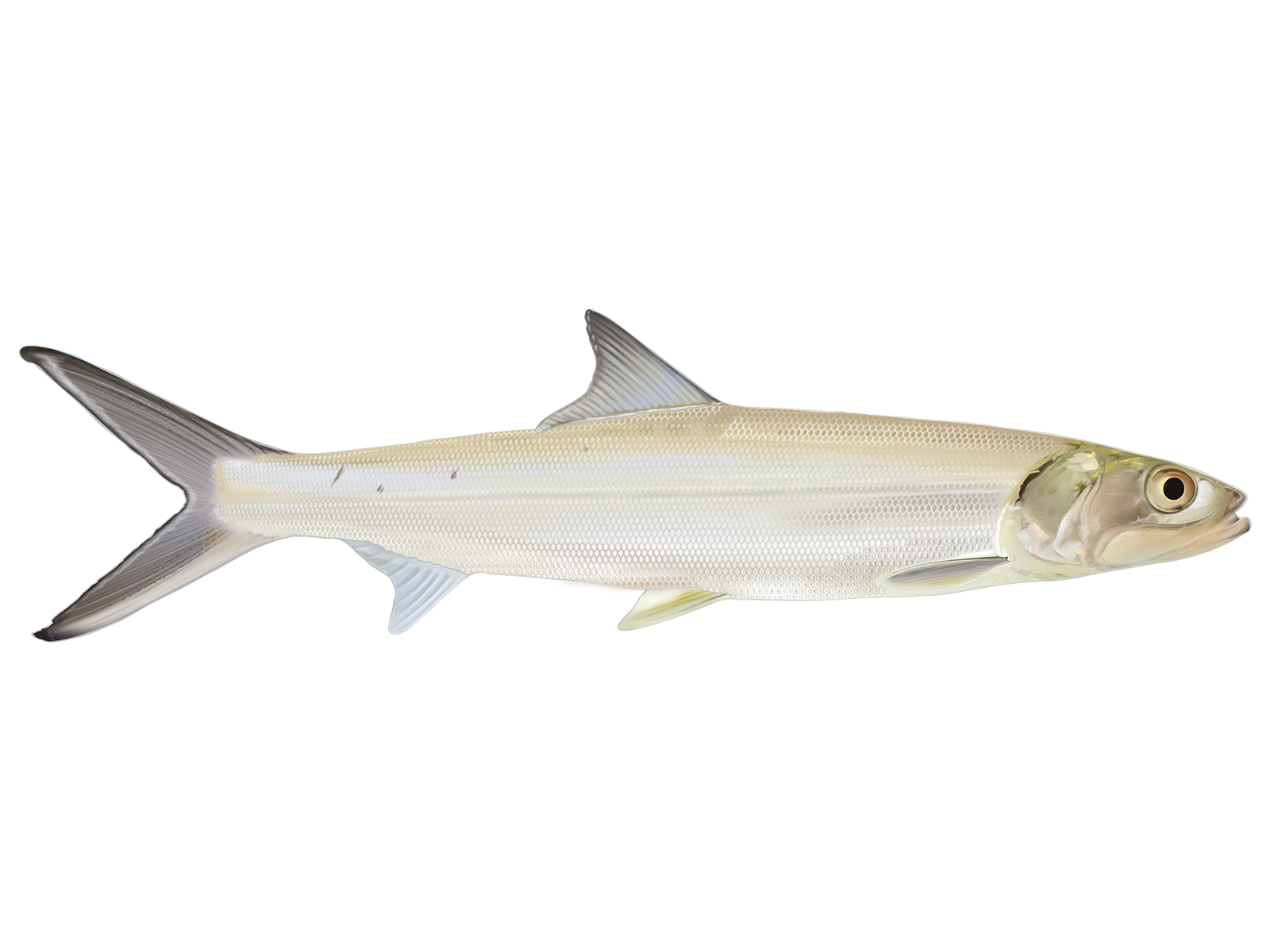
Ladyfish might not win any beauty contests, but they make up for it with pure athleticism. These smaller gamefish are jumping machines that provide non-stop action when they're schooled up. They're perfect for beginning anglers who want to feel consistent bites and practice their fighting technique without the pressure of landing a trophy fish. Ladyfish are most active during moving tides and often show up in large schools that can provide hours of entertainment. They'll hit almost any small lure or live bait, making them reliable when other species are being finicky.
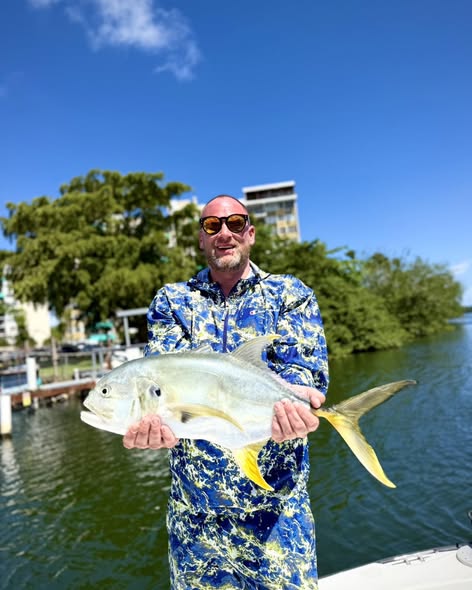
Crevalle jack are the bulldogs of the inshore world. These powerful fish might not jump like tarpon or run like barracuda, but they make up for it with raw strength and determination. A decent-sized jack will immediately head for the bottom and try to use its broad sides to leverage against your drag. They're schooling fish that often travel in groups, so when you find one, there are usually more nearby. Jacks are aggressive feeders that will attack both live bait and artificials, especially when they're in feeding mode around bait schools. They're also one of the most reliable species in San Juan's waters, providing consistent action when other fish are being difficult.
Time to Book Your Spot
This 6-hour inshore adventure gives you the perfect amount of time to experience San Juan's diverse fishing opportunities without feeling rushed. You'll have enough time to work multiple spots, try different techniques
 Private Trip
 Inshore Fishing
 San Juan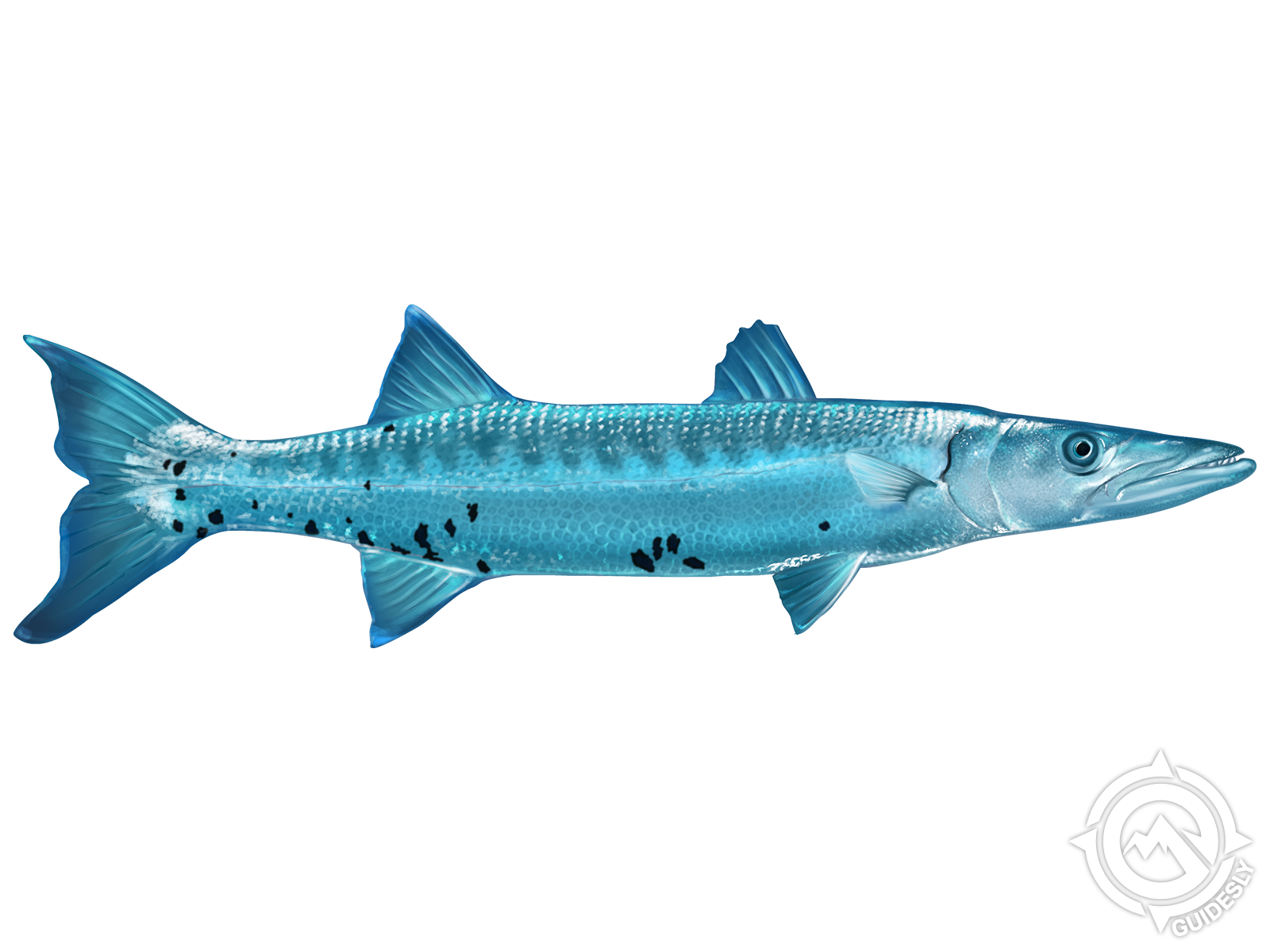



 Six
Six