Top 10 Freshwater Fishing Lakes in the USA
Explore the top freshwater fishing lakes in the USA, featuring key fish species, seasonal tips, amenities, and trusted local fishing guides.
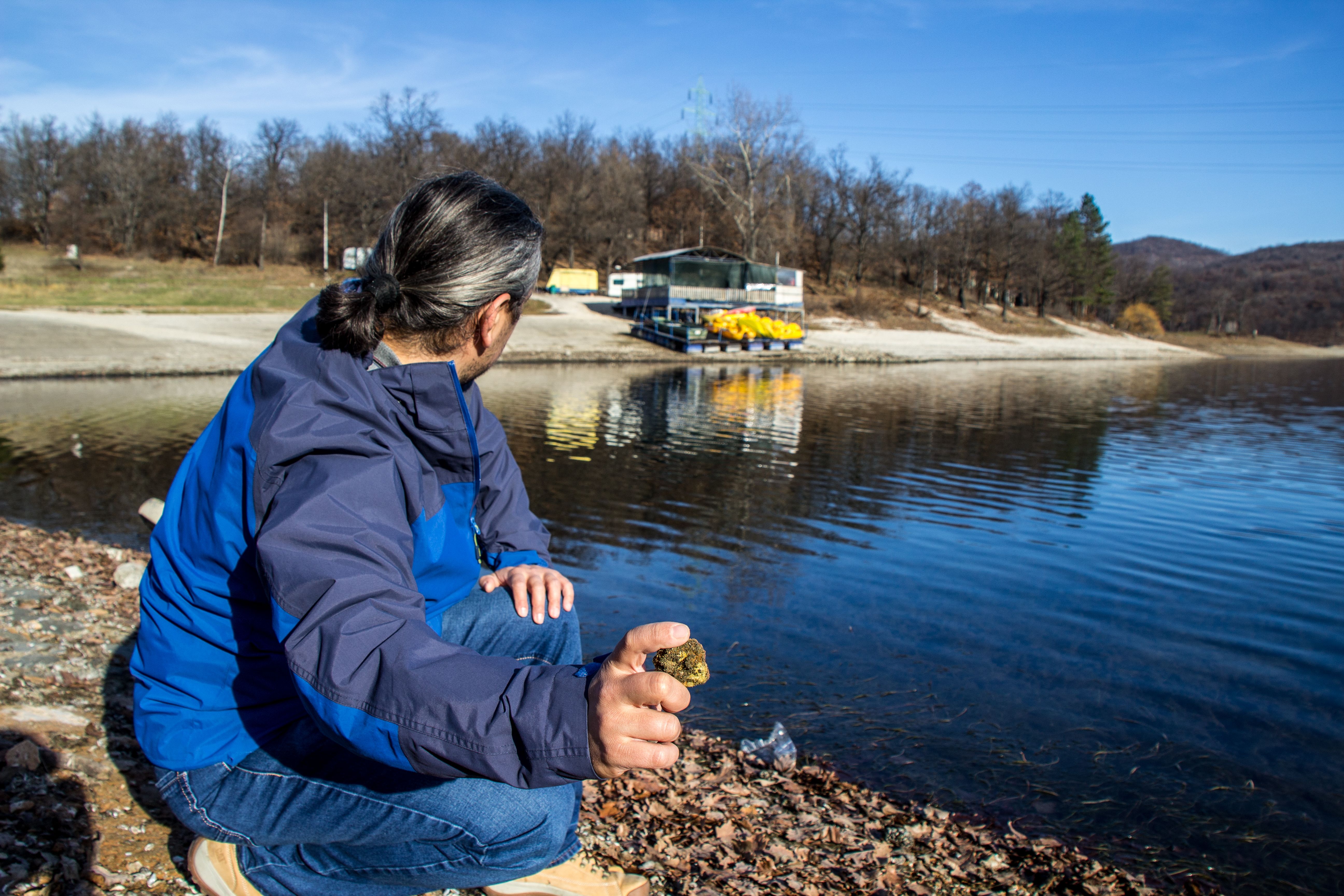


Freshwater lakes remain America’s top choice for anglers because they offer unmatched access, variety, and year-round fishing opportunities across the country. From quiet mountain reservoirs to massive natural lakes, these waters support incredible fish species diversity, making them ideal for beginners and experienced anglers alike. Many of the best freshwater fishing lakes in the USA produce everything from trophy bass and walleye to trout, crappie, and catfish, often in the same system. This guide breaks down what makes each lake special, including the species you can expect to catch, the best seasons to fish, and practical insights into local conditions. You will also learn about essential amenities such as boat ramps, lodging, and shoreline access, along with reliable guide contacts for top lakes that can help maximize your time on the water and improve overall success.
What Makes a Lake Great for Fishing
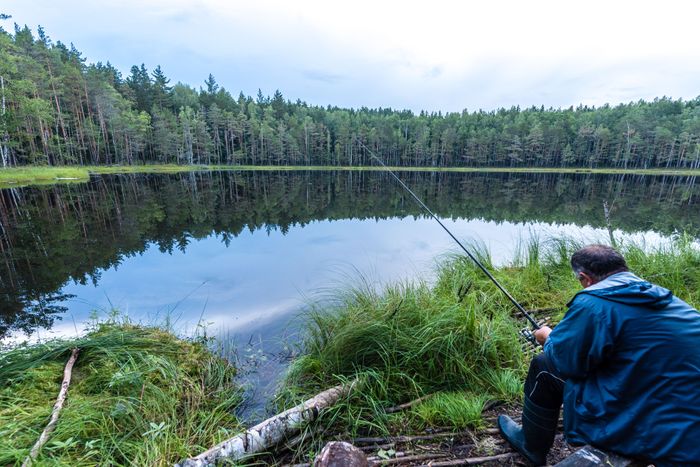
A great fishing lake stands out because of its species diversity and how well it matches an angler’s target species. Lakes that support multiple fish types allow anglers to adjust tactics without changing locations. Some lakes excel for bass, others for trout or walleye, and the best systems offer healthy populations across different depths and structures. Choosing the right lake starts with knowing which species thrive there, how abundant they are, and whether the lake consistently produces quality-sized fish throughout the year.
Equally important are seasonal trends and habitat features that influence fish behavior. During spring, spawning activity pushes fish shallow, while summer brings deep-water feeding patterns and structure-oriented bites. Fall transitions trigger aggressive feeding before winter. Strong amenities also matter. Easy access boat ramps, nearby bait shops, comfortable lodging, and local restaurants make longer trips more enjoyable and allow anglers to focus more time on fishing rather than logistics.
Top 10 Freshwater Fishing Lakes in the USA
The lakes below rank among the best freshwater fishing lakes in the USA due to proven fish species diversity, reliable seasonal bites, and strong angler access. Each lake overview highlights top species, best fishing seasons, popular amenities, and practical local tips on terrain, bite patterns, and effective gear choices.
1. Lake Okeechobee, Florida
Lake Okeechobee is one of the largest freshwater lakes in the United States, defined by expansive shallow waters, dense vegetation, and a highly productive ecosystem that supports consistent fishing opportunities throughout the year for both recreational anglers and serious tournament competitors.
Top Fish Species: Largemouth bass, bluegill, and catfish thrive in Lake Okeechobee’s nutrient-rich waters, with bass reaching trophy sizes due to abundant forage and shallow vegetation.
Seasonal Tip: Winter produces an aggressive super-bass bite along grass lines and reed edges, while spring brings peak spawning activity in shallow flats and protected coves.
Amenities: Camping areas, boat rentals, multiple public ramps, and extensive shoreline access support both short trips and multi-day fishing stays.
Guide Option: Book a local guide for Lake Okeechobee to gain insight into daily patterns, productive zones, and effective lure selection.
2. Lake Fork, Texas
Lake Fork is a purpose-managed reservoir in East Texas designed to grow trophy-class bass, featuring submerged timber, creek channels, and vegetation that consistently produce record-size freshwater catches.
Top Fish Species: Largemouth bass dominate this fishery, supported by strong populations of crappie, channel catfish, and sunfish, offering both trophy opportunities and steady action for visiting anglers.
Seasonal Tip: Spring delivers peak spawning activity in shallow timber zones, while fall triggers aggressive feeding along points and creek channels as bass prepare for cooler months.
Amenities: Public boat ramps, lakeside lodging, campgrounds, nearby bait shops, and local restaurants provide convenient access and comfort for anglers planning single-day or extended fishing trips.
Local Tips: Focus on submerged timber and creek bends during early morning and evening hours, using soft plastics in spring and crankbaits or swimbaits during fall transitions.
3. Lake of the Woods, Minnesota
Lake of the Woods is a massive border lake spanning Minnesota and Canada, known for expansive waters, complex structure, and reliable fishing conditions that support both open-water and ice fishing seasons.
Top Fish Species: Lake of the Woods supports walleye, sauger, northern pike, muskellunge, smallmouth bass, and perch, creating one of North America’s most diverse and reliable multi-species freshwater fisheries.
Seasonal Tip: Summer offers consistent walleye action on reefs and structure, fall improves smallmouth patterns, while winter ice fishing produces excellent sauger and walleye opportunities across the lake.
Amenities: Multiple public boat launches, full-service resorts, bait shops, guide services, restaurants, and lakeside lodging make trip planning easy for anglers traveling long distances nationwide.
Local Tips: Focus on rocky reefs and current areas, use live bait rigs for walleye, and switch to jerkbaits or tubes when targeting smallmouth bass during summer.
4. Lake Superior
Lake Superior is the largest freshwater lake by surface area, known for cold, clear water, vast open basins, and powerful weather systems that shape unique freshwater fishing conditions.
Top Fish Species: Lake Superior supports lake trout, steelhead, Chinook salmon, coho salmon, brown trout, and smelt, offering cold water fisheries with strong seasonal migrations and shoreline opportunities.
Seasonal Tip: Summer provides stable trolling for lake trout, fall brings salmon runs near shore, and spring offers productive nearshore casting as cold water fish follow warming currents.
Amenities: Public launches, harbors, charter docks, coastal towns, campgrounds, lodging, and restaurants support long-distance travel, multi-day trips, and weather-flexible planning for anglers and nationwide visitors.
Local Tips: Target deep structure with downriggers in summer, watch temperature breaks near shore during fall, and use heavier gear to manage waves, current, and large, powerful fish.
5. Dale Hollow Lake, Kentucky–Tennessee
Dale Hollow Lake is a deep, clear reservoir straddling Kentucky and Tennessee, known for rocky shorelines, steep drop-offs, and consistent water quality that supports strong smallmouth bass populations.
Top Fish Species: Dale Hollow Lake is best known for smallmouth bass, along with healthy populations of largemouth bass, spotted bass, walleye, and crappie throughout the reservoir system.
Seasonal Tip: Spring offers excellent shallow smallmouth action during spawning, summer pushes fish deeper along rocky points, and fall improves feeding activity as water temperatures begin to drop.
Amenities: Public marinas, multiple boat ramps, campgrounds, cabins, hiking trails, restaurants, and nearby towns make the lake ideal for extended fishing trips and family travel.
Local Tips: Focus on rocky points and bluff walls, use finesse plastics in clear water, and switch to deep diving crankbaits when targeting suspended fish during summer.
6. Clear Lake, California
Clear Lake is one of the oldest natural lakes in North America, known for shallow basins, volcanic structure, and nutrient-rich water that supports heavy fish populations year after year.
Top Fish Species: Clear Lake is famous for largemouth bass, with additional populations of crappie, catfish, bluegill, and carp providing diverse fishing opportunities across different depths and habitats.
Seasonal Tip: Spring produces excellent shallow bass action during spawning, summer favors early morning and late evening bites, while fall improves feeding around points and submerged structure.
Amenities: Multiple public boat ramps, lakeside resorts, campgrounds, tackle shops, dining options, and shoreline access make Clear Lake convenient for weekend anglers and extended stays.
Local Tips: Focus on tule edges and rocky points, use topwater lures during low light, and switch to jigs or soft plastics as fishing pressure increases.
7. Table Rock Lake, Missouri
Table Rock Lake is a deep, clear reservoir in the Ozarks, known for dramatic depth changes, submerged timber, and stable water levels that create reliable fishing conditions year-round.
Top Fish Species: Table Rock Lake supports smallmouth bass, largemouth bass, spotted bass, crappie, and bluegill, offering diverse freshwater fishing opportunities across rocky points and deeper channels.
Seasonal Tip: Spring delivers strong bass action in shallow coves, summer pushes fish deeper along ledges, and fall improves feeding activity around main lake points and creek mouths.
Amenities: Public marinas, boat ramps, lakeside resorts, campgrounds, restaurants, and nearby towns provide full-service access for anglers planning short visits or extended fishing trips.
Local Tips: Target rocky points and gravel banks, use finesse baits in clear water, and adjust lure weight to match changing depths and current conditions.
8. Lake St. Clair, Michigan
Lake St. Clair is a large, shallow lake connecting Lake Huron and Lake Erie, known for expansive grass flats and current-driven systems that create excellent fishing conditions.
Top Fish Species: Lake St. Clair is famous for smallmouth bass, with additional populations of largemouth bass, walleye, perch, muskie, and pike throughout its productive waters.
Seasonal Tip: Spring brings shallow smallmouth action, summer offers consistent offshore feeding, and fall increases walleye and perch activity as temperatures begin to drop.
Amenities: Public launches, marinas, charter docks, bait shops, lakeside parks, dining options, and nearby lodging support both day trips and extended fishing stays.
Local Tips: Focus on grass edges and current seams, use drop shots and crankbaits for smallmouth, and adjust drift speed carefully to maintain proper lure presentation.
9. Sam Rayburn Reservoir, Texas
Sam Rayburn Reservoir is a massive East Texas impoundment known for flooded timber, creek channels, and vegetation-rich habitat that supports consistent fishing across multiple seasons.
Top Fish Species: Sam Rayburn Reservoir offers strong populations of largemouth bass, white bass, crappie, and catfish, making it a reliable multi-species freshwater fishing destination.
Seasonal Tip: Spring produces excellent shallow bass action during spawning, summer pushes fish into deeper timber, and fall improves feeding activity along creek channels and points.
Amenities: Public boat ramps, marinas, campgrounds, cabins, bait shops, restaurants, and nearby towns make Sam Rayburn ideal for extended fishing trips and tournament travel.
Local Tips: Target flooded timber and grass edges, use spinnerbaits in stained water, and switch to soft plastics when fishing deeper structure during warmer months.
10. Hubbard Lake, Michigan
Hubbard Lake is a large, natural inland lake in northern Michigan known for clear water, varied depth zones, and relatively low fishing pressure compared to more crowded Great Lakes systems.
Top Fish Species: Hubbard Lake supports healthy populations of largemouth bass, smallmouth bass, walleye, northern pike, and panfish, offering balanced fishing opportunities for multiple skill levels.
Seasonal Tip: Spring brings shallow bass activity, summer favors walleye along deeper structure, fall improves feeding across the lake, and winter ice fishing provides consistent cold-season action.
Amenities: Public boat launches, shoreline access, nearby lodging, campgrounds, bait shops, and local dining options support comfortable multi-day fishing trips and family travel.
Local Tips: Focus on drop-offs and weed lines, use jigging techniques for walleye, and adjust lure depth carefully to match changing water clarity and seasonal fish movement.
Seasonal Fishing Tips for Top Freshwater Lakes
Seasonal changes strongly influence fish behavior, location, and feeding patterns in freshwater lakes. By adjusting tactics throughout the year, anglers can stay on productive water and improve consistency across different lake systems.
Spring: Focus on shallow flats and protected coves where spawning activity concentrates fish, and slow, precise presentations produce the best results.
Summer: Target deeper structure, ledges, and thermoclines as fish seek cooler water and stable oxygen levels during warmer months.
Fall: Expect aggressive feeding near points and creek mouths as fish prepare for winter, making moving baits and reaction strikes highly effective.
Winter: Fish become more predictable in deeper or protected areas, where slower presentations and patience lead to consistent cold-season success.
How to Choose the Right Fishing Lake for Your Trip
Choosing the right lake can significantly impact fishing success, especially when species availability, seasonal timing, and trip logistics vary across regions. Understanding a few key factors helps anglers narrow options and plan more productive outings.
Target Species: Start by matching the lake to the species you want to catch, as some lakes specialize in bass, while others excel for walleye, trout, or multi-species fishing.
Seasonal Timing: Consider how the season affects water temperature, spawning cycles, and fish movement, which directly influence bite patterns and location.
Access & Amenities: Look for reliable boat ramps, shoreline access, nearby lodging, bait shops, and dining options to support longer or more comfortable trips.
Fishing Pressure: Lakes with balanced pressure often produce more consistent bites, while highly pressured waters may require refined techniques and lighter presentations.
Gear & Tackle Tips for Freshwater Lake Fishing
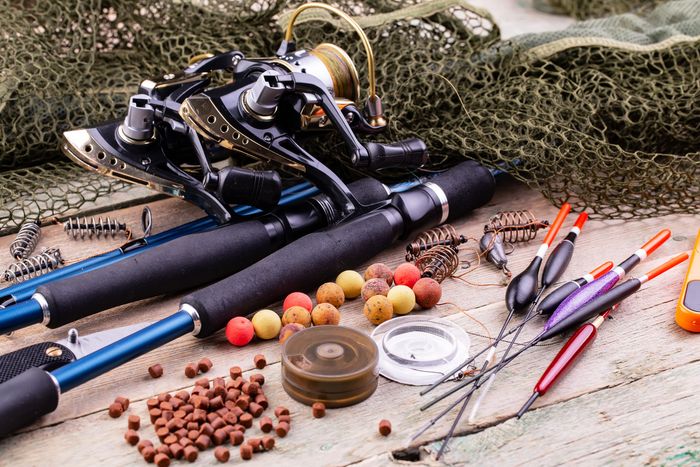
Choosing the right gear improves efficiency and helps anglers adjust to changing water conditions, structure, and target species. The table below outlines core equipment considerations that apply across most freshwater fishing lakes.
Gear Category | Purpose | Practical Tips |
|---|---|---|
Rod & Reel | Handles casting, control, and fish fighting across different lake conditions | Medium to medium-heavy setups cover most species, while heavier rods work best around vegetation, timber, and deep structure |
Fishing Line | Connects lure to fish and affects sensitivity and visibility | Use braided line in heavy cover, fluorocarbon in clear water, and monofilament for topwater or versatile presentations |
Lures & Baits | Attract fish based on movement, color, and profile | Soft plastics, crankbaits, jigs, and live bait adapt well to seasonal patterns and varying depths |
Electronics & Accessories | Help locate the structure and maintain the positioning | Depth finders, GPS mapping, and anchors improve accuracy when targeting ledges, points, and offshore structure |
Conclusion
Freshwater fishing lakes across the United States offer unmatched variety, from trophy bass waters to diverse multi-species fisheries that remain productive throughout the year. Understanding fish behavior, seasonal patterns, and lake-specific conditions helps anglers plan smarter trips and fish with confidence. Access to quality amenities and local knowledge further improves success on unfamiliar waters. For anglers looking to maximize their experience, exploring trusted fishing resources and connecting with experienced local guides can make a major difference. Discover top freshwater destinations, expert insights, and professional guide options by exploring Guidesly and start planning your next successful fishing adventure today.
FAQs
1. Are the top freshwater fishing lakes open year-round?
Yes, many top lakes allow year-round fishing, but regulations vary by state, weather affects safety, and some species have closed seasons requiring planning ahead.
2. Do I need a fishing license to fish these lakes?
Fishing licenses are required in all states, often with additional stamps or permits, so always check current state rules before fishing unfamiliar waters carefully beforehand.
3. Are these lakes suitable for family fishing trips?
Families can fish these lakes easily because many offer calm shore access, rental boats, nearby lodging, and predictable fishing conditions suitable for beginners and kids.
4. Is hiring a fishing guide worth it on large lakes?
Hiring a local guide helps shorten the learning curve, improves safety, reveals productive areas, and teaches lake-specific techniques you may not discover alone quickly.
5. Can crowded fishing lakes still produce good catches? Crowded lakes still fish well by adjusting timing, downsizing lures, focusing on less obvious structure, and fishing early mornings or weekdays when pressure is lower.
6. How does weather affect freshwater lake fishing success?
Weather influences water temperature, visibility, and oxygen levels, which directly affect feeding activity, location, and how aggressively fish respond to presentations during changing daily conditions.
7. Is boat access required to fish most large lakes?
Public access varies by lake, but many offer designated fishing piers, shoreline paths, and parks that allow productive fishing without owning a boat or kayak.
8. Why do some lakes have seasonal fishing restrictions?
Seasonal closures protect spawning fish and maintain healthy populations, so checking regulations ensures ethical fishing and prevents fines during restricted periods in sensitive local fisheries.
9. What are the benefits of fishing multi-species lakes?
Multi-species lakes provide flexibility, allowing anglers to switch targets when conditions change, keeping trips productive even if one bite slows unexpectedly during longer outings.
10. What should anglers consider when planning lake fishing trips?
Trip planning should include travel distance, seasonal weather, accommodation availability, regulations, and backup fishing options to maximize time on the water for first-time visitors.